


Captain's Logbook
Booking guidance: Ship excursion options provide guaranteed return to port and are worth considering for first-time visitors. For those who prefer to explore independently, local operators often offer competitive rates — book ahead during peak season to secure your preferred times. Whether you choose a ship excursion or go independent, confirm departure times and meeting points before heading out.
Vigo: My Gateway to Paradise
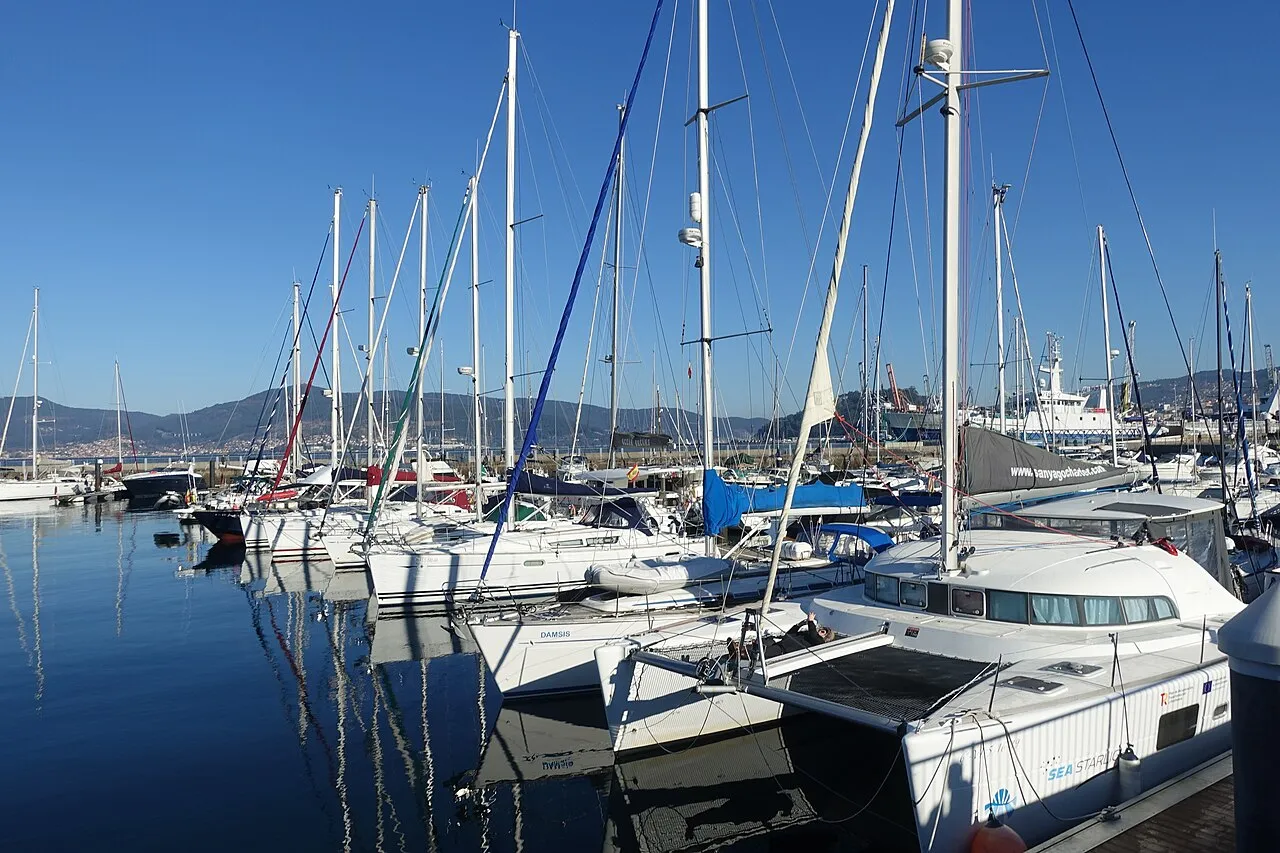
Standing on Vigo's waterfront at dawn, watching fishing boats head out across the Ría, I thought about the Romans who settled this harbor two thousand years ago. They called it "vicus spacorum" – the small village – though they found something remarkable here: the only solar evaporation sea saltworks of its kind they'd discovered. Salt was gold in ancient times, and Vigo had the Atlantic sun and shallow waters to make it.
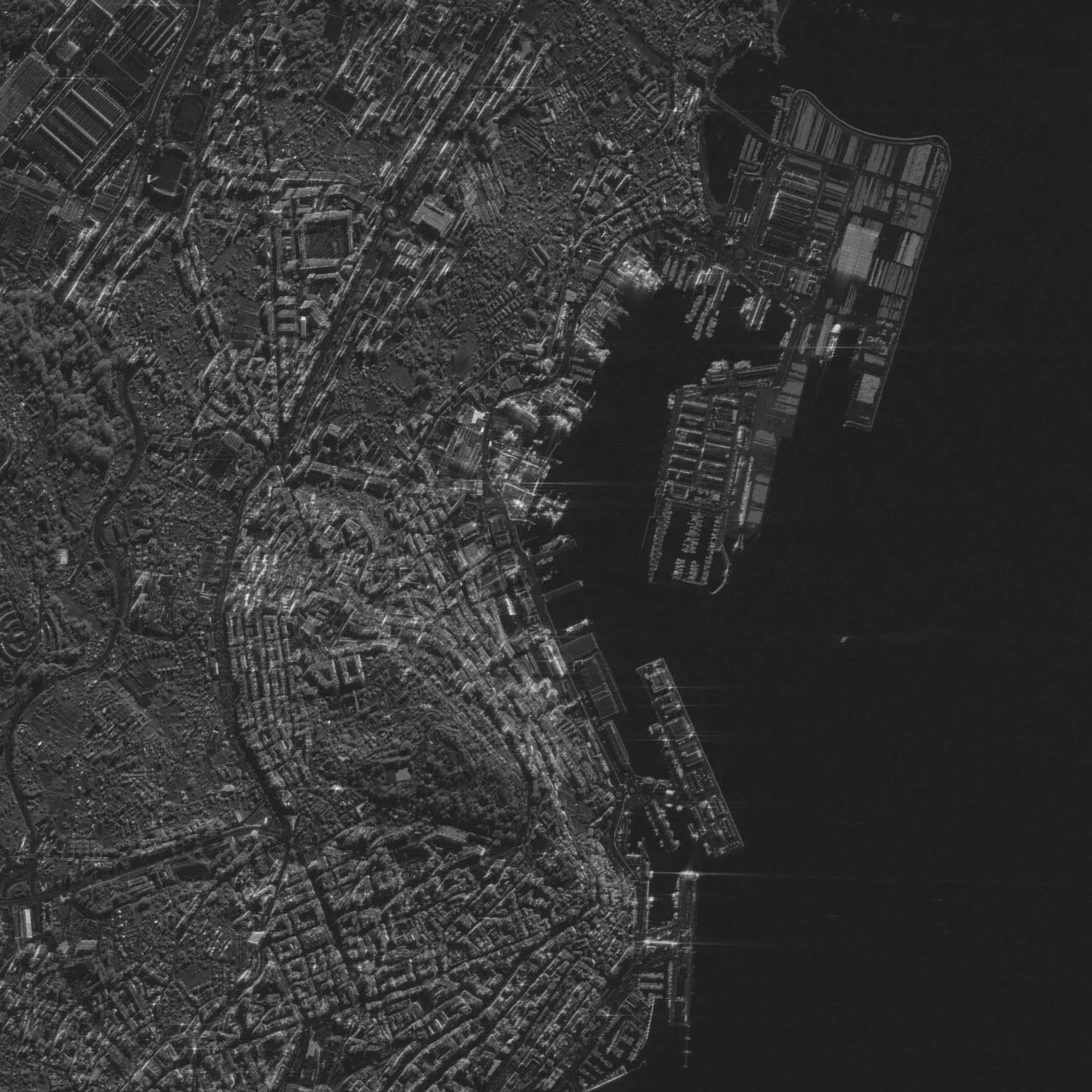
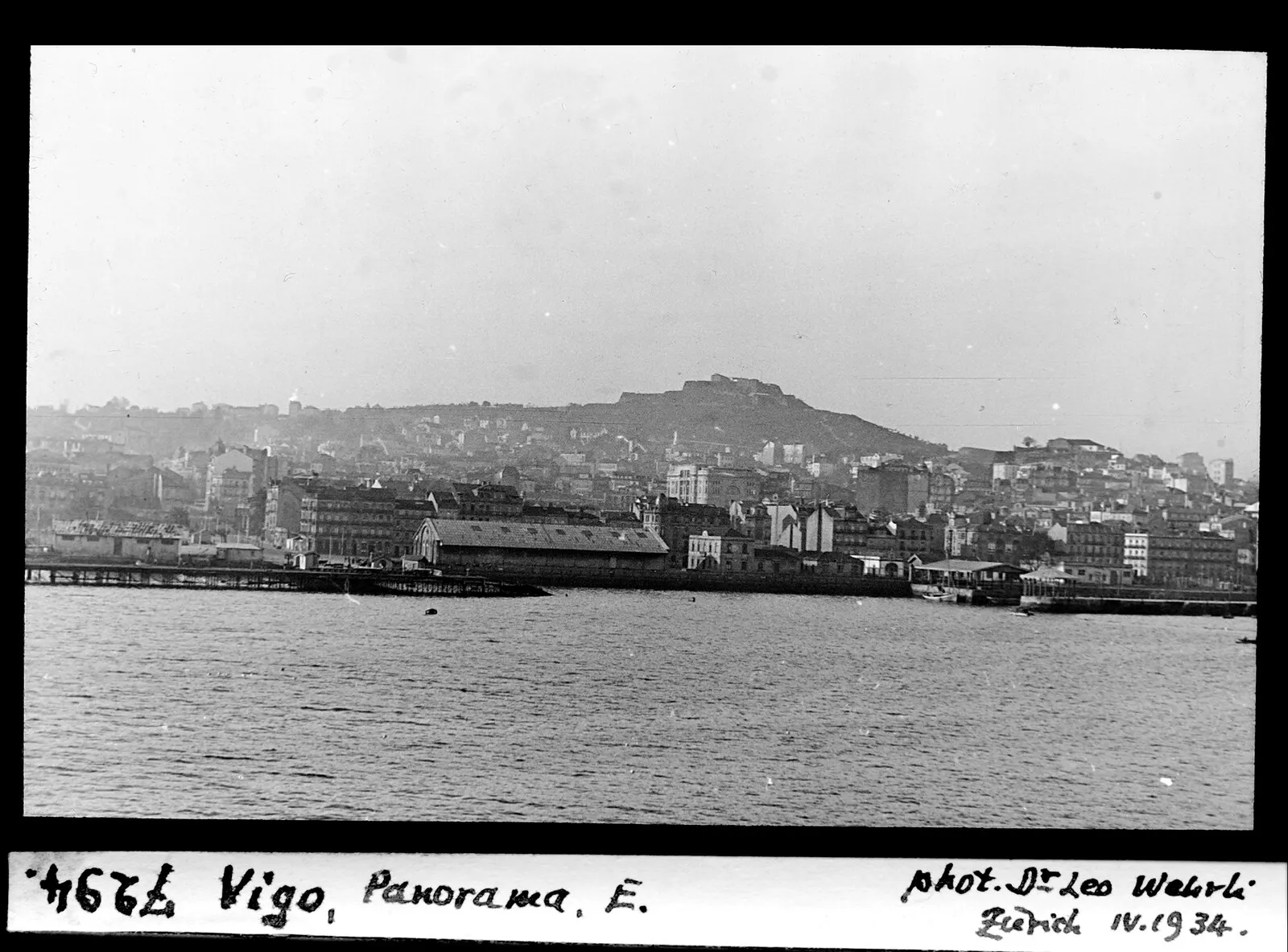
The port really grew up in the 16th century, but that prosperity drew the wrong kind of attention. When Francis Drake's fleet raided these waters, King Felipe IV decided enough was enough – he built the castle and defensive walls that still stand in the old town. By November 1881, Vigo had grown important enough to establish its own Port Authority. Then in 1947, they granted it free trade zone status, and the city exploded. Today this port stretches nearly three miles along the coast, supports over 30,000 jobs, and runs Europe's largest fishing fleet. The European Fisheries Control Agency even put their headquarters here.
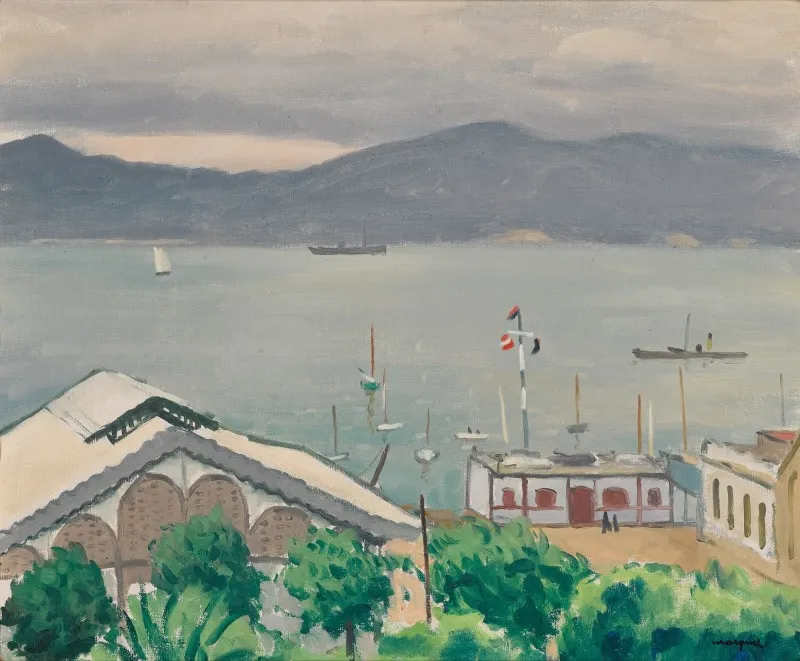
But here's what makes Vigo special for us cruisers: it's the gateway to Cíes Islands National Park. We caught the 9 a.m. ferry (booked months in advance) and stepped onto Rodas Beach – powder-white sand connecting two islands in a perfect crescent, water so clear we saw fish from the ferry. The 3-km hike to Faro da Porta gave views that made us gasp – the entire Ría de Vigo spread below like a map, the working port in the distance still doing what it's done for centuries. We had octopus salad and Estrella Galicia on the beach while Atlantic rollers crashed, thinking about how this same coastline fed Roman soldiers with salt-preserved fish.
We arrived back in Vigo at golden hour – the old town Casco Vello is all tiny squares and tapas bars smelling of pimientos de Padrón, built on those medieval foundations Felipe IV fortified. The pros: you get paradise islands, working maritime history, and authentic Galician culture in one day. The cons: Cíes tickets sell out fast, though walking the old defensive walls and harbor is lovely if you miss them.
There was a moment on the ferry back from Cíes that changed something in me. The sun was dropping toward the Atlantic, turning the water copper and gold, and I was sunburned and salt-crusted and happier than I had been in months. A Spanish family sat across from us — grandmother, parents, two small children — and the grandmother was peeling an orange for the youngest, her weathered hands moving with a patience that felt like prayer. The child ate each segment slowly, juice running down her chin, and the grandmother wiped it away with the hem of her sleeve without looking, her eyes on the islands receding behind us. Nobody was performing anything for anyone. It was just life happening in its simplest, most beautiful form, and watching it I felt my chest ache with a gratitude I could not name. I had spent the morning chasing the perfect beach, the perfect photo, the perfect experience, and here was perfection sitting three feet away — an old woman feeding an orange to a child on a boat at sunset. Sometimes the thing you traveled to find was never about the destination at all.
I think about Vigo more than almost any other port we have visited. Not because of the Cíes Islands, though they are extraordinary. Not because of the oysters at Rua Pescaderia, though they were the best I have ever eaten. I think about it because Vigo taught me something about the difference between consuming a place and being present in it. We arrived with a checklist — ferry, beach, old town, octopus — and we ticked every box. But the moment that endures, the one that surfaces when I close my eyes and try to remember what travel feels like at its truest, is that grandmother and that orange and that ferry ride home. Galicia gave me paradise and I almost missed it because I was too busy looking for paradise. The lesson: the good life is not a destination you reach by ferry. It is the way you peel the orange. In retrospect, Galicia taught me that the richest moments in travel are the ones you never planned — the ones that find you while you are busy looking elsewhere.
A practical note: the Cies Islands ferry ran about twenty euros round trip and required advance booking through the Naviera Mar de Ons website — we reserved ours two months out and the sailing was already three-quarters full. The crossing took about forty minutes and the water in the strait could be choppy, so anyone prone to seasickness should plan accordingly. Back in the old town, I noticed the Rúa dos Cesteiros smelled of woodsmoke and seared peppers, and a tapas bar on a corner served us a plate of pimientos de Padrón — some sweet, some fiery — for three euros alongside a cold Estrella Galicia for two. The whole Casco Vello is walkable in about an hour, though the lanes climb steeply toward the old castle walls, and the granite cobblestones can be slippery after rain. I watched the fishing boats return to the Berbés wharf at dusk, nets heaped with sardines and the gulls screaming overhead, and it felt like witnessing a ritual that has played out on this waterfront for a thousand years.
For those who miss the Cíes ferry, Monte do Castro is a fine consolation — a hilltop park in the center of Vigo with the ruins of a 17th-century fortress and panoramic views across the entire Ría. The climb takes about twenty minutes from the waterfront and is steep in places, but benches along the way make it manageable. From the top, I could see our ship docked below, the Cíes Islands on the horizon, and fishing boats threading between them like stitches in a seam. On the descent we stopped at the Mercado da Pedra, the old stone market hall where oyster vendors shuck Galician oysters at outdoor tables — three euros each, with a squeeze of lemon and a glass of Albariño wine from Rías Baixas. It was among the simplest and finest meals of the trip. Vigo does not try to be anything other than what it is — a working Atlantic port with exceptional food, honest people, and a nearby island paradise that the rest of Europe has somehow not yet overrun. Long may it stay that way. As we sailed out of the Ría at sunset, the Cíes Islands silhouetted against the last orange light like ancient sentinels guarding the mouth of the bay, I thought about those Roman salt workers and Felipe's fortress builders and the fishermen who head out before dawn — all of them drawn to this same sheltered water, all of them sustained by the same generous Atlantic. Vigo understands something essential about the good life: fresh food, honest work, and a beach close enough to reach by ferry.
Cruise Port
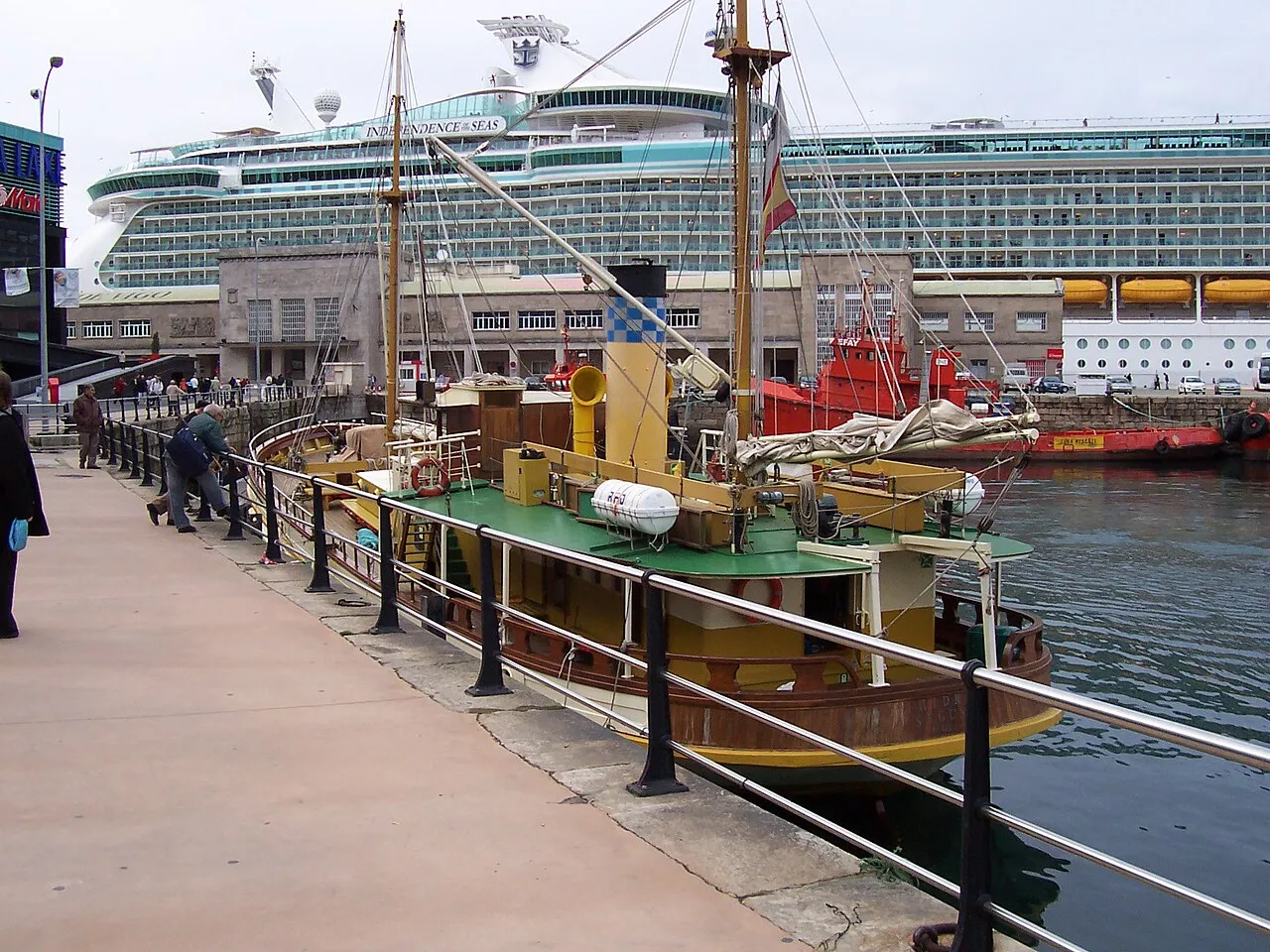
Cruise ships dock at the Estación Marítima de Vigo, a modern terminal positioned right in the city center along the Ría de Vigo waterfront. The terminal building has a staffed tourist information desk with free city maps in multiple languages, clean restrooms, and a small café. Taxi ranks line up directly outside the exit doors.
The location is genuinely excellent — Vigo's old town, the Casco Vello, begins just a five-minute walk from the gangway. The Mercado da Pedra oyster market is roughly 400 meters on foot, and the waterfront promenade stretches in both directions with clear signage. There is no shuttle bus needed here; the port is the city.
The terminal is wheelchair accessible with ramp access from the ship, level flooring throughout, and accessible restrooms. The waterfront promenade toward the old town is flat and paved, though the Casco Vello itself climbs steeply on cobblestones — wheelchair users and those with mobility concerns should stick to the lower harbor streets and Rúa do Príncipe, the main pedestrian shopping avenue, which is level and smooth.
On busy days when two ships call simultaneously, the second vessel may dock at the commercial Guixar terminal about 2 km south. In that case, a free shuttle bus runs passengers to the Estación Marítima area. Check your ship's port talk the evening before to confirm your berth assignment.
Getting Around
Vigo's old town — the Casco Vello — is compact and entirely walkable from the cruise terminal. The core historic quarter covers roughly 600 meters end to end, with narrow granite lanes, small plazas, and tapas bars tucked into every corner. You can see the highlights on foot in two to three hours at a comfortable pace.
Be prepared for steep hills. The old town climbs sharply from the waterfront up toward the Castro fortress ruins. Wear sturdy shoes with grip — the polished granite cobblestones become slick after rain. If the climb is too much, a taxi to Monte do Castro costs around €5–€7 from the port.
Local buses (Vitrasa) run frequently and cost €1.35 per ride. Route C1 circles the city center and is useful for reaching the Samil beach area or the upper neighborhoods without the uphill walk. Bus stops near the port are well marked.
For destinations beyond the city, the key connections are:
- Cíes Islands — Ferries depart directly from the Estación Marítima passenger port, roughly a 40-minute crossing. Naviera Mar de Ons and Piratas de Nabia operate the routes (round trip approximately €20–€25). Sailings run from Easter through September, with the most frequent schedule in July and August.
- Santiago de Compostela — About 90 minutes by bus or car from Vigo. Monbus runs direct coaches from the Vigo bus station (€8–€12 one way, roughly hourly departures). Renfe trains from Guixar station also run roughly hourly (75 minutes). A private taxi or transfer runs around €120–€150 each way.
- Baiona — A picturesque fortified coastal town 30 minutes south by car or bus (€2.50 by Monbus). Worth the trip for its Monterreal fortress and the replica of the Pinta caravel in the harbor.
Vigo Area Map
Interactive map showing cruise terminal and Vigo attractions. Click any marker for details.
Excursions & Day Trips
Vigo rewards both the independent explorer and those who prefer a structured ship excursion. The old town is so close to the gangway that even a short port call leaves time for meaningful sightseeing on your own. For longer day trips — Santiago de Compostela, the Cíes Islands — a ship excursion offers guaranteed return to the vessel, which matters when ferries or traffic delays could cut it close.
Rúa Pescadería Oyster Market
Walk five minutes from the ship to the Mercado da Pedra on Rúa Pescadería, where Galician women shuck Atlantic oysters at granite tables lining the street. Expect to pay around €1–€1.50 per oyster, served with a wedge of lemon. A dozen oysters and a glass of crisp Albariño wine from the Rías Baixas region runs about €15–€18 total. No reservation needed — just walk up, point, and eat. This is one of the most authentic and affordable food experiences on any Atlantic cruise itinerary. The market is busiest mid-morning; arrive before 11 a.m. for the best selection.
Cíes Islands Nature Reserve
The crown jewel of any Vigo port call. This Atlantic archipelago is a protected national park with pristine beaches, hiking trails through pine and eucalyptus forest, and waters clear enough to snorkel. Rodas Beach — the white sand crescent connecting the two main islands — has been called one of the best beaches in the world. The ferry takes 40 minutes from the port. Round-trip tickets cost approximately €20–€25 per adult. You must book ahead — daily visitor numbers are capped at 2,200, and summer sailings sell out weeks in advance. Reserve through Naviera Mar de Ons or Piratas de Nabia. You also need a free Xunta de Galicia park access authorization, available online. If doing this independently on a cruise ship day, choose the earliest ferry departure and confirm the return sailing leaves at least 90 minutes before your ship's all-aboard time. Alternatively, a ship excursion to Cíes removes the timing risk entirely — the excursion operator coordinates with the vessel schedule, giving you guaranteed return to the ship.
Santiago de Compostela Day Trip
The endpoint of the Camino de Santiago pilgrimage, Santiago's cathedral and old town are a UNESCO World Heritage Site about 90 minutes from Vigo. This is the excursion where a ship excursion earns its premium — traffic on the AP-9 motorway can be unpredictable, and the guaranteed return to the ship provides real peace of mind. Expect to pay €80–€130 through the cruise line. Going independent by Monbus coach (€8–€12 each way, 90 minutes) saves money but requires careful timing: catch the earliest morning bus and plan to return on a service that arrives at least two hours before sailing. In Santiago, the cathedral, Praza do Obradoiro, and the old town food market (Mercado de Abastos) are the essentials — allow at least three hours in the city.
Baiona Fortress
The walled town of Baiona sits 20 km south of Vigo along the coast. Its medieval fortress (Monterreal) was the first place in Europe to receive news of Columbus's discovery of the Americas — the Pinta landed here in 1493. The fortress walk along the ramparts takes about an hour, with views across the Ría and out to the Cíes Islands. Entry to the fortress grounds is free.
Rías Baixas Wine Country
The Rías Baixas wine region surrounds Vigo, producing Spain's finest white wine — Albariño. Several bodegas offer tastings within a 30-minute drive. Ship excursions to wine country typically cost €70–100 per person. Independent visits require advance booking with the bodega.
Booking guidance: For the Cíes Islands, always book ahead — ferry tickets and the mandatory park authorization sell out, especially from June through September. Santiago de Compostela works well either as a ship excursion (with guaranteed return to the vessel and no transport worries) or independent by public bus if you are comfortable managing your own schedule. The oyster market and old town need no advance booking at all — just walk off the ship and explore. When in doubt about timing on longer trips, the ship excursion is the safer choice; when the destination is walkable from the port, going independent saves money and gives you full flexibility.
Weather & Best Time to Visit
Depth Soundings Ashore
Practical tips before you step off the ship.
Cíes has a strict daily limit – booking early guarantees one of the best beach days on the planet.
Money: The local currency is Euro (EUR). ATMs are generally available near the port area, though fees vary. Credit cards are widely accepted at tourist-oriented establishments, but carry some local cash for markets, street food, and smaller vendors. Your ship's exchange rate is typically unfavorable — withdraw from a bank ATM instead.
Timing: Start early if your ship arrives at dawn — the first hours offer pleasant conditions and smaller crowds. Allow at least 30 minutes buffer before all-aboard time. Set a phone alarm as backup.
Safety: Standard port-town awareness applies — keep valuables close and stick to well-traveled areas during daylight. Your ship's ID card is your most important item — losing it creates a genuine headache at the gangway.
Communication: Wi-Fi is often available at cafes and restaurants near the port. Consider downloading offline maps before disembarking — cellular data roaming charges can be substantial and surprising.
Photo Gallery

Frequently Asked Questions
Q: Is Vigo worth it?
A: For Cíes Islands alone, absolutely.
Q: Best thing?
A: Ferry to Cíes + Rodas Beach.
Q: How long on Cíes?
A: Full day is paradise.
Q: Walk from port?
A: Yes – right to ferry.
Q: What is the best time to visit Vigo?
A: Cruise season runs June through September — Galician Rías Baixas (41-76°F). December and January are the months to avoid. Rain is part of the experience here.
Q: Is Vigo suitable for passengers with mobility challenges?
A: Accessibility varies by area. The port vicinity and main commercial streets are generally manageable, but older historic districts may feature cobblestones, stairs, and uneven surfaces. Consider booking an accessible ship excursion if you have concerns. The ship's shore excursion desk can advise on specific accessibility options for this port.
Q: Do I need to exchange currency before arriving?
A: The local currency is Euro (EUR). Most tourist-facing businesses accept major credit cards. ATMs near the port offer competitive exchange rates. Carry some local cash for small purchases, markets, and tips. Avoid exchanging money on the ship — the rates are typically unfavorable compared to local bank ATMs.
Q: Can I explore independently or should I book a ship excursion?
A: Both options work well. Ship excursions guarantee return to the vessel and handle logistics, making them ideal for first-time visitors. Independent exploration costs less and allows more flexibility — just keep track of time and allow a 30-minute buffer before all-aboard. Many passengers combine approaches: an organized morning tour followed by free afternoon exploration.
Q: Does Vigo have a hurricane or storm season?
A: Vigo is not in a hurricane zone. The defining weather feature is Atlantic Galicia — frequent rain. December and January are the months to avoid.
Q: What should I pack for Vigo's weather?
A: Waterproof jacket. Comfortable walking shoes. Layers. Cash for tapas bars.
Q: Will rain ruin my port day in Vigo?
A: Rain is wet year-round; drier June through August. Cruise season concentrates in the drier June–September window. Rain is part of the experience here.
Last reviewed: February 2026
Key Facts
- Country
- Spain
- Region
- Atlantic
- Currency
- Euro (EUR)
- Language
- Spanish / Galician
Image Credits
- vigo-1.webp: WikiMedia Commons (CC BY-SA)
- vigo-2.webp: WikiMedia Commons (CC BY-SA)
- vigo-3.webp: WikiMedia Commons (CC BY-SA)
- vigo-4.webp: WikiMedia Commons (CC BY-SA)
Images sourced from WikiMedia Commons under Creative Commons licenses.