


Captain's Logbook
Waterford: My Viking Crystal City
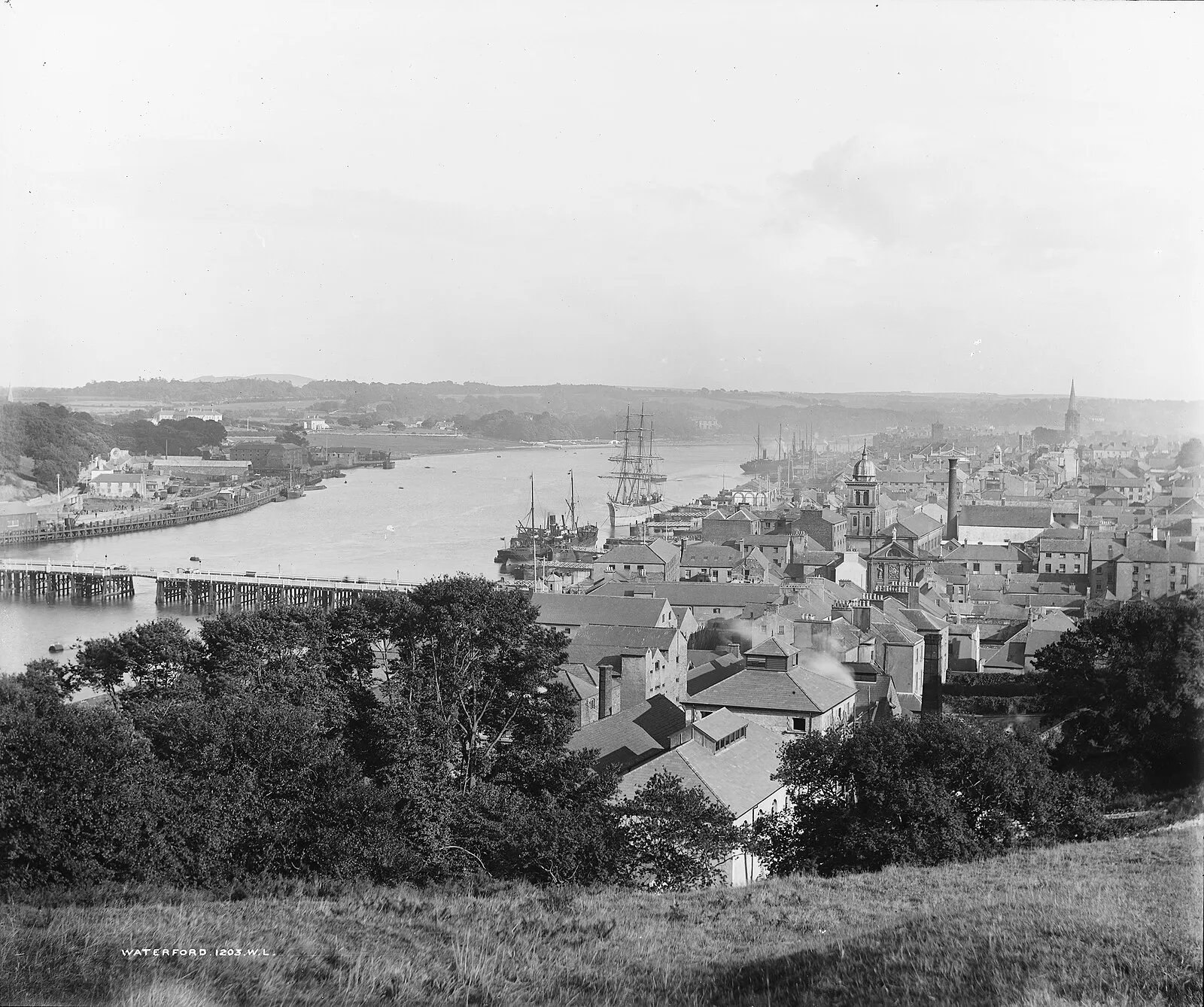
We walked off into the Viking Triangle – Reginald's Tower glowing pink at sunrise, the only Irish monument with its original Viking name. I stood before Ireland's oldest civic building in its oldest city, founded in 914 AD when Viking adventurer Ragnall, grandson of Ivor the Boneless, claimed this windy fjord. The tower's 1495 defense against Perkin Warbeck earned Waterford its defiant motto: 'Urbs Intacta Manet' – the unconquered city. The Medieval Museum is brilliant – two 13th-century choristers' halls joined together with the only complete set of King Edward III's clothes in existence. The House of Waterford Crystal tour – watching master blowers create vases with wooden paddles and shears was mesmerising.
We had lunch at Munster Dining Room – blaas (soft floury baps) with bacon and proper Irish breakfast all day. In the afternoon we went to the Bishop's Palace – 18th-century silver and the only Napoleon death mask in Ireland. The pros: compact, history-rich, and genuinely Irish. The cons: some modern bits, but the Viking core is perfect.
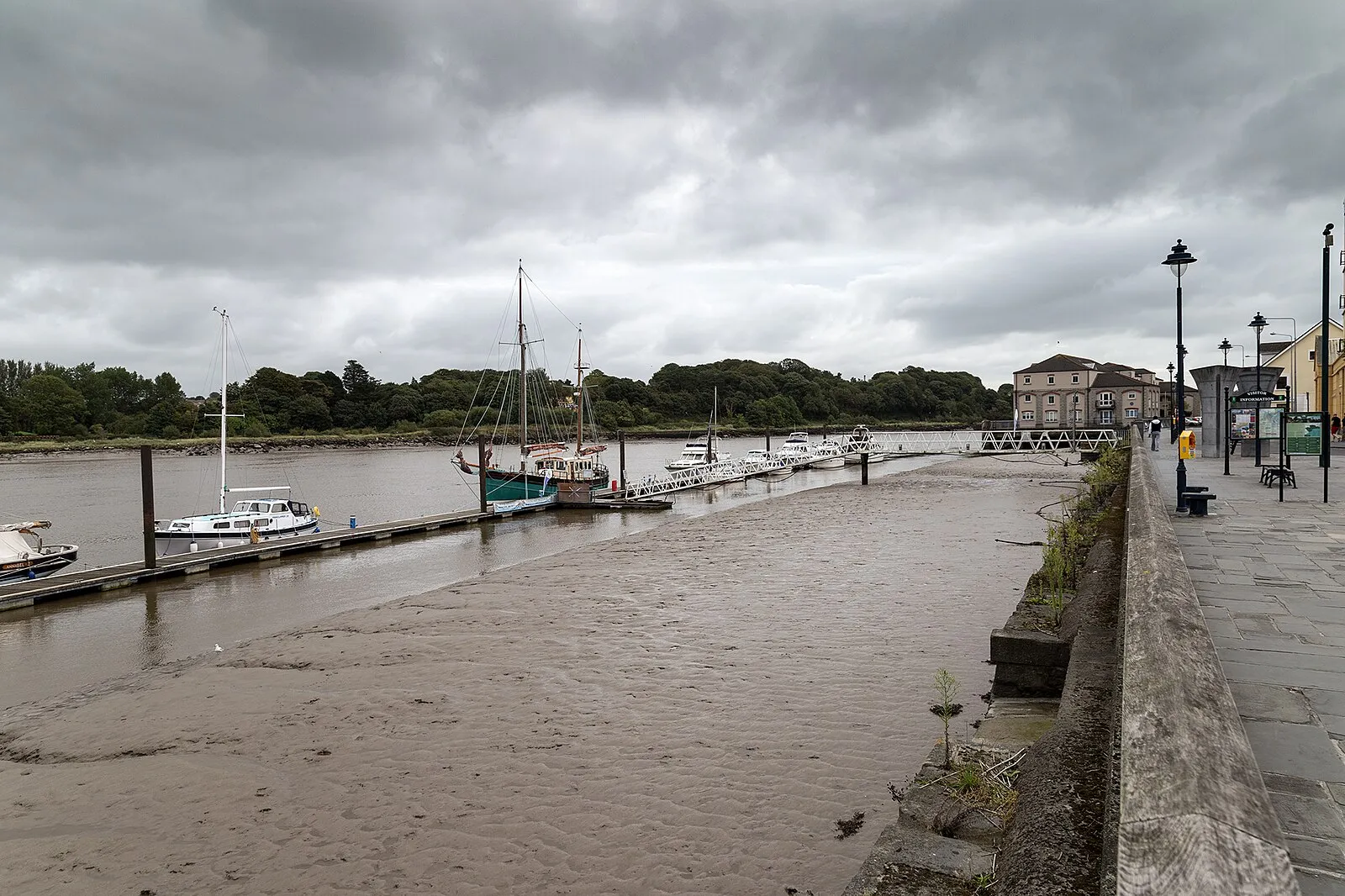
The walk from the ship to Reginald's Tower took about ten minutes along the River Suir quayside, with the water on one side and old merchant warehouses on the other. I noticed the air carried the brackish tang of the tidal river mixed with the sweet yeasty smell drifting from a bakery on the Quay. The Viking Triangle museums operate on a combined ticket of about fifteen euros, which covers Reginald's Tower, the Medieval Museum, and the Bishop's Palace — outstanding value for three distinct collections. The crystal factory tour ran about fifteen euros and lasted roughly an hour, and I would recommend booking ahead because spaces fill quickly on ship days. What struck me was how the master craftsmen worked in near silence, shaping molten glass with an economy of movement that spoke of decades at the furnace. The heat from the blowing floor radiated through the viewing gallery, and I could feel it on my face even from behind the safety line.
After the Bishop's Palace, we wandered into the narrow lanes behind Barronstrand Street and found a pub with dark wood and a turf fire where a fiddler was playing a slow air that made the whole room go quiet. I ordered a pint of Smithwick's — brewed in nearby Kilkenny — and it tasted like copper and caramel and something unmistakably Irish. The bartender told us that Waterford's Blaa bread holds a protected geographical indication from the EU, meaning it can only legally be made within the city — a point of fierce local pride. We bought a bag of fresh blaas from a shop on John Street for about two euros, still warm and pillowy soft, and ate them walking back along the quay. The entire Viking Triangle is compact enough to cover in half a day without rushing, and the flat terrain along the river makes it accessible for most visitors. I left Waterford feeling that this city carries its eleven centuries of history not as a burden or a performance, but as something woven into the daily texture of the place — the bread, the crystal, the river, the stone.
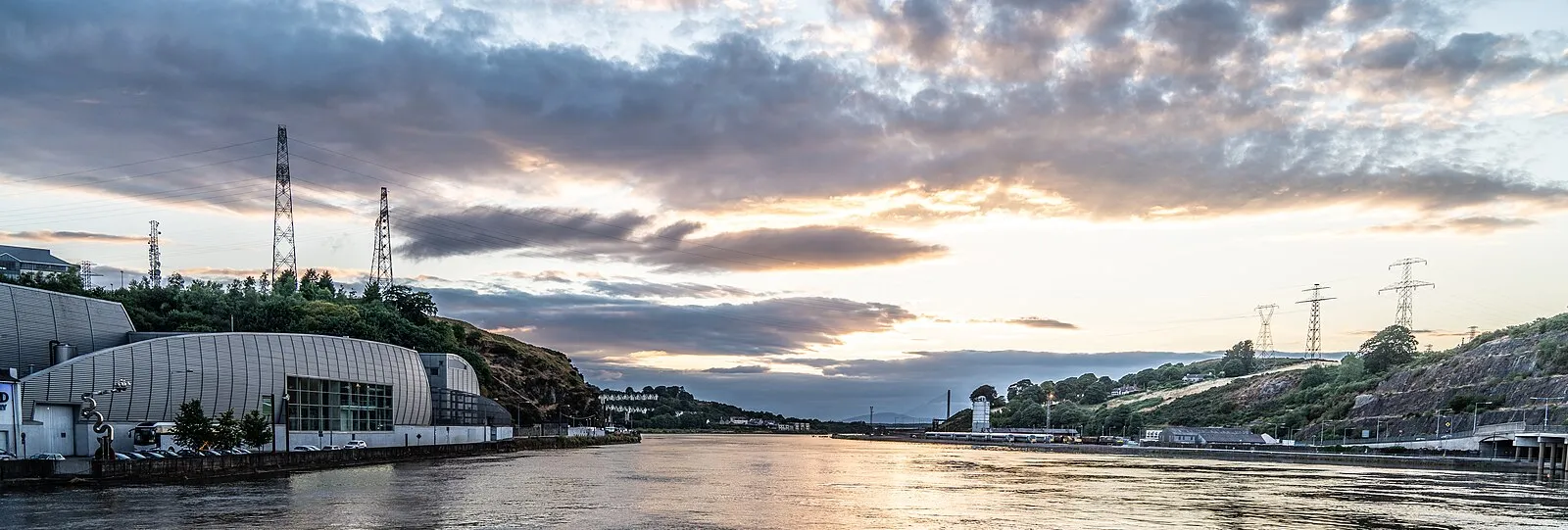
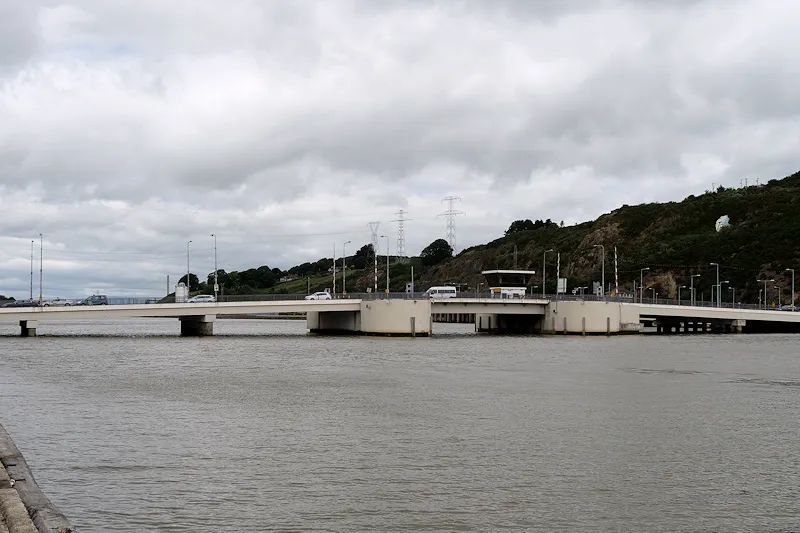
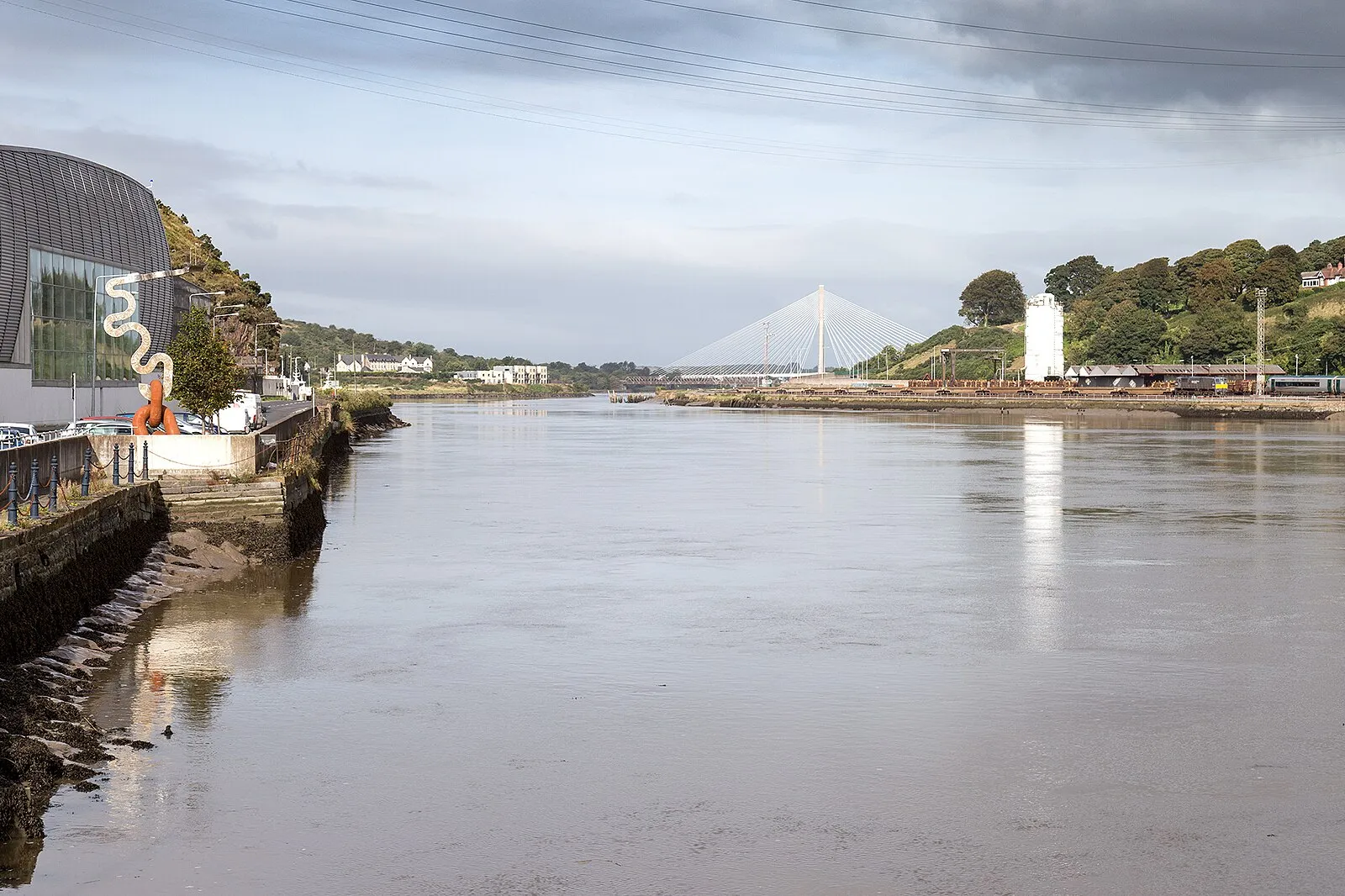
One more thing I want to mention: the people of Waterford were among the warmest and most genuine we encountered on the entire cruise. A woman at the crystal factory gift shop spent ten minutes helping us choose a piece and then wrapped it with the kind of care you would give a christening present. The man at the medieval museum entrance noticed us lingering over King Edward's robes and came over with stories about how the garments were discovered in the walls of Christ Church Cathedral during renovation — he was not a guide, just a local who loved his city's history. That kind of unscripted hospitality cannot be manufactured and it elevated Waterford from a good port day to a memorable one. If you have extra time, the walk along the River Suir toward the Thomas Francis Meagher Bridge is peaceful and scenic, with benches overlooking the water where you can sit and take in the quiet rhythm of Ireland's oldest city going about its business. We did exactly that on our way back, and I am glad we did. The River Suir caught the late-afternoon light and turned it silver, and I could hear the faint clinking of crystal from the factory behind us — the sound of Waterford itself, still making beautiful things from fire and sand, just as the Vikings once forged swords and shields on the same stretch of Irish riverbank a thousand years before. My heart swelled as the fiddler in the pub played a slow air that my grandmother used to hum, and I whispered her name without thinking — something shifted in me then, a thread connecting this Irish quayside to a kitchen in another country where I first heard that melody. I realized that what matters is not the crystal or the castles but the way a place can reach across generations and remind you where you come from.
Waterford Port Map
Interactive map showing cruise terminal and Waterford attractions. Click any marker for details.
Weather & Best Time to Visit
Depth Soundings Ashore
Practical tips before you step off the ship.
Waterford's medieval streets are narrow and atmospheric – comfortable shoes make time-travel even easier.
Money: The local currency is Euro (EUR). ATMs are generally available near the port area, though fees vary. Credit cards are widely accepted at tourist-oriented establishments, but carry some local cash for markets, street food, and smaller vendors. Your ship's exchange rate is typically unfavorable — withdraw from a bank ATM instead.
Timing: Start early if your ship arrives at dawn — the first hours offer pleasant conditions and smaller crowds. Allow at least 30 minutes buffer before all-aboard time. Set a phone alarm as backup.
Safety: Standard port-town awareness applies — keep valuables close and stick to well-traveled areas during daylight. Your ship's ID card is your most important item — losing it creates a genuine headache at the gangway.
Communication: Wi-Fi is often available at cafés and restaurants near the port. Consider downloading offline maps before disembarking — cellular data roaming charges can be substantial and surprising.
Photo Gallery
Frequently Asked Questions
Q: Is Waterford worth it?
A: The most underrated Irish port city.
Q: Best thing?
A: Viking Triangle + House of Waterford Crystal.
Q: How long for crystal tour?
A: 1 hour of pure magic.
Q: Walk from port?
A: Yes – right into 1,000 years of history.
Q: What is the best time to visit Waterford?
A: Cruise season runs May through September — mild southeast Ireland (36-66°F). There are no months to avoid. Southeast Ireland is the driest and sunniest part of the country.
Q: Is Waterford suitable for passengers with mobility challenges?
A: Accessibility varies by area. The port vicinity and main commercial streets are generally manageable, but older historic districts may feature cobblestones, stairs, and uneven surfaces. Consider booking an accessible ship excursion if you have concerns. The ship's shore excursion desk can advise on specific accessibility options for this port.
Q: Do I need to exchange currency before arriving?
A: The local currency is Euro (EUR). Most tourist-facing businesses accept major credit cards. ATMs near the port offer competitive exchange rates. Carry some local cash for small purchases, markets, and tips. Avoid exchanging money on the ship — the rates are typically unfavorable compared to local bank ATMs.
Q: Can I explore independently or should I book a ship excursion?
A: Both options work well. Ship excursions guarantee return to the vessel and handle logistics, making them ideal for first-time visitors. Independent exploration costs less and allows more flexibility — just keep track of time and allow a 30-minute buffer before all-aboard. Many passengers combine approaches: an organized morning tour followed by free afternoon exploration.
Q: Does Waterford have a hurricane or storm season?
A: Waterford is not in a hurricane zone. Winds are moderate; the southeast coast is more sheltered than the west coast. There are no months specifically to avoid.
Q: What should I pack for Waterford's weather?
A: Waterproof jacket. Warm layers. Comfortable walking shoes. Umbrella. Warm sweater.
Q: Will rain ruin my port day in Waterford?
A: Rain is frequent; slightly drier April through June. Cruise season concentrates in the May–September window. Southeast Ireland is the driest and sunniest part of the country.
Last reviewed: February 2026
Key Facts
- Country
- Ireland
- Region
- British Isles & Ireland
- Currency
- Euro (EUR)
- Language
- English / Irish
Cruise Port
Waterford receives cruise ships at Belview Port, a commercial cargo terminal on the River Suir approximately 3 km east of the city centre. Larger vessels that cannot navigate the river anchorage at Belview dock alongside the quay, while the biggest ships — typically those over 300 metres — anchor at Dunmore East, a fishing village at the mouth of Waterford Harbour, and tender passengers ashore.
Facilities at Belview are basic: expect a small welcome tent on cruise call days with tourist information leaflets and a map, but no permanent terminal building, shops, or cafes at the quayside. There is no covered waiting area, so bring a jacket if the Irish weather is doing its usual thing.
Most cruise lines arrange shuttle buses between Belview Port and Waterford city centre. The shuttle typically costs around €5 per person each way (some lines include it in the port fees) and drops passengers at the Quay, right at the doorstep of the Viking Triangle. The ride takes roughly 10 minutes. When ships tender at Dunmore East, the shuttle into Waterford city runs around €8–€10 and takes about 25 minutes.
Currency is the euro. ATMs are plentiful in the city centre, and credit cards are accepted at virtually all tourist-facing businesses. English is the primary language, with Irish (Gaeilge) appearing on signage alongside it.
Wheelchair users and passengers with limited mobility should note that the Belview quayside is flat and manageable, though the surface is industrial rather than polished. Shuttle buses are generally accessible, but confirm with your ship's shore excursion desk before disembarkation. When tendering from Dunmore East, access depends on sea conditions and tender vessel design — speak with Guest Services the evening before arrival.
Getting Around
Waterford's compact medieval core is genuinely walkable. Once the shuttle drops you at the Quay, the entire Viking Triangle — home to the Medieval Museum, Reginald's Tower, Bishop's Palace, and the House of Waterford Crystal — sits within a 10-minute stroll. The main shopping street, Barronstrand, is steps from the waterfront. You can comfortably cover Waterford's headline sights on foot in a single port day without breaking a sweat.
Local buses operated by Bus Éireann connect Belview Port to the city on cruise days, though the shuttle service is more reliable and direct. City buses within Waterford are infrequent and mainly serve commuter routes to the suburbs — you will not need them for sightseeing in the centre.
Taxis queue at the Quay and at Waterford Bus Station. A taxi from Belview Port to the city centre costs around €10–€12. Fares within the city centre itself rarely exceed €6–€8. Taxis are metered and reliable, but limited in number on cruise days — consider pre-booking through Rapid Cabs (+353 51 858 585) if you want a guaranteed pickup time for your return.
For day trips beyond Waterford — and there are compelling ones — you will need organised transport. Kilkenny is 45 minutes northwest by car, with its magnificent castle and medieval mile. The Hook Lighthouse, one of the oldest working lighthouses in the world, sits about 40 minutes south on the Hook Peninsula. The Copper Coast UNESCO Geopark stretches along the coast between Tramore and Dungarvan. Neither is practical by public transport on a port day. Book a ship excursion, join a local tour operator, or arrange a rental car if you want to reach them independently.
For budget-conscious visitors, the free Viking Triangle walking tour departs from the Tourist Office on the Quay and provides excellent context for independent exploration. Some medieval lanes feature older cobblestones that require sturdy footwear.
Excursions
Booking guidance: Most Waterford highlights are within walking distance, making independent exploration a strong choice here. A ship excursion offers guaranteed return to the vessel and is worth considering for day trips to Kilkenny or Hook Lighthouse, where timing is tight. For the crystal factory tour, book ahead during summer months — walk-in slots fill quickly when multiple ships are in port. Local operators like Jack Burtchaell's walking tours can be booked independently online and offer deeper storytelling than most ship-organised alternatives.
Medieval Museum & Viking Triangle Walking Tour
The Viking Triangle is Waterford's crown jewel — a compact cultural quarter where 1,100 years of history are layered into a few city blocks. Start at Reginald's Tower (€5), Ireland's oldest civic building, then cross to the Medieval Museum (€10), a striking modern building designed to echo a Viking longship. Inside, you will find the only surviving piece of Henry VIII's cloth of gold and a 13th-century gilded cross. Finish at the Bishop's Palace (€7), which covers Waterford's Georgian and Victorian periods. A combined Waterford Treasures ticket covering all three museums costs €15 and is the best value. Allow 2–3 hours. Guided walking tours of the Viking Triangle run from the tourist office at €10 per person and add local colour you will not get from museum panels alone.
House of Waterford Crystal
The House of Waterford Crystal factory tour is the single most popular excursion in the city, and it earns it. The guided tour (approximately 60 minutes) takes you through every stage of crystal production — from initial design and wooden mould carving through blowing, cutting, sculpting, and engraving. Watching a master cutter transform a blank into a Lismore vase is mesmerising. Tours cost €15 per adult (€10 for seniors, children under 6 free) and run every 15–20 minutes during cruise season. The factory showroom and retail shop at the end carry pieces at factory-direct prices — expect to pay €50–€500+ depending on the item. The factory sits on The Mall, a 5-minute walk from the Quay. Book your tour slot online at waterfordvisitorcentre.com, especially if two or more ships are calling the same day.
Kilkenny Castle Day Trip
A half-day trip to Kilkenny is the premier excursion beyond Waterford and well worth the 45-minute drive. Kilkenny Castle (€8 adult admission) dominates the town from its riverside perch — the guided tour of the Victorian-era picture gallery and restored interiors takes about 45 minutes. Afterward, walk the Medieval Mile from the castle to St. Canice's Cathedral, whose round tower (€6 to climb) offers panoramic views. Ship excursions to Kilkenny typically run €70–€90 per person and include transport, castle entry, and a walking tour. Independent visitors can hire a taxi for the round trip at roughly €120–€140 for the car, splitting well among 3–4 passengers. Allow a minimum of 4 hours for Kilkenny, including travel time — tight but doable on most port day schedules.
Copper Coast UNESCO Global Geopark
A half-day trip along the coast east of Waterford brings you to the Copper Coast, designated a UNESCO Global Geopark for its 460-million-year geological story visible in dramatic sea cliffs, coves, and former copper mining sites. The coastal drive through Tramore, Bunmahon, and Stradbally offers spectacular scenery and quiet beaches. Ship excursions to the Copper Coast run approximately €50–65 per person. The route includes several accessible viewing points along the cliff paths.