

Photo: AER Wilmington DE / Flickr (CC BY 2.0)
Wrangell, Alaska
Region: Alaska | Season: May – September | Dock: City dock & cruise ship lightering dock downtown

Photo: AER Wilmington DE / Flickr (CC BY 2.0)
Region: Alaska | Season: May – September | Dock: City dock & cruise ship lightering dock downtown
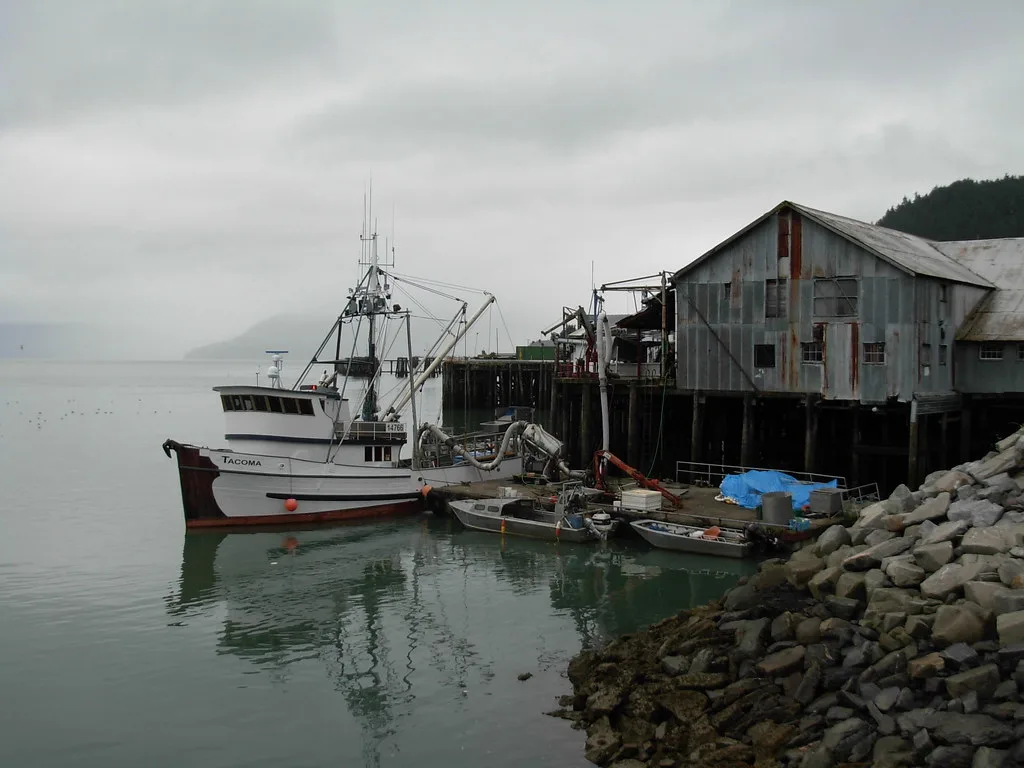
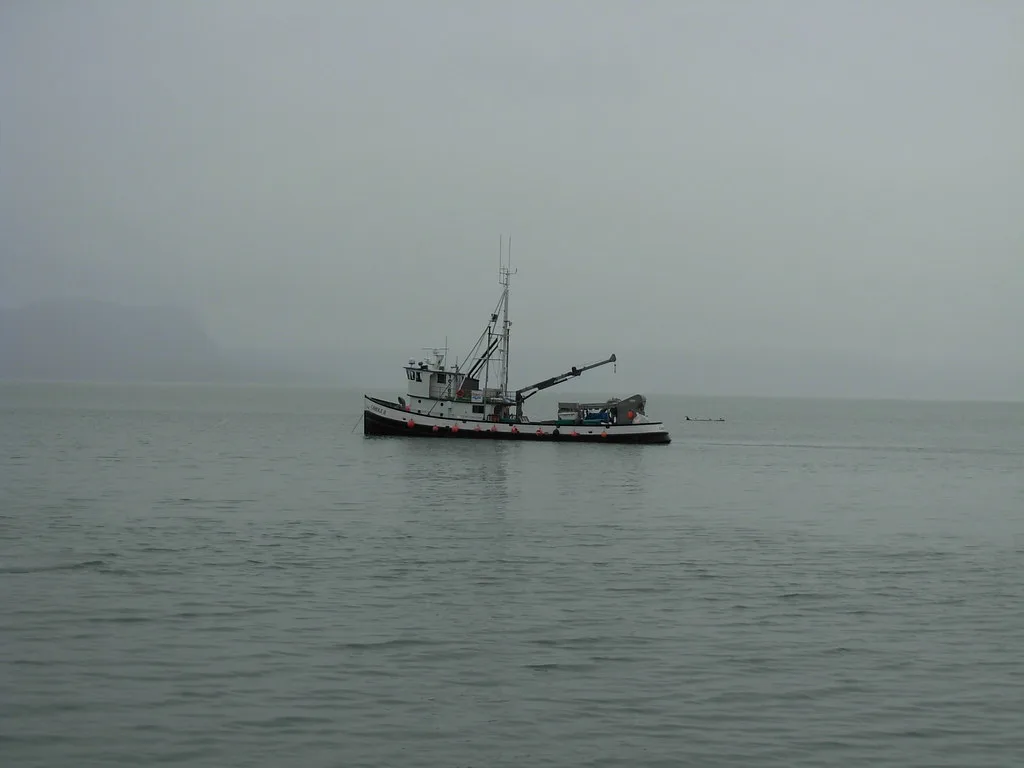
We pulled into Wrangell on a morning that smelled like rain and wood smoke, and the first thing I noticed was what wasn't there: no jewelry stores lining the dock, no helicopter-tour hawkers, no diamond-international banners. Just a quiet harbor with fishing boats rocking gently and a few locals on the dock who looked like they'd come down to see what kind of ship this was. One of them — a woman in rubber boots and a flannel shirt — waved at us like we were neighbors arriving for dinner. That wave told me more about Wrangell than any brochure could.
This is one of the oldest continuously inhabited places in North America. People have lived here for over 8,000 years. The Tlingit called it Kowee, and they were here long before the Russians built a stockade, the British raised their flag, and the Americans bought the whole territory in 1867. Three nations have claimed Wrangell, but the Tlingit were here first, and their presence still runs deep in the town's bones. You feel it walking through — this isn't a place that was built for tourists. It's a place that tolerates visitors because the people here are genuinely kind.
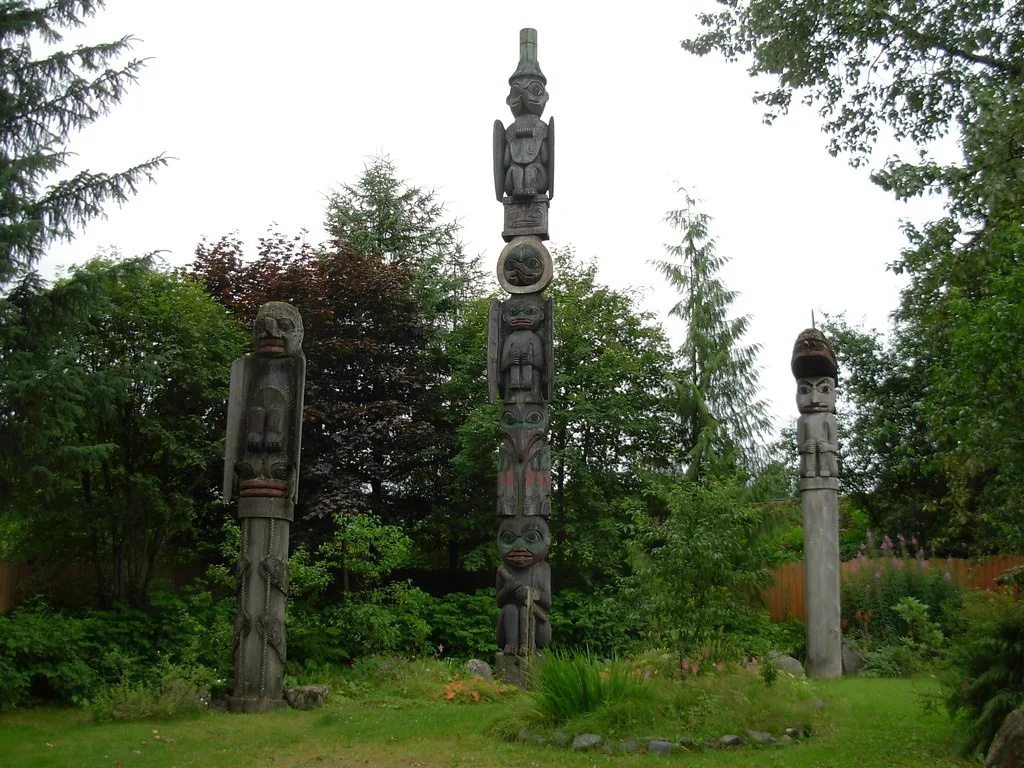
I walked to Chief Shakes Island first — it sits on a tiny island in the middle of the harbor, connected by a short boardwalk. The tribal house is a reconstruction of the original Shakes community house, surrounded by carved totem poles that stand dark and dignified against the gray sky. There's a stillness there that invites you to slow down. I sat on a bench and just looked at the carvings for a while, trying to imagine what this harbor looked like before outboard motors, before cruise ships, before any of us arrived with our cameras and our schedules. The totems have that kind of patience — they've been watching the water for generations and they're in no hurry.
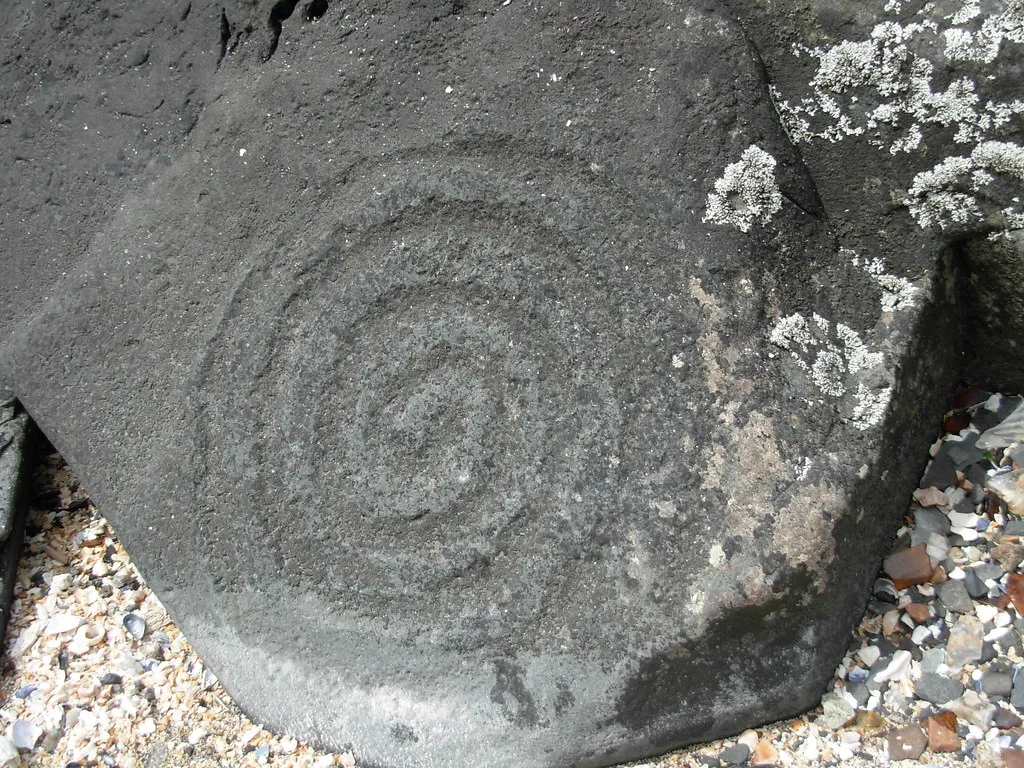
Petroglyph Beach is a fifteen-minute walk north of the ferry terminal along Evergreen Avenue, and it is one of those places that rearranges something inside you. The petroglyphs — ancient rock carvings of faces, spirals, and figures — are scattered across the beach boulders above the tide line. Nobody knows exactly how old they are, but estimates run into the thousands of years. The carvings are subtle; you have to look carefully, especially when the light is flat. I ran my fingers near (not on — the signs ask you not to touch) a spiral carved into dark stone and tried to imagine the person who made it. What were they thinking? What did this place mean to them? The Forest Service has placed replica carvings at the boardwalk entrance for rubbing, which is a thoughtful gesture — you can take the experience home without damaging the originals.
Downtown Wrangell is about three blocks of honest, unpretentious Alaska. The Wrangell Museum is small but excellent — it covers the Tlingit heritage, the Russian and British periods, gold rush history, and the fishing and timber industries that built the modern town. I spent an hour there and learned more about Southeast Alaska's layered history than I had in several larger ports combined. The staff were knowledgeable and unhurried, happy to answer questions and share stories that wouldn't fit on a museum placard.
Lunch was at a local cafe where the halibut tacos came with a view of the harbor and an overheard conversation about the salmon run. The food was good, the prices fair, and nobody was in a rush. A man at the next table asked where our ship was heading and then spent ten minutes telling us about the best fishing spots on the Stikine River. He wasn't selling anything. He just loved talking about fish and his hometown. That's Wrangell in a nutshell — about 2,000 people who genuinely like where they live and don't mind sharing it with you for an afternoon.
The Stikine River is the great wilderness artery here — the fastest free-flowing navigable river in North America, cutting through the Coast Mountains from British Columbia to the sea. Jet boat excursions run up the river to Shakes Glacier, Shakes Lake, and the hot springs, and those who've done it speak of it in hushed, reverent tones. I watched a jet boat return to the harbor, and the passengers had that particular look people get when they've seen something that hasn't been optimized for their consumption — wild, raw, unmediated nature.
The pros: deeply authentic small-town Alaska, ancient cultural sites you can walk to from the dock, uncrowded and unhurried, genuinely friendly residents, access to permit-only bear viewing at Anan, and the kind of quiet that most cruise ports have forgotten. Wrangell doesn't perform for you — it simply is what it is, and that honesty is its greatest gift.
The cons: very limited shopping and dining options, some visitors may find the town too small or too quiet, excursions to Anan and the Stikine require advance booking and aren't cheap, and the infrastructure is modest — don't expect polished tourist facilities. When larger ships visit, the small town can feel the strain.
Practical tips: Book the Anan Bear Observatory excursion well in advance if visiting July through August — permits are limited to 60 people per day. Walk to Petroglyph Beach at low tide for the best viewing of the carvings. Bring cash — some small businesses don't take cards. Wear waterproof shoes; the beach is rocky and often wet. Visit the Wrangell Museum early before the walking tours arrive. And if a local starts telling you a story, put your phone away and listen. The stories here are worth more than any souvenir.
They call it "Wrangell the Wonderful" around here, and at first I thought it was the kind of booster-club slogan every small town invents to feel good about itself. But by the time our ship pulled away from the dock that evening, I finally understood the name. Wrangell is wonderful not because it tries to be, but because it hasn't tried to be anything else. In a world of curated experiences and optimized itineraries, there is something deeply wonderful about a place that simply endures — ancient carvings on wet stone, totem poles watching the harbor, a town of 2,000 souls who chose this rain-soaked island and keep choosing it, every single day.
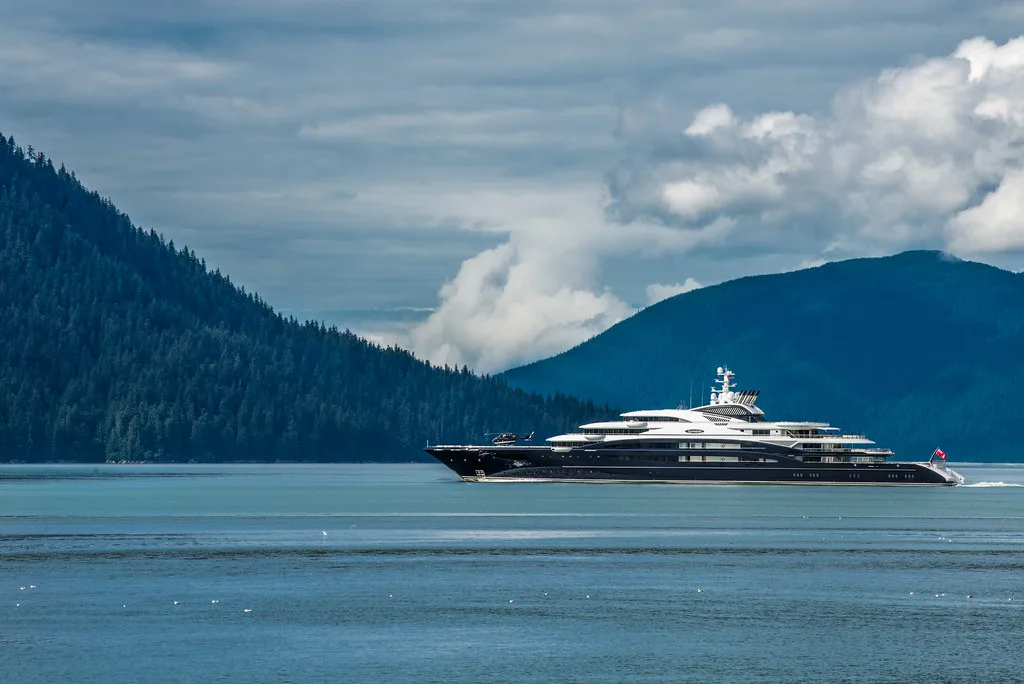
Wrangell receives far fewer cruise ships than the major Alaska ports. Most visits come from small and mid-sized expedition-style ships — lines like UnCruise Adventures, Lindblad Expeditions/National Geographic, and American Cruise Lines, along with occasional calls from Holland America and other mid-sized vessels. The town's dock facilities are modest compared to purpose-built cruise ports, and that's part of the charm: when you step off the ship, you're stepping into a real working waterfront, not a tourism staging area.
The city dock accommodates smaller vessels directly. Larger ships may anchor in the harbor and tender passengers ashore, or use the cruise ship lightering dock. Either way, the distance to town is negligible — you're essentially in downtown Wrangell the moment you step off the gangway or tender. There is no long walk through a commercial corridor, no gauntlet of tour vendors. Just a small harbor town going about its business.
Ships typically stay 4-8 hours in Wrangell. For those booking the Anan Bear Observatory excursion, the full-day commitment (5-6 hours) uses most of your port time but is often the highlight of an entire Alaska cruise. For those staying in town, a half-day is ample to visit Petroglyph Beach, Chief Shakes Island, the museum, and downtown. The town is wheelchair accessible on main streets and sidewalks, though Petroglyph Beach involves uneven rocky terrain.
Wrangell is one of the smallest and most walkable cruise ports in Alaska. The entire town core is compact and flat, and nearly everything of interest is within a 15-minute walk of the dock. No transportation is needed for in-town sightseeing.
Accessibility Note: Downtown sidewalks are paved and generally accessible. Chief Shakes Island boardwalk is accessible. Petroglyph Beach involves walking on uneven rocks and is not wheelchair accessible. The museum is accessible. Contact the Wrangell Visitor Center for specific accessibility information on excursions and trails.
Wrangell excursions are built around genuine wilderness and deep cultural heritage rather than manufactured tourist experiences. The options are fewer than at major ports, but what's here is exceptional. Advance booking is essential — particularly for Anan, where daily visitor permits are strictly limited.
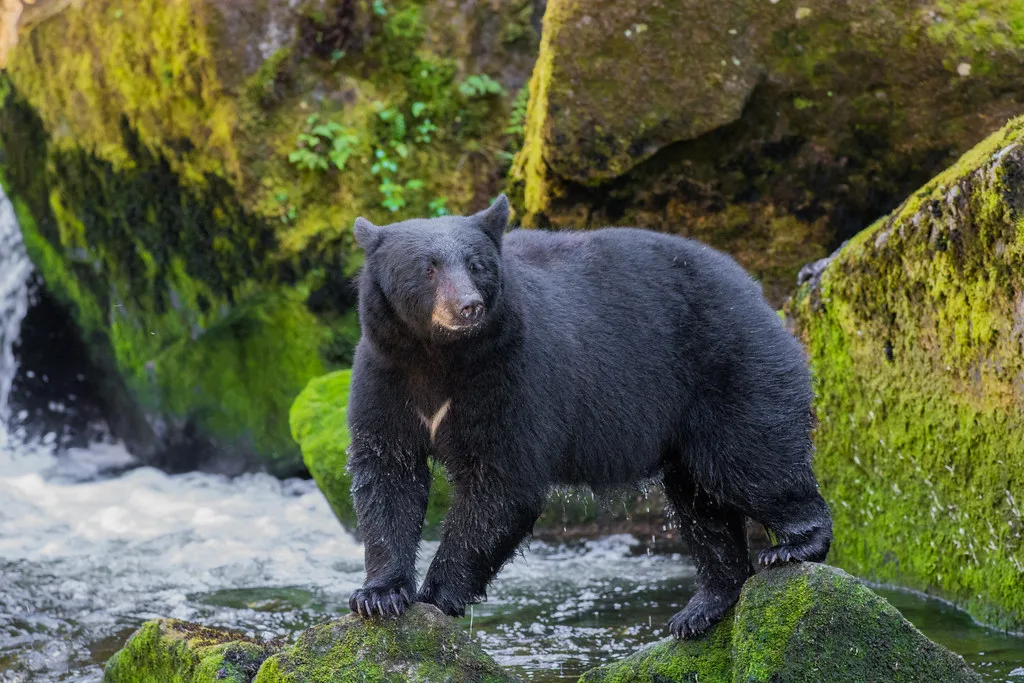
The signature Wrangell experience ($250-400, 5-6 hours) takes you by floatplane or boat to one of Alaska's premier bear-viewing sites. From a viewing platform overlooking Anan Creek, you watch black bears and brown bears fish for pink salmon during the July-August run. The U.S. Forest Service limits access to 60 people per day, which means the experience is intimate and unhurried — nothing like the crowded viewing platforms elsewhere. This is genuinely exceptional wildlife viewing — limited to 60 people daily. Book months in advance through permitted local operators or your cruise line.
Guided jet boat excursions ($175-300, 3-5 hours) travel up the Stikine — the fastest free-flowing navigable river in North America — through dramatic canyon scenery to Shakes Glacier, Shakes Lake, and natural hot springs. Wildlife sightings commonly include bears, eagles, mountain goats, and seals. Some tours include a soak in the riverside hot springs. The river landscape is raw and wild, utterly different from anything you'll see from a cruise ship deck.
Guided cultural walks ($25-50, 1-1.5 hours) visit Petroglyph Beach State Historic Park with interpretation of the ancient rock carvings and Tlingit cultural history. Guides help you locate carvings that are easy to miss on your own, and provide context about the archaeological significance of the site. This is also an excellent self-guided walk — free, easy, and one of the most memorable things you can do in Wrangell.
Walking tours ($20-40, 1-1.5 hours) visit Chief Shakes Island and the reconstructed tribal house, with interpretation of Tlingit history, clan symbols, and the significance of the totem poles. When the tribal house is open, the interior carvings and artifacts are remarkable. Some tours include traditional storytelling or cultural demonstrations.
A moderate hike ($40-75 guided, or free self-guided with transport, 2-3 hours) to a scenic waterfall about 4.5 miles from downtown. The trail is 0.7 miles one way through old-growth rainforest — Sitka spruce and western hemlock — and gains about 500 feet in elevation. The falls are most impressive after rain (which is frequent). An extended trail continues to the Shakes Overlook, with views of the Stikine River and surrounding mountains.
Half-day and full-day fishing charters ($200-350 per person) target salmon, halibut, and rockfish in the waters around Wrangell Island. The Stikine River mouth is particularly productive. Local charter operators know these waters intimately — fishing is a way of life here, not a tourist add-on.
Wrangell is a small port with limited excursion capacity. The Anan Bear Observatory sells out months in advance — book ahead as early as possible if this is a priority. The Stikine River tours also have limited seats. For independent exploration, Petroglyph Beach and Chief Shakes Island are free and self-guided, requiring no booking. Bring cash for small operators who may not process cards reliably. Wear waterproof layers and sturdy shoes for all excursions — this is Southeast Alaska, and rain is part of the experience.
Everything you need to know before stepping ashore.
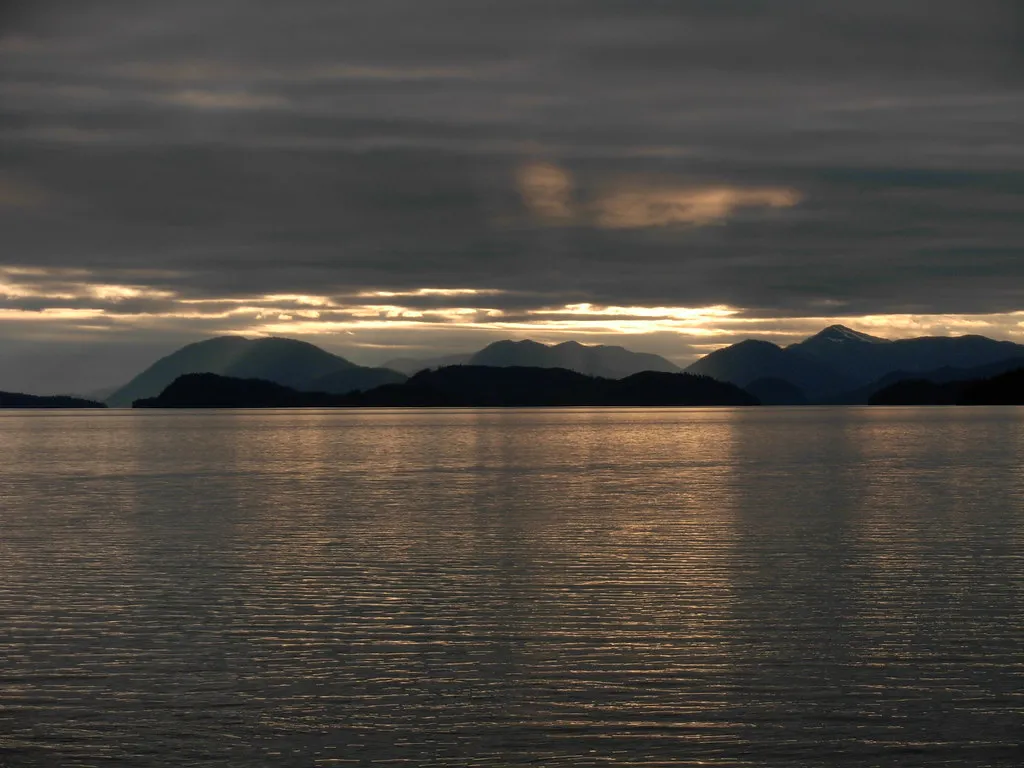
Wrangell weather is classic Southeast Alaska — temperate rainforest climate with frequent rain, overcast skies, and cool temperatures. Summer highs average 55-65°F (13-18°C). Rain is likely on any given day; come prepared and you'll enjoy the town regardless.
Pro Tip: Look for the kids selling garnets at the dock — this is a Wrangell tradition dating back decades. The Wrangell garnet ledge is the only one in the world legally reserved for children to mine. Buying a garnet from a ten-year-old entrepreneur is one of the most charming moments you'll have on any Alaska cruise.
Last reviewed: February 2026
Images sourced from Flickr under Creative Commons licenses (CC BY 2.0, CC BY-SA 2.0).
Wrangell is one of the oldest continuously inhabited places in Alaska, with over 8,000 years of Tlingit history. It's known for Petroglyph Beach (ancient rock carvings), Chief Shakes Island and Tribal House (Tlingit cultural heritage in the harbor), and as the gateway to the Anan Bear Observatory — one of Alaska's premier bear-viewing destinations. Three nations' flags have flown over Wrangell: Russia, Britain, and the United States.
Yes — especially if you value authenticity over polish. Wrangell offers ancient cultural sites, genuine small-town Alaska atmosphere with about 2,000 residents, and access to exceptional bear viewing at Anan Creek. It's best suited for travelers who enjoy quiet discovery and don't need big-port shopping and dining infrastructure. Small-ship and expedition cruisers particularly appreciate Wrangell's character.
Yes — Wrangell is extremely walkable. The dock is essentially in downtown. Chief Shakes Island is 0.2 miles away in the harbor, the museum and shops are within a few blocks, and Petroglyph Beach is about 0.75 miles north — an easy 15-minute walk on flat ground. No transportation is needed for in-town exploration.
Anan is about 30 miles from Wrangell, accessible only by floatplane (~25 minutes) or boat (~1.5 hours). The U.S. Forest Service limits daily visitors to 60 people. You must book with a permitted guide operator or through your cruise line. Peak bear-viewing season is July through August during the pink salmon run. Book months in advance — this is one of Alaska's most sought-after wildlife experiences.
Walk to Chief Shakes Island (5 minutes from the dock), then continue to Petroglyph Beach (15 minutes). Visit the Wrangell Museum and browse downtown. Buy a garnet from the kids at the dock. This gives you Wrangell's highlights — Tlingit culture, ancient rock art, local character — without needing any transportation or advance booking. Allow 3-4 hours.
Peak cruise season (June-August) offers the best weather and full access to excursions. July and August are essential for Anan Bear Observatory visits during the salmon run. Check the seasonal panel above for specific month recommendations.
Southeast Alaska is a temperate rainforest — expect rain frequently, even in summer. Temperatures are cool but not extreme during cruise season (50-65°F). Cruise lines monitor conditions and will adjust itineraries if needed for passenger safety.
Waterproof jacket and sturdy waterproof shoes are essential. Layers for variable temperatures. Binoculars for wildlife viewing. Check the Packing Tips section in the seasonal panel above for destination-specific recommendations.
Rain is a regular part of life in Southeast Alaska, and locals barely notice it. Petroglyph Beach, Chief Shakes Island, and the museum are all enjoyable in light rain. Anan and Stikine excursions run rain or shine. Bring proper rain gear and embrace the weather — this is the real Alaska.
Southeast Alaska doesn't experience hurricanes. Winter storms can be severe but occur outside cruise season. Summer weather is cool and rainy but rarely dangerous. Cruise lines monitor conditions and will adjust itineraries if needed. Travel insurance is always recommended.