


Captain's Logbook
Zeebrugge/Bruges: My Medieval Fairy Tale
Our ship docked at Zeebrugge – "Bruges-on-Sea" as the locals call it – but the medieval heart of Bruges lies ten miles inland, and that short journey transported us back five centuries. We took the first shuttle and were wandering cobbled streets by 9 a.m. while morning mist still clung to the reien canals. I'd read that UNESCO declared this entire city a World Heritage Site in 2000, and within five minutes I understood why: these waterways haven't changed their course since the 1400s. Vikings settled here in the 9th century, fishermen built their cottages in the 10th, and by medieval times the Zwin estuary made Bruges the wealthiest trading city in northern Europe – English wool arrived by the shipload and left as Flemish tapestries and textiles that dressed half the continent's nobility.
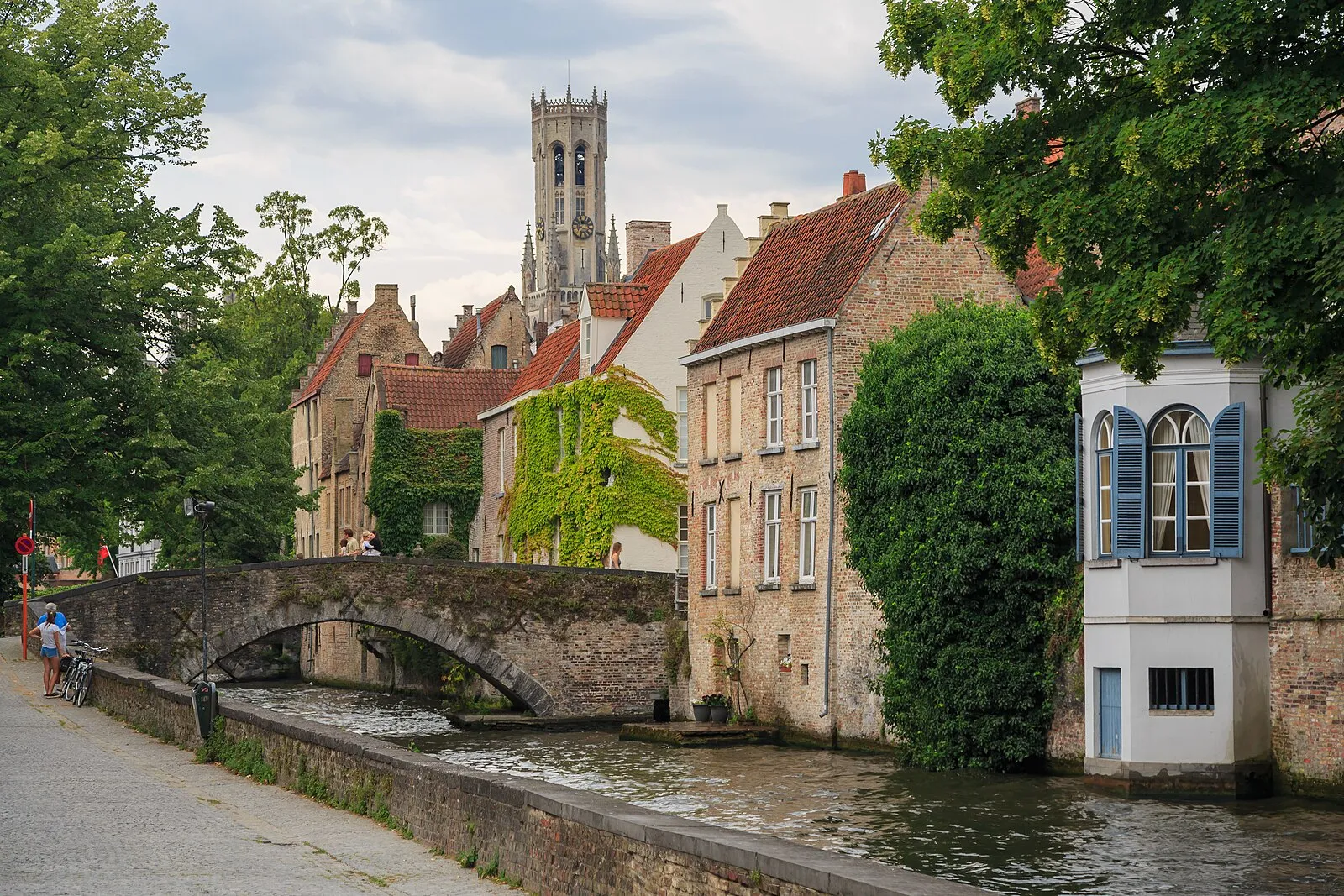
The Belfry tower loomed above the Markt like a Gothic wedding cake – eighty-three meters of medieval ambition founded in 1240. I counted every one of the 366 steps on the way up (my knees reminded me later), and when we reached the top the carillon's forty-seven bells rang out over the rooftops in a cascade that made my chest vibrate. Down below, horse-drawn carriages clip-clopped past lace shops and waffle stands. We wandered to the Church of Our Lady – the tallest structure in the city – and stood before Michelangelo's Madonna and Child, a marble sculpture so serene it seemed to glow in the chapel's dim light. The lady at the door told us it's the only Michelangelo work that left Italy during his lifetime. Later we discovered that Jan van Eyck and Hans Memling both painted masterpieces here in the 15th and 16th centuries, and their work still hangs in the Groeningemuseum like a private conversation with the past.
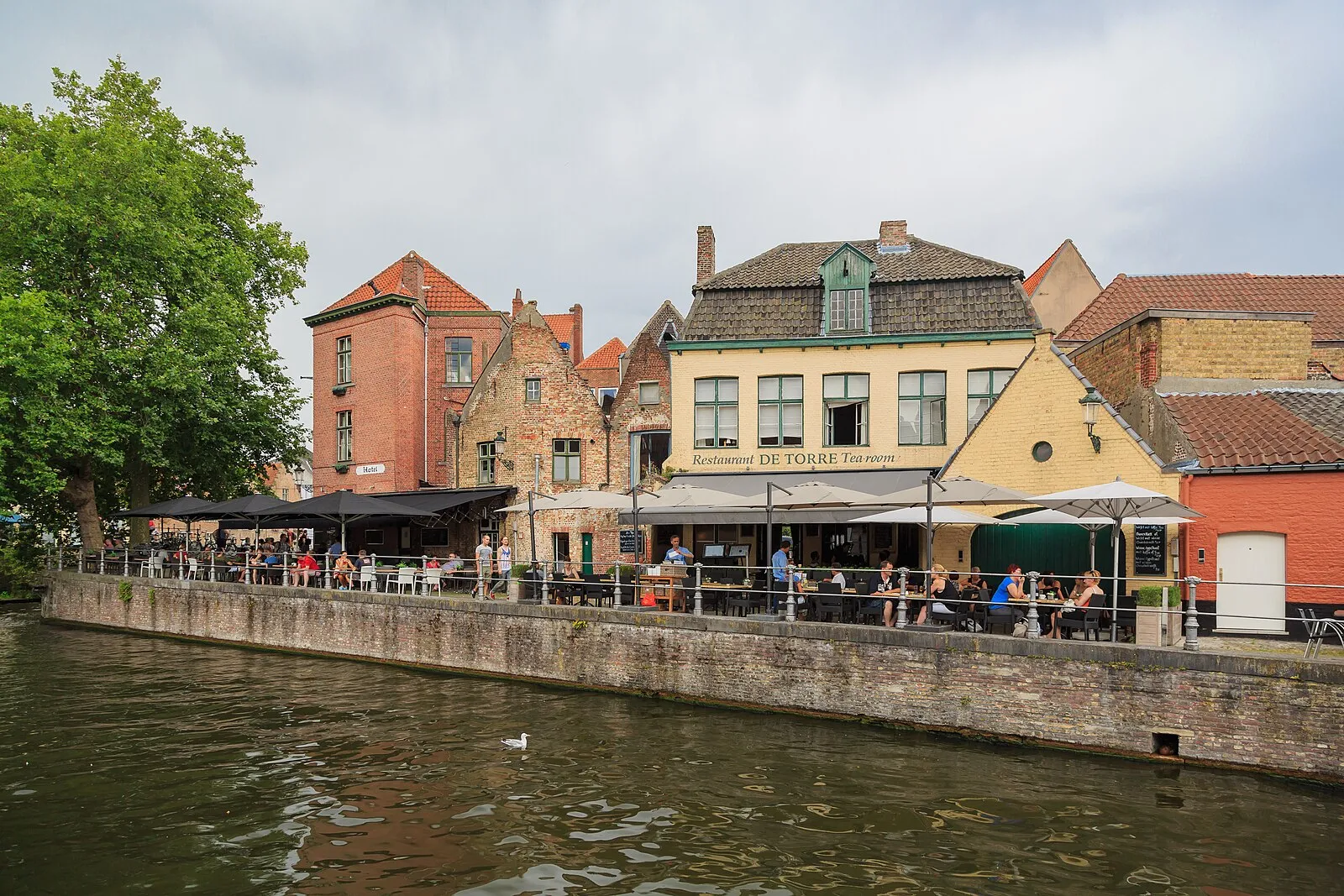
We had lunch at De Halve Maan brewery – waterzooi cream stew and stoofvlees washed down with fresh Brugse Zot straight from the source. In the afternoon we walked the Dijver watching swans glide under stone bridges, then visited the Choco-Story museum in the 16th-century Huis de Crone mansion. Belgium and chocolate are practically synonyms, and this little museum explained why: the craft, the history, the devotion to cacao that borders on reverence. We finished with hot chocolate so thick the spoon stood up at The Old Chocolate House. They call Bruges the "Venice of the North," and I won't argue – though I'd say it's quieter, cleaner, and somehow more itself. The pros: Bruges is the most romantic medieval city still alive. The cons: cruise crowds descend by 10:30, but the back streets stay magically quiet if you wander five minutes off the Markt.
In the early afternoon, we found ourselves at the Basilica of the Holy Blood, tucked into a corner of the Burg square. The lower chapel is pure Romanesque — heavy stone arches from the 12th century, the kind of building that makes you feel the weight of time pressing down from above. But the upper chapel holds Bruges' most sacred relic: a vial said to contain a cloth with the blood of Christ, brought back from the Crusades in 1150. Pilgrims queue to venerate it every Friday, and even as a tourist, the hush in that room was unmistakable. I am not easily moved by relics, but standing in a space where people have knelt for nearly nine centuries does something to you whether you believe or not. The stained glass cast colored light across the stone floor, and for a moment the 21st century felt very far away.
We walked along the Dijver canal afterward, watching swans glide beneath stone bridges while the afternoon light painted the brick facades in shades of amber and rose. At the Groeningemuseum, I stood before Jan van Eyck's Madonna of Canon van der Paele and could not look away — the precision of every jewel, every fold of cloth, every strand of hair rendered with a patience that borders on prayer. This is where oil painting was essentially invented, in this city, by these Flemish masters who understood that beauty lies in the details. The museum costs €14, and it is worth every cent for anyone who cares about the history of seeing.
Walking back toward the Markt in the late afternoon, I passed through a narrow lane where a lace maker sat in her doorway, fingers moving with the speed and precision of a pianist, white thread transforming into patterns that have not changed in four centuries. She looked up and smiled but did not stop working. I could smell fresh waffles from a shop around the corner, the sugar caramelizing in the iron, and somewhere above us a church bell struck the quarter hour with a single clear note that hung in the still air like a held breath. I bought a bag of pralines from a tiny shop where the chocolatier poured ganache by hand in the back room, and I carried them back to the ship like treasure, each one a small miracle of Belgian craft — the dark chocolate bitter and pure, the filling silky and complex. On the shuttle back to Zeebrugge, I pressed my forehead against the window and watched the flat Flemish countryside roll past, knowing that Bruges had given me something I would not easily forget: the proof that a medieval city can survive into the modern world without losing its soul.
Weather & Best Time to Visit
The Cruise Port
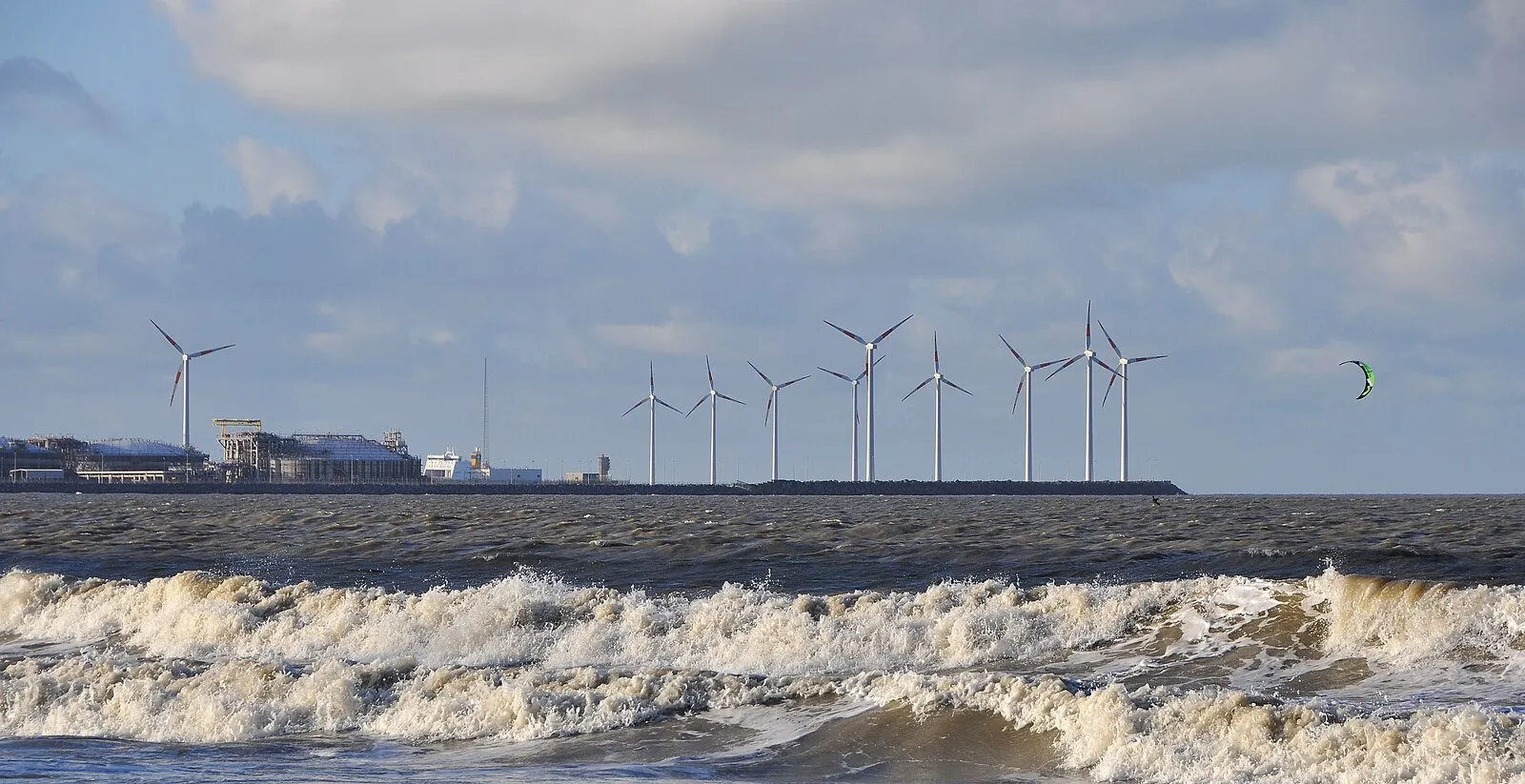
Cruise ships dock at the industrial port of Zeebrugge, about 15 kilometres from the medieval centre of Bruges. The port area itself has little to offer visitors — this is a working container port. Most cruise lines provide shuttle buses to Bruges (typically €10-15 round trip, 20-30 minutes depending on traffic). Some ships dock close enough to walk to Zeebrugge's small beach promenade, but the real destination is always Bruges.
The euro (EUR) is the local currency. ATMs are plentiful in Bruges along the Markt and main shopping streets. Credit cards are widely accepted, though some chocolate shops and smaller vendors prefer cash. Bruges is moderately priced for a tourist city — budget €40-70 per person for a comfortable day including lunch, a canal boat ride, and a museum visit or two. Belgian waffles from street stalls cost €3-5, a full lunch €12-20.
Getting Around
Shuttle bus: Most cruise lines run shuttle buses from the port to Bruges centre, dropping passengers near the Markt or 't Zand square. The round trip typically costs €10-15 per person. Shuttles run throughout the day on a regular schedule. This is the simplest and most popular option for reaching Bruges from the port.
On foot in Bruges: Once you reach Bruges, everything is walkable. The historic centre is compact — the Markt, Belfry, Burg square, canals, and major museums are all within a 15-minute walk of each other. Bruges is flat, so walking is easy and pleasant. Cobblestone streets are the norm, so wear comfortable shoes.
Canal boat: Half-hour canal boat tours depart from several points along the Dijver and Rozenhoedkaai (€12 per person). These give you a unique perspective on the medieval architecture from water level and are a good way to rest tired legs while seeing the city. Boats run continuously from about 10:00 to 17:00 with no need to book.
Horse-drawn carriage: Carriages depart from the Markt for 30-minute tours of the historic centre (€60 per carriage, seats up to 5 passengers). A classic Bruges experience, though walking covers the same ground at your own pace for free.
Taxi: A taxi from Zeebrugge port to Bruges centre costs approximately €40-50 each way. Useful for small groups who want to bypass the shuttle schedule, but expensive compared to the bus option.
Mobility note: Bruges is flat and mostly accessible, though cobblestone streets can be challenging for wheelchair users. The canal boats have step-down access that may be difficult for some passengers. The Belfry's 366 steps have no lift. Most restaurants and cafés at street level are accessible. The shuttle buses from the port typically accommodate wheelchairs with advance notice to the cruise line.
Zeebrugge Port Map
Interactive map showing cruise terminal and Bruges attractions. Click any marker for details.
Top Excursions & Attractions
Bruges is the main event at Zeebrugge — nearly all passengers head to the medieval city centre. Ship excursions include guided walking tours and transport; independent visitors take the shuttle and explore at their own pace. Both approaches work well. Book ahead for ship excursions to Ghent or Brussels if offered, as these fill quickly.
Bruges Canal Boat Tour
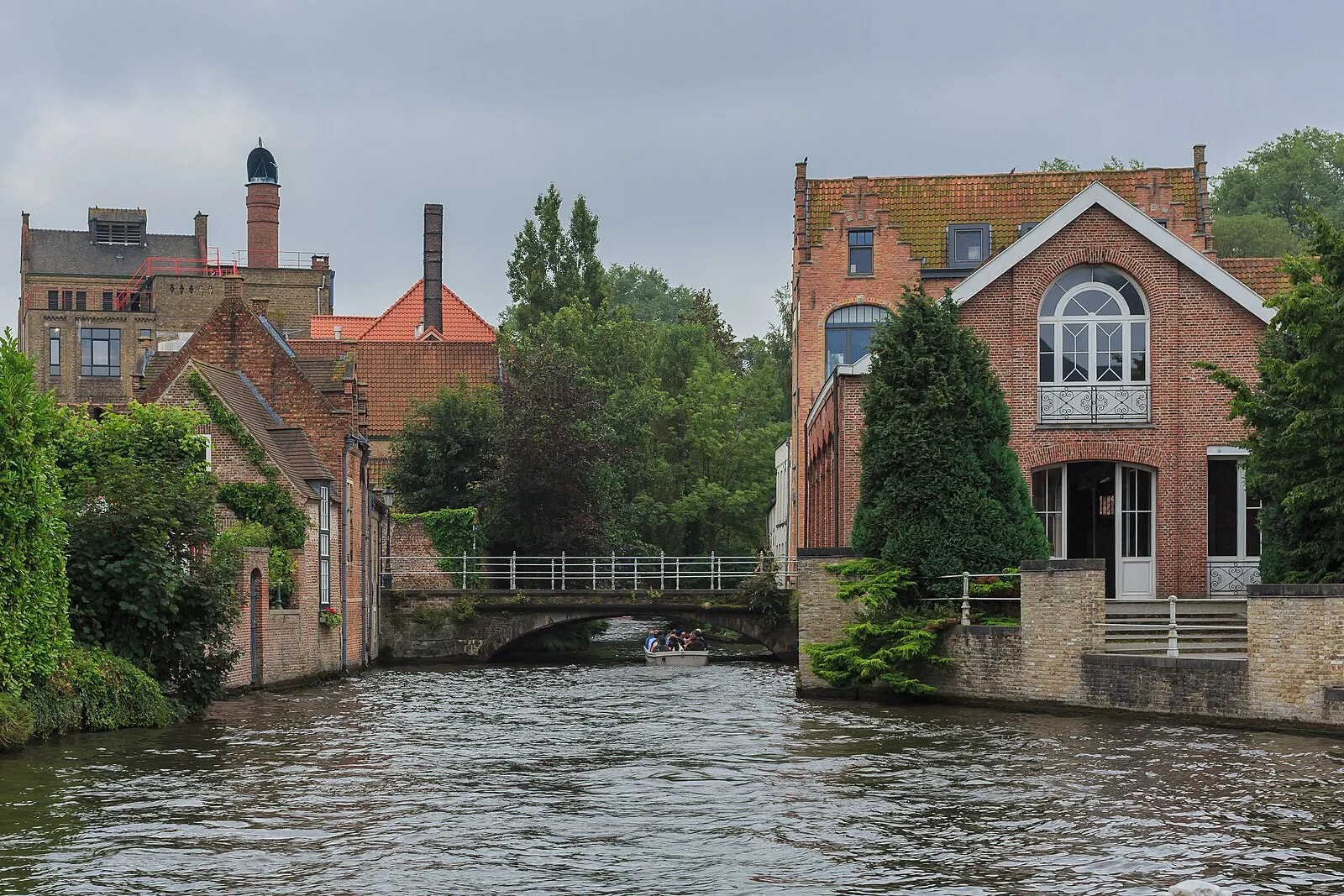
A half-hour canal boat tour is the classic Bruges experience — gliding past medieval facades, under stone bridges, and through gardens that are invisible from the streets above. Boats depart from multiple points along the Dijver and Rozenhoedkaai and cost €12 per person. No booking needed — boats run continuously from about 10:00 to 17:00. The best time is early morning before the queues build. The perspective from water level transforms your understanding of the city. Independent visitors can walk up and board on their own schedule.
Markt Square & Belfry
The Markt is Bruges' grand medieval square, dominated by the 83-metre Belfry tower built in 1240. The 366-step climb to the top costs €14 and rewards you with panoramic views across the city and flat Flemish countryside. The 47-bell carillon plays every quarter hour. Down in the square, horse-drawn carriages depart for 30-minute tours (€60 per carriage, up to 5 passengers). The Markt is surrounded by cafés — a good spot for Belgian frites with mayo (€3-5) while watching the crowds gather.
Basilica of the Holy Blood
Hidden in a corner of the Burg square, this remarkable church has two levels — a sombre 12th-century Romanesque lower chapel and an ornate Gothic upper chapel housing a relic said to contain the blood of Christ, brought from the Holy Land in 1150. Free entry (museum €4). The contrast between the two chapels alone is worth the visit. Pilgrims venerate the relic on Fridays. Allow 30 minutes and visit before noon to avoid the crowds.
Chocolate & Waffle Trail
Belgium's chocolate heritage is serious business, and Bruges has more chocolate shops per square metre than almost anywhere on earth. The Choco-Story museum (€11) in the 16th-century Huis de Crone mansion traces the full history from cacao bean to praline, with live demonstrations and tastings. Afterward, buy handmade pralines from artisan shops along Katelijnestraat — prices range from €3-8 per 100 grams depending on the maker. Belgian waffles from street stalls cost €3-5 for a fresh Liège-style waffle dusted with pearl sugar. Independent visitors can create their own tasting route through the city at a fraction of the cost of a ship-organised food tour.
Groeningemuseum
Bruges' finest art museum holds masterworks by Jan van Eyck, Hans Memling, and other Flemish Primitives who essentially invented oil painting in this city during the 15th century. Admission costs €14. The collection is compact and manageable in about an hour. Van Eyck's Madonna of Canon van der Paele alone justifies the visit — the precision of detail borders on the miraculous. Located a short walk from the Markt along the Dijver canal.
Depth Soundings Ashore
Practical tips before you step off the ship.
The cobblestones are authentically medieval – comfortable shoes make the fairy tale even more enjoyable.
Money: ATMs are generally available near the port area, though fees vary. Credit cards are widely accepted at tourist-oriented establishments, but carry some local cash for markets, street food, and smaller vendors. Your ship's exchange rate is typically unfavorable — withdraw from a bank ATM instead.
Timing: Start early if your ship arrives at dawn — the first hours offer pleasant conditions and smaller crowds. Allow at least 30 minutes buffer before all-aboard time. Set a phone alarm as backup.
Safety: Standard port-town awareness applies — keep valuables close and stick to well-traveled areas during daylight. Your ship's ID card is your most important item — losing it creates a genuine headache at the gangway.
Communication: Wi-Fi is often available at cafés and restaurants near the port. Consider downloading offline maps before disembarking — cellular data roaming charges can be substantial and surprising.
Photo Gallery
Frequently Asked Questions
Q: Is Zeebrugge/Bruges worth it?
A: The single most beautiful day trip in northern Europe.
Q: Best thing?
A: Canal boat + Belfry climb + chocolate.
Q: How long in Bruges?
A: 6–7 hours is perfect.
Q: Walk from port?
A: No – shuttle/train required.
Q: What is the best time to visit Zeebrugge/Bruges?
A: Cruise season runs May through September — Belgian North Sea coast (34-68°F). There are no months to avoid for weather. November through March is the slower window with shorter daylight (8-16.5 hours seasonal).
Q: Is Zeebrugge/Bruges suitable for passengers with mobility challenges?
A: Accessibility varies by area. The port vicinity and main commercial streets are generally manageable, but older historic districts may feature cobblestones, stairs, and uneven surfaces. Consider booking an accessible ship excursion if you have concerns. The ship's shore excursion desk can advise on specific accessibility options for this port.
Q: Do I need to exchange currency before arriving?
A: Most tourist-facing businesses accept major credit cards. ATMs near the port offer competitive exchange rates. Carry some local cash for small purchases, markets, and tips. Avoid exchanging money on the ship — the rates are typically unfavorable compared to local bank ATMs.
Q: Can I explore independently or should I book a ship excursion?
A: Both options work well. Ship excursions guarantee return to the vessel and handle logistics, making them ideal for first-time visitors. Independent exploration costs less and allows more flexibility — just keep track of time and allow a 30-minute buffer before all-aboard. Many passengers combine approaches: an organized morning tour followed by free afternoon exploration.
Q: Does Zeebrugge have a hurricane or storm season?
A: Zeebrugge is not in a hurricane zone. The coast is exposed and winds can be strong. There are no months specifically to avoid for storm weather.
Q: What should I pack for Zeebrugge's weather?
A: Warm layers. Waterproof jacket. Comfortable walking shoes for cobblestones. Warm hat for coastal wind. Umbrella.
Q: Will rain ruin my port day in Zeebrugge?
A: Rain is distributed year-round; slightly drier in spring. Cruise season concentrates in the May–September window.
Last reviewed: February 2026