


Photo: Wikimedia Commons
My Logbook: The Place Andy Dufresne Dreamed About
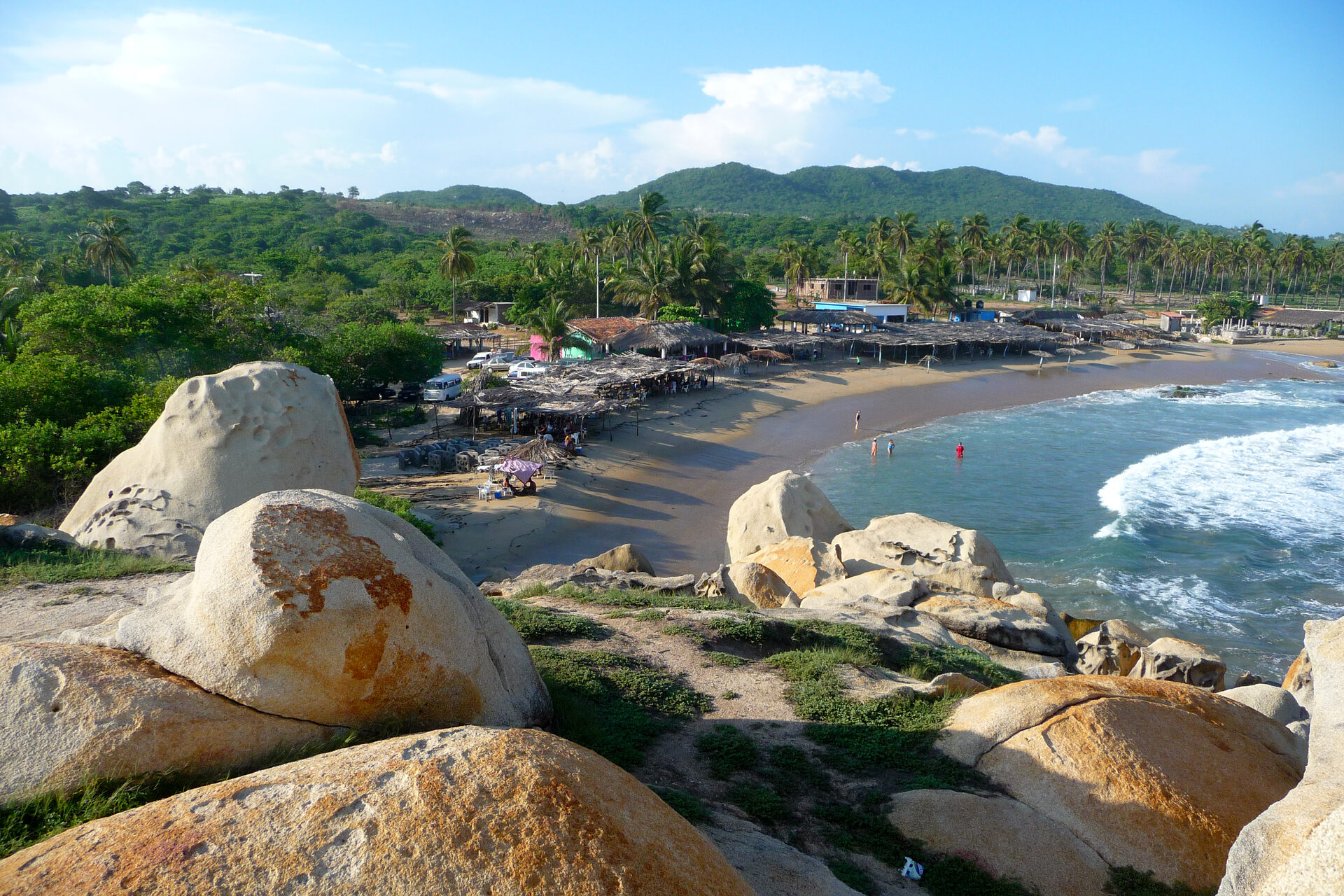
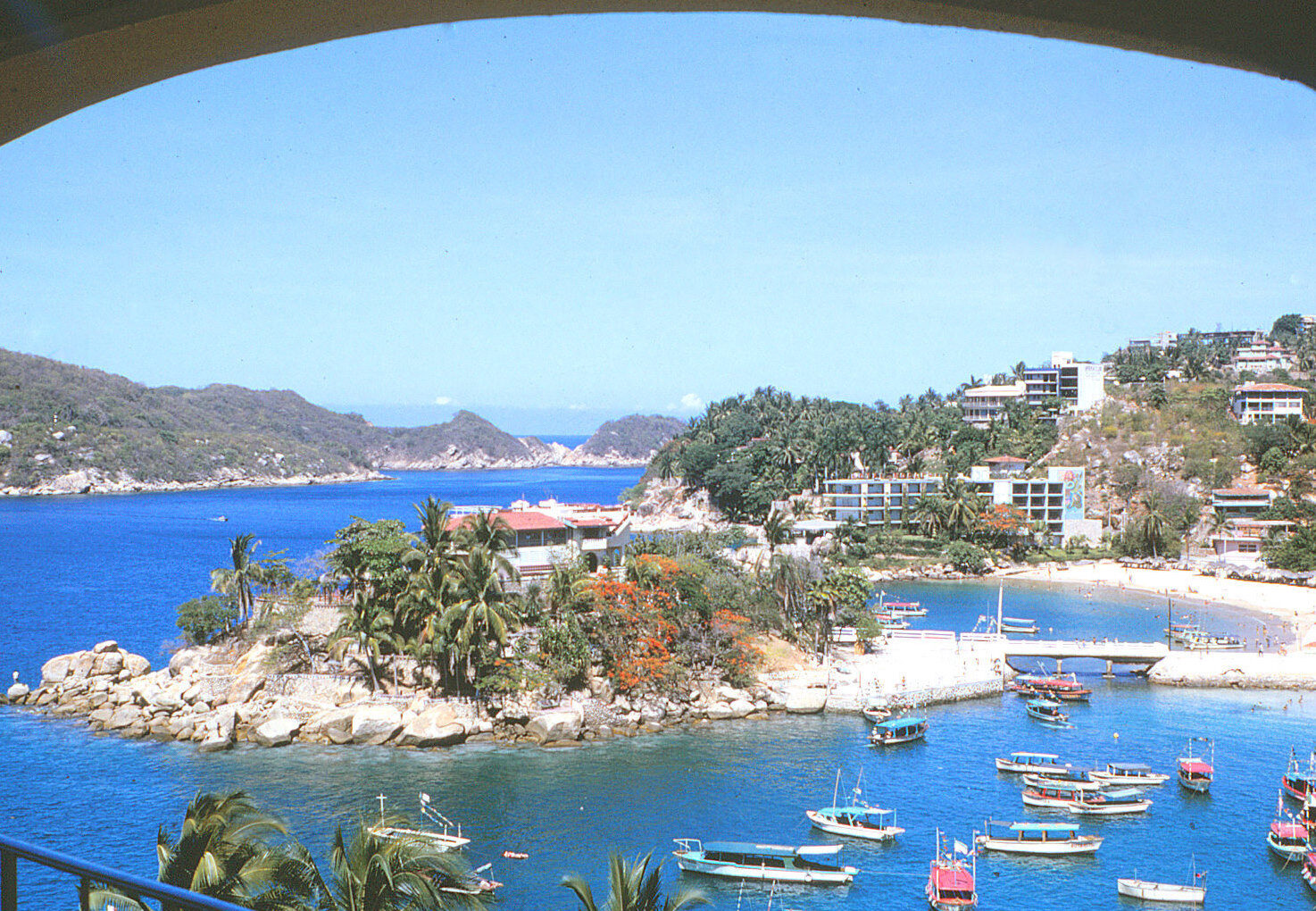
I understood immediately why Andy Dufresne chose this place for his dreams of freedom. The tender ride from ship to shore revealed Zihuatanejo bay curving in a perfect crescent, green hillsides tumbling down to golden sand, fishing boats bobbing at anchor while pelicans dove for breakfast. This is the Mexico that existed before mega-resorts, before spring break crowds, before tourism became an industry. Zihuatanejo remains a fishing village first—a place where locals net their catch at dawn and visitors are welcomed into something authentic rather than performed for their entertainment.
The Shawshank Redemption made this town famous when Andy described his dream to Red: "A warm place with no memory." In the film's ending, Red finally joins Andy on a beach here. Although those scenes were actually filmed in the Caribbean, the spirit of the dialogue captured something true about Zihuatanejo. However, I found the reality even more compelling than the movie fantasy. This isn't a place trying to be paradise—it simply is what it is: a small Mexican fishing village with excellent beaches, genuine character, and a pace of life that resists the modern rush.
The tender dropped me at the municipal pier in downtown Zihuatanejo, where the basketball court and plaza anchor local life. Fishermen sold their morning catch along the pier while children played on the court. The main street, Paseo del Pescador, stretches along the waterfront lined with restaurants, shops, and small hotels. I walked past families eating at plastic tables, teenagers on motorcycles, older men playing dominoes in the shade. Though tourists wandered through, the town clearly belongs to the people who live here year-round.
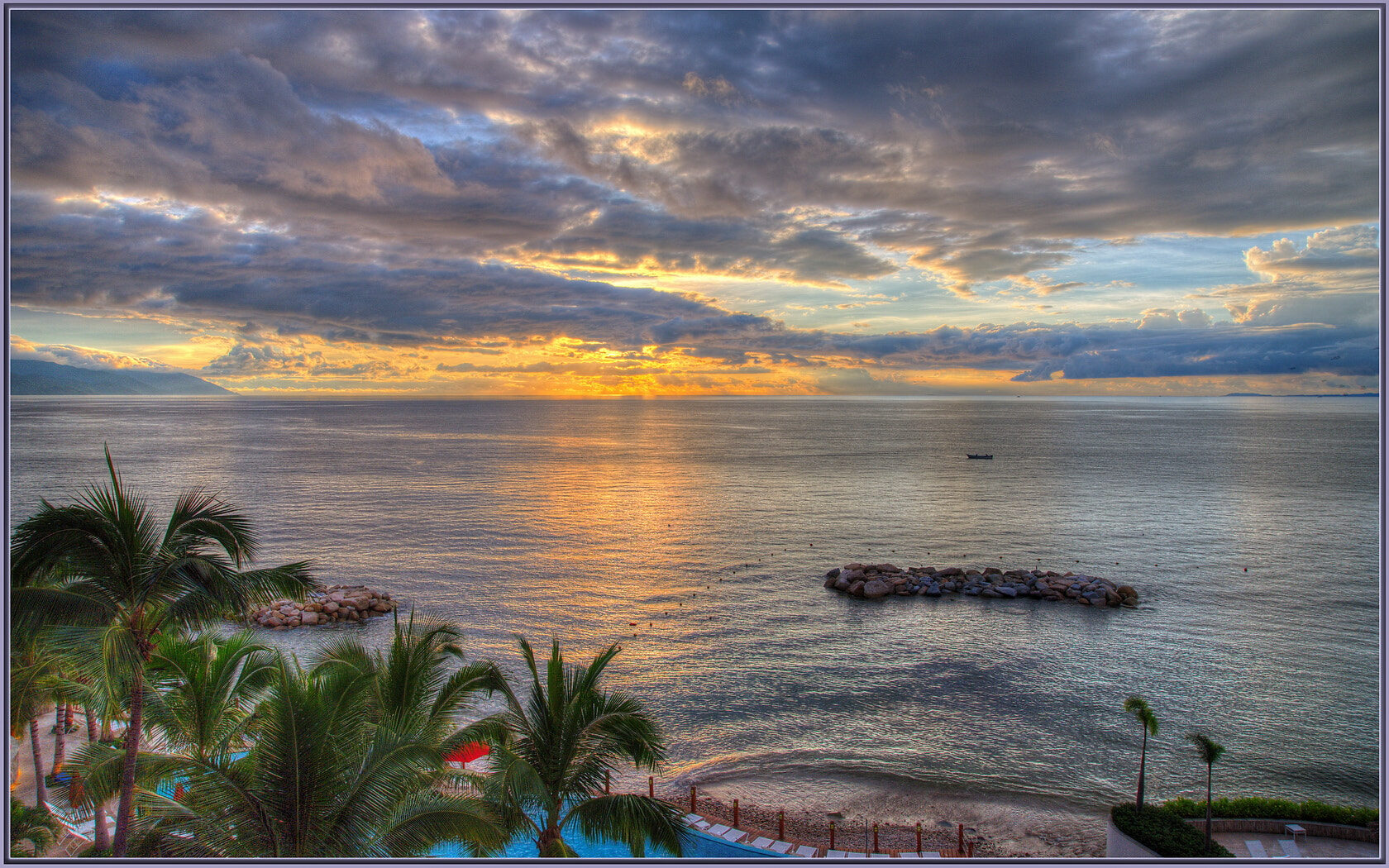
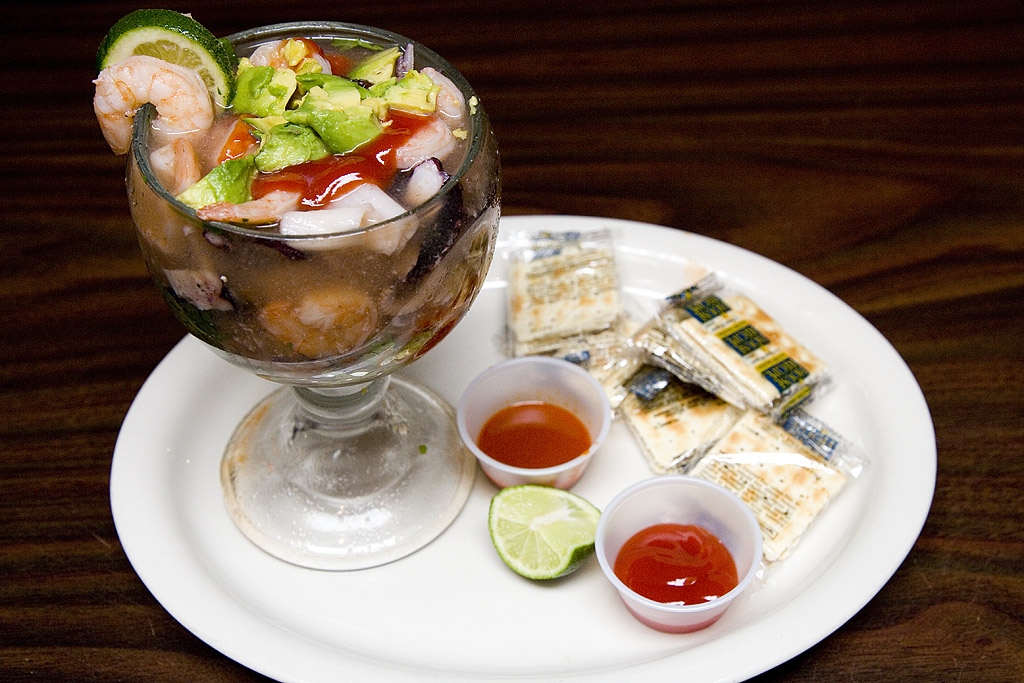
I caught a taxi to Playa La Ropa, considered the area's best beach—a mile-long crescent of golden sand backed by palm trees and small hotels. The name means "Beach of the Clothes" from a shipwreck centuries ago that scattered silk across the sand. Today it offers calm swimming, beach restaurants serving fresh fish, and a pace that invites extended lounging. I swam in water so clear I could see my feet in chest-deep surf, then ordered ceviche from a beachfront palapa while watching sailboats cross the bay and local families enjoy their Sunday afternoon. The beach vendors passed by without pressure, offering everything from fresh fruit to colorful sarongs to handmade silver jewelry. Despite crowds on cruise ship days, the beach never felt overwhelming.
Ixtapa, the planned resort development a few miles north, offers the expected Mexican Riviera experience—high-rise hotels, golf courses, manicured beaches. Yet I found myself returning to Zihuatanejo's authenticity after a brief visit to Ixtapa's sterile perfection. Although the resort infrastructure has its appeal for some travelers, those seeking genuine Mexican character will find more satisfaction in Zihuatanejo's fishing village atmosphere. The contrast between the two destinations couldn't be sharper—one manufactured for tourism, the other adapted to accommodate it.

What surprised me most about Zihuatanejo was how the tender port experience enhanced rather than diminished the visit. Ships anchor in the bay rather than docking at a concrete pier, requiring tender boats to ferry passengers ashore. This extra step filters out the cruise crowd somewhat—those seeking easy, drive-off-the-gangway convenience skip tender ports. Those who make the effort find a destination that hasn't been completely transformed by cruise industry demands. Despite being a regular cruise stop, Zihuatanejo feels discovered rather than mass-marketed.
I left Zihuatanejo understanding why so many travelers return here year after year, why expats have quietly built lives in the surrounding hills, why Andy Dufresne's fictional dream resonates with anyone who's walked these beaches. The place offers no grand attractions, no UNESCO sites, no famous monuments. It offers only itself: a fishing village with good beaches, genuine warmth, fresh seafood, and the unhurried pace that modern life keeps promising but rarely delivers. Sometimes that's exactly what you need from a port day—not a checklist of experiences but simply a few hours in a place where time moves differently.
Weather & Best Time to Visit
The Cruise Port
Ships anchor in Zihuatanejo bay rather than docking at a pier—this is a tender port requiring boat transfers between ship and shore. Tenders land at the municipal pier in downtown Zihuatanejo, near the basketball court and central plaza. The tender ride takes approximately 10-15 minutes and offers beautiful views of the bay and surrounding hillsides. Tender operations depend on weather conditions; rough seas occasionally prevent landings, though the sheltered bay provides more protection than open-water tender ports.
The pier location places you immediately in the heart of downtown, with restaurants, shops, and the main beach (Playa Municipal) steps away. Taxis cluster near the pier for rides to outlying beaches. The compact town center is entirely walkable. Those with mobility challenges should note that tender boarding requires step access; wheelchair accommodation depends on specific ship facilities and sea conditions. Request assistance through your cruise line in advance.
Getting Around
- Walking: Downtown Zihuatanejo is compact and easily walkable. The main waterfront street (Paseo del Pescador) connects the pier to restaurants, shops, and Playa Municipal. Hills limit walking to outlying beaches. Sidewalks are uneven in places; watch your footing on cobblestones and broken pavement.
- Taxis ($5-15): Cluster at the municipal pier. Expect $5-8 to Playa La Ropa, $10-12 to Ixtapa, $3-5 around downtown. Negotiate fares before boarding—meters aren't used. Taxis are essential for reaching the better beaches unless you're taking water taxis.
- Water Taxis ($5-8): Run between Playa La Ropa, Playa Las Gatas, and downtown pier. The most scenic and practical way to reach Las Gatas. Return times are clearly posted at each beach. Approximate cost $5-8 per person each way.
- Local Buses (10-15 pesos): Connect Zihuatanejo and Ixtapa, running frequently along the main road. Cheap and efficient but may be crowded. Ask locals which bus goes where—routing assumes local knowledge. Not time-efficient for most cruise passengers.
- Accessibility: Tender operations require step access that may challenge wheelchair users. Downtown streets have uneven surfaces. Beach access to Playa Municipal is relatively straightforward; Playa La Ropa has some accessibility depending on entry point. Playa Las Gatas requires water taxi access and rocky beach terrain. Confirm specific needs with cruise line before booking excursions.
Zihuatanejo Area Map
Interactive map showing tender pier, downtown, beaches (La Ropa, Las Gatas), and Ixtapa. Click markers for details.
Top Excursions & Things to Do
Booking guidance: Zihuatanejo rewards independent exploration over organized excursions. Water taxis and regular taxis make all beaches accessible without ship-organized tours. For catamaran sailing and snorkeling packages, ship excursions offer convenience; book independently at the pier for 20-30% savings. A ship excursion offers guaranteed return for catamaran trips; for beaches, just grab a taxi or water taxi. Book ahead for snorkeling during busy season.
Playa La Ropa Day (free to $30)
ESSENTIAL beach experience. A mile-long crescent of golden sand with calm swimming, beach restaurants, and palm shade. Taxi from pier runs $5-8. Beach chairs and umbrellas rent for $10-15/day at various palapas. Fresh ceviche and grilled fish at beachfront restaurants cost $8-15. Water taxis depart for Playa Las Gatas. The best all-around beach for swimming, relaxing, and people-watching. Plan to spend 2-3 hours minimum.
Playa Las Gatas ($8-15)
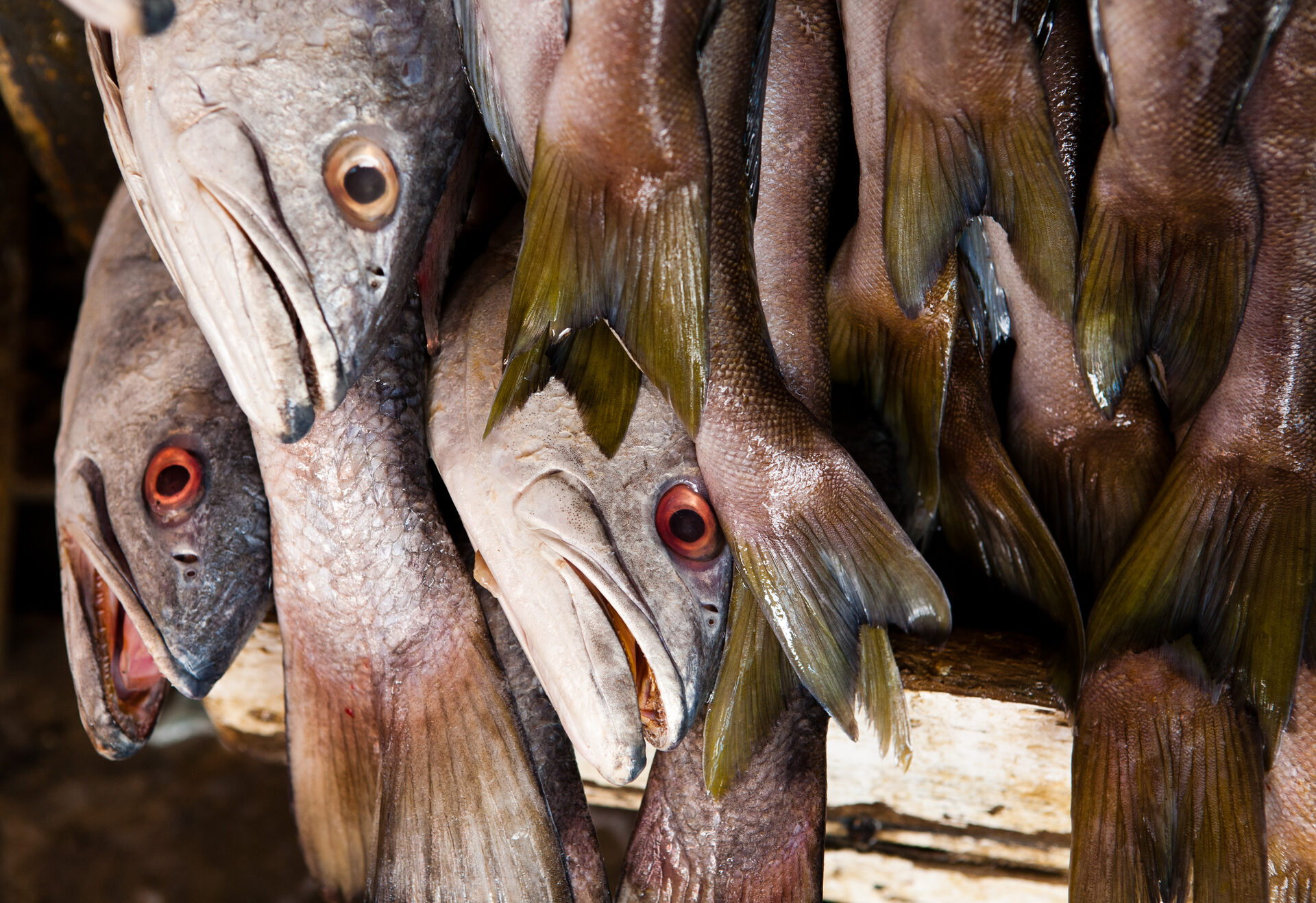
Accessible only by water taxi ($5-8 each way from downtown pier or Playa La Ropa), this small cove offers the area's best snorkeling in crystal-clear water. Legend says the Aztec king built an underwater barrier here for royal swimming. Rent snorkel gear ($8-10) from beach vendors. Simple restaurants serve fresh fish and cold drinks. More rustic than La Ropa—basic facilities, local character, extraordinary water clarity. Allow 2-3 hours including transit.
Downtown Zihuatanejo Walking ($0-15)
Explore the authentic fishing village that attracted Andy Dufresne. Walk Paseo del Pescador along the waterfront, watch fishermen sell their catch at the pier, browse handicraft shops, eat at local restaurants. No guide needed—just wander and observe. The basketball court by the pier anchors local life; the surrounding streets reveal small-town Mexico continuing regardless of tourism. Fresh fish lunch at a waterfront restaurant costs $10-15.
Catamaran Sailing Excursion ($60-90)
Half-day sailing excursions explore multiple snorkeling spots around the bay. Ship excursions run $80-100; book independently at the pier for $60-75. Includes equipment, guide, snorkeling stops, and usually lunch or snacks plus open bar. A good option for those wanting structured activity rather than beach lounging. Morning departures catch calmer conditions.
Ixtapa Resort Experience ($20-50)
The planned resort town 15 minutes north offers high-rise hotels, golf courses, and manicured beaches at Playa Palmar. Taxi runs $10-12 each way. Resort day passes ($30-60) provide pool, beach, and restaurant access. Appeals to those wanting full-service resort infrastructure. The contrast with Zihuatanejo's authenticity is stark—Ixtapa was built for tourism, while Zihuatanejo adapted to it.
Sportfishing Charter ($250-450)
Zihuatanejo offers excellent inshore and offshore fishing—sailfish, marlin, dorado, roosterfish. Half-day charters run $250-350; full-day $400-500. Book through cruise ship or arrange at the pier with local captains (15-20% savings). December through May offers peak season. Most operators practice catch-and-release for billfish. Includes tackle, bait, and fishing license; tip crew separately.
Depth Soundings
Practical details and honest assessments for planning your Zihuatanejo day.
- Tender port realities: Weather can cancel tender operations, though Zihuatanejo's sheltered bay experiences fewer cancellations than open-water tender ports. Plan backup activities on the ship if conditions look questionable. Mobility-limited passengers should discuss tender access with their cruise line in advance.
- Beach hierarchy: Playa La Ropa offers the best overall beach experience—good swimming, decent snorkeling, restaurants, and services. Playa Las Gatas delivers better snorkeling but requires water taxi access and has more basic facilities. Playa Municipal downtown is convenient but smaller and less scenic. Choose based on priorities.
- Ixtapa decision: Unless you specifically want golf, high-rise hotels, or sanitized resort atmosphere, Zihuatanejo's authentic fishing village offers a more memorable experience. Those seeking familiar resort infrastructure will prefer Ixtapa's polish.
- Currency advantage: Pesos provide better value at local restaurants and shops. ATMs exist in downtown Zihuatanejo. Beach vendors and small restaurants often prefer or require cash. Tourist prices in dollars are typically 10-15% higher than peso equivalents.
- Timing strategy: First tenders fill with passengers heading to beaches; later tenders find downtown less crowded. Water taxis to Las Gatas are busiest mid-morning. Consider a downtown breakfast, mid-morning Las Gatas visit, and afternoon at La Ropa for optimal pacing.
- Accessibility limitations: Tender boarding, downtown cobblestones, and beach access present challenges for wheelchairs and mobility devices. Playa La Ropa offers somewhat easier access than downtown or Las Gatas. Confirm specific needs before booking excursions or planning independent exploration.
Photo Gallery
Frequently Asked Questions
Was The Shawshank Redemption actually filmed here?
No—the beach scenes were filmed in the Virgin Islands. However, the dialogue specifically names Zihuatanejo as Andy's dream destination, and the town has embraced its Hollywood connection. The actual location captures the spirit of what the film described: "a warm place with no memory."
How does the tender port work?
Ships anchor in the bay and small boats (tenders) ferry passengers to the municipal pier in downtown Zihuatanejo. The ride takes 10-15 minutes. Tender operations depend on weather; rough seas can occasionally prevent landings. The sheltered bay makes cancellations less common than at exposed tender ports.
Which beach should I choose with limited time?
Playa La Ropa offers the best all-around beach experience—good swimming, decent snorkeling, restaurants, chair rentals, and easy taxi access. Playa Las Gatas is worth the extra effort if you prioritize snorkeling, but requires water taxi transit. With only 4-5 hours, most passengers find La Ropa satisfies.
Is Ixtapa worth visiting?
Only if you specifically want golf, high-rise hotel atmosphere, or full-service resort infrastructure. For authentic Mexican fishing village character, excellent beaches, and fresh seafood, Zihuatanejo delivers more memorable experiences. The 15-minute taxi ride to Ixtapa consumes time better spent on Zihuatanejo's beaches.
How accessible is Zihuatanejo for wheelchairs?
Challenging. Tender boarding requires step access. Downtown streets have uneven cobblestones and broken pavement. Beach access varies—La Ropa has some firmer sand near restaurants; Las Gatas requires water taxi and rocky terrain. Discuss specific needs with your cruise line before arrival.
Last reviewed: February 2026
Q: What's the best time of year to visit Zihuatanejo?
A: Cruise season runs November through April — the dry season with year-round warm temperatures (69-90°F). September is the month to avoid. Bay is protected from heavy wind.
Q: Does Zihuatanejo have extreme weather to worry about?
A: Humidity is low in the dry season and high in the wet season (June through October). Winds stay light because the bay is protected. The wet-season rain can be heavy.
Q: What should I pack for Zihuatanejo's weather?
A: Light beach clothing. Sunscreen and hat. Rain gear for wet season. Water shoes. Comfortable sandals.
Q: Will rain ruin my port day in Zihuatanejo?
A: Dry November through May; wet June through October. Cruise season concentrates in the drier November–April window.
Q: Does Zihuatanejo have a hurricane or storm season?
A: Yes — East Pacific hurricane season runs May 15 through November 30, with peak risk in August, September, and October. September is the month to avoid.