


Tender Port
Ships anchor outside the reef and passengers take small boats (tenders) to reach Arutanga wharf.

Photo: Wikimedia Commons (CC BY-SA)
Captain's Logbook: Aitutaki
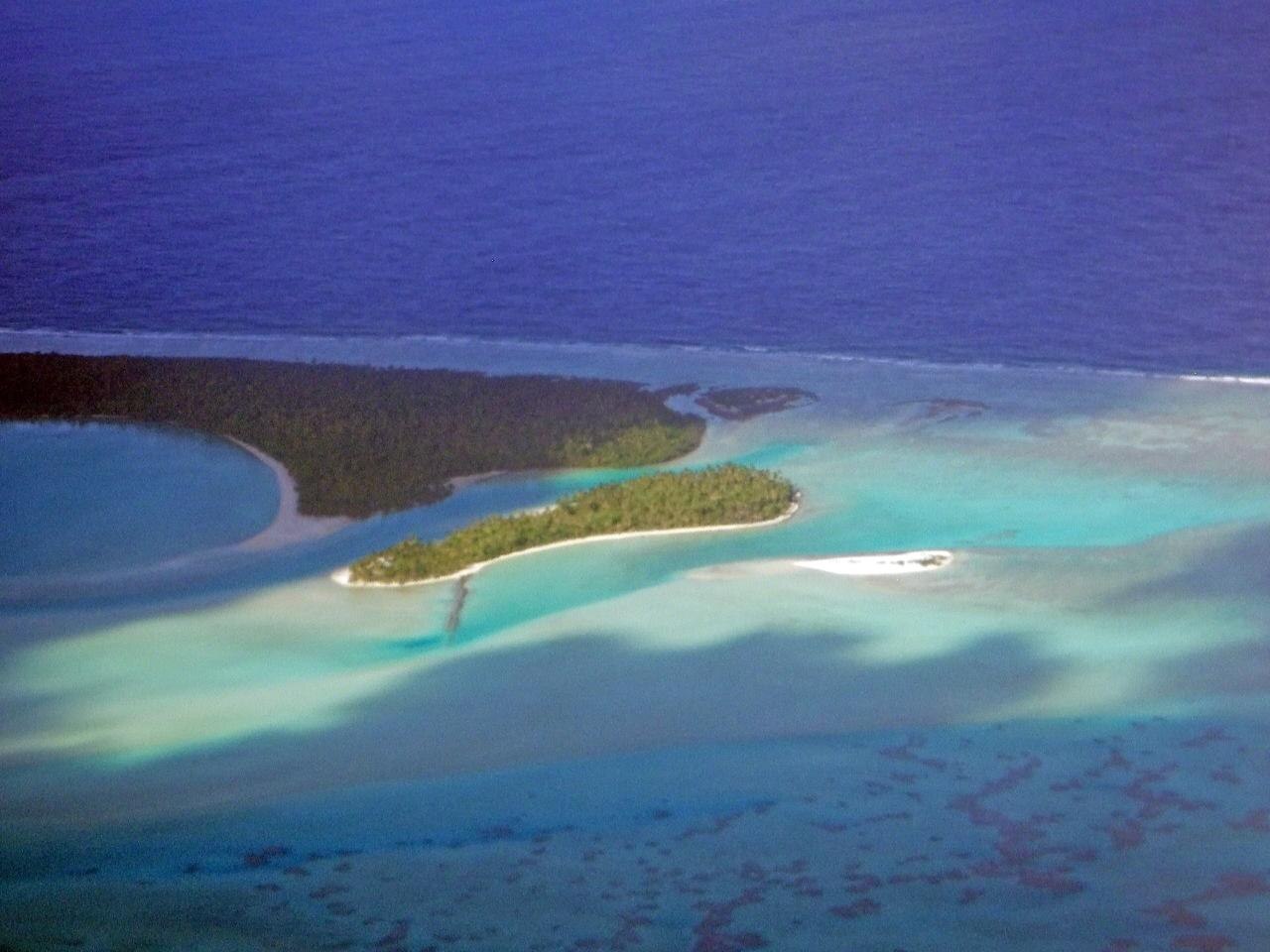
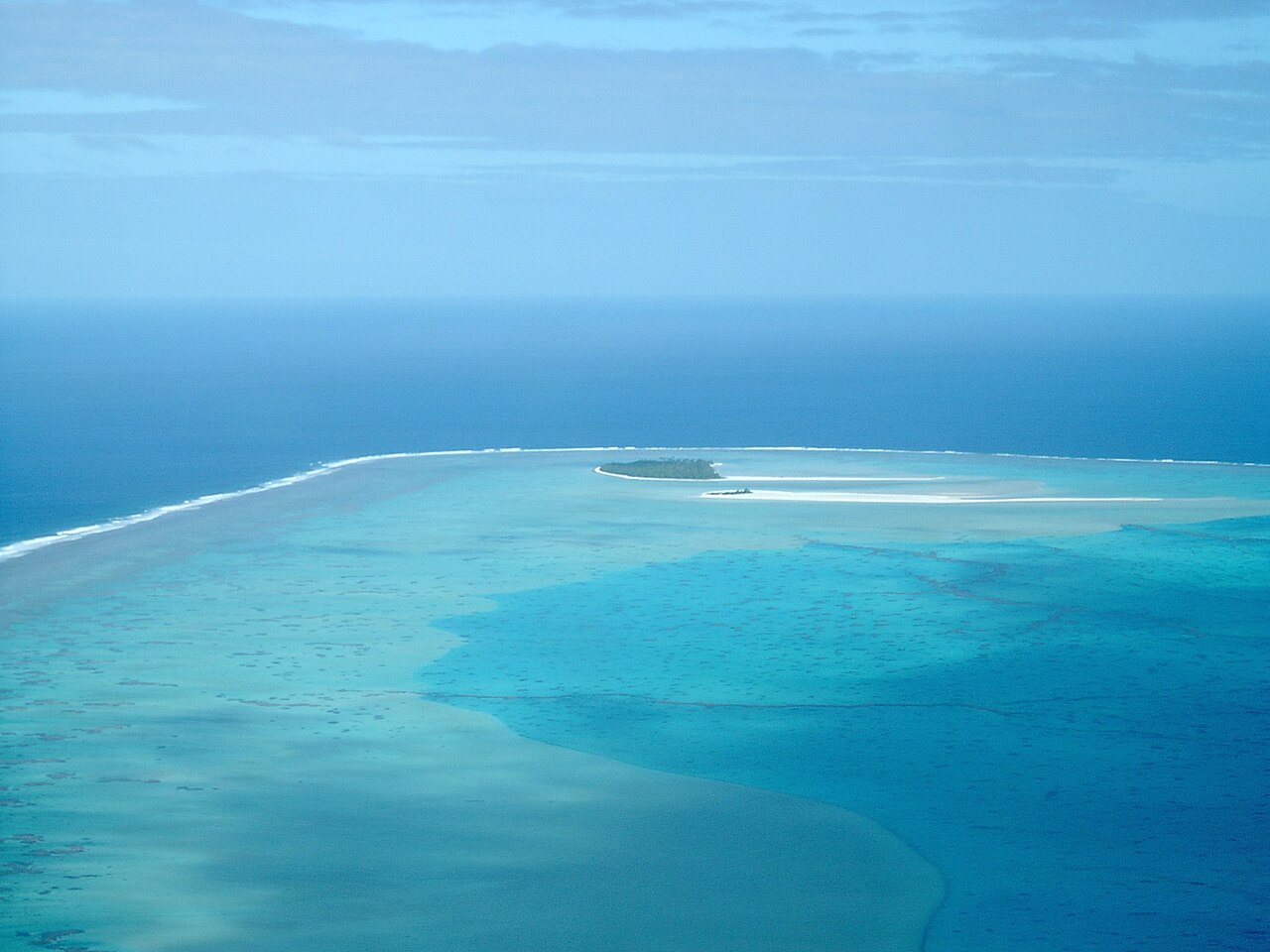
The ship anchored outside the reef at dawn, and I stood on deck watching the lagoon materialize through the morning mist. Every travel writer claims to have found "the most beautiful" something — but standing there, watching the water shift through shades of blue I couldn't name, I understood that Aitutaki had ended my search. The scent of salt and frangipani drifted across the water as the tender boats were lowered. I had read about this place for years. Nothing had prepared me.
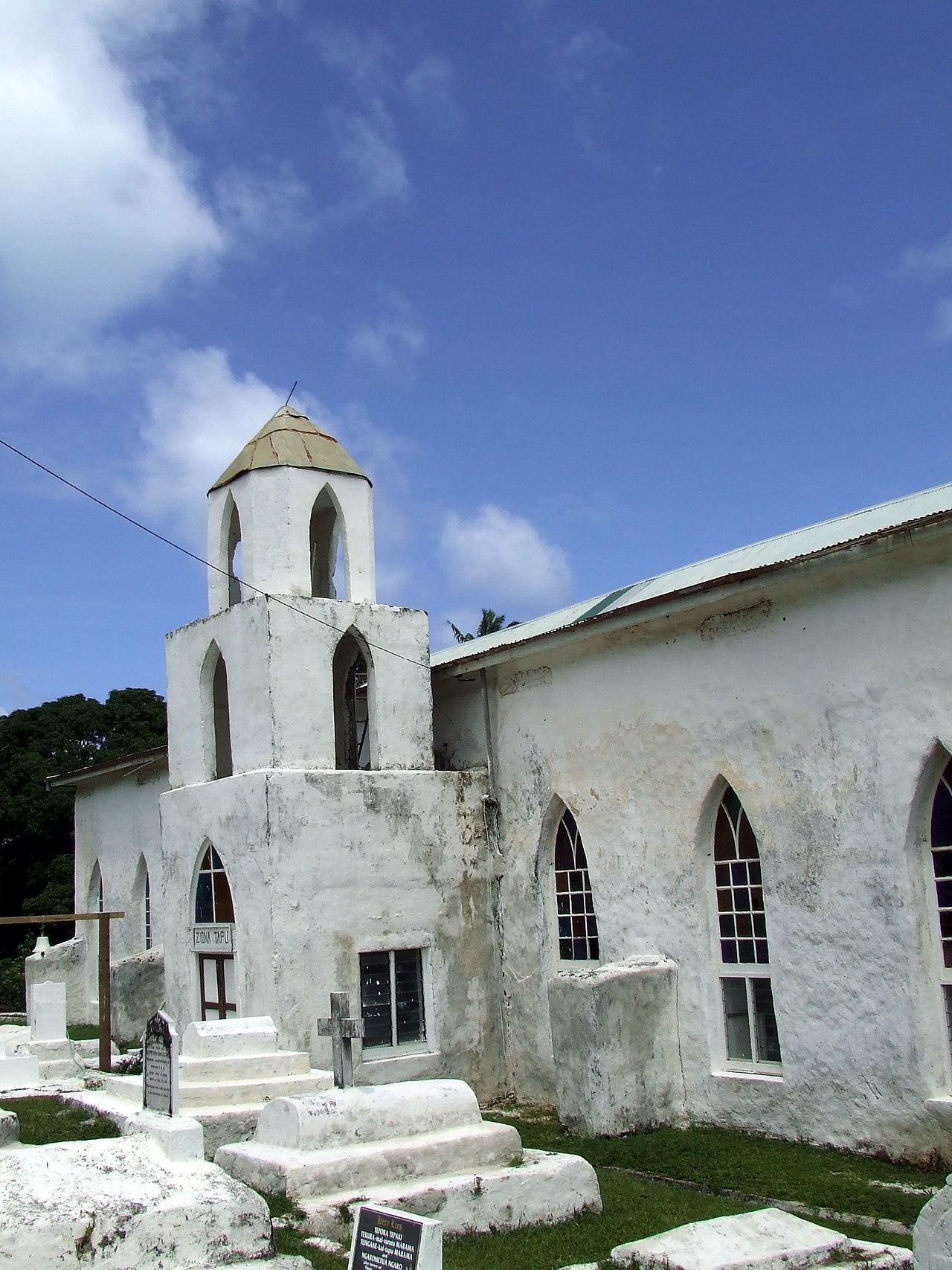
The tender ride to Arutanga took about twenty minutes, threading between coral heads visible through water so clear it seemed we were floating on air. I could hear the sound of traditional drums from somewhere on shore, a welcome that felt both ancient and genuine. Arutanga itself is barely a village — a few modest buildings, a church with a weathered steeple, perhaps a dozen locals waiting to greet us. Eighteen hundred people live on this island. They receive maybe thirty thousand visitors a year. The math alone tells you this isn't mass tourism.
I had booked the lagoon cruise through the ship — $95 USD, non-negotiable for timing coordination — and within an hour I was on a traditional outrigger-style boat motoring across water that defied photography. Every shade of blue and green seemed to exist simultaneously: turquoise, aquamarine, cerulean, teal, and colors that have no names in English. The taste of salt spray mixed with the sweet coconut water our guide offered as we crossed the lagoon.
We stopped at three small motus (islets) before reaching One Foot Island, snorkeling at each one. The coral gardens were pristine — giant clams with iridescent mantles, parrotfish in impossible colors, sea cucumbers dotting the sandy bottom. The water temperature was perfect, warm enough to float endlessly without chill. I saw more fish species in that morning than I'd seen in a decade of Caribbean snorkeling.
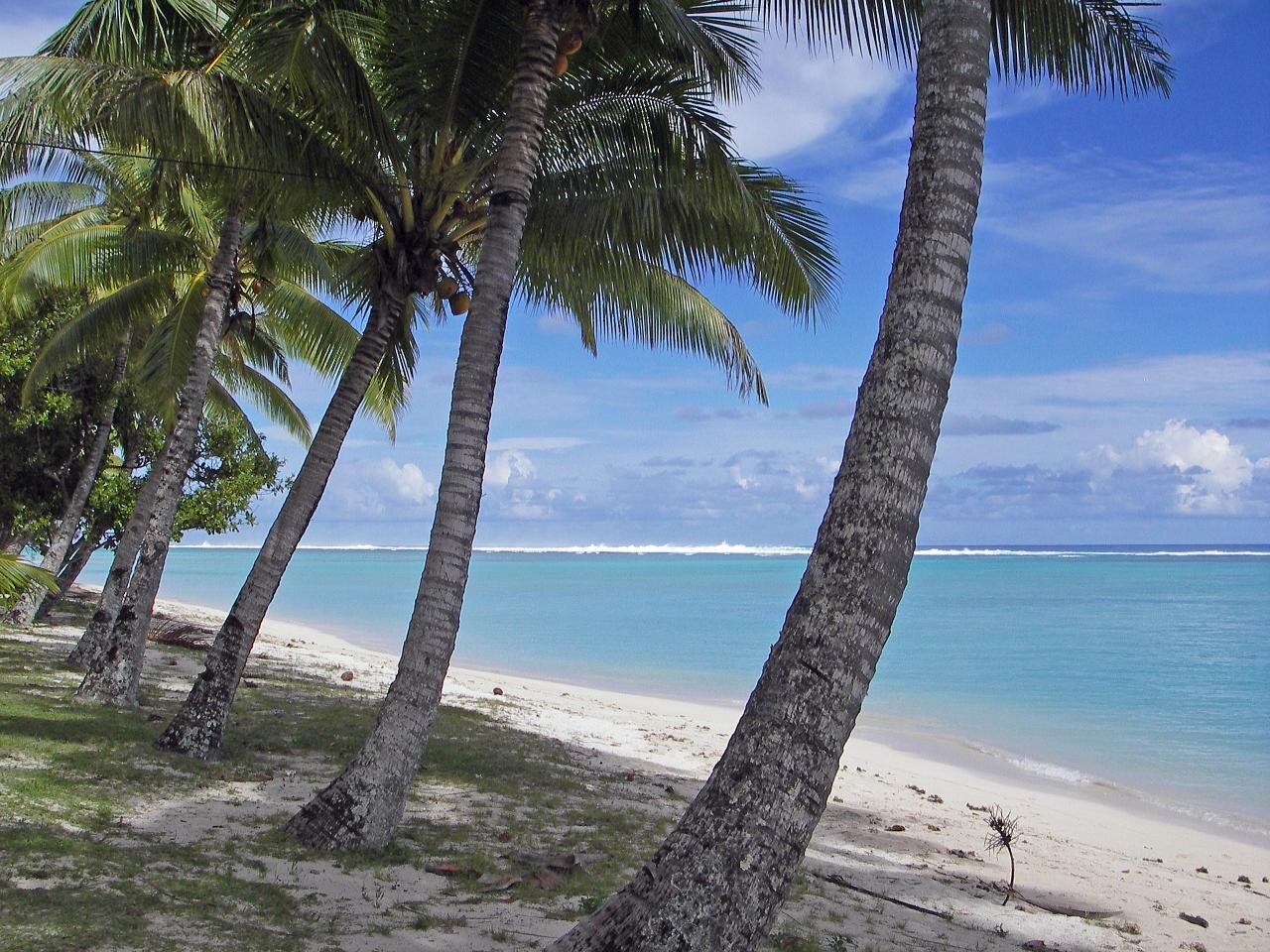
One Foot Island itself is almost absurdly photogenic — a sandbar with leaning palm trees that looks exactly like the desktop wallpaper you've been staring at for years. But the real treasure is the passport stamp. In a thatched hut at the island's edge, a man named Teina carefully pressed an official Cook Islands stamp into my passport. It's the only passport stamp in the world you have to swim to reach, he told me. The taste of the fresh coconut he handed me afterward — sweet, cool, utterly pure — might have been the best thing I'd eaten all year.
The barbecue lunch on a neighboring motu was simple but excellent: grilled fish caught that morning, taro, breadfruit, and tropical fruits I couldn't identify. Our guide told stories of the island's history — how Polynesian navigators found this speck of coral a thousand years ago, reading only stars and swells. I thought about the navigation apps on my phone and felt appropriately humbled.
Back in Arutanga with an hour before the last tender, I walked the single road through the village. The CICC church, built in 1828, stood white against the green hills. An elderly woman sold me a shell necklace for 20 NZD and insisted on blessing it with a prayer in Cook Islands Maori. The sound of children laughing echoed from the school yard. There was no sales pressure, no tourist infrastructure beyond the basics. This is what Caribbean islands were probably like fifty years ago.
What I Learned: Aitutaki taught me that some destinations earn their superlatives. I'd been skeptical of "world's most beautiful lagoon" claims — but floating in that impossible blue, watching the light shift across water that seemed to glow from within, I understood that this place was different. The lesson wasn't just about beauty, though. It was about scale. Eighteen hundred people have chosen to keep this lagoon unspoiled not by accident but by deliberate restraint. They could build resorts and rake in millions. Instead, they accept a few boats of visitors each week and maintain something priceless. Sometimes the best stewardship is saying no to development. Sometimes paradise requires protection more than promotion.
Weather & Best Time to Visit
The Cruise Port
Aitutaki has no deep-water port. The lagoon is too shallow for cruise ships, so vessels anchor outside the protective reef and tender passengers to Arutanga wharf. The tender ride takes approximately 15-20 minutes and offers spectacular views of the lagoon's famous colors through crystal-clear water.
Arutanga is the main village on Aitutaki, though "village" is generous — expect a wharf, a few modest buildings, and tour operators waiting for arriving passengers. Facilities are minimal by design: a small café, basic restrooms, and not much else. This is remote Pacific island life, not tourist infrastructure.
The wharf area is flat and accessible for wheelchairs, though the tender boats themselves may present challenges for passengers with mobility limitations. Contact the ship's accessibility coordinator in advance to discuss options. Once ashore, most activities involve boat transfers to lagoon islands, which may require climbing in and out of small vessels.
Getting Around Aitutaki
Aitutaki is tiny — the main island is about 8 kilometers long and can be circumnavigated by bicycle in 2-3 hours. Most cruise passengers spend their entire port call on lagoon tours rather than exploring the main island, but options exist for both.
- Lagoon tours: The primary activity. Boats depart from Arutanga and visit multiple motus (islets) including One Foot Island. Tours run 4-5 hours and cost $85-120 NZD including lunch. Book through the ship for guaranteed timing ($95-120 USD).
- Walking: Arutanga village is easily walkable in 30 minutes. The main island has one paved road that circles it.
- Bicycle rental: Available in Arutanga for about $20-25 NZD. The island is flat with minimal traffic — a pleasant way to explore if you skip the lagoon tour.
- Scooter rental: Limited availability, around $40-50 NZD. Useful for reaching the island's few viewpoints.
- Taxis: A few locals offer informal taxi service. Expect $15-20 NZD for short trips around the island.
Accessibility note: The tender wharf is accessible, but most lagoon tour boats require stepping down into small vessels. The main island's paved road is flat and suitable for wheelchairs, though facilities are extremely limited. Contact tour operators in advance to discuss specific needs.
Port Map
Tap markers to explore Aitutaki and the lagoon
Beaches & Lagoon
One Foot Island (Tapuaetai) is the iconic destination — a sandbar with leaning palm trees that graces every Cook Islands postcard. The famous passport stamp hut operates when cruise ships visit ($5 NZD). Swimming and snorkeling are excellent, with calm, warm water and visibility exceeding 30 meters. Access is by lagoon tour boat only.
Honeymoon Island is another popular motu on lagoon tours, known for pristine snorkeling and quieter beaches. Some tours include lunch here.
Ootu Beach on the main island offers the most accessible swimming from shore — a stretch of white sand near the airport with calm, shallow water. Free and usually empty. Low-energy activity suitable for all fitness levels.
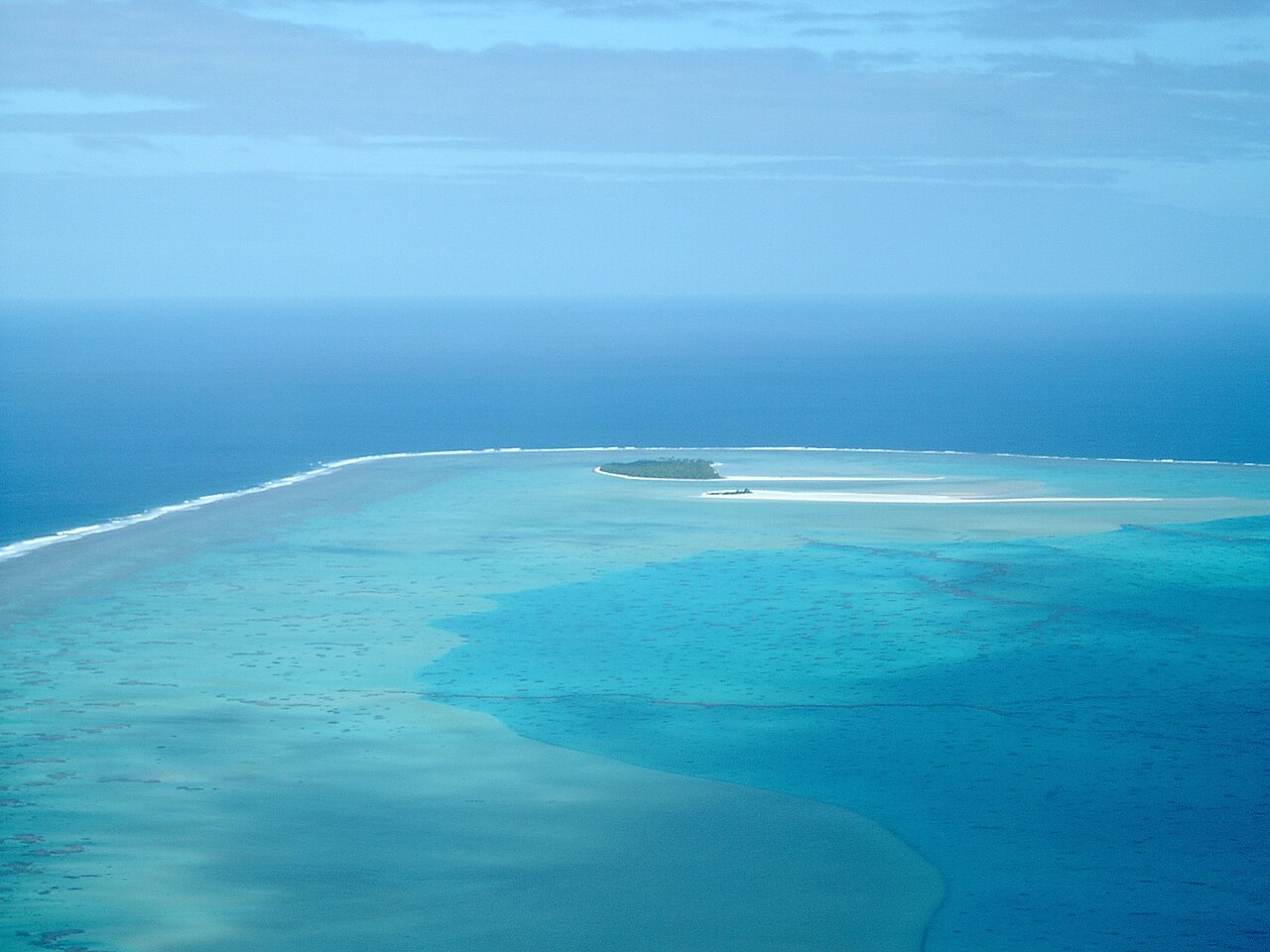
The Lagoon itself spans about 50 square kilometers, dotted with 21 small motus and ringed by protective reef. Water colors range from pale turquoise to deep sapphire depending on depth and sand. Visibility is exceptional year-round.
Excursions & Activities
Lagoon Cruises (Essential)
The signature Aitutaki experience and the reason most people visit. Full-day tours ($85-120 NZD, 4-5 hours) visit multiple motus with snorkeling stops, culminate at One Foot Island for the famous passport stamp, and include a traditional barbecue lunch on a secluded beach. Major operators include Bishops Lagoon Cruises, Vaka Cruise, and Kia Orana Tours. Book through the ship ($95-120 USD) for guaranteed return timing and peace of mind, or independently if you're comfortable with the timing risk and want to save $20-30. Ship excursions fill quickly during peak season — book well in advance. Most tours depart around 9-10 a.m. after morning tenders arrive and return by 3-4 p.m., allowing time for the last tender back to the ship.
Snorkeling
Included on all lagoon tours and the second main attraction after the lagoon's beauty itself. Giant clams with iridescent blue mantles, schools of parrotfish in impossible colors, butterflyfish, triggerfish, and pristine coral gardens await at multiple stops. Equipment is provided by tour operators. Water temperature is warm year-round (26-29°C), making extended snorkel sessions comfortable without wetsuits. Reef-safe sunscreen is required — the ecosystem is fragile and operators may check products before allowing entry. Moderate energy activity suitable for confident swimmers; life jackets are available for non-swimmers who want to float and observe.
Island Exploration
Maungapu climb: The highest point on Aitutaki (124 meters) offers 360-degree panoramic views of the entire lagoon, surrounding motus, and on clear days, neighboring islands. The climb takes about 45 minutes via a bush track that can be muddy after rain. Moderate-high energy activity. Bring water and sturdy closed-toe shoes. Free and usually uncrowded — most visitors are on lagoon tours.
CICC Church: The historic Cook Islands Christian Church in Arutanga dates to 1828 — one of the oldest church buildings in the Pacific. Simple white coral construction with beautiful interior woodwork and stained glass. Free to visit during the week; dress modestly. Sunday services feature stunning vocal harmonies and traditional white dress — visitors are welcome to attend but should arrive on time and stay for the full service.
Island bicycle tour: Circle the main island in 2-3 hours on flat roads with almost no traffic. Rental $20-25 NZD from shops near the wharf. Pass through taro plantations, local villages, and viewpoints overlooking the lagoon. Low-moderate energy activity suitable for most fitness levels. A pleasant alternative if you've visited the lagoon before or want something different.
Cultural Experiences
Sunday church services are the cultural highlight for visitors who arrive on that day. The Cook Islands are deeply Christian, and Sunday morning services feature powerful vocal harmonies, traditional white dresses, and genuine community worship. Visitors are welcomed warmly. The Aitutaki Cultural Village near Arutanga offers demonstrations of traditional crafts including weaving and carving, though hours vary with cruise ship arrivals and advance arrangements may be needed.
Booking advice: Lagoon tours are the essential activity — if you can only do one thing, choose this. Ship-booked tours guarantee timing but cost more. Independent booking saves $20-30 but carries timing risk on this remote island where missing the ship would be problematic. Either way, book in advance — capacity is limited and popular tours fill quickly during peak cruise season.
Food & Dining
Dining options in Arutanga are extremely limited — this is a village of fewer than a thousand people, not a tourist town. Most cruise passengers eat lunch on their lagoon tour, which is included in the excursion price.
Café Tupuna near the wharf offers simple meals — fish and chips, sandwiches, fresh fruit — for $15-25 NZD. The Boat Shed serves similar fare with lagoon views. Both have irregular hours aligned with cruise ship visits.
Fresh coconut water is sold by locals at the wharf ($3-5 NZD). Tropical fruits may be available depending on season. Don't expect restaurant variety — embrace the simplicity.
The barbecue lunch on lagoon tours typically includes fresh-caught fish, taro, breadfruit, and local fruits. Dietary restrictions can usually be accommodated with advance notice.
Local Notices
- Sunday observance: Most businesses close on Sunday for church. If your ship calls on Sunday, options are very limited. Church services welcome visitors.
- No ATMs: There are no ATMs on Aitutaki. Bring New Zealand Dollars in cash from Rarotonga or the ship. Larger establishments accept cards.
- Reef-safe sunscreen: Required for all water activities. The lagoon ecosystem is fragile. Non-compliant sunscreen may be confiscated by tour operators.
- Passport for stamp: Bring your actual passport to the lagoon tour if you want the One Foot Island stamp. It's an official novelty stamp.
- Limited mobile coverage: Cell service exists but is patchy. Don't rely on data for navigation.
- Cyclone season (Nov-Apr): The Cook Islands are in the South Pacific tropical cyclone zone. Peak risk December through February (per Cook Islands Meteorological Service). Cruise ships may skip Aitutaki during active cyclone warnings. Travel insurance strongly recommended for wet-season sailings.
- Lagoon safety: The lagoon is calm and generally safe for swimming and snorkeling, but not risk-free. Bluebottle jellyfish (man-o'-war) and small reef sharks are occasionally present. Wear reef shoes on coral rubble. Follow tour operator instructions.
Depth Soundings Ashore
Practical tips before you step off the ship.
- Tender port reality: The tender ride is 15-20 minutes each way. Last tender times are strictly enforced — missing the ship here would be catastrophic given limited onward transport.
- Book the lagoon tour: This is non-negotiable. Whether through the ship ($95-120 USD) or independently ($85-120 NZD), the lagoon cruise is why you're here. Everything else is optional.
- Bring cash: NZD is the currency. No ATMs exist on the island. Cards work at some larger establishments but cash is essential for small purchases, passport stamps ($5 NZD), and tips.
- Waterproof everything: Phone case, camera housing, dry bag for valuables. You will get wet. The water is the point.
- Reef-safe sunscreen only: Tour operators check and may refuse non-compliant products. Buy reef-safe before you arrive.
- Manage expectations: This is a remote island with 1,800 residents. Infrastructure is minimal by design. No shopping malls, no chain restaurants, no tourist traps. That's the appeal.
- Arrive early for tenders: Getting off the ship early means more time in the lagoon. First tenders often fill with lagoon tour passengers.
Practical Information
- Currency
- New Zealand Dollar (NZD). $1 NZD ≈ $0.60 USD (rates vary)
- Language
- English and Cook Islands Maori
- Time Zone
- Cook Islands Time (UTC-10)
- Tipping
- Not expected but appreciated for excellent service
- Population
- Approximately 1,800
- Mobile/Cell
- Limited coverage. Vodafone Cook Islands operates here
- Emergency
- 999 (police, medical)
Photo Gallery
Frequently Asked Questions
Q: What makes Aitutaki's lagoon special?
A: The combination of size (50 sq km), clarity (30+ meter visibility), color range (every shade of blue and green), and unspoiled nature. Many consider it the world's most beautiful lagoon. The turquoise shades genuinely defy photography.
Q: Is the One Foot Island passport stamp real?
A: Yes! It's an official Cook Islands novelty stamp applied in a thatched hut on the island ($5 NZD). Bring your actual passport to the lagoon tour. It's the only passport stamp in the world you have to swim to reach.
Q: How long does a lagoon tour take?
A: Typically 4-5 hours including multiple snorkeling stops, visits to several motus (islets), and a barbecue lunch. This is the essential Aitutaki experience — don't skip it.
Q: Should I book through the ship or independently?
A: Ship excursions ($95-120 USD) guarantee return timing. Independent tours ($85-120 NZD) save money but carry timing risk. Given how remote Aitutaki is, most passengers choose ship-guaranteed tours for peace of mind.
Q: What if I don't want to do the lagoon tour?
A: You can explore the main island by bicycle ($20-25 NZD), climb Maungapu for views, visit the historic church, or simply relax on Ootu Beach. But honestly, the lagoon is why you're here. Skipping it would be like visiting the Grand Canyon and staying in the gift shop.
Q: Is Aitutaki accessible for mobility-impaired visitors?
A: The tender wharf is accessible, and the main island's road is flat. However, lagoon tours require boarding small boats, which is challenging for wheelchairs. Contact tour operators and ship accessibility coordinators in advance to discuss specific needs.
Q: What's the best time of year to visit Aitutaki?
A: May through October — the dry season brings lower humidity, calmer seas, and no cyclone risk. Water temperature is warm year-round (26-29°C). November through April is wetter with cyclone risk, though the lagoon remains stunning. Most cruise itineraries schedule the Cook Islands during the dry season.
Q: Does Aitutaki have a cyclone or hurricane season?
A: Yes — South Pacific cyclone season runs November through April, with peak risk in January, February, and March. Cruise itineraries concentrate in the May–October dry season for that reason; January and February are the months to avoid.
Q: What should I pack for Aitutaki's weather?
A: Reef-safe sunscreen (mandatory — operators check), waterproof camera or phone case, reef shoes for coral areas, NZD cash (no ATMs), light cover-up for village visits (Polynesian modesty). The island is hot and humid — lightweight breathable clothing is essential.
Q: Will rain ruin my lagoon tour?
A: Unlikely. Even in the wet season, tropical showers are usually brief and the lagoon remains swimmable. The turquoise water looks even more dramatic in soft light. Tour operators run rain or shine. Only a tropical cyclone warning would cancel the lagoon tour — and if that happens, the ship likely won't call at Aitutaki at all.
Last reviewed: February 2026
I have sailed this port myself. These notes come from my own wake through the Cook Islands.