


Tender Port
Ships anchor in Akaroa Harbour and passengers take small boats (tenders) to reach the village wharf.
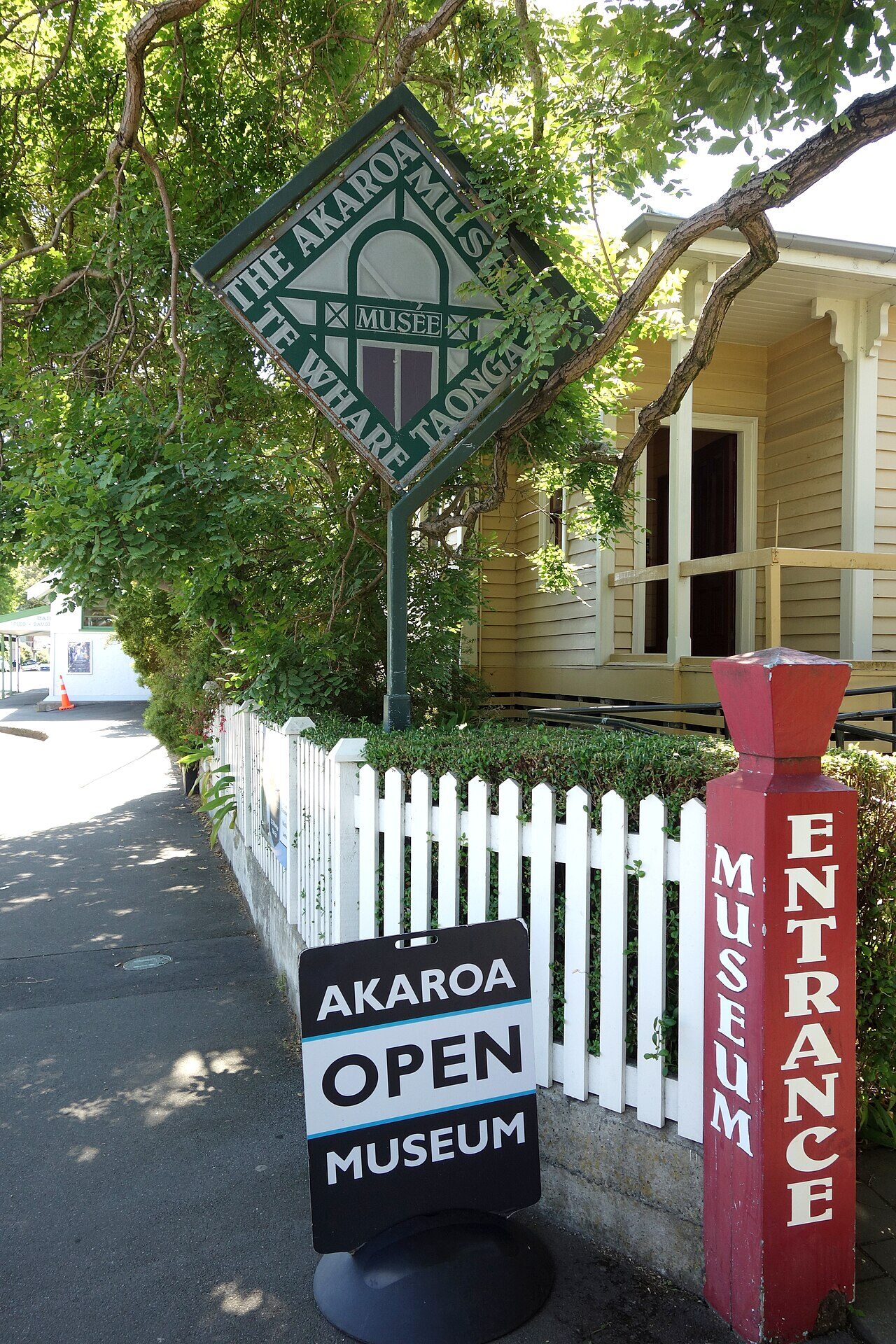
Photo: Wikimedia Commons (CC BY-SA)
Captain's Logbook: Akaroa
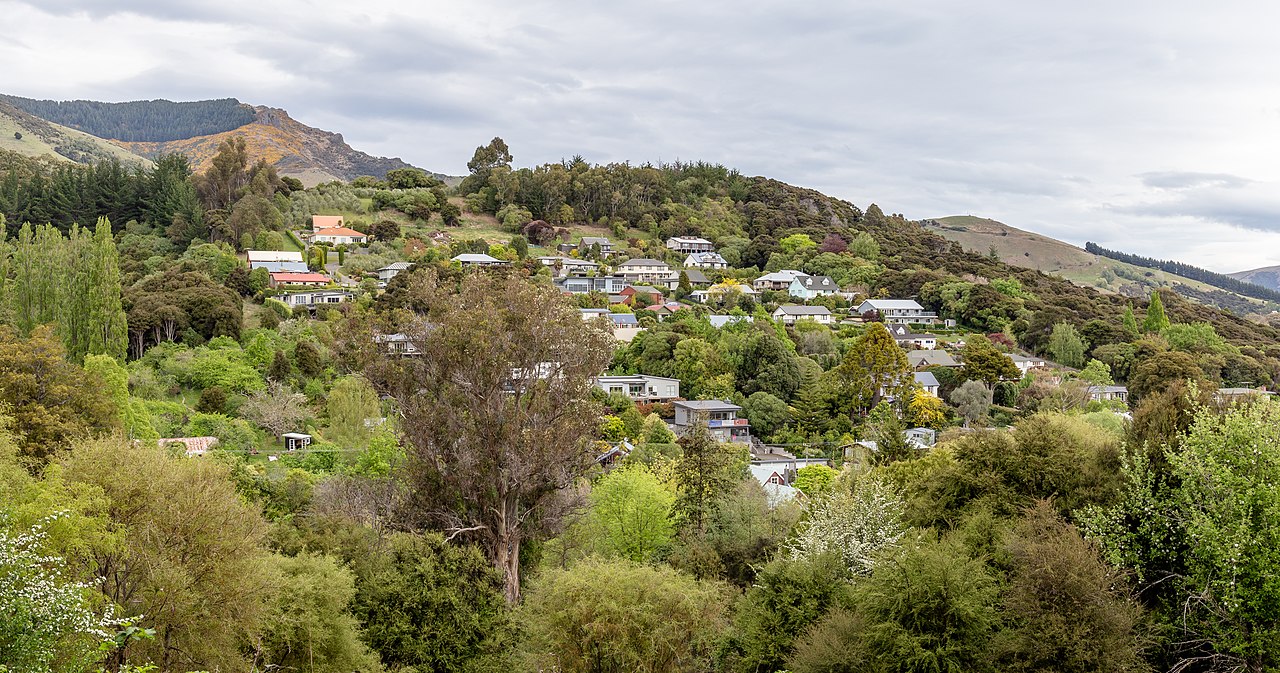
The ship dropped anchor in Akaroa Harbour just as the morning mist lifted from the volcanic crater rim. I stood on deck watching the landscape reveal itself — impossibly green hills rising in dramatic folds around a perfect natural harbour, the legacy of an ancient eruption flooded by the sea millions of years ago. The scent of salt and eucalyptus drifted across the water from the forested slopes, mingling with the fresh morning air. I could see the village clustered along the waterfront, pastel cottages and church steeples looking more Normandy than New Zealand.
The tender ride took fifteen minutes, giving me time to study this strange and beautiful place. The French arrived here in 1840, just days after British sovereignty was declared over all of New Zealand. Too late to establish their own colony, but they stayed anyway, and their influence persists in street names like Rue Lavaud and Rue Jolie, in the architecture, and in a certain atmosphere that sets Akaroa apart from every other New Zealand town I've visited. I could hear the sound of bellbirds in the gardens as we approached the wharf.
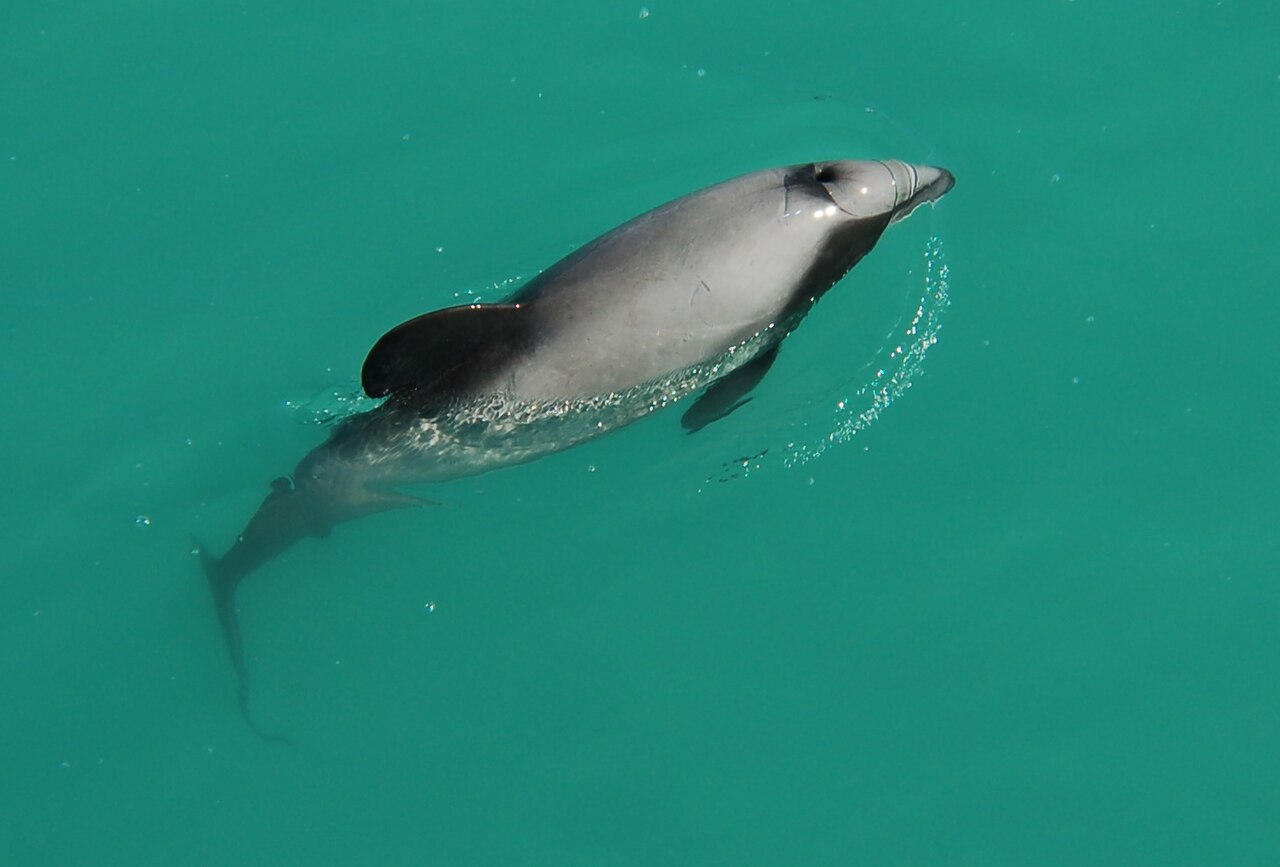
I had booked a Hector's dolphin swim through Black Cat Cruises ($175 NZD), and within an hour I was in a wetsuit motoring out of the harbour. These are the world's smallest dolphins, found only in New Zealand waters, and fewer than 10,000 remain. The guide explained that swimming with them is a privilege that depends entirely on the dolphins' mood — we cannot chase them; they must choose to interact with us. I slipped into the water and floated, waiting, the taste of salt on my lips, my heart racing with anticipation.
And then they came. Two dolphins surfaced three meters away, their distinctive rounded dorsal fins unmistakable, their eyes curious and intelligent. They circled me, rolled, dove, and returned. One swam close enough that I could have touched it — but didn't, following the guide's instructions. The water was cold enough to make me gasp, but I barely noticed. For twenty minutes I floated in the company of creatures that have swum these waters for millennia, watching them play in the wake of our boat, feeling the profound privilege of sharing space with something so rare and wild.
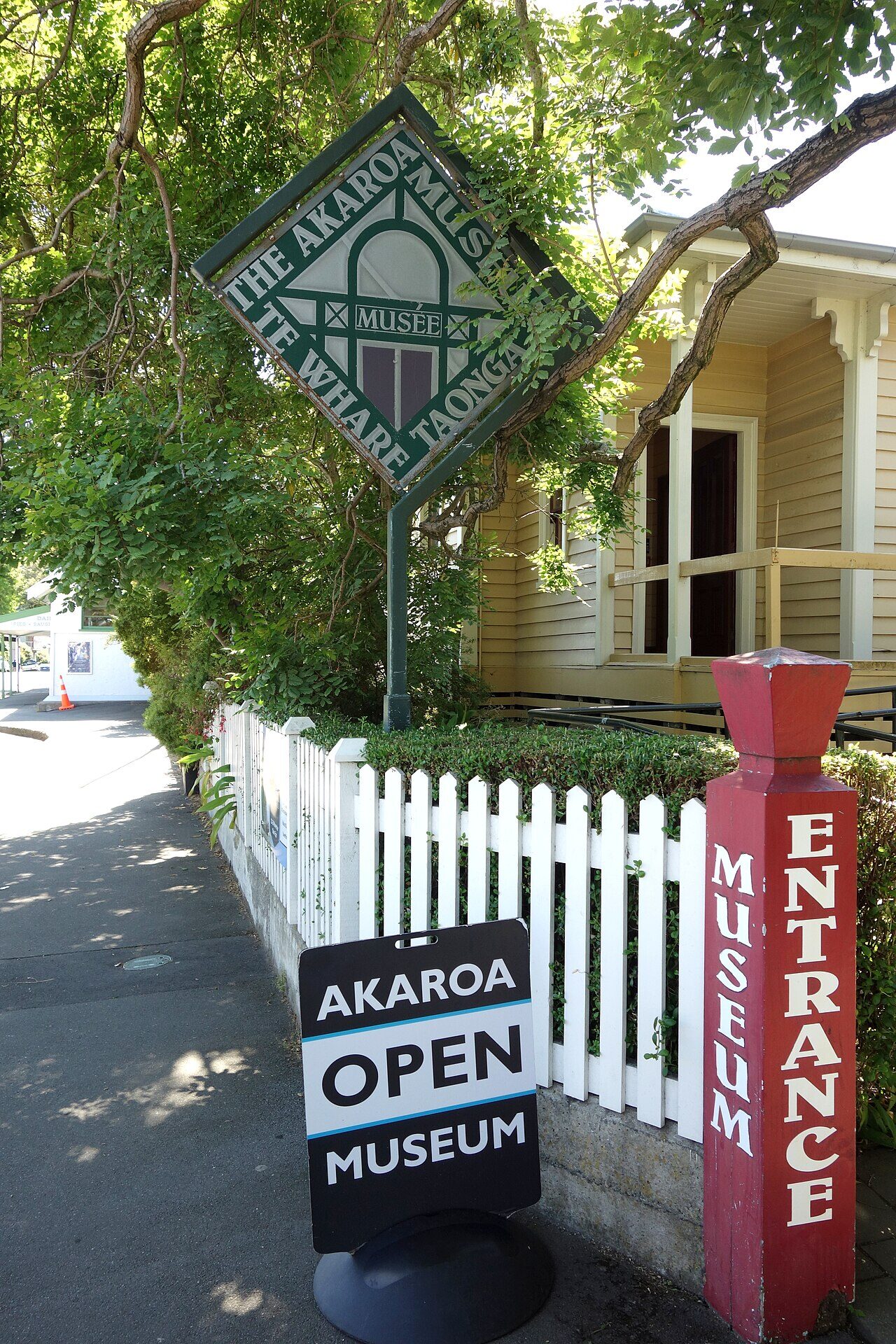
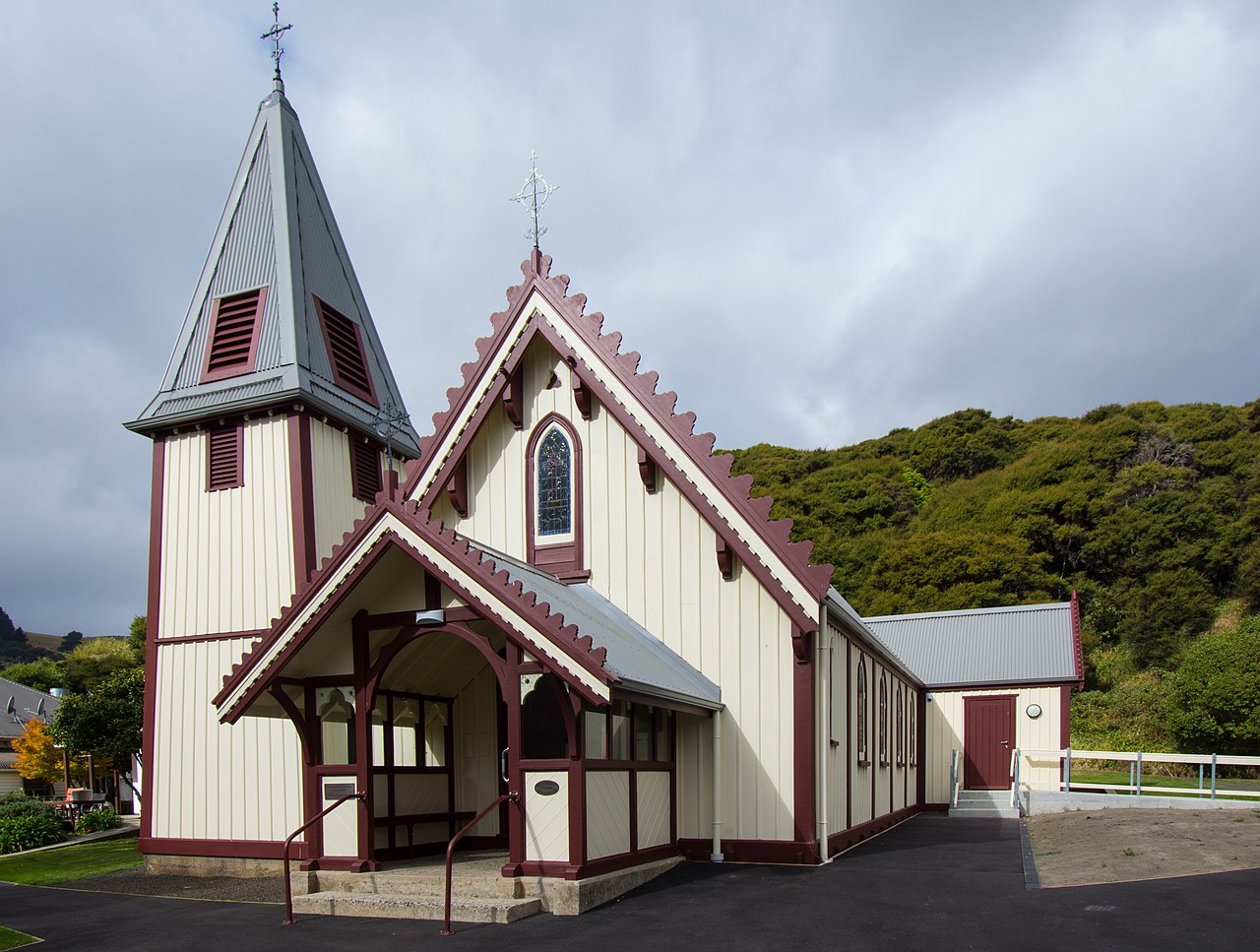
Back on shore, I walked the village streets in a daze. The Akaroa Museum ($10 NZD) traced the French settlement story — those hopeful colonists who arrived too late, who built their lives here anyway, who planted vines and named streets in their mother tongue. St. Patrick's Church, dating to 1864, is the oldest Catholic church in the South Island. I sat in a pew for a few quiet minutes, the wooden floor creaking under my feet, the stained glass casting colored light across my hands.
Lunch was fish and chips at the Bully Hayes ($25 NZD), a waterfront café named for an infamous 19th-century American pirate who operated in these waters. I ate overlooking the harbour where my ship rode at anchor, watching other passengers returning from their own adventures. The flavour of the blue cod was delicate and fresh, the chips crispy and salted. A local wine, a Pegasus Bay chardonnay, paired perfectly. An elderly couple at the next table told me about the Giants House, an eccentric garden nearby, and I spent my last hour wandering its terraces of mosaic sculptures and Mediterranean plantings ($20 NZD entry).
What I Learned: Akaroa taught me that some places preserve their character by accident and stubbornness. The French colonists arrived too late, but stayed anyway. Their descendants maintained traditions that could have easily been forgotten. Now Akaroa offers something unique in New Zealand — a pocket of European heritage in a landscape shaped by volcanism and time. But the deeper lesson was about the dolphins. Swimming with Hector's dolphins isn't a guaranteed experience; it depends on their willingness to engage. That uncertainty, that element of wild choice, is precisely what makes the encounter meaningful. Some gifts cannot be purchased or scheduled. They can only be received with gratitude.
Weather & Best Time to Visit
The Cruise Port
Akaroa Harbour is a drowned volcanic crater providing sheltered anchorage for cruise ships. Vessels anchor mid-harbour and tender passengers to the main wharf in the village centre. The tender ride takes approximately 15 minutes and offers beautiful views of the volcanic crater rim and green hillsides.
Once ashore, the entire village is walkable within minutes. The wharf puts you directly on the main waterfront street with cafés, shops, and tour operator desks. Dolphin tour boats depart from the same wharf.
Weather Note: The harbour entrance can funnel strong winds. Tendering may be delayed or cancelled in rough conditions. If weather prevents Akaroa access, ships typically relocate to Lyttelton (Christchurch's port) as a backup — passengers visit Christchurch instead. Both destinations are worthwhile.
Accessibility: The tender wharf is accessible, and the main village streets are flat and suitable for wheelchairs. Some tour boats may present challenges for passengers with mobility limitations — contact operators in advance.
Getting Around Akaroa
Akaroa village is tiny and almost entirely walkable. Most cruise passengers spend their port time on dolphin tours or exploring the village on foot. The main attractions, shops, cafés, and museum are all within a 10-minute walk of the tender wharf.
- Walking: The primary mode of transport. The village stretches along the waterfront for about 1 km. Flat terrain in the village centre; hills beyond for those seeking viewpoint walks. Low-energy activity.
- Dolphin tour boats: Depart from the main wharf. Tours run 2-3 hours and are the main organized activity. Book through the ship ($180-220 USD) or independently ($180-210 NZD). Swimming tours are weather-dependent.
- Christchurch excursions: Full-day bus tours to Christchurch take 1.5 hours each way on scenic but winding roads. Only practical as a ship-organized or private tour ($150-250 USD). The journey through Banks Peninsula is beautiful.
- Taxis/private tours: Limited availability in this small village. Pre-booking essential for any non-walking transport. Local operators offer peninsula drives with viewpoint stops ($100-150 NZD for 2-3 hours).
Accessibility note: The village is flat and manageable for wheelchairs. Dolphin tour boats have varying accessibility — contact Black Cat Cruises or Akaroa Dolphins in advance. Peninsula walks involve hills and uneven terrain.
Port Map
Tap markers to explore Akaroa and Banks Peninsula
Beaches & Nature
Akaroa isn't a beach destination in the traditional sense, but the harbour and peninsula offer outstanding natural experiences.
Akaroa Harbour is the flooded caldera of an ancient volcano, creating sheltered waters ideal for dolphin habitat. The water is cold (12-16°C even in summer) but swimsuit swim-with-dolphin tours provide wetsuits. The clarity and wildlife make this one of New Zealand's most special marine environments.
Banks Peninsula walks lead to volcanic crater rim viewpoints with dramatic harbour panoramas. The Purple Peak track (2-3 hours return) offers rewarding views for moderate-energy hikers. Check conditions and carry water. The landscape is uniquely dramatic — green volcanic slopes dropping to blue water.
Main Beach near the village is a small stretch of sand suitable for paddling but cold for swimming. Nice for a stroll; don't expect tropical beach conditions.
Excursions & Activities
Dolphin Encounters (Signature Experience)
Hector's dolphin tours are Akaroa's main attraction. These are the world's smallest and rarest dolphins, found only in New Zealand waters. Operators include Black Cat Cruises and Akaroa Dolphins. Choose between observation cruises ($100-120 NZD, 2 hours) or swim-with-dolphin tours ($180-210 NZD, 3+ hours). Swimming tours provide wetsuits and depend on weather and dolphin cooperation — they choose whether to interact. Sightings are nearly guaranteed; swimming interaction is not. Book through the ship for guaranteed timing ($180-250 USD) or independently in advance. Moderate-energy activity; swimming requires water confidence.
Village Exploration
Akaroa Museum ($10 NZD) covers Maori heritage, the French settlement story, and local maritime culture. Small but well-curated. Allow 45-60 minutes. Low-energy, fully accessible.
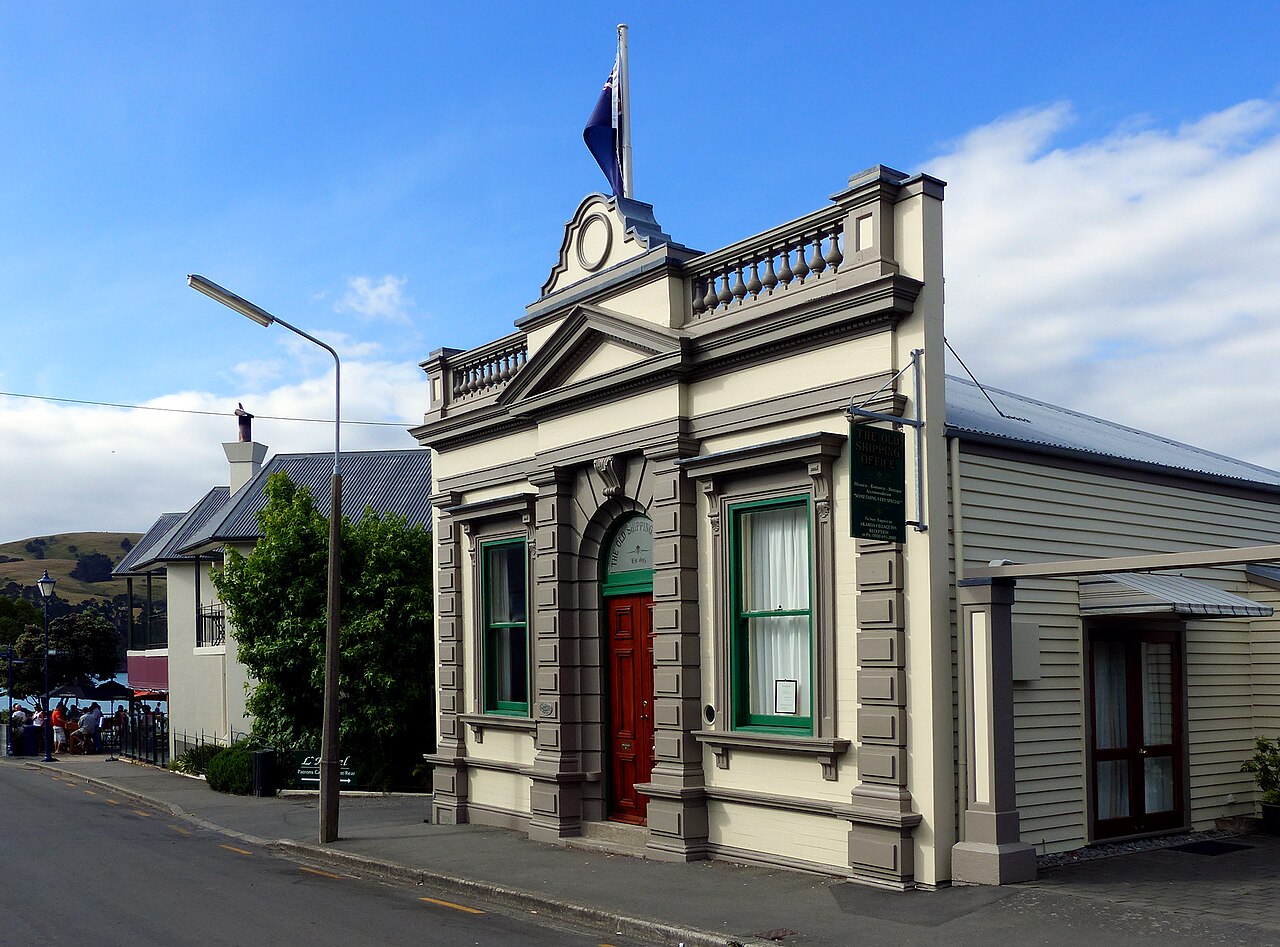
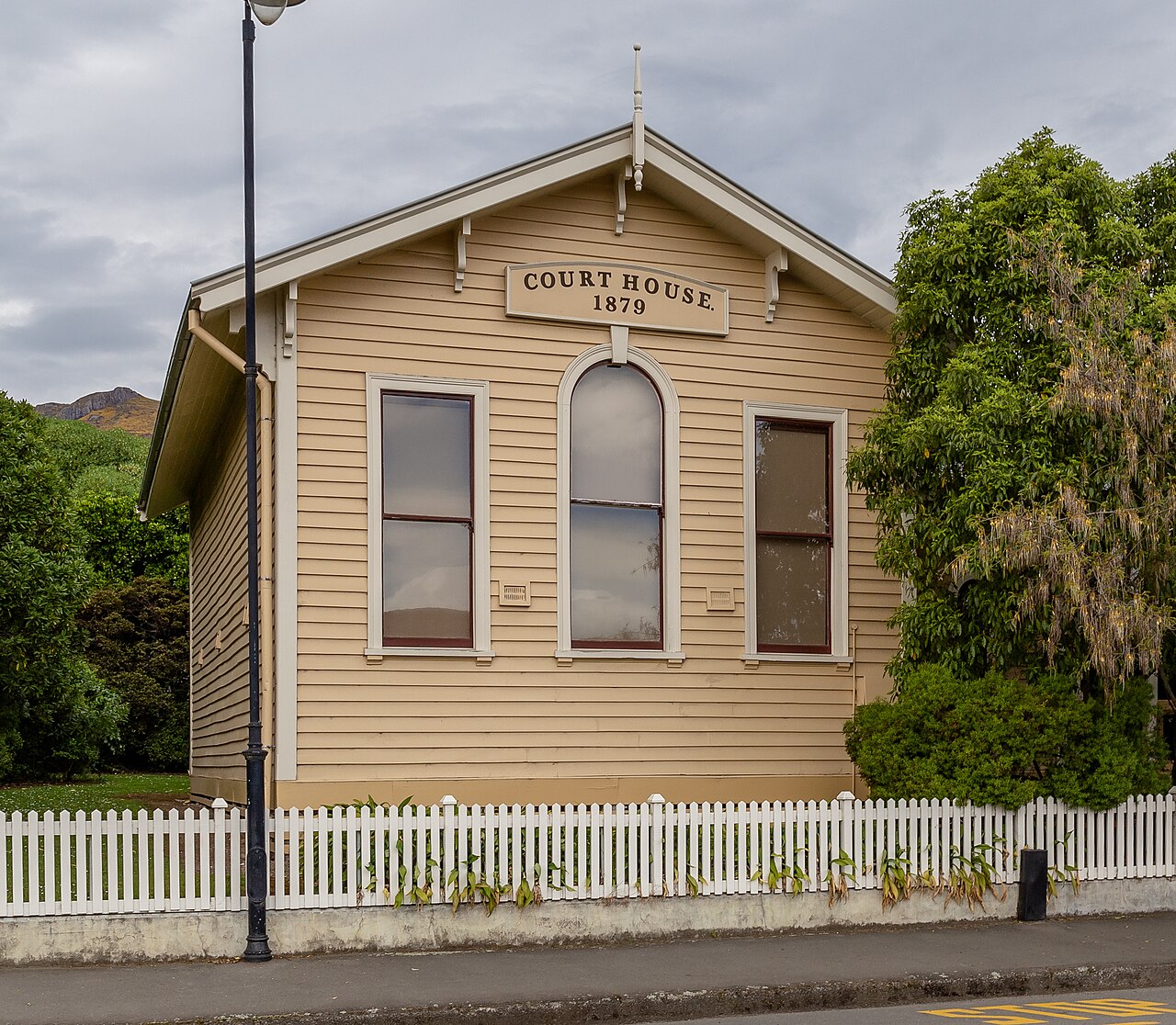
French colonial architecture includes St. Patrick's Church (1864, the oldest Catholic church in the South Island), the Langlois-Eteveneaux House, and numerous colonial cottages with French street name plaques. A self-guided walk takes 1-2 hours. Free.
Giants House ($20 NZD) is an eccentric private garden filled with mosaic sculptures, terraces, and Mediterranean plantings. Part art gallery, part fantasy landscape. Unusual and memorable. Low-moderate energy.
Christchurch Excursion
Full-day tours to Christchurch ($150-250 USD through ship, $120-180 NZD independently) include the 1.5-hour scenic drive through Banks Peninsula, plus city highlights: the Transitional "Cardboard" Cathedral built after the 2011 earthquake, Quake City museum documenting the disaster and recovery, Botanic Gardens, and the rebuilt city centre. The journey itself through volcanic hills and harbour views is part of the experience. High-energy due to length; suitable for all mobility levels.
Walking & Nature
Akaroa Harbour walks are free and rewarding. The Garden of Tane track (30 minutes one way) winds through native bush above the village with harbour views. The longer Woodills Track to Purple Peak (2-3 hours return) climbs through farmland and bush to panoramic views of Banks Peninsula. Low cost, moderate energy — just bring water and sun protection.
Kayaking along the harbour costs $40-80 NZD for guided tours lasting 2-3 hours. You paddle past penguin nesting sites and occasionally encounter seals. A gentle option for those who prefer independent exploration at sea level rather than a structured ship excursion.
Booking advice: Dolphin tours fill quickly on cruise ship days — book ahead, especially for swimming options. A ship excursion guarantees return timing but costs more. Independent booking saves money but carries timing risk. The village itself is free to explore and genuinely charming even without organized activities.
Food & Dining
Akaroa is tiny but has surprisingly good dining options, reflecting its French heritage and New Zealand's excellent produce.
Bully Hayes Restaurant on the waterfront serves fresh local seafood — the blue cod and chips are excellent ($25-35 NZD). Named for an infamous pirate. Ma Maison offers French-influenced cuisine in a heritage cottage ($40-60 NZD for mains). The Little Bistro has cafe-style meals and good coffee ($15-25 NZD).
Local specialties: Blue cod is the regional fish. New Zealand lamb and beef are excellent. Local wines from Canterbury and Waipara are worth trying ($10-15 NZD per glass). French-style baked goods appear in cafés — croissants, pain au chocolat.
Budget $30-50 NZD for a casual lunch with a drink. Reservations aren't necessary except for Ma Maison on busy cruise days.
Local Notices
- Weather dependency: Strong winds can delay or cancel tendering. The ship may relocate to Lyttelton (Christchurch) as backup. Dolphin swim tours are weather-dependent — observation tours run in most conditions.
- Water temperature: The harbour is cold (12-16°C even in summer). Dolphin swim tours provide wetsuits, but expect cold conditions.
- Small village: Akaroa has one ATM and limited services. Cards are accepted widely but bring cash for small purchases.
- Dolphin respect: Hector's dolphins are endangered. Never chase or touch them. Let them choose to approach. Follow all guide instructions.
- Time zone: New Zealand is UTC+12 (+13 during daylight saving, Sept-Apr). Check ship time vs. local time.
Depth Soundings Ashore
Practical tips before you step off the ship.
- Book dolphin tours early: Swimming and observation tours fill quickly on cruise days. Book through the ship ($180-250 USD) or independently ($180-210 NZD) well in advance. Independent booking saves money but carries timing risk.
- Expect cold water: Even in summer, the harbour is 12-16°C. Wetsuits are provided for swimming tours. The cold is part of the experience.
- Have a backup plan: Weather may cancel tendering or dolphin swims. The village is charming regardless — museum, walks, cafés. If diverted to Lyttelton, Christchurch is a worthwhile alternative.
- Layers are essential: New Zealand weather changes rapidly. Bring a windproof jacket even on sunny days. The harbour funnels wind.
- Christchurch is far: The 1.5-hour drive each way means Christchurch excursions are full-day commitments. Only worth it if you specifically want to see the earthquake recovery.
- Walking is sufficient: The village is tiny. Everything is walkable in 15 minutes. Don't stress about transport.
- Dolphins aren't guaranteed: Sightings on tours are nearly certain, but swimming interaction depends on dolphin cooperation. Some days they approach; some days they don't. That uncertainty is part of the magic.
Practical Information
- Currency
- New Zealand Dollar (NZD). $1 NZD ≈ $0.60 USD (rates vary)
- Language
- English; some French heritage phrases persist in street names
- Time Zone
- NZST (UTC+12), NZDT in summer (UTC+13)
- Tipping
- Not expected in New Zealand but appreciated for exceptional service
- Power
- Type I outlets (230V). US/EU plugs need adapters
- Mobile/Cell
- Coverage is good in the village; may be patchy on peninsula walks
- Emergency
- 111 (police, fire, ambulance)
Photo Gallery
Frequently Asked Questions
Q: Will I definitely see dolphins?
A: Sightings on boat tours are nearly guaranteed — operators often offer refunds if not. Swimming with dolphins depends on conditions and their mood — they choose to interact. Some days they're curious and playful; some days they keep their distance.
Q: What if weather cancels tendering?
A: Ships may relocate to Lyttelton (Christchurch's port) as backup. You'll visit Christchurch instead of Akaroa. Both destinations are worthwhile — Christchurch offers earthquake recovery stories and city experiences.
Q: Why is there French influence in Akaroa?
A: French colonists arrived in 1840, just days after British sovereignty was declared over New Zealand. Too late to establish their own colony, they stayed anyway. Their descendants maintained French traditions in street names, architecture, and culture.
Q: How far is Christchurch from Akaroa?
A: Approximately 1.5 hours by road through scenic Banks Peninsula. Ship excursions include the journey and city highlights. It's a full-day commitment with significant travel time.
Q: Is Akaroa accessible for mobility-impaired visitors?
A: The village is flat and manageable for wheelchairs. The tender wharf is accessible. Dolphin tour boats have varying accessibility — contact operators in advance. Peninsula walks involve hills and uneven terrain.
Q: What if I just want to stay in the village?
A: Akaroa is genuinely charming without organized tours. Walk the French-named streets, visit the museum, lunch at a waterfront café, explore Giants House. You don't need a dolphin tour to have a good port day.
Q: What's the best time of year to visit Akaroa?
A: November through March (NZ summer) offers the warmest weather (15-22°C), longest days, and calmest harbour conditions for tendering and dolphin tours. Peak cruise season aligns with these months. October and April are transitional — cooler but still pleasant. Winter (May-September) is cold with very few cruise calls.
Q: What should I pack for Akaroa's weather?
A: Layers are essential — New Zealand weather changes rapidly and a warm morning can become a cold southerly by afternoon. Wind-proof outer layer, high-SPF sunscreen (NZ UV is extremely strong due to thin ozone), comfortable walking shoes for hilly terrain, and binoculars for dolphin spotting from shore.
Q: Will rain ruin my port day in Akaroa?
A: Brief showers are possible any time of year, but they rarely last long. The village has excellent cafés and a museum for shelter. The bigger risk is wind — strong southerlies can cancel tender operations entirely, in which case the ship may relocate to nearby Lyttelton (Christchurch).
Q: Is there a hurricane or storm season that affects Akaroa?
A: Akaroa is not in a hurricane zone. Wind data: "Sheltered harbor; calmer than open coast." The bigger weather concern is strong southerlies that can cancel tender operations entirely.
Last reviewed: February 2026
I have sailed this port myself. These notes come from my own wake through Banks Peninsula.