


Photo: Wikimedia Commons (CC BY-SA)
Captain's Logbook: Alexandria
The author visited Alexandria in 2018 aboard Mediterranean cruise itinerary. Observations reflect personal experience; verify current conditions before travel.
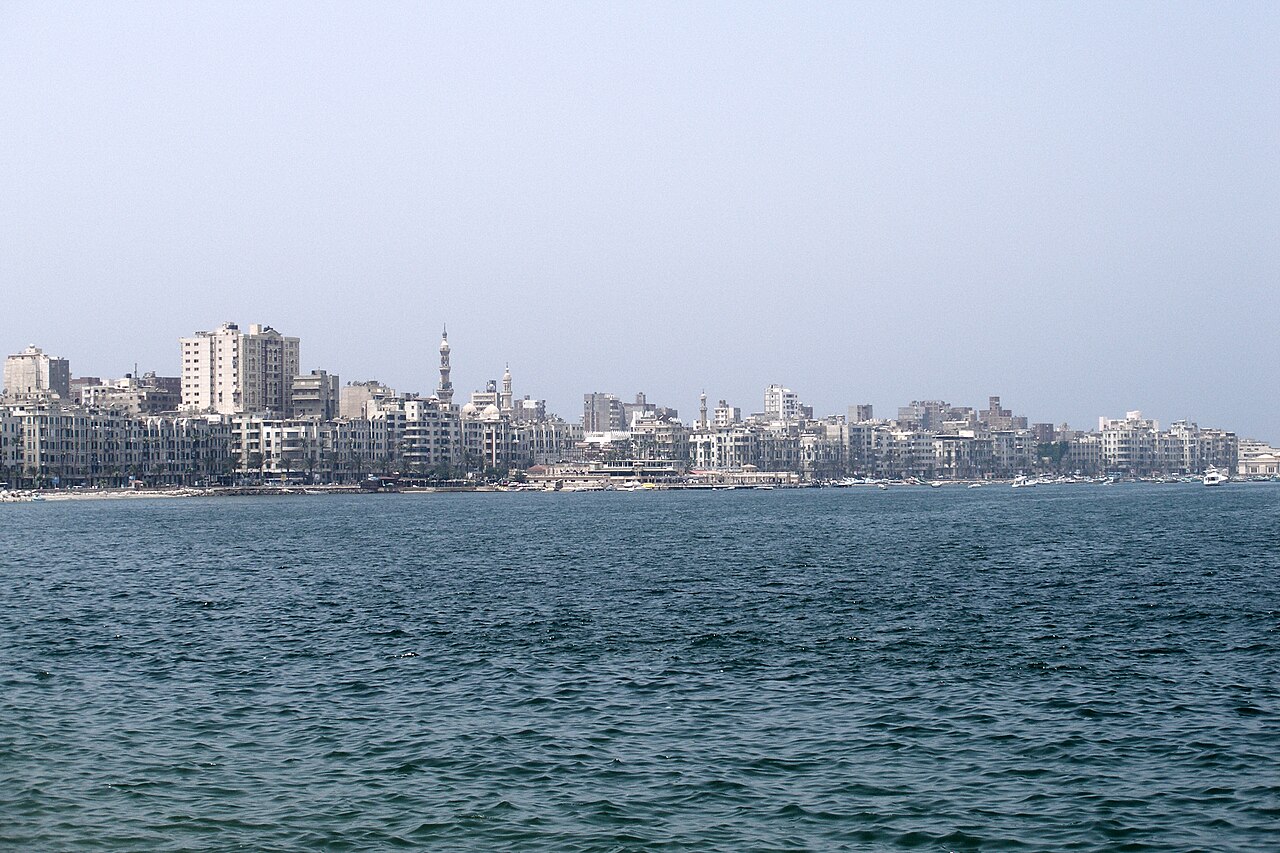
I woke before dawn to watch us approach the Egyptian coast, standing alone on the upper deck as the sky shifted from black to grey to pale rose. The smell of the sea changed — something warmer, older, carrying hints of sand and city. Alexandria materialized slowly in the morning haze, a long low line of buildings stretching along the Mediterranean shore. Somewhere in that sprawl, Alexander the Great had founded his greatest city in 331 BCE. Somewhere there, Cleopatra had ruled and died. Somewhere there, the legendary Library had accumulated the knowledge of the ancient world before passing into myth. I gripped the railing and felt the weight of millennia pressing against this ordinary morning.
Our first stop was the Bibliotheca Alexandrina ($5 USD entry), the modern library opened in 2002 as a UNESCO tribute to its ancient predecessor. I stepped inside and my breath caught. The building is a tilted disc of granite and glass rising beside the sea, and the interior reading room stretches upward in terraced levels beneath a roof that filters Mediterranean light into something golden and warm. I touched the smooth granite walls. The space holds eight million books, multiple museums, a planetarium, and exhibition halls — but what struck me most was the quiet. Hundreds of people sat reading, researching, studying, and the only sound was pages turning and keyboards clicking. The ancient library is gone forever, but I felt its spirit lingering here in every shaft of light.
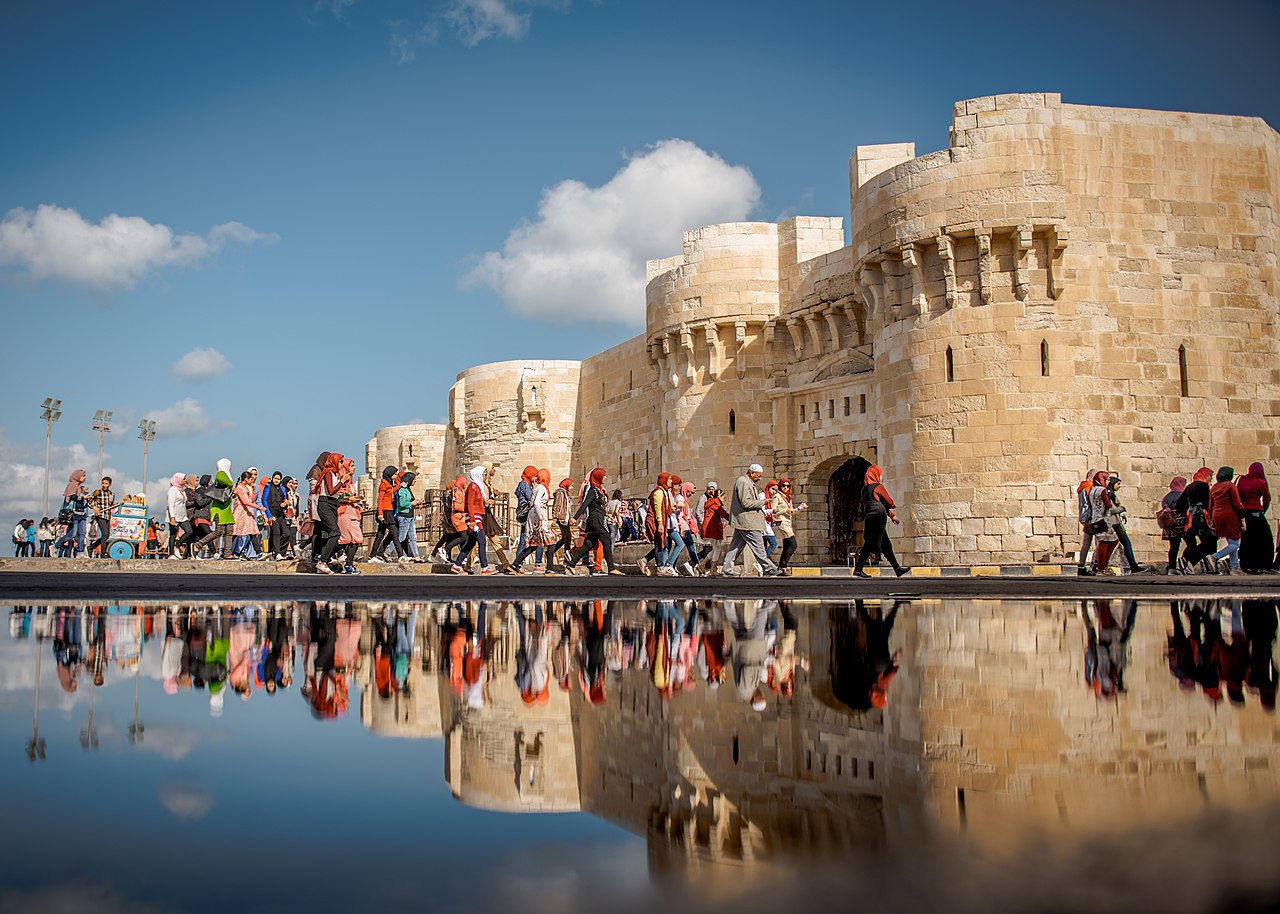
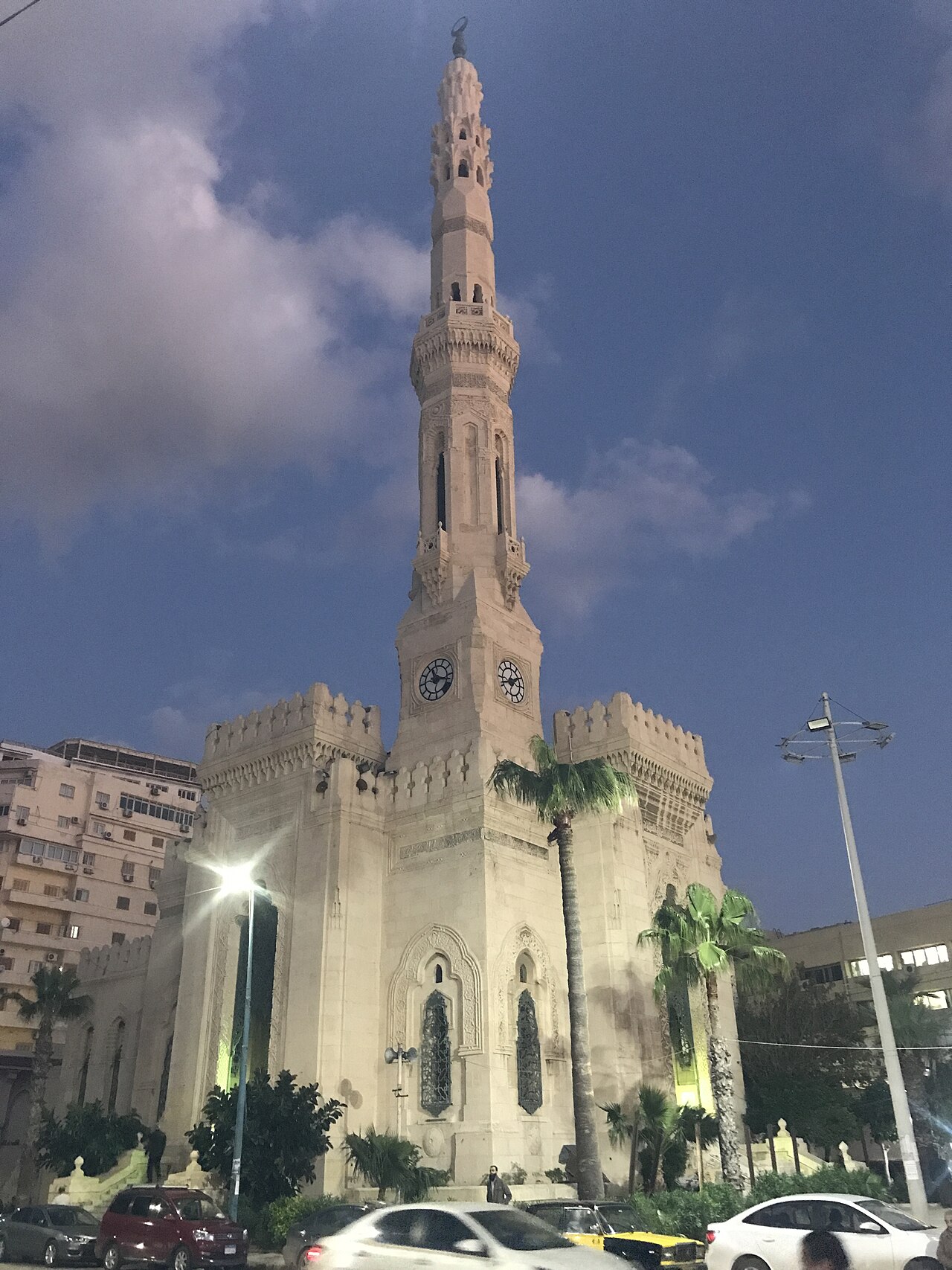
From the library we drove to the Citadel of Qaitbay ($3 USD), a 15th-century fortress built quite literally atop the ruins of the Pharos Lighthouse — one of the Seven Wonders of the Ancient World. The lighthouse survived 1,600 years before earthquakes finally toppled it, and Sultan Qaitbay used its fallen stones to construct his citadel. I walked those worn blocks, imagining the fires that once burned 100 meters above the waves, guiding ships to Alexander's harbor. The Mediterranean crashed against the rocks below. The wind tasted of salt and antiquity. I heard the call to prayer echoing across the city and felt the layers of civilization pressing down — Greek, Roman, Arab, Ottoman, British, modern Egyptian — each built upon the last.
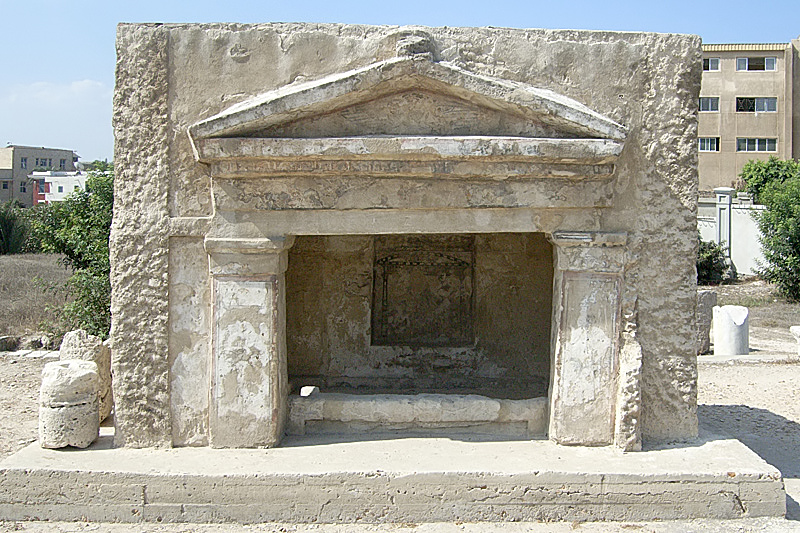
The Catacombs of Kom el-Shoqafa ($6 USD) offered something genuinely unique. This Roman-era burial complex descends three levels underground, blending Egyptian funerary traditions with Greco-Roman aesthetics in ways that shouldn't work but somehow do. I saw Anubis wearing Roman military armor. I saw pharaonic crowns above Greek columns. The stone corridors were cool and close, smelling of old rock and distant incense. Our guide explained that wealthy Alexandrian families had commissioned these tombs during the 2nd century CE, when cultures had mingled so thoroughly that a single carving could reference three civilizations simultaneously. Alexandria had always been like this — a crossroads, a fusion, a place where everything mixed.
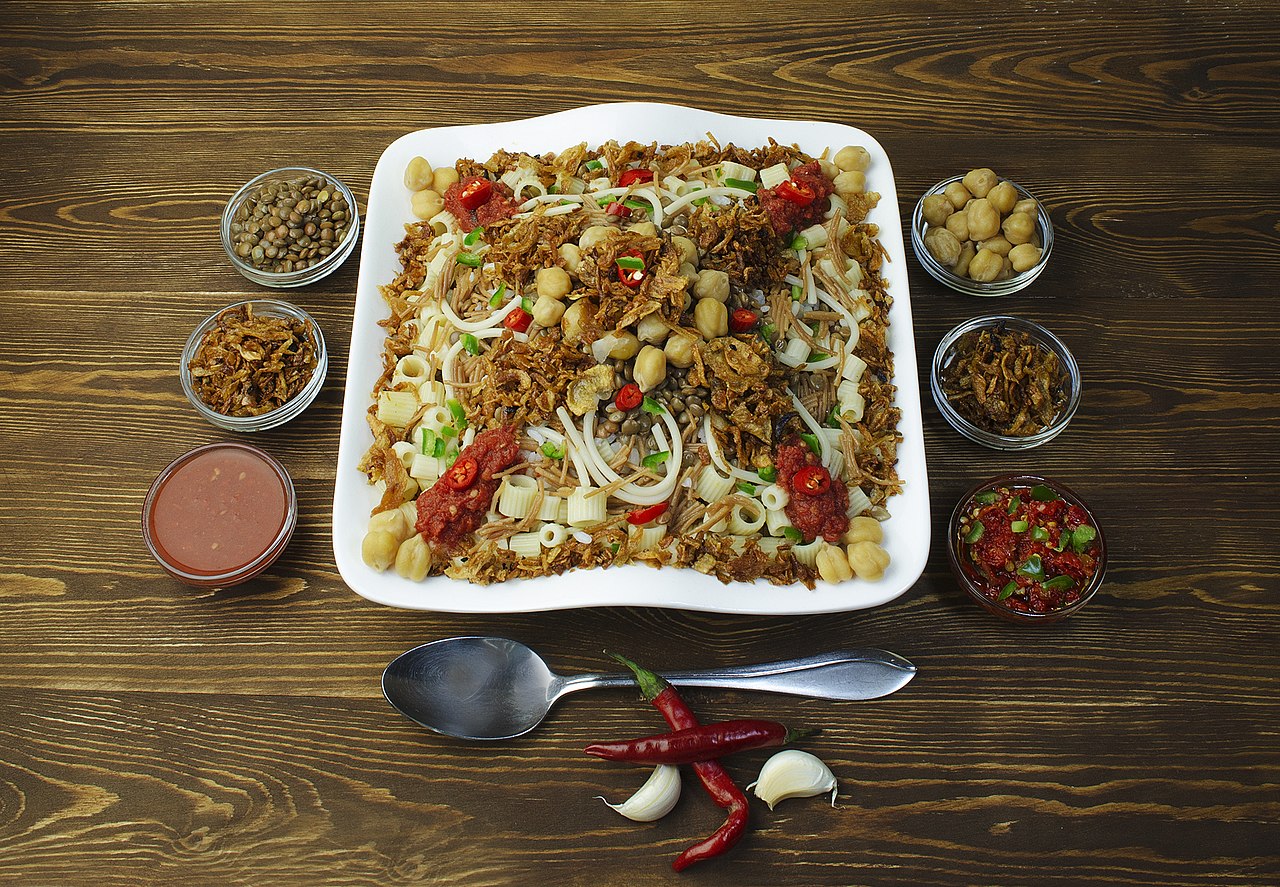
Lunch was koshari ($2 USD) from a street vendor — Egypt's national dish of rice, lentils, macaroni, chickpeas, and fried onions drenched in spicy tomato sauce. I sat on a low wall eating from a paper bowl, watching Alexandria's chaotic traffic flow past. The flavors were earthy and warming, the texture comforting. Nearby vendors sold fresh juice — mango, guava, sugarcane — for pennies. A shopkeeper brought me tea without asking, then refused payment. Egyptian hospitality transcends commerce.
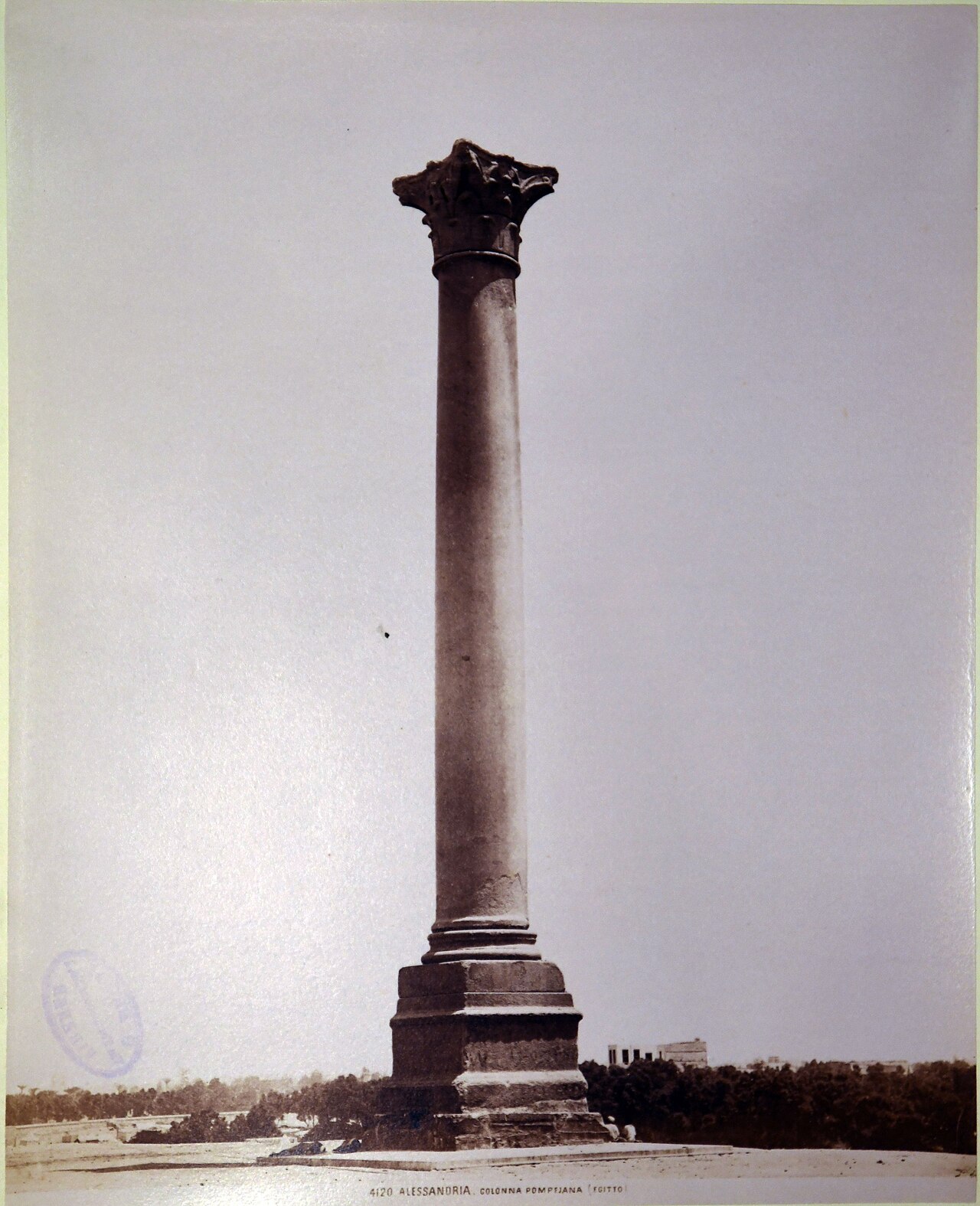
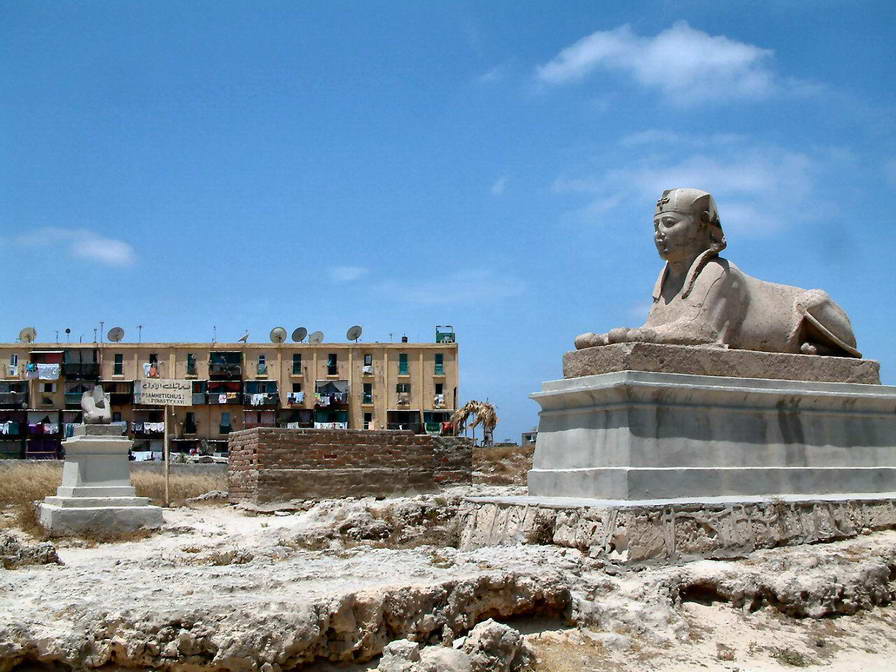
We visited Pompey's Pillar ($3 USD), a 30-meter red granite column that once stood in the Serapeum temple complex. Some scholars believe the ancient library's daughter collection was housed here before its destruction. The pillar rises incongruously from a working-class neighborhood, surrounded by apartment blocks and roosters and children playing soccer. I climbed the archaeological site to its base and looked up at the column's weathered capital, thinking of all the centuries it had witnessed. The stone felt warm against my palms. Nearby, two Sphinx statues guard the entrance to the site — smaller than Giza's famous monument but no less striking for their proximity.
The cons: Alexandria is chaotic, dusty, and loud. The port is industrial and not walkable. Tourism infrastructure outside the main sites is minimal. The heat can be brutal in summer. But I left Alexandria with something I hadn't expected — not just the satisfaction of seeing famous sites, but a genuine affection for the city's persistent vitality. This is a place that has been destroyed and rebuilt countless times, that has seen empires rise and fall, that lost its legendary library and its wonder of the world, yet somehow keeps going. That resilience means something.
What I Learned: Alexandria taught me that cities are palimpsests — layers written over layers, each age leaving traces beneath the next. Alexander's dream echoes in Qaitbay's citadel echoes in the modern library's granite curves. The ancient library's spirit persists in the quiet reading rooms of its successor. Nothing truly dies in a place like this; it just transforms. I arrived expecting ruins and history lessons, but I left understanding something deeper about continuity, about how human aspirations survive their monuments. That understanding felt like a gift.
Weather & Best Time to Visit
The Cruise Port
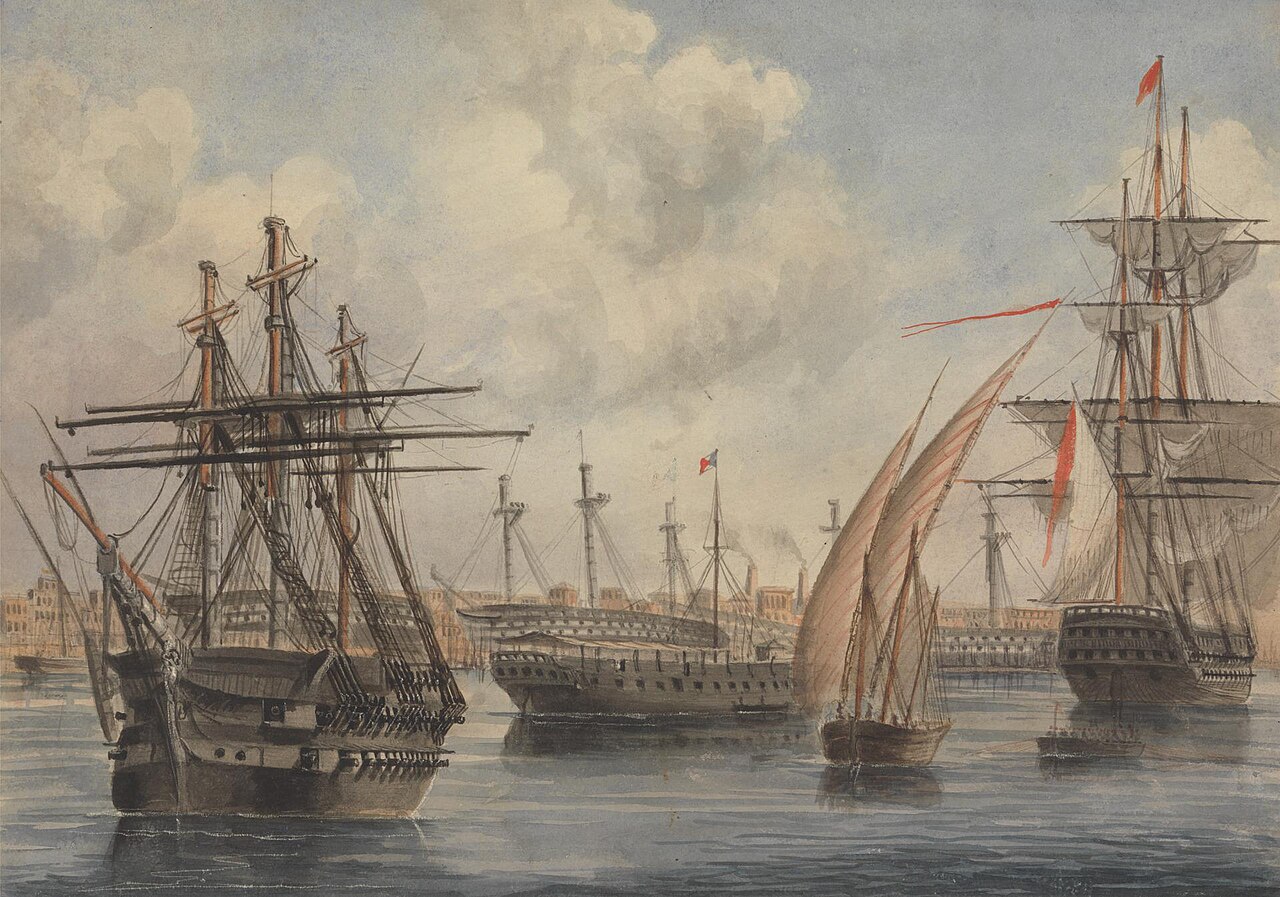
Ships dock at Alexandria Port, a working commercial harbor about 15 minutes from the city center. This is not a walk-off-and-explore situation — the port area is industrial, gritty, and not designed for pedestrian tourism. Ship excursions or arranged transportation are strongly recommended.
The port has basic facilities for cruise passengers including restrooms and a small shopping area. Security presence is visible and thorough. Expect security checks when returning to the ship.
Accessibility: The port area is relatively flat but surfaces can be uneven. Most major attractions in Alexandria are accessible with assistance. For Cairo day trips, accessibility varies significantly — discuss specific needs with excursion operators in advance. The Bibliotheca Alexandrina is fully wheelchair accessible.
Getting Around Alexandria
For Cairo and the pyramids, the journey takes approximately 3 hours each way by road — about 225 kilometers on desert highway. Ship excursions ($150-250 USD) typically include air-conditioned transportation, licensed Egyptology guide, Giza Pyramids, Sphinx, and sometimes the Egyptian Museum in central Cairo. This is a long, exhausting, utterly worthwhile day. Book ahead through your ship excursion desk for guaranteed return to ship — missing the ship in Egypt creates serious logistical problems that no traveler wants to face.
For Alexandria itself, transportation options include local taxis (negotiate fares before entering the vehicle, expect $10-20 USD for city trips), Uber (operates reliably in Alexandria and provides fare transparency), and ship shore excursions. Independent visitors can hire licensed guides through reputable agencies ($50-100 USD for half-day tours). Going independent is certainly possible but requires confidence navigating Egyptian traffic and tourism dynamics.
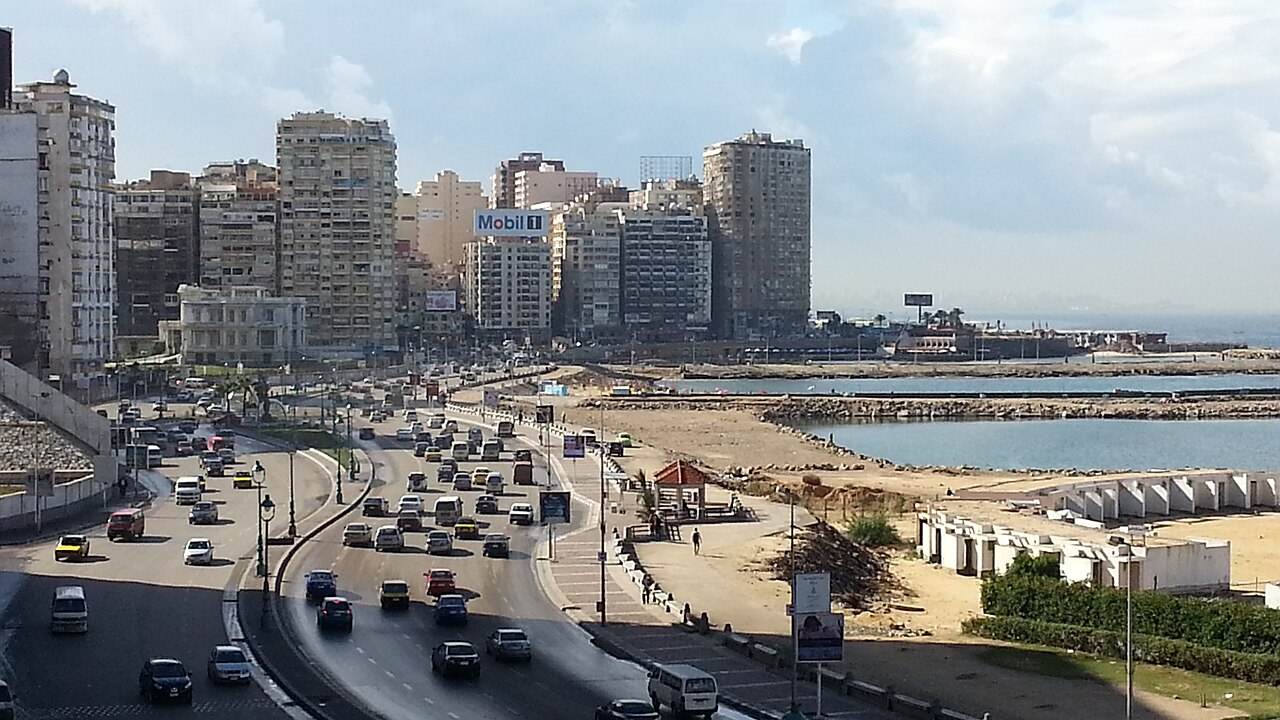
The Corniche waterfront runs the length of the city and connects many attractions. Walking is possible along this scenic route but distances are substantial and summer heat intense. Air-conditioned transportation between sites is recommended for comfort and efficiency.
Currency: Egyptian Pound (EGP). USD and Euros are sometimes accepted at tourist sites. ATMs available throughout the city center. Bargaining is expected and culturally appropriate in markets and with taxi drivers — start at 50% of quoted prices and negotiate from there.
Port Map
Beaches & Waterfront
Alexandria sprawls along the Mediterranean coast, and the Corniche waterfront provides lovely views and walking opportunities. However, this is not a beach destination for cruise visitors. Public beaches exist but are crowded and not geared toward international tourism.
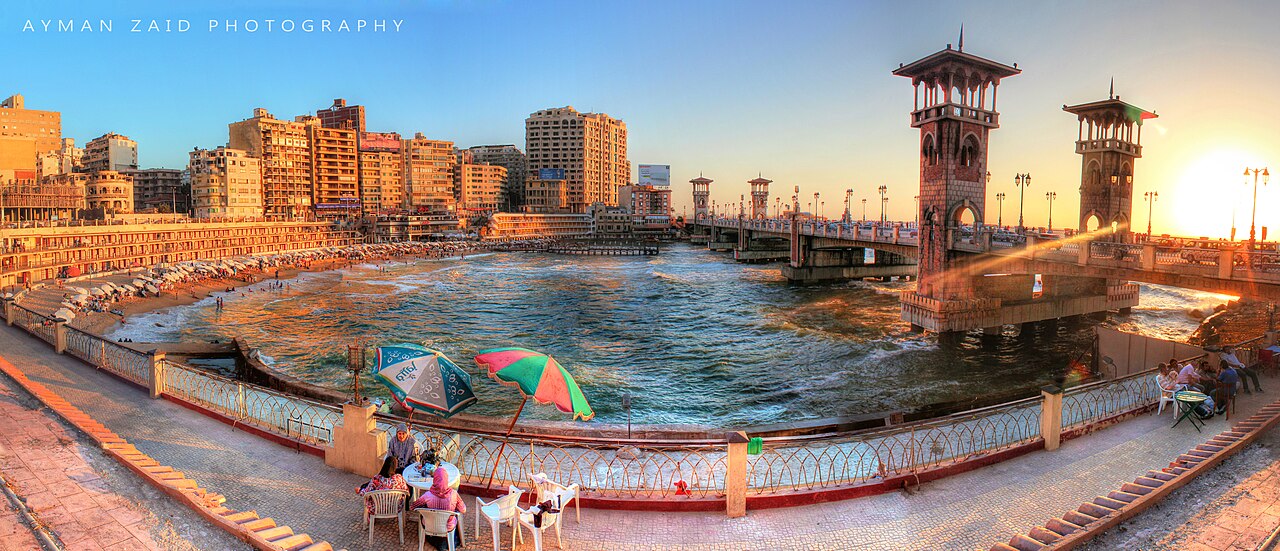
The waterfront area near Stanley Bridge offers cafés with sea views. The Eastern Harbour provides picturesque scenery near the Citadel of Qaitbay. But visitors seeking beach time should look elsewhere — Alexandria's treasures are cultural and archaeological, not recreational.
Excursions & Activities
Cairo Pyramids Day Trip ($150-250 USD, Full Day)
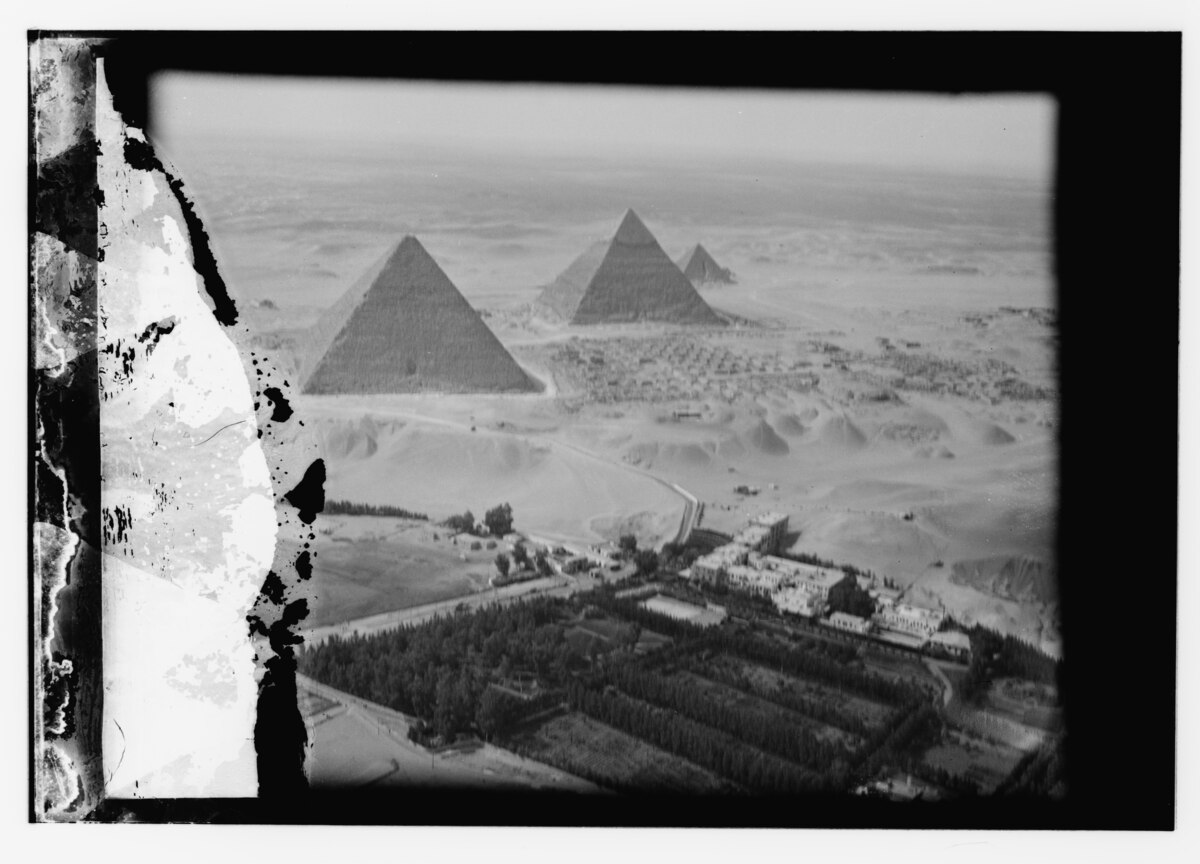
The signature Alexandria excursion and the reason many visitors come to this port. Depart early morning for the 3-hour drive to Giza, where you'll spend 3-4 hours at the Pyramids and Sphinx — the last surviving Wonder of the Ancient World. Most ship excursions include an Egyptology guide who brings the monuments to life with context about pharaonic civilization. Some excursions include entering the Great Pyramid (additional $15-20 USD), the Solar Boat Museum displaying an ancient vessel, or the Egyptian Museum in central Cairo. Book ahead through your ship excursion desk for guaranteed return to ship. Independent Cairo trips are not recommended during port calls — missing the ship creates serious problems. Long and exhausting but utterly worthwhile for anyone with interest in ancient civilizations.
Bibliotheca Alexandrina ($5 USD, 2-3 Hours)
The modern Library of Alexandria is architecturally stunning and intellectually rewarding. The tilted disc building houses eight million books, several museums including an Antiquities Museum with underwater archaeological finds from Alexandria's harbor, a planetarium, and rotating exhibition spaces. No advance reservation needed — purchase tickets at the door. Fully wheelchair accessible with lifts throughout. This is the essential Alexandria experience for independent visitors not doing Cairo. Allow 2-3 hours minimum to explore properly.
Alexandria City Tour ($50-80 USD, 4-5 Hours)
Ship excursions and local guides offer comprehensive half-day tours covering the Citadel of Qaitbay ($3 USD entry), Pompey's Pillar ($3 USD), Catacombs of Kom el-Shoqafa ($6 USD), and often the Bibliotheca Alexandrina. This provides the most complete Alexandria experience for those not doing Cairo. Book through ship excursion desk or arrange independent licensed guides in advance through reputable agencies.
Catacombs of Kom el-Shoqafa ($6 USD, 1 Hour)
A genuinely unique site blending Egyptian, Greek, and Roman funerary traditions in ways found nowhere else. Descend three levels underground to see Anubis wearing Roman armor and pharaonic imagery atop Greek columns. Claustrophobes should note tight spaces and underground corridors. Not fully accessible for wheelchairs due to stairs. Purchase tickets at the door — no reservation needed.
Citadel of Qaitbay ($3 USD, 1-2 Hours)
A 15th-century fortress built from the ruins of the Pharos Lighthouse — one of the Seven Wonders of the Ancient World. Excellent Mediterranean views and a small maritime museum inside showcase the region's nautical traditions. Partially accessible; some areas require stairs. Worth visiting for the lighthouse connection and stunning harbor panoramas across the Eastern Harbour.
Food & Dining
Egyptian cuisine offers distinctive flavors that shouldn't be missed. Street food is generally safe at busy vendors where turnover is high.
Koshari ($2-3 USD) is Egypt's national dish — layers of rice, lentils, macaroni, chickpeas, and fried onions with spicy tomato sauce. Hearty, vegetarian, and delicious. Available everywhere.
Ful medames ($2-3 USD) — slow-cooked fava beans with olive oil, lemon, and cumin. Traditional breakfast food, filling and flavorful.
Fresh seafood lines the Corniche waterfront. Fish Market restaurant (Abu Qir area) lets you select your fish then choose preparation style ($15-30 USD). White and Blue near Stanley Bridge offers Mediterranean views with fresh catches ($20-40 USD).
Fresh juice ($1-2 USD) from street vendors — mango, guava, sugarcane, and seasonal fruits pressed fresh. Egyptian hospitality often includes complimentary tea with purchases.
Local Notices
Safety: Tourist areas have significant security presence. Egypt has invested heavily in tourist safety. Ship excursions and licensed guides provide structured, safe experiences. Exercise normal awareness.
Dress Code: Egypt is a Muslim country. Modest dress is appreciated — shoulders and knees covered, especially for women. This is not strictly enforced at tourist sites but demonstrates respect.
Photography: Photography fees apply at some sites. Ask before photographing people, especially women. Military installations and checkpoints should never be photographed.
Tipping: Baksheesh (tipping) is deeply embedded in Egyptian culture. Small tips ($1-2 USD) are expected for any assistance. Have small bills ready.
Heat: Summer temperatures can exceed 35°C/95°F. Carry water, wear sun protection, and pace yourself. Winter (November-February) offers comfortable conditions.
Depth Soundings Ashore
The Cairo pyramid decision dominates Alexandria planning. It's a long day — 6+ hours of driving plus site time — but seeing the last surviving Wonder of the Ancient World is genuinely unrepeatable for most travelers. If pyramids matter to you, this is your chance. Book ahead through your ship excursion desk for guaranteed return to ship.
For those staying in Alexandria, prioritize the Bibliotheca Alexandrina — it's architecturally stunning and emotionally resonant in ways that surprised me. The Citadel of Qaitbay offers the lighthouse connection and Mediterranean views. The Catacombs provide something genuinely unique. Pompey's Pillar can feel anticlimactic after Egypt's other monuments but provides important context.
Independent exploration is possible but requires comfort with Egyptian traffic dynamics and tourism pressure. Ship excursions offer convenience and guaranteed return at premium prices. Licensed guides provide middle-ground value.
The honest assessment: Alexandria is chaotic, dusty, and challenging for inexperienced travelers. But for those interested in ancient civilizations, intellectual legacy, and cultures of continuity, it offers experiences available nowhere else on earth. Come with realistic expectations and leave with memories that deepen over time.
Practical Information
- Country
- Egypt
- Currency
- Egyptian Pound (EGP) — ~31 EGP = $1 USD
- Language
- Arabic; English in tourism areas
- Port Type
- Commercial harbor (not walkable)
- Distance to Cairo
- ~3 hours by road (225 km)
- Pyramid Excursions
- $150-250 USD
- Bibliotheca Entry
- $5 USD
- Best For
- Ancient landmarks, pyramids, libraries
- Accessibility
- Varies by site; Bibliotheca excellent; Catacombs limited
- Heat Season
- June-August intense; winter comfortable
Photo Gallery
Frequently Asked Questions
Q: Can I visit the Pyramids of Giza from Alexandria?
A: Yes. Cairo is about 3 hours by road. Ship excursions run $150-250 USD and include the Pyramids, Sphinx, and often the Egyptian Museum. A long exhausting day, but seeing the last surviving Wonder of the Ancient World is genuinely unforgettable. Book ahead through your ship excursion desk.
Q: Should I do Cairo or stay in Alexandria?
A: If pyramids matter to you at all, do Cairo — this may be your only chance. If ancient civilizations aren't your passion, Alexandria offers plenty: the Bibliotheca Alexandrina, Citadel of Qaitbay, Catacombs, and waterfront atmosphere. Both are valid choices with very different experiences.
Q: Is Alexandria safe for cruise passengers?
A: Tourist areas have significant security presence. Ship excursions and licensed guides provide structured, safe experiences. Egypt has invested heavily in tourist safety since 2011. Exercise normal awareness as in any major city.
Q: Can I explore Alexandria independently?
A: Yes, with caveats. The port is not walkable — you'll need transportation. Uber works well. Licensed guides provide excellent value. Going independent requires comfort with Egyptian traffic dynamics and tourism pressure. Ship excursions offer convenience at premium prices.
Q: What currency should I bring?
A: Egyptian Pounds (EGP) for best rates, but USD and Euros are accepted at major tourist sites. ATMs are available. Bargaining is expected in markets and with taxi drivers. Have small bills ready for tips (baksheesh).
Q: What about accessibility?
A: Varies significantly by site. The Bibliotheca Alexandrina is fully wheelchair accessible. The Citadel and Pompey's Pillar have stairs but partial access possible. The Catacombs are underground with limited accessibility. Cairo pyramids require significant walking on uneven desert terrain — discuss specific needs with excursion operators.
Q: What is the best time of year to visit Alexandria?
A: March through May and October through November are the prime cruise months — Mediterranean conditions with dry weather. July and August are the months to avoid: summer is hot and humid along the coast. Winter (December through February) can be surprisingly rainy and cool.
Q: Does Alexandria have a hurricane or severe weather season?
A: Alexandria is not in a hurricane zone. The weather concerns are heat-driven, not storm-driven: summer is hot and humid along the coast, and July and August are the months to avoid.
Q: Will rain ruin my port day in Alexandria?
A: Winter rain (December through February); dry summers. Cruise season concentrates in the drier March–May and October–November windows. Winter can be surprisingly rainy and cool.
Last reviewed: February 2026