


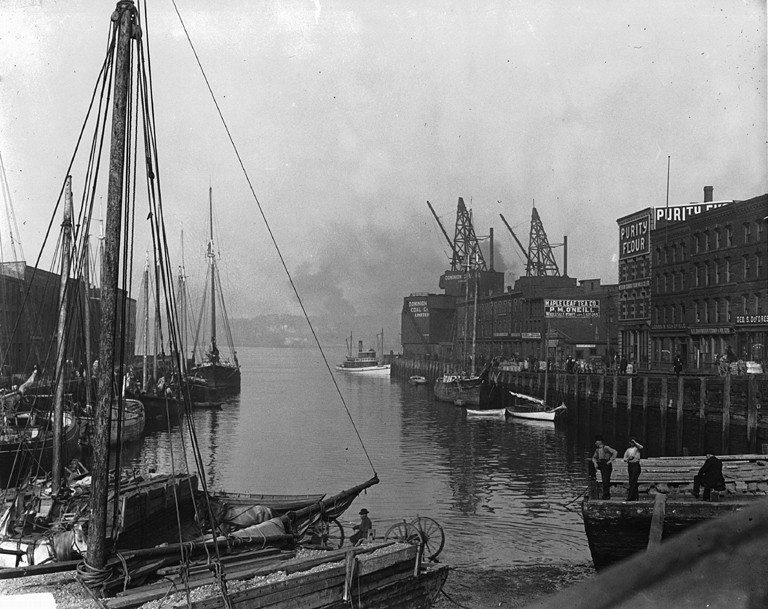
Photo: Wikimedia Commons (CC BY-SA)
Captain's Logbook
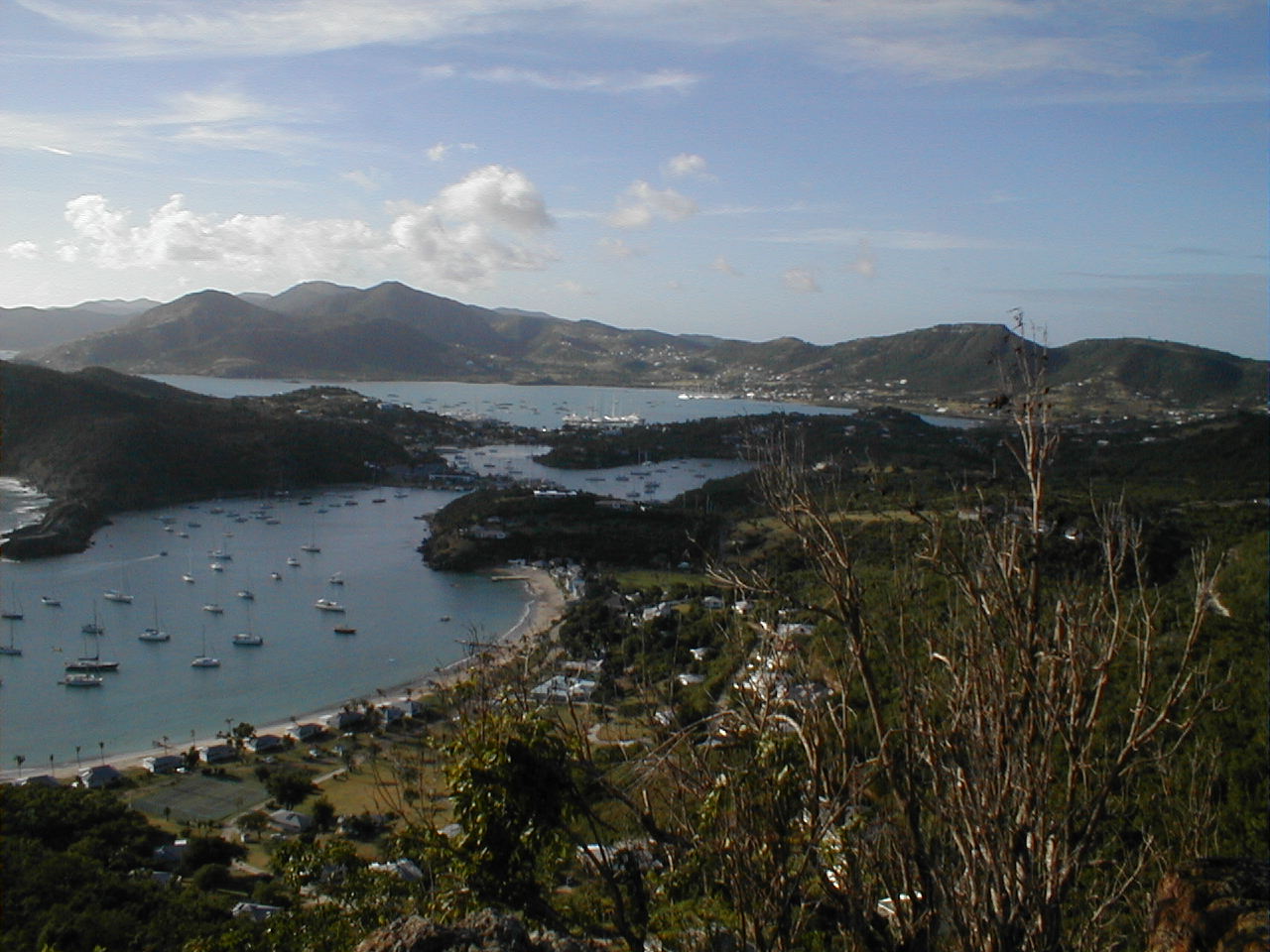
I have visited Antigua twice — in 2019 and again in 2023 — and each time, the island's maritime heritage has left me breathless. They say Antigua has a beach for every day of the year — 365 of them, to be exact. Standing at the ramparts of Shirley Heights, looking down at English Harbour where Georgian naval vessels once sheltered from hurricanes, I could believe it. The coastline below was an impossible jigsaw of coves, bays, and crescents of white sand, each catching the Caribbean light differently. The scent of frangipani drifted up from the gardens below, mixing with the salt tang of the harbor.
I arrived aboard a Royal Caribbean ship that docked directly at St. John's, the compact capital city. The pier is practically part of downtown — I walked off the gangway and found myself amid duty-free shops and local vendors selling handmade crafts. Yet the real treasures of Antigua lay beyond this commercial welcome, across an island that has preserved its colonial architecture while embracing modern Caribbean warmth.
Christopher Columbus first sighted this island in 1493 during his second voyage to the New World, naming it Santa María de la Antigua after a cathedral in Seville. However, it was the English who would leave the deepest mark here, transforming a Spanish colonial footnote into one of the Caribbean's most strategically vital naval strongholds. The evidence of that transformation is everywhere I walked.
What sets Antigua apart from other Caribbean ports is the sheer weight of maritime tradition concentrated in these 108 square miles. In 1723, a hurricane swept thirty-five ships ashore across the Leeward Islands — but two Royal Navy vessels moored in English Harbour survived without a scratch. That storm sealed the harbour's reputation as the safest natural anchorage in the region, and the British spent the next century building what would become their most important naval base in the Western Hemisphere.
Admiral Horatio Nelson himself was stationed here from 1784 to 1787 as commander of HMS Boreas, enforcing trade laws and apparently hating every minute of it — he famously called English Harbour "an infernal hellhole." Yet his name now graces what UNESCO recognized in 2016 as a World Site: the only continuously working Georgian dockyard anywhere in the world. Though the Royal Navy departed in 1889, restoration beginning in 1951 brought these buildings back to life, and today they service yachts using equipment that dates back centuries.
Antigua's past runs deeper than naval glory. By 1650, sugar plantations like Betty's Hope were already transforming the island's landscape and economy, creating wealth for European planters while enslaving thousands of Africans to work the cane fields. The twin windmills at Betty's Hope — one of the Caribbean's first sugar estates — still stand today, weathered monuments to an era of prosperity built on profound injustice. It's a narrative that deserves acknowledgment alongside the romantic tales of admirals and warships, and I found myself moved by the visitor center's honest treatment of this difficult chapter.
My favorite discovery was Dickenson Bay, a crescent of white sand with calm turquoise water about ten minutes from the cruise terminal. Chair and umbrella rentals run about $10-15 for the day, and I enjoyed a local Wadadli beer ($4) while watching pelicans dive for fish. The beach has accessible pathways near the main resort area, though the sand itself requires mobility consideration. I also spent $25 on a fresh grilled lobster lunch from a beachside vendor — the taste was buttery and sweet with a hint of Caribbean spice, excellent value compared to ship prices.
The local bus from St. John's to English Harbour costs about $1.50 and takes 35-45 minutes on a winding road through the island's interior. Though it's the most popular excursion for cruise passengers, I chose to take a taxi for $30 each way, which gave me flexibility to linger at Shirley Heights and catch the sunset views. Either approach rewards the journey tenfold, and I found myself planning to return on a future sailing.
What struck me most about Antigua was how the island balances its colonial past with contemporary Caribbean vibrancy. The restored naval buildings at English Harbour feel authentic rather than preserved in amber — sailors still rig their vessels using techniques refined over centuries, yet modern yachts with satellite communications bob alongside. I walked through the Admiral's Inn courtyard, where Georgian stonework frames views of sailboats under Caribbean sun, and felt transported across centuries while remaining firmly in the present. This duality extends throughout the island, from the sugar plantation ruins to the bustling Public Market where vendors sell fresh produce alongside handmade crafts. Antigua rewards visitors who take time to appreciate both its solemn maritime legacy and its joyful contemporary culture.
What Antigua taught me extends beyond its 365 beaches. Turning those same capstans that once careened Nelson's ships, I understood that heritage isn't just preservation — it's continuation. The dockyard workers aren't reenacting history; they're living it, applying centuries-old skills to modern vessels. I learned that the past doesn't have to be dead to be honored, and that some traditions survive precisely because they remain useful. That same lesson echoed at Betty's Hope, where unflinching honesty about slavery exists alongside celebration of emancipation. Antigua holds its contradictions with grace, acknowledging what was while celebrating what is.
Weather & Best Time to Visit
The Cruise Port
St. John's Cruise Terminal welcomes ships directly in the capital city center. The facility features two main berths capable of handling the largest cruise ships afloat, with a third berth for smaller vessels. Walking off the ship, you'll find yourself immediately in the duty-free shopping district, with jewelry stores, souvenir shops, and local craft vendors. The terminal building offers air-conditioned waiting areas, restrooms, currency exchange, and tourist information desks staffed by knowledgeable locals. Free WiFi is available throughout the terminal area, though speeds can be slow when multiple ships are in port.
Wheelchair users will find the terminal mostly accessible, with ramps and elevators connecting different levels. Taxis line up just outside the terminal gates, and the taxi dispatcher can arrange vehicles with accessibility features if requested in advance. The downtown area is compact and walkable for those who prefer to explore on foot, with sidewalks connecting the main attractions within a fifteen-minute radius of the pier.
Getting Around
Antigua offers multiple transportation options, though getting around independently requires some planning. Taxis are the most convenient choice for cruise visitors, with standardized fares posted at the terminal. A one-way trip to Nelson's Dockyard costs $30, while Dickenson Bay runs about $12-15. Drivers accept US dollars, making currency exchange unnecessary for most visitors. Many drivers double as tour guides and will offer full-island excursions for $100-150 depending on duration and stops.
Local buses provide the most affordable option, with the #17 route connecting St. John's to English Harbour for just $1.50 each way. Buses run regularly during cruise ship hours, though schedules can be unpredictable. The main bus station sits about five minutes' walk from the cruise terminal. I found the buses crowded but friendly, with locals happy to help tourists find the right route. However, buses have limited accessibility features, so wheelchair users should plan for taxis.
Rental cars are available for those comfortable driving on the left side of the road. Agencies offer daily rates starting around $50, plus a mandatory temporary local license costing $20. The main roads are well-maintained, though secondary routes can be rough. I would recommend this option only for experienced drivers, as the narrow winding roads and different driving conventions can be challenging. Gas stations accept cash and credit cards, with fuel priced around $5 per gallon.
Antigua Area Map
Interactive map showing cruise terminal, Nelson's Dockyard, beaches, and attractions. Click any marker for details and directions.
Beaches Worth Your Time
Antigua's claim to 365 beaches — one for every day of the year — may be marketing poetry, yet the island genuinely offers exceptional variety. Dickenson Bay sits closest to the cruise terminal, about ten minutes by taxi. This popular crescent features calm water, white sand, beach bars, and water sports rentals. Chair and umbrella packages run $10-15 for the day. However, crowds can build when multiple ships are in port.
Half Moon Bay on the Atlantic coast offers a more secluded experience, though it requires a 45-minute drive. Stronger waves make this beach popular with bodyboarders, while the protected national park status keeps development minimal. Bring your own supplies, as facilities are limited to a small snack bar.
Galley Bay provides a luxury beach experience at the resort of the same name, though day passes can be arranged for cruise visitors at premium prices. The calm waters and attentive service make it worthwhile for those seeking refinement over adventure.
Shore Excursions
Antigua offers diverse excursion options for every interest and mobility level. The island's compact size means most attractions are reachable within an hour of the cruise terminal, though I'd recommend booking ahead for the most popular tours.
Nelson's Dockyard National Park
The UNESCO World Site and the only continuously working Georgian dockyard anywhere in the world — not just in the Caribbean, but globally. The beautifully restored 18th-century naval buildings now house restaurants, boutiques, and maritime exhibits. Ship excursions to Nelson's Dockyard typically cost $75-95 and include transportation with a guided tour. Independent travelers can take a taxi ($30 each way) or the local bus ($1.50) and pay the $8 entrance fee directly. The dockyard offers wheelchair-accessible pathways for much of the main area, though some cobblestone sections require assistance. I found the guided tour worthwhile for the detailed commentary on naval traditions, but independent exploration allows more time for the excellent museum and waterfront restaurants.
Shirley Heights Lookout
Panoramic views over English Harbour from 18th-century military fortifications. This is the guaranteed return highlight for many visitors — the vistas are genuinely spectacular. Sunday afternoon features a legendary barbecue and steel band party, but weekday visits offer quieter enjoyment of the scenery. Most ship excursions combine this with Nelson's Dockyard for $85-110. The lookout itself requires walking up steep paths, so those with mobility challenges should confirm accessibility before booking.
Beach Day at Dickenson Bay
The classic Caribbean beach experience, just minutes from the cruise terminal. Ship excursions include transportation, chair, umbrella, and sometimes lunch for $45-65. However, going independent saves money — a $12 taxi each way plus $15 for chair rental totals under $40. Beach bars serve food and drinks, so bringing supplies isn't necessary. I recommend this option for families or anyone wanting a relaxed day without extensive planning.
Island Safari Tour
Explore Antigua's interior in an open-air 4x4 vehicle, visiting villages, viewpoints, and beaches off the main tourist routes. These adventure tours book ahead through the cruise line ($95-125) or independent operators ($80-100). I found the experience authentic and engaging, with stops at local establishments where guides have personal relationships. Not suitable for those with mobility limitations or sensitivity to bumpy roads.
Betty's Hope Plantation
One of the Caribbean's first sugar plantations, established in 1650. The restored windmills and visitor center provide sobering context about the enslaved people who built Antigua's early economy. Entrance fee is $5, and the site is typically combined with other attractions on a half-day tour. I found this an essential stop for understanding the full narrative of Caribbean colonial society.
Local Food & Drink
- Fungee & Pepperpot: The national dish — cornmeal dumplings with a hearty stew of meat and vegetables
- Saltfish: Dried salted cod, often served for breakfast with vegetables
- Ducana: Sweet potato dumplings wrapped in banana leaves
- Wadadli Beer: Local lager ($4), named for the island's indigenous name
- English Harbour Rum: Premium aged rum distilled on the island since 1933 ($8-12 per pour)
- Sea Moss Drink: Creamy, seaweed-based beverage — an acquired taste but nutritious
I particularly enjoyed lunch at the Admiral's Inn within Nelson's Dockyard, where fresh seafood entrees run $18-28 and the waterfront setting is unmatched. For budget-conscious visitors, local vendors at St. John's Public Market offer authentic Antiguan cuisine for $8-12 per plate.
Know Before You Go
- Currency: Eastern Caribbean Dollar (XCD), though US dollars are widely accepted at a standard 2.70:1 rate
- Language: English (local Antiguan Creole is spoken among residents)
- Driving: Left side of the road (British convention)
- Best Season: December through April (dry season); hurricane season runs June through November
- Time Zone: Atlantic Standard Time (AST), one hour ahead of Eastern Standard Time
- Tipping: 10-15% is customary in restaurants; taxi fares typically don't include gratuity
Depth Soundings
Antigua rewards thoughtful planning. The island is small enough that most attractions are reachable within an hour, yet large enough that trying to see everything in a single port call leads to disappointment. I recommend choosing one major excursion — Nelson's Dockyard or a beach day — rather than cramming multiple stops into your schedule.
For first-time visitors, Nelson's Dockyard and Shirley Heights should be the priority. The combination of UNESCO World Site status, living maritime traditions, and spectacular views makes this the island's signature experience. However, those seeking relaxation over sightseeing will find Dickenson Bay equally satisfying, with easy access from the cruise terminal and reliable beach facilities. Half Moon Bay appeals to adventurous spirits who don't mind the drive for a more natural setting.
The local bus system works well for budget-conscious travelers willing to embrace Caribbean timing. I found the #17 bus to English Harbour reliable enough, departing roughly every 30 minutes during cruise ship hours. Yet for those with limited mobility or tight schedules, taxis provide peace of mind at reasonable prices. Negotiating a round-trip fare with waiting time often proves more economical than two one-way fares.
Practical Information
- Terminal: St. John's Cruise Terminal in the capital city — duty-free shopping at the pier
- Distance to Nelson's Dockyard: 40 minutes by taxi or #17 bus
- Tender Required: No — ships dock directly (rare anchoring during peak season)
- WiFi: Available at terminal and most restaurants; speeds vary
- ATMs: Located at the cruise terminal and throughout St. John's
- Accessibility: Terminal is wheelchair accessible; mobility devices can navigate most downtown areas with assistance
Last reviewed: February 2026
Photo Gallery

Frequently Asked Questions
Q: Where do cruise ships dock?
A: St. John's Cruise Terminal in the capital, with duty-free shopping at the pier. Most ships dock directly, though occasional anchoring and tendering occurs during peak season when all berths are occupied.
Q: How do I get to Nelson's Dockyard?
A: Take the #17 bus for $1.50 (40 minutes) or hire a taxi for $30 one way. The dockyard is the island's most popular excursion and well worth the journey regardless of transportation choice.
Q: Which beach is best near the port?
A: Dickenson Bay is closest (10 minutes) and most developed with facilities and beach bars. Half Moon Bay offers seclusion but requires a 45-minute drive.
Q: Is English Harbour worth the drive?
A: Absolutely. The UNESCO site, restored dockyard, and Shirley Heights views make it the island's premier attraction. I consider it essential for first-time visitors.
Q: What's the Shirley Heights Sunday party?
A: Weekly afternoon barbecue with steel band music, rum punch, and panoramic views. If your ship timing allows, this is a legendary Caribbean experience not to be missed.
Q: Should I visit Betty's Hope?
A: If you're interested in understanding the full narrative of Caribbean colonial society, yes. The restored windmills from 1650 and honest visitor center provide sobering but important context about enslaved labor.
Antigua: Where Naval Traditions Meet 365 Beaches
Nelson's Dockyard is beautiful but sits on the opposite side of the island from the cruise terminal — a 45-minute, $60+ taxi ride each way. Most day-trippers can't comfortably do both the Dockyard and a beach day. If your time is limited, pick one: history or sand. For beaches, Dickenson Bay is closest to the port and has full amenities. The famous 365-beaches claim is technically true but most are tiny, unmarked, and require a car to find.