


Photo: Wikimedia Commons
Captain's Logbook
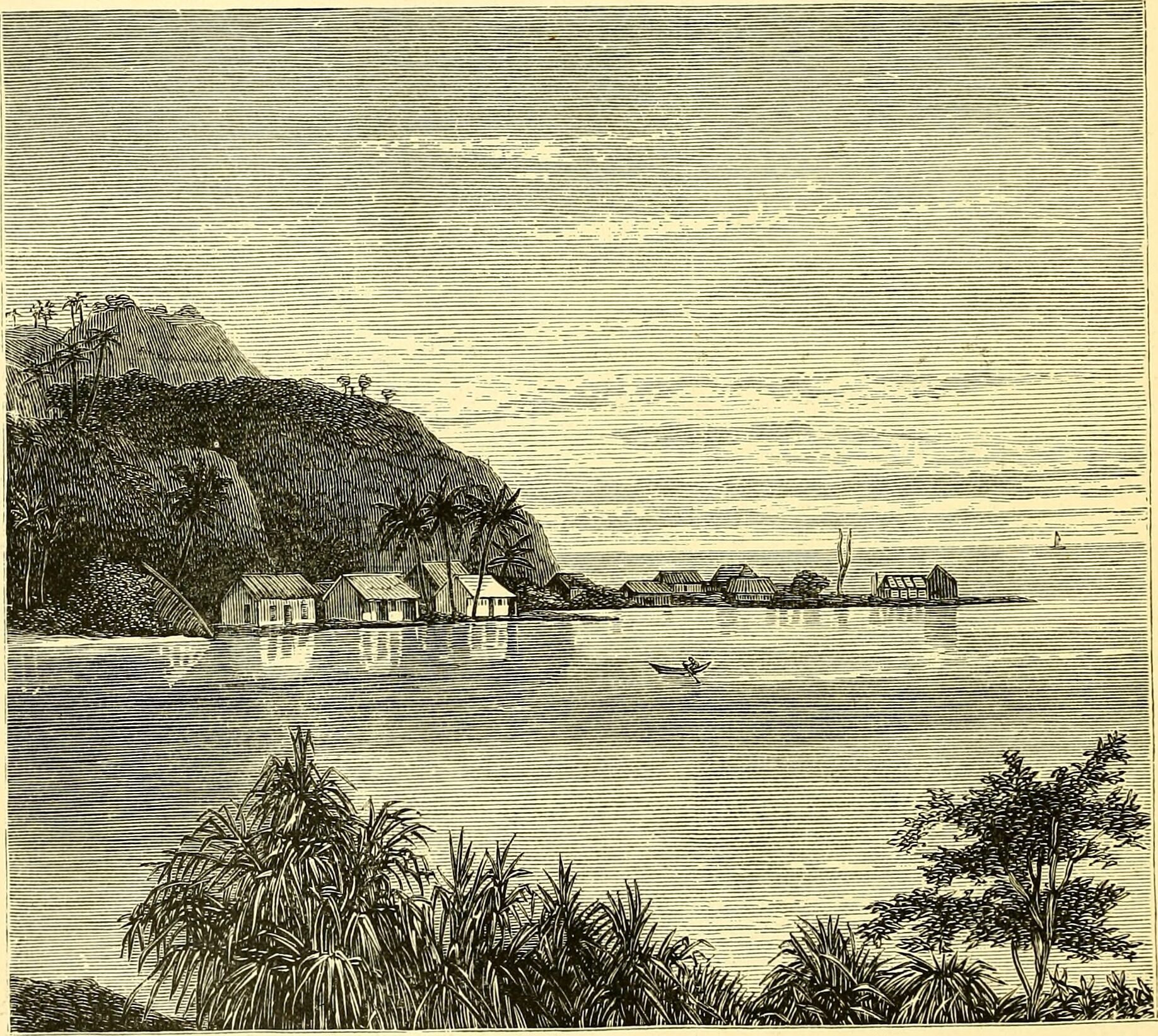
There's a reason Robert Louis Stevenson chose Samoa. After years wandering the South Pacific searching for a place his failing lungs could tolerate, the author of Treasure Island and Kidnapped sailed into Apia's natural harbour in 1889, looked up at the lush mountains of Upolu Island, and decided he'd found home. He built Villa Vailima in the hills above the city, lived there until his death five years later, and asked to be buried atop Mount Vaea where he could watch over the island that gave him peace. I find myself drawn to places like this — where literary legacy meets tropical paradise in unexpected ways.
Apia is the heartland of Polynesian culture — not the resort version, but the real thing. This is where fa'a Samoa (the Samoan way) still governs daily life, where chiefs hold council in open-air fale, where traditional tattooing isn't tourism but sacred tradition, and where every gathering ends with kava ceremony and song. Yet what strikes me most is how warmly visitors are welcomed into this world, provided they approach with respect and genuine curiosity.
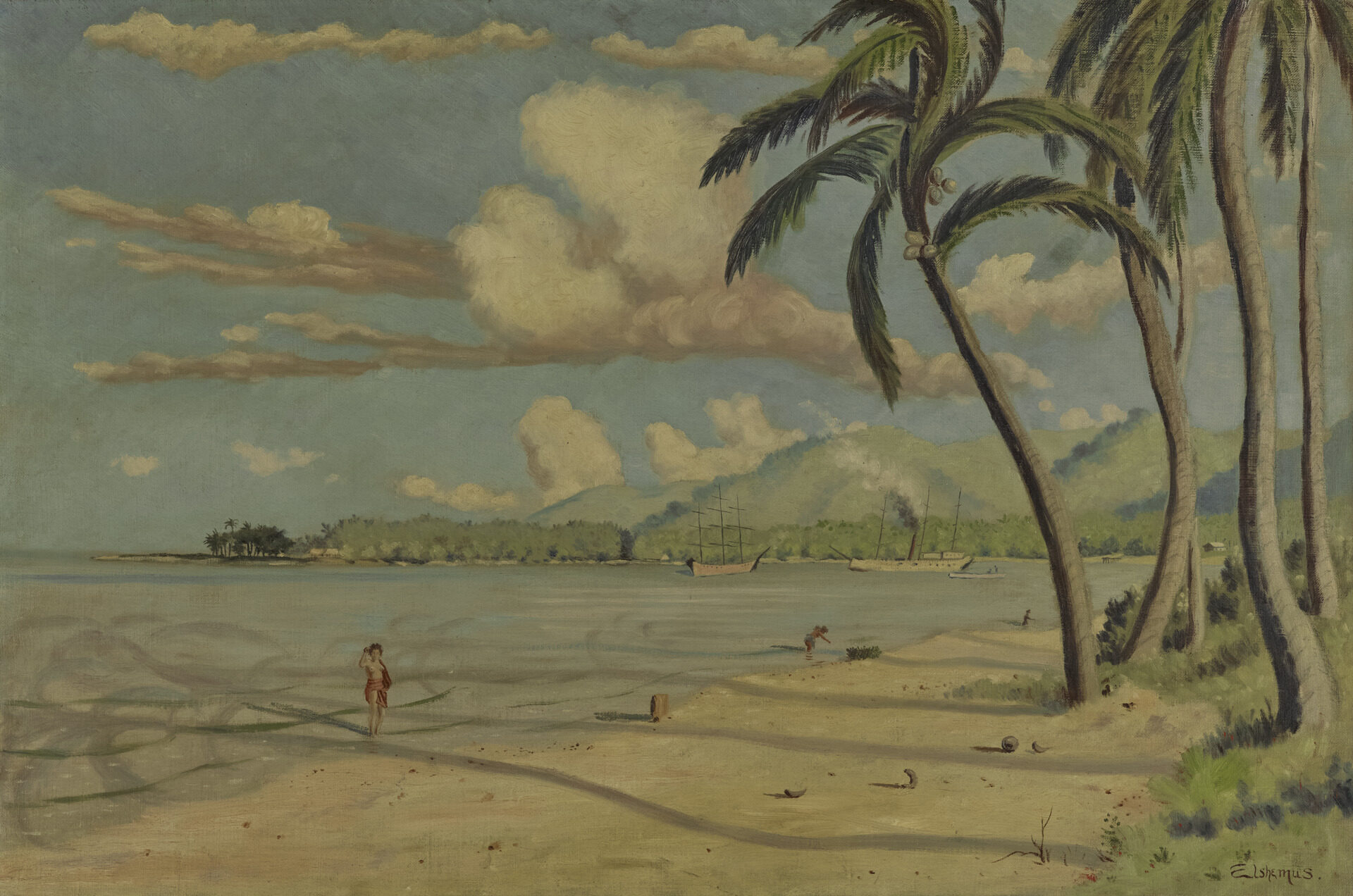
The natural harbour that welcomed Stevenson's ship now welcomes cruise ships, though the warmth that drew him here — that legendary Samoan hospitality — remains unchanged. I've read accounts from fellow travelers who describe Apia as the most authentic Polynesian experience available from a cruise ship, and the evidence supports their claims. However, authenticity requires meeting local customs halfway, something I find adds to rather than detracts from the experience.
But Samoa isn't just literary legacy. An hour south of Apia, a swimming hole plunges thirty meters into gardens so lush they look painted — To Sua Ocean Trench, one of those natural wonders that photographs beautifully yet rewards the climb-down even more. Entry costs around 30 WST (roughly $11 USD), and I've been told the experience justifies every tala. The ladder descent is dramatic but manageable for most fitness levels, and the crystal-clear water fed by underground ocean channels creates swimming unlike anything else in the Pacific.
Fifteen minutes from downtown, millennia of flowing water carved the Papaseea Sliding Rocks into natural waterslides where local kids have been launching themselves into pools for generations. Entry runs about 10 WST ($4 USD), and from what I understand, watching children who've grown up on these rocks execute perfect slides makes cruise passengers feel slightly less graceful by comparison. This is an island shaped by volcanic fire and ocean patience, and everywhere you look, that shaping continues.
I'm particularly drawn to the Samoa Cultural Village on Beach Road, where master craftsmen demonstrate traditional tatau (sacred Samoan tattooing), weaving, and woodworking techniques. Tours typically cost 50-80 WST ($18-30 USD) and include cultural demonstrations. Many conclude with a traditional kava ceremony — the slightly bitter, mildly sedative drink that's central to Samoan social life. Understanding the etiquette matters: clap once before drinking, say "malo" (thank you), drink it in one go, clap three times after.
The practicalities of visiting Apia reward some advance consideration. Cash in Samoan Tala is essential, as credit cards remain unreliable outside Apia's main hotels. Sunday is the Sabbath — most businesses close, beaches may be off-limits, and villages focus on church and family. Modest dress covers shoulders and knees when visiting villages, churches, or cultural sites. Taxi fares to Villa Vailima run about 20-30 WST ($8-11 USD), while a full-day taxi tour including To Sua costs around 100-150 WST ($37-55 USD) with waiting time. These aren't obstacles but rather the texture of authentic travel in a place that hasn't been polished for tourist convenience.
I've spent considerable time researching what makes Apia special, and I keep returning to the same conclusion: this is one of those rare destinations where the journey rewards patience. When I eventually sail here myself, I plan to spend my morning at Villa Vailima and climb Mount Vaea to pay respects at Stevenson's grave. In my afternoon, I'll descend into To Sua's crystal waters and float in that extraordinary natural pool. Yet I suspect the moment I'll remember most will be something unplanned — perhaps a conversation with a taxi driver sharing stories of his village, or watching children at Papaseea Sliding Rocks teaching cruise passengers how to launch themselves into the pools below. The South Pacific has a way of offering exactly what you need, though rarely what you expected.
What I've learned through preparing for Apia is that Robert Louis Stevenson understood something essential about travel. He chose this island as his final home not despite its remoteness but because of it — seeking a place where the rhythms of life hadn't been hurried by modern impatience. The fa'a Samoa, the Samoan way, still governs daily life here: family first, community second, the clock a distant third. I realized that sometimes the lesson comes before the destination, in the planning and anticipation, in learning to meet a culture on its own terms rather than forcing it to accommodate ours.
Weather & Best Time to Visit
The Cruise Port
Matautu Wharf sits in Apia's natural harbour on the north coast of Upolu Island. Ships dock directly at the pier without tendering, and the facility offers basic services including a tourist information desk and taxi stand. Downtown Apia begins essentially at the port gates — markets, shops, and waterfront attractions lie within easy walking distance, making this one of the most accessible cruise ports in the South Pacific. The terminal area includes restrooms and a small covered waiting area, though most passengers move quickly into town or toward waiting taxis.
Wheelchair users should note that while the pier itself is accessible, Apia's sidewalks can be uneven and many attractions require moderate mobility. Taxis can accommodate some mobility devices with advance notice, but scooters and larger equipment may be challenging. The Cultural Village and downtown markets are the most accessible major attractions. Accessibility features are limited throughout Samoa compared to more developed cruise destinations.
Getting Around
Taxis represent the most practical transportation option for cruise visitors in Apia. Drivers congregate at the port and often offer multi-stop tours at negotiated rates. Expect to pay 20-30 WST ($8-11 USD) for Villa Vailima, 80-100 WST ($30-37 USD) for To Sua Ocean Trench round-trip with waiting time, or 100-150 WST ($37-55 USD) for a full-day island tour. Negotiate fares before departure and confirm that the driver will wait at each stop. Most drivers speak English well and provide informal commentary on local culture and attractions.
Downtown Apia is compact and entirely walkable from the port. Markets, government buildings, the waterfront promenade, and many restaurants cluster within a fifteen-minute radius of Matautu Wharf. However, attractions like Villa Vailima, To Sua, and Papaseea Sliding Rocks require transportation. Local buses exist but run infrequently and follow schedules oriented to local needs rather than cruise ship timetables — for visitors with limited time, taxis remain far more practical.
Car rental is available but generally unnecessary for a single cruise day. Roads are well-maintained near Apia yet can deteriorate in rural areas. Samoans drive on the right side (switched from left in 2009), and navigation can be challenging without local knowledge. Organized ship tours and independent operators offer combination packages covering Villa Vailima, To Sua, and cultural demonstrations — convenient for timing though less flexible than independent taxi arrangements.
Apia Area Map
Interactive map showing cruise terminal, Robert Louis Stevenson Museum, downtown Apia, To Sua Ocean Trench, and Papaseea Sliding Rocks. Click any marker for details and directions.
Beaches Worth Your Time
Samoa's beaches differ from typical Caribbean destinations — many are village-controlled with varying access for outsiders. Lalomanu Beach on the southeast coast is considered one of Samoa's most beautiful, with white sand and traditional fale for day use (around 30-50 WST). The drive takes about an hour from Apia, making it possible to combine with To Sua Ocean Trench on a full-day excursion.
Return to Paradise Beach earned its name from the 1953 Gary Cooper film shot here. Located about 40 minutes from Apia, it offers calm waters and basic facilities. Entry fees apply at most beaches, typically 10-20 WST ($4-8 USD). However, check whether your cruise arrives on Sunday — village beaches may be closed for Sabbath observance, and attempting access during church hours would be both impractical and disrespectful.
Shore Excursions
Apia offers distinctive excursions unlike typical Caribbean ports. Ship excursions provide convenience and timing guarantees, while independent arrangements offer flexibility and often better value. I'd recommend booking ahead for popular options like To Sua, especially during peak cruise season.
Robert Louis Stevenson Museum (Villa Vailima)
The beautifully restored colonial mansion where the author of Treasure Island lived his final years (1890-1894). Forty-five minute guided tours take you through period-furnished rooms filled with Stevenson's belongings, manuscripts, and the desk where he wrote some of his last works. Entry runs about 20 WST ($7 USD). Many visitors hike Mount Vaea afterward to reach his tomb — a steep but rewarding 30-45 minute climb culminating at his chosen final resting place with panoramic views. Ship excursions typically cost $65-85 including transportation. For independent visitors, a taxi from port costs 20-30 WST ($8-11 USD) each way. Half-day minimum recommended for museum and hike.
To Sua Ocean Trench
One of the South Pacific's most iconic swimming holes — a thirty-meter-deep trench surrounded by lush tropical gardens. Descend the dramatic ladder into crystal-clear water fed by underground ocean channels. Entry costs 30 WST ($11 USD), and the surrounding gardens include changing facilities and a small café. The combination of geological wonder and photographic beauty makes this Samoa's most famous natural attraction. Ship excursions run $75-95; independent travelers can arrange taxis for 80-100 WST ($30-37 USD) round-trip with waiting time. One hour drive from Apia each way. Morning visits offer the best light and fewer crowds. The guaranteed return for many visitors — genuinely spectacular.
Samoa Cultural Village
Experience authentic fa'a Samoa at this living cultural center on Beach Road. Watch master craftsmen demonstrate traditional tatau (sacred Samoan tattooing), weaving, and woodworking techniques passed down through generations. Learn Samoan dance, see how fale are built without nails, and participate in cultural demonstrations. Tours cost 50-80 WST ($18-30 USD) and typically conclude with a traditional kava ceremony. Book ahead through the village or your ship's excursion desk. Walking distance from port, making this an easy independent option.
Papaseea Sliding Rocks
Natural water slides carved by millennia of flowing water — smooth volcanic rock channels where you launch yourself into clear pools below. Entry costs about 10 WST ($4 USD). Fifteen minutes from city center by taxi (10-15 WST). Wear water shoes (rocks are smooth but slippery) and bring towel and waterproof bag. Swimming ability required. Not suitable for those with mobility limitations. Allow 2-3 hours including transport.
Apia Markets Walking Tour
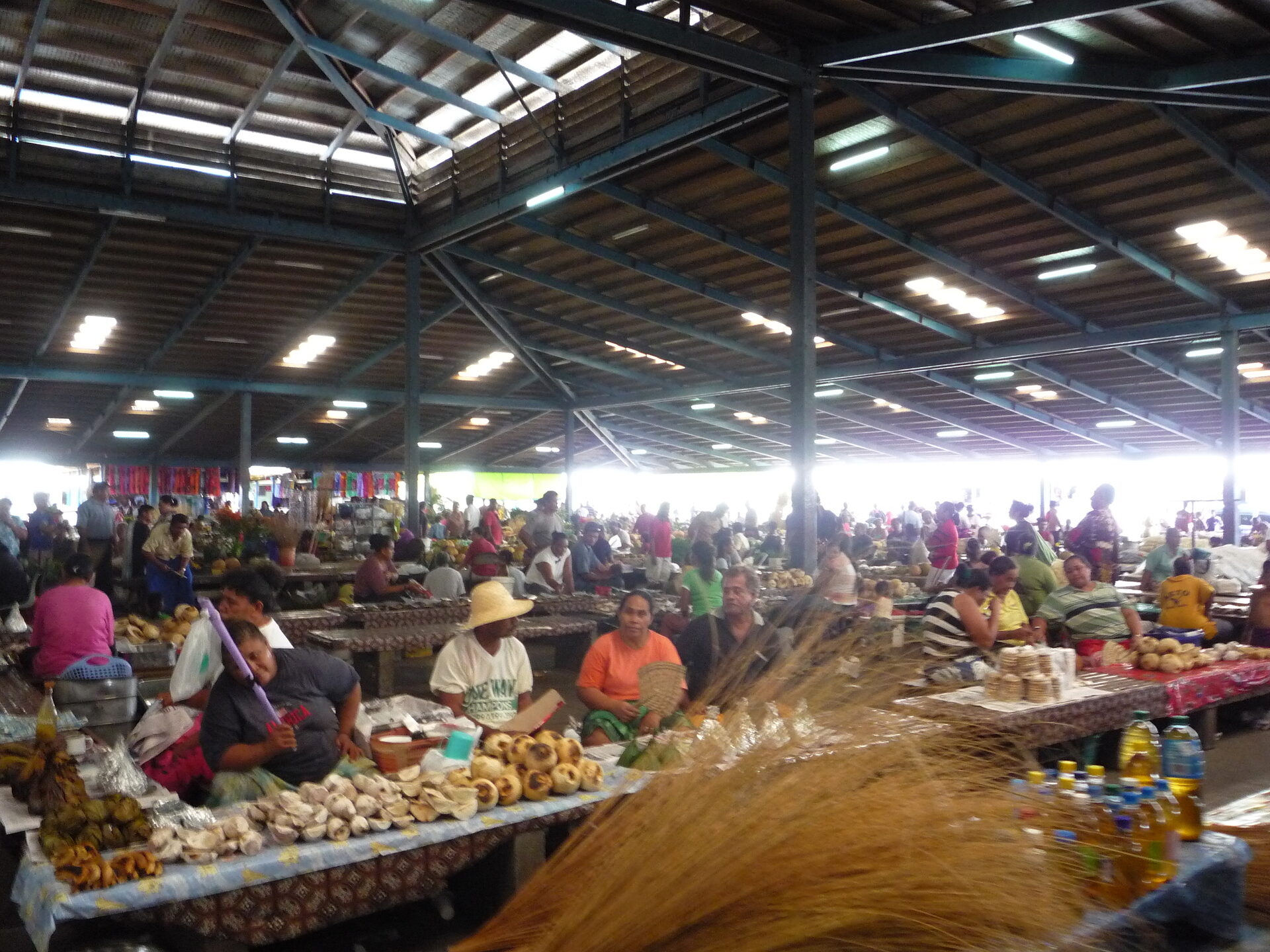
The Flea Market (Maketi Fou) and adjacent Fish Market pulse with authentic Samoan life. Tropical fruits, fresh coconuts, tapa cloth, hand-woven mats, and morning catch displayed on ice. This is shopping as cultural immersion — vibrant, loud, and thoroughly Samoan. Early morning best for fish market. Walking distance from port, no guide needed. Cash only. Allow 1-2 hours.
Local Food & Drink
- Oka (Raw Fish Salad): Fresh tuna or mahi-mahi marinated in lime juice and coconut cream with tomatoes, onions, cucumbers. Samoa's answer to ceviche — expect to pay 20-30 WST ($7-11 USD) at local restaurants
- Palusami: Taro leaves wrapped around coconut cream and onions, baked in earth ovens. Rich, creamy, traditionally served at feasts
- Lu Pulu: Corned beef and onions wrapped in taro leaves, cooked in coconut cream. Fusion of traditional preparation and imported ingredient
- Fa'apapa: Sweet coconut bread, slightly dense, often served with meals. Subtle coconut flavor, excellent with butter
- Tropical Fruit: Papaya, pineapple, passion fruit, breadfruit, bananas at markets for 5-15 WST ($2-6 USD)
- Kava: Traditional ceremonial drink made from kava root. Earthy, slightly bitter, mildly sedative
- Vailima Beer: Local lager named after Stevenson's estate, 5-8 WST ($2-3 USD) at restaurants
Know Before You Go
- Currency: Samoan Tala (WST); carry cash as credit cards unreliable outside Apia hotels
- Language: Samoan and English (English widely spoken in tourist areas)
- Sunday: The Sabbath — most businesses close, villages focus on church and family
- Dress Code: Cover shoulders and knees when visiting villages, churches, or cultural sites
- Driving: Right side (switched from left in 2009); roads good near Apia
- Best Season: May-October (dry); December-March wetter with higher humidity
Depth Soundings
Apia rewards travelers who embrace authenticity over convenience. This is not a polished tourist destination with predictable experiences — it's a working capital city in a nation where traditional culture genuinely shapes daily life. I find that mindset essential when planning a visit here. The rewards are proportional to the flexibility you bring.
For literary enthusiasts, Villa Vailima and Mount Vaea represent the essential experience. Combining the museum tour with the climb to Stevenson's tomb creates a half-day excursion that connects you to one of literature's great romantic figures in the place he chose to die. Yet for adventure seekers, To Sua Ocean Trench delivers the signature South Pacific experience — that photograph you've seen in travel magazines, made real by your own descent into crystal water.
Sunday arrivals require particular planning. Samoa observes the Sabbath seriously, and many attractions, beaches, and businesses close. However, this also offers opportunity — experiencing village church services (modest dress essential) provides cultural immersion unavailable on weekdays. To Sua typically operates on Sundays, making it a practical option when other attractions are unavailable.
Practical Information
- Terminal: Matautu Wharf in natural harbour — walking distance to downtown Apia
- Tender Required: No — ships dock directly at the pier
- Distance to Villa Vailima: Short taxi ride (20-30 WST round-trip)
- Distance to To Sua: One hour drive (80-100 WST round-trip with waiting)
- WiFi: Limited; available at some hotels and cafés in Apia
- ATMs: Available in downtown Apia; bring sufficient cash for the day
- Accessibility: Limited throughout; terminal accessible but many attractions require mobility
Last reviewed: February 2026
Photo Gallery
Frequently Asked Questions
Q: What is the best time to visit Apia, Samoa?
A: Cruise season runs May through October — year-round tropical (72-86°F) and drier than the wet season. January, February, and March are the months to avoid (peak South Pacific cyclone risk).
Q: Is Apia, Samoa suitable for passengers with mobility challenges?
A: Accessibility varies by area. The port vicinity and main commercial streets are generally manageable, but older historic districts may feature cobblestones, stairs, and uneven surfaces. Consider booking an accessible ship excursion if you have concerns. The ship's shore excursion desk can advise on specific accessibility options for this port.
Q: Do I need to exchange currency before arriving?
A: The local currency is WST (cash preferred). Most tourist-facing businesses accept major credit cards. ATMs near the port offer competitive exchange rates. Carry some local cash for small purchases, markets, and tips. Avoid exchanging money on the ship — the rates are typically unfavorable compared to local bank ATMs.
Q: Can I explore independently or should I book a ship excursion?
A: Both options work well. Ship excursions guarantee return to the vessel and handle logistics, making them ideal for first-time visitors. Independent exploration costs less and allows more flexibility — just keep track of time and allow a 30-minute buffer before all-aboard. Many passengers combine approaches: an organized morning tour followed by free afternoon exploration.
Q: What should I bring on a port day?
A: Comfortable walking shoes are essential — you will walk more than you expect. Sunscreen, a hat, and a refillable water bottle help in warm weather. Carry your ship card (or a photo of it), a small amount of local cash, and one credit card. Leave jewelry and unnecessary valuables on the ship. A lightweight daypack beats a purse or tote for all-day comfort.
Q: Does Apia have a cyclone or hurricane season?
A: Yes — South Pacific cyclone season runs November through April, with peak risk in January, February, and March. January, February, and March are the months to avoid; cruise season concentrates in May through October.
Q: Will rain ruin my port day in Apia?
A: The wet season runs November through April; May through October is drier. Cruise season concentrates in the drier May–October window.