


Photo: Wikimedia Commons
Captain's Logbook
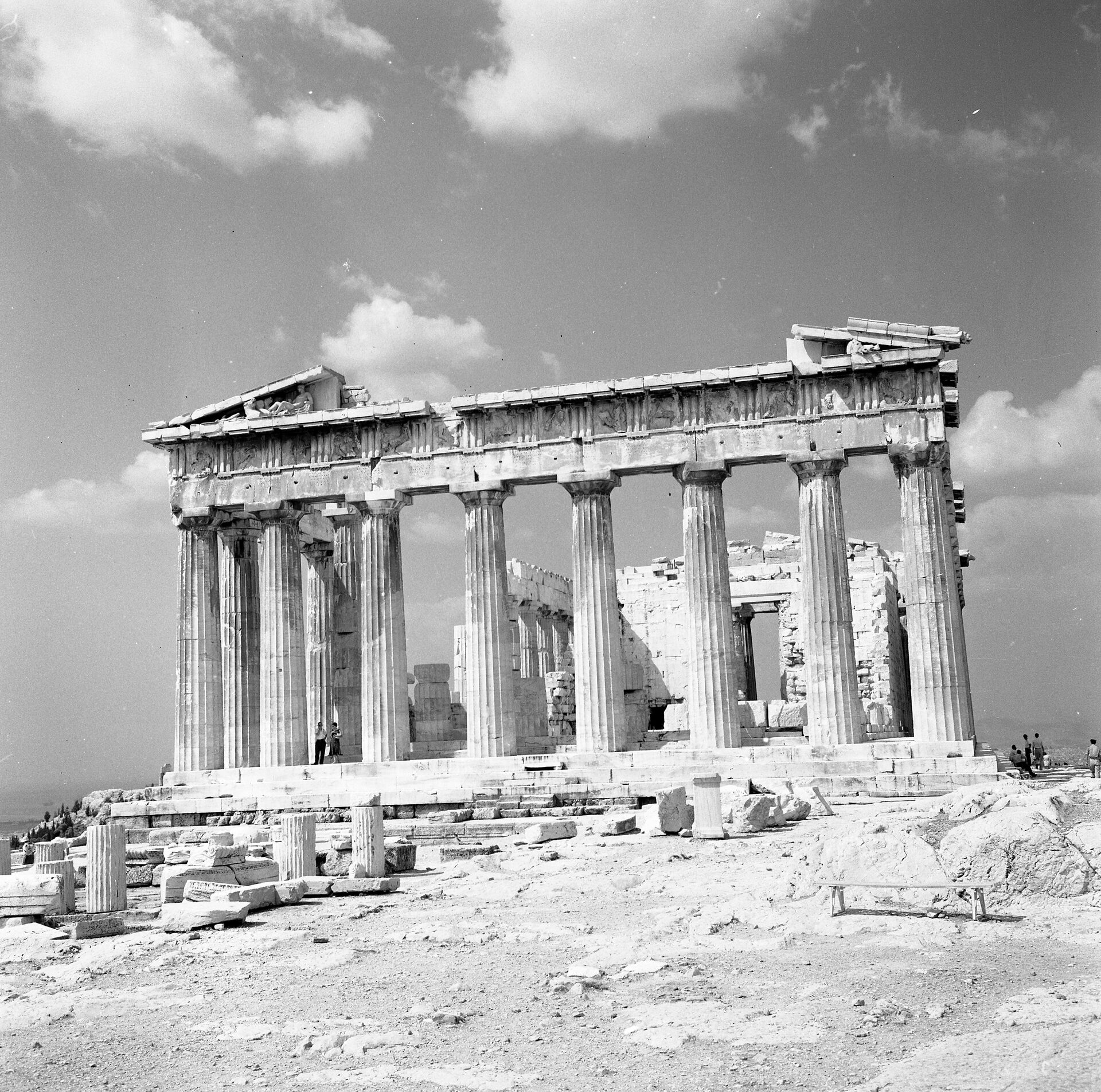
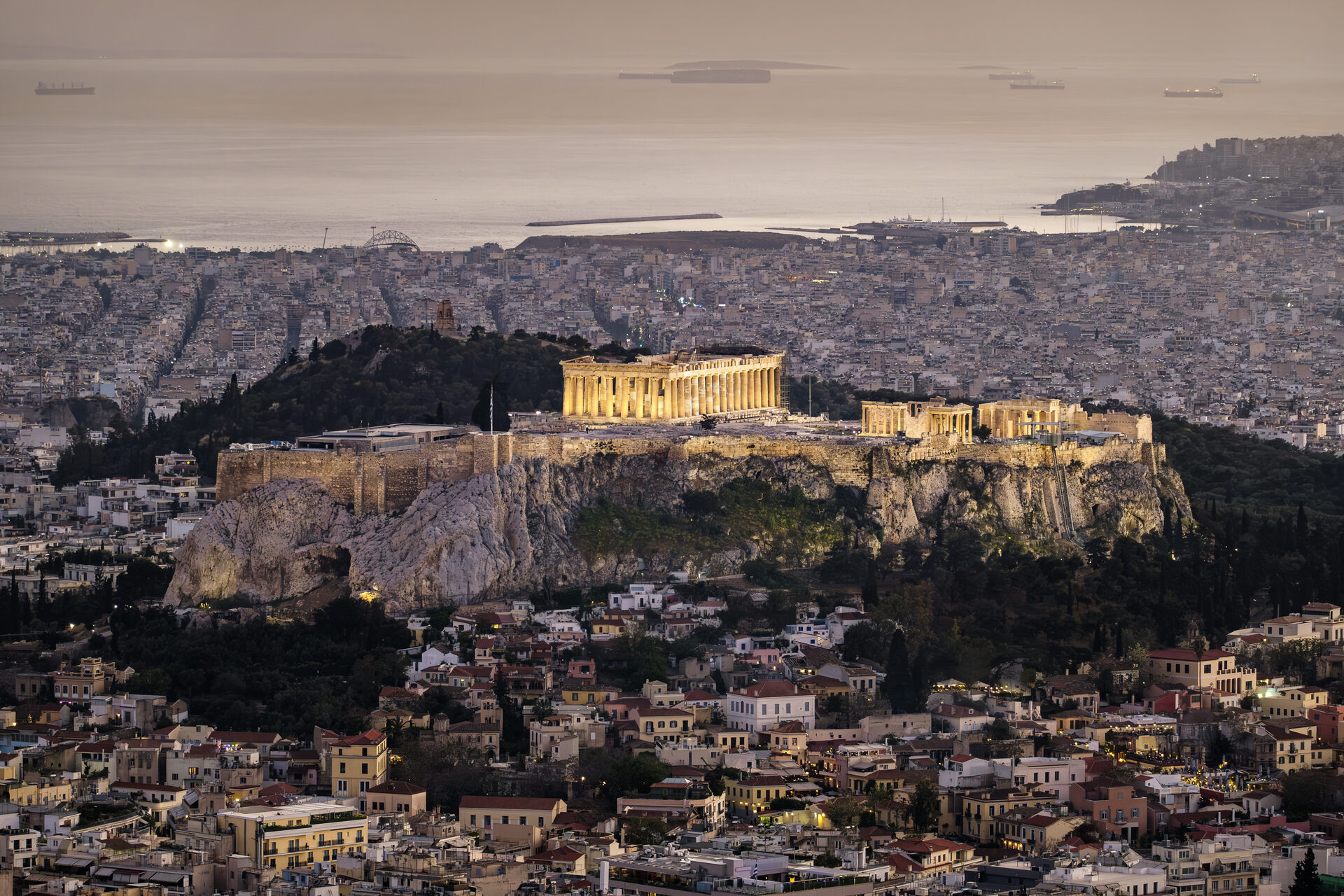
I would dock at Piraeus at dawn — one of the oldest continuously operating ports in the world, still beating with maritime life after more than two millennia — and from the deck I could already see the Acropolis glowing like a beacon on its hill five kilometers inland. The metro ride into Athens would take exactly 25 minutes and drop me at Monastiraki station, from where the sacred rock rises just a fifteen-minute walk uphill. I'd aim to arrive right when the gates open at 8:00 AM, beating most of the crowds and walking the Panathenaic Way with marble worn smooth by millions of pilgrims before me. Then the Parthenon would rise before my eyes — that temple to Athena built between 447 and 432 BCE, still standing defiant against time. The morning light turning those Doric columns honey-gold would give me goosebumps every time.
Athens carries a weight unlike any other cruise port. This is where democracy was born in 508 BCE when Cleisthenes introduced the radical idea that citizens should govern themselves. This is where Socrates questioned passersby about virtue, where Plato founded his Academy, where Aristotle taught Alexander the Great. Walking through the Ancient Agora, I would tread the same ground where Western philosophy took its first steps. The Temple of Hephaestus stands remarkably preserved, and the reconstructed Stoa of Attalos houses artifacts that bridge millennia. Yet for all its ancient glory, Athens pulses with modern energy — a sprawling Mediterranean metropolis of four million people where Byzantine churches hide between apartment blocks and where the smell of grilling souvlaki drifts from every corner.
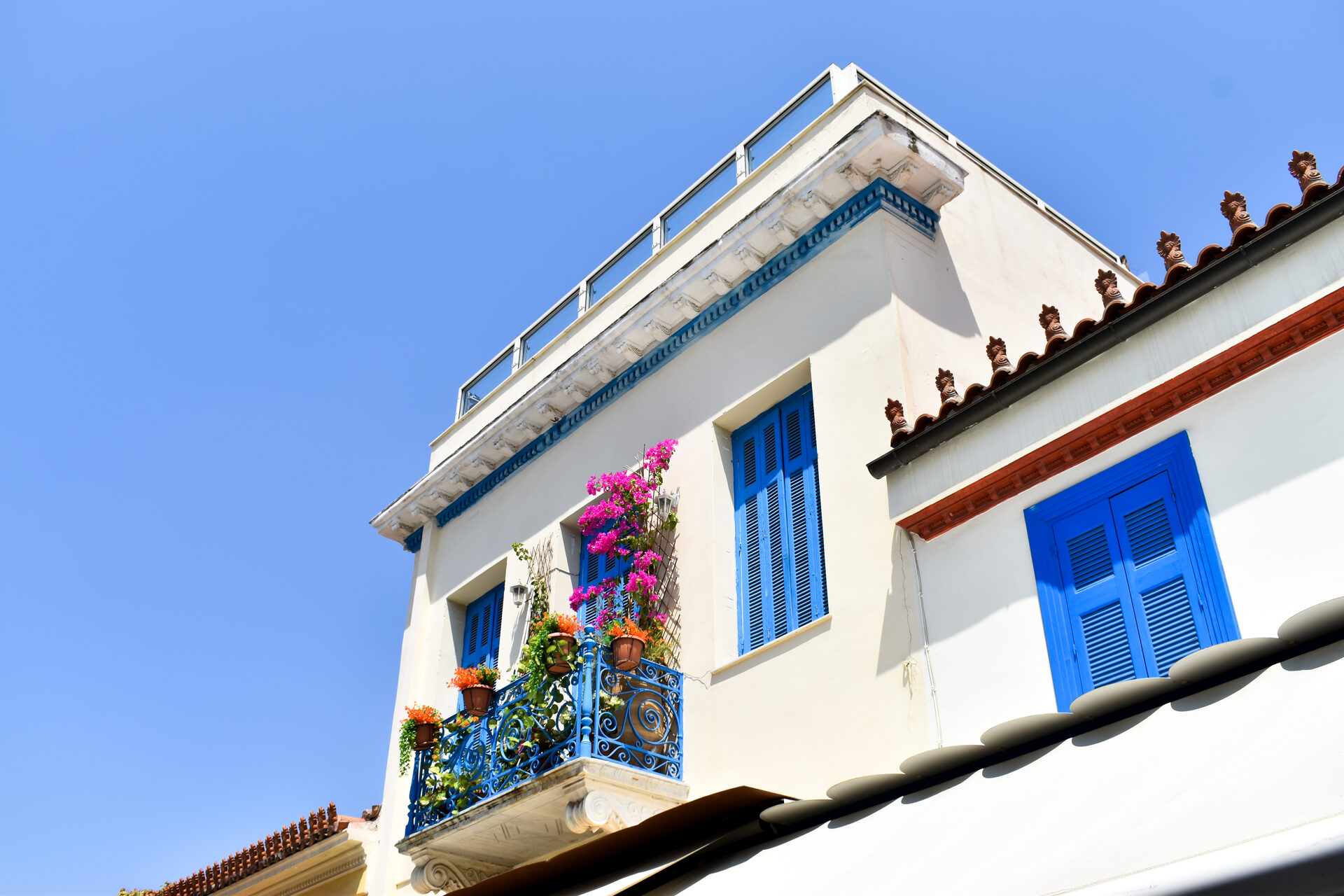
The Acropolis Museum at the base of the sacred rock would demand at least two hours of my time. This stunning contemporary building displays original sculptures, friezes, and artifacts from the temples above. The top-floor Parthenon Gallery arranges the frieze exactly as it appeared on the temple, with glass floors revealing archaeological excavations beneath your feet. Combined tickets cost €30 and include multiple archaeological sites — excellent value for the depth of access. However, my favorite Athens experience wouldn't be a monument at all. It would be getting lost in Plaka, the oldest neighborhood, where bougainvillea-draped alleys lead to hidden Byzantine chapels and vine-covered tavernas serve cold Mythos beer and slow-cooked octopus.
Piraeus port sits about 10 kilometers from central Athens, making transportation essential. The metro offers the best value at €1.20 per ride, running every five minutes during peak hours. Taxis cost €25-35 to the Acropolis area depending on traffic, and the journey takes 30-45 minutes. I'd recommend the metro for the experience — you're riding through neighborhoods where ordinary Athenians live, past graffiti-covered walls and small parks, watching the city unfold before you. Though the taxi provides air-conditioned comfort on scorching summer days when temperatures regularly exceed 35°C, and that comfort has real value when you're about to climb a hill of ancient marble.
Summer crowds at the Acropolis can be overwhelming, with thousands of tourists ascending the hill by midday. I would always arrive at opening time or in the late afternoon when the light softens and tour buses begin departing. Pre-booking tickets online through the Hellenic Ministry of Culture website saves 30-45 minutes of queue time during peak season. The ancient marble pathways are polished glass-smooth and dangerously slippery, especially when hot — wear shoes with serious grip and save the sandals for the taverna. Hydration matters desperately: there's no shade on the Acropolis, and heat exhaustion claims unprepared tourists every summer. Carry at least a liter of water per person and drink constantly.
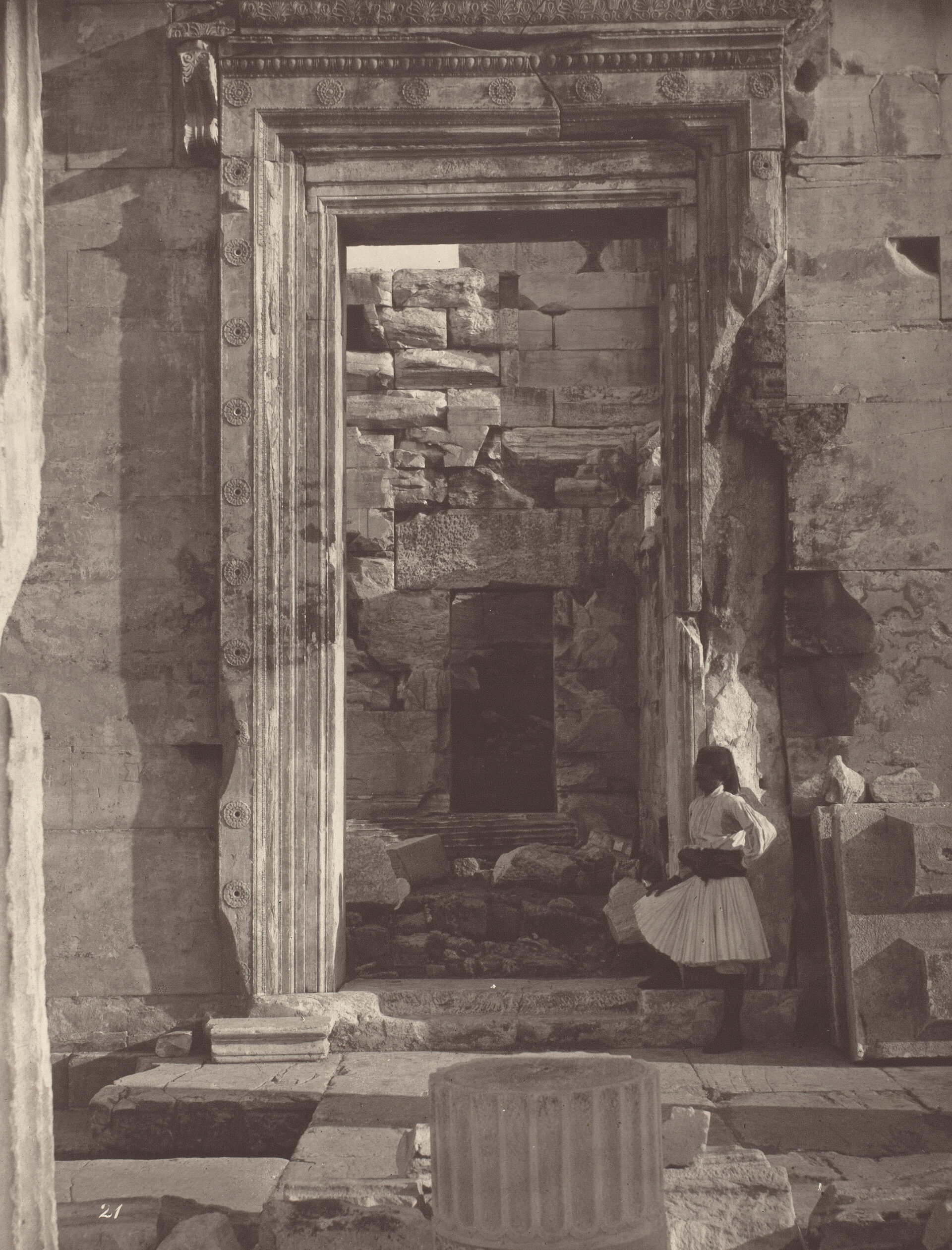
Beyond the major sites, Athens rewards wandering. Monastiraki's flea market sprawls with vendors selling everything from handmade sandals to olive oil soap to dubious antiques. The Central Market on Athinas Street offers sensory overload: butchers, fishmongers, cheese vendors, and spice merchants creating a symphony of commerce that has played here for generations. Syntagma Square fronts the Parliament building where the ceremonial changing of the Evzone guards occurs every hour — the Sunday 11:00 AM ceremony draws the largest crowds. For dinner, I would avoid the tourist-trap restaurants with hawkers outside and multilingual menus. Instead, I'd walk a few blocks into residential neighborhoods where locals eat, finding tavernas serving grilled lamb chops, fresh salads with proper feta, and carafes of house wine for a fraction of tourist-area prices.
The question visitors ask most often is whether Athens deserves the effort of traveling from the port. My answer would be unequivocal: yes, a thousand times yes. This is the single most important city in Western civilization — the birthplace of democracy, philosophy, theater, and the Olympic Games. Yet Athens doesn't rest on its ancient laurels. The city has reinvented itself repeatedly, surviving Persian invasion, Roman conquest, Ottoman occupation, and World War II to emerge as a vibrant modern capital. That resilience, visible everywhere from the Acropolis to the street art in Exarchia, makes Athens more than a museum. It's a living city where the past breathes through every stone while the present unfolds around you.
Looking back, what Athens taught me was humility before time. I realized that standing where Socrates questioned his students, where Pericles dreamed of perfect democracy, where ideas were born that still shape how we think—this isn't tourism. It's pilgrimage. I learned that some places carry weight beyond their beauty, that certain stones hold conversations that echo across millennia. The lesson Athens offers is simple but profound: we are inheritors, not inventors, of much that we treasure. Understanding that inheritance, feeling its reality in sun-warmed marble under your palm, changes something about how you see everything else.
Weather & Best Time to Visit
The Cruise Port
Cruise ships dock at Piraeus, the principal maritime gateway serving Athens and one of the Mediterranean's busiest ports. The facility sprawls along the waterfront with multiple terminals designated A, B, and C positioned around the harbor. Most major cruise lines use terminals near the metro station, making public transportation straightforward. The terminals offer basic services — restrooms, tourist information, WiFi, and souvenir shops — but don't expect extensive facilities. Save your exploration for the city itself.
Wheelchair users will find the terminal areas accessible with ramps and elevators where needed. The Athens Metro system provides wheelchair-accessible stations throughout the network, and taxis can accommodate mobility devices with advance arrangement. However, the Acropolis itself presents significant accessibility challenges — the ancient pathways are steep, uneven, and partially covered by a modern walkway. An elevator provides access to the summit for visitors with mobility limitations, operating when conditions permit. Contact the Acropolis site in advance to arrange accessibility accommodations.
Getting Around
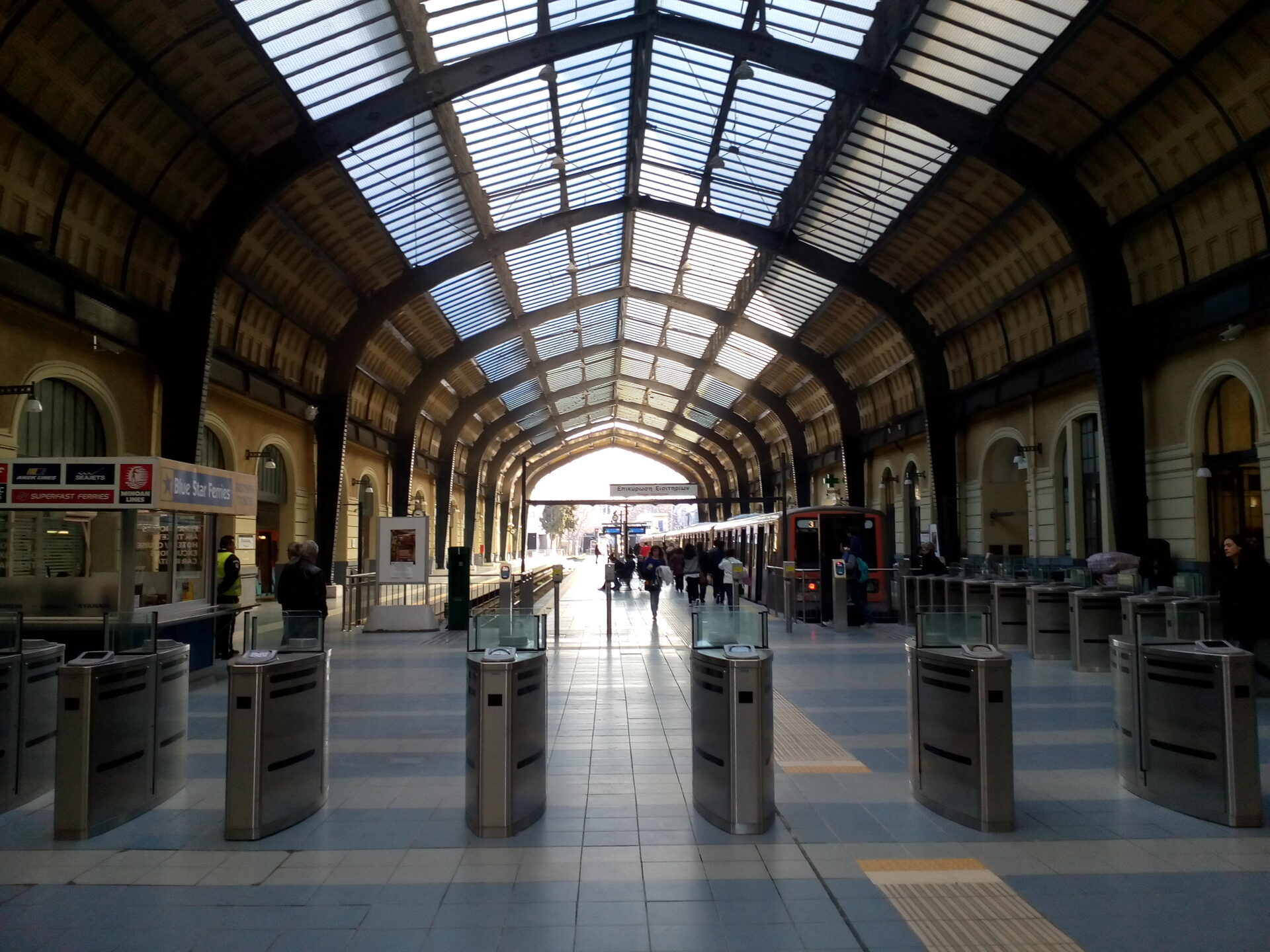
The Athens Metro Line 1 (green line) connects Piraeus directly to central Athens in approximately 25 minutes. Single tickets cost €1.20 and include transfers within 90 minutes. The metro station sits about a 15-minute walk from the cruise terminals — follow signs or ask port staff for directions. Trains run every 5-10 minutes during peak hours, are air-conditioned, and well-maintained. For reaching the Acropolis, exit at Monastiraki or Akropoli station.
Taxis queue near the terminal exits and offer faster, more direct routes into Athens. Fares run €25-35 to the Acropolis area depending on traffic and time of day. Always insist the driver use the meter or negotiate a price before departing — some drivers quote inflated rates to cruise passengers. Uber operates in Athens as an alternative, though taxi drivers actively resist the competition. For the Acropolis and surrounding sites, the metro ultimately provides better value and often faster arrival times given Athens' legendary traffic congestion.
Hop-on hop-off buses depart from the port area and circuit through Athens' major attractions. These provide convenience for first-time visitors who want flexibility without navigating public transit. Routes typically cover Syntagma Square, the Acropolis, Plaka, and other major sites. However, traffic delays can significantly extend journey times, and the open-top experience loses appeal when summer temperatures soar past 35°C. I'd generally recommend the metro for efficiency and the walking experience for authentic discovery.
Athens Port Area Map
Interactive map showing Piraeus cruise terminals, metro stations, the Acropolis, and major Athens attractions. Click any marker for details and directions.
Beaches Near Athens
Vouliagmeni Beach sits along the Athens Riviera about 25 kilometers south of Piraeus. This well-organized beach offers sun loungers (€8-15), umbrellas, and full facilities including restaurants and water sports. The water is crystal clear and the setting attractive, though the beach fills quickly on summer weekends. Accessible by taxi (€30-40) or tram from central Athens. Good option if you're in Athens for multiple days.
Glyfada Beach provides another Athens Riviera option closer to the city, about 18 kilometers from Piraeus. The area has evolved into an upscale suburb with beach clubs, cafes, and shopping. Beach access varies — some sections are free, others charge admission to organized facilities. Tram access makes Glyfada relatively convenient for cruise visitors with flexible schedules.
Lake Vouliagmeni offers a unique alternative — a thermal lake fed by underground springs maintaining water temperatures around 24°C year-round. The mineral-rich waters are said to have therapeutic properties. Admission runs about €15, and the setting is peaceful and scenic. Located near Vouliagmeni Beach and accessible by the same transportation. Worth considering if you prefer calm water swimming to beach crowds.
Shore Excursions
Athens offers excursion options ranging from half-day city highlights to full-day journeys to distant archaeological sites. Ship excursions provide the most hassle-free experience with guaranteed return timing — something independent travelers don't have. However, going independent saves money and provides flexibility. I'd recommend booking ahead through your cruise line for Delphi and other distant destinations, while Acropolis visits work well independently.
Acropolis and Ancient Athens
The essential Athens experience covers the Acropolis, Parthenon, Ancient Agora, and key city sights. Ship excursions run €80-120 per person for half-day tours including licensed guide and transportation. Independent visitors can reach the Acropolis by metro (€1.20) and purchase combined site tickets for €30. Arrive at 8:00 AM opening to beat crowds. The independent approach costs a fraction of organized tours and allows personal pacing through sites. Book ahead through the Hellenic Ministry of Culture website for skip-the-line access.
Acropolis Museum Experience
The modern museum at the Acropolis base houses original sculptures and artifacts in stunning contemporary architecture. Ship excursions combining the museum with Acropolis visits run €90-130 per person. Independent admission is €15 for the museum alone. Allow 2 hours minimum to appreciate the collection. The top-floor Parthenon Gallery offers climate-controlled viewing of the frieze with direct sightlines to the actual temple above. Highly recommended for visitors interested in ancient sculpture and architecture.
Cape Sounion and Temple of Poseidon
A scenic coastal drive southeast of Athens brings you to dramatic clifftop ruins overlooking the Aegean. Ship excursions run €70-100 for half-day trips. Sunset departures are particularly popular as light turns the marble columns golden. Independent visits require rental car (€40-60 per day) or taxi (€100+ round-trip). The drive passes beautiful coastline and the temple setting is spectacular. Guaranteed return timing makes ship excursions appealing for this destination.
Delphi Full-Day Expedition
One of Greece's most significant archaeological sites clings to Mount Parnassus slopes about 180 kilometers northwest of Athens. Ship excursions run €120-180 per person for full-day tours including lunch. The drive takes about 2.5 hours each way, but the ruins, mountain scenery, and museum are spectacular. This was ancient Greece's most important oracle site where pilgrims sought Apollo's guidance. Book ahead through your cruise line — the distance makes independent visits impractical for cruise passengers.
Corinth Canal and Ancient Corinth
Head west to see the narrow, steep-walled Corinth Canal and explore Ancient Corinth's archaeological site. Half-day ship excursions run €70-100 per person. The canal itself is a 19th-century engineering marvel worth a photo stop. Ancient Corinth features impressive Temple of Apollo ruins and fortress-crowned Acrocorinth hill. Independent visits are possible with rental car but timing is tight for cruise schedules.
DIY vs. Ship Excursion: Acropolis Visit
DIY Metro + Ticket (€25-35/person)
- Metro from Piraeus to Akropoli station €1.20, 35 min
- Acropolis combined ticket €30 (covers 7 sites)
- Visit the Acropolis Museum next door at your pace
- Metro is clean, air-conditioned, and reliable
Ship Excursion (€80-120/person)
- Air-conditioned bus from Piraeus to Acropolis
- Licensed guide explains 2,500 years of history
- Often includes Plaka neighborhood walking tour
- Guaranteed return to ship on schedule
Local Food & Drink
- Souvlaki: Grilled meat skewers (pork or chicken) served in pita with tomatoes, onions, and tzatziki. Street food staple costing €3-5 at local shops, more at sit-down restaurants
- Moussaka: Layered casserole of eggplant, minced meat, and béchamel sauce. Classic taverna dish running €10-15 at most restaurants
- Fresh Seafood: Grilled octopus, fried calamari, and whole fish are Athens specialties. Expect €15-30 for seafood mains at quality tavernas
- Greek Salad: Tomatoes, cucumbers, olives, onions, and feta with olive oil. Simple perfection at €6-10. Insist on real feta, not imitation cheese
- Ouzo: Anise-flavored spirit traditionally served with meze (small dishes). Order at tavernas for €4-8 with accompaniments
- Greek Coffee: Strong, unfiltered coffee served with grounds at bottom of cup. Sip slowly at kafeneio cafes for €2-4
Know Before You Go
- Currency: Euro (€); ATMs plentiful throughout Athens and Piraeus; credit cards widely accepted except at smaller tavernas
- Language: Greek; English widely spoken in tourist areas and on public transport
- Weather: Mediterranean climate with hot, dry summers (35°C+) and mild winters; May-June and September-October offer ideal visiting conditions
- Safety: Generally safe; watch for pickpockets in crowded metro stations and tourist areas; avoid isolated areas at night
- Dress Code: Modest dress appreciated at religious sites; comfortable walking shoes essential for ancient marble surfaces
- Tipping: 10-15% at restaurants if service not included; round up taxi fares
Depth Soundings
My recommendation for Athens would center on one essential priority: the Acropolis. No matter how limited your time, seeing the Parthenon should be non-negotiable. This is the single most important architectural monument in Western civilization, and photographs simply cannot capture the experience of standing before it. Arrive at opening time, take the metro directly there, and give yourself at least two hours on the sacred rock itself.
If time permits, I would add the Acropolis Museum and a wander through Plaka for lunch. The museum provides context that enriches the Acropolis visit, while Plaka offers a taste of Athens' human scale amid the ancient grandeur. For visitors with a full day, the Ancient Agora and Temple of Olympian Zeus complete the classical circuit. However, don't try to see everything — Athens rewards depth over breadth, and rushing through monuments diminishes their impact.
Yet the aspect I find most compelling about Athens isn't any single site — it's the layering of civilizations visible everywhere. Byzantine churches nestle against Roman foundations while Ottoman mosques share neighborhoods with neoclassical mansions. The city has absorbed and survived every empire that passed through, emerging each time with its essential character intact. That resilience, that continuity of human presence across three millennia, makes Athens more than an archaeological destination. It's a living demonstration of civilization's capacity to endure.
Practical Information
- Terminal: Piraeus cruise terminals A, B, and C — check ship information for assigned terminal
- Tender Required: No — ships dock directly at pier
- Distance to Acropolis: 10 kilometers; 25 minutes by metro, 30-45 minutes by taxi
- Distance to Plaka: 10 kilometers; 25 minutes by metro to Monastiraki
- WiFi: Available at terminals; free WiFi in Syntagma Square and many cafes
- ATMs: Located at terminals and throughout Athens; dispense euros
- Accessibility: Metro system wheelchair accessible; Acropolis has elevator access to summit; ancient pathways uneven and challenging
Last reviewed: February 2026
Photo Gallery
Frequently Asked Questions
Q: How do I get from Piraeus port to the Acropolis?
A: Take Metro Line 1 (green) from Piraeus to Monastiraki, about 25 minutes. Walk 15 minutes uphill to the Acropolis entrance. Tickets cost €1.20. Taxis run €25-35 and take 30-45 minutes depending on traffic.
Q: How much time do I need at the Acropolis?
A: Plan 2-3 hours for the Acropolis itself, plus 2 hours for the Acropolis Museum. Arrive at the 8:00 AM opening to beat crowds and midday heat. The €30 combined ticket covers seven archaeological sites.
Q: Is Athens safe for cruise visitors?
A: Yes, Athens is generally safe. Watch for pickpockets in crowded areas like Monastiraki, the metro, and major sites. Keep valuables secure and avoid isolated areas at night. Tourist police patrol key attractions.
Q: What should I wear to visit the Acropolis?
A: Wear shoes with excellent grip — the ancient marble is polished smooth and slippery. Bring a hat, sunscreen, and at least one liter of water. There is no shade, and summer temperatures exceed 35 degrees Celsius.
Q: Should I book an organized tour or explore independently?
A: For the Acropolis and central Athens, independent visits work well and cost far less. For distant sites like Delphi or Cape Sounion, ship excursions offer guaranteed return timing and less logistical stress.
Q: Where should I eat in Athens on a port day?
A: Skip tourist-trap restaurants with hawkers and multilingual menus. Walk a few blocks into residential neighborhoods where locals eat. Tavernas with Greek-only menus serve better food at lower prices — expect €12-20 per person.
Q: Can I use credit cards in Athens?
A: Credit cards are widely accepted at restaurants, shops, and attractions in tourist areas. Smaller tavernas and market vendors may require cash. ATMs dispense euros throughout Athens and Piraeus.
Q: What is the best time of year to visit Athens by cruise?
A: May-June and September-October offer ideal conditions with warm weather and fewer crowds. July-August brings extreme heat above 35 degrees Celsius. Peak cruise season runs May through September.
Q: Does Athens have a hurricane or severe weather season?
A: Athens is not in a hurricane zone. The serious weather concerns are extreme summer heat (heat stroke risk) and occasional wildfires near Athens in summer. July and August are the months to avoid.
Q: Will rain ruin my port day in Athens?
A: Virtually no rain June through August; wettest November through February. Cruise season concentrates in the drier May–October window.
Athens: Where Western Civilization Found Its Voice
Piraeus is 10 km from central Athens — not walkable. The metro is cheap and fast (€1.20, 35 min to Monastiraki). In summer the Acropolis hill is brutally hot with zero shade — go first thing in the morning. The €30 combined ticket covers the Acropolis plus six other ancient sites and is valid for 5 days, so it is the best deal even for a single day.