


Photo: Wikimedia Commons
Captain's Logbook
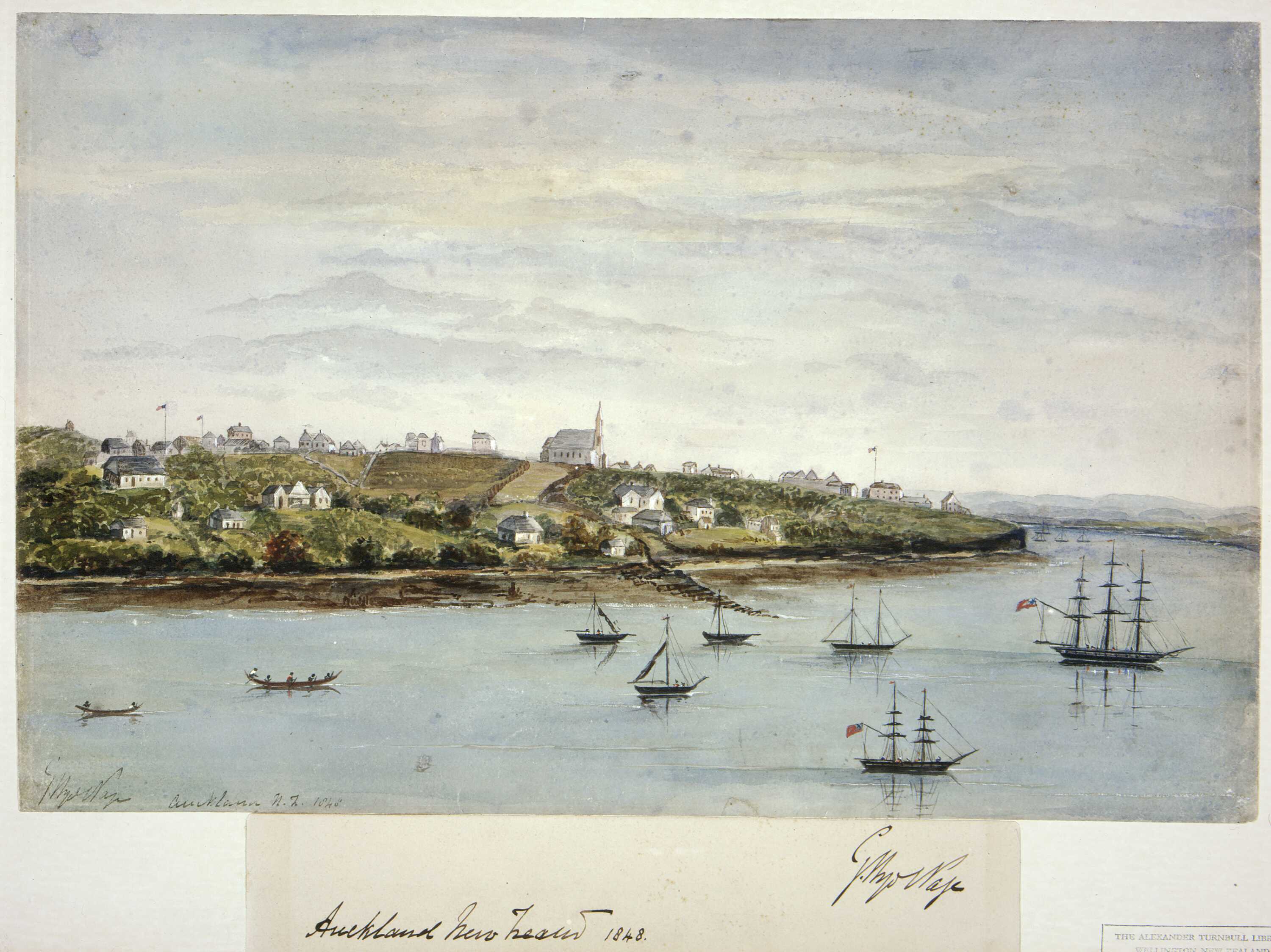
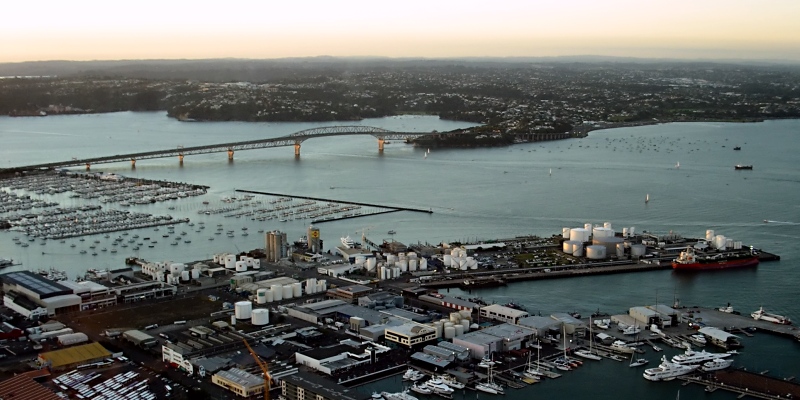
Sailing into Auckland's Waitemata Harbour gave me one of those arrivals that makes everything else fade away. The Maori named it "sea of sparkling waters," and watching our bow cut through that jewel-blue expanse, I understood why. Rangitoto's perfectly symmetrical volcanic cone rose to starboard, the North Shore hills sheltered us to port, and Waiheke Island floated dreamily in the middle distance. Auckland sprawls across seven ancient volcanic peaks, and what struck me most was how the city embraces its geography rather than fighting it. Sailboats seemed to outnumber cars — this is the "City of Sails," and every marina, yacht club, and weekend regatta proves the nickname earned. I stood at the rail until we docked at Queens Wharf in the heart of the Viaduct Harbour district, already mentally mapping my day.
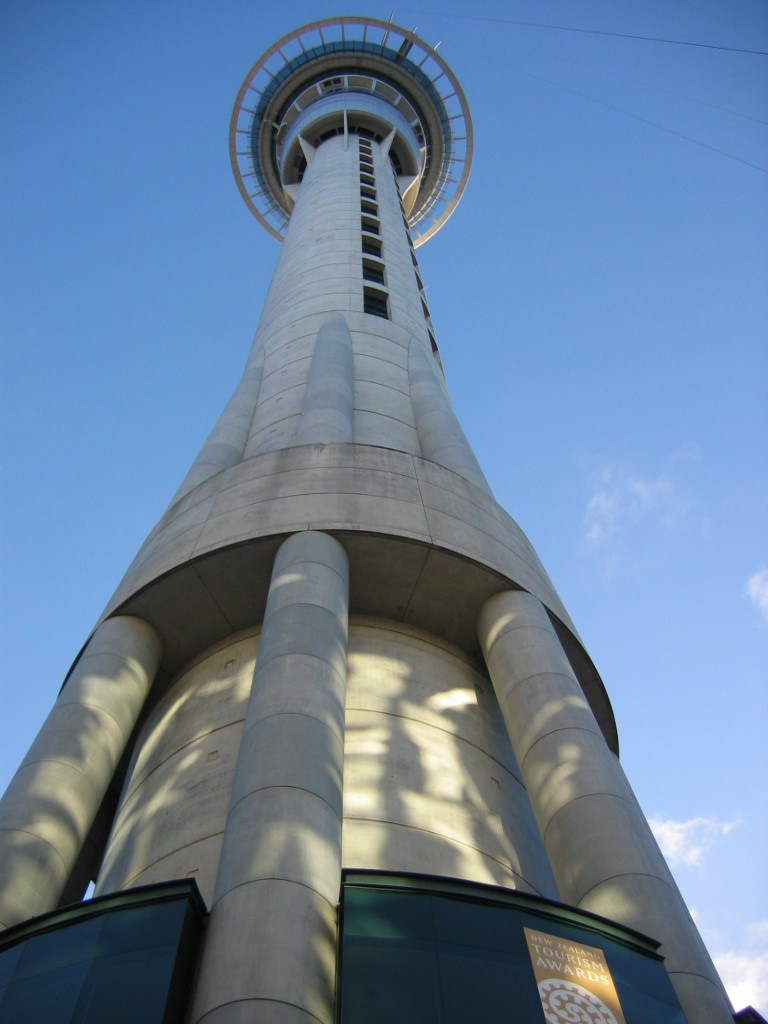
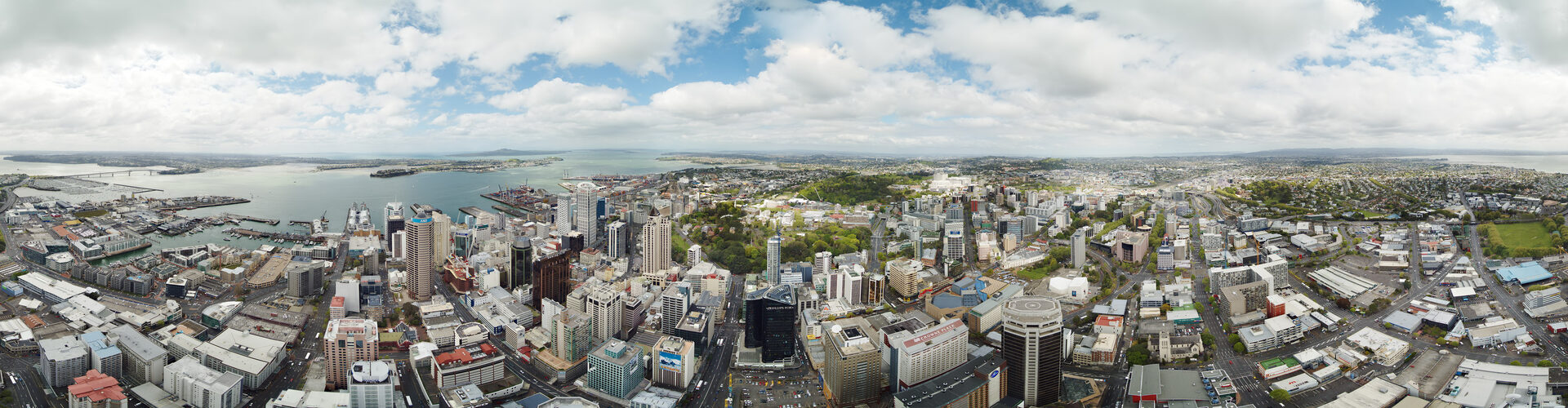
The Sky Tower dominated my first hour, rising 328 meters over the city like a modern totem connecting earth and sky. I took the express lift to the observation deck at 220 meters, and on a clear day the views stretched 80 kilometers in every direction: the Hauraki Gulf glittering with islands, volcanic cones studding the cityscape like ancient sentinels, the harbour sheltered by its ring of land and sea. The SkyWalk tempted me — that narrow ledge with no handrails where you're harnessed with nothing but wind between you and the city below — but I settled for the observation deck and its glass floor panels. However, watching others inch around that ledge, I made a note for next time. The admission runs about NZ$32 for the basic observation deck, with SkyWalk experiences starting around NZ$150.
Auckland's cultural diversity struck me everywhere I walked. Polynesian rhythms drifted from street markets in the Viaduct. Korean BBQ restaurants sat next to classic fish and chip shops. Samoan families gathered in parks while tourists and locals alike exchanged "kia ora" and "sweet as" in that Kiwi lilt that makes everything sound like an invitation to slow down. Yet beneath the modern multicultural city lies something older. The Auckland War Memorial Museum offers daily Maori cultural performances — watching the haka, the poi dances whirling in perfect synchrony, hearing the karanga echo through the great hall. The performance cost NZ$25 and lasted about 30 minutes, but the impact lingered for days. This land carries stories stretching back a thousand years before any European ship dropped anchor.
The ferry to Waiheke Island became the highlight of my visit. The 35-minute journey cost NZ$44 round-trip and delivered me to a world of rolling vineyards, olive groves, and ocean views. I booked a wine tour through a local operator for about NZ$180, visiting Mudbrick, Stonyridge, and Cable Bay — all producing exceptional Syrah with views that would make any Napa winery jealous. Lunch at Mudbrick ran NZ$45 for green-lipped mussels and fish, paired with their estate wine. Though the organized tours offer convenience, independent exploration works well too: rent a bike (NZ$30-40) or use the hop-on hop-off bus (NZ$55) to create your own itinerary. The island rewards wandering, with hidden beaches and art galleries tucked into unexpected corners.
Back in Auckland, Devonport provided a perfect half-day excursion. The 12-minute ferry crossing cost just NZ$12 round-trip and delivered Victorian charm, antique shops, and North Head — a volcanic cone with tunnels and fortifications from World War II. I climbed to the summit for panoramic views back across the harbour to the city skyline. The walk from the ferry through Devonport's main street to North Head takes about 30 minutes, passing cafes and galleries worth exploring on the return. Wheelchair users will find the ferry and town accessible, though North Head's summit requires steep paths.
The Viaduct Harbour area surrounding the cruise terminal offers everything within walking distance: America's Cup sailing experiences (NZ$175-225 for two hours), waterfront restaurants serving fresh seafood, craft breweries with local selections, and the New Zealand Maritime Museum (NZ$20 admission). I spent my final evening at an outdoor table watching the sunset paint the harbour gold, nursing a local craft beer and contemplating how Auckland manages to feel both cosmopolitan and laid-back simultaneously. The famous Kiwi friendliness isn't marketing — it's genuine, and it transforms a port visit into something that feels more like coming home than passing through.
Weather & Best Time to Visit
The Cruise Port
Cruise ships dock at Queens Wharf or Princes Wharf in the heart of downtown Auckland. Both terminals put you within immediate walking distance of the Viaduct Harbour, ferry terminal, and central attractions. The location is exceptional — few cruise ports worldwide offer such direct access to city highlights. Terminal facilities include restrooms, tourist information, WiFi, and taxi queues. The waterfront promenade connects all major sites and is fully paved and level.
Wheelchair users will find Auckland's cruise terminals among the most accessible in the Pacific. The entire waterfront area is flat with smooth pavement. Ferries to Devonport and Waiheke Island accommodate wheelchairs, and the hop-on hop-off bus systems have wheelchair-accessible vehicles. The Sky Tower has elevator access to observation decks. Most wineries on Waiheke can accommodate mobility devices with advance notice, though some have gravel paths between buildings.
Getting Around
Walking covers most central Auckland attractions from the cruise terminal. The Sky Tower is 15 minutes on foot. The ferry terminal for Waiheke Island and Devonport sits less than 10 minutes away. Viaduct Harbour restaurants and bars surround the cruise port. The Auckland Art Gallery and university district are 20 minutes walking through the central business district. Auckland's compact downtown makes transportation largely unnecessary for basic sightseeing.
Ferries provide the best transportation for island excursions. Fullers runs frequent services to Waiheke Island (35 minutes, NZ$44 round-trip) and Devonport (12 minutes, NZ$12 round-trip). Buy tickets at the ferry building adjacent to the cruise port or online in advance. During peak summer season, Waiheke ferries fill up — booking ahead is recommended. The ferry building offers luggage storage if you're extending your visit beyond the cruise.
The Auckland Explorer Bus operates a hop-on hop-off circuit covering major attractions including the Auckland Museum, Parnell Village, and Mission Bay Beach. Day passes cost approximately NZ$45-55 and buses run every 20-30 minutes. Taxis and Uber operate throughout the city, with typical fares running NZ$25-40 from the cruise terminal to suburban attractions like the Auckland Zoo or Mount Eden summit. Rental cars aren't necessary for a typical port day but can be arranged at the downtown transport center if you want to explore further afield.
Auckland Port Area Map
Interactive map showing Queens Wharf cruise terminal, ferry connections, Sky Tower, and Auckland attractions. Click any marker for details and directions.
Beaches Worth Your Time
Mission Bay Beach sits about 6 kilometers east of the cruise terminal, accessible by bus (NZ$4) or the Explorer Bus circuit. This popular urban beach offers swimming, cafes, and views back to Rangitoto Island. The waterfront promenade is fully accessible for wheelchairs and strollers. Arrive early on summer days as the beach fills quickly with locals.
Oneroa Beach on Waiheke Island combines swimming with easy access to wineries and restaurants. The main village sits above the beach with cafes, galleries, and the hop-on hop-off bus stop. Water is calm and suitable for families. The beach is about a 5-minute walk downhill from the village — accessible but steep for wheelchairs.
Cheltenham Beach in Devonport offers a quieter alternative with views of Rangitoto. About 15 minutes walk from the Devonport ferry terminal past North Head. The beach has no facilities, so bring water and snacks. Good for swimming when tide is in, and the walk combines nicely with North Head exploration.
Shore Excursions
Auckland offers diverse excursion options from vineyard tours to volcanic exploration to Maori culture. Ship excursions provide convenience and guaranteed return timing, while independent exploration offers flexibility and often better value. I'd recommend booking ahead through your cruise line for Waiheke wine tours during peak season, while Sky Tower and waterfront exploration work perfectly independently.
Waiheke Island Wine Tour
The signature Auckland experience visits acclaimed wineries with stunning ocean views. Ship excursions run NZ$180-250 per person including ferry, transportation, and tastings at 3-4 wineries. Independent visitors can take the ferry (NZ$44 round-trip) and book winery shuttles locally (NZ$60-80) or rent bikes. Mudbrick, Stonyridge, and Cable Bay all offer exceptional Syrah and tasting experiences. Book ahead during summer — popular wineries fill quickly. Guaranteed return timing makes ship excursions appealing given the ferry schedule.
Sky Tower Experience
Auckland's iconic tower offers observation decks, SkyWalk, and SkyJump experiences. Basic observation deck admission is NZ$32 per person. SkyWalk — that harness walk around the exterior ledge — runs approximately NZ$150 per person. The SkyJump controlled descent costs about NZ$225. Easy to visit independently as the tower is a 15-minute walk from the cruise terminal. No booking required for observation deck; adventure experiences should be booked ahead. Not wheelchair accessible beyond the main observation deck.
Maori Cultural Experience
The Auckland War Memorial Museum presents daily cultural performances including the haka, poi dancing, and traditional songs. Ship excursions combining the museum and performance run NZ$80-120 per person. Independent visitors pay NZ$25-30 for the performance and general museum admission. Performances run about 30 minutes and are genuinely powerful. The museum itself deserves 2-3 hours — excellent collections covering Maori culture, Pacific peoples, and natural history. Located in Auckland Domain parkland, about 20 minutes by bus or Explorer Bus from the terminal.
Devonport and North Head
The 12-minute ferry to this Victorian seaside village costs just NZ$12 round-trip. Explore antique shops, cafes, and galleries along the main street, then climb North Head for harbour panoramas and WWII tunnel networks. Perfect half-day independent excursion requiring no advance booking. Ship excursions sometimes combine Devonport with other attractions for NZ$70-100 per person. The ferry runs every 30 minutes, making this easy to fit around other activities.
America's Cup Sailing Experience
Sail Auckland's harbour aboard actual America's Cup racing yachts. Ship excursions run NZ$200-275 per person for 2-hour experiences. Independent booking through NZL Sailing costs NZ$175-225 per person. Participants can help crew the yacht or simply enjoy the ride. Departures from Viaduct Harbour, steps from the cruise terminal. Book ahead during summer sailing season. Not recommended for those with mobility limitations — yacht access requires climbing.
Local Food & Drink
- Green-Lipped Mussels: New Zealand's signature shellfish, served steamed with garlic, white wine, or Thai flavors. Expect NZ$22-30 at waterfront restaurants. A signature Auckland dish
- Fish & Chips: Classic Kiwi takeaway with fresh snapper, blue cod, or hoki. Local shops charge NZ$12-18 for generous portions. Find authentic shops away from tourist zones
- Lamb: New Zealand lamb is world-renowned. Expect NZ$35-50 for quality lamb dishes at Viaduct restaurants
- Pavlova: The meringue dessert both New Zealand and Australia claim as their own. Light, sweet, topped with cream and fresh fruit. NZ$12-18 at cafes
- Craft Beer: Auckland has excellent local breweries. Try Hallertau, Sawmill, or Brothers Beer at Viaduct bars for NZ$10-14 per pint
- New Zealand Wine: Waiheke Syrah, Marlborough Sauvignon Blanc, Central Otago Pinot Noir. Glasses from NZ$12-20 at restaurants
Know Before You Go
- Currency: New Zealand Dollar (NZ$); ATMs throughout downtown; credit cards widely accepted including contactless payment
- Language: English and Maori; "kia ora" (hello) and "sweet as" (excellent) are common expressions
- Weather: Temperate maritime climate; Auckland weather changes rapidly — bring layers. Summer (Dec-Feb) warmest; winter (Jun-Aug) mild but wet
- Safety: Very safe for tourists; standard precautions with valuables; New Zealand consistently ranks among world's safest countries
- Tipping: Not expected or customary in New Zealand; service is included
- Sun Protection: UV intensity is extreme due to ozone layer conditions; sunscreen essential even on cloudy days
Depth Soundings
My recommendation for Auckland depends entirely on your interests. For wine lovers, Waiheke Island is non-negotiable — the combination of exceptional wineries and ocean views creates an experience that rivals any wine region globally. For those seeking cultural depth, the Auckland Museum's Maori performance provides insight into New Zealand's indigenous heritage that no other activity can match. For adventure seekers, the Sky Tower experiences deliver adrenaline with views.
However, if I had just one day and wanted to understand Auckland's essence, I would walk the waterfront from the cruise terminal to the Viaduct, take the ferry to Devonport for morning tea and North Head views, return for the Auckland Museum's cultural performance, then end with seafood and local wine at a harbourside restaurant. This itinerary captures the maritime character, the cultural depth, and the famous Kiwi hospitality that makes Auckland special.
Yet what I remember most isn't any single attraction — it's the atmosphere. New Zealanders have perfected the art of being genuinely welcoming without being performatively friendly. Every "kia ora" feels sincere. Every conversation with a local reveals genuine interest rather than service-industry obligation. That warmth, combined with the stunning natural setting of harbour, islands, and volcanic cones, transforms Auckland from a cruise port into a place that lingers in memory long after the ship has sailed.
Practical Information
- Terminal: Queens Wharf or Princes Wharf — both in downtown Viaduct Harbour area
- Tender Required: No — ships dock directly at pier
- Distance to Sky Tower: 1.2 kilometers; 15 minutes walking
- Distance to Ferry Terminal: 500 meters; 5-10 minutes walking
- WiFi: Free WiFi at terminal and throughout Viaduct Harbour area
- ATMs: Located at terminal and throughout downtown
- Accessibility: Excellent throughout waterfront; ferries wheelchair accessible; most attractions accommodate mobility devices
Last reviewed: February 2026
Photo Gallery

Frequently Asked Questions
Q: Where do cruise ships dock in Auckland?
A: Ships dock at Queens Wharf or Princes Wharf in downtown Auckland. Both terminals are within walking distance of the Viaduct Harbour, Sky Tower, and central attractions. The waterfront promenade connects all major sites and is fully accessible.
Q: Is Waiheke Island worth visiting on a cruise stop?
A: Yes — Waiheke is a standout Auckland experience. The 35-minute ferry costs NZ$44 round-trip and delivers you to vineyards with ocean views. Mudbrick, Stonyridge, and Cable Bay produce excellent Syrah. Book tours ahead during summer. Allow 5-6 hours for a proper visit.
Q: What is the best way to experience Maori culture?
A: The Auckland War Memorial Museum offers daily cultural performances including the haka, poi dancing, and traditional songs. Performances run about 30 minutes. Admission is NZ$25-30 including museum access. The museum itself deserves 2-3 additional hours.
Q: Can I walk from the cruise terminal to attractions?
A: Yes — the Sky Tower is a 15-minute walk, Viaduct Harbour surrounds the port, and the ferry terminal is under 10 minutes on foot. The waterfront area is flat and wheelchair accessible. Most central sightseeing requires no transportation.
Q: What should I prioritize in Auckland?
A: Take the ferry — whether to Waiheke for wine or Devonport for village charm and volcanic views. The perspective of Auckland from the water reveals why it's called the City of Sails. Also prioritize the Maori cultural performance for cultural context.
Q: Is Auckland expensive?
A: Moderately so by global standards. Casual meals run NZ$15-25, restaurant dinners NZ$40-70, craft beers NZ$10-14. Wine tours cost NZ$150-250 depending on inclusions. The ferry system is reasonably priced at NZ$12-44 round-trip. Walking the waterfront costs nothing.
Q: What's the best time to visit Auckland?
A: Peak cruise season (October through March) offers the most reliable weather. Summer days are long and warm, though Auckland weather can shift quickly. Check the weather guide above for month-by-month recommendations.
Q: Does Auckland have extreme weather concerns?
A: Auckland's maritime climate is mild year-round. Summer temperatures average 20-25°C. Rain can arrive quickly, so bring layers and a light rain jacket. UV intensity is notably high — sunscreen is essential even on cloudy days.
Q: What should I pack for Auckland?
A: Sunscreen (high UV), comfortable walking shoes, layers for variable temperatures, and a compact rain jacket. See our packing lists for cruise-specific recommendations.
Q: Does Auckland have a storm season?
A: Winter months (June-August) bring more rain but no hurricanes or typhoons. Cruise lines monitor conditions and adjust itineraries if needed. Travel insurance is always recommended.