


Photo: Wikimedia Commons
Captain's Logbook
I would dock at Benoa Harbor as the sun rises over Mount Agung, the sacred volcano dominating Bali's eastern horizon. Flower offerings would float past our hull on the morning current — tiny banana leaf boats filled with frangipani petals, rice, and incense, placed by Balinese families as daily gifts to the gods. This Hindu island in predominantly Muslim Indonesia carries a spiritual atmosphere that feels palpable from the moment you step ashore. Locals call it the "Island of the Thousand Temples," though in truth more temples dot this landscape than houses — over 20,000 by some counts, from grand complexes like Besakih to tiny shrines at every home and business. The fragrance of incense would hang in the tropical air as I made my way through the terminal, already planning my route to the ancient wonders waiting inland.
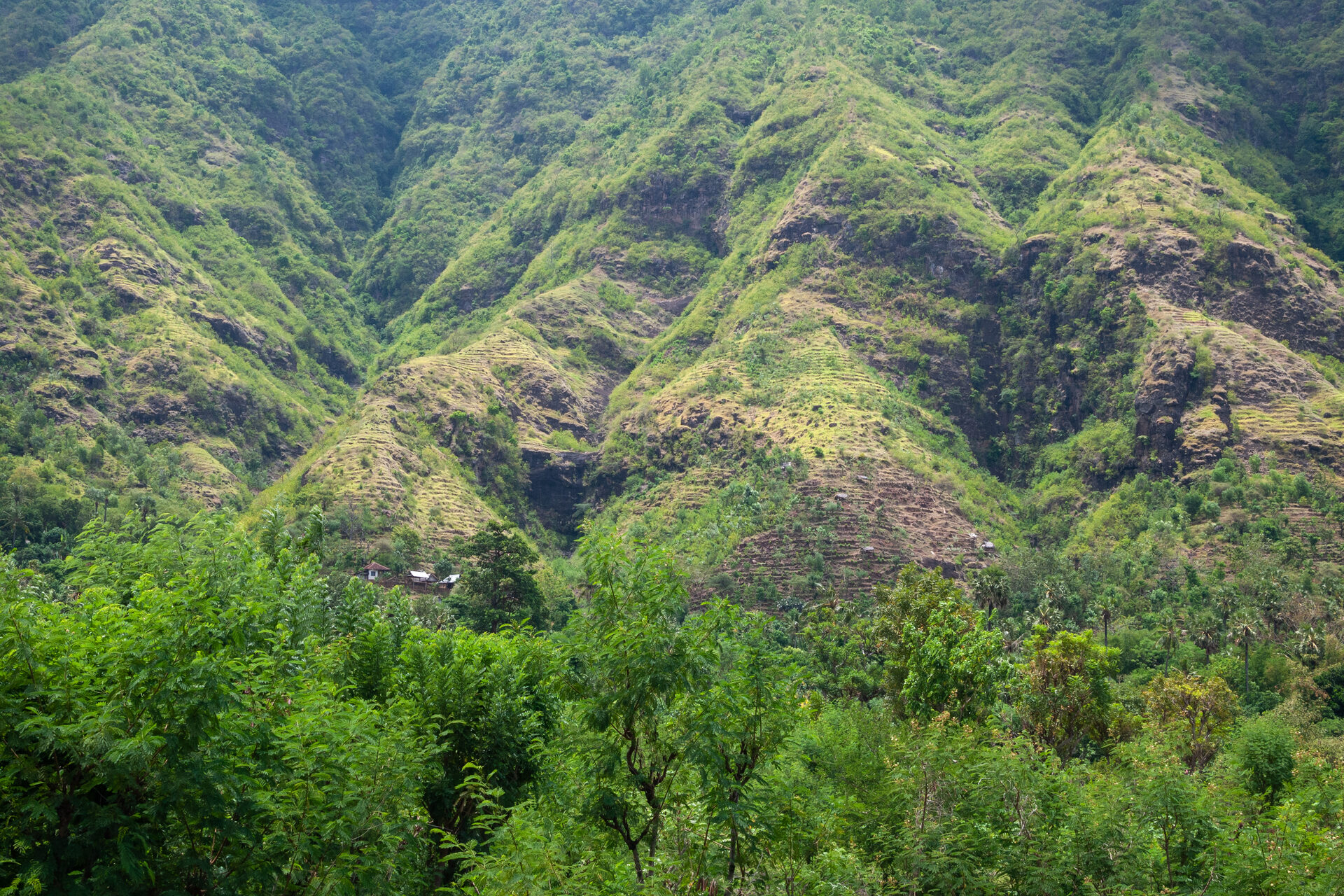
The Tegallalang Rice Terraces near Ubud would stop me in my tracks. These emerald steps cascade down hillsides in patterns that have remained unchanged for centuries, fed by an ancient irrigation system called subak that dates to the 9th century and earned UNESCO World Heritage status. I would walk the narrow paths between paddies, watching farmers tend their crops with the same techniques their ancestors used a thousand years ago. Yet the terraces are more than agriculture — they're living testimony to Balinese philosophy of harmony between gods, humans, and nature. The Ubud swing attractions let visitors soar out over the valley (about IDR 400,000 or $25), and while they're undeniably touristy, the views justify the indulgence. However, the quieter moments on the terrace paths, surrounded by the sound of wind through rice stalks, would stay with me longer.
Uluwatu Temple clings to sheer cliffs 70 meters above the Indian Ocean, and I would time my visit for late afternoon when the sunset kecak fire dance begins. The temple itself dates to the 11th century and honors the Balinese sea gods, but the evening performance transforms the experience. A hundred men sit in concentric circles chanting "cak-cak-cak" in hypnotic rhythm while dancers enact scenes from the Ramayana epic against the backdrop of crashing waves and spectacular sunset colors. Tickets run about IDR 150,000 ($10) and the experience is unlike anything else I've encountered in Southeast Asian travel. Watch your belongings around the temple's famous monkeys, who've perfected the art of snatching sunglasses and phones from unwary tourists.
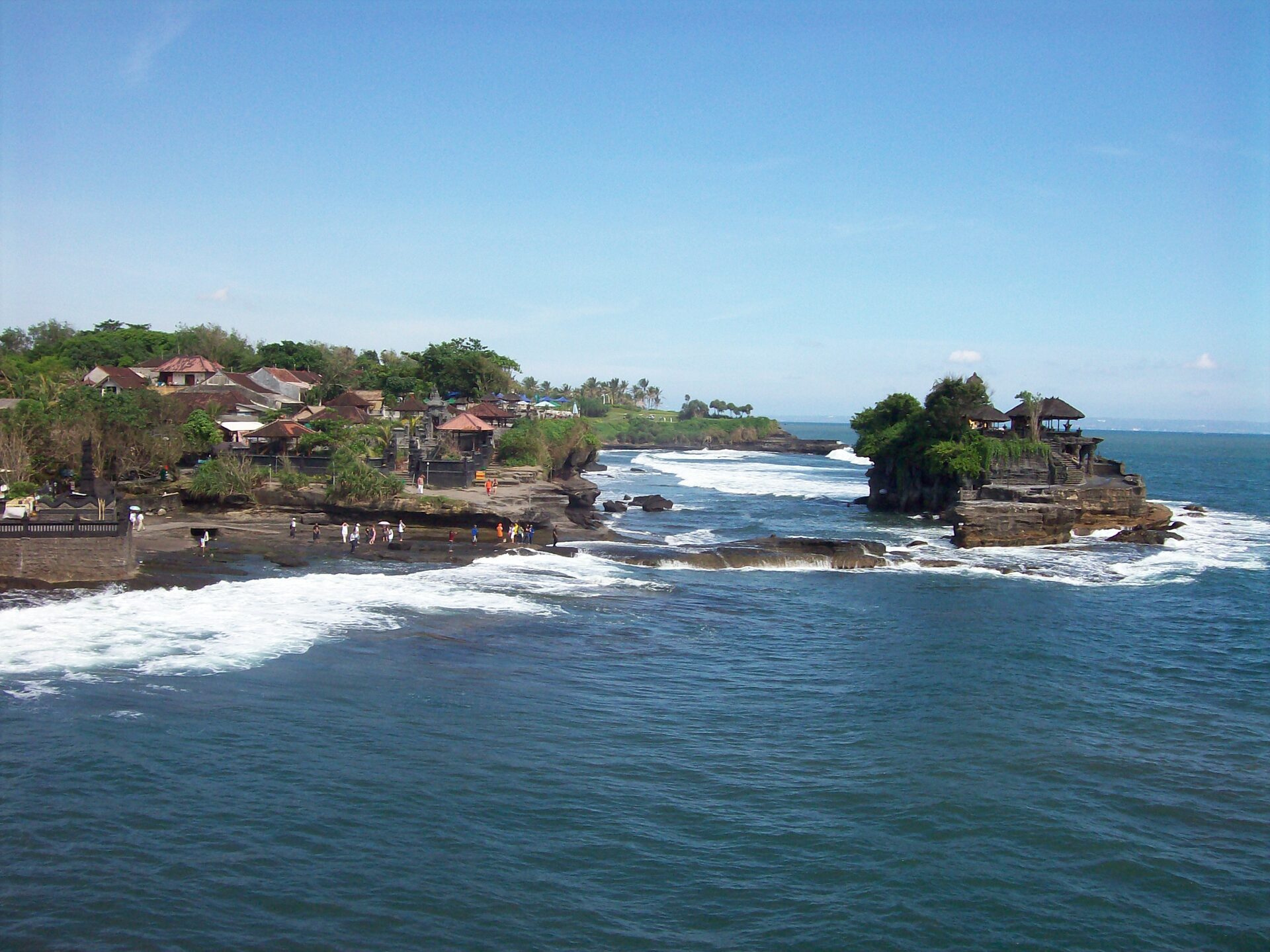
Tanah Lot presented another iconic temple experience. This Hindu shrine perches on a massive rock formation jutting from the sea, accessible on foot at low tide but surrounded by crashing waves at high tide. Sunset draws enormous crowds, but arriving in late afternoon would give me time to explore the coastal paths and smaller shrines before the golden hour chaos begins. Entry runs about IDR 60,000 ($4), and the snake temple and holy spring at the base of the rock add depth beyond the famous silhouette photos. I'd recommend a guide here — understanding the temple's origin story and spiritual significance transforms it from photo opportunity to meaningful cultural encounter.
Ubud's Sacred Monkey Forest would demand careful navigation. The long-tailed macaques who inhabit this ancient grove have learned that tourists carry valuables worth snatching. I'd secure my sunglasses, phone, and anything loose before entering. Yet beneath the monkey management challenge lies a genuinely spiritual place — ancient banyan trees, moss-covered stone carvings, and a temple complex still used for ceremonies. The entrance fee is about IDR 80,000 ($5), and the forest provides welcome shade during midday heat. Beyond the monkey forest, Ubud itself rewards wandering: art galleries, wood carving studios, traditional dance performances, and some of Bali's best restaurants clustered around the town center.
A traditional Balinese massage would become my afternoon ritual. The island's spa culture ranges from simple beachside treatments ($15-20) to luxury resort experiences ($80-150), but quality remains high across price points. The Balinese style incorporates long strokes, acupressure, and aromatic oils in treatments that address both muscle tension and energy flow. After hours of temple exploration in tropical humidity, this recovery feels essential rather than indulgent. I'd recommend booking ahead at established spas rather than accepting random touts' offers. Sunset dinner on Jimbaran Beach would cap my Bali day — fresh seafood grilled on the sand while waves lap at your feet and the sky turns orange and pink.
Looking back, what Bali taught me has less to do with temples or terraces than with presence. The flower offerings floating past our ship, the cool water at Tirta Empul, the synchronized chanting at Uluwatu — these weren't performances staged for tourists, but windows into daily spiritual practice. I learned that sacred can be ordinary, woven into morning routines and sunset dinners, into the incense by every shop door and the offerings at every crossroads. Bali doesn't demand you believe what the Balinese believe. It simply invites you to notice that belief shapes everything here, and that such devoted attention to the unseen makes visible beauty everywhere.
Weather & Best Time to Visit
The Cruise Port
Cruise ships dock at Benoa Harbor on Bali's southeastern coast, about 20-30 minutes from the main tourist areas of Seminyak and Kuta by taxi. The terminal facility is functional rather than impressive — basic restrooms, a tourist information desk, and persistent taxi and tour touts waiting outside. Most visitors arrange transportation in advance through their cruise line or establish a price with taxi drivers at the port. The terminal area is flat and accessible for wheelchairs, though mobility beyond the port presents challenges given Bali's uneven terrain.
Wheelchair users will find limited accessibility throughout Bali. Temple sites typically involve stairs and uneven stone surfaces. The rice terraces require walking on narrow paths between paddies. Beach clubs and resort facilities offer better accessibility, and private drivers can accommodate mobility needs with advance notice. Consider ship excursions that specifically address accessibility requirements, or hire a private guide who can help navigate challenging terrain.
Getting Around
Private drivers represent the best transportation option for cruise visitors. A full day (8-10 hours) costs $40-60 USD including fuel and waiting time at attractions. Drivers serve as informal guides, offering local knowledge about temples, customs, and hidden gems. Book through your cruise line, hotel concierge, or arrange at the port — negotiate price before departing. This approach provides flexibility impossible with organized tours and excellent value compared to Western standards.
Taxis from Benoa port to various destinations follow predictable patterns: Ubud takes 1.5-2 hours ($35-45 one-way), Uluwatu takes 30-40 minutes ($15-25), Tanah Lot takes 1 hour ($25-35), and Seminyak/Kuta take 20-30 minutes ($12-18). Use metered taxis from official queues (Blue Bird is the most reliable company) or negotiate fixed prices in advance. Ride-sharing apps like Grab and Gojek operate in Bali but face restrictions near some tourist areas due to taxi union pressure.
Traffic in Bali can be severe, especially around Kuta, Seminyak, and the approach to Ubud. Allow extra time for all journeys and don't underestimate how long transfers take. The island's narrow roads and scooter-dominated traffic create delays that GPS apps don't always predict accurately. For distant attractions like the northern coast or Besakih Temple, consider whether a full day is sufficient time given port schedules. Rush hour around Denpasar (roughly 7-9 AM and 4-7 PM) adds significant delays to any route passing through the capital.
Bali Port Area Map
Interactive map showing Benoa cruise terminal, major temples, rice terraces, and beach destinations. Click any marker for details and directions.
Beaches Worth Your Time
Jimbaran Beach offers the classic Bali beach experience — a crescent of sand lined with seafood restaurants where tables sit directly on the sand at sunset. Fresh-caught fish grilled over coconut husks while waves lap nearby. The beach itself is calm and swimmable, with chairs available from restaurants if you're dining. About 20 minutes from Benoa port, making it well suited for cruise visitors with limited time.
Seminyak Beach combines beautiful sand with Bali's most stylish beach club scene. Ku De Ta, Potato Head, and Mrs Sippy offer infinity pools, cocktails, DJs, and see-and-be-seen atmosphere. Day passes run $20-50 depending on the club and amenities. The beach itself is free, but strong currents make swimming unpredictable. About 30 minutes from Benoa port.
Padang Padang Beach near Uluwatu features crystal-clear water in a small cove accessed by stairs through a rock formation. Featured in "Eat Pray Love" and perpetually crowded as a result, but genuinely beautiful. Entry costs IDR 15,000 ($1). Combine with Uluwatu Temple visits for an efficient southern Bali day.
Shore Excursions
Bali offers rich excursion options combining temples, culture, nature, and relaxation. Ship excursions provide guaranteed return timing and air-conditioned transport, while private drivers offer flexibility at lower cost. I'd recommend booking ahead through your cruise line for complex itineraries, while simpler temple visits work well independently with a hired driver.
Ubud Cultural Immersion
Full-day exploration of Bali's cultural heart including rice terraces, monkey forest, art galleries, and cultural center. Ship excursions run $90-140 per person. Independent visitors can hire private drivers ($50-60 for the day) and pay individual entrance fees: Tegallalang Rice Terraces (IDR 50,000/$3), Sacred Monkey Forest (IDR 80,000/$5), Tirta Empul springs (IDR 50,000/$3). Book ahead through your cruise line for comprehensive guided experiences. Allow 8-10 hours for a thorough Ubud exploration.
Uluwatu Temple and Kecak Fire Dance
Evening excursion to the dramatic clifftop temple culminating in the sunset kecak performance. Ship excursions run $70-100 per person including dinner. Independent visitors can hire drivers ($25-35 round-trip) and purchase kecak tickets (IDR 150,000/$10) directly. Arrive by 5 PM to explore the temple before the 6 PM performance. Ship excursions offer guaranteed return timing, which matters for evening departures. The experience stays with you long after you leave.
Tanah Lot Sunset Temple
Visit Bali's most photographed temple at sunset when the sea temple silhouette creates iconic images. Ship excursions run $60-80 per person. Independent visitors pay IDR 60,000 ($4) admission plus driver costs ($25-35 round-trip). Crowds peak at sunset but the coastal scenery rewards exploration throughout late afternoon. Combine with nearby Taman Ayun royal temple for a fuller cultural experience. Book ahead through your cruise line if you want guided interpretation.
Besakih Mother Temple
Bali's largest and most sacred temple complex on the slopes of Mount Agung. Ship excursions run $100-150 per person for full-day trips including lunch. The drive takes 2+ hours each way from Benoa, making this a full commitment. The temple complex is genuinely impressive — over 80 individual temples spread across the mountainside. Independent visitors must hire local guides at the entrance (negotiated fee, typically $15-25). Worth the journey for those interested in Balinese spirituality at its most profound.
Spa and Beach Club Day
Relaxation-focused day combining Balinese spa treatments with beach club facilities. Ship excursions to luxury resort spas run $120-200 per person. Independent visitors can book directly at Seminyak beach clubs ($30-80 for day passes including pool access) and arrange spa treatments ($40-100 depending on services). This option suits visitors who've seen temples before and want pure relaxation. Wheelchair-accessible options available at resort facilities.
Local Food & Drink
- Babi Guling: Spit-roasted suckling pig stuffed with spices — Bali's most famous dish. Expect IDR 80,000-150,000 ($5-10) at local warungs. Ibu Oka in Ubud is most famous
- Nasi Campur: Rice with assorted sides — typically pork, vegetables, egg, and sambal. Complete meal for IDR 30,000-60,000 ($2-4)
- Bebek Betutu: Slow-cooked duck wrapped in banana leaves with spices. Traditional ceremonial dish available at quality restaurants for IDR 100,000-200,000 ($7-13)
- Fresh Seafood: Jimbaran beach restaurants serve fresh-caught fish grilled tableside. Expect $15-30 per person for full seafood dinner with drinks
- Bintang Beer: Indonesia's iconic lager, refreshing in tropical heat. IDR 35,000-60,000 ($2-4) at restaurants, less at convenience stores
- Fresh Coconut: Young coconuts served ice-cold from street vendors. IDR 15,000-25,000 ($1-2). Essential hydration in Bali's humidity
Know Before You Go
- Currency: Indonesian Rupiah (IDR); ATMs plentiful; major credit cards accepted at tourist establishments; cash essential for temples and local vendors
- Language: Bahasa Indonesia official; English widely spoken in tourist areas; basic Indonesian phrases appreciated
- Weather: Tropical with dry season (April-October) and wet season (November-March); hot and humid year-round; afternoon rain showers common in wet season
- Temple Dress: Sarongs required at all temples; usually provided/rented for IDR 20,000-30,000 ($1-2); cover shoulders and knees
- Safety: Generally safe; watch for pickpockets in crowds; be cautious with monkeys at temples; stay hydrated in heat
- Bargaining: Expected when negotiating prices and for drivers; start at 50% of asking price; maintain friendly demeanor
Depth Soundings
My recommendation for Bali would depend entirely on what you seek. For spiritual depth and cultural immersion, Ubud and the rice terraces offer the authentic Bali that first drew travelers to this island. For dramatic scenery and unforgettable performance, Uluwatu's sunset kecak fire dance delivers an experience available nowhere else on Earth. For pure relaxation, the beach clubs and spas provide exceptional pampering at reasonable prices.
However, Bali rewards those who resist the urge to see everything. The island's magic lies not in checking boxes but in moments of unexpected beauty — a temple ceremony encountered by chance, a conversation with an artisan in their studio, the quality of light through rice terraces at golden hour. I would choose one major destination (Ubud or Uluwatu, not both) and explore it deeply rather than racing between distant attractions on congested roads.
Yet beneath the temples and terraces, what strikes me most about Bali is the living spirituality woven through daily life. The morning offerings, the temple ceremonies, the reverence with which Balinese approach their sacred sites — this isn't preserved for tourists but practiced because it matters to the people who live here. That authenticity transforms Bali from exotic destination to genuine encounter with a culture that has maintained its spiritual center despite decades of mass tourism. The "Island of the Gods" earns its name not through marketing but through the devotion of its people.
Practical Information
- Terminal: Benoa Harbor on southeastern coast; basic facilities
- Tender Required: No — ships dock directly at pier
- Distance to Ubud: 35 kilometers; 1.5-2 hours depending on traffic
- Distance to Uluwatu: 20 kilometers; 30-40 minutes
- WiFi: Limited at terminal; available at restaurants and beach clubs
- ATMs: Available at terminal area and throughout tourist zones
- Accessibility: Limited throughout island; temple sites have stairs and uneven surfaces; beach clubs more accessible; advance planning essential
Last reviewed: February 2026
Photo Gallery
Frequently Asked Questions
Q: Where do cruise ships dock in Bali?
A: Ships dock at Benoa Harbor on Bali's southeastern coast, about 20-30 minutes from Seminyak and Kuta by taxi. The terminal has basic facilities. Most visitors arrange private drivers or join ship excursions to explore the island.
Q: Can I do Ubud and Uluwatu in one cruise port day?
A: Yes, with a private driver and an early start. Ubud is 1.5-2 hours north, Uluwatu 30-40 minutes south. Visit Ubud in the morning, then head to Uluwatu for the sunset kecak fire dance. Allow 10-12 hours total.
Q: What should I wear to Balinese temples?
A: Sarongs are required at all temples, usually available to rent for IDR 20,000-30,000 ($1-2). Cover shoulders and knees. Comfortable walking shoes are essential as temple grounds involve stairs and uneven stone surfaces.
Q: How much does a private driver cost in Bali?
A: A full day (8-10 hours) costs $40-60 USD including transport to multiple sites with waiting time. Drivers serve as informal guides. Book through your cruise line, at the port, or online in advance.
Q: Is Bali safe for tourists?
A: Yes, generally very safe. Main concerns are opportunistic theft (especially monkeys at temples), road safety, and heat-related illness. Keep valuables secure, stay hydrated, and use sun protection.
Q: What's the best time of year to visit Bali?
A: The dry season (April-October) has the most reliable weather. The wet season (November-March) brings afternoon thunderstorms but fewer crowds. Temperatures stay warm year-round.
Q: What should I pack for a Bali port day?
A: Sunscreen, comfortable walking shoes, a light sarong for temple visits, a rain jacket, and a refillable water bottle. Layers for air-conditioned transport are helpful.
Q: Will rain ruin my port day?
A: Brief tropical showers rarely last long. Have a backup plan for indoor attractions, and note that many activities continue in light rain. Check the forecast before heading out.
Q: Does Bali have a storm season?
A: The wet season runs November through March with afternoon thunderstorms. Cruise lines monitor conditions and adjust itineraries if needed. Travel insurance is recommended during peak storm months.