


Photo: Wikimedia Commons (CC BY-SA)
Captain's Logbook: Bangkok
The author visited Bangkok in 2023 via Laem Chabang on a Southeast Asia cruise. Observations reflect personal experience; verify current conditions before travel.
The two-hour drive from Laem Chabang to Bangkok felt like a pilgrimage. Our van passed through industrial zones, then rice paddies, then sprawling suburbs, and finally the traffic-clogged arteries of Thailand's capital. I had booked a private van ($80 split among four passengers) rather than the ship shuttle because every minute in Bangkok counts. When the first golden spires of Wat Phra Kaew appeared through the haze, I understood why travelers have made this journey for centuries. The city announced itself in glitter and exhaust fumes, incense and honking horns, an assault on every sense that promised revelation if you could survive the chaos.
The Grand Palace compound opened at 8:30 AM and I was waiting at the gates. This matters: by mid-morning, tour buses flood the grounds and the heat becomes crushing. I had dressed carefully — long pants, covered shoulders — because guards enforce the dress code without mercy. Inside, the Temple of the Emerald Buddha stopped me cold. The chapel's walls shimmer with gold leaf and glass mosaics, but the Buddha himself is surprisingly small: a jade figure barely two feet tall, seated high on a golden altar. Pilgrims pressed palms together in prayer around me. The smell of incense hung thick in the humid air. I stood watching, feeling the weight of devotion that has filled this space since 1782 when Rama I moved the Buddha here from its previous home in Vientiane. Some places accumulate meaning until the air itself feels dense with it. This is one.

From the Grand Palace I walked to the ferry pier and crossed the Chao Phraya River to Wat Arun. The Temple of Dawn rises in five towers encrusted with porcelain fragments — broken dishes and tiles pressed into stucco, glinting in the sunlight like a mosaic made from shattered dreams reassembled into something holy. I climbed the central prang on steps so steep they felt nearly vertical, my hands gripping the railings while my knees protested every meter of ascent. At the top I turned and saw Bangkok spread beneath me: the river brown and busy with long-tail boats, the golden rooftops of the Palace complex catching light across the water, modern towers rising in the haze beyond. Worth every trembling muscle. The descent was scarier than the climb, which seems like a metaphor for something.
Lunch demanded street food. I took a taxi to Yaowarat Road in Chinatown, where the smells announced themselves before the visual chaos registered: grilled pork, sizzling garlic, the sweet funk of durian, noodles steaming in countless variations. I ate pad thai from a vendor whose wok flames leapt two feet high ($2), mango sticky rice dripping with coconut cream ($1.50), and boat noodles served in bowls so small you need three to feel satisfied ($0.50 each). The heat was brutal. The flavors were transcendent. I sat on a plastic stool watching Bangkok flow past — monks in saffron robes, businessmen in suits, tourists clutching guidebooks — and felt grateful for the sensory overload that makes this city impossible to forget.

Wat Pho in the afternoon offered the Reclining Buddha — a 46-meter-long golden giant stretched across the temple hall, so large you cannot photograph it whole. The soles of the feet are inlaid with mother-of-pearl depicting the 108 auspicious signs of the Buddha. I walked the length of the figure slowly, watching how the gold leaf catches different light at different angles, listening to the clink of coins dropped into 108 bronze bowls by visitors seeking merit. This temple also houses Thailand's oldest school of traditional massage, and after hours of walking in tropical heat, a massage here felt less like indulgence and more like medical necessity ($10 for an hour of skilled hands working out every temple-climbing knot).
The cons: Bangkok is genuinely exhausting. However, the heat and humidity drain energy fast. Yet the traffic makes every journey longer than expected. The two-hour drive back to Laem Chabang feels twice as long when you're spent. If your ship offers an overnight in Bangkok, take it — trying to see the city in a single port day requires brutal efficiency. Nevertheless, accessibility is challenging: temples have steps and uneven surfaces, streets are crowded and chaotic. Travelers with mobility limitations should discuss options with tour operators before booking.
What I Learned: Bangkok taught me that chaos and devotion can coexist, that gold leaf and plastic stools belong in the same sentence, that ancient temples and modern traffic are not contradictions but partners in the same sprawling, beautiful mess. I came expecting temples and found a city that practices its faith in plain sight — in the spirit houses on every corner, the flower offerings at every shrine, the morning alms rounds that interrupt traffic without complaint. The two-hour journey from Laem Chabang is worth every kilometer. Bangkok demands surrender and rewards it with flavors, visions, and moments of unexpected grace.
Weather & Best Time to Visit
The Cruise Port
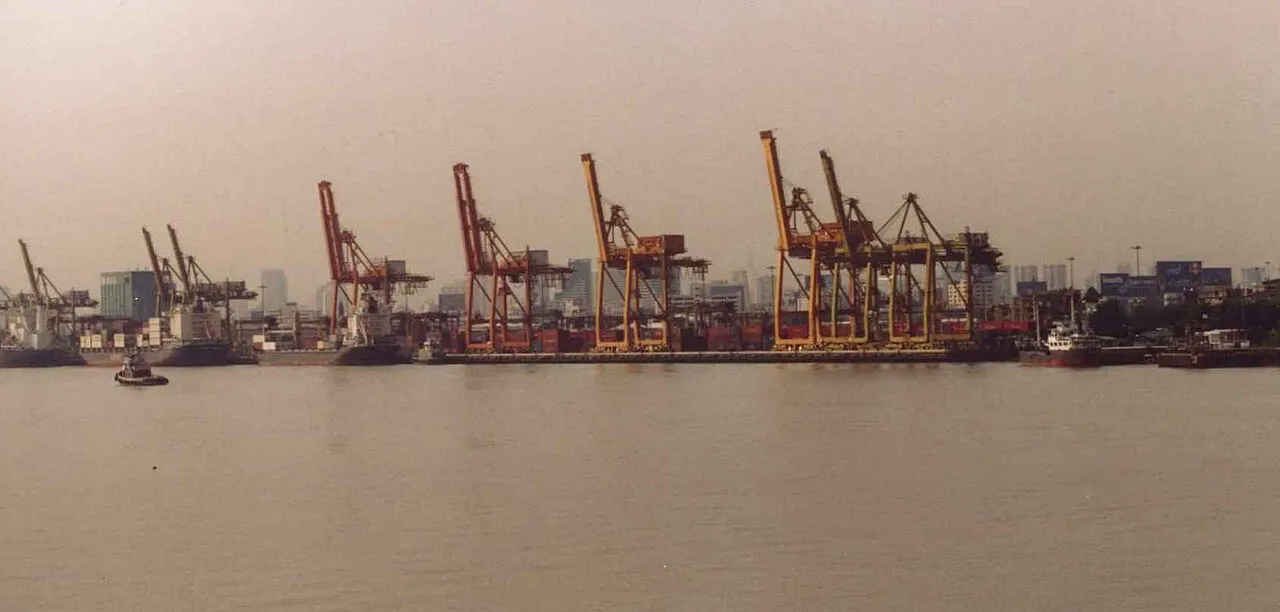
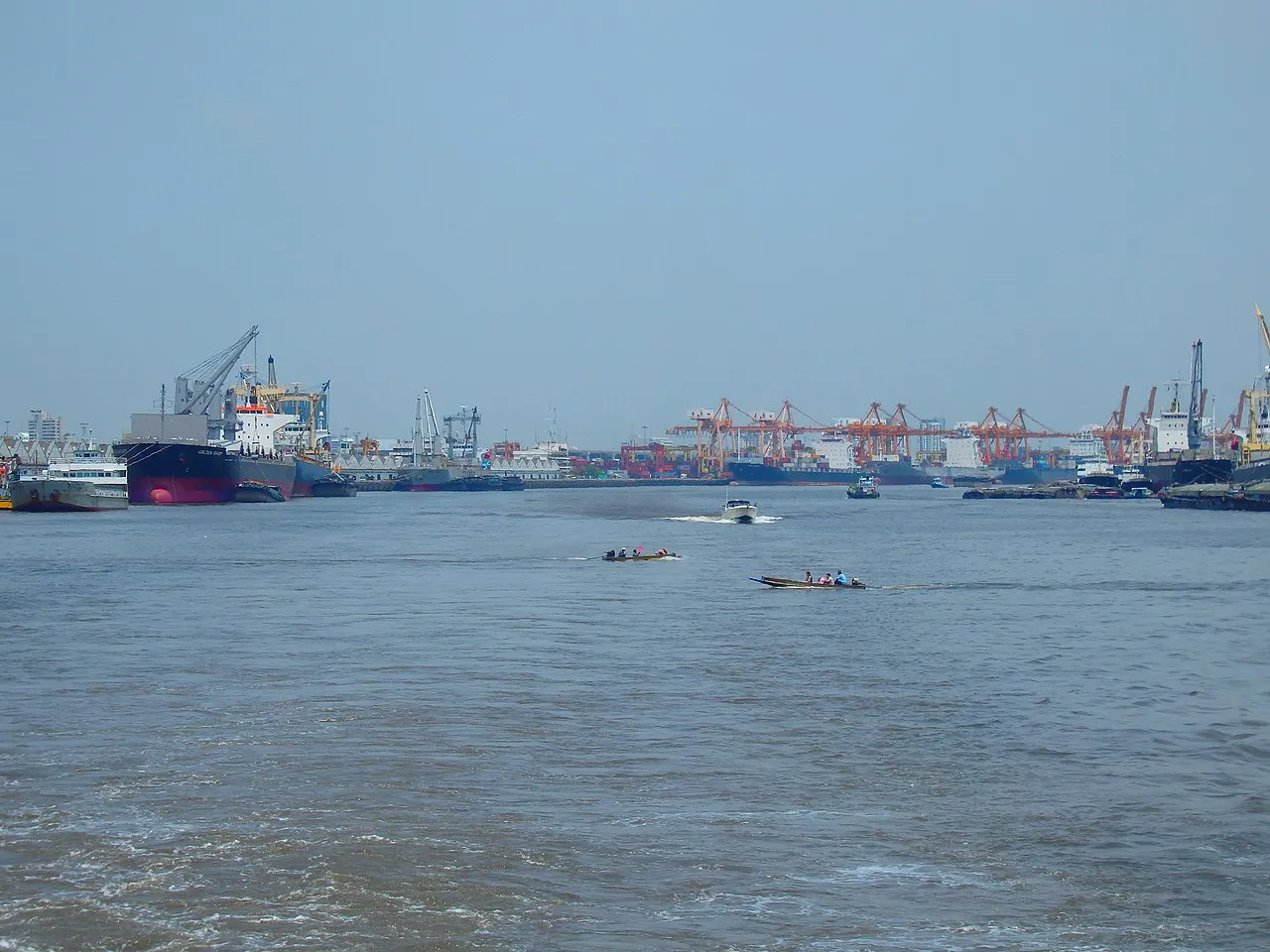
Laem Chabang is Thailand's largest deep-water port, located 120 kilometers (75 miles) southeast of Bangkok. This is primarily an industrial container port, and cruise terminals are functional rather than scenic. Ships dock alongside cargo facilities, and the port area offers nothing worth exploring — your day is about getting to Bangkok or the nearby beach resort of Pattaya, not lingering at the port.
Most cruise lines offer ship excursions to Bangkok, typically departing early morning and returning late afternoon. These are long days (10-12 hours including transit) but professionally organized. Book ahead through your ship excursion desk for guaranteed return timing. The alternative — independent van or car — offers more flexibility but requires trusted transportation. Klook and GetYourGuide offer bookable private transfers.
Accessibility: Bangkok presents significant accessibility challenges. Temples have steps, uneven surfaces, and steep climbs. Streets are crowded and sidewalks irregular. The Chao Phraya river ferries require stepping down into boats. Travelers with wheelchairs or mobility limitations should book private vehicle tours with accessibility-aware guides and focus on ground-level temple areas. The Grand Palace is partially accessible; Wat Arun's steep prang is not.
Getting Around Bangkok
From Laem Chabang port to Bangkok city center is approximately 2 hours by car when traffic cooperates. Bangkok's notorious congestion can extend this considerably — allow buffer time for return to ship. Ship excursions include transportation with guaranteed return. Go independent with private van bookings through Klook ($70-100 for group) or hotel pickup services.
Within Bangkok, the BTS Skytrain and MRT subway efficiently connect modern districts (Sukhumvit, Silom, Siam) but don't reach the old city where temples concentrate. For Grand Palace, Wat Arun, and Wat Pho, you'll need taxis, tuk-tuks, or river boats. Grab (Southeast Asia's Uber equivalent) works excellently and shows fares before booking — no haggling required. Metered taxis are cheap but ensure the driver uses the meter.
The Chao Phraya Express Boat runs along the river with stops near major temples. Tourist boats (blue flag) offer hop-on/hop-off service with English commentary ($5 all-day pass). Local boats (orange flag) are faster and cheaper but require knowing your stop. Cross-river ferries ($0.10) connect Wat Arun to the Grand Palace side. Long-tail boat charters explore canal networks ($20-30 per hour).
Pattaya Alternative: Only 30 minutes from Laem Chabang, Pattaya offers beaches, water sports, and easier logistics for those uninterested in the long Bangkok journey. Ship shuttles typically serve Pattaya as well as Bangkok. Not comparable culturally, but practical for relaxation days.
Bangkok Area Map
Parks & Recreation
Bangkok is not a beach destination — the nearest beaches are at Pattaya (30 minutes from port) or further-flung islands. But the city offers green spaces for those needing respite from temple intensity.
Lumphini Park: Bangkok's Central Park equivalent. Lakes, walking paths, monitor lizards sunning themselves on lawns. Morning tai chi groups and evening joggers. A peaceful contrast to surrounding streets.
Chatuchak Weekend Bazaar: Not a park but an outdoor experience — 15,000 booths covering 35 acres. Open Saturday-Sunday only. Overwhelming, fascinating, and exhausting in equal measure.
Chao Phraya River: The river itself offers recreation via boat tours. Evening dinner cruises provide air-conditioned relief and illuminated temple views. Book ahead through hotel concierges or tour platforms.
Excursions & Activities
Grand Palace and Wat Phra Kaew ($15 entry, 2-3 Hours)
Thailand's most sacred temple complex and essential Bangkok experience. The Temple of the Emerald Buddha contains the nation's most revered Buddha image. Strict dress code enforced — cover shoulders and knees or be turned away. Arrive at opening (8:30 AM) to beat crowds and heat. Audio guides available. Book ahead through ship excursion for guaranteed transportation and timing, or go independent by taxi from other Bangkok locations. Allow minimum 2 hours; photography enthusiasts need more.
Wat Arun Temple of Dawn ($3 entry, 1-1.5 Hours)
Riverside temple with iconic porcelain-encrusted spires. Climb the steep central prang for panoramic river views — bring courage for the near-vertical stairs. Accessible via cross-river ferry from Grand Palace pier ($0.10) or long-tail boat. Morning light is best for photography; sunset views from across the river are equally stunning. Moderate stamina level required for the climb. Those unable to climb can appreciate the base-level architecture.
Wat Pho Reclining Buddha ($10 entry, 1-1.5 Hours)
Home to the 46-meter golden Reclining Buddha and Thailand's first traditional massage school. The temple complex includes 91 stupas and four chapels. Massage services available on-site ($10-15 per hour) — book ahead or arrive early as they fill quickly. Walking distance from Grand Palace. Moderate stamina level for temple grounds; massage requires no exertion.
Chinatown Street Food Tour ($10-30 self-guided/guided, 2-3 Hours)
Yaowarat Road offers Bangkok's most concentrated street food experience. Evening visits (after 5 PM) are best when full stalls operate. Must-try dishes: pad thai, boat noodles, mango sticky rice, grilled seafood. Go independent by walking and eating what looks good, or book ahead through food tour operators for guided introduction with explanations. Moderate stamina level — lots of walking and standing.
Floating Canal Bazaar Day Trip ($50-80 with transport, Half Day)
Damnoen Saduak and Amphawa are the most popular floating trading areas. Sellers offer food and goods from boats along canals — photogenic but heavily touristed. Morning visits essential before crowds peak. Requires 90-minute drive from Bangkok, making this challenging to combine with temple visits on a single port day. Book ahead through ship excursion or tour operator. Consider this only if you're skipping major temples.
Jim Thompson House ($8 entry, 1-1.5 Hours)
Traditional Thai house complex built by the American silk entrepreneur who disappeared mysteriously in 1967. Beautiful architecture, excellent Thai art collection, and air-conditioned respite from heat. Located near BTS National Stadium station. Guided tours only, running every 20 minutes. A civilized alternative to temple intensity. Fully accessible with some steps.
Food & Dining
Bangkok's food scene ranges from $0.50 street stalls to Michelin-starred restaurants. The street food is legendary and safe when you choose busy stalls with high turnover.
Pad Thai ($1-3) — The iconic noodle dish varies by vendor. Thip Samai near the Grand Palace is famous for wrapping it in egg. Street versions are often better than restaurant versions.
Boat Noodles ($0.50-1 per small bowl) — Served in tiny portions, meant to be eaten multiple bowls at a time. Rich pork or beef broth. Victory Monument area has famous boat noodle alleys.
Mango Sticky Rice ($1.50-3) — Sweet rice with fresh mango and coconut cream. Perfect dessert or afternoon snack. Available everywhere during mango season (April-June).
Tom Yum Goong ($3-8) — Hot and sour shrimp soup, Thailand's most famous soup. The "naam khon" version with coconut milk is richer. Available at every Thai restaurant.
Rooftop Bars ($10-20 per drink) — Sky Bar at Lebua (Hangover 2 fame) and Vertigo at Banyan Tree offer stunning sunset views. Dress code enforced (no shorts/sandals). Worth the splurge for the experience.
Local Notices
Temple Dress Code: Cover shoulders and knees at all temples. No tank tops, shorts, short skirts, or tight clothing. Guards turn people away without exception. Cover-ups sold at temple entrances but easier to dress appropriately from start.
Shoes Off: Remove shoes before entering temple buildings. Carry them with you in provided bags or leave at designated areas. Wear socks if concerned about hygiene.
Scams: "Grand Palace is closed today" is never true. Tuk-tuk drivers suggesting alternative temples are running gem shop scams. Use Grab app to avoid taxi meter arguments. Book tours through reputable operators.
Heat Management: Bangkok heat and humidity are intense. Start early, rest during midday, carry water constantly. Air-conditioned malls near temples offer cooling breaks. Jim Thompson House is excellent afternoon refuge.
Return Timing: Allow generous buffer for return to Laem Chabang. Bangkok traffic is unpredictable. Ship excursions guarantee return; independent travelers must manage timing carefully.
Depth Soundings Ashore
Bangkok from Laem Chabang presents a genuine challenge: the two-hour drive each way means you'll spend 4+ hours in transit for 5-6 hours in the city. This math demands efficiency. Ship excursions optimize temple routing but move in large groups. Private vans allow flexibility but require knowing what you want. Neither option is wrong — both deliver Bangkok's essential experiences.
The honest assessment: Bangkok is overwhelming, exhausting, and absolutely worth the effort. The Grand Palace alone justifies the journey. Add Wat Arun's climb, Wat Pho's Buddha, and Chinatown's food, and you've packed more memorable experiences into one day than most ports deliver in three. The fatigue is real but temporary; the memories last.
Worth the cost and effort? For temple seekers and food lovers, unquestionably yes. For beach seekers and relaxation prioritizers, consider Pattaya instead. Bangkok doesn't do casual; it demands engagement and rewards it generously. Book ahead through ship excursions for stress-free logistics or go independent with private transport for flexibility. Either way, arrive at temples early, dress appropriately, and surrender to the beautiful chaos.
Practical Information
- Country
- Thailand
- Port
- Laem Chabang
- Distance to Bangkok
- 120 km (2 hours)
- Currency
- Thai Baht (THB)
- Language
- Thai; English in tourist areas
- Voltage
- 220V (Type A/B/C plugs)
- Time Zone
- ICT (UTC+7)
- Tipping
- Not expected; rounding up appreciated
Photo Gallery




Frequently Asked Questions
Q: How far is Laem Chabang from Bangkok?
A: Approximately 120 kilometers (75 miles), or about 2 hours by car. Bangkok's traffic can extend this significantly — allow buffer time for ship return.
Q: Should I book a ship excursion or go independent?
A: Ship excursions guarantee return timing and handle logistics but move in groups. Private vans offer flexibility but require self-management. Both work well; choose based on your comfort with uncertainty.
Q: What's the dress code for temples?
A: Cover shoulders and knees. No tank tops, shorts, short skirts, or tight clothing. Guards enforce strictly. Cover-ups available at entrances but dressing appropriately from start is easier.
Q: Is street food safe to eat?
A: Yes — choose busy stalls with high turnover (food is fresh). Chinatown's Yaowarat Road is legendary. Start with pad thai, mango sticky rice, and boat noodles if cautious.
Q: Can I see Bangkok in one port day?
A: Yes, but you must be efficient. Focus on Grand Palace/Wat Phra Kaew, Wat Arun, and either Wat Pho or Chinatown food. Trying to see everything guarantees seeing nothing well.
Q: What about Pattaya instead?
A: Pattaya is only 30 minutes from Laem Chabang and offers beaches, water sports, and easier logistics. It lacks Bangkok's cultural depth but works well for relaxation-focused port days.
Q: When is the best time to visit Bangkok?
A: The glance Temperature reads "71-95°F year-round heat" and Rain reads "Wet season May-Oct; dry Nov-Apr." The hazard-note adds: "The heat index frequently exceeds 110°F in April. Afternoon monsoon rains often cause flash flooding."
Q: When is Bangkok's storm season?
A: The hazard-note on this page reads: "Wet season floods can paralyze traffic for hours. The heat index frequently exceeds 110°F in April. Afternoon monsoon rains often cause flash flooding." The glance Rain entry reads "Wet season May-Oct; dry Nov-Apr." For current tropical-system status on a specific sailing date, use the live weather widget in the seasonal panel above.
Q: What should I pack for Bangkok's weather?
A: The glance Temperature reads "71-95°F year-round heat" and Humidity "Moderate dry season; high wet season." The Packing Tips section lists "Sunscreen and sunglasses — essential year-round"; "Light layers for variable temperatures"; "Comfortable walking shoes for exploring"; "Rain jacket or compact umbrella." For temple visits, see the dress-code FAQ on this page.
Q: Will rain ruin my Bangkok port day?
A: The glance Rain entry reads "Wet season May-Oct; dry Nov-Apr." The hazard-note adds: "Wet season floods can paralyze traffic for hours. Afternoon monsoon rains often cause flash flooding." For short-term forecasts on a specific sailing date, the live weather widget in the seasonal panel above is the primary source.
Last reviewed: February 2026