

Captain's Logbook
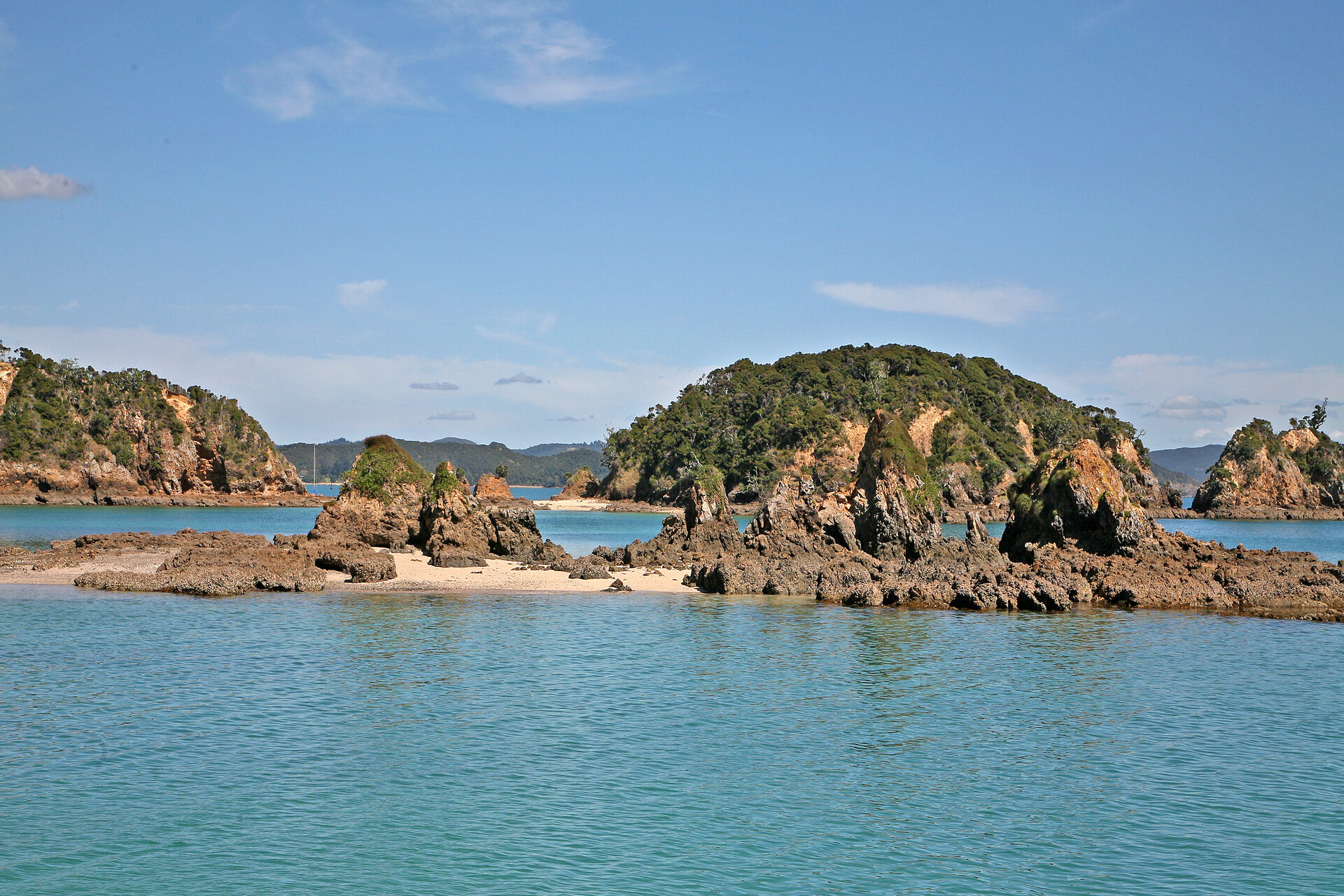
The tender wound through island after island — 144 of them scattered across this subtropical bay like emerald stepping stones placed by giants who forgot to count. Each one wore a crown of pohutukawa trees, their red blossoms dripping toward water so blue it looked digitally enhanced. My hands gripped the railing as dolphins surfaced alongside our boat, riding the bow wake for pure joy. Their clicks and whistles carried across the calm morning. Welcome to Bay of Islands, where every approach feels like entering paradise through the back door.
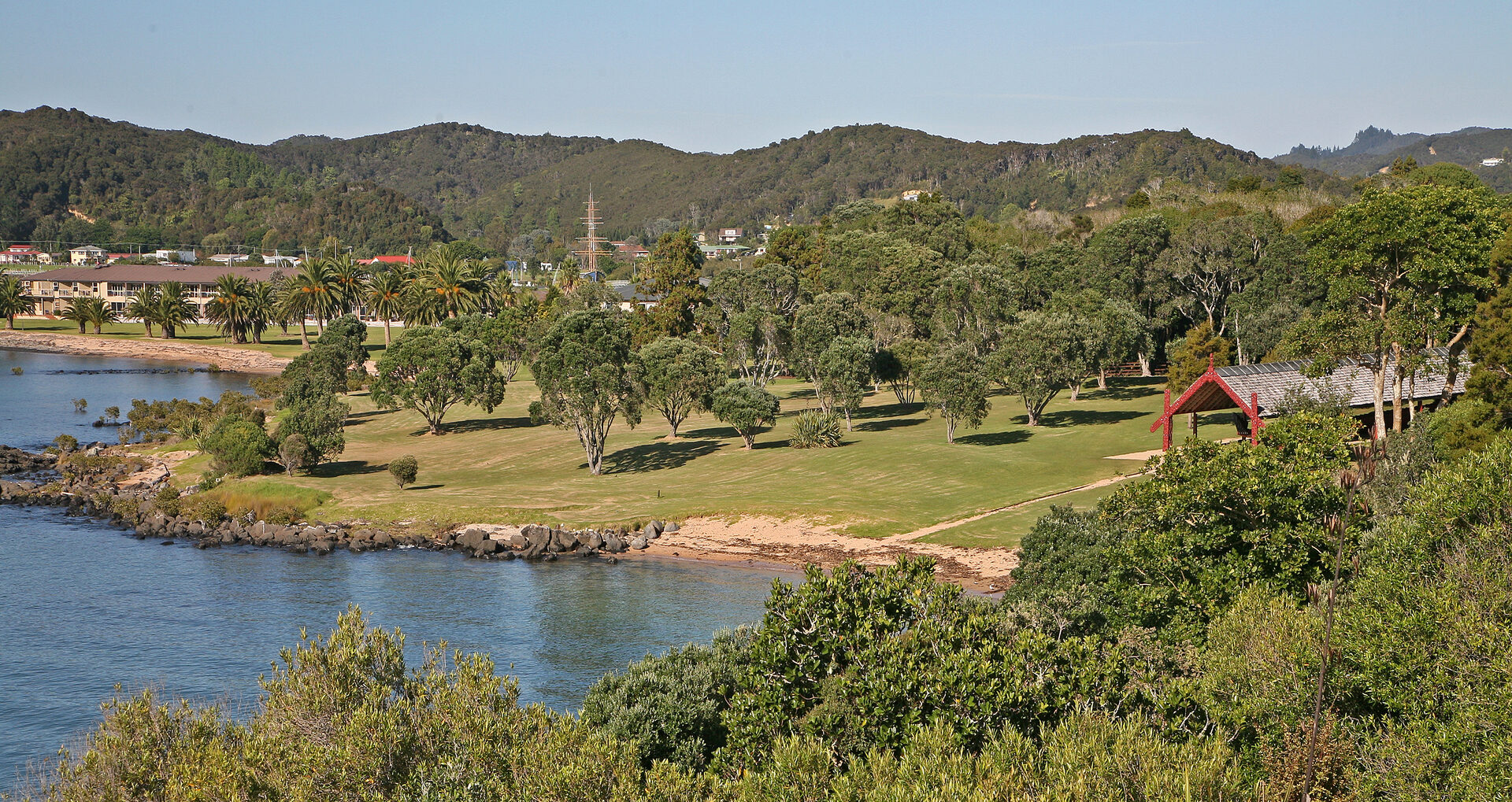
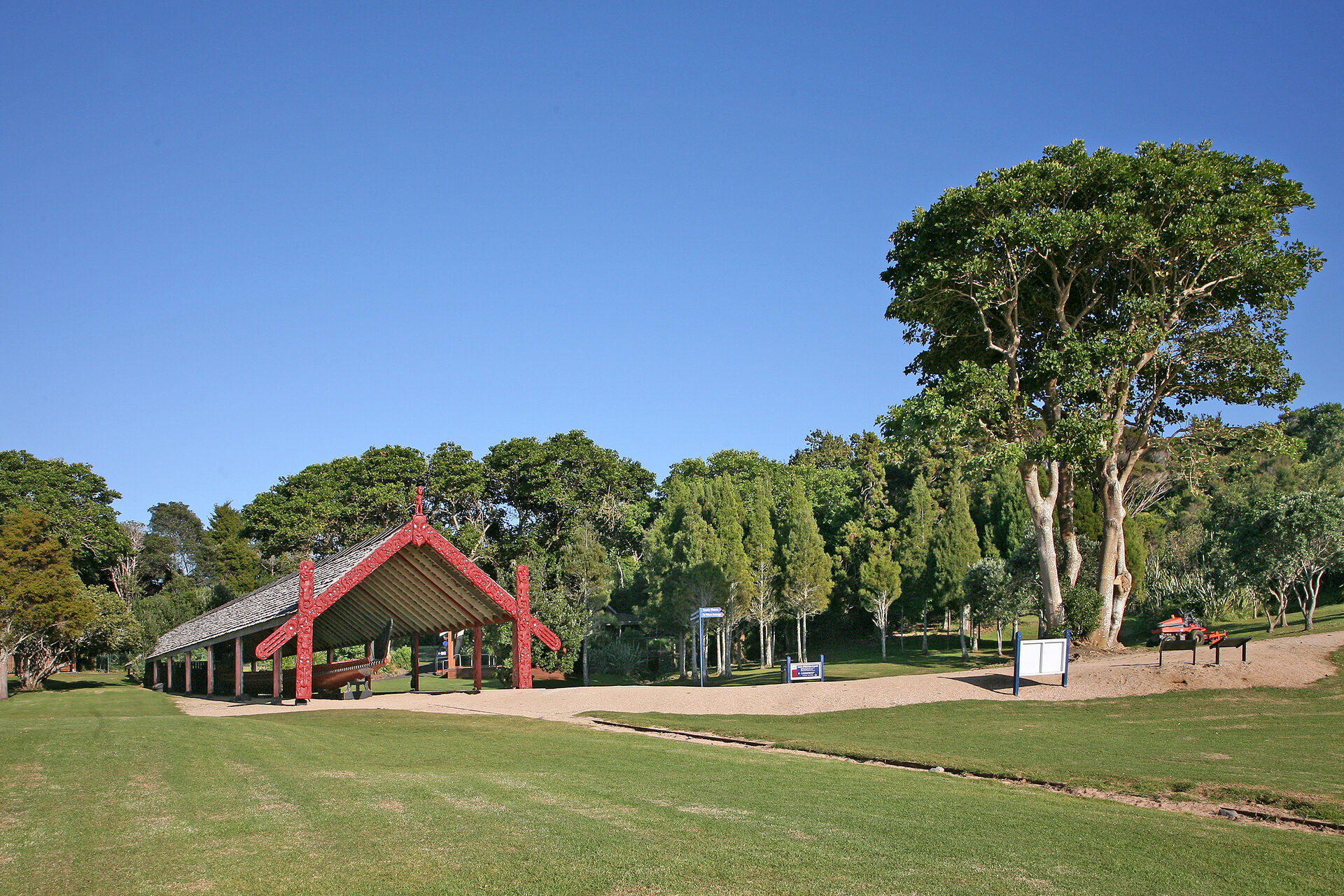
I stepped onto the Waitangi dock with goosebumps despite the warm air. This is where New Zealand was born. On February 6, 1840, Maori chiefs and British Crown representatives gathered to sign the treaty that created a nation. The Treaty House still stands overlooking the bay — a simple white colonial building that has witnessed nearly two centuries of complicated reconciliation. I walked the grounds slowly, past the magnificent carved meeting house that represents all tribes, past the 35-meter waka (war canoe) that took five years to carve from a single kauri tree. However, what stayed with me wasn't the artifacts. It was the Maori performance — the haka war dance performed with such intensity the ground seemed to vibrate beneath my feet, then immediately afterward sitting for a hangi feast where strangers became whanau (family) over food cooked in the earth itself.
The smell of that hangi — smoke and sweetness rising from the ground — still comes back to me unexpectedly. I watched the earth being opened, felt the steam on my face, heard the women singing as they lifted the baskets of food. Kumara, chicken, lamb, all infused with that earthy flavor you can't replicate anywhere else. We ate together under the trees, strangers from a cruise ship suddenly part of something older than any of our countries.
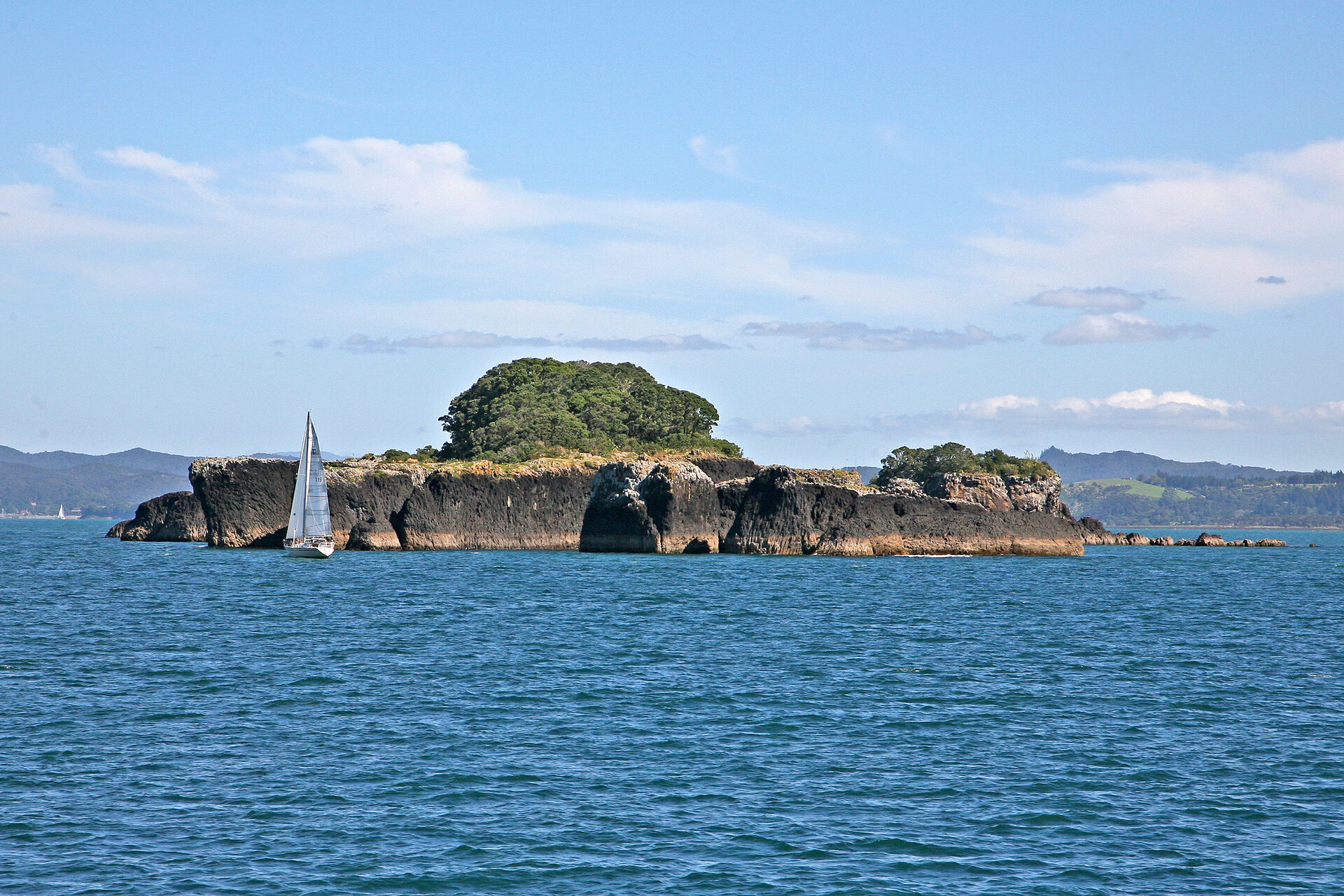
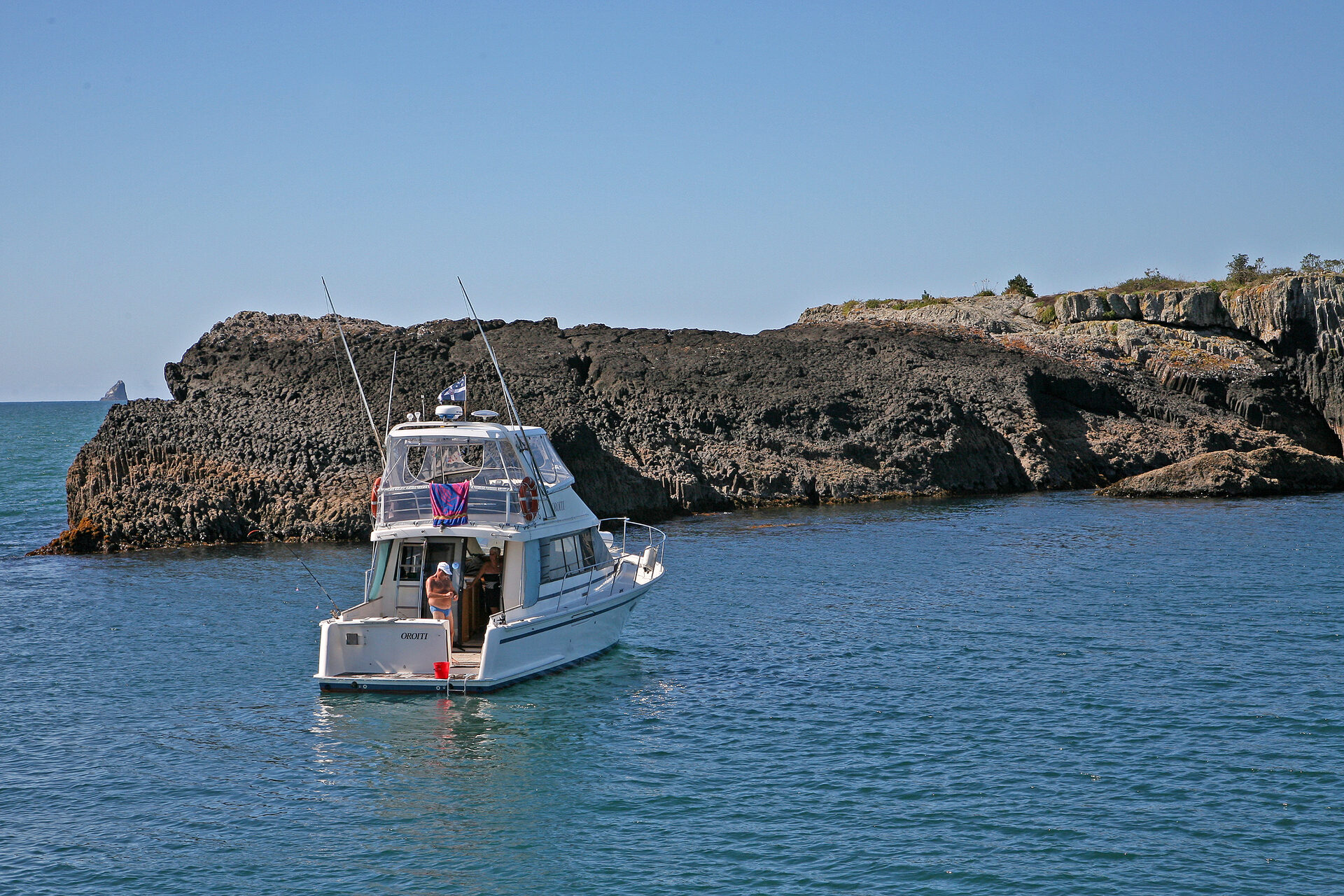
The Hole in the Rock cruise delivered exactly what the brochures promise, yet somehow exceeded expectations. Our captain timed the swells perfectly, threading through Piercy Island's natural archway while rock walls towered overhead. I held my breath for those few exhilarating seconds before we burst back into open ocean. Dolphins appeared without warning — bottlenose pods riding our wake, leaping just because they could. Swimming with them felt less like a tour and more like being invited into their morning routine. Nevertheless, the dolphins decide whether they want to play. Ours did. The water was cold at first contact, but watching a dolphin swim within arm's reach made me forget everything else.
Russell beckoned from across the bay — five minutes by ferry, 180 years back in time. This sleepy village of Victorian villas and rose gardens was once New Zealand's wildest whaling port, a place sailors called "the rowdiest town in the Pacific." Today the only drama comes from bougainvillea spilling over white picket fences. I walked to Christ Church, New Zealand's oldest surviving church, and found musket ball holes from an 1845 battle still visible in its walls. The past doesn't hide here; it just puts on better manners. I sat in a pew for a few minutes, grateful for the quiet after the haka's thunder.
Haruru Falls thundered into its horseshoe basin as I rounded the final bend of the bush trail. The 27-meter drop sends mist across anyone who gets close, and the Maori name — meaning "big noise" — felt like understatement. I had walked twenty minutes through native forest from Waitangi, birdsong my only company. The ferns brushed my arms; the mud grabbed at my shoes. Swimming in the pool at the base, I thought about how New Zealand protects both its past and its wilderness with equal ferocity. Worth every soggy step back to the tender.
Bay of Islands demands you slow down. The tender schedule fights against this — there's tendering time, queue time, the pressure to see everything before all-aboard. But I learned to let go. One island at a time. One dolphin leap. One haka that shakes the ground. This is where New Zealand began, and rushing it would miss the point entirely. The greenstone pendant still hangs above my desk. When I touch it, I hear her voice: We're still here. Still singing. And I understand that some gifts aren't meant to be repaid — only carried forward.
The Cruise Port
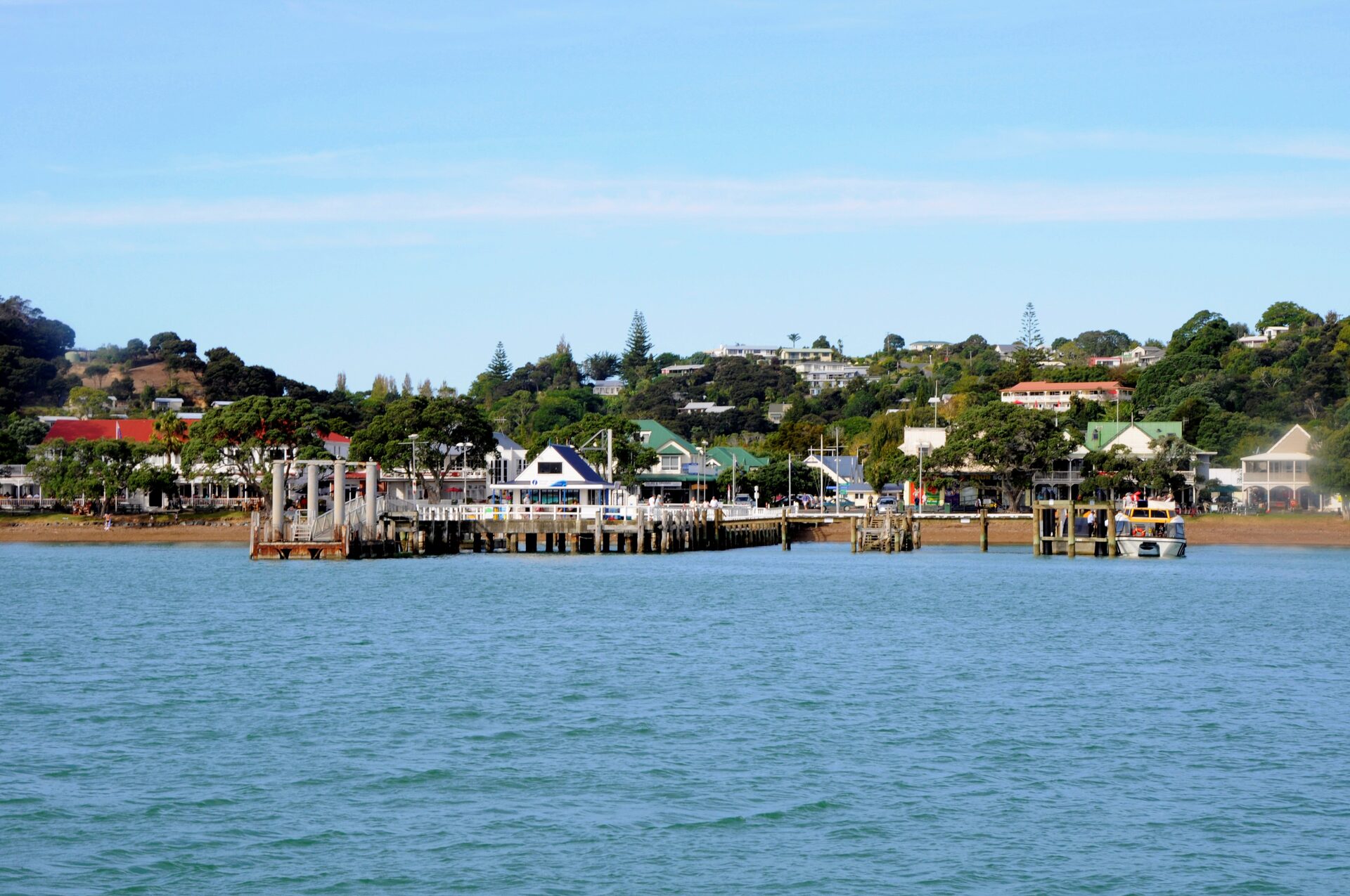
Tender Port: Cruise ships anchor in the bay and tender passengers ashore. This is not a dock facility — you'll take small boats either to Paihia (main town) or Waitangi (adjacent to Treaty Grounds). The tender ride takes 15-20 minutes and is genuinely beautiful, threading through islands with dolphins often visible.
Two Landing Options: Paihia offers immediate access to cafes, tour operators, and the ferry to Russell. Waitangi lands you within walking distance of the Treaty Grounds. Some ships alternate or offer both. Check your ship's schedule.
Tender Queues: This is a tender port's reality. Go early to avoid waits. Build buffer time for return. If booking independent tours, account for tendering uncertainty — ship excursions guarantee the ship waits for you.
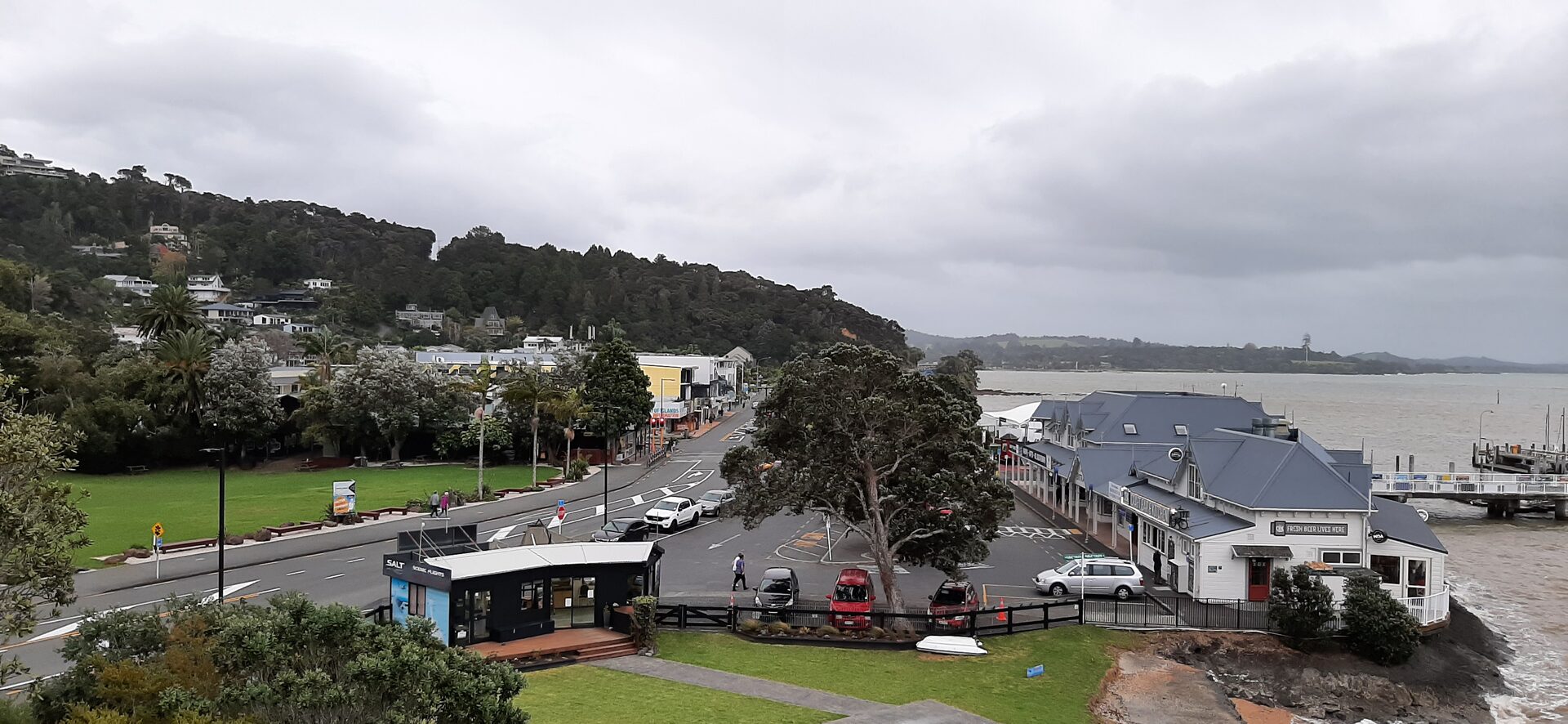
Facilities: Paihia has ATMs, restrooms, cafes, and tour desks right on the waterfront. Waitangi has the Treaty Grounds visitor center. Neither landing is far from essentials. Low stamina level for waterfront exploring; moderate stamina for Treaty Grounds or Russell.
Accessibility: Tender boats require stepping down into small vessels — challenging for wheelchair users. However, once ashore, Paihia waterfront is flat. Treaty Grounds has paved paths to main attractions but some areas involve hills. Russell ferry accessible with assistance.
Getting Around
Walking: Paihia waterfront is compact and walkable. Waitangi Treaty Grounds require 2-3 hours to see everything — paved paths but some hills. Russell is walkable once you ferry over. Haruru Falls trail is a 20-minute walk from Waitangi through native bush. Low to moderate stamina level depending on your ambitions.
Passenger Ferry: Paihia to Russell takes 5 minutes. Costs about NZD $15 return. Ferries run frequently throughout the day. Scenic ride across the bay with dolphins often visible. Book ahead during peak season or arrive early.
Taxis and Shuttles: Available in Paihia for reaching Kerikeri (25 km north) or beaches. Expect NZD $80-100 return to Kerikeri. No Uber or Lyft in this region. Taxis reliable but book ahead if you have specific timing needs.
Rental Car: Worthwhile if you want independent exploration — Kerikeri sites, remote beaches, wineries. Major agencies in Paihia. Left-side driving. Costs NZD $60-80/day. Gives freedom but adds tender timing stress.
Ship Excursions vs. Independent: Ship excursions guarantee the vessel waits for you. Independent bookings through local operators (Fullers for Hole in the Rock) often cost less — NZD $110-150 vs. ship's $180-220. But if you go independent, build buffer time for tender delays. Ship excursions offer peace of mind; independent offers better value for confident travelers.
Bay of Islands Area Map
Interactive map showing tender landings, Waitangi Treaty Grounds, Russell ferry, Hole in the Rock departure, and key attractions across the bay.
Beaches
Paihia Beach: Right at the tender landing — convenient for a quick swim. Calm water, gentle slope, lifeguards during summer. Basic facilities nearby. Gets busy when ships are in. Free.
Long Beach (Russell): Quieter alternative across the bay. Take the ferry, then 15-minute walk. White sand, calm water, pohutukawa trees for shade. Feels more local. Low stamina level.
Coopers Beach: 25 km north, requires transport. One of New Zealand's most beautiful beaches — long stretch of golden sand, safe swimming. Less crowded than Paihia. Worth the drive if you have time.
Excursions & Activities
Waitangi Treaty Grounds (NZD $60, 2-4 Hours)
New Zealand's birthplace and most significant place. The Treaty House overlooks the bay where the founding document was signed in 1840. Explore the magnificently carved Maori meeting house representing all tribes, the 35-meter war canoe that holds 80 warriors, and the museum chronicling the treaty's complex legacy. Haka performances with poi dance and ancestral songs are spine-tingling and run at specific times — usually 11am, 1pm, 2:30pm. Book ahead for performance times or take a ship excursion for guaranteed return. This is essential — don't skip it. Moderate stamina level for full grounds exploration.
Hole in the Rock Dolphin Cruise (NZD $110-150, 4-6 Hours)
Scenic boat trip to Piercy Island's natural archway. When conditions allow, your captain navigates directly through the hole — thrilling with rock walls towering overhead. Wild bottlenose dolphins commonly join the boat, riding bow wake and leaping. Some tours offer swimming with dolphins (bring swimsuit). Dolphin sightings nearly guaranteed; swimming depends on their mood. Book ahead through Fullers or other local operators — often better value than ship excursions. Low stamina level. Magical experience worth every dollar.
Russell Village Day Trip (NZD $15 ferry, 2-3 Hours)
Five-minute ferry from Paihia to New Zealand's first European settlement. Once the rowdiest whaling port in the southern seas with more grog establishments than houses. Today a charming village of Victorian villas, rose gardens, and waterfront cafes. Visit Christ Church (1836) with musket ball holes from 1845 battle still visible. Russell Museum tells the colorful past. Pompallier Mission (1842) shows early Catholic printing press. Go independent — this is an easy ferry ride, no tour needed. Low stamina level for wandering.
Swimming with Dolphins (NZD $150-180, 3-4 Hours)
Wild dolphin encounters are Bay of Islands specialty — bottlenose dolphins year-round, orcas occasionally. Several operators offer swimming tours with high success rates. Swimming depends on dolphins' willingness to interact; sightings nearly 100%. Most operators offer refunds or return trips if no dolphins appear. Ship excursions available but local operators often cheaper. Bring swimsuit and sense of wonder. Book ahead as spots fill quickly.
Haruru Falls Walk (Free, 1 Hour)
Beautiful horseshoe waterfall dropping 27 meters over basalt cliffs. Easy 20-minute walk from Waitangi Treaty Grounds through native bush. Swimming hole at base. Free access. Best after rain when falls flow strong. Go independent — no tour needed. Watch for sandflies near the water. Low stamina level. Combine with Treaty Grounds visit for a half-day experience.
Local Food & Drink
Fresh Seafood: Snapper, crayfish (rock lobster), green-lipped mussels, oysters straight from the bay. Fish and chips on Paihia waterfront is essential. Incredibly fresh. Budget NZD $15-25 for quality fish and chips.
Hangi Feast: Maori earth-oven meal cooked underground — meat, kumara (sweet potato), vegetables steamed over hot stones. Some Waitangi performances include hangi. Earthy, smoky, unforgettable flavor. NZD $80-120 with performance.
Kumara (Sweet Potato): Maori staple brought from Polynesia. Purple, orange, and gold varieties. Sweeter and denser than American sweet potato. Try kumara chips anywhere.
Flat White: New Zealand coffee equals Australia. The flat white originated here. Cafes everywhere in Paihia make them perfectly. NZD $5-7.
L&P (Lemon & Paeroa): Iconic Kiwi soft drink — "World famous in New Zealand." Sweet nostalgia in a bottle. Try it once.
Current Notices
Tender Timing: This is a tender port with variable queuing times. First tenders fill quickly; go early or expect waits. Build buffer for return tendering.
Performance Times: Waitangi Treaty Grounds performances run at specific times. Check current schedule when you arrive.
UV Intensity: New Zealand has intense UV due to thinner ozone layer. Sunburn sneaks up quickly even on cloudy days. Sunscreen, hat, sunglasses essential.
Depth Soundings
The Cons: Tender ports mean waiting. The queue for first tenders starts early, and return queues can stress your day. Ships anchor far out — budget 20+ minutes each way just for transport. If seas are rough, tendering may be delayed or cancelled entirely. That uncertainty complicates independent tour bookings.
Bay of Islands is beautiful but spread out. The 144 islands sound magical, yet you'll see most from boat decks, not up close. Kerikeri's oldest buildings require transport (30+ minutes each way). The Treaty Grounds deserve half a day minimum, which conflicts with doing everything else. You'll have to choose.
Swimming with dolphins isn't guaranteed — the dolphins decide. Most operators have high sighting rates, but swimming depends on the animals' mood. Book with operators who offer refunds if dolphins don't appear. Nevertheless, just seeing them from the boat is worthwhile.
Sandflies near mangroves and wetlands can be fierce. Bring insect repellent for Haruru Falls walk. New Zealand's UV is intense — sunburn happens faster than you expect. Yet these are manageable nuisances, not dealbreakers. Bay of Islands rewards those who plan for tender timing and accept that one day can't cover everything.
Practical Information
Currency: New Zealand Dollar (NZD). Currently about 0.60 USD. Credit cards widely accepted; ATMs in Paihia.
Language: English, Te Reo Maori (both official). "Kia ora" (hello) and "ka kite" (goodbye) appreciated.
Tipping: Not customary but appreciated for exceptional service.
Driving: Left side. International license accepted. Rental cars available in Paihia.
Best Season: Year-round subtropical climate. December-February warmest (NZ summer). Pohutukawa blooms red at Christmas. May-September for whale watching.
Power: Type I plugs, 230V. Adapter needed for US/EU devices.
Photo Gallery
Frequently Asked Questions
Q: Is Bay of Islands a tender port?
A: Yes. Ships anchor in the bay and passengers take small boats to Paihia or Waitangi. The tender ride takes 15-20 minutes. Build buffer time for queuing both ways.
Q: How do I get to Waitangi Treaty Grounds?
A: If your ship tenders to Waitangi dock, it's a short walk. From Paihia, it's about 1.5 km (20 minutes walking) or a quick taxi ride. Ship excursions also available.
Q: Can I swim with wild dolphins?
A: Yes. Bottlenose dolphins are common year-round. Several operators offer swimming tours. Sightings are nearly guaranteed; actual swimming depends on dolphins' mood that day.
Q: What is the Hole in the Rock?
A: A natural archway carved through Piercy Island. Boat tours navigate through when conditions allow — thrilling experience with rock walls towering overhead.
Q: Is Russell worth visiting?
A: Absolutely. Five-minute ferry from Paihia to New Zealand's first European settlement. Charming village with Christ Church (musket ball holes from 1845 still visible), waterfront cafes, Victorian villas.
Q: Should I book tours through ship or independently?
A: Ship excursions guarantee the ship waits. Independent bookings through Fullers and others are often cheaper (NZD $110-150 vs. $180-220). But account for tender timing uncertainty if going independent.
Q: When is the best time to visit Bay of Islands?
A: Cruise season is the NZ summer Oct-Mar with warm weather and the dolphin-tour, Hole-in-the-Rock, and swim windows all open. Winter (Jun-Aug) brings frontal storms and is well outside the cruise window. Late summer (Feb-Mar) is warmest but carries the ex-tropical-cyclone risk. The live weather widget in the seasonal panel above is the primary source for short-term conditions on a specific sailing date.
Q: When is Bay of Islands' storm season?
A: The Weather Hazards panel above labels Bay of Islands' heavy-weather window "Heavy Weather (Winter & Ex-Tropical)" with "Season: Jun – Aug (winter); occasional ex-tropical Jan – Mar" and "Peak risk: Jul, Aug." The hazard-note explains: "Bay of Islands sits at ~35°S on NZ's far-northern coast — south of the main South Pacific cyclone basin but close enough to receive downgraded ex-tropical systems in summer. Winter (Jun-Aug) brings frontal storms with wind and rain; high seas can suspend tender service from the offshore anchorage." For current conditions on a specific sailing date, the live weather widget in the seasonal panel above is the primary source.
Q: What should I pack for Bay of Islands' weather?
A: Layers for variable weather, a waterproof jacket for fast-moving showers, comfortable walking shoes for the Waitangi grounds and Russell's wooden boardwalks, swimwear if you plan to swim with dolphins or hit the beaches, and very high-SPF sunscreen (50+) — NZ ozone exposure is notably high even on overcast days.
Q: Will rain ruin my Bay of Islands port day?
A: Rain rarely shuts down the day on its own, but it can compound with wind to suspend tender operations from the offshore anchorage. Light rain leaves the Waitangi Treaty Grounds visitor centre, Russell's Christ Church and Pompallier Mission House, and the Paihia cafés all viable. Hole-in-the-Rock boat tours run in light weather but skip the arch transit on high-sea days. The live weather widget in the seasonal panel above is the primary source for short-term forecasts on a specific sailing date.
Last reviewed: February 2026
This guide draws on firsthand experience from a 2024 visit, supplemented by fellow cruisers and careful research.