


Photo: Wikimedia Commons (CC BY-SA)
My Thoughts: The Bilbao Effect Changed Everything
The ship docked at Getxo, fifteen kilometers from the heart of Bilbao, and I stood on deck watching the morning light catch the distant hills. This wasn't always a city of shimmering titanium and art pilgrims. Eight centuries ago, this was a whaling village clinging to the Nervión River, and even into the 1980s, Bilbao meant steel mills and industrial smoke. But on October 18, 1997, King Juan Carlos I opened the doors to Frank Gehry's Guggenheim Museum, and everything changed. I had come to witness what urban planners now call the "Bilbao Effect" — the audacious theory that a single building could resurrect a dying city.
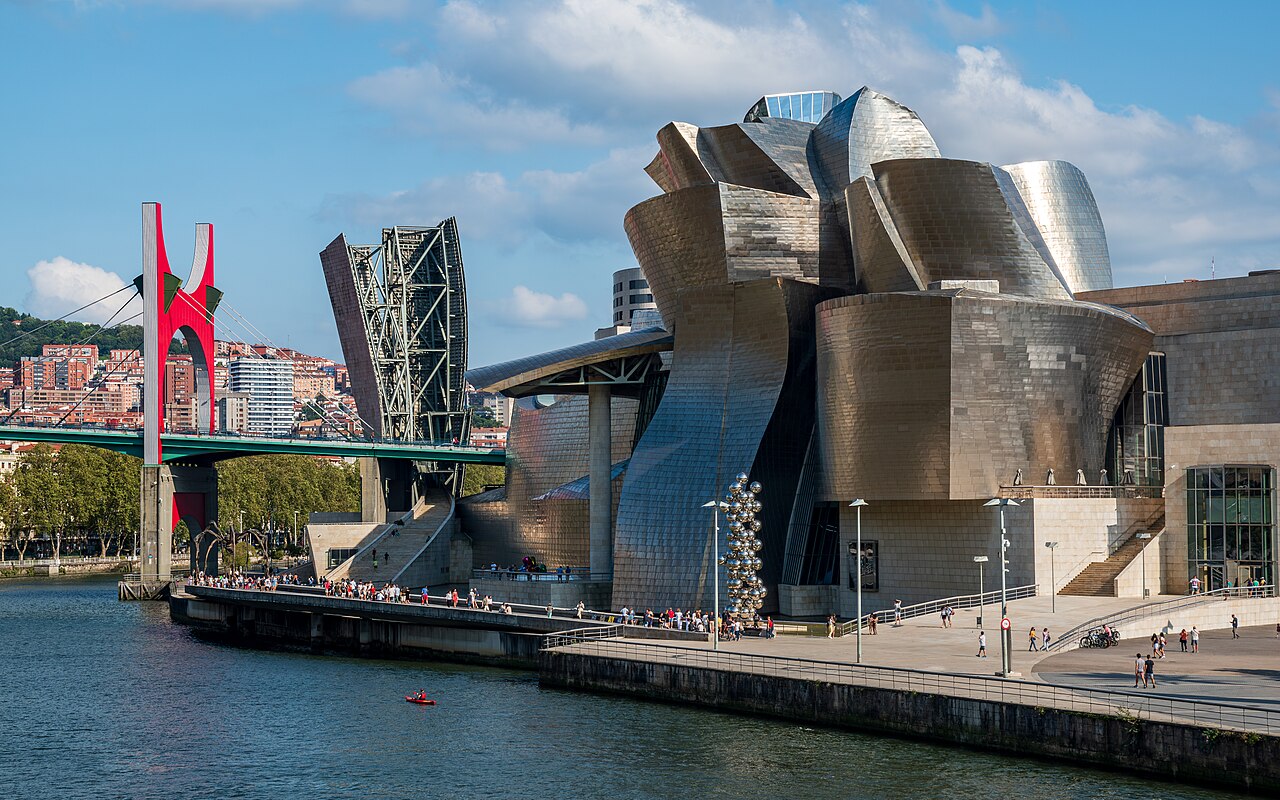
I took the tram into the city, and the museum appeared exactly as I'd hoped — a silver ship unfurling along the riverbank, its curves catching light differently from every window. This wasn't cheap dreaming: the Basque government invested one hundred million dollars on construction, fifty million more for art acquisitions, and twenty million as a licensing fee to the Guggenheim Foundation. At the time, critics called it madness. However, a 2010 World Architecture Survey called it the most important building constructed since 1980. Standing before it, I understood why. The titanium panels seem to breathe, shifting from silver to gold to rose depending on the angle of the sun. I walked around the entire building three times before going inside.
And there, guarding the entrance like a benevolent giant, sat Puppy — Jeff Koons' twelve-meter highland terrier sculpted entirely from living begonias. Forty thousand flowers bloomed across his steel frame, replanted twice yearly by gardeners on scaffolding. Children squealed with delight. I found myself grinning like a child too. Even the most jaded art critic can't resist a topiary dog the size of a building. Though I've seen countless famous sculptures, Puppy somehow transcends irony — it's simultaneously silly and sublime, commercial and heartfelt. I photographed it from every angle.
Inside, the museum breathed differently than any I've experienced. Gehry's curves weren't mere decoration — the space itself felt organic, light pouring through skylights onto white galleries that curved and flowed like frozen waves. I wandered into Richard Serra's "The Matter of Time," eight massive steel spirals that towered above me like rusted tornadoes frozen mid-spin. Walking between those weathered Cor-Ten walls, my footsteps echoed strangely, sound warping against the curves until I felt I was inside some ancient metal cathedral. Time did feel different there. I stood still and let the steel bend the world around me. In contrast to the busy exterior, the interior offered moments of profound stillness.
By afternoon, hunger drove me into Casco Viejo, the Old Quarter. These narrow stone streets date to the fourteenth century, their medieval bones still intact beneath the modern paint. I climbed past the Gothic arches of the Cathedral of Santiago, completed at the century's end when Bilbao was just finding its mercantile legs. Plaza Nueva opened before me, its arcaded square filled with outdoor tables and the musical clatter of glasses and conversation. The wheelchair-accessible areas of the old town follow the main routes, though some medieval cobblestones prove challenging for mobility devices. I noticed several pintxos bars had step-free entrances along the main plaza.
I settled into La Ribera Market, the beating heart of Basque food culture. Vendors called out in Euskara, that ancient language unrelated to any other tongue on earth. I pointed and nodded my way through a pintxos crawl: gilda skewers (€2.50 each) of olive, anchovy, and pickled pepper; txangurro spider crab (€8) baked in its own shell; seared foie gras with apple compote (€6); all of it washed down with txakoli (€3 per glass), that tart white wine poured from theatrical heights to aerate the pour. This wasn't tourist food. This was how Basques have eaten for generations — small bites, big flavors, everything shared at the bar.
As the sun lowered, I thought of Guernica, just thirty kilometers away. In 1937, Nazi bombers reduced that town to rubble in three hours, a dress rehearsal for the horrors to come. Picasso's painting immortalized the screaming horses and shattered bodies, but the town rebuilt. Bilbao rebuilt too, though its wounds were economic, not military. The Guggenheim wasn't just a museum — it was proof that beauty could heal what industry destroyed. My eyes welled with tears I couldn't explain, something about resilience and hope rising from the ashes of destruction. I took the funicular (€4.40 round trip) up Mount Artxanda at dusk, watching the entire city unfold below me: the titanium museum glowing beside its river, the Gothic towers of the old town, the modern bridges arcing across the water. Bilbao had become a pilgrimage site for a new kind of believer — those of us who trust that art and architecture can genuinely transform human life.
I recommend Bilbao for anyone who believes that a building can change your perspective on what cities can become. Though the port is distant from the city center, the journey itself is part of the experience — watching industrial heritage give way to contemporary masterpiece as the tram follows the river. For art lovers, this is essential. For the architecturally curious, this is unmissable. For those who think museums are boring, the Guggenheim might just change your mind. On the other hand, if you're seeking beaches or nature, other Basque Country ports might serve you better.
Weather & Best Time to Visit
Cruise Port Overview
Bilbao's cruise terminal sits at Getxo, approximately fifteen kilometers downstream from the city center on the Bay of Biscay. The port handles a moderate number of cruise calls annually, primarily from Mediterranean repositioning cruises and Northern European itineraries. Ships typically dock at the Getxo cruise berth, which offers basic facilities including a small terminal building, taxi queue, and tour bus staging area.
The distance from port to city center shouldn't discourage you — Bilbao's excellent public transport makes the journey straightforward. Most cruise lines offer shuttle buses (€15-20 round trip) directly to the Guggenheim area, which is the most efficient option for those prioritizing museum time. Independent travelers can take tram Line 1 from Algorta station (about 1 kilometer from the port) directly into central Bilbao for approximately €3 each way. The scenic riverside journey takes about 30 minutes and offers glimpses of Bilbao's industrial-to-cultural transformation.
For accessibility, the tram system features level boarding and wheelchair spaces, making it a good option for travelers with mobility devices. The cruise terminal area is flat, though the walk to Algorta tram station involves some inclines. Many cruise lines offer accessible transportation upon request — book ahead with your cruise line's shore excursion desk to ensure availability.
Getting Around
Once you reach central Bilbao, the city is wonderfully walkable, with the major attractions clustered along the Nervión River. Here's how to navigate:
- Walking: The Guggenheim sits right along the river promenade, and from there it's a pleasant twenty-minute stroll across the Zubizuri footbridge (Calatrava's white arc) into the Old Quarter. Casco Viejo's medieval streets are mostly pedestrianized. Wear comfortable shoes — you'll cover significant ground exploring properly.
- Tram (€1.50-3): Metro Bilbao's tram Line 1 connects the port area (Algorta) through the city center to Casco Viejo. Clean, efficient, and wheelchair accessible with level boarding. Single tickets €1.50; day passes available. Runs every 8-15 minutes.
- Metro (€1.85-2.40): Norman Foster-designed stations are architectural statements themselves. Useful for reaching neighborhoods beyond the tourist core, though the tram covers most cruise visitor needs. The Moyua station is closest to the Guggenheim.
- Taxi (€15-30): Readily available throughout the city. From the cruise port to Guggenheim approximately €25-30. From Guggenheim to Casco Viejo about €8-10. Taxis are metered and reliable; credit cards accepted in most.
- Funicular de Artxanda (€4.40 round trip): Historic funicular railway climbing Mount Artxanda for panoramic city views. The station is a 10-minute walk from the city center. Essential for sunset photographers and anyone wanting to see the Guggenheim from above.
- Accessibility: Central Bilbao is reasonably accessible, with the riverfront promenade and main tourist routes featuring smooth pavement and curb cuts. The Guggenheim offers full wheelchair access and mobility equipment loans. However, Casco Viejo's medieval cobblestones present challenges — stick to Plaza Nueva and main thoroughfares for the smoothest paths.
Bilbao Area Map
Interactive map showing cruise terminal at Getxo, Guggenheim Museum, Casco Viejo, and major attractions.
Top Excursions & Things to Do
Booking guidance: Guggenheim tickets should be booked online 1-2 weeks ahead during summer. Ship excursions offer convenience; independent exploration offers flexibility. Book ahead for guaranteed return to ship on time.
Guggenheim Museum Bilbao (€18 adults, €9 students)
ESSENTIAL. Frank Gehry's 1997 masterpiece remains the most important museum building of its era. Budget 3-4 hours minimum. Don't miss Serra's "The Matter of Time" steel spirals on the ground floor — walk through them slowly. Koons' Puppy guards the entrance. Book timed-entry tickets at guggenheim-bilbao.eus to skip queues. Audio guides €5 extra. The museum shop offers excellent architecture books and unique gifts.
Casco Viejo Walking (Free-€15)
Medieval Old Quarter with fourteenth-century streets, Gothic cathedral, and endless pintxos bars. Start at Plaza Nueva (arcaded square, excellent for pintxos crawling), wander to Santiago Cathedral, explore the Siete Calles (Seven Streets) shopping district. Free to wander independently; guided walking tours €12-15 provide historical context. Allow 2-3 hours for proper exploration.
La Ribera Market (Free entry, €15-25 for food)
Europe's largest covered market, recently renovated. Fresh seafood, Basque cheeses, cured meats, and counter-service restaurants serving fresh pintxos. Best visited mid-morning before cruise crowds arrive. Great place to assemble a picnic or simply graze your way through Basque cuisine. The market building itself is Art Deco gorgeous.
Pintxos Crawl (€20-40)
The proper Basque way: hop from bar to bar, ordering one or two small plates at each with a glass of txakoli or wine. Casco Viejo and Plaza Nueva are prime hunting grounds. Point at what looks beautiful, eat standing at the bar, pay as you go, move on. Budget €2-4 per pintxo, €3-4 per drink. Ship excursions offer guided food tours; independent crawling is equally rewarding.
Mount Artxanda Funicular (€4.40 round trip)
Historic funicular railway (since 1915) climbing to panoramic viewpoint above the city. The Guggenheim gleams below, the river curves through the valley, and on clear days you can see the Cantabrian Mountains. Essential for photographers, especially at sunset. Small park and restaurants at the summit. Allow 1-1.5 hours for the round trip including viewing time.
Guernica Day Trip (€50-80 ship excursion)
The town destroyed by Nazi bombing in 1937, immortalized by Picasso. Thirty kilometers from Bilbao, the rebuilt town features the Peace Museum documenting the attack and a replica of Picasso's painting. Only recommended for those with deep interest in Spanish Civil War history — it's sobering rather than entertaining. Ship excursions typically include the nearby Urdaibai Biosphere Reserve for contrast.
Food & Dining
Bilbao sits in Spain's culinary heartland. The Basque Country claims more Michelin stars per capita than almost anywhere, and even casual pintxos bars maintain extraordinary standards. Here's what to seek out:
- Pintxos (€2-6 each): The Basque answer to tapas, but elevated. Gildas (olive-anchovy-pepper skewers), txangurro (spider crab), bacalao (salt cod preparations), and endless creative bites. Plaza Nueva and Casco Viejo streets are prime territory. Eat standing, order one or two items, move to the next bar.
- Txakoli: Slightly sparkling, bone-dry white wine poured from height to aerate. The local drink with pintxos. About €3 per glass. Ask for "txakoli" and watch the theatrical pour.
- La Ribera Market: Counter-service restaurants inside the market serve fresh-grilled seafood at reasonable prices (€12-20 for a plate). Great for lunch between museum and old town exploration.
- Fine Dining: Multiple Michelin-starred restaurants for those wanting a serious Basque dining experience. Nerua inside the Guggenheim offers museum-quality food to match the art. Reservations essential; expect €80-150 per person.
Local specialties: Marmitako (tuna and potato stew), bacalao al pil-pil (cod in emulsified olive oil), and kokotxas (fish throat meat in green sauce). The Basques take their food seriously — even simple preparations show remarkable skill.
Important Notices
- Port Distance: Getxo port is 15km from city center. Allow 45-60 minutes travel time each way when planning your day. Don't cut return timing too close.
- Guggenheim Tickets: Book online in advance during peak season (June-September). Same-day tickets may sell out, especially for popular exhibitions. Entry is timed.
- Weather: Bay of Biscay weather is unpredictable. Rain can arrive without warning, even in summer. Pack a light jacket. However, the Guggenheim's titanium panels look spectacular when wet — consider rain a photographic opportunity.
- Siesta Hours: Many shops and smaller restaurants close 2-5pm. Plan museum visits or pintxos crawls during traditional siesta to maximize your time.
- Language: Spanish and Euskara (Basque) are official languages. English is widely understood in tourist areas. Learning "kaixo" (hello), "eskerrik asko" (thank you), and "agur" (goodbye) in Basque earns appreciative smiles.
Depth Soundings: Final Thoughts
Bilbao proves that a city can reinvent itself through culture. The Basque government's audacious 1990s vision — committing everything to a single extraordinary building — paid off beyond anyone's expectations. What was a declining industrial port is now a global destination for architecture and art pilgrimage. The "Bilbao Effect" that urban planners study worldwide is real, and you can walk through its proof.
Yet Bilbao succeeds not just because of Gehry's titanium curves, but because the city preserved and celebrated what was already there. Casco Viejo's medieval streets, the pintxos culture, the fierce Basque identity — these weren't demolished for modernization but woven into the city's new narrative. You can eat ancestral recipes in fourteenth-century squares, then walk ten minutes to stand inside one of the twenty-first century's defining buildings.
The port's distance from the city center is the main challenge for cruise visitors. With limited hours ashore, you'll need to choose: deep immersion in the Guggenheim, or a pintxos crawl through the old town, or an attempt to sample both at a faster pace. I'd recommend choosing one focus rather than rushing. The museum deserves proper time; so does the food culture. Though attempting both is possible, neither will receive its due if you're watching the clock too anxiously.
For art lovers, architecture enthusiasts, and anyone who believes cities can be more than they are, Bilbao is essential. It's proof that beauty isn't frivolous — it's transformative. I left feeling genuinely hopeful about what imagination and investment can achieve together. That's a rare gift from any port of call.
Practical Information at a Glance
- Port Location: Getxo, 15km from city center
- Country: Spain (Basque Country autonomous region)
- Language: Spanish, Euskara (Basque)
- Currency: Euro (€)
- Tram to Center: ~30 min, €3
- Taxi to Guggenheim: ~€25-30
- Guggenheim Entry: €18 adults
- Best For: Art lovers, architecture enthusiasts, foodies
Photo Gallery
Bilbao's architectural transformation and Basque culture.
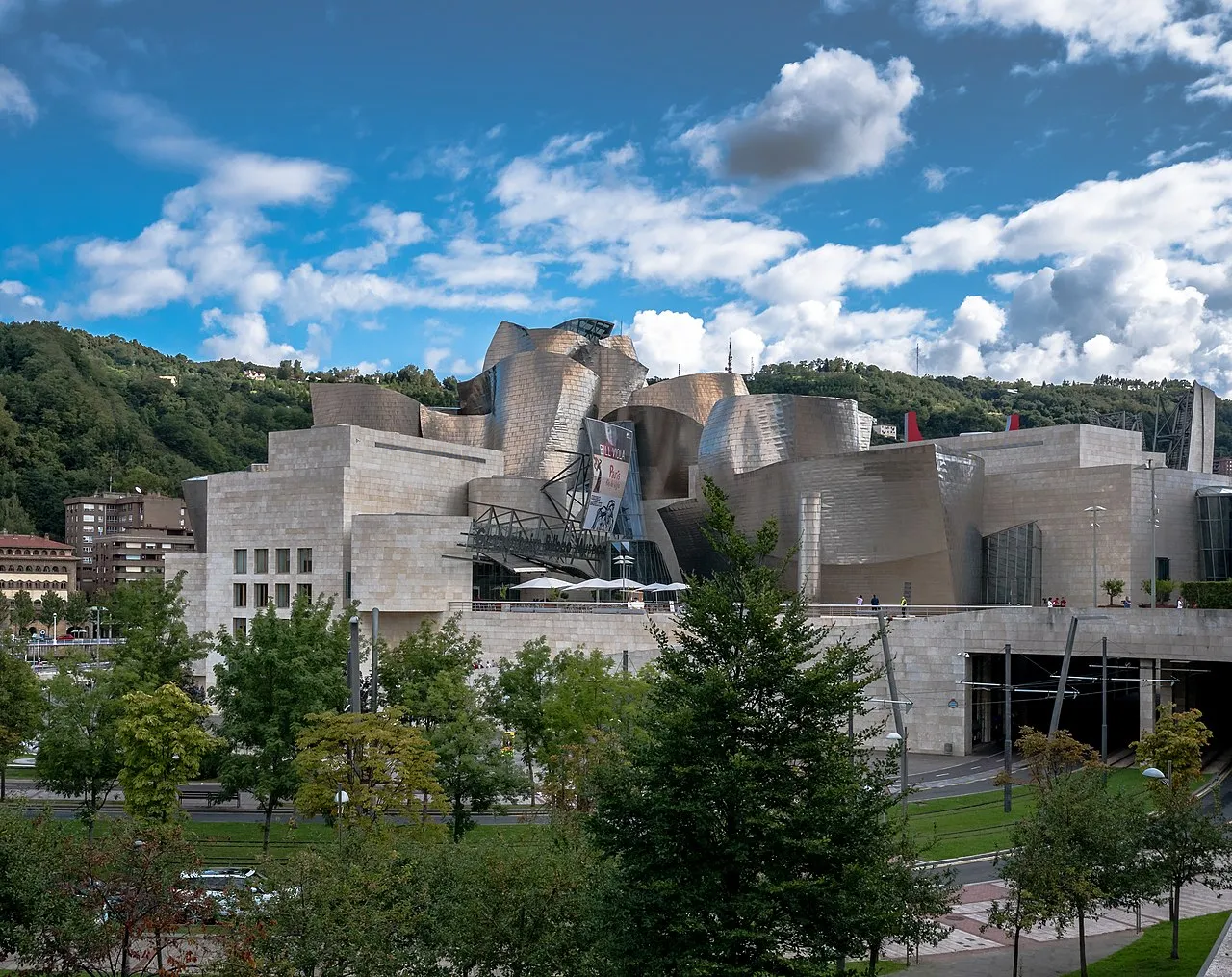
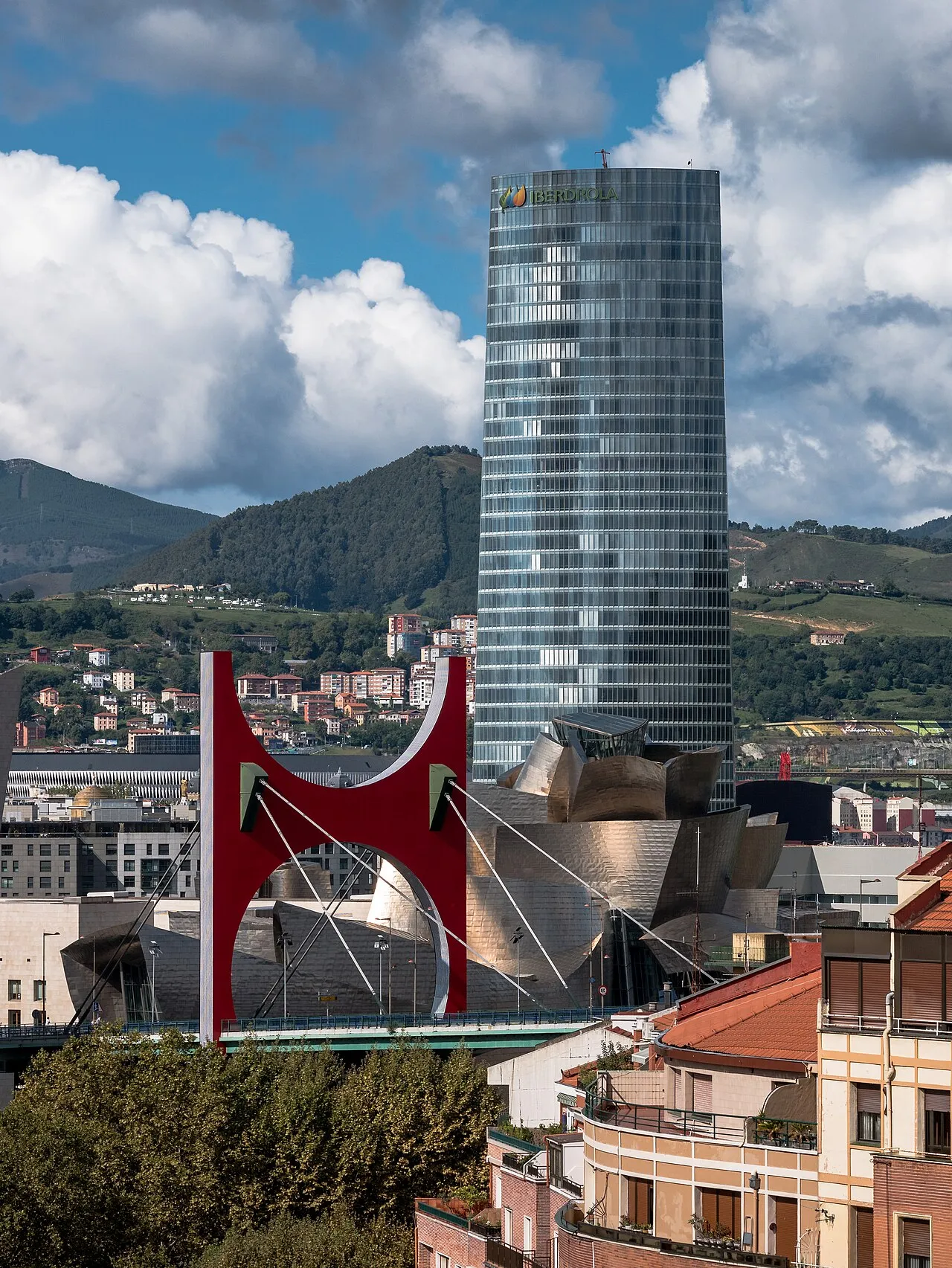
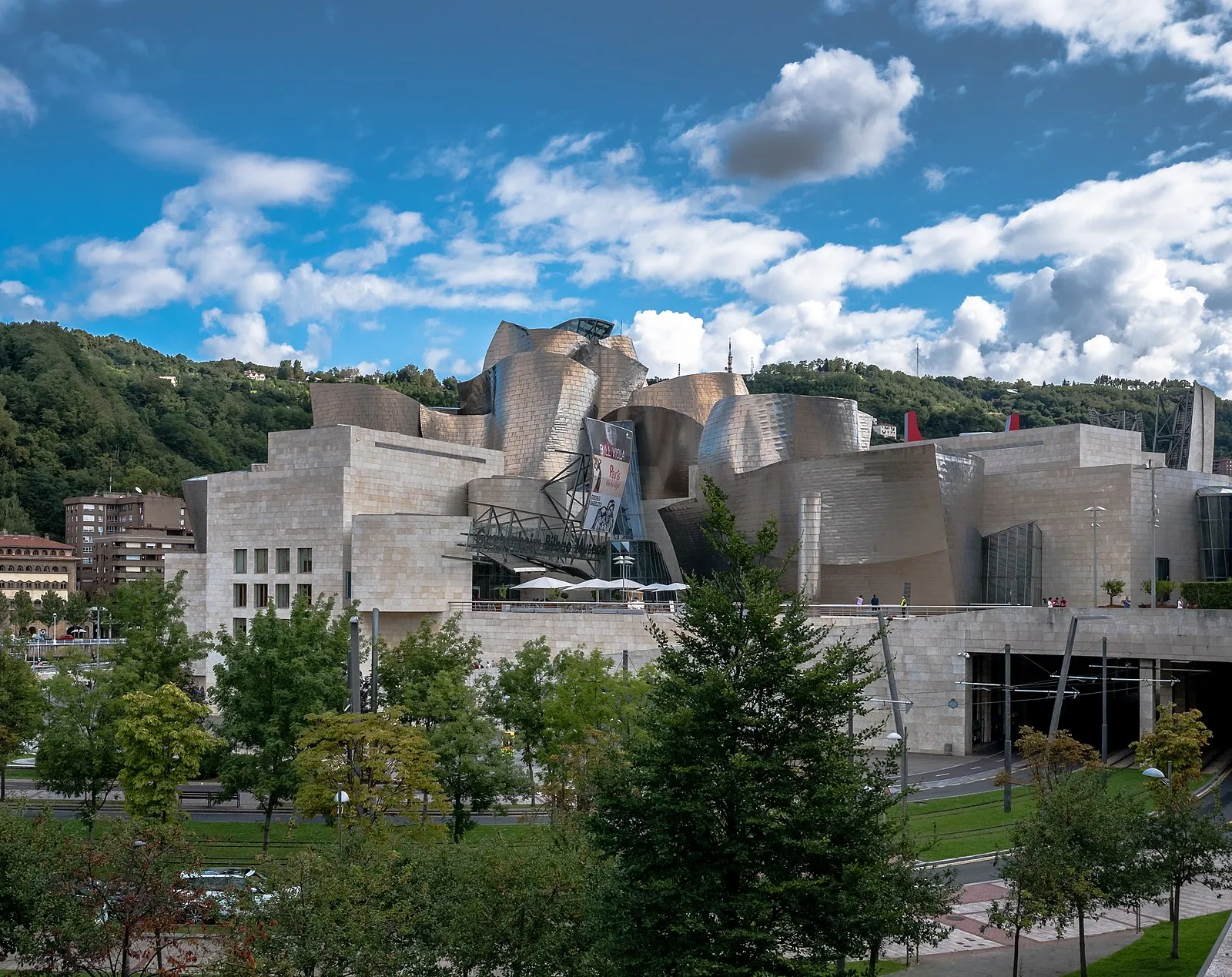
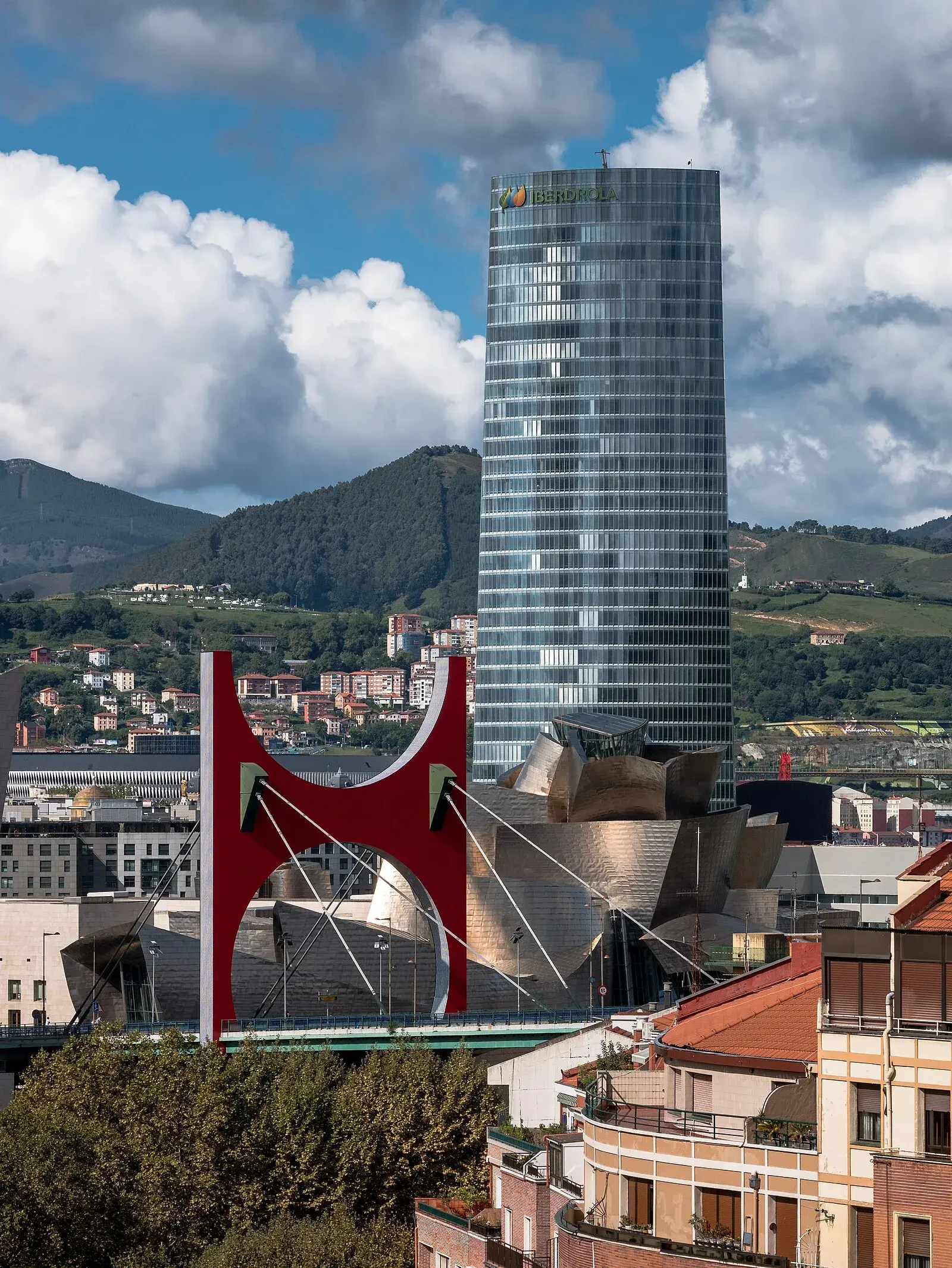
Image Credits
- All photographs: Wikimedia Commons — various contributors, CC BY-SA licenses
Frequently Asked Questions
Q: Is Bilbao really worth visiting on a cruise?
A: Absolutely. The Guggenheim alone justifies the visit — it's one of the most important buildings of the past fifty years. Combined with excellent food culture and a walkable old town, Bilbao offers a distinctive port experience unlike anywhere else on a typical Mediterranean itinerary.
Q: How long should I budget for the Guggenheim?
A: Three to four hours minimum to do it justice. That includes walking around the exterior (essential — the building changes dramatically from every angle), photographing Puppy, exploring Serra's steel spirals, and viewing temporary exhibitions. Art enthusiasts could easily spend all day.
Q: Can I see the Guggenheim and Casco Viejo in one port day?
A: Yes, if you have 7-8 hours ashore and are efficient with transport. Take the earliest shuttle to the Guggenheim, spend 3 hours there, then walk or tram to Casco Viejo for pintxos and exploration. You'll be moving at a good clip, but both are achievable. If you prefer a relaxed pace, choose one or the other.
Q: Is the port far from the city?
A: Yes — Getxo is 15km from central Bilbao. However, the tram journey is scenic and easy (about 30 minutes, €3), and many cruise lines offer shuttle buses. Don't let the distance deter you; just factor transport time into your planning.
Q: What's the best way to get to the Guggenheim from the port?
A: Ship shuttle buses typically drop you near the museum — the most convenient option (€15-20 round trip). For independent travelers, take Tram Line 1 from Algorta to Guggenheim station, then walk 5 minutes. Taxis cost approximately €25-30 from the port.
Q: Is Bilbao wheelchair accessible?
A: The Guggenheim is fully accessible with ramps, elevators, and wheelchair loans available. The riverfront promenade is smooth and flat. However, Casco Viejo's medieval streets are challenging — cobblestones and narrow passages make navigation difficult. Stick to Plaza Nueva and main routes in the old town for the smoothest experience.
Q: When is the best time to visit Bilbao?
A: The glance Temperature reads "39-76°F — Basque Country, green and mild" and Daylight reads "9-15.5 hours." Rain reads "Wet year-round; drier Jun-Aug."
Q: When is Bilbao's storm season?
A: The glance Wind entry reads "Atlantic; sheltered by mountains somewhat," and Rain reads "Wet year-round; drier Jun-Aug." For current weather outlook on a specific sailing date, the live weather widget in the seasonal panel above is the primary source.
Q: What should I pack for Bilbao's weather?
A: The glance Temperature reads "39-76°F — Basque Country, green and mild" — pack for the full range. Rain reads "Wet year-round; drier Jun-Aug," so a proper rain jacket matters year-round. Humidity reads "Moderate to high (66-74%)." The Packing Tips section lists "Sunscreen and sunglasses — essential year-round"; "Light layers for variable temperatures"; "Comfortable walking shoes for exploring"; "Rain jacket or compact umbrella."
Q: Will rain ruin my visit to Bilbao?
A: The glance Rain entry reads "Wet year-round; drier Jun-Aug" — rain is the default condition outside Jun-Aug. For short-term forecasts on a specific sailing date, the live weather widget in the seasonal panel above is the primary source.
Last reviewed: February 2026