



Photo: Wikimedia Commons (CC BY-SA)
My Thoughts: Twenty-Seven Centuries of History
Bodrum doesn't just sit on the Aegean coast — it cascades down to it. Whitewashed houses tumble down hillsides like sugar cubes spilled from a bowl, bougainvillea explodes in purple riots against every wall, and the whole town seems to lean affectionately toward water so blue it looks photoshopped. But what makes Bodrum extraordinary isn't just the postcard scenery — it's the layers of history stacked like archaeological sediment beneath your feet. This peninsula has been continuously inhabited since Doric Greeks fortified it around 1110 BC. Twenty-seven centuries of human stories, built one atop another, each generation adding their chapter to stone.
Stand anywhere in Bodrum and you're standing on Halicarnassus. Ancient Greek city. Persian satrapy. Home to Herodotus, the father of history, who was born here around 484 BC. And most famously, site of the Mausoleum — one of the Seven Wonders of the Ancient World. When Mausolus, the Persian satrap of Caria, died in 353 BC, his grieving widow Artemisia commissioned Greek architects to build him a tomb unlike anything the world had seen. It rose forty-five meters into the Aegean sky — adorned with sculptural friezes, surrounded by columns, crowned with a stepped pyramid and a chariot-drawn statue. The monument was so extraordinary that his name became our word for grand tombs: mausoleum. I found myself standing where one of humanity's greatest architectural achievements once towered, and though only foundations remain, the weight of that absence pressed against me.
The Mausoleum stood for sixteen hundred years. Survived Alexander the Great. Outlasted the Roman Empire. But earthquakes between the 12th and 15th centuries finally brought it down, reducing Wonder to rubble. Then came the Knights. In 1402, the Knights of St. John — warrior-monks driven from Jerusalem and Rhodes — arrived at this strategic harbor and decided to build a fortress. For thirty-five years they labored, raising walls from the most readily available building material: the earthquake-toppled ruins of the Mausoleum. Imagine the irony. A Wonder of the Ancient World, destroyed by nature, resurrected as a medieval fortress. I walked through the castle knowing that every stone beneath my feet might once have formed part of something miraculous.
The castle's architecture tells the story of medieval Europe's complex politics. Four great towers rise from the fortress, each named for the nation that built it: the English Tower, French Tower, German Tower, and Italian Tower. Walking from tower to tower felt like touring 15th-century Europe without leaving the Aegean. The knights held this stronghold until 1523, when they surrendered to Suleiman the Magnificent and sailed for Malta. The Ottomans took over. By 1895, the castle had become a prison. Today it houses the Museum of Underwater Archaeology — one of the world's finest maritime museums, filled with Bronze Age shipwrecks and amphora spanning millennia. For travelers with mobility limitations, the castle has steep stairs and uneven surfaces, though the lower halls and courtyard are more accessible than the tower climbs.
Beyond the castle, I explored the harbor promenade where million-dollar yachts bob beside traditional wooden gulets, the double-ended sailing vessels that have plied these waters for generations. The waterfront stretches from the castle to the modern cruise terminal — a pleasant twenty-minute walk past cafes, boutiques, and locals who seemed genuinely pleased I'd come to visit. I stopped at a harborside restaurant for izgara ahtapot (grilled octopus), the Aegean's signature dish, washed down with rakı as the sun set behind the castle walls.
However, Bodrum has a commercial edge that felt more pronounced than other Turkish ports I've visited. The markets, while atmospheric, employ aggressive sales tactics that some travelers find off-putting. In contrast, the beaches offered respite: I took a taxi to Bitez Beach (€10, fifteen minutes) where shallow turquoise waters and windsurfers created a scene of Mediterranean perfection. For those seeking livelier atmosphere, Gumbet Beach has clubs and water sports; for solitude, Ortakent stretches quiet and uncrowded.
I recommend Bodrum for history lovers who want to stand where Seven Wonders once stood and walk through the castle that consumed their stones. The layered history here — Greek, Persian, Hellenistic, Roman, Byzantine, Crusader, Ottoman — creates something rare: a place where twenty-seven centuries of human ambition remains tangible. On the other hand, if you're seeking unspoiled authenticity or gentle market experiences, other Turkish ports might suit you better. Bodrum knows it's beautiful, and it's learned to charge accordingly. But standing in that castle, I realized that beauty isn't diminished by time or transformation – it simply finds new forms, and gratitude grows when we learn to recognize them.
Weather & Best Time to Visit
Cruise Port Overview
Ships dock at Bodrum's new cruise terminal featuring a 340-meter finger pier. The terminal is Green Port certified and includes customs facilities, duty-free shopping, and dining options. No tendering required — ships dock directly at the pier.
The city center and Bodrum Castle are approximately 1.5 km from the terminal — an easy 20-minute walk along the scenic waterfront promenade, or a 5-minute taxi ride. The walk is flat and pleasant, passing cafes and marina views, with the castle dominating the harbor skyline as your destination marker.
For accessibility, the terminal area and waterfront promenade are flat and manageable. However, both Bodrum Castle and the Mausoleum site involve steep stairs and uneven surfaces. The castle's lower courtyards and museum halls are more accessible than the tower climbs. Wheelchair users should inquire about specific access routes at the castle entrance.
Getting Around
Bodrum's city center is highly walkable, with the main attractions clustered around the harbor:
- Walking: The waterfront promenade from terminal to castle is scenic and easy (20 min). City center is compact and pedestrian-friendly. Hilly terrain inland but manageable for most.
- Taxis (€5-15): Plentiful at terminal and around town. Meters required but negotiate first for longer trips. Terminal to Gumbet Beach approximately €5-7; to Bitez Beach €8-10. Agree on fare before departure.
- Dolmuş Minibus (€1-2): Shared minibuses run fixed routes to beaches and nearby towns. Very affordable but can be crowded. Depart when full. Great for adventure, less practical with cruise time constraints.
- Scooter Rental (€20/day): Available near port; useful for beach hopping around the peninsula. International license required. Traffic manageable outside town center. Helmets required.
- Boat Tours (€40-80): Day trips to Greek islands (Kos), nearby bays, and swimming coves depart from the marina. Popular but verify return time aligns with ship departure — book ahead for guaranteed return.
- Accessibility: Waterfront promenade and city center are generally accessible with paved surfaces. Castle and Mausoleum have steep stairs and uneven terrain. Beaches vary — resort beaches typically offer better accessibility infrastructure including beach wheelchairs and accessible pathways than public beaches.
Bodrum Area Map
Interactive map showing cruise terminal, Bodrum Castle, Mausoleum of Halicarnassus, Ancient Theatre, marina, and beaches.
Beaches & Swimming
The Bodrum Peninsula offers numerous beaches along its coastline, each with distinct character:
- Bitez (15 min taxi, €8-10): Relaxed beach with shallow turquoise waters and windsurfing. Tangerine groves behind the sand. Less crowded than Gumbet. Lounger rentals €10-15. Good swimming, calm conditions.
- Gumbet (10 min taxi, €5-7): Livelier beach with clubs, water sports, and family facilities. More developed and crowded. Good for those wanting beach activities and atmosphere.
- Ortakent (20 min taxi): Long sandy stretch, quieter and more spacious. Good for swimming and relaxation away from crowds.
Water conditions: Aegean waters are calm and warm in summer (24-26°C). All major beaches have facilities, lounger rentals, and refreshment stands. Wheelchair-accessible beach routes available at resort beaches.
Top Excursions & Things to Do
Booking guidance: Castle and Mausoleum can be visited independently — no booking needed. Boat trips should be booked ahead during peak season. Ship excursions offer guaranteed return; independent exploration offers flexibility and lower prices.
Bodrum Castle / Castle of St. Peter (€20-25)
ESSENTIAL. Built 1402-1437 by Knights Hospitaller using stones from the fallen Mausoleum — one of the Mediterranean's best-preserved medieval fortresses. Four great towers (English, French, German, Italian) each bear national coats of arms. Look for ancient Greek reliefs embedded in walls — some upside-down, repurposed by knights who were builders, not archaeologists. Houses the extraordinary Museum of Underwater Archaeology with Bronze Age shipwrecks. UNESCO Tentative World Heritage Site. Audio guide highly recommended (€5 extra) — the layered stories demand context. Allow 3-4 hours minimum. Go early to avoid crowds and heat.
Mausoleum of Halicarnassus (€10-15)
Site of one of the Seven Wonders of the Ancient World. Only foundations and scattered stones remain — the 45-meter tomb was destroyed by earthquakes and its stones built into the castle. Standing where the Wonder stood for sixteen centuries, where the word "mausoleum" was born, is profoundly moving. Small but worthwhile museum explains original structure. Budget 1-1.5 hours. Visit before the castle to understand where its stones came from. Requires imagination but rewards contemplation.
Ancient Theatre of Halicarnassus (Free)
Hellenistic amphitheater (4th century BC) carved into hillside with stunning views over Bodrum harbor. Seating for 13,000, still used for concerts. 15-minute uphill walk from town center. Free entry. Sunset here is magical — the Aegean turns gold and the whole peninsula glows. Combine with castle and Mausoleum for full ancient Halicarnassus experience.
Milta Bodrum Marina (Free)
Luxury yacht marina with superyachts, traditional wooden gulets, and excellent waterfront dining. Window-shop million-dollar vessels, watch sailors prep for famous Blue Voyage cruises, eat fresh grilled seafood at harborside restaurants. Free to stroll. Half-hour minimum; longer for dining. The marina perfectly captures modern Bodrum — ancient heritage meeting contemporary luxury and international sophistication.
Bodrum Market (Free-€50+)
Friday farmer's market (produce, olives, cheese, honey) and Tuesday handicraft bazaar (pottery, textiles, leather). Atmospheric and authentic. Cash preferred; bargaining expected and enjoyed. Famous Bodrum Sandals (genuine leather, handcrafted Aegean designs) make excellent gifts — check stitching and leather quality before buying. Markets run morning to early afternoon. Spice stalls alone are worth the visit for exotic aromas and colorful displays. Allow 1-2 hours for proper browsing.
Food & Dining
Bodrum's cuisine blends Aegean seafood traditions with Turkish flavors:
- Izgara Ahtapot (€15-25): Grilled octopus — Bodrum's signature dish. Tender octopus chargrilled with olive oil, lemon, herbs. Every waterfront restaurant serves it; quality varies but rarely disappoints.
- Mezze Platters (€10-20 shared): Hummus, baba ghanoush, ezme (spicy tomato dip), haydari (yogurt-herb dip), stuffed grape leaves, feta. Order several, share generously.
- Fresh Seafood (€20-40): Sea bass, bream, red mullet — choose your fish from display, they'll grill it. Priced by weight. The Aegean on a plate.
- Gözleme (€3-5): Traditional flatbread stuffed with cheese, spinach, or minced meat. Street food perfection.
- Turkish Tea & Coffee: Çay (black tea in tulip glasses) served everywhere. Turkish coffee thick, strong, fortune-telling grounds at bottom.
- Rakı: Anise-flavored spirit — Turkey's national drink. Mix with water (turns milky white). Pairs with mezze. Potent.
Budget tip: Restaurants on castle-view waterfront charge premium for location. Side streets one block inland offer same food, lower prices, local atmosphere.
Important Notices
- Currency: Turkish Lira (TRY). ATMs give best rates. Currency exchange kiosks near tourist sites charge premium. Some tourist businesses accept USD/EUR but give poor rates. Bring Lira for markets and taxis.
- Heat: Aegean sun is strong, especially climbing castle ramparts. Sunscreen, hat, sunglasses essential. Drink water constantly. Castle opens 8:30 AM — arrive early to avoid afternoon heat.
- Markets: Friday farmer's market, Tuesday handicraft bazaar. Cash essential, bargaining expected and enjoyed.
- Language: Turkish (English widely spoken in tourist areas, restaurants, shops)
- Best Season: April-June and September-October (warm, not sweltering). July-August very hot and crowded.
Depth Soundings: Final Thoughts
Bodrum offers something rare among cruise ports: the chance to touch twenty-seven centuries of continuous human habitation. From the foundations of a Seven Wonder to the towers of Crusader knights to the masts of modern superyachts, history here isn't preserved in museums alone — it's woven into the living fabric of the city.
The relationship between the Mausoleum and the castle fascinates me most. One of antiquity's greatest monuments, destroyed by nature, resurrected as a medieval fortress by men who had no concept of archaeology but understood good building stone. Walking through the castle knowing that Greek sculptors and Crusader knights both shaped these walls — that's not heritage tourism, that's time travel.
However, Bodrum's beauty has not gone unnoticed by the tourism industry. The markets can be pushy, the waterfront restaurants overpriced, and the crowds during peak season overwhelming. I found the best experiences came from wandering away from the obvious routes — the ancient theatre at sunset, the side-street lokantası where locals eat, the quiet moment alone in a castle tower tracing medieval graffiti with my fingertip.
For those who love layers — archaeological, architectural, cultural — Bodrum rewards attention. For those seeking unspoiled authenticity, other Turkish ports might serve better. But if you want to stand where a Wonder once stood and walk through the fortress built from its bones, Bodrum offers something no other port can match.
Photo Gallery
Bodrum's ancient history and Aegean beauty.
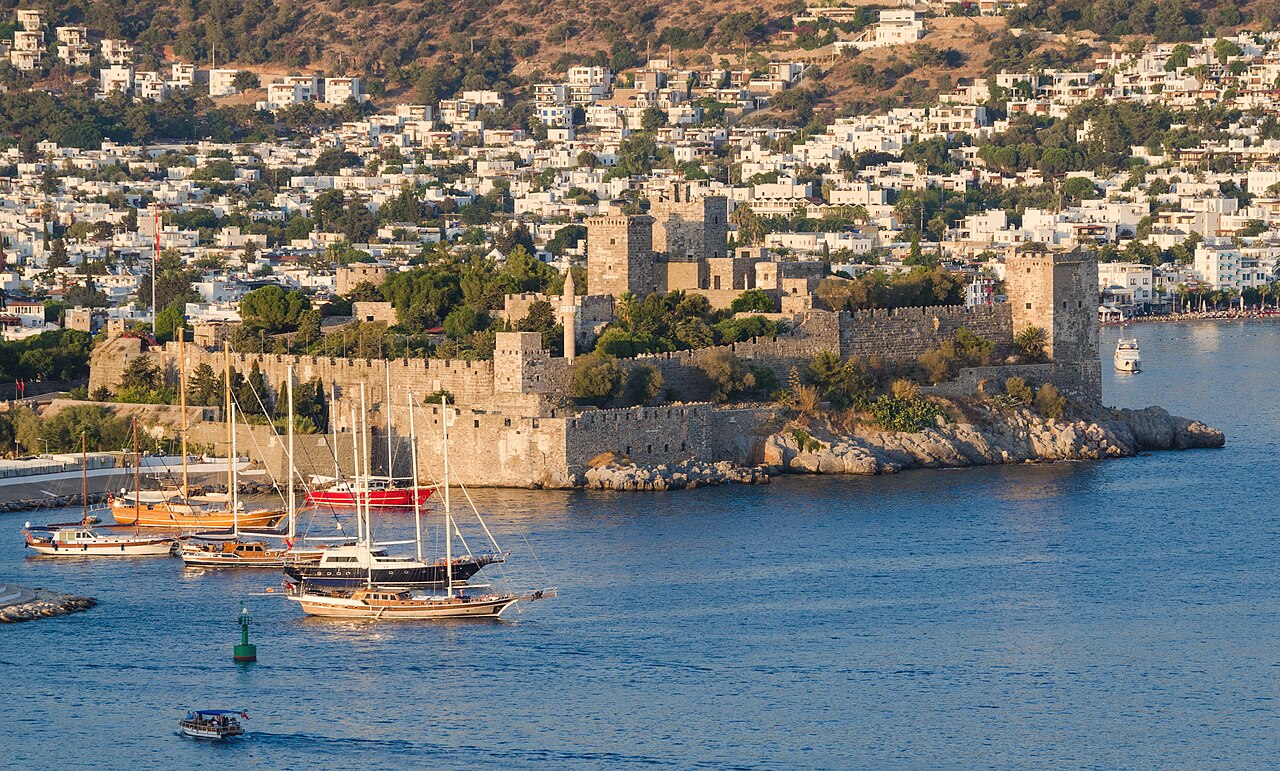
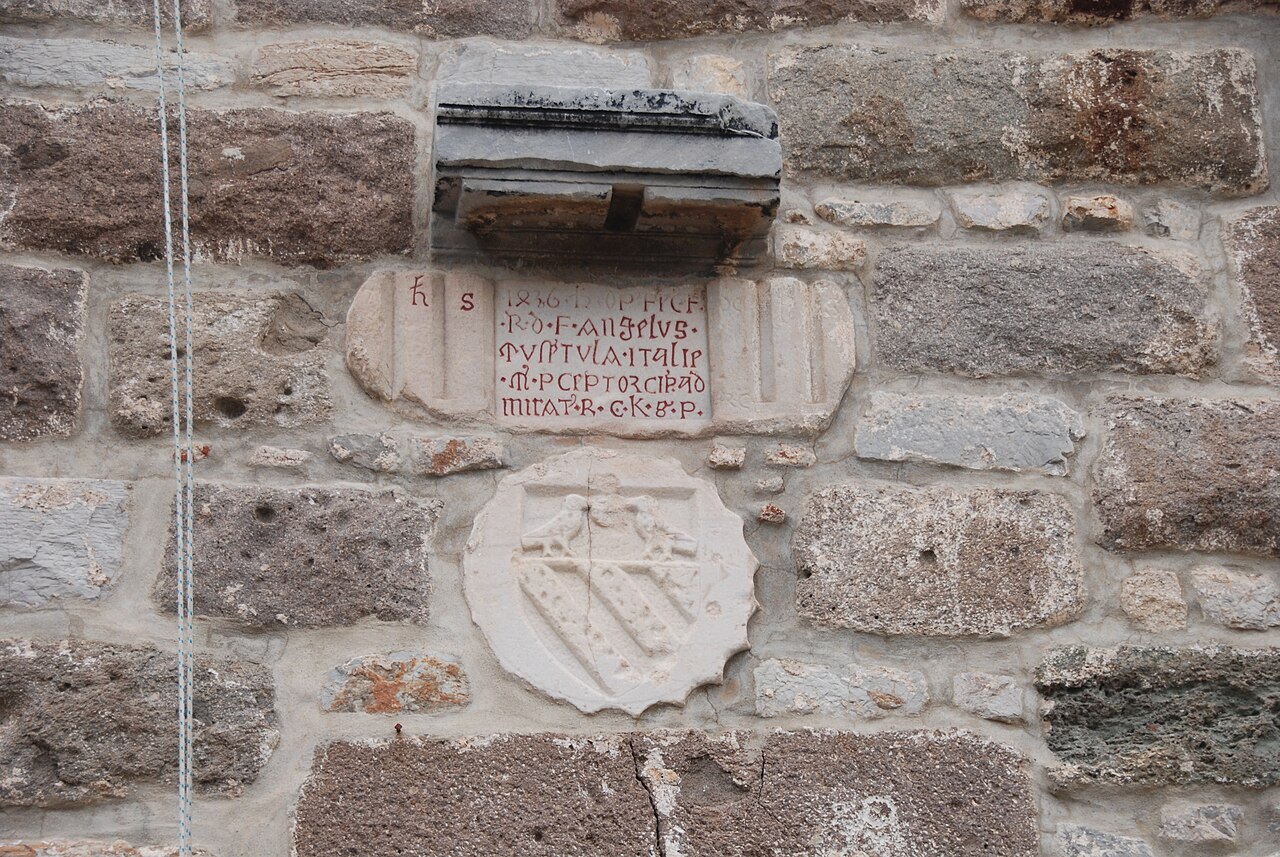
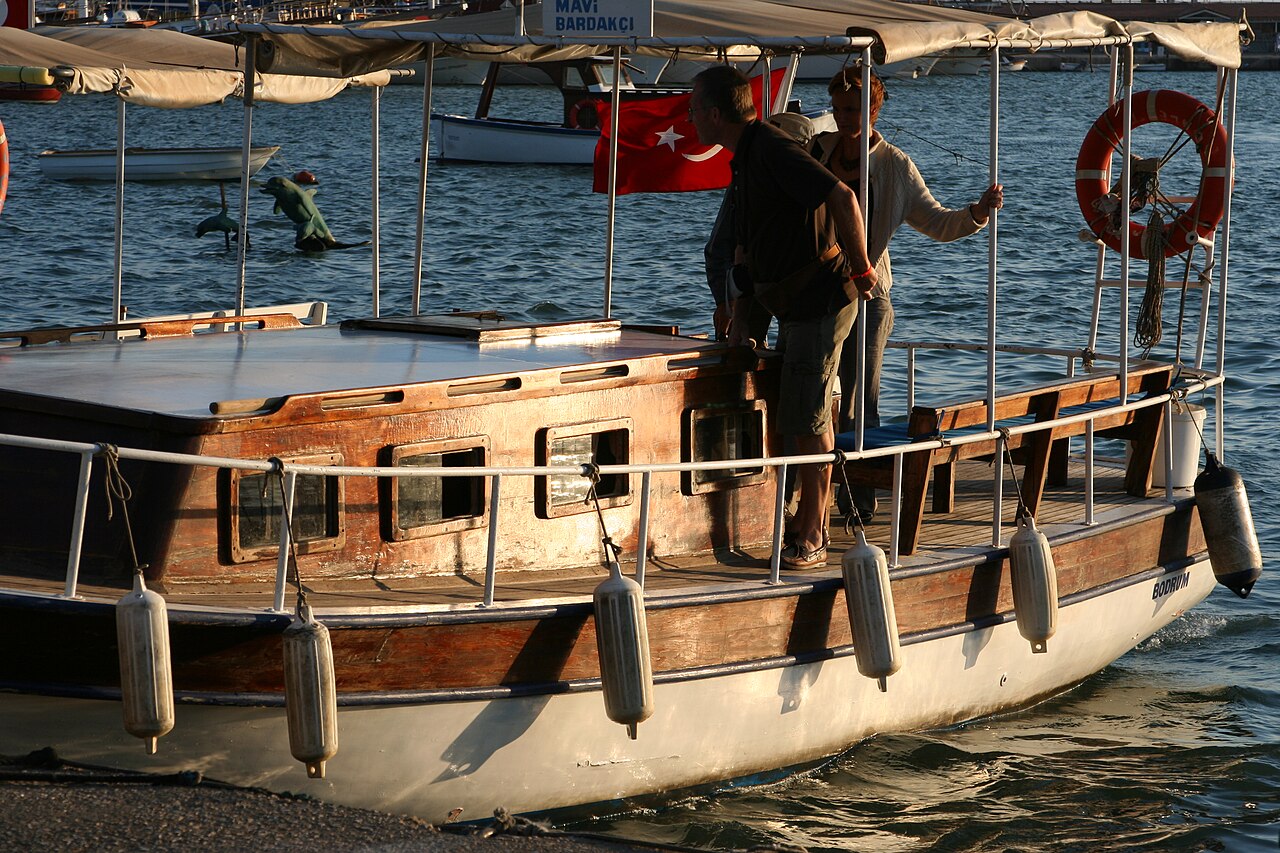
Image Credits
- All photographs: Wikimedia Commons — various contributors, CC BY-SA licenses
Frequently Asked Questions
Q: Where do cruise ships dock in Bodrum?
A: At the new cruise terminal with a 340-meter finger pier. City center is 1.5 km away — a pleasant 20-minute waterfront walk or 5-minute taxi. Terminal has customs, duty-free, and dining.
Q: Is the Mausoleum of Halicarnassus worth visiting?
A: Yes, though manage expectations. Only foundations remain — the 45-meter Wonder was destroyed by earthquakes and its stones built into Bodrum Castle. But standing where one of the Seven Wonders stood for sixteen centuries is profound. Visit the Mausoleum first, then the castle to see where the stones ended up.
Q: How long do I need at Bodrum Castle?
A: Minimum 3 hours; 4+ hours if you love history. The castle houses the Museum of Underwater Archaeology with Bronze Age shipwrecks, and the layered history (Mausoleum stones, medieval graffiti, Ottoman prison) demands time. Go early to avoid crowds and heat.
Q: Can I walk from the cruise terminal to Bodrum Castle?
A: Absolutely. It's a pleasant 20-minute waterfront promenade — flat, scenic, and easy. The castle dominates the harbor so you can't miss it.
Q: Is Bodrum wheelchair accessible?
A: The waterfront promenade and city center are generally accessible. However, Bodrum Castle and the Mausoleum site have steep stairs and uneven surfaces. The castle's lower courtyards and museum halls are more accessible than tower climbs. Ask at the castle entrance about specific routes.
Q: Which beach should I choose?
A: Gumbet (10 min) is lively with beach clubs and water sports. Bitez (15 min) is relaxed with windsurfing and calmer waters. Ortakent (20 min) is quieter and more spacious. All have facilities and lounger rentals.
Q: When is the best time to visit Bodrum?
A: The glance Temperature reads "43-90°F — Turkish Riviera" and Rain reads "Bone-dry Jun-Sep; wet winters." Humidity reads "Low to moderate (33-67%)" and Wind "Meltemi in summer; gusty." The hazard-note adds: "Meltemi winds can be strong in summer."
Q: When is Bodrum's storm season?
A: The hazard-note on this page reads: "Meltemi winds can be strong in summer." The glance Wind entry reads "Meltemi in summer; gusty" and Rain "Bone-dry Jun-Sep; wet winters." For current conditions on a specific sailing date, use the live weather widget in the seasonal panel above.
Q: What should I pack for Bodrum's weather?
A: The glance Temperature reads "43-90°F — Turkish Riviera" — pack for the full range. Humidity reads "Low to moderate (33-67%)." The Wind entry adds "Meltemi in summer; gusty." The Packing Tips section lists "Sunscreen and sunglasses — essential year-round"; "Light layers for variable temperatures"; "Comfortable walking shoes for exploring"; "Rain jacket or compact umbrella."
Q: Will rain ruin my visit to Bodrum?
A: The glance Rain entry reads "Bone-dry Jun-Sep; wet winters" — peak-season visitors rarely face rain. The hazard-note emphasizes wind, not rain: "Meltemi winds can be strong in summer." For short-term forecasts on a specific sailing date, the live weather widget in the seasonal panel above is the primary source.
Last reviewed: February 2026