


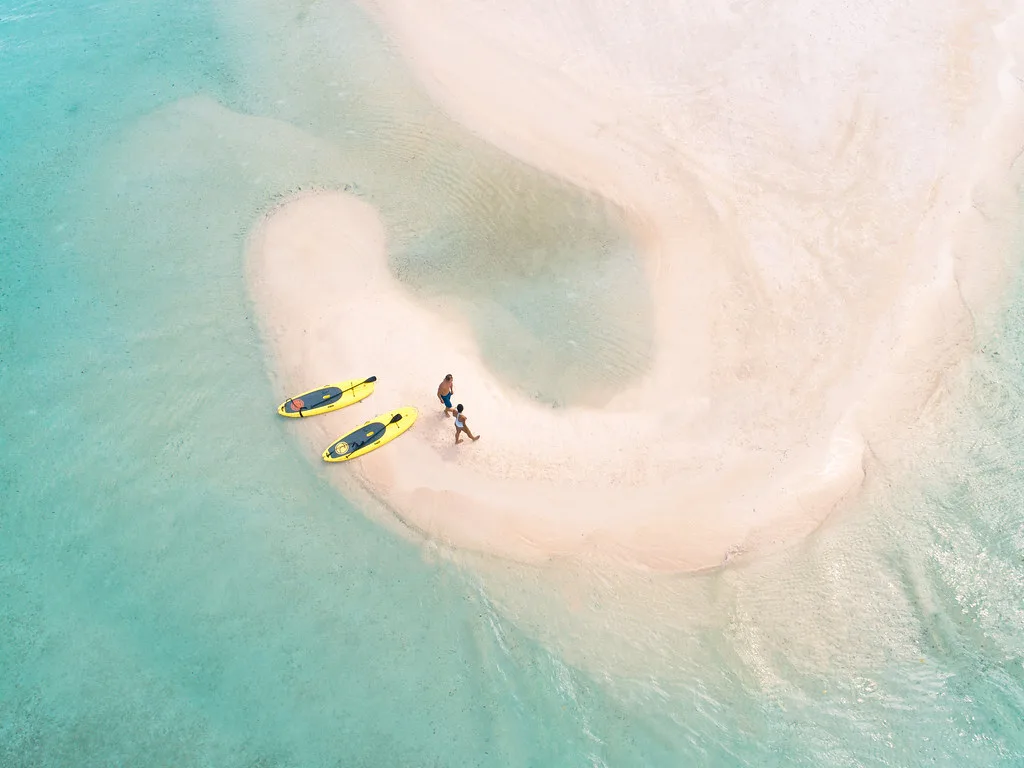

Bora Bora: The Island That Photographs Cannot Do Justice
My Visit to Bora Bora
I woke before dawn and felt the ship slow beneath me, the hum of the engines dropping to a murmur as we glided into the lagoon. My wife was still asleep, but I pulled on a shirt and climbed to the upper deck, and what I saw stopped me mid-step. Mount Otemanu rose from the water like a cathedral spire carved from volcanic rock, its peak catching the first pale light while the lagoon below still lay in shadow. The colors were not real. I had seen photographs of this place for years, and every one of them had lied by omission, because no lens can hold the way that water shifts from aquamarine to sapphire to emerald in the space of a single breath. I stood at the rail with my hands on the cold metal and watched the sky brighten over the barrier reef, and something in my chest opened that I had not known was closed.
The tender ride to Vaitape took ten minutes, and I spent every one of them looking down. The water was so clear that I could see coral formations thirty feet below as though they lay beneath glass, and schools of fish scattered in silver arcs as our boat passed over them. My wife had joined me by then, and she gripped my arm and whispered, "I cannot believe this is real." Neither could I. We stepped onto the small pier at Vaitape village and were greeted by the warm, sweet scent of frangipani blossoms and the sound of ukulele music drifting from somewhere behind the row of small shops. The air was thick and tropical, heavy with moisture and the salt tang of the Pacific, and the warmth of the sun on my skin felt like an embrace after the air-conditioned chill of the ship.
We had arranged a lagoon excursion through an independent operator recommended by a fellow cruiser — about $120 per person, which felt steep until we were in the water. The boat took us to a shallow sandbar where the guides had gathered blacktip reef sharks and stingrays for a feeding encounter. I lowered myself over the side of the boat and felt the warm water close around my chest, and then the rays arrived. They glided toward us like silk underwater, their wide, flat bodies brushing against our legs as they swept past. One paused beside me, hovering in the shallows, and I reached down and felt the smooth, cool surface of its back beneath my fingers. It did not flinch. It simply looked at me with one dark, ancient eye and then drifted on. My wife stood beside me, tears running down her face, though she was smiling. "I have never touched anything so beautiful," she said. I understood. There was something about the gentleness of those creatures, the trust with which they approached us, that cut through every layer of cynicism I carry and left me standing there in waist-deep water feeling like a child again.
In the afternoon we took a taxi to Matira Beach and walked barefoot on sand so white it reflected the sun like snow. The water was barely knee-deep for a hundred meters out, warm as a bath, and so clear that our shadows tracked us across the bottom in sharp detail. We floated on our backs, staring up at the silhouette of Otemanu against a sky so blue it hurt. A pair of local children were building a sandcastle near the point, laughing in Tahitian, and for a long while the only sounds in the world were their voices and the gentle push of the lagoon against the shore.
On the tender back to the ship that evening, I watched Bora Bora shrink behind us and felt my eyes fill with tears for the second time that day. Not because I was sad to leave — though I was — but because standing in that water with the rays, and then floating in the shallows of Matira while my wife held my hand, I had finally understood something I'd been circling for years. We travel to collect experiences, but the places that change us aren't the ones we photograph the most. They're the ones that strip away every distraction and leave us standing in the raw fact of beauty, unable to do anything but receive it. Bora Bora taught me that. The lagoon does not perform for visitors. It simply exists in its impossible perfection, and the privilege of witnessing it is entirely, quietly, ours. I carry that afternoon with me still — the warm water, the white sand, the sound of children laughing in a language I did not speak but understood perfectly. Some ports give you stories. Bora Bora gave me silence, and warmth, and an afternoon I will never stop being grateful for.
The Cruise Port
Bora Bora is a tender port — there is no dock. Ships anchor in the lagoon between the main island and the barrier reef motus, and tender boats ferry passengers to the small pier at Vaitape, the island's main village. The tender ride takes 5–10 minutes and offers your first close-up view of Mount Otemanu rising from the turquoise water. Vaitape has a small commercial center with shops, a post office, and a few restaurants. From here, most excursions depart by boat or minibus. Tender operations depend on sea conditions — if swells run too high through the reef pass, the captain may delay or cancel landing. Travel insurance covering missed ports is wise for any French Polynesia itinerary.
Getting Around Bora Bora
Bora Bora has a single ring road (32 km) that circles the main island. There is no public bus service. Getting around requires either a taxi, rented vehicle, or organized excursion. Taxis are available at Vaitape pier but fares are steep — expect $30–40 for a ride to Matira Beach at the island's southern tip. Bicycle rentals ($25–30/day) and electric scooter rentals ($50–60/day) are available at shops near the pier and offer a scenic way to explore at your own pace. The ring road is flat, paved, and generally safe for cyclists, though traffic can be heavy near Vaitape.
For water-based exploration, boat excursions depart directly from Vaitape pier. Most lagoon tours, shark and ray encounters, and motu visits are conducted by local operators who meet you at the tender landing. Ship excursion operators also line up near the pier with signage and booking desks. For a self-guided island tour, the 32 km ring road loop takes about two hours by bicycle at a comfortable pace, with frequent stops for swimming and photographs.
Wheelchair users should note that tender boarding can be difficult depending on sea conditions. Vaitape's main street is paved but uneven in places. Most boat excursions require stepping onto and off small craft, which may be challenging for mobility-impaired travelers.
Shore Excursions & Self-Guided Adventures
Lagoon Boat Tour with Shark & Ray Feeding — The signature Bora Bora experience. Boats take you to shallow sandbar feeding stations where blacktip reef sharks and stingrays gather. You wade in waist-deep water while rays glide past your legs. Guides supervise and manage the wildlife. About $100–150 per person through independent operators; ship excursion versions run $130–180. Book ahead — availability fills fast on ship days, and the guaranteed return to port makes the ship excursion version worth considering if you're tight on time.
Matira Beach — Consistently ranked among the world's best beaches. Shallow, warm, impossibly turquoise water over white sand. No entrance fee — it's one of the few public beaches on the island. Accessible independently by taxi ($30–40 round trip) or bicycle.
Lagoonarium (Natural Aquarium) — A netted lagoon enclosure where you can snorkel with sea turtles, eagle rays, reef sharks, and tropical fish in controlled conditions. About $45–65 per person. Suitable for cautious swimmers who want wildlife encounters without open-water anxiety. Accessible by boat from Vaitape; many operators include it as a stop on half-day lagoon tours.
Motu Picnic — Several operators offer boat trips to private motus (small reef islands) with included Polynesian barbecue lunch. You'll eat grilled fish and poisson cru (raw tuna in coconut milk) on the sand, then snorkel the surrounding reef. About $90–130 per person.
Faanui Bay WWII Sites — During World War II, 5,000 American GIs were stationed on Bora Bora. Remains include coastal defense cannons and concrete bunkers at several points around the island. Free to visit independently — rent a bicycle or ask your taxi driver. The cannons at Point Fitiu are particularly photogenic, offering views of Otemanu alongside the military relics. Allow about an hour to explore the main sites.
Mount Otemanu Viewpoints — The sacred 2,385-foot volcanic peak dominates the skyline. Climbing to the summit is restricted (culturally sacred and technically difficult), but viewpoints along the ring road offer stunning photos. The best views come from the water — book a circumnavigation boat tour ($80–100) for the full 360-degree perspective. Several photo stops along the way offer views of the peak framed by coconut palms and overwater bungalows.
Accessibility note: Most water-based excursions require stepping into boats and wading in shallow water. Beach wheelchair access is limited. The ring road is paved and accessible by vehicle. For the gentlest water experience, the Lagoonarium offers calmer, more controlled conditions than open-water tours.
Depth Soundings Ashore
Currency: CFP franc (XPF), tied to the euro at a fixed rate. USD is sometimes accepted at tourist venues but at poor exchange rates. ATMs are available in Vaitape. Credit cards accepted at most excursion operators and restaurants, but bring cash for smaller vendors.
Language: French and Tahitian. English is spoken at tourist-facing businesses but limited elsewhere. Basic French phrases are appreciated.
Tipping: Not customary in French Polynesian culture. A small gratuity for exceptional service is appreciated but never expected.
Costs: Bora Bora is expensive. Budget $40–50 for a simple lunch, $8–12 for a beer, $100–150+ for excursions. Resort day passes run $200+. The ship's included meals become very attractive here.
Safety: Bora Bora is extremely safe. Theft is rare. The lagoon wildlife (sharks and rays) are not aggressive — guides manage all encounters.
Connectivity: WiFi is available at some cafés in Vaitape but speeds are slow. International roaming charges apply — check with your carrier before arrival.
Accessibility: Tender boarding is the main barrier. Vaitape village is partially paved. Most excursions involve boat transfers and wading in shallow water.
Image Credits
- Hero & gallery images: Unsplash (free license)
Photo Gallery
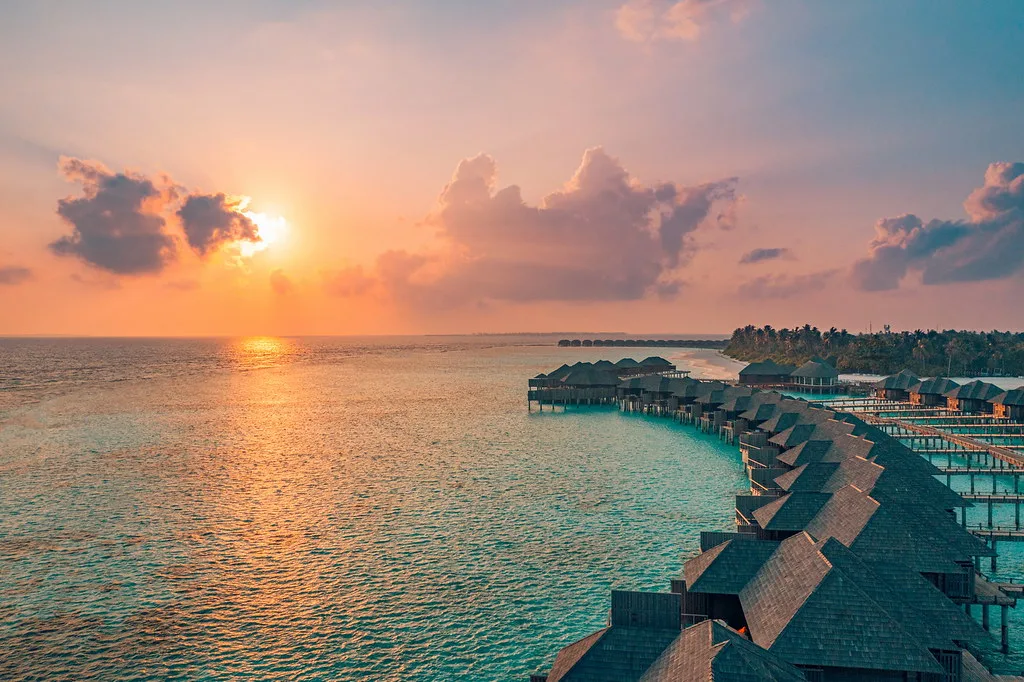
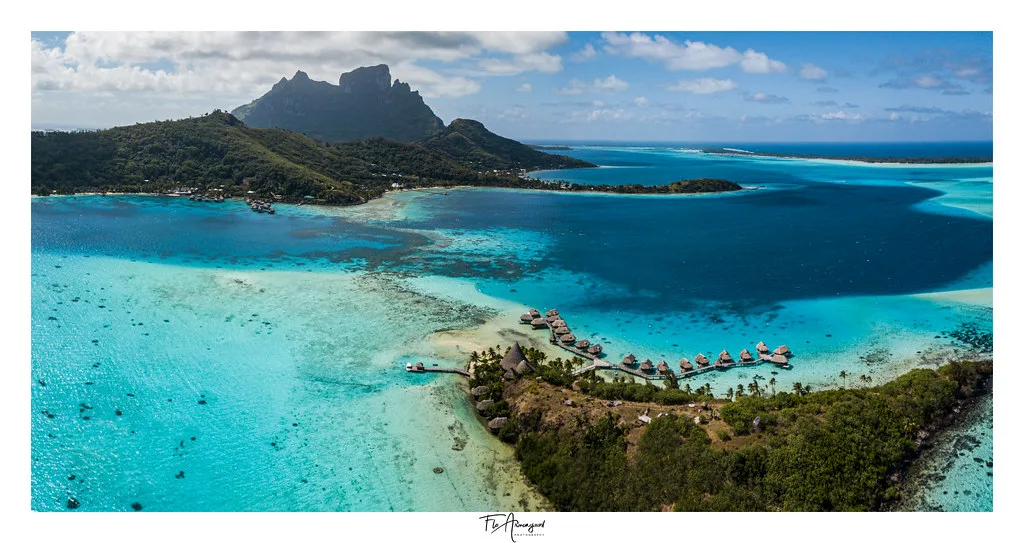
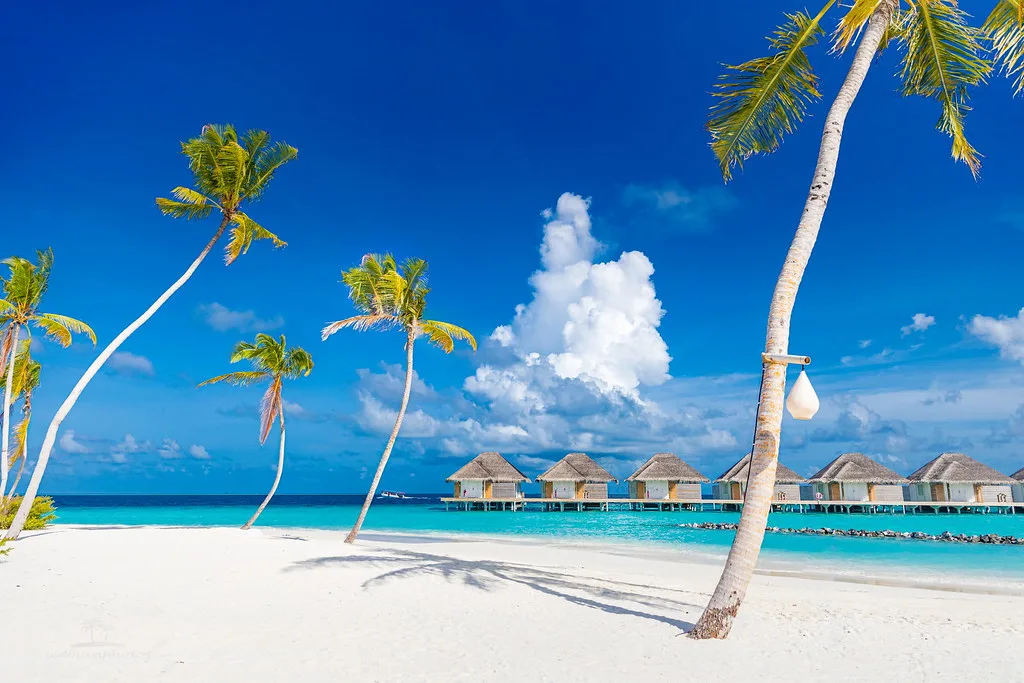
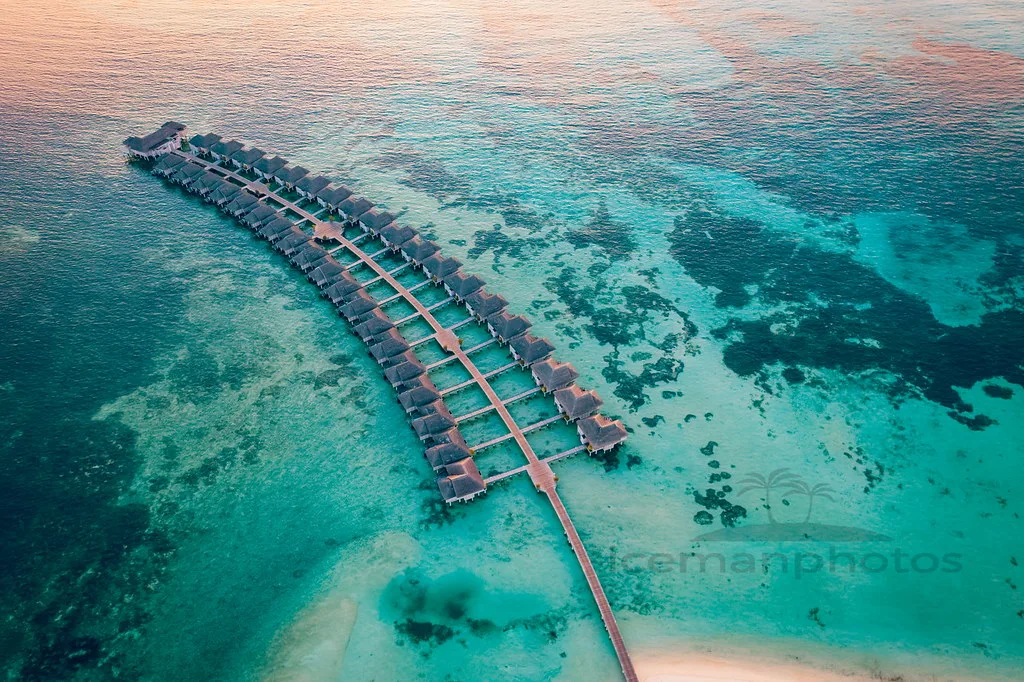
Frequently Asked Questions
Q: Do cruise ships dock at Bora Bora?
A: No — there is no dock. Ships anchor in the lagoon and tender passengers to Vaitape village, a 5–10 minute ride with views of Mount Otemanu.
Q: What is the Lagoonarium?
A: A natural aquarium in the lagoon — a netted section where you snorkel with eagle rays, reef sharks, sea turtles, and tropical fish in crystal-clear water. About $45–65 per person.
Q: Is snorkeling with sharks safe?
A: Yes — the blacktip reef sharks at feeding sites are not aggressive toward humans. Professional guides supervise all encounters and manage the wildlife.
Q: How expensive is Bora Bora?
A: Very. Budget $40–50 for lunch, $100–150+ for excursions, $8–12 for a beer. Many cruisers book ship excursions to control costs and guarantee return timing.
Q: Can I visit Matira Beach independently?
A: Yes — it's publicly accessible with no entrance fee. Take a taxi ($30–40 round trip) or rent a bicycle from Vaitape. Bring your own snorkel gear to save on rental costs.
Q: What if seas are too rough for tendering?
A: The captain may delay or cancel the tender operation. This is uncommon but possible. Travel insurance covering missed ports is recommended for any French Polynesia itinerary.
Q: When is the best time to visit Bora Bora on a cruise?
A: May through October — the South Pacific dry season. Daytime highs run 83-87°F across those months. Rain falls 4-8 days per month with June-August driest. November-April is the wet season: 9-12 rain days per month, peaking in December-March.
Q: Is there a hurricane or storm season that affects Bora Bora?
A: Yes. The hazards record marks Bora Bora as a hurricane zone with a South Pacific cyclone season running November through April. Peak risk months are January, February, and March.
Q: What should I pack for Bora Bora weather?
A: Light beach clothing. Reef-safe sunscreen — essential. Water shoes for coral. Snorkel gear (or rent on island). Rain jacket for brief showers. Cruise-season highs run 83-87°F.
Q: Will rain ruin my Bora Bora port day?
A: Rain falls 4-8 days per month May through October and 9-12 days per month November through April. The rain summary is "Wet season Nov-Apr; drier May-Oct." Cruise season concentrates in the drier window. The packing list includes a rain jacket for brief showers. Bora Bora is a tender port — weather can affect ship-to-shore service.
Last reviewed: February 2026