


Brunei
Golden Mosques & Water Villages
Last reviewed: February 2026
Quick Answer: A tender port 28 km from Bandar Seri Begawan — the Omar Ali Saifuddien Mosque and Kampong Ayer water village are the main draws, the Regalia Museum is free, and the whole country is dry (no alcohol). Safe, quiet, and surprisingly affordable if you hire a taxi for the half-day.
Captain's Logbook
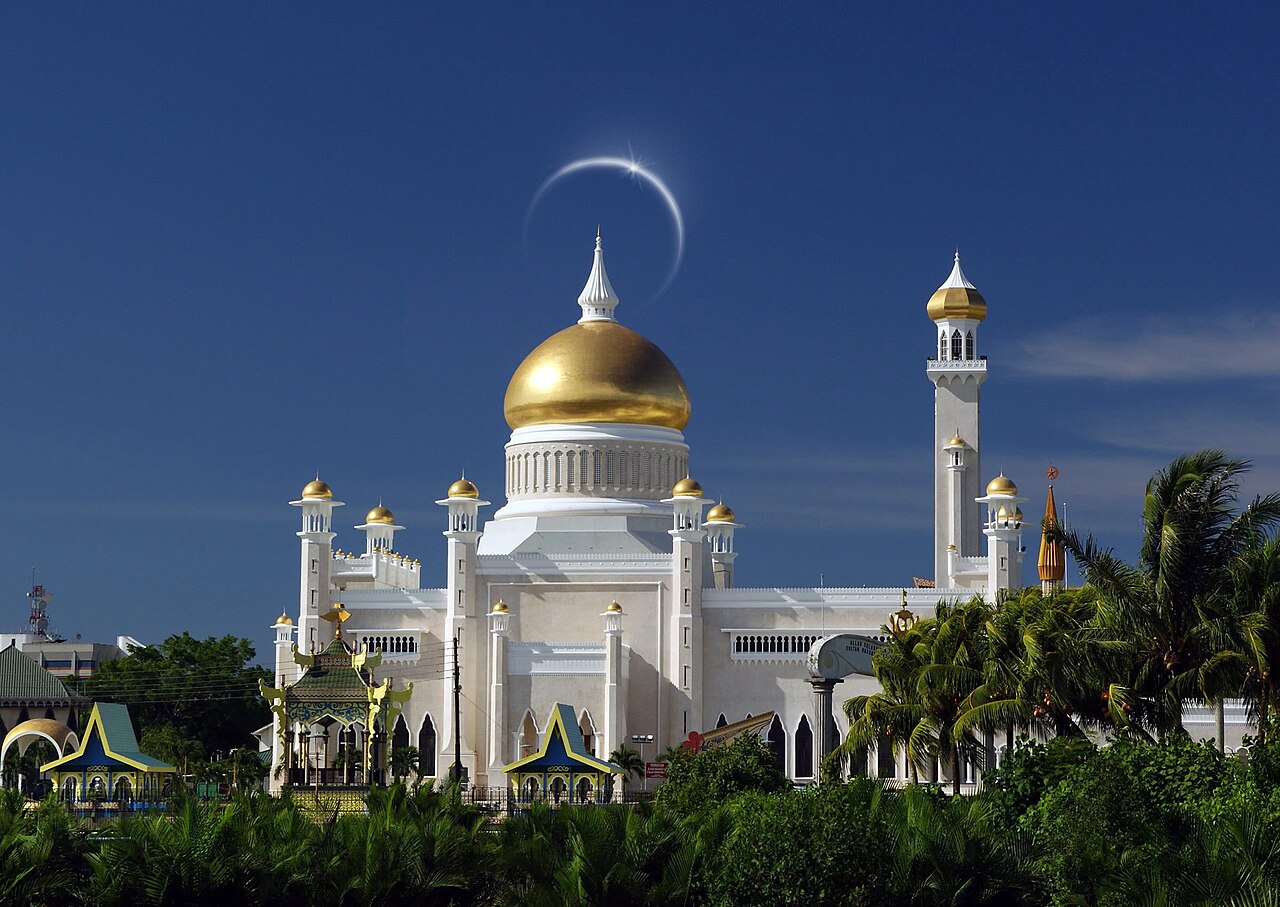
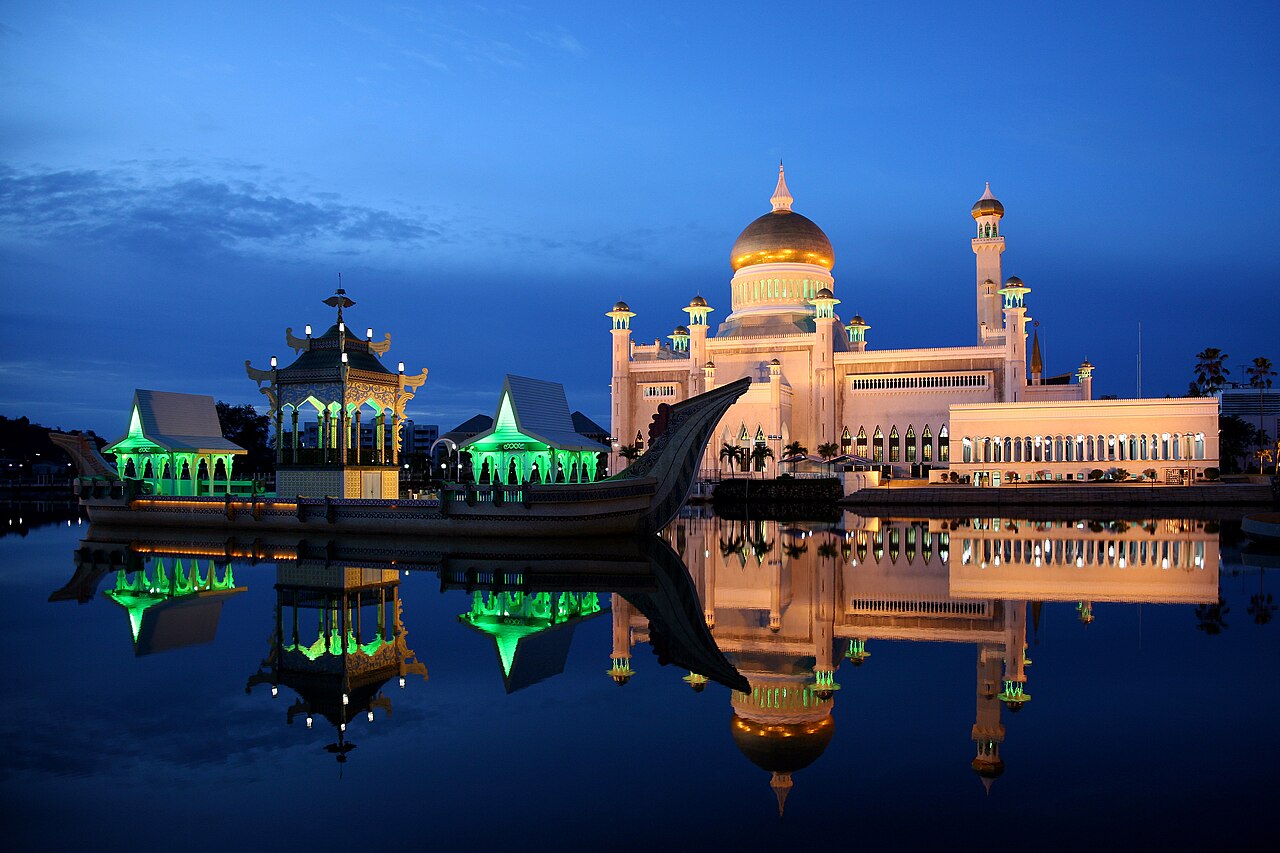
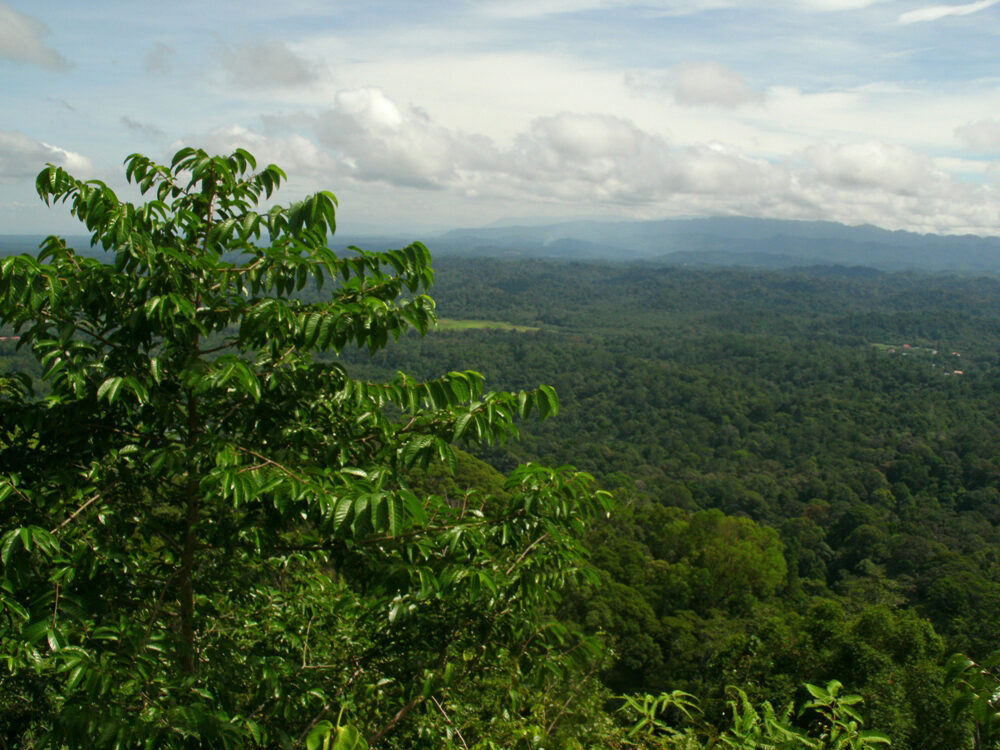
The first glimpse of Brunei from my ship's rail felt like discovering a secret. While Singapore and Kuala Lumpur shout their modernity from miles away, Bandar Seri Begawan whispers. The golden dome of the Omar Ali Saifuddien Mosque caught the morning sun as we approached Muara Port, glowing against the green backdrop of Borneo's rainforest like something out of Arabian Nights transplanted to Southeast Asia. This tiny sultanate – one of the world's wealthiest nations per capita – doesn't advertise its riches with towers of glass and steel. Instead, it offers something rarer: tranquility, tradition, and the profound beauty of a culture that has chosen preservation over progress.
What struck me immediately about Brunei is what's missing. No honking traffic. No billboards screaming for attention. No bars or nightclubs – alcohol is prohibited under Islamic law. At first, I wondered if my day here would feel restrictive, even boring. I couldn't have been more wrong. Brunei's serenity is intentional, cultivated, and ultimately refreshing. After weeks of crowded Asian ports, the unhurried pace felt like a benediction – a chance to slow down and pay attention to details I usually rush past. However bustling Singapore and Hong Kong had been, this place offered the opposite: stillness, reflection, and a gentle quietude that seeped into my bones.
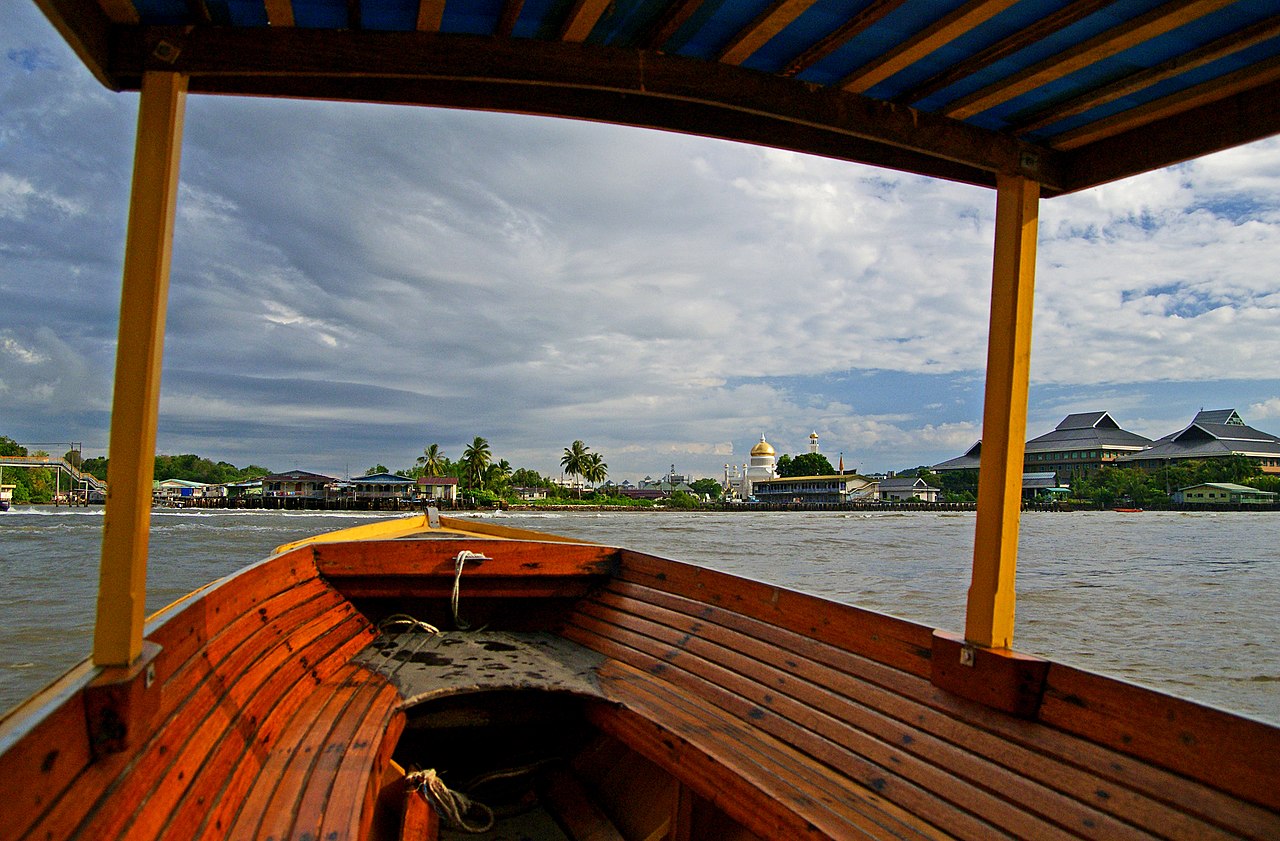
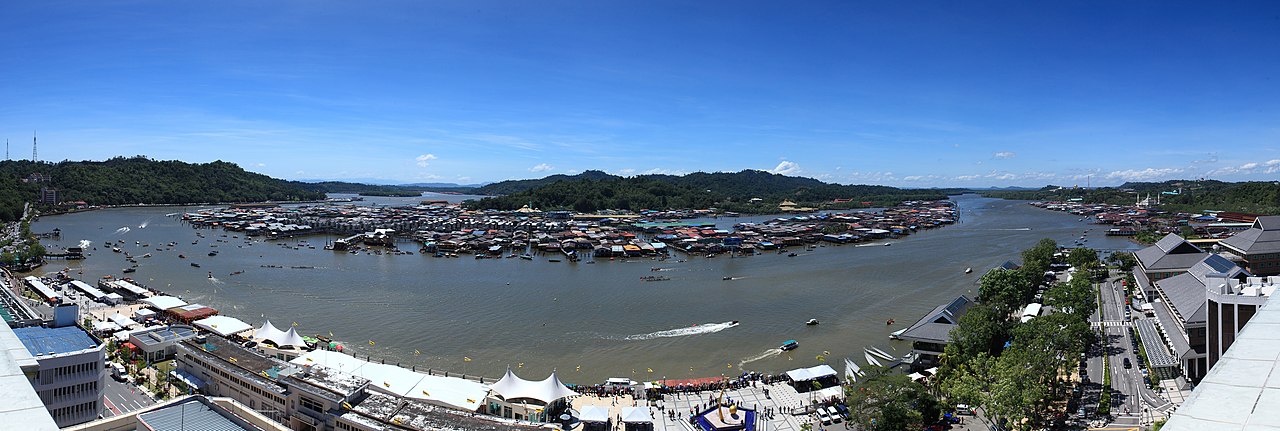
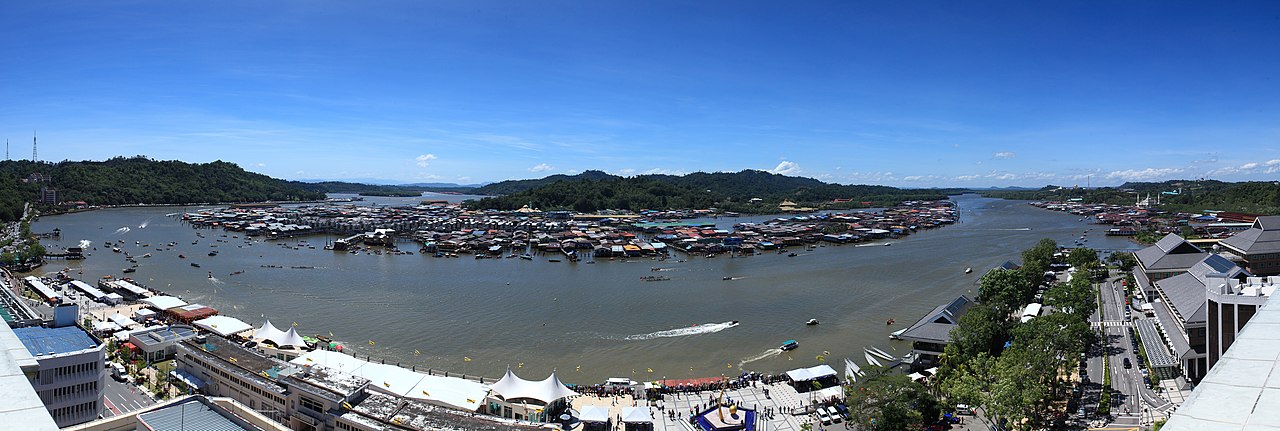
The moment that reshaped my understanding came in Kampong Ayer. Standing on a creaking wooden walkway, I watched an elderly woman tend potted orchids outside her stilted home while the call to prayer echoed across the water. The world's largest water village has been here for centuries – over 30,000 people still living as their ancestors did, suspended above the Brunei River in a network of 42 interconnected villages. My water taxi driver explained that families have lived in these same houses for generations, passing down addresses that exist only on water. Schools, mosques, fire stations, and shops – an entire city floating on wooden stilts. In that moment, watching that woman with her flowers, I understood that wealth isn't just about oil revenue and opulent mosques. Sometimes it's about maintaining connection to your past while the modern world rushes by.
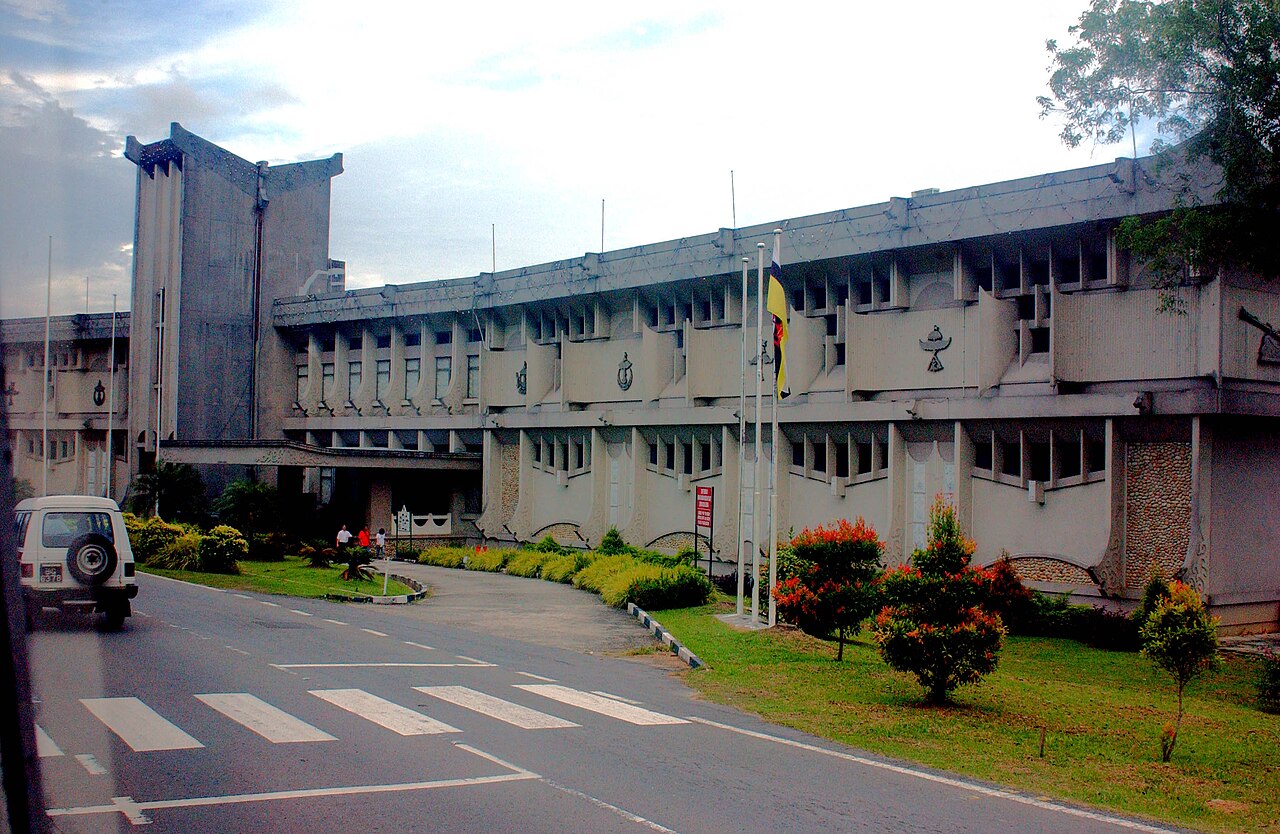
The contrast between Brunei's material wealth and its spiritual simplicity creates a fascinating tension. The Sultan of Brunei ranks among the world's richest individuals, yet the capital city feels more like an overgrown village than a metropolis. Mosques with Italian marble and 24-karat gold leaf sit minutes from traditional markets selling fresh fish and rambutan. I visited the Royal Regalia Museum – free admission – and found myself stunned by crowns encrusted with thousands of diamonds, ceremonial chariots plated in gold, gifts from world leaders displayed like casual souvenirs. The opulence was almost uncomfortable. But then I walked outside into sunshine, passed ordinary Bruneians going about their ordinary days, and remembered that all this wealth ultimately serves a purpose: free education, free healthcare, no income tax, and the preservation of traditions that elsewhere in Asia have been bulldozed for shopping malls.
Don't come to Brunei expecting wild evening entertainment or shopping extravaganzas. Come instead to witness how an oil-rich Muslim nation has chosen to spend its wealth: on magnificent houses of worship, immaculate infrastructure, and the preservation of its unique cultural traditions. My taxi from Muara Port cost about $35 BND ($26 USD) for a half-day with waiting time – my driver became an informal guide, explaining the Sultan's charitable works and pointing out landmarks I would have missed alone. Lunch at a local restaurant ran $8 BND ($6 USD) for delicious nasi katok – fried chicken with rice and sambal sauce, the beloved meal that locals eat several times weekly. My water taxi tour through Kampong Ayer was $25 BND ($18 USD) for an hour of exploration, and my guide invited me into his home for tea. Nothing felt expensive; nothing felt designed to extract tourist dollars. The warmth of people who seemed genuinely pleased to share their peaceful corner of Borneo stayed with me long after my ship sailed away.
Although I had initially worried about visiting a "dry" country without evening entertainment or bars, I left Brunei feeling something far more intoxicating than any cocktail could provide: the rare experience of a place still entirely itself. In an age where every destination seems to chase the same tourist dollars with the same attractions, Brunei remains defiantly, wonderfully different. I found myself thinking about it for weeks afterward – the golden domes, the creaking walkways of Kampong Ayer, the elderly woman with her orchids, the profound silence of the mosque gardens at sunset. This is not a port for everyone. But for those willing to meet it on its own terms, to slow down and observe rather than rush through, Brunei offers something increasingly rare in our homogenized world: genuine authenticity and lasting spiritual peace.
Cruise Port
Most cruise ships tender to Muara Port, located approximately 28 kilometers (17 miles) northeast of the capital Bandar Seri Begawan. Some ships use Serasa Ferry Terminal instead. Neither location offers walkable attractions – you'll need transportation to reach the city. Tender operations typically begin mid-morning and continue until late afternoon, with final tender times strictly enforced. The tender ride from ship to shore takes 10-15 minutes depending on anchorage distance. Port facilities at Muara are basic: a small terminal building, restrooms, and a taxi stand. There are no significant shops or restaurants at the port itself. Currency exchange and ATMs are available in the capital but not at the port. Taxis queue at the terminal ready to take cruise visitors to Bandar Seri Begawan; negotiate fares before departing (expect $30-50 BND for a round-trip with waiting time). Ship shore excursions provide the most convenient transportation with guaranteed return.
Getting Around
Brunei requires transportation from port to attractions – nothing is walkable from Muara. Taxis are the primary option for independent travelers. Negotiate fares in advance; there are no meters. Expect to pay $30-50 BND ($22-37 USD) for a half-day taxi including waiting time. Many drivers speak English and offer informal guided tours. Once in Bandar Seri Begawan, the city center is compact and walkable, with major mosques, the Royal Regalia Museum, and waterfront promenade within easy walking distance of each other.
Water taxis are essential for visiting Kampong Ayer water village. Small boats operate from the waterfront near Omar Ali Saifuddien Mosque. Negotiate rates before boarding – $20-30 BND ($15-22 USD) for an hour tour is typical. Some drivers offer extended tours with stops at homes, schools, and the water village museum.
Accessibility note: Brunei presents significant challenges for wheelchair users. The port area has limited accessibility infrastructure. Water taxis require stepping down into small boats – not suitable for those with mobility limitations. Kampong Ayer's wooden walkways are narrow and uneven with steps between sections. Mosques may have accessibility accommodations but often require stair climbing. Travelers with mobility needs should discuss specific requirements with cruise ship excursion desks, which can sometimes arrange private accessible transportation. The Royal Regalia Museum and some newer facilities offer better accessibility.
Port Map
Tap markers to explore Brunei's mosques and attractions
Shore Excursions
Omar Ali Saifuddien Mosque: Brunei's most iconic landmark – a stunning example of Islamic architecture completed in 1958. The golden dome, Italian marble, and perfectly manicured gardens create an oasis of serenity. The mosque's reflection in the surrounding lagoon is postcard-perfect. Non-Muslims may visit outside prayer times; dress modestly and remove shoes. Ship excursions typically include this as a primary stop with guided explanations of the architecture and Islamic significance. Independent visitors can reach it by taxi ($10 BND from the port area) and explore at their own pace. Book ahead during Ramadan when access may be restricted.
Kampong Ayer Water Village: The world's largest stilt settlement – a network of 42 villages housing over 30,000 people above the Brunei River. Wooden walkways connect homes, schools, mosques, and shops. This is Brunei's most unique experience. Ship excursions offer organized boat tours with guaranteed return to the pier. Independent visitors can hire water taxis from the city waterfront – negotiate $20-30 BND for an hour tour. Guides explain daily life in this centuries-old community. Visiting a local home may be arranged through your guide. The Cultural and Tourism Gallery within Kampong Ayer provides excellent context.
Royal Regalia Museum: A treasure trove showcasing the Sultan's coronation regalia, royal chariot, crowns, and gifts from world leaders. The opulence is staggering – think gold, jewels, and ceremonial splendor. Air-conditioned, immaculate, and free admission. Dress respectfully (no shorts, cover shoulders). Photography restrictions apply in some galleries. Allow 1-2 hours. Ship excursions typically combine this with mosque visits. Independent travelers can walk here from Omar Ali Saifuddien Mosque in 10 minutes.
Jame'Asr Hassanil Bolkiah Mosque: Brunei's largest mosque, built in 1994 with 29 golden domes representing the 29th Sultan of Brunei. Even more impressive than Omar Ali Saifuddien in scale. Interior access limited to Muslims, but the stunning exterior and gardens are worth the visit. Located outside the city center; requires taxi transportation ($15-20 BND from downtown).
Independent vs. Ship Excursions: Given Muara Port's distance from attractions and the need for water taxis to visit Kampong Ayer, ship excursions offer significant convenience – transportation, guided commentary, and guaranteed return are all handled. Independent exploration is possible and often cheaper, but requires negotiating taxis and water taxis without the safety net of cruise line guarantees. For a stress-free experience, ship excursions are recommended. Book ahead during peak season when ship excursions fill quickly. Independent travelers should allow extra time to return to the tender pier before final tender.
Local Cuisine
Ambuyat: Brunei's national dish – a sticky, starchy paste made from sago palm, eaten with savory sauces by wrapping around bamboo chopsticks. Acquired taste but culturally significant. Try it at Tamu Kianggeh market restaurants.
Nasi Katok: The people's favorite – fried chicken, rice, and sambal sauce. Simple, delicious, and incredibly affordable (around $1-2 BND). Available throughout the capital at small restaurants and street stalls.
Satay: Grilled meat skewers (chicken, beef) with peanut sauce. Found at markets and food stalls. A familiar Southeast Asian favorite done well here.
Tamu Kianggeh Market: The capital's main open-air market along the Kianggeh River. Fresh produce, fish, spices, and traditional handicrafts. The food stalls offer authentic local dishes at local prices – lunch for $5-10 BND.
No Alcohol: Brunei is a dry country. Enjoy fresh juices, teh tarik (pulled tea), and excellent coffee instead. Most restaurants serve these at $2-4 BND per drink.
Travel Notices
Alcohol Prohibited: Brunei is a dry country under Islamic law. Alcohol sales are banned everywhere. Do not bring alcohol ashore – penalties are severe. This isn't negotiable.
Modest Dress Required: Brunei is an Islamic sultanate. Cover shoulders and knees; women should bring a scarf for mosque visits. Loose, lightweight clothing works best in tropical heat while respecting local customs.
Prayer Times: Mosques close to visitors during the five daily prayers. Plan your schedule around prayer times, which vary but occur roughly at dawn, midday, mid-afternoon, sunset, and evening.
Friday Closures: Friday is the Islamic holy day. Some businesses close Friday morning through early afternoon. Mosques are closed to tourists on Fridays.
Respect the Sultan: Bruneians revere their Sultan. Don't criticize the royal family or government. Photos of the Sultan appear everywhere – treat them respectfully.
Depth Soundings
The Kampong Ayer Experience: Don't rush through the water village. Take time to observe daily life unfolding around you – children heading to school by boat, fishermen returning with their catch, families gathered on wooden verandas. This isn't a tourist attraction; it's a living community. The wooden walkways creak underfoot, but they've held for generations. The smell of cooking fires mingles with river water. Birds call from mangroves. Time moves differently here, and that's precisely the point.
The Quiet Wealth: Brunei's oil wealth has created one of the world's highest standards of living, yet the country feels remarkably understated. Free education, free healthcare, no income tax, subsidized housing – the benefits are distributed widely rather than displayed ostentatiously. The mosques drip with gold, but the people dress simply. This paradox takes time to appreciate. Brunei has chosen to preserve rather than develop, to maintain traditions rather than chase modernity. Whether that's admirable conservation or missed opportunity depends on your perspective.
The Islamic Experience: For many Western visitors, Brunei offers a first encounter with a functioning Islamic state. The absence of alcohol and evening entertainment initially feels restrictive. But sit quietly in the gardens of Omar Ali Saifuddien Mosque at sunset, listen to the call to prayer echo across still water, watch believers file in for evening worship – and you may find something unexpectedly moving. This is faith woven into the fabric of daily life, not relegated to Sunday mornings. It demands adjustment, yes, but also offers insight.
Practical Information
Currency: Brunei Dollar (BND), pegged 1:1 with Singapore Dollar. Both currencies accepted interchangeably. ATMs widely available in the capital. Credit cards accepted at larger establishments; bring cash for markets and small vendors.
Language: Malay official; English widely spoken in tourist areas and by taxi drivers.
Time Zone: Brunei Time (BNT), UTC+8. Same as Singapore, Hong Kong, and Manila.
Climate: Tropical – hot and humid year-round. Average temperatures 24-32°C (75-90°F). Afternoon thunderstorms common. Bring water, sunscreen, and umbrella.
Safety: Brunei is extremely safe with very low crime rates. Solo travelers, including women, report feeling secure.
Tipping: Not expected or required. Service is provided as a matter of course.
Photo Gallery


Credits & Sources
Hero Image: Wikimedia Commons (CC BY-SA)
Gallery Images: All images sourced from Wikimedia Commons Brunei collection under Creative Commons licenses.
Cultural Information: Brunei Tourism Board and local guides.
Frequently Asked Questions
Where do cruise ships dock in Brunei?
Most ships tender to Muara Port (28 km from the capital) or Serasa Ferry Terminal. Neither has walkable attractions – transportation to Bandar Seri Begawan takes 30-45 minutes by taxi or organized tour.
Is alcohol available in Brunei?
No. Brunei is a dry country under Islamic law. Alcohol sales are prohibited everywhere. Do not bring alcohol ashore – penalties are severe.
What currency does Brunei use?
Brunei Dollar (BND), pegged 1:1 with Singapore Dollar. Both currencies are accepted interchangeably throughout Brunei.
What is Kampong Ayer?
The world's largest water village – over 30,000 people living in stilt houses above the Brunei River. A network of 42 villages connected by wooden walkways, with schools, mosques, and shops. Water taxis offer tours for $20-30 BND per hour.
Can I visit mosques in Brunei?
Yes – non-Muslims may visit major mosques outside prayer times and on non-Friday days. Dress modestly, remove shoes, and follow staff guidance. Free admission to all mosques.
What should I wear in Brunei?
Dress modestly – cover shoulders and knees. Women should bring a scarf for mosque visits. Lightweight, loose-fitting, breathable clothing works best in tropical heat while still respecting local customs and religious practices.
Is Brunei safe for tourists?
Extremely safe. Brunei has very low crime rates and excellent infrastructure. Solo travelers, including women, consistently report feeling secure throughout the country. Violent crime is virtually nonexistent.
When is the best time to visit Brunei?
February through April offers the driest cruise-friendly months — the gap between the northeast monsoon (Nov-Mar wettest) and the southwest monsoon (Jun-Sep drier). May-July is the Low Crowds window but expect more humidity and brief afternoon storms. November-January is the wettest period with daily heavy showers, though temperatures stay warm (26-32°C). The live weather widget in the seasonal panel above is the primary source for short-term conditions on a specific sailing date.
What is Brunei's storm and typhoon season?
Brunei sits at ~5°N on Borneo's north coast — south of the main Northwest Pacific typhoon tracks. Direct typhoon hits are rare (the Philippines and Vietnam absorb most landfalls). The relevant heavy-weather pattern is the two monsoon seasons: northeast monsoon Nov-Mar brings the wettest months with daily heavy showers and rough Sulu Sea conditions; southwest monsoon Jun-Sep is drier but still tropical. Afternoon thunderstorms occur year-round. The live weather widget in the seasonal panel above is the primary source for current conditions on a specific sailing date.
Will rain ruin my Brunei port day?
Tropical rain in Brunei usually arrives as fast intense bursts, especially during the northeast monsoon. The Royal Regalia Museum, the Islamic Arts Museum at the Sultan Omar Ali Saifuddien Mosque grounds (mosque exterior is exposed but the museum is indoor), the Brunei History Centre, and the Yayasan Sultan Haji Hassanal Bolkiah shopping complex are all indoor refuges. Kampong Ayer (the world's largest water village) and Ulu Temburong rainforest excursions are more weather-sensitive. The live weather widget in the seasonal panel above is the primary source for short-term forecasts on a specific sailing date.