
Darwin
Gateway to Australia's Top End
Last reviewed: February 2026
Quick Answer: Fort Hill Wharf docks downtown, a 10-minute walk to Crocosaurus Cove and the Waterfront Precinct; the Adelaide River jumping crocodile cruise runs about an hour south, and Kakadu National Park is a 3-hour drive each way — book those through the ship.
Captain's Logbook
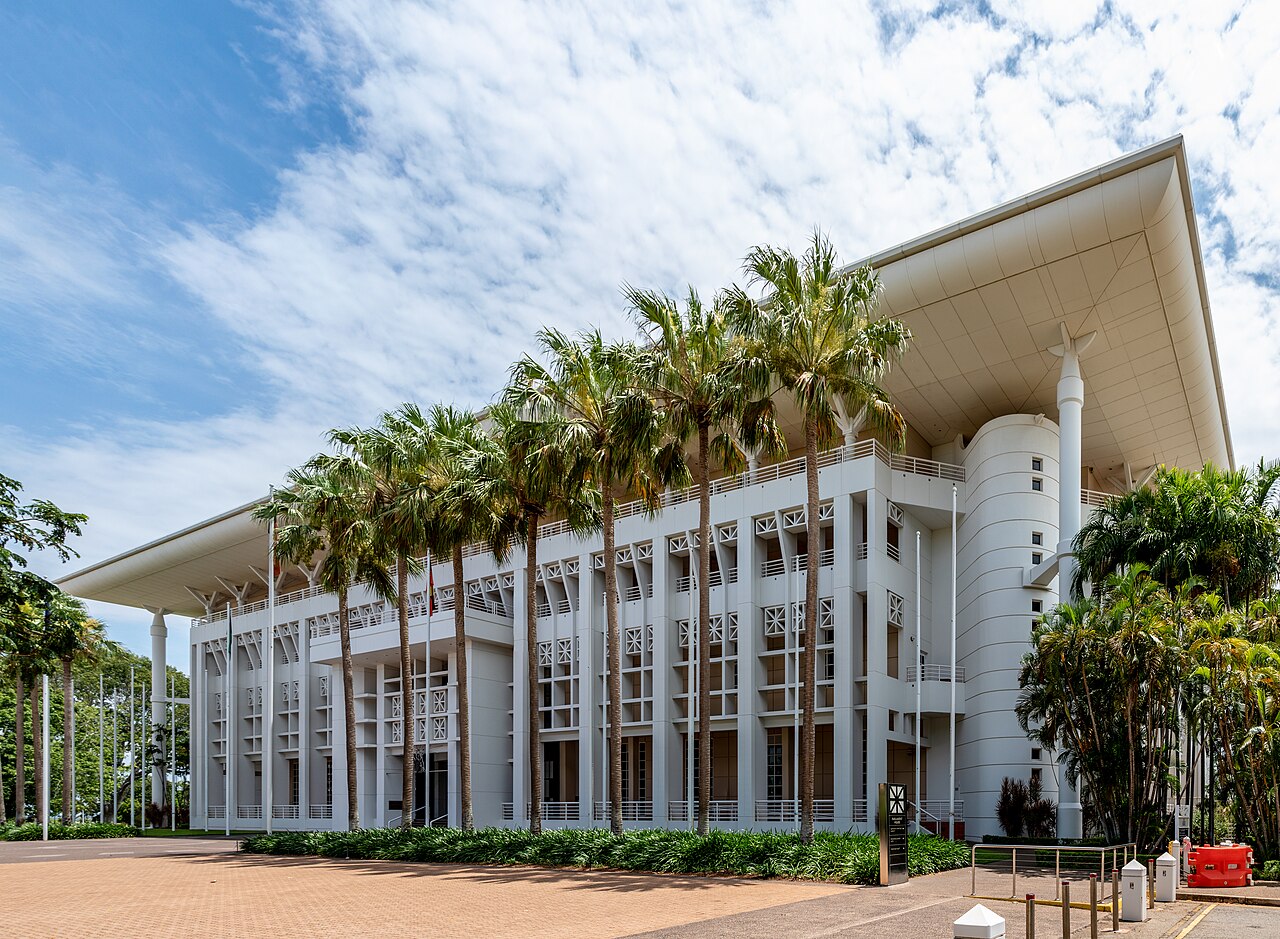
Our ship eased into Fort Hill Wharf on a morning thick with tropical humidity, the kind that wraps around you like a warm blanket and never quite lets go. Darwin sprawled before me under an impossibly blue sky – Australia's northernmost capital city, perched at the edge of the continent where the Arafura Sea meets the Timor Sea. I had been genuinely excited about this port for months, drawn by tales of saltwater crocodiles, Aboriginal rock art older than the pyramids, and a city that refused to stay destroyed despite nature and war conspiring against it. The Top End promised adventure of a different sort than my usual European port calls, and Darwin delivered from the moment I stepped onto the pier.
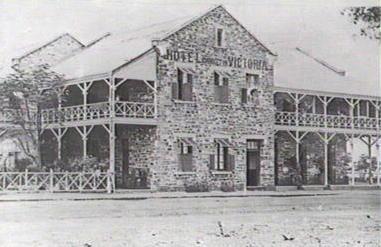
I walked straight from the ship into downtown Darwin – the Fort Hill Wharf location is remarkably convenient, placing you within ten minutes of the city center, the Waterfront Precinct, and Crocosaurus Cove. My first order of business was confronting the creatures that had occupied my imagination since booking this cruise. Crocosaurus Cove houses some of the largest saltwater crocodiles in captivity, including monsters exceeding five meters in length. For $170 AUD, I lowered myself into the Cage of Death – an acrylic cylinder that descends into a crocodile enclosure while a prehistoric predator circles with patient, golden-eyed menace. The experience was simultaneously terrifying and exhilarating. When Choppers massive snout pressed against the acrylic inches from my face, I understood in my bones why these creatures have survived for 200 million years. I felt very small, very temporary, and profoundly grateful for half an inch of plastic between us.
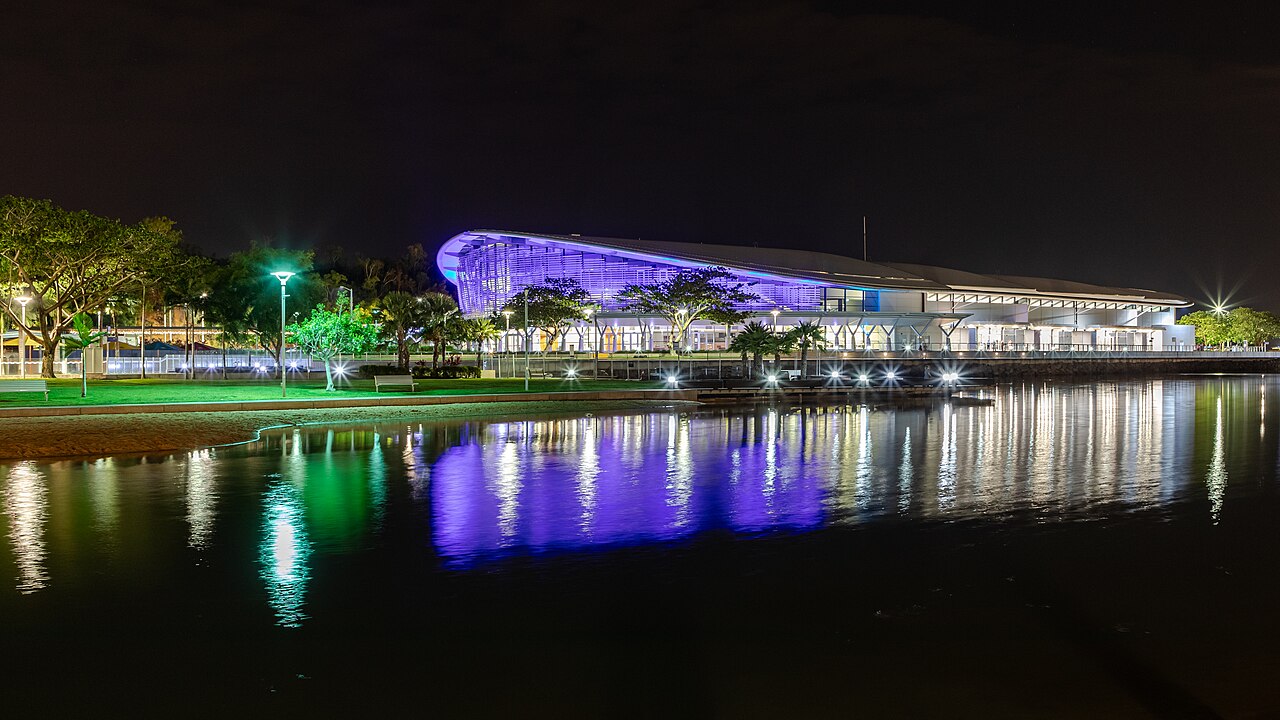
The salty crocodile warnings plastered throughout Darwin are not marketing gimmicks designed for tourists. They are life-saving public health notices. Both saltwater and freshwater crocodiles inhabit the Top End waterways, but the salties are apex predators capable of taking prey much larger than humans. Never swim in rivers, beaches outside designated safe areas, or billabongs. The signs mean exactly what they say. Darwin built a wave lagoon at the Waterfront Precinct specifically because natural swimming here is genuinely dangerous. I spent an afternoon at that lagoon – a surreal experience of tropical swimming in a man-made pool because the beautiful harbor behind me was crocodile territory. It perfectly captures Darwin's character: a city that adapts to nature rather than pretending to control it.
I had allocated a full day for the Adelaide River jumping crocodile cruise, booked through my ship's excursion desk for $145 AUD including transport. An hour south of Darwin, the Adelaide River flows through saltwater crocodile territory where local operators dangle bait from poles and massive wild crocs launch themselves from the murky water. Watching a four-meter crocodile breach vertically, jaws snapping at meat suspended above, rewired something in my understanding of these animals. The guides share decades of knowledge about crocodile behavior, individual animals they recognize by scars and size, and the ecosystem that supports these ancient predators. More authentic than Crocosaurus Cove, though both experiences complement each other beautifully. Book ahead through your ship's excursion desk if this interests you – these cruises fill quickly during peak season.
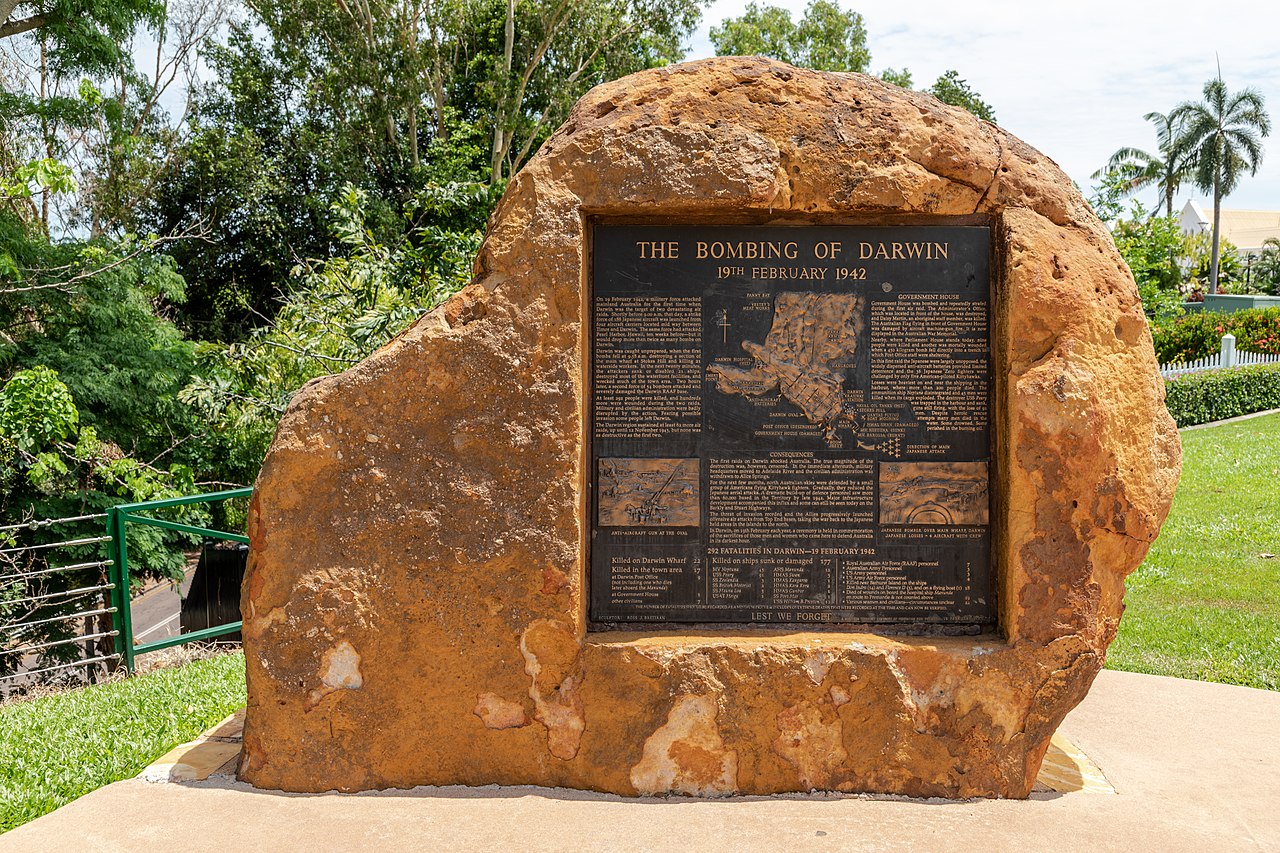
Darwin wears its wartime legacy visibly. On February 19, 1942, Japanese aircraft bombed this city in the largest foreign attack on Australian soil during World War II – more bombs dropped than on Pearl Harbor. I walked through the WWII Oil Storage Tunnels they carved afterward to protect fuel supplies, feeling the weight of earth above me and imagining the fear that drove such desperate engineering. The Defence of Darwin Experience at East Point tells the complete story through memorials and interactive exhibits. Names etched in stone, photographs of young faces – my eyes welled unexpectedly as I traced the letters of boys barely twenty who gave everything for this distant shore. The quiet remembrance of a city that stood on the front line and refused to break. Then on Christmas Eve 1974, Cyclone Tracy hit with winds exceeding 200 kilometers per hour, destroying seventy percent of Darwin's buildings and killing seventy-one people. Most cities would fold. Darwin rebuilt. Twice. The Museum and Art Gallery of the Northern Territory includes a Cyclone Tracy exhibit that recreates the sound of those winds in a darkened room. I stood there, surrounded by that howling fury, understanding for the first time what this city endured.
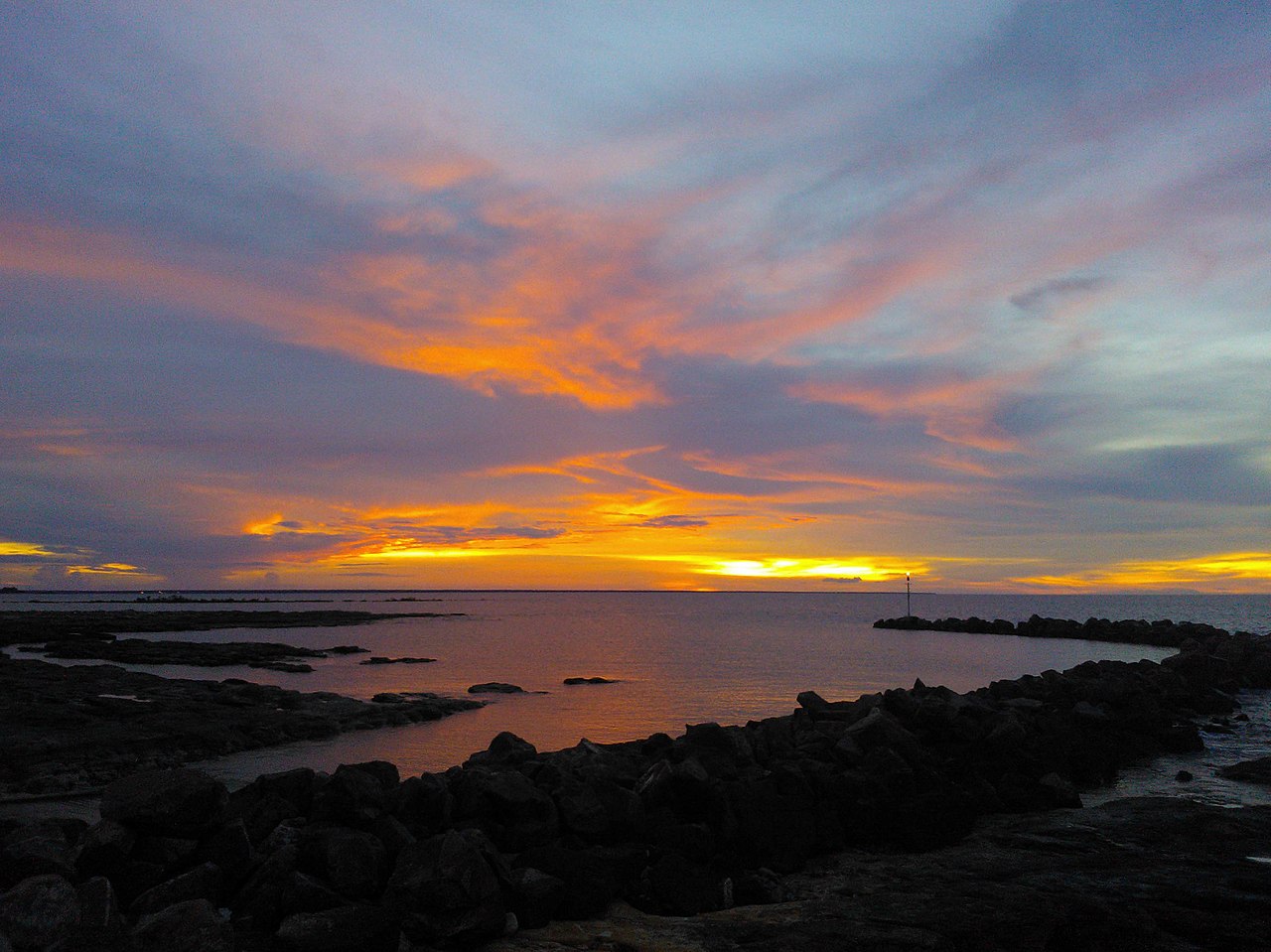
When the sun began its descent toward the Timor Sea, I joined the migration to Mindil Beach for the Thursday evening sunset gathering (operates Thursdays and Sundays during dry season, April through October). Calling it simply an outdoor food venue doesn't capture the experience. Asian street food stalls reflect Darwin's multicultural character – Thai, Indonesian, Sri Lankan, Chinese vendors grilling satay and ladling laksa while didgeridoos drone ancient melodies and families sprawl on blankets watching the sky ignite with impossible colors. I ate crocodile for the first time (texture between fish and chicken, surprisingly good), drank cold local beer, and watched children chase crabs at the tideline as the sun melted from gold to orange to pink to purple. For two hours, Darwin felt like the most laid-back place on earth. Then darkness settled warm and heavy, and the crocodiles reclaimed the night. I returned to my ship genuinely moved by this resilient, unapologetic frontier city. Darwin doesn't try to impress visitors – it simply is what it is, and that authenticity made me want to return with more time to explore Kakadu's ancient rock art and the wetlands waiting beyond the city limits. This was not just another port; this was an encounter with Australia at its most wild and welcoming.
Cruise Port
Cruise ships dock at Fort Hill Wharf in the heart of downtown Darwin. The location is exceptionally convenient – you walk off the ship directly into the city center, with major attractions within ten to fifteen minutes on foot. No tender required; ships berth directly at the pier. The terminal building has basic facilities including restrooms and tourist information. Taxis and tour buses line up for arriving passengers.
Darwin sits at Australia's Top End, gateway to the Northern Territory's wilderness. The city center is compact and walkable. Crocosaurus Cove is ten minutes walk from the terminal. The Waterfront Precinct with its safe-swimming lagoon is equally close. Mindil Beach lies about fifteen minutes by taxi. For Kakadu National Park (UNESCO World Heritage Site), expect 170 kilometers and three hours each way – only feasible with a full-day tour. Ships typically allow 8-12 hours in port. Climate is tropical: hot and humid year-round with distinct wet (November-April) and dry (May-October) seasons. Dry season offers the best conditions for touring.
Getting Around
Downtown Darwin is compact and remarkably walkable from Fort Hill Wharf. The city center, Crocosaurus Cove, and Waterfront Precinct all lie within ten to fifteen minutes on foot. Sidewalks are well-maintained, though the tropical heat can be intense – carry water and wear sun protection. Morning and late afternoon are the most comfortable times for walking.
Taxis: Available at the cruise terminal and throughout the city. Metered fares are reasonable by Australian standards. Expect $15-20 AUD to Mindil Beach, $25-30 AUD to the airport. Uber operates in Darwin and often offers competitive rates. Agree on pricing for longer trips or ensure the meter is running.
Tour Bus: The Darwin Explorer hop-on hop-off bus ($45 AUD) stops at major attractions including museums, Mindil Beach, East Point military precinct, and the Botanical Gardens. Convenient for covering ground without taxi fares adding up.
Car Rental: Available for independent exploration of Kakadu or Litchfield National Park ($70-100 AUD per day). Traffic drives on the left (Australian style). Roads are well-maintained. International license recommended. Be aware of wildlife on rural roads, especially at dawn and dusk.
Ship Excursions: The most practical option for Adelaide River crocodile cruises, Kakadu day trips, and combination tours. Book ahead through your ship's excursion desk for guaranteed return to vessel – essential for the three-hour-each-way Kakadu journey. Independent Kakadu visits require car rental and full-day commitment with careful time management.
Accessibility note: Downtown Darwin is generally flat with accessible sidewalks. The Waterfront Precinct is wheelchair-friendly with ramp access to the wave lagoon area. Crocosaurus Cove has elevator access. Adelaide River cruises may present challenges for wheelchair users – contact operators directly about accessibility. Kakadu tours involve significant walking on uneven terrain and are not recommended for those with mobility limitations. Contact your ship's excursion desk for accessible tour options focusing on Darwin's urban attractions.
Port Map
Tap markers to explore Darwin attractions and the cruise terminal
Shore Excursions
Crocosaurus Cove & Cage of Death: Face-to-face encounters with massive saltwater crocodiles in downtown Darwin. The Cage of Death ($170 AUD) lowers you in an acrylic cylinder into a crocodile enclosure – genuinely thrilling and terrifying in equal measure. Also includes crocodile museum, baby crocs you can hold, and feeding presentations. Ten-minute walk from port. Allow 2-3 hours. No advance booking required for general entry; Cage of Death should be reserved online. Unforgettable experience that defines the Top End.
Adelaide River Jumping Crocodile Cruise: Wild saltwater crocodiles launching from the river to snatch bait suspended from poles. Hour south of Darwin through tropical landscape. Guides share decades of crocodile knowledge while massive wild salties breach vertically beside the boat. More authentic wilderness experience than Crocosaurus Cove. Half-day tours $120-150 AUD including transport. Book ahead through your ship's excursion desk for guaranteed return to vessel. Ship excursions typically run $140-165 including transport and ensure timing works with your port schedule.
Kakadu National Park: UNESCO World Heritage Site 170 kilometers east – one of Australia's greatest natural treasures. Nearly 20,000 square kilometers of pristine wetlands, escarpments, wildlife, and Aboriginal rock art galleries at Ubirr and Nourlangie depicting creation stories painted by ancestors 20,000+ years ago. Yellow Water billabong cruise reveals freshwater crocodiles, jabirus, and sea eagles. Full-day commitment: 12+ hours including three hours each way. Ship excursions $200-270 AUD. Only book if you have a full day in port and stamina for the journey. Sacred, spectacular, and worth every minute if you can manage the logistics.
Mindil Beach Sunset Experience: Thursdays and Sundays during dry season (April-October), 4-9pm. Darwin's iconic evening gathering with Asian street food, Indigenous art and crafts, live music, and spectacular sunset over the Timor Sea. Taxi fifteen minutes from port, $15-20 AUD. Free entry; budget $20-40 for food. Check your cruise schedule – if you're in port on the right evening, this is unmissable Darwin culture.
WWII Defence of Darwin: East Point military precinct commemorating the February 19, 1942 bombing. Interactive exhibits, restored gun emplacements, memorial honoring defenders. Combined with WWII Oil Storage Tunnels near Waterfront ($15-20 AUD combined). Half-day experience on taxi or tour bus. Essential perspective on Darwin's remarkable resilience.
Museum and Art Gallery of Northern Territory: Large regional museum with Cyclone Tracy exhibit (sound room recreating the storm), Sweetheart the giant crocodile, Aboriginal art collection, and natural science displays. Free entry. Fifteen minutes by taxi from port. Allow 2-3 hours minimum. Excellent rainy-day option or introduction to Top End ecology and culture.
Independent vs. Ship Excursions: Darwin's downtown attractions (Crocosaurus Cove, Waterfront, WWII sites, museums) are easily explored independently on foot and by taxi. Mindil Beach is accessible independently by taxi. For Adelaide River cruises and especially Kakadu day trips, ship excursions provide real value – they handle transport logistics, timing, and guarantee your return to the vessel. Kakadu's three-hour-each-way distance makes independent timing stressful; book ahead through your ship's excursion desk for peace of mind on this extraordinary journey.
Local Cuisine
Barramundi: The iconic Top End fish – delicate, flaky white flesh from local waters. Grilled, battered, or pan-fried. Order it at any waterfront restaurant. Budget $25-35 for a main course. Fresh barramundi is worth seeking out.
Crocodile: Yes, you can eat crocodile here. White meat with a texture between fish and chicken. Often served grilled or in Thai-style curries. When in Darwin, when in Rome. Available at Mindil Beach food stalls and restaurants throughout the city.
Asian Street Food: Darwin's multicultural character shines at Mindil Beach – Thai, Indonesian, Sri Lankan, Chinese, and Vietnamese vendors. Satay, laksa, roti, spring rolls, pad Thai. Budget $10-20 for excellent street food meals.
Buffalo: Water buffalo roam the Top End; buffalo burgers and steaks appear on local menus. Lean, flavorful red meat. A unique Australian experience.
Mangoes: Darwin region produces well-regarded Kensington Pride mangoes. Peak season November through February. Ridiculously sweet and juicy – worth seeking out if visiting in season.
NT Draught & Craft Beer: Northern Territory's classic lager is the go-to beer for hot days. Local craft breweries produce excellent tropical-influenced beers. Cold beer is religion in Darwin's climate.
Local Notices
Crocodile Safety: This is serious. Both saltwater and freshwater crocodiles inhabit Top End waterways. Saltwater crocs (salties) are apex predators. Never swim in rivers, beaches outside designated safe zones, or billabongs. Warning signs are not suggestions – they are life-saving advisories. Darwin Waterfront wave lagoon is croc-free and safe for swimming.
Sun Protection: Darwin sits 12 degrees south of the equator. UV index is extreme year-round. Sunscreen, hat, and sunglasses are mandatory. Reapply sunscreen frequently. Carry water constantly and stay hydrated.
Weather: Dry season (May-October) offers perfect weather – sunny, lower humidity, all attractions operating. Wet season (November-April) brings intense humidity, afternoon thunderstorms, and dramatic tropical skies. Some tours limited during wet season.
Currency: Australian Dollar (AUD). ATMs widely available. Credit cards accepted everywhere. No need to exchange currency in advance.
Depth Soundings Ashore
Darwin presents a uniquely Australian cruise experience – wild, authentic, and unapologetically itself. The city's frontier character remains genuine despite modern development. English-speaking with the Australian Dollar as currency, Darwin presents no language or money barriers for most cruise visitors. Australians are famously welcoming, and Darwin particularly so given its isolation and multicultural population drawing from across Asia and the Pacific.
The crocodile warnings deserve emphasis. This is not marketing or theatrical exaggeration – saltwater crocodiles are genuine apex predators that have killed people in these waters. Every warning sign reflects real danger. Respect the wildlife completely. The designated safe swimming areas exist precisely because the natural waters are not safe. Darwin adapted to this reality rather than fighting it, and visitors should embrace the same pragmatic respect.
Medical facilities in Darwin are good by regional standards; Royal Darwin Hospital handles serious emergencies. Travel insurance is always recommended for Australian cruises. Cell service is excellent in Darwin and along major roads; remote areas including parts of Kakadu may have limited coverage. WiFi is available in most cafes and restaurants. Crime is not a major concern in tourist areas, though standard precautions apply for valuables. For wheelchair users, downtown Darwin is generally accessible with flat terrain and good sidewalks. The Waterfront Precinct is wheelchair-friendly. Kakadu tours are not suitable for those with mobility limitations due to uneven terrain and significant walking requirements. Discuss specific needs with your ship's excursion desk before booking any wilderness tours.
Practical Information
- Currency: Australian Dollar (AUD)
- Language: English (Australian)
- Time Zone: ACST (UTC+9:30), no daylight saving
- Weather: Tropical; 25-35°C year-round; dry season (May-Oct) best
- Port Type: Dock; ships berth directly at Fort Hill Wharf
- Tender: Not required
- Walking: Downtown compact and walkable from terminal
- Accessibility: Downtown accessible; wilderness tours challenging
Photo Gallery


Credits
- Hero image: Wikimedia Commons
- Gallery images: Wikimedia Commons contributors under CC BY-SA licenses
- Geographic data: OpenStreetMap contributors
Frequently Asked Questions
Q: Where do cruise ships dock in Darwin?
A: Fort Hill Wharf in the heart of downtown Darwin. Walking distance to city center, Waterfront Precinct, and Crocosaurus Cove. Very convenient port location – you can explore on foot or grab taxis easily from the terminal.
Q: Are crocodiles really that dangerous?
A: Yes, absolutely. Saltwater crocodiles are apex predators capable of taking prey much larger than humans. Never swim outside designated safe areas. Warning signs throughout Darwin are life-saving public health notices, not tourist theater. The Darwin Waterfront wave lagoon is croc-free and safe for swimming.
Q: Should I book a Kakadu National Park tour?
A: Only if you have a full day in port (12+ hours). Kakadu is 170 kilometers east, about three hours each way. Tours are long but spectacular – UNESCO World Heritage wetlands, Aboriginal rock art dating back 20,000+ years, and diverse wildlife. Worth it for adventure seekers who can manage the logistics. Book ahead through your ship's excursion desk.
Q: What's the best time to visit Darwin?
A: The glance Temperature reads "64-93°F tropical with wet/dry extremes," and the Rain entry reads "Monsoon wet season Nov-Apr; bone-dry May-Oct." Humidity is "Extreme wet season; low dry season," and Wind notes "Monsoon storms can be severe."
Q: Is the Cage of Death worth it?
A: If you want an adrenaline experience you'll never forget, absolutely yes. Being submerged in acrylic while a five-meter crocodile circles inches away is genuinely thrilling. $170 AUD, book online in advance. Not for the claustrophobic or faint-hearted.
Q: What should I budget for Darwin?
A: Walking around downtown and the Waterfront is free. Crocosaurus Cove general entry ~$35 AUD; Cage of Death $170 AUD. Adelaide River cruise $120-150 AUD. Kakadu day tour $200-270 AUD. Mindil Beach food $15-30 AUD. Taxis $15-30 AUD for most trips within the city.
Q: When is Darwin's cyclone and storm season?
A: The Weather Hazards panel on this page identifies "Nov – Apr (Australian/South Pacific cyclone season)," and the hazard-note reads: "Travel insurance with weather-event coverage is recommended." The Wind entry adds "Monsoon storms can be severe." The logbook recounts: "on Christmas Eve 1974, Cyclone Tracy hit with winds exceeding 200 kilometers per hour, destroying seventy percent of Darwin's buildings and killing seventy-one people." For current tropical-system status, use the live weather widget in the seasonal panel above.
Q: What should I pack for Darwin's weather?
A: The glance Temperature reads "64-93°F tropical with wet/dry extremes" — pack for the full range. The Rain entry reads "Monsoon wet season Nov-Apr; bone-dry May-Oct." The Packing Tips section lists "Sunscreen and sunglasses — essential year-round"; "Light layers for variable temperatures"; "Comfortable walking shoes for exploring"; "Rain jacket or compact umbrella."
Q: Will rain ruin my Darwin port day?
A: The glance Rain entry reads "Monsoon wet season Nov-Apr; bone-dry May-Oct." The Wind entry adds "Monsoon storms can be severe." For short-term forecasts on a specific sailing date, the live weather widget in the seasonal panel above is the primary source.