
Photo: Wikimedia Commons (CC BY-SA)
Doubtful Sound Cruise Port Guide
Last reviewed: February 2026
Captain's Logbook: Doubtful Sound
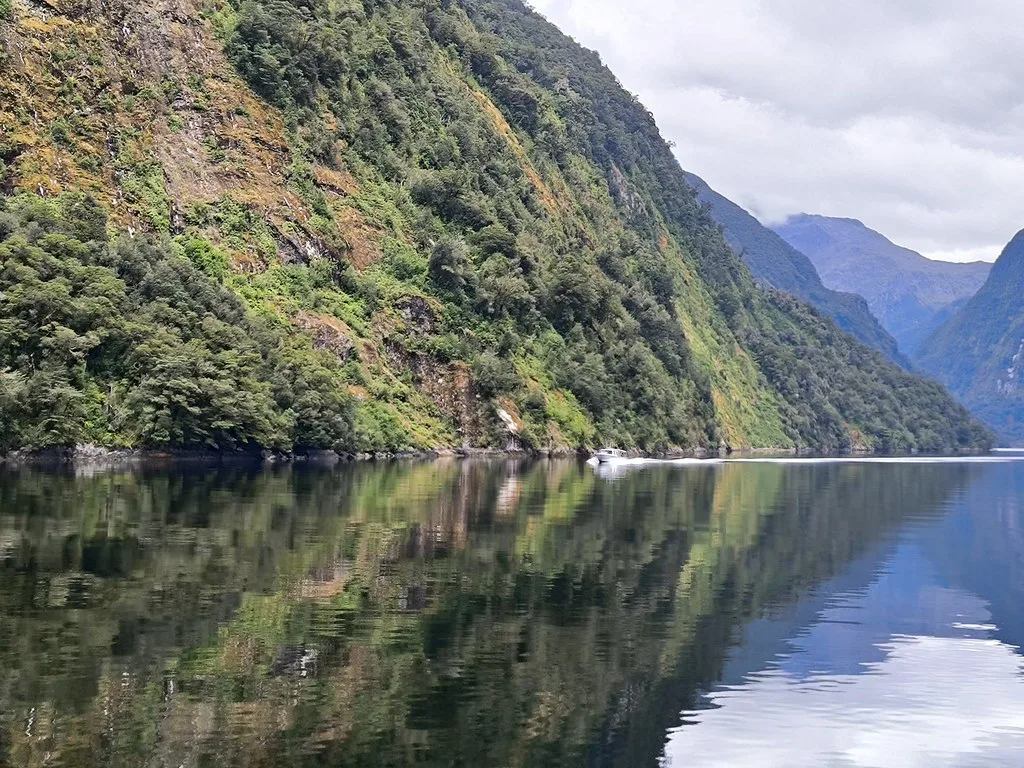
I woke in my cabin to a hush that felt wrong. No engine vibration, no hallway chatter, no announcement chime. Just silence. I pulled back the curtain and pressed my forehead to the cold glass of my balcony door, and what I saw stopped me mid-breath: sheer granite walls rising straight from water so dark it looked like liquid obsidian, wrapped in mist that clung to the peaks like something living. We had entered Doubtful Sound overnight, and the ship was already deep inside the fjord.
I dressed quickly, layering a wool sweater over thermals and pulling on my waterproof jacket, because even in the Southern Hemisphere summer the air inside these walls carries a chill that creeps through fabric. I stepped onto my balcony and the cold hit my face like a damp cloth. The smell was extraordinary — wet stone, ancient moss, the mineral tang of glacial runoff mixing with salt air. I could hear water dripping from a hundred unseen sources, a soft percussion that echoed off the cliffs on both sides of the ship. Somewhere above, a bellbird called, its voice clean and startling in the stillness.
I made my way to the forward observation lounge, where a few early risers stood at the windows in various states of awe. Nobody spoke much. The fjord demanded quiet the way a cathedral does — not by instruction but by presence. Through the glass I watched a waterfall appear on the port side, a thin silver thread dropping perhaps two hundred metres from a notch in the cliff face. Then another appeared on the starboard side, wider and louder. Then three more, cascading in parallel down a wall of rock so steep that the rainforest clinging to it seemed to defy gravity. My hands gripped the railing as I tried to take it all in. I had read that Doubtful Sound receives over seven metres of rainfall each year, and after heavy rain hundreds of temporary waterfalls materialise across the granite walls. This morning, after overnight showers, the fjord was performing.
The captain's voice came through the speakers, calm and unhurried: "We will now observe the Sound of Silence. I am shutting down the engines. I ask that you remain completely still and listen." The vibration beneath my feet died. The hum I had grown so accustomed to that I had forgotten it existed simply stopped. And then — nothing. Absolute, staggering nothing. I stood on the outer deck, gripping the railing with both hands, and I heard the fjord breathe. Water dripped. A waterfall rumbled in the distance, so far away that it sounded like a whisper rather than a roar. A single bird called from the canopy somewhere to my left. The surface of the water, flat as a mirror, reflected the granite walls and the mist above them so perfectly that I could not tell where the real mountain ended and the reflection began. My breath clouded in front of me and I watched it dissolve into the cold air.
Something shifted inside me during those minutes. I have stood in quiet places before — empty churches, mountain summits, forest clearings at dawn. But this was different. This silence had weight. It pressed against my chest and settled into my bones. I felt tears forming and I could not explain why. My eyes filled with tears not from sadness but from a recognition I could not name — the sense that I was standing in a place that had been exactly this way for thousands of years, that the Maori who paddled these waters in waka heard exactly what I was hearing, that the granite and the water and the mist would outlast everything I had ever known or built or worried about. I whispered a quiet prayer of gratitude, because in that moment my smallness felt not like a defeat but like a relief.
However, the silence did not last forever. The engines hummed back to life, gently, and the ship resumed its slow transit deeper into the fjord. Yet the mood on deck had changed. People moved more slowly. Conversations were softer. A woman near me wiped her eyes and smiled at me and neither of us needed to say anything. I took my binoculars and scanned the shoreline, and there they were — three New Zealand fur seals draped across a dark rock at the water's edge, utterly unbothered by our presence. Their wet fur glistened. One raised its head, looked at the ship with an expression of pure disinterest, and dropped back to sleep. I laughed quietly.
Twenty minutes later, the naturalist on the bridge wing called out: "Dolphins, port side, two o'clock." I ran — actually ran — to the port rail, and there they were. Bottlenose dolphins, at least a dozen of them, slicing through the dark water alongside the bow. These were members of the resident pod, approximately sixty individuals who live permanently within the fjord and have adapted to the unusual freshwater layer that sits atop the denser seawater below. They surfaced and exhaled with sharp puffs that I could hear from four decks up, and the sound echoed off the cliff walls in a way that made it seem as though the entire fjord was breathing with them. I watched them for what felt like an hour but was probably fifteen minutes. Despite all the photographs I took, my clearest memory is not visual but auditory — the rhythmic breathing of dolphins in a place where the only other sounds were water and wind and stone.
Still, Doubtful Sound is not all grandeur and stillness. The weather turned abruptly in the late morning. Rain came sideways, hard enough to sting my face when I stood on the exposed upper deck. The temperature dropped and the mist thickened until I could barely see the cliff walls a hundred metres away. Although the visibility closed in, the experience deepened. The waterfalls roared louder, fed by the fresh downpour. The tannin-stained freshwater layer at the surface turned even darker, almost black, and the ship seemed to float on a pool of dark ink. I retreated to the covered observation area with my hands wrapped around a cup of tea and watched the fjord transform itself from an image of serenity into something wilder and older and more honest. This is what Fiordland actually is, I thought — not the postcard version, but the raw, wet, living thing.
As we turned and began the slow transit back toward the Tasman Sea, the rain eased and patches of sunlight broke through the cloud cover. Where the light hit the granite, the rock turned from grey to gold, and the contrast with the dark water below was staggering. I noticed a Fiordland crested penguin standing on a low rock near the southern shore — tiny, dignified, completely alone. My cabin steward, a young man from the Philippines who had been watching from the crew deck, told me later that he had seen Doubtful Sound forty times and it still made him stop and stare every single transit. I believed him.
Doubtful Sound taught me a lesson I carry with me. I learned that silence is not the absence of something but the presence of everything that noise drowns out. I learned that a place can be both terrifying and tender at the same time — that granite walls rising four hundred metres from water four hundred metres deep can make you feel both insignificant and held. I learned that Captain Cook was right to doubt, and that sometimes doubt itself is the beginning of wonder. The fjord gave me nothing I could buy and nothing I could hold in my hands, and yet it gave me something I have not been able to put down since.
Weather & Best Time to Visit
The Cruise Port
Doubtful Sound has no cruise port, no terminal, and no pier. There is no town, no dock, and no infrastructure of any kind for receiving passengers. The fjord is part of Fiordland National Park within the Te Wahipounamu World Heritage Area, and the sheer granite walls drop directly into water over 400 metres deep — far too deep for anchoring. Ships transit the 40-kilometre fjord under their own power, entering from the Tasman Sea and proceeding slowly into the heart of the waterway before turning and exiting the same way they came in.
Access to Doubtful Sound by land is only possible via Lake Manapouri and Wilmot Pass — a journey that involves a boat crossing and a bus ride over an unpaved mountain road. There are no port fees for cruise ships in the traditional sense, though transit through the Fiordland marine area falls under New Zealand's maritime and conservation regulations. This is purely a scenic cruising experience. Passengers remain aboard the ship throughout the entire transit, which typically takes four to six hours depending on the vessel's speed and the captain's chosen route through the various arms of the fjord.
Getting Around
You remain aboard ship throughout the scenic cruising — the entire experience is from the deck or your balcony. There is no tender service, no shuttle, and no way to leave the ship during the Doubtful Sound transit. Best viewing spots are the bow (often opened specifically for scenic cruising transits), the forward observation lounge, any outside deck space on the port or starboard side, or your private balcony if your stateroom faces the right direction. The ship typically turns around at the deepest point, so both sides of the vessel get spectacular views at different times during the transit.
Dress in layers even in summer. The temperature drops noticeably inside the fjord because the sheer granite walls block direct sunlight for much of the day, and rain arrives without warning. A waterproof jacket is non-negotiable — even on a forecast of clear skies, the microclimate inside the fjord generates its own weather. Binoculars are essential for spotting wildlife on distant shores: fur seals on rocks, penguins in the undergrowth, and dolphins that may appear at any point along the transit. The ship moves slowly, typically five to eight knots, so you have time to move between decks and viewing positions as points of interest appear. Listen for announcements from the bridge — naturalists and officers will call out wildlife sightings and notable landmarks throughout the transit.
Doubtful Sound Area Map
Interactive map showing the fjord's extent, major arms like Deep Cove and Crooked Arm, wildlife viewing areas, and scenic points. Note: Doubtful Sound is scenic cruising only — no shore landing possible.
Excursions & Things to Do
Booking guidance: Since Doubtful Sound is scenic cruising with no shore landing, there is no ship excursion to purchase and no need to book ahead separately. The transit is included in your cruise itinerary. If you want to explore Doubtful Sound independently on a separate trip (not from your cruise ship), overnight cruises from Manapouri cost approximately $300-$500 NZD per person and should be booked well in advance. Day cruises from Manapouri run $200-$350 NZD per person. The ship provides a guaranteed return to open waters — you never leave the vessel.
The Sound of Silence Experience
The signature moment of any Doubtful Sound transit is the Sound of Silence — when the captain cuts all engines and requests complete quiet from every passenger aboard. The ship drifts in the still water, typically in one of the deeper arms of the fjord, and for several minutes the only sounds are dripping water, distant waterfalls, and birdsong from the rainforest canopy. This is free, included in every transit, and unforgettable. Position yourself on an outside deck rather than behind glass for the full sensory effect. This experience is accessible for all passengers regardless of mobility — simply stand or sit on any open deck area. Wheelchair users can access the main outdoor observation areas on most ships, making this a genuinely low-energy activity that requires nothing more than being present and listening.
Wildlife Watching from Deck
Doubtful Sound is home to a resident pod of approximately 60 bottlenose dolphins that have uniquely adapted to the fjord's freshwater surface layer. Sightings are common but not guaranteed — the pod moves through the fjord's various arms, and whether they appear near the ship depends on timing and season. New Zealand fur seals are almost always visible, sunning on rocks along the shoreline. During breeding season (July through November), you may spot the critically endangered Fiordland crested penguin along the southern shores. Birdlife includes kea, weka, bellbirds, and tui. Bring binoculars — at minimum a compact 8x25 pair, available from about $30-$80 at outdoor retailers, or borrow a pair from the ship's library or expedition desk. This is a moderate-energy activity suitable for passengers of all ages and abilities, since you simply watch from the ship's deck or your balcony.
Capturing the Fjord on Camera
The dramatic scenery of Doubtful Sound makes it an exceptional photography location in New Zealand. The interplay of mist, granite, dark water, and cascading waterfalls creates compositions that change by the minute. A telephoto lens (200mm or longer) is valuable for wildlife shots. Waterproof camera protection is strongly recommended, as rain can arrive without warning even on clear mornings. Many photographers find that the most striking images come during rain or immediately after, when temporary waterfalls appear across every cliff face and the mist creates an atmosphere that fair-weather photographs cannot match. No additional cost beyond your own equipment. Consider a waterproof phone pouch (approximately $15-$25) if you plan to shoot from exposed upper decks.
Pre- or Post-Cruise Doubtful Sound Overnight
If the cruise transit leaves you wanting more, independent overnight cruises depart from the town of Manapouri, approximately five hours' drive from Queenstown. Real Journeys operates overnight cruises aboard the Fiordland Navigator, typically priced at $400-$550 NZD per person (approximately $240-$330 USD) for an overnight trip including meals and kayaking. These overnight experiences allow you to see the fjord at sunset and dawn — times when wildlife is most active and the light is extraordinary. Day cruises from Manapouri cost approximately $200-$350 NZD per person and include the boat crossing of Lake Manapouri, the bus ride over Wilmot Pass, and a three-hour cruise of the fjord. Book ahead through operators, as demand during summer months exceeds capacity.
Depth Soundings: Final Thoughts
Set an early alarm — most ships enter Doubtful Sound at first light, and the dawn scenery with mist rising from the water surface is the single most dramatic moment of the transit. Charge your camera fully the night before. The ship moves slowly, typically five to eight knots, to maximise viewing time and wildlife encounters. Stay on deck as much as possible rather than watching through cabin windows — the scale of the fjord cannot be appreciated through glass, and you will miss the sounds and the cold air that make the experience visceral rather than visual.
The captain will announce the Sound of Silence in advance, usually mid-morning, so listen for bridge announcements. Rain gear is mandatory even on a clear forecast — the fjord generates its own weather and conditions shift rapidly. Embrace the rain rather than retreating indoors, because wet weather transforms the fjord into something even more extraordinary: waterfalls multiply, mist descends, and the darkness of the water deepens. The Doubtful Sound transit costs nothing beyond your cruise fare, and it asks nothing of you except attention. Give it that, and it will give you something back that is difficult to name and impossible to forget.
Photo Gallery
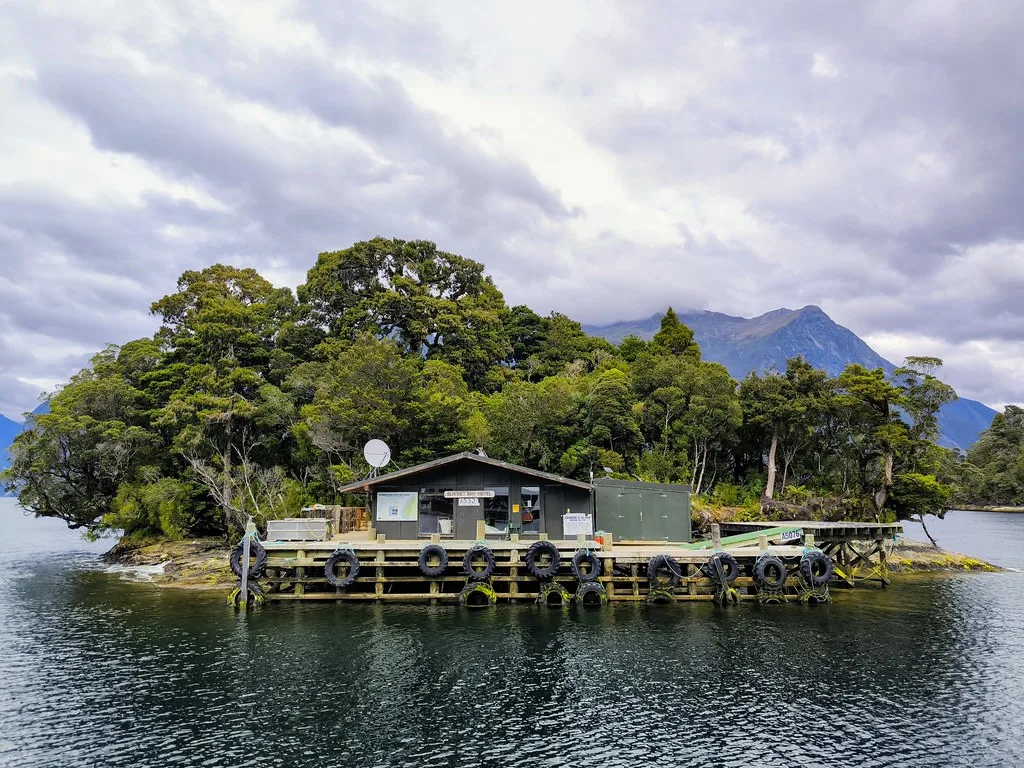
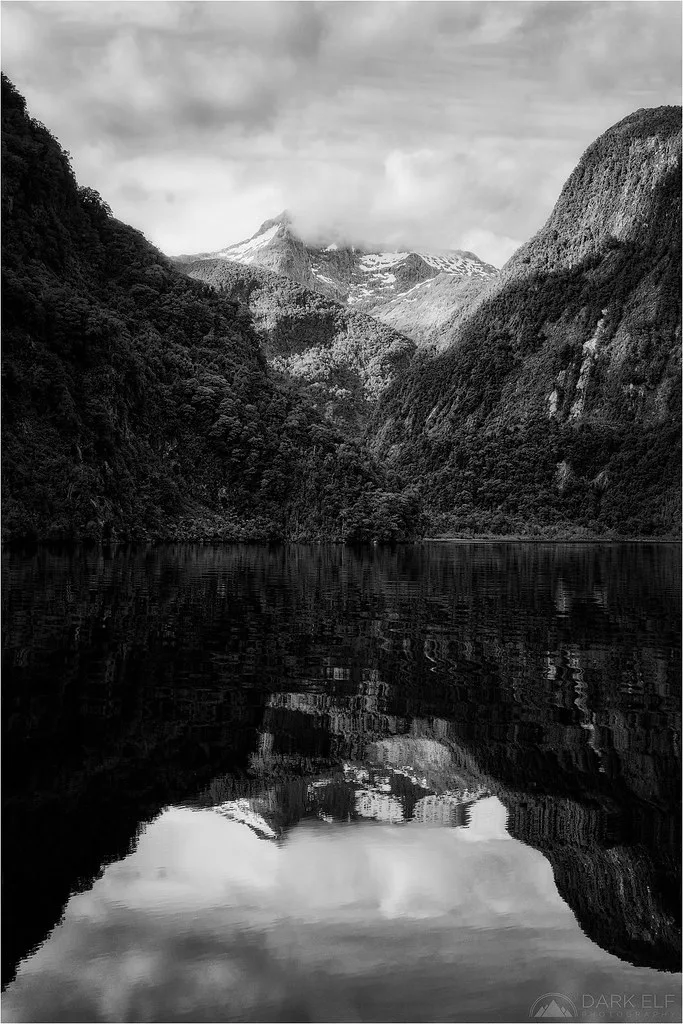
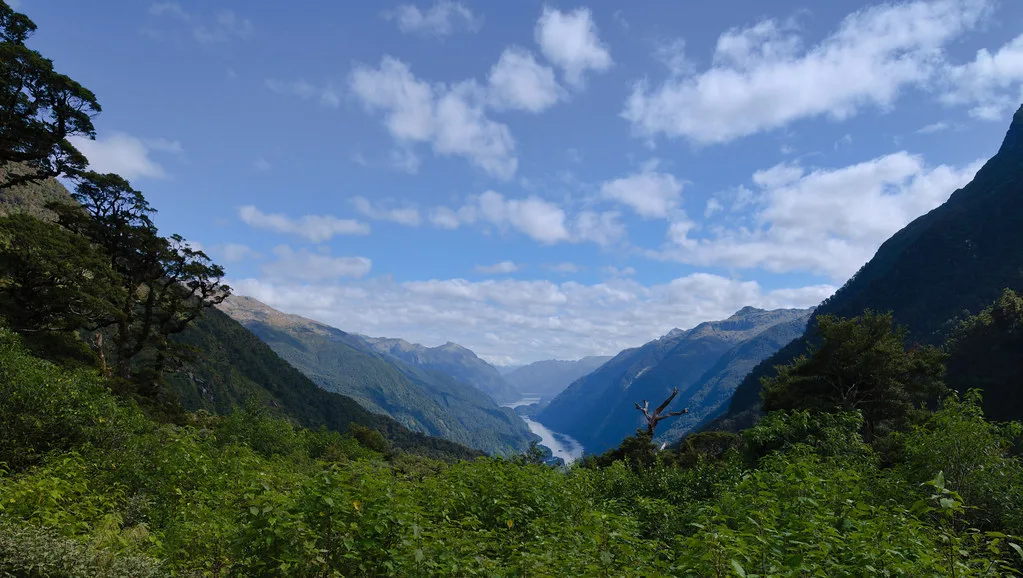
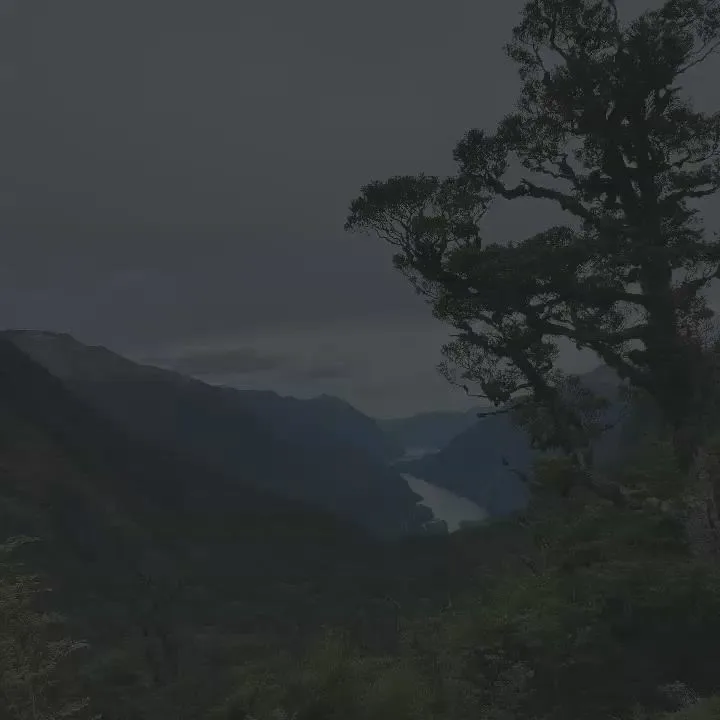
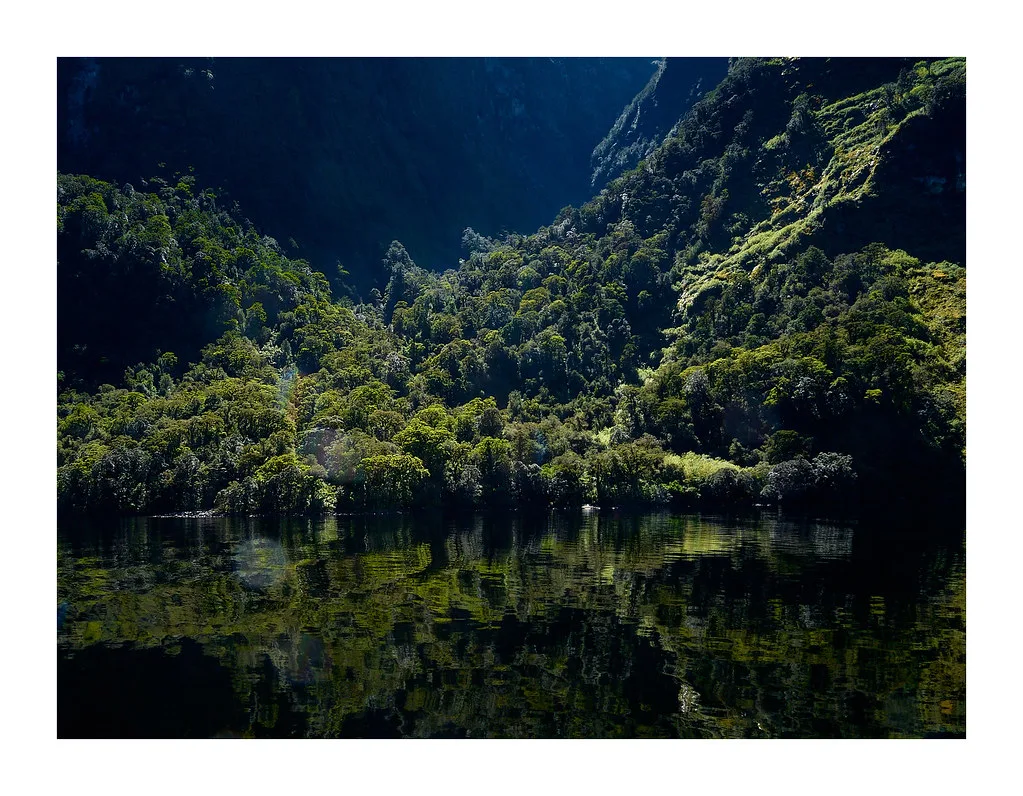
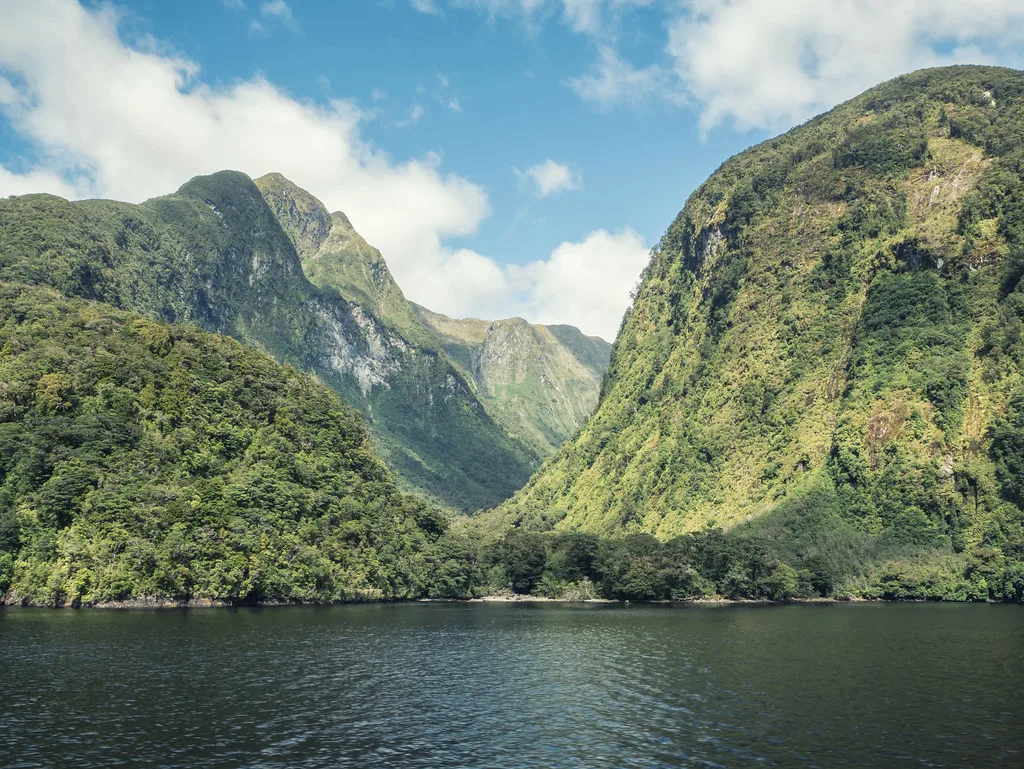
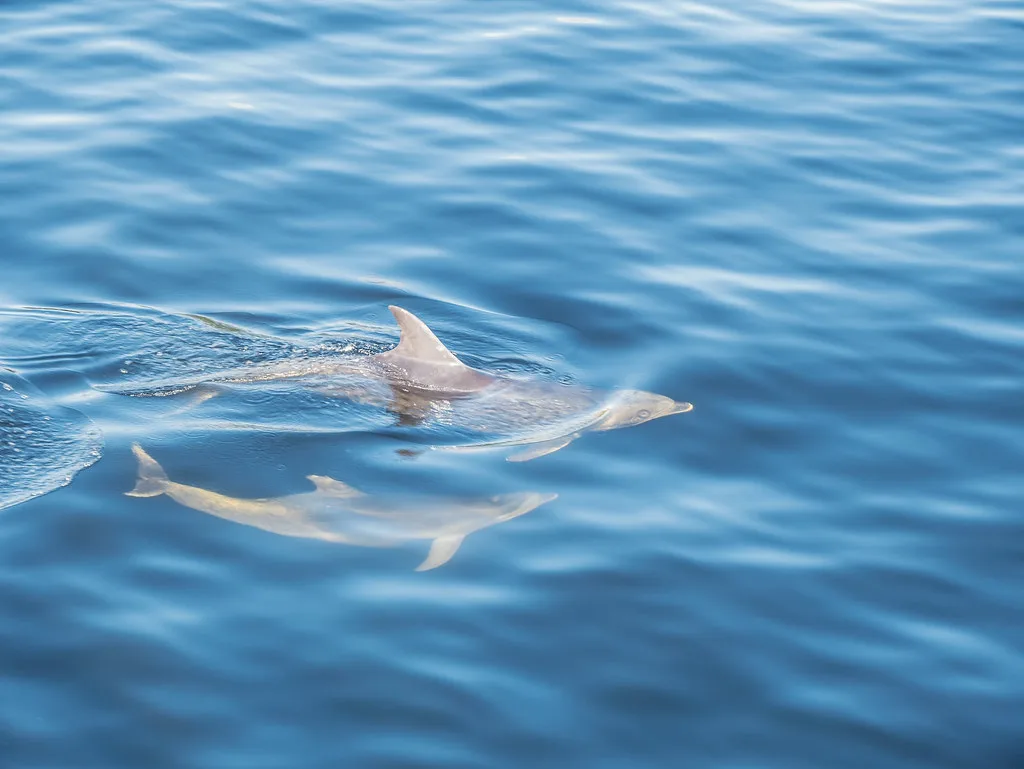


Image Credits
- doubtful-sound-hero.webp: Wikimedia Commons (CC BY-SA)
- doubtful-sound-harbor.webp: Unsplash (free license)
- doubtful-sound-landmark.webp: Pixabay (free license)
- doubtful-sound-attraction-1.webp: Wikimedia Commons (CC BY-SA)
- doubtful-sound-attraction-2.webp: Flickr (CC BY)
- doubtful-sound-food.webp: Wikimedia Commons (CC BY-SA)
- doubtful-sound-street.webp: Pexels (free license)
- doubtful-sound-panorama.webp: Unsplash (free license)
- doubtful-sound-wildlife.webp: Flickr (CC BY)
- doubtful-sound-rainforest.webp: Pixabay (free license)
- doubtful-sound-kea.webp: Wikimedia Commons (CC BY-SA)
- doubtful-sound-manapouri.webp: Pexels (free license)
Images sourced from Wikimedia Commons, Unsplash, Pixabay, Pexels, and Flickr under Creative Commons and free-use licenses.
Frequently Asked Questions
Q: Why is it called Doubtful Sound?
A: Captain Cook named it Doubtful Harbour in 1770 because he doubted whether the winds would be sufficient to sail his ship back out through the narrow entrance. He never entered. The name endured when it was later classified as a sound, though technically it is a fjord carved by glaciers.
Q: How does Doubtful Sound differ from Milford Sound?
A: Doubtful Sound is three times larger (40 km versus 15 km), ten times quieter with far fewer visitors, and New Zealand's deepest fjord at 421 metres. Milford sees hundreds of tour boats daily; Doubtful typically has only a handful.
Q: What is the Sound of Silence experience?
A: The captain cuts all engines and asks passengers to remain completely quiet. For several minutes, the only sounds are waterfalls, birdsong, and dripping water. This tradition is unique to Doubtful Sound cruising and is included at no additional cost.
Q: What wildlife can I see?
A: A resident pod of about 60 bottlenose dolphins, New Zealand fur seals on shoreline rocks, Fiordland crested penguins during breeding season, and endemic birds including kea, weka, and bellbirds. Dolphin sightings are common but depend on the pod's location that day.
Q: When is the best time to cruise Doubtful Sound?
A: The fjord is spectacular year-round. Summer (December to February) offers warmth and long daylight. Autumn brings fewer sandflies. Winter provides snow-capped peaks. Spring features peak waterfall flow from snowmelt. Rain is frequent in every season.
Q: Can I go ashore during a Doubtful Sound transit?
A: No. This is scenic cruising only. There is no pier, no town, and no infrastructure for passengers to disembark. The entire experience is from the ship's deck or your balcony as the vessel transits the 40-kilometre fjord.