


Dunedin: Where Scottish Souls Built a Victorian Jewel at the End of the World
My Visit to Dunedin
I stepped off the shuttle bus at the Octagon on a bright January morning, and the first thing that struck me was the silence. Not true silence — there was birdsong threading through the trees, and the distant clatter of a café setting out chairs — but a kind of civic quiet that felt almost reverential, as though the city itself were still waking up. My wife squeezed my arm and pointed across the square at the dark stone façade of a building that looked like it belonged in Edinburgh, not at the bottom of the world. "It really is Scottish," she whispered. And she was right. The air smelled of damp earth and cut grass, and the breeze carried a chill that I felt through my jacket even in the height of the southern summer. We had arrived in Dunedin, the Edinburgh of the South, and I already understood why the name was not just marketing but an honest declaration of identity.

We walked down Stuart Street toward the Railway Station, and when it came into view I stopped mid-step. I had seen photographs, but photographs cannot prepare you for the sheer exuberance of George Troup's 1906 masterpiece. Dark basalt and white Oamaru limestone stood in dramatic contrast, every surface carved and ornamented with a confidence that bordered on defiance. Locals call it the Gingerbread House, and I understood why — it trembles on the edge of excess, then pulls back into magnificence. Inside, Royal Doulton porcelain tiles formed mosaic floors beneath my feet, and stained glass flooded the booking hall with colored light that turned the dust motes into tiny jewels. I ran my hand along the polished wooden counter and felt the warmth of the timber, the smoothness worn by a century of palms. My wife was already photographing every surface, but I just stood and listened to the echo of our footsteps in that cavernous space, thinking about the people who built this — who poured their gold-rush wealth into a railway station as if permanence were both duty and prayer.
Then came gold. That was what I kept thinking as we explored the city centre, walking streets lined with Victorian and Edwardian buildings so lavish they read like an architectural catalog from 1880. The 1860s Otago gold rush transformed Dunedin from a modest Free Church settlement into New Zealand's largest and wealthiest city almost overnight, and the nouveau riche commissioned architects to immortalize their prosperity in bluestone and ornament. Yet the wealth did not last. The gold ran out, the population shifted north, and Dunedin settled into a quieter role. But the buildings remained — High Victorian Gothic, Italianate villas, Flemish Renaissance flourishes — and walking among them felt like leafing through the diary of a city that once burned bright and still carries the embers. I tasted that history in the flat white I drank at a student café on George Street, the coffee rich and nutty, served by a young woman with a University of Otago lanyard who told me her grandfather had worked in the goldfields. The layers of this city run deep.
That afternoon, we drove out to the Otago Peninsula, and the landscape changed as if someone had turned a page. Scottish propriety gave way to raw, untamed New Zealand. The road hugged the harbour edge, cliffs dropping away to dark water on one side and green hills climbing on the other, and the wind grew stronger with every kilometer. I could smell the sea — salt and kelp and something sharper, almost metallic — and I rolled down the window to let it fill the car. My wife said it smelled like the edge of the world. She was not far wrong.
At the Royal Albatross Centre at Taiaroa Head, I stood on the viewing platform and watched the world's only mainland colony of royal albatross. I had read about these birds — their three-meter wingspans, their decades-long pair bonds, their ability to circumnavigate the Southern Ocean and return to this exact cliff — but nothing I had read prepared me for the sight of one launching from the headland. It caught an updraft and rose without a single wingbeat, gliding on invisible currents of air with a grace so perfect it looked effortless. I watched it for what must have been five minutes, and my breath caught somewhere in my chest. The guide told us that these birds can live sixty years, that some return to the same nesting site after years at sea, that their fidelity to this rock ledge is absolute. I thought about what it means to have a home you circle the entire world to find again, and something shifted inside me — a quiet recognition that some bonds are stronger than distance, stronger than time, stronger than the vastness of oceans.
We walked down to the beach below the centre as the afternoon light turned golden. The hoiho — New Zealand's yellow-eyed penguin — were beginning to return from their day at sea, waddling up the sand with those distinctive golden eyes scanning warily for predators. They are critically endangered, and watching one emerge from the surf and shake itself dry felt like witnessing something ancient and fragile. A conservation guide whispered that fewer than four thousand remain in the wild. I held still, barely breathing, while a penguin passed within three meters of our viewing hide, close enough that I could hear the soft sound of its feet on the wet sand. My wife reached for my hand and held it tightly. Neither of us spoke. There are moments when silence is the only honest response to beauty, and this was one of them.
The next morning I woke early and walked alone through Port Chalmers before the shuttle departed, watching the fishing boats rock gently at their moorings in the grey pre-dawn light. The harbour was still. A cat watched me from a windowsill. I could hear the creak of ropes and the soft slap of water against hulls, and the smell of fresh bread drifting from a bakery that had opened early. I bought a warm roll and ate it on the wharf, tasting salt and butter and yeast, and I thought about the Scottish emigrants who had stepped off their ships at this exact spot in 1848, carrying their Bibles and their blueprints for a new Edinburgh. They named their city Dùn Èideann — Scottish Gaelic for Edinburgh itself — and they built in stone as if permanence were an act of faith. Standing there on that quiet wharf, watching the light creep across the harbour, I whispered a prayer of gratitude — for the gift of being alive in such a world, for my wife sleeping back on the ship, for the health to walk these streets and feel the wind off the Southern Ocean on my face.
We spent our second day at Larnach Castle, New Zealand's only castle, perched on the Otago Peninsula's heights with panoramic views across the harbour. William Larnach built it starting in 1871 — a wealthy banker and politician who imported craftsmen from Europe and materials from around the globe to create a Gothic Revival mansion that would have looked at home on a Scottish estate. The interiors gleam with hand-carved ceilings and marble fireplaces, and the gardens cascade down terraced hillsides in splendor that takes your breath. But the Larnach family story is shadowed by tragedy — financial ruin, scandal, William's eventual death in Parliament — and that melancholy lends the castle a haunted beauty. I stood in the ballroom and looked up at the ceiling, where Italian craftsmen had spent years carving every detail, and I felt something I can only call sorrow for the man who dreamed all this into existence and could not hold it. The cost of admission was about $35 NZD per person, and the café served excellent scones with cream and jam that tasted like they belonged to a gentler era.
Looking back, I realize what Dunedin taught me. It is not the grand gestures that stay with you — not the ornate railway station or the dramatic albatross colony, though those were magnificent. What stays is the quiet: the sound of a penguin's feet on wet sand, the scent of bread on a harbour wharf at dawn, the warmth of my wife's hand in mine as we watched something rare and fragile emerge from the sea. Dunedin is a city built by people who understood that the finest things require time, care, and faithfulness. The Scots who founded it carried their identity across the world and planted it in stone. The albatross that nest at Taiaroa Head circle the Southern Ocean and return to the same cliff year after year. I learned that the truest journeys are not about distance but about what you carry with you and what you find worth returning to. We sailed from Port Chalmers on a Thursday evening, and as the harbour shrank behind us, I felt my heart swell with gratitude for a place that had shown us, in its quiet Scottish way, what it means to build something that endures.
Featured Images
The Cruise Port
What you need to know before you dock.
- Terminal: Port Chalmers — a working port with cruise facilities, shuttle buses, and a small visitor information area. The wharf area is flat and wheelchair accessible, with ramps at key boarding points for guests with mobility needs. Port Chalmers itself is a charming harbour town with cafés and galleries worth exploring if you have time before boarding.
- Distance to Dunedin: 15 km (9 miles) / approximately 20 minutes by shuttle to city centre; 30 minutes to Otago Peninsula attractions
- Tender: No — ships dock directly at Port Chalmers wharf
- Currency: New Zealand Dollar (NZD); credit and debit cards accepted virtually everywhere including small cafés
- Language: English (with a distinctive Kiwi-Scottish hybrid accent in older residents that is charming to hear)
- Driving: Left side of the road
- Best Season: December through February (summer) for warmest weather; albatross breeding season runs September through March
- Time Zone: New Zealand Standard Time (NZST), UTC+12; daylight saving adds one hour from late September to early April
Getting Around
Transportation tips for cruise visitors.
- Shuttle Buses: Most cruise lines provide shuttle buses from Port Chalmers to Dunedin city centre (typically the Railway Station or the Octagon). Cost varies by cruise line — some include it free, others charge $10-15 NZD round trip. The ride takes about 20 minutes and drops you within walking distance of the main attractions. Shuttle buses are generally accessible with low-floor boarding for wheelchair users and those with limited mobility, though it is worth confirming accessibility features with your cruise line in advance.
- Walking in Dunedin: Once you reach the city centre, Dunedin is quite walkable. The Octagon, Railway Station, university precinct, and George Street shopping are all within comfortable walking distance of each other on relatively flat terrain. However, the city climbs steeply in places — Baldwin Street being the extreme example — so plan routes accordingly if hills are a concern.
- Taxis and Rideshare: Taxis are available at Port Chalmers and Dunedin. Uber operates in Dunedin. A taxi from Port Chalmers to the city centre costs approximately $40-50 NZD. To the Royal Albatross Centre on the Otago Peninsula, expect to pay around $60-70 NZD one way. Agree on the fare before departing for longer trips.
- Organized Tours: The best option for Otago Peninsula wildlife and Larnach Castle, as these sites are spread along winding peninsula roads with limited public transport. Half-day tours typically cost $80-150 NZD per person depending on inclusions. Full-day tours covering both wildlife and castle run $150-250 NZD. Book through your ship or local operators at the port.
- Public Buses: Dunedin's Orbus network runs local routes, but frequency is limited and routes do not serve the peninsula wildlife sites directly. Useful for getting between the city centre and suburban attractions like Baldwin Street (fare approximately $3-5 NZD) but not practical for a time-limited port day focused on the peninsula.
- Rental Cars: Available in Dunedin city centre. Driving on the Otago Peninsula involves narrow, winding roads with stunning but distracting views. If you are comfortable driving on the left side, this offers maximum flexibility. Budget approximately $60-90 NZD per day.
Dunedin & Otago Peninsula Map
Interactive map showing Port Chalmers terminal, city landmarks, Otago Peninsula wildlife sites, and key attractions. Click any marker for details and directions.
Excursions & Activities
How to spend your time ashore. For popular wildlife tours, book ahead during peak season (December through February) to secure your spot. Many visitors explore independent of the ship excursion options for flexibility and cost savings, though a ship excursion offers guaranteed return to the vessel before departure.
Royal Albatross Centre & Taiaroa Head
This is the essential Dunedin experience — the world's only mainland breeding colony of royal albatross. From September through March, these magnificent birds with three-meter wingspans nest on the windswept headland, and guided tours take you to viewing platforms where you can watch them launch, glide, and return with breathtaking grace. The centre also offers views of penguins, fur seals, and the historic Fort Taiaroa gun emplacements. The Classic Albatross tour costs approximately $55 NZD per adult (about 90 minutes). I have visited twice and would return without hesitation. The viewing platform is accessible for visitors with limited mobility, though the path to the headland involves some moderate inclines. Watching an albatross read the wind is like watching a master craftsman at work — every movement purposeful, nothing superfluous.
Otago Peninsula Wildlife
The peninsula shelters some of New Zealand's rarest creatures. The hoiho (yellow-eyed penguin) is critically endangered, and seeing one waddle up a beach at dusk — those distinctive golden eyes alert and wary — feels like witnessing something ancient and fragile. Little blue penguins nest in coastal burrows. New Zealand fur seals haul out on rocks with the casual confidence of locals. Penguin Place offers excellent viewing hides and conservation interpretation for about $55 NZD per adult. Elm Wildlife Tours and Monarch Wildlife Cruises provide guided eco-tours. Consider combining albatross and penguin visits in a single half-day trip.
Larnach Castle
New Zealand's only castle, built by William Larnach starting in 1871. He imported craftsmen from Europe and materials from around the globe to create this Gothic Revival mansion on the peninsula's heights. The interiors are opulent: hand-carved ceilings, marble fireplaces, stained glass. The gardens cascade down terraced hillsides with panoramic views across Otago Harbour. Entry costs approximately $35 NZD per adult. Allow at least two hours. The café serves excellent scones with cream and jam. Garden paths have some steep sections, though the main castle interior is navigable for most visitors.
Dunedin Railway Station & City Heritage Walk
The Gingerbread House — George Troup's 1906 Flemish Renaissance masterpiece — is free to explore. The ornate stonework gives way to Royal Doulton mosaic floors and stained glass. The adjacent Toitu Otago Settlers Museum tells the story of immigration and social history with moving depth (free entry). From here, walk to the Octagon, the university precinct, and the Chinese Garden ($10 NZD entry). This self-guided city walk is an excellent independent option requiring no transport beyond the shuttle from port.
Baldwin Street
Officially certified as the world's steepest residential street, climbing at a 35% gradient. A brief novelty — good for photos and the satisfaction of having walked it. Every July the city rolls 75,000 Jaffa chocolate balls down the asphalt for charity. Short bus ride from the city centre (fare approximately $3 NZD). Allow 30-45 minutes including transport.
Speight's Brewery Heritage Tour
Speight's has been brewing since 1876, and the Pride of the South branding runs deep. Heritage tours include the brewing process, history, and tastings for about $28 NZD per adult. Book ahead on cruise ship days as tours fill quickly. The brewery is within walking distance of the city centre.
Depth Soundings Ashore
Lessons learned the hard way.
- Peninsula Strategy: The Otago Peninsula requires transport and takes time. Do not try to combine the Royal Albatross Centre, Penguin Place, and Larnach Castle in a single half-day unless you have a well-organized tour. Choose two at most for a relaxed experience. The wildlife sites are at the far tip of the peninsula, about 30 minutes from Port Chalmers.
- Weather Layers: Dunedin's famous "four seasons in one day" reputation is deserved. Pack layers even in summer — a base layer, warm mid-layer, and waterproof shell. Temperatures at sea level (15-20 degrees Celsius in summer) can drop sharply on the exposed headlands. Wind on the peninsula is constant and cold.
- Penguin Timing: Yellow-eyed penguins return to shore at dusk, which may conflict with your ship's departure time. Confirm sailing time and plan accordingly. Little blue penguins are more reliably viewable on guided tours during the day.
- Port Chalmers Itself: Do not overlook Port Chalmers. The small harbour town has genuine character — good cafés, a few art galleries, and a historic feel that rewards a quiet wander before or after your city excursion. The Carey's Bay Hotel is a local institution for fish and chips.
- Try Blue Cod: The local fish specialty — flaky white flesh, often beer-battered. Order it at any fish and chip shop in Dunedin or Port Chalmers. Pair with Bluff oysters if they are in season (March through August). Budget about $15-20 NZD for a generous fish and chips portion.
- Cash for Tips: New Zealand is not a heavy tipping culture, but wildlife guides and tour operators appreciate small tips for excellent service. Cards are accepted nearly everywhere, but a small amount of NZD cash is useful for market stalls and the Jaffa Shop on Baldwin Street.
Photo Collection
Photo Gallery
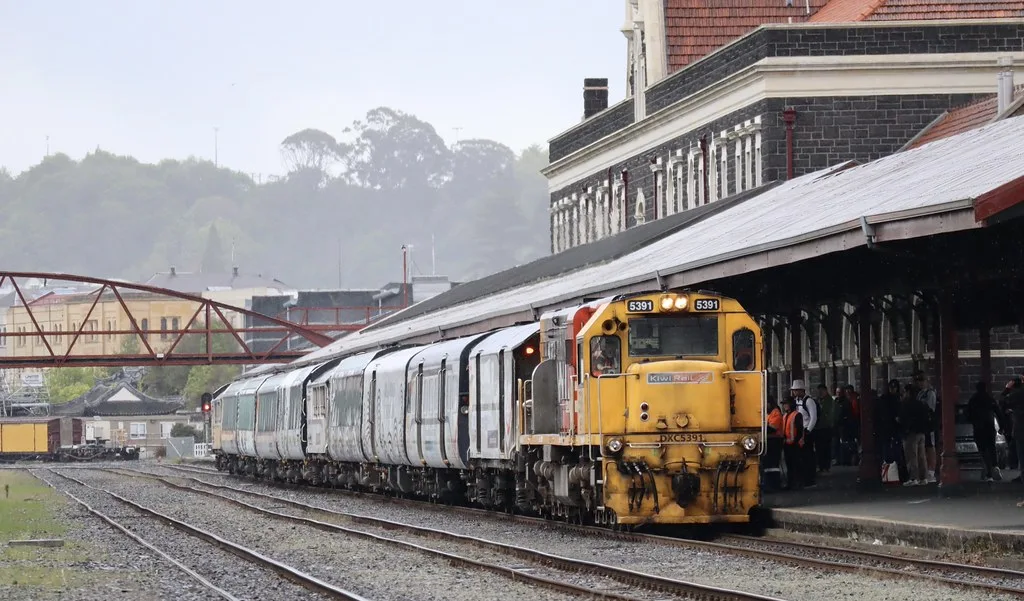
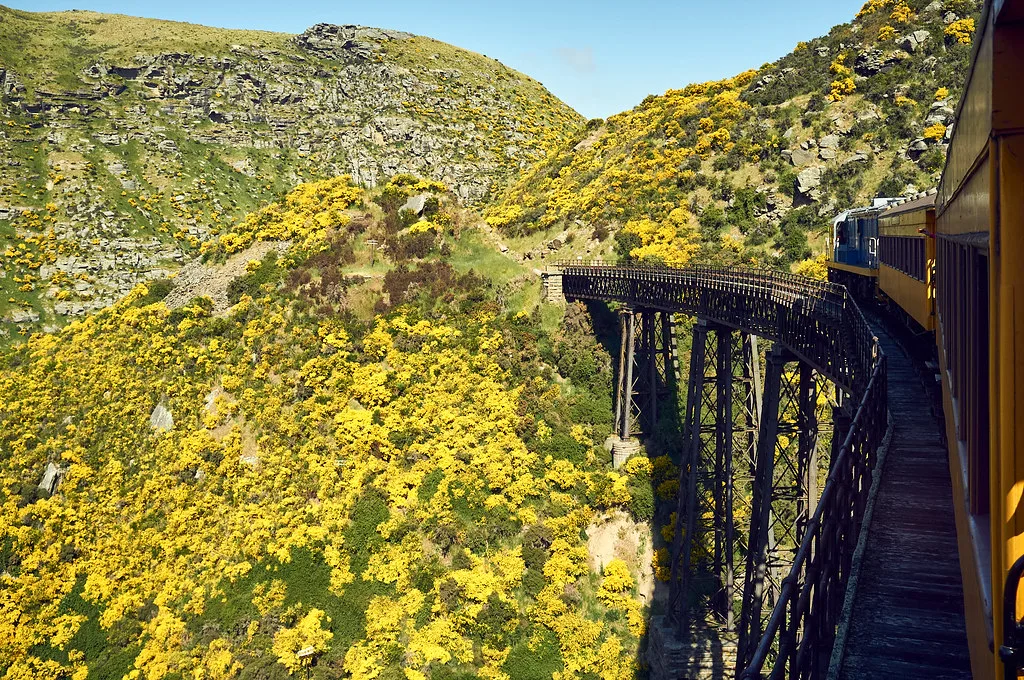
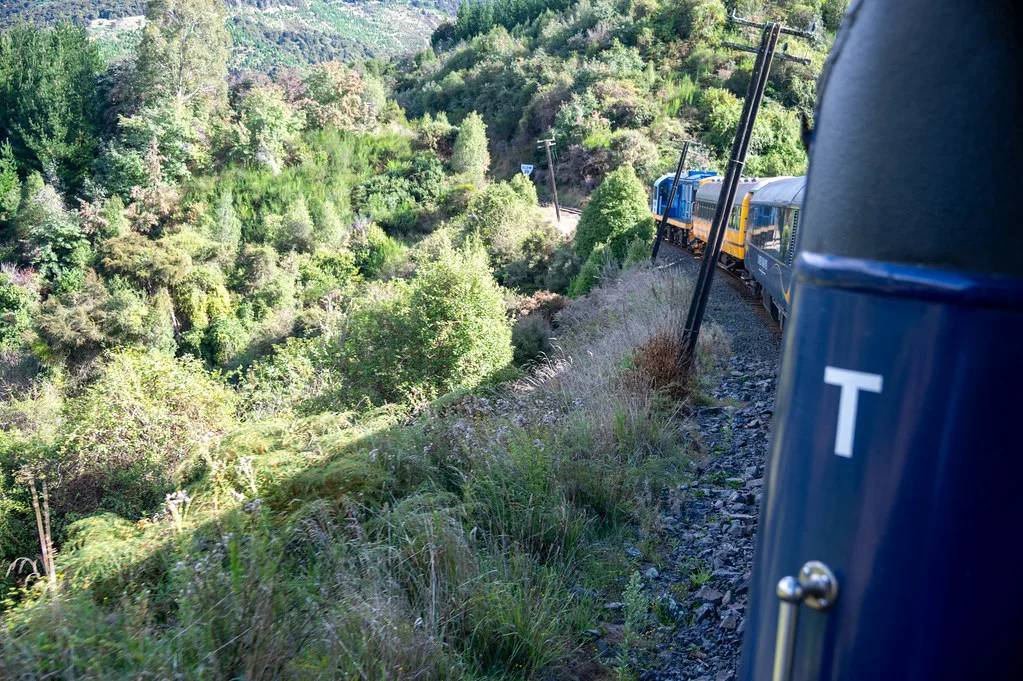
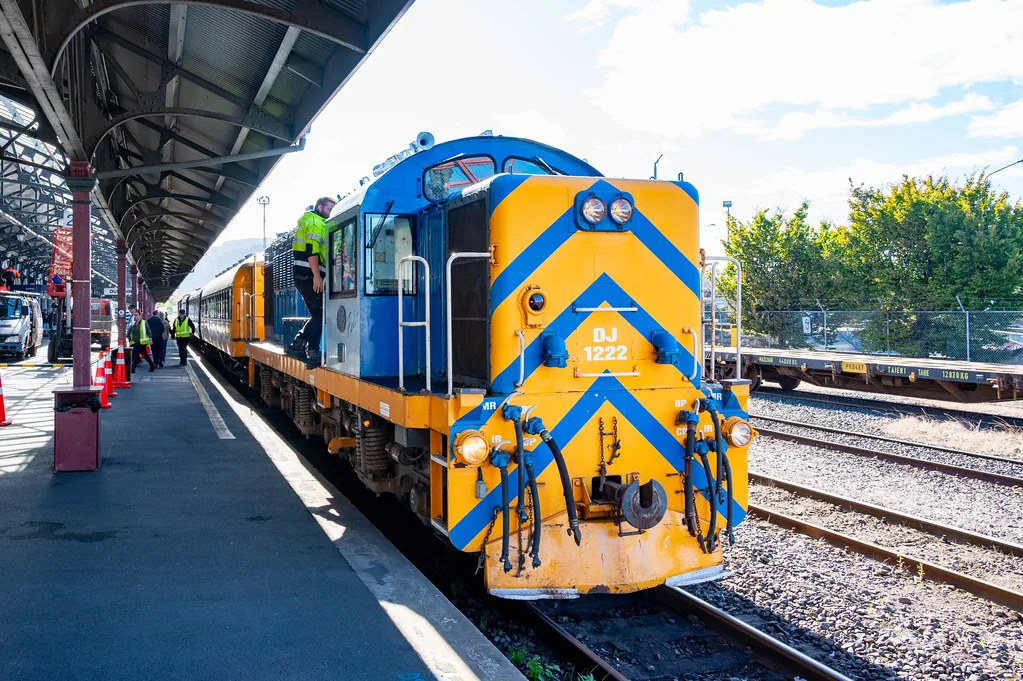
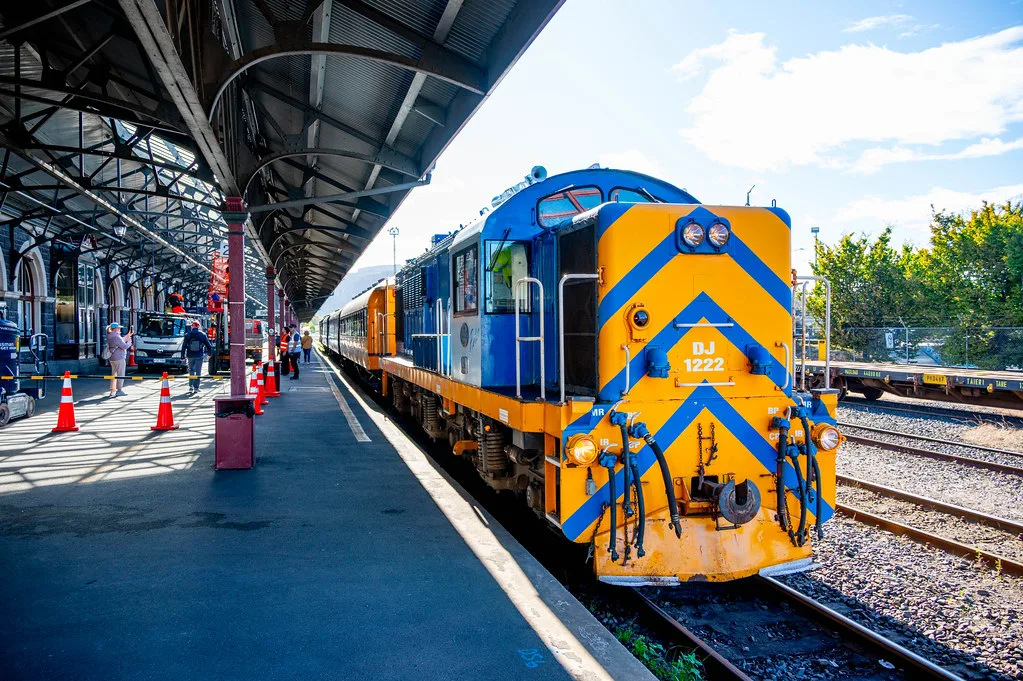
Image Credits
- Hero image: Wikimedia Commons (CC BY-SA)
- Railway Station, peninsula, castle, harbour, albatross, Baldwin Street, gallery images: Wikimedia Commons (CC BY-SA)
Frequently Asked Questions
Q: Where do cruise ships dock in Dunedin?
A: Ships dock at Port Chalmers, about 15 kilometers from the city centre. Port Chalmers is a working port with cruise facilities, and shuttle buses transport passengers to downtown Dunedin, the Railway Station, and Otago Peninsula attractions. Port Chalmers itself is a charming harbour town with cafés and galleries worth exploring.
Q: Can I see albatross and penguins during my visit?
A: Yes, and it is genuinely one of the world's great wildlife experiences. The Royal Albatross Centre at Taiaroa Head hosts the only mainland royal albatross colony — best viewing during breeding season (September through March). Yellow-eyed penguins (hoiho) and little blue penguins are viewable year-round, with dusk offering the best chance to see them returning from the sea. Guided eco-tours provide the best access while minimizing disturbance to these protected species.
Q: Is Dunedin walkable from the cruise port?
A: No. Port Chalmers is a separate town 15 kilometers north of Dunedin proper. You will need to use shuttle buses or book organized tours to reach the city centre and Otago Peninsula attractions. The city itself is quite walkable once you arrive, with flat terrain around the Octagon and Railway Station, though some streets climb steeply.
Q: What should I pack for Dunedin's weather?
A: The Packing Tips section in the seasonal panel above lists: "Sunscreen and sunglasses — essential year-round"; "Light layers for variable temperatures"; "Comfortable walking shoes for exploring"; and "Rain jacket or compact umbrella." The logbook entry above describes the air as "a chill that I felt through my jacket even in the height of the southern summer," which is consistent with that "Light layers for variable temperatures" guidance. Specific Dunedin temperature ranges are not detailed on this page — the glance Temperature entry reads "Varies by season — check forecast" — so use the live weather widget for current conditions.
Q: Is Baldwin Street worth visiting?
A: That depends on your priorities. It is a brief novelty — 10 minutes for photos and the satisfaction of walking the world's steepest residential street. Not essential if you are choosing between Baldwin Street and the albatross colony. But if you have time and enjoy quirky landmarks, it is fun.
Q: Is Dunedin accessible for visitors with limited mobility?
A: The city centre around the Octagon and Railway Station is generally flat and manageable. Port Chalmers wharf is accessible with ramps. The Royal Albatross Centre viewing platform is wheelchair accessible. However, some peninsula roads and walking trails involve steep gradients. Organized tours can accommodate mobility needs with advance notice. The Taieri Gorge Railway from the Railway Station is a scenic accessible alternative to walking-heavy excursions.
Q: What is the connection between Dunedin and Scotland?
A: It runs deep. The city was founded in 1848 by Free Church of Scotland emigrants, and the name comes directly from Dun Eideann — Scottish Gaelic for Edinburgh. The heritage is visible everywhere: architecture, street names (George Street, Princes Street, Moray Place), cultural traditions, and the lingering influence of Presbyterian values. The University of Otago, founded in 1869, was modeled on Scottish universities. Bagpipes still sound in the Octagon on special occasions.
Q: When is the best time to visit Dunedin?
A: The seasonal panel above lists Peak Season as "Oct, Nov, Dec, Jan, Feb, Mar" and aligns Beach, Snorkeling, Hiking, and City Walking activities with those same months. Transitional Season is "Apr, Sep" and Low Season is "May, Jun, Jul, Aug," with Low Crowds noted for "May, Jun, Jul." The avoidance note lists "Jul, Aug, Sep." Use the live weather widget in the seasonal panel for current short-term conditions.
Q: When is Dunedin's storm season?
A: The Weather Hazards panel above labels "Heavy Weather (Winter)" with "Season: Jun – Aug" and "Peak risk: Jul, Aug." The hazard-note explains: "Cold southerly fronts off the Southern Ocean can bring strong winds, swell, and cold rain. Ships rarely reroute, but tender operations and shore-excursion timing can shift on storm days." South Island New Zealand sits outside the tropical-cyclone belts, so the relevant heavy-weather pattern is winter southerly storms rather than typhoons or hurricanes. The live weather widget in the seasonal panel above is the source for current conditions on any sailing date.
Q: Will rain ruin my Dunedin port day?
A: The seasonal panel does not give Dunedin-specific rainfall data — the Rain entry reads "Seasonal variation — check forecast." The Best Time block does list "Oct, Nov, Dec, Jan, Feb, Mar" as Peak Season and aligns the listed outdoor activities with those months. The logbook entry above describes the southern summer breeze as carrying "a chill," which suggests packing a rain jacket per the Packing Tips list. The live weather widget in the seasonal panel is the source for short-term forecasts on a specific sailing date.