
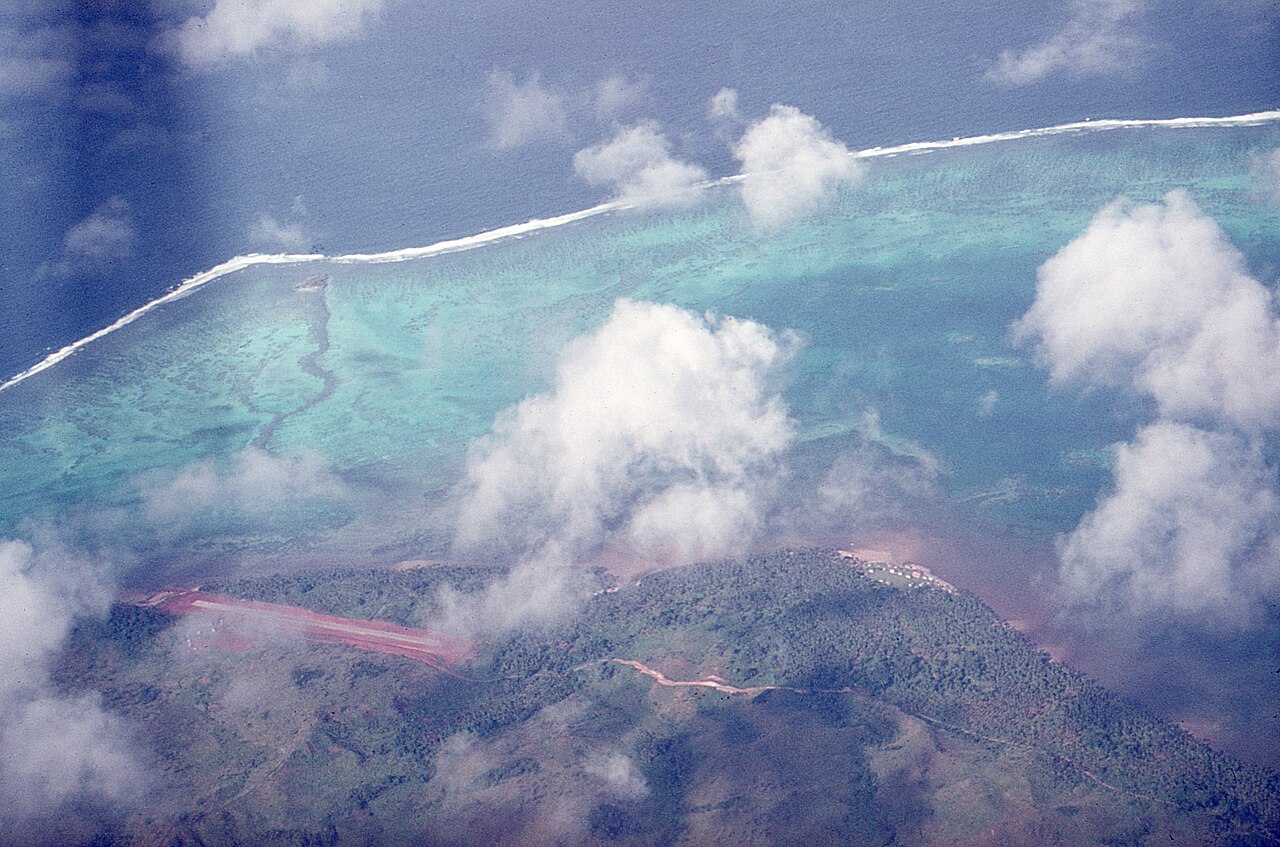
Fiji (Lautoka)
333 Islands of Bula Spirit & Warm Hospitality
Last reviewed: February 2026
Quick Answer: Fiji cruise ships dock at Lautoka on Viti Levu. A village kava ceremony ($75-100) is the signature cultural experience; Mamanuca island day trips ($100-150) deliver postcard-perfect beaches and snorkeling. Taxis within Lautoka cost FJD 5-10 ($2-4).
Captain's Logbook
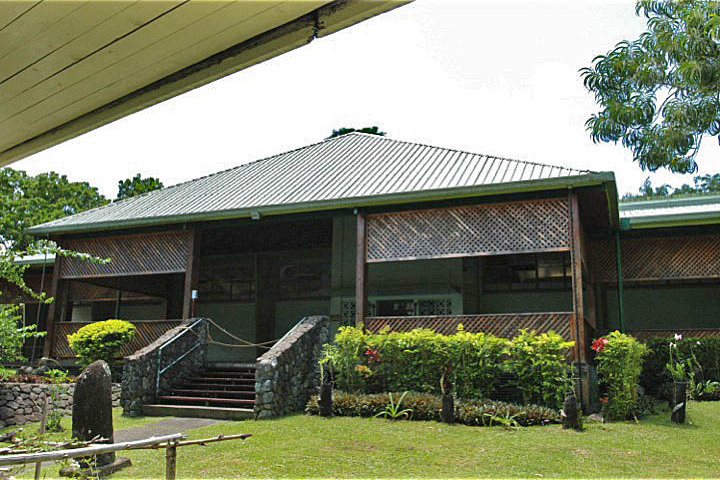
"Bula!" The word greeted me before I even reached the gangway – Fijian crew members waving from the dock, their smiles wide and genuine. I had heard that Fiji was the friendliest place on Earth, dismissed it as tourist board hyperbole, and discovered within minutes of stepping ashore that the reputation was earned. Our ship docked at Lautoka, Fiji's second-largest city on the western coast of Viti Levu, the main island of this 333-island archipelago scattered across the South Pacific. Lautoka calls itself Sugar City for the cane fields that surround it and the enormous Fiji Sugar Corporation mill that dominates the waterfront. The sweet smell of processing sugar hung in the tropical air as I walked through the terminal into brilliant sunshine. I had eight hours to explore and felt the particular excitement that comes with first landfall in the Pacific Islands.
My pre-booked village visit ($75 through the ship's excursion desk, including transportation and kava ceremony) began with a forty-minute drive through sugar cane fields and coconut plantations. Our van climbed into the hills where the village of Navala preserves Fiji's most intact collection of bure – thatched-roof dwellings built in the ancient style. The chief welcomed us formally at the village gate, his ceremonial club resting against his shoulder. We removed our shoes, covered our shoulders, and entered the meeting house where thirty villagers sat waiting on woven mats. The kava ceremony that followed connected me to three thousand years of Melanesian custom. Kava – made from pounded root mixed with water – tastes like muddy earth and has mild sedative properties. I clapped once, said "bula," drank the coconut shell bowl in one gulp, then clapped three times as instructed. My lips went slightly numb. The villagers smiled their approval. This was not performance for tourists; this was genuine welcome extended to strangers.
Lunch in the village cost FJD 25 (about $11) and included taro, cassava, chicken cooked in coconut milk, and fresh tropical fruit. I sat cross-legged on a mat beside a Fijian grandmother who spoke no English but communicated warmth through gestures and laughter. When she reached out and gently squeezed my hand in welcome, something shifted inside me. Children peeked through doorways, giggling when I waved. Young men demonstrated fire-making using only sticks and coconut fiber. Women showed their weaving techniques, creating mats and baskets from pandanus leaves. The afternoon heat pressed down but the bure stayed cool, its thatched roof breathing in ways modern construction cannot match. I bought a small woven basket for FJD 30 ($13), knowing I was supporting the village economy directly rather than enriching some intermediary. When we departed, the entire village lined the path to wave goodbye, their chorus of "bula" echoing across the hillside. I understood then why Fiji inspires such devotion among travelers.
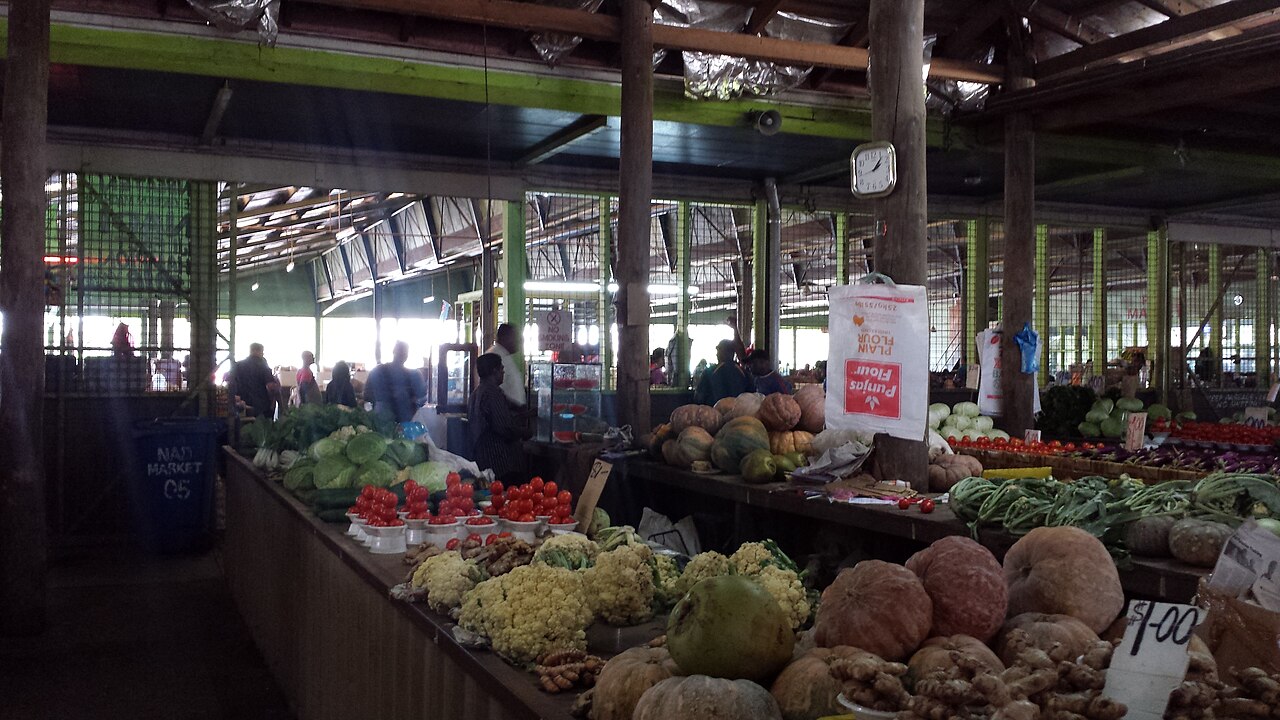
My afternoon turned to water. The Mamanuca Islands – that postcard-perfect chain of tiny islands visible from Lautoka – beckoned from the horizon. A catamaran day trip ($120 including lunch, snorkeling gear, and island time) carried me thirty minutes offshore to an islet barely larger than a football field. The water was that impossible turquoise that photographs never capture accurately – so clear I could see fish swimming twenty feet below the boat. Snorkeling revealed healthy coral gardens teeming with parrotfish, clownfish, and species I couldn't identify. The crew handed me a coconut hacked open with a machete, its water cool and sweet. I floated on my back in blood-warm water, staring at clouds drifting across Pacific blue, and felt the particular peace that island time brings. No schedule mattered. No urgency existed. Just warmth, water, and the gentle lap of wavelets against white sand.
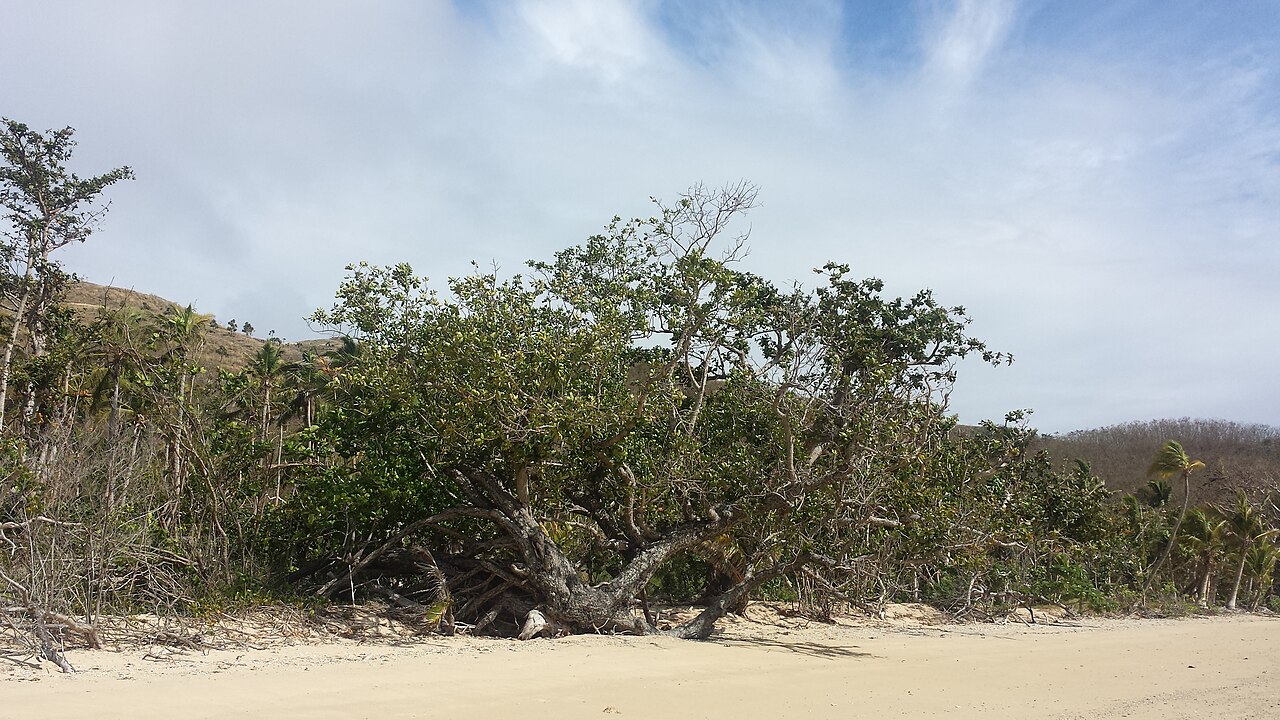
Evening found me back in Lautoka, wandering the municipal marketplace ($2 taxi from the port) where Indo-Fijian vendors sold spices, produce, and curries that reflected Fiji's multicultural reality. Indians brought to Fiji as sugar workers in the colonial era now comprise forty percent of the population, and their cuisine has melded with Melanesian cooking to create something uniquely Fijian. I ate a vegetable curry with roti for FJD 8 ($3.50), watching the sunset paint the harbor pink and gold. Back at the port, a group of Fijian musicians played guitars and sang in harmony, their voices carrying across the water to where my ship waited. I walked back aboard carrying my woven basket, my skin still salty from the sea, my heart full of bula spirit. Fiji had given me exactly what I hadn't known I needed – genuine human warmth, natural beauty, and the reminder that happiness often lives in simple things. The friendliest place on Earth had earned its reputation honestly, and I was already planning my return. However brief my visit, Fiji had touched something in me that more elaborate destinations often miss – the simple truth that human connection matters more than spectacle, and that happiness flourishes wherever people take time to welcome strangers with genuine warmth.
Cruise Port
Most cruise ships dock at Lautoka on Fiji's main island of Viti Levu. The port handles sugar exports but has developed cruise facilities including a welcoming terminal with local vendors, tourist information, and taxi services. Some ships dock at Suva (Fiji's capital on the eastern coast) or anchor off Denarau Island (resort area near Nadi International Airport). Which port depends on itinerary and ship size.
From Lautoka terminal, downtown is twenty minutes walking or five minutes by taxi (FJD 5-10, about $2-4). The Nadi area with its resorts and airport lies forty-five minutes south by road. Cruise calls typically allow 8-10 hours ashore – adequate for village visits, island day trips, or Sigatoka exploration with good planning. Ship excursions guarantee return timing; independent visitors should allow buffer time for Fiji's relaxed pace. Fiji uses Fiji Dollars (FJD); US dollars and Australian dollars accepted at tourist venues. Credit cards work at major businesses but bring cash for villages, taxis, and markets.
Getting Around
Lautoka town is compact and walkable from the port. The municipal market, shops, and restaurants cluster within ten minutes of the terminal. However, Fiji's best experiences – village visits, coastal areas, Sigatoka Sand Dunes – require transportation beyond walking distance.
Taxis: Readily available at the port and throughout Lautoka. Metered but always confirm price before departure. Expect FJD 5-10 ($2-4) within town, FJD 80-150 ($35-65) for longer excursions like Sigatoka (2 hours round trip). Many drivers offer informal touring – negotiate half-day rates.
Ship Excursions: Book ahead through your ship's excursion desk for village visits, island day trips, and combination tours. Prices range $75-200 depending on duration and inclusions. Guaranteed return timing and organized logistics make ship excursions practical for most visitors.
Local Buses: Inexpensive (FJD 1-5) but slow and crowded. The main bus station sits near Lautoka market. Not recommended for cruise visitors with limited time unless you're adventurous and flexible.
Island Transfers: Catamaran services to Mamanuca and Yasawa islands depart from Port Denarau (45 minutes from Lautoka). Day trips include transportation; book through ship or local operators. Allow full-day minimum for island visits.
Accessibility note: Fiji presents significant challenges for wheelchair users. Village visits involve uneven terrain, steps, and ground seating. Coastal sites lack accessible facilities. Lautoka town has limited sidewalks and curb cuts. Some island resorts offer accessible accommodations with advance arrangement. Contact your ship's excursion desk to discuss specific accessibility needs – staff can arrange modified experiences where possible.
Port Map
Tap markers to explore Fiji attractions and the cruise terminal
Shore Excursions
Village Visit with Kava Ceremony: Authentic cultural immersion in highland Fijian village. Meet the chief, participate in kava ceremony, enjoy local lunch, see traditional crafts. Navala village offers the best-preserved bure architecture. Half-day tours $75-100 through your ship's excursion desk. Dress modestly (covered shoulders and knees). Deeply rewarding cultural experience – highly recommended.
Mamanuca Islands Day Trip: Catamaran to picture-perfect island resort for beach time, snorkeling, and lunch. Crystal-clear water, white sand shores, coral gardens. Full-day tours $100-150 including transfers, lunch, and snorkel gear. Book ahead through ship or Port Denarau operators. The quintessential Fiji experience – postcard scenery realized.
Sigatoka Sand Dunes: Fiji's first National Park features massive sand dunes (up to 60 meters high) with archaeological significance – 3,000-year-old pottery shards and burial sites discovered here. Two-hour drive from Lautoka. Entry FJD 10 ($4). Walking trails through dunes and coastal forest. Combine with Sigatoka town or Coral Coast shoreline for full day. Independent exploration possible by taxi ($100+ round trip with wait time).
Garden of the Sleeping Giant: Orchid garden with 2,000+ varieties in rainforest setting. Easy walking trails, peaceful atmosphere. Entry FJD 35 ($15). Between Nadi and Lautoka. Half-day option for garden enthusiasts or those seeking gentle exploration. Wheelchair accessible paths in main garden areas.
Snorkeling and Diving: Fiji claims "Soft Coral Capital of the World" status. Day trips to dive/snorkel sites include equipment and instruction. Beginner snorkeling $50-75; certified diving $100-200. Book through ship's excursion desk or licensed local operators for safety and quality equipment. Water temperature comfortable year-round (26-30°C).
Lautoka Town Walking: FREE self-guided exploration of Sugar City. Municipal market (produce, crafts, local food), Sri Krishna Kaliya Temple (Hindu shrine), sugar mill viewing (exterior), waterfront promenade. Allow 2-3 hours. Safe and walkable. Good alternative if you prefer independent exploration without organized tours.
Independent vs. Ship Excursions: Fiji rewards both approaches. Ship excursions provide guaranteed return timing and seamless logistics – important given distances and Fiji's relaxed pace. Independent exploration via taxi opens flexibility for spontaneous discoveries. Village visits work best through organized tours (cultural protocols, advance arrangements). Book ahead through your ship's excursion desk for popular activities like island day trips and village ceremonies. For those preferring structure and guaranteed return timing, ship excursions remove all logistical stress – simply show up, follow the guide, and return safely before sailing. Independent travelers gain flexibility but accept responsibility for timing and transportation arrangements in a culture that operates on "Fiji time" rather than cruise ship schedules.
Local Food
Kokoda: Fiji's national dish – raw fish marinated in citrus and coconut cream, similar to ceviche but richer. Fresh, tangy, and delicious. Available at restaurants and village lunches. Essential Fiji tasting.
Lovo: Earth oven cooking – meats and root vegetables wrapped in banana leaves, steamed over hot stones underground. Smoky, tender, deeply flavored. Usually at village feasts or resort buffets.
Indian Curry: Indo-Fijian influence means excellent curries everywhere. Vegetable curry with roti (FJD 8-15, $3.50-6.50) makes cheap, delicious lunch. Lautoka market food stalls offer authentic flavors.
Cassava and Taro: Starchy root vegetables served at every Fijian meal. Filling, mild, and essential to understanding local cuisine. Try them boiled with coconut cream.
Tropical Fruit: Papaya, pineapple, mango, coconut – fresh and abundant. Market vendors sell prepared fruit cups for FJD 2-5 ($1-2). Coconut water straight from the shell is refreshing.
Fiji Bitter: Local lager, light and crisp. Perfect after a hot day exploring. Available at restaurants and bars throughout. Budget FJD 6-10 ($2.60-4.40) per bottle.
Local Notices
Dress Modestly: Cover shoulders and knees when visiting villages. Removing shoes is expected when entering bure or meeting houses. Hats should be removed in village settings – wearing a hat near the chief is disrespectful.
Kava Protocol: Clap once before drinking, say "bula," drink the bowl in one go, clap three times after. Declining kava is acceptable (clap once without drinking) but participating builds rapport.
Island Time: Fiji operates on relaxed Pacific time. Schedules are approximate. Allow buffer time for return to ship. Don't stress – "Fiji time" is part of the experience.
Sun Protection: Tropical sun is intense. High-SPF sunscreen, hat, and sunglasses essential. Reef-safe sunscreen recommended when snorkeling to protect corals.
Currency: Fiji Dollars (FJD). US and Australian dollars accepted at tourist venues but local currency gets better rates. ATMs in Lautoka town. Credit cards at major businesses.
Water: Tap water is generally safe in Lautoka but bottled water recommended. Stay hydrated – heat and humidity dehydrate quickly.
Depth Soundings Ashore
Fiji earned its "friendliest place on Earth" reputation honestly. The "bula" greeting you hear constantly isn't tourist performance – it reflects genuine Fijian warmth toward visitors. This archipelago of 333 islands scattered across the South Pacific has welcomed sailors, traders, missionaries, and travelers for centuries, and hospitality runs deep in the culture. A single cruise day cannot capture everything, but even eight hours ashore leaves lasting impressions of warmth, beauty, and uncomplicated joy.
Safety in Fiji is generally good for tourists. Violent crime against visitors is rare. Petty theft occurs – standard travel precautions apply. The greatest risks are sun exposure, dehydration, and reef cuts while snorkeling. Wear water shoes on coral shores. Stay hydrated. Medical facilities in Lautoka are basic; serious emergencies may require evacuation to Suva or overseas. Travel insurance strongly recommended.
Fiji presents significant accessibility challenges. Village visits involve uneven terrain, ground seating, and limited facilities. Coastal sites lack accessible infrastructure. Public transportation is not wheelchair-friendly. However, some resort properties offer accessible rooms and pools. Contact your ship's excursion desk well in advance to discuss specific mobility needs – staff can sometimes arrange modified experiences. The warmth of Fijian people extends to creative accommodation where physically possible, though visitors with significant mobility limitations should set realistic expectations.
Practical Information
- Currency: Fiji Dollar (FJD); USD/AUD accepted
- Language: English, Fijian, Hindi
- Time Zone: Fiji Time (FJT, UTC+12)
- Weather: Tropical; 25-32°C year-round; wet season Nov-Apr
- Port Type: Dock; ships berth at Lautoka or Suva
- Tender: Usually not required
- Walking: Lautoka town walkable; excursions need transport
- Accessibility: Challenging; limited infrastructure
Photo Gallery



Credits
- Hero image: Wikimedia Commons
- Gallery images: Wikimedia Commons contributors under CC BY-SA licenses
- Geographic data: OpenStreetMap contributors
Frequently Asked Questions
Q: Where do cruise ships dock in Fiji?
A: Most ships dock at Lautoka on Viti Levu's western coast. Some dock at Suva (capital, eastern coast) or anchor off Denarau Island. Lautoka's port is twenty minutes walking from downtown. Taxis readily available.
Q: What is kava and should I try it?
A: Kava is a ceremonial drink made from pounded root, central to Fijian village customs for thousands of years. It has mild sedative effects and tastes earthy. Participating in a village kava ceremony is a memorable cultural experience – highly recommended despite the unusual taste.
Q: Is Fiji safe for cruise visitors?
A: Generally yes. Violent crime against tourists is rare. Standard travel precautions apply – watch belongings, use authorized taxis. The main risks are sun exposure and reef cuts. Most visitors have entirely positive experiences.
Q: How far are the beautiful island shores from the port?
A: The postcard-perfect Mamanuca Islands are 30-60 minutes by catamaran from Port Denarau (45 minutes from Lautoka by road). Day trips run $100-150 including beach time, lunch, and snorkeling. Book ahead through your ship's excursion desk.
Q: What should I wear visiting a Fijian village?
A: Cover shoulders and knees. Remove shoes before entering buildings. Remove hats in village settings (especially near the chief). Dress modestly out of respect for local customs.
Q: What should I budget for Fiji?
A: Village tour $75-100, island day trip $100-150, taxi around town $2-4, curry lunch $4-7, kokoda dish $10-15. Full day exploring independently $50-100; organized excursions $100-200.
Q: When is the best time to visit Fiji?
A: The glance Temperature reads "67-86°F year-round tropical" and Rain reads "Wet season Nov-Apr; dry May-Oct." Humidity reads "High; drier Jun-Oct" and Wind reads "Trade winds provide relief."
Q: When is cyclone and storm season in Fiji?
A: The hazard-note on this page reads: "Travel insurance with weather-event coverage is recommended." The glance Rain entry reads "Wet season Nov-Apr; dry May-Oct." For current tropical-system status on a specific sailing date, use the live weather widget in the seasonal panel above.
Q: Will rain ruin my Fiji port day?
A: The glance Rain entry reads "Wet season Nov-Apr; dry May-Oct." For short-term forecasts on a specific sailing date, the live weather widget in the seasonal panel above is the primary source.