



My Visit to Freeport
I stepped off the gangway into the Freeport morning and the warmth hit me like a gentle wall — not the oppressive, swampy heat I had braced for, but something softer, something that smelled of salt and frangipani and the faint sweetness of coconut oil drifting from a vendor's cart near the terminal. My wife walked beside me, her sandals already in her hand because she had spotted the pale sand beyond the port gates and decided shoes were optional. We had sailed from Fort Lauderdale on a short Bahamas run, and after a day at sea spent reading on the balcony, Grand Bahama felt like the world opening its arms. The sky above the cruise terminal was the kind of blue that does not seem real until you stand beneath it and feel the sun pressing warm against your shoulders.
We caught a taxi to Port Lucaya Marketplace — about $12 for the two of us, ten minutes through flat streets lined with low pastel buildings and casuarina pines. Our driver, a man named Clement with a deep laugh and a straw hat that had seen better decades, pointed out the scars still visible from Hurricane Dorian. "We rebuilt," he said simply, though the pride in his voice told a longer story. I noticed the fresh paint on some buildings, the new rooflines, the way the island had stitched itself back together with patience and stubbornness. However devastating the storm had been, the people of Grand Bahama had not given up on their home, and that quiet resilience moved me more than any postcard scenery could.
Port Lucaya itself was a riot of color — coral pinks and sea greens and sunflower yellows splashed across the marketplace buildings, with Junkanoo masks grinning from shop windows and the sound of someone playing a steel drum drifting across the central plaza. We wandered through stalls selling conch shells and straw hats and bottles of hot sauce with labels that promised to rearrange your understanding of flavor. My wife found a bracelet made of sea glass — soft blues and greens tumbled smooth by decades in the surf — and the vendor, a woman with silver braids and a wide smile, told us she collected every piece herself from the beaches on the north shore. I watched my wife turn the bracelet in the light, and the glass caught the sun like tiny fragments of the ocean itself.
But the marketplace was merely the appetizer. We rented snorkel gear from a small shack near the beach — $10 each for mask, snorkel, and fins — and waded into the shallows at Deadman's Reef. The water was warm as bathwater and so clear that I could see my toes on the sandy bottom even before putting my face beneath the surface. When I did, the world changed. The reef unfolded before me in ridges of brain coral and fan coral, with schools of sergeant majors darting through the passages like tiny striped flags. I floated motionless and watched a spotted eagle ray glide beneath me, its wings rippling in slow motion, and I felt my breath catch. There is something about being suspended in clear water above a living reef — the silence broken only by the crackle of parrotfish feeding on coral, the distant hum of a boat engine — that makes the rest of the world fall away. I forgot about the ship. I forgot about time. I was a guest in someone else's cathedral, and the only appropriate response was quiet awe.
After an hour in the water — my fingers wrinkled, my shoulders already pinking despite the reef-safe sunscreen — we dried off and sat at a waterfront restaurant for lunch. I ordered conch salad, and the dish arrived in a clear bowl: diced conch mixed with tomato, onion, green pepper, and a fierce hit of bird pepper and lime. The taste was bright and sharp and utterly fresh, with the conch itself tender and faintly sweet against the acid of the citrus. My wife had cracked conch fritters — golden on the outside, soft within — and we shared them without speaking, just eating and looking out at the water where we had been floating twenty minutes before. The flavor of that conch salad, the sting of the pepper on my tongue, the cold condensation dripping down the glass of limeade beside my plate — these are the details that stay with me, more vivid than any photograph.
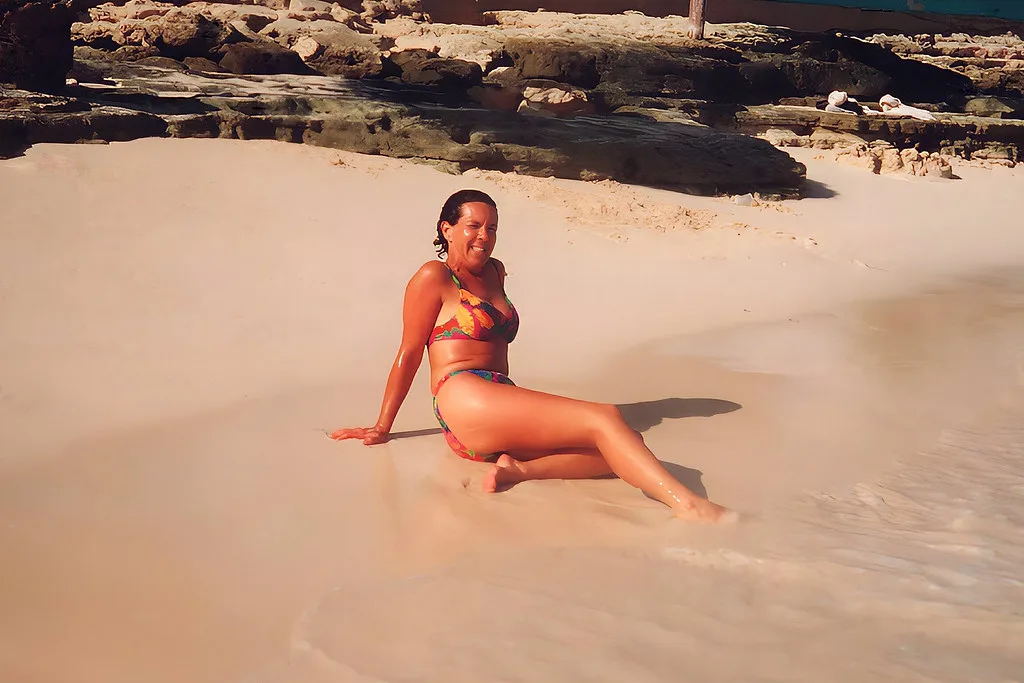
That afternoon, we took a taxi to Gold Rock Beach in Lucayan National Park — about $45 round trip with our driver waiting. The road crossed flat pine barrens and scrubby coastal forest, and for stretches we were the only car in sight. Grand Bahama felt emptier than I had expected, still healing, still finding its rhythm after the storm. Yet when we reached the beach and walked the short trail through the forest to the shore, I understood why people call this one of the most beautiful beaches in the Bahamas. The sand was powder-fine and blindingly white, the water a gradient of pale aquamarine deepening to sapphire at the horizon. We were nearly alone. A couple walked far down the beach, small as figures in a painting. My wife waded in to her knees and stood there, arms outstretched, face tilted toward the sun. I sat on the sand and watched her, and something shifted inside me — a recognition that we did not need grand excursions or elaborate plans. We needed this: warm sand, clear water, the sound of gentle waves, and the gift of time together in a place that asked nothing of us except to be present.
On the drive back to the ship, our taxi passed through a neighborhood where children were playing in a yard and a woman was hanging laundry on a line strung between two palms. She waved at us — a stranger's wave, open and unguarded — and I waved back and felt my eyes sting with something I could not explain. Perhaps it was the simplicity of the gesture, or the way this island, despite everything it had endured, still offered warmth to people who were just passing through. Clement had told us that morning about the night Dorian stalled over Grand Bahama for forty hours, the flooding, the homes lost, the neighbors who pulled each other from the water. "We are still here," he had said. And they were. Still here, still smiling, still waving at strangers. I whispered a prayer of gratitude for their resilience, and for our good fortune to have witnessed even a small corner of it.
Looking back, I realize what Freeport taught me. We came expecting a simple beach day — a few hours of sun and snorkeling before returning to the comfort of the ship. What we found instead was something deeper: a community that had been tested and had chosen to rebuild, an underwater world that reminded me how much beauty exists just beneath the surface, and a stretch of empty beach where my wife and I stood together without needing words. I learned that the places which change you most are not always the famous ones. Sometimes it is the quiet island, the one still healing, the one that waves at strangers, that stays with you longest.
Weather & Best Time to Visit
Featured Images
The Cruise Port
What you need to know before you dock.
- Terminal: Freeport Harbour cruise terminal — a straightforward facility with basic amenities, taxi stand, and tourist information. The terminal area is wheelchair accessible with ramp access and level pathways from the ship to the taxi queue, making it comfortable for guests with mobility needs.
- Distance to Port Lucaya: About 10 minutes by taxi ($10-15 for up to 4 passengers). Some cruise lines run complimentary shuttle buses on port days. Port Lucaya is the main visitor hub with shops, restaurants, and beach access.
- Tender: No — ships dock directly at the pier.
- Currency: Bahamian dollar (equal to USD); U.S. dollars accepted everywhere. Credit cards work at most shops; taxis prefer cash.
- Language: English is the primary language throughout Grand Bahama.
- Best Season: December through April for the most comfortable weather — lower humidity, gentle breezes, minimal rain. Hurricane season runs June through November.
- Time Zone: Eastern Standard Time (EST), same as New York and Miami.
Getting Around
Transportation tips for cruise visitors.
- Taxis: The primary transportation for cruise visitors on Grand Bahama. Licensed taxis queue at the cruise terminal with set fares to popular destinations. Port Lucaya costs $10-15 for up to four passengers. Gold Rock Beach runs about $40-50 round trip including wait time. Always confirm the fare before departing and carry cash, as most drivers do not accept cards. Taxis on Grand Bahama are spacious enough to accommodate wheelchair users with folding chairs, though accessible vehicles should be requested in advance through the terminal information desk.
- Shuttle Buses: Several cruise lines operate complimentary or low-cost shuttle buses from the terminal to Port Lucaya Marketplace. Check with your ship's shore excursion desk for availability on your port day. This is a budget-friendly option for reaching the main visitor area.
- Rental Cars: Available from agencies near the port, though not usually necessary for a single-day visit. Grand Bahama drives on the left side of the road. Roads are generally flat and well-maintained, but distances between attractions can be significant.
- Walking: The cruise terminal area itself is not walkable to major attractions — Port Lucaya is roughly four miles away. However, once at Port Lucaya, the marketplace, beach, and Deadman's Reef snorkeling are all within easy walking distance of each other. The waterfront promenade at Port Lucaya is flat and paved, making it accessible for visitors with limited mobility.
- Organized Tours: Both ship-sponsored and independent tour operators offer half-day and full-day excursions. Independent operators often provide more flexibility and lower prices, though a ship excursion guarantees you will not be left behind if running late.
Freeport Area Map
Interactive map showing the cruise terminal, beaches, Port Lucaya, and attractions mentioned in this guide. Click any marker for details and directions.
Excursions & Activities
How to spend your time ashore. For snorkeling tours and Gold Rock Beach trips, book ahead during peak season to secure your spot. Many visitors explore independent of the ship excursion options for flexibility and savings, though a ship excursion offers guaranteed return to the vessel before departure.
Deadman's Reef Snorkeling
The best shore-accessible snorkeling in the Bahamas sits just offshore from Port Lucaya beach. Rent gear from beachside shops ($10-15 per set) and wade in from the sand — no boat required. The reef begins in water three to four feet deep and extends outward, with brain coral formations, sea fans, schools of sergeant majors and parrotfish, and the occasional spotted eagle ray cruising the sandy channels. Water depth ranges from 3-10 feet, making this suitable for novice snorkelers and families. The calm, clear conditions make this a low-energy activity accessible even for visitors who are not strong swimmers. Bring reef-safe sunscreen — the Bahamian sun reflects off the water and burns quickly.
Gold Rock Beach & Lucayan National Park
A 30-minute taxi ride ($40-50 round trip with wait) brings you to one of the Bahamas' most photographed beaches. Gold Rock Beach is a crescent of powder-white sand with impossibly turquoise water that stays shallow far from shore. The national park also protects one of the world's longest underwater cave systems. Entry costs about $5 per person. Facilities are basic — restrooms available, but bring your own water and snacks. Arrive early to enjoy the beach before organized tours reach it. Allow 3-4 hours including travel.
Garden of the Groves
This 12-acre botanical garden about 15 minutes from port offers a peaceful alternative to beach activities. Winding paths lead through tropical plants and past waterfalls cascading into koi ponds. A small chapel sits tucked among flowering shrubs. Entry costs approximately $10. The garden was lovingly restored after hurricane damage and includes a cafe and gift shop. Allow 1-2 hours.
Guided Reef Snorkeling Tours
Guided snorkel tours visit multiple reef sites farther from shore, providing equipment, instruction for beginners, and local knowledge about marine life. Half-day tours typically include 2-3 snorkel stops and cost $50-80 per person. These offer advantages over independent snorkeling at Deadman's Reef — better sites, expert guidance, and safety support. Book ahead during December through April when demand is highest.
Peterson Cay National Park
This tiny offshore cay is accessible only by boat and features excellent snorkeling with abundant marine life. Several tour operators offer half-day trips including gear and sometimes lunch, with a 15-20 minute boat ride across beautiful turquoise water. Cost runs $60-90 per person. A good option for those wanting a more remote snorkeling experience.
Island Tours
Bus tours circle Grand Bahama, combining stops at Gold Rock Beach, Garden of the Groves, and sometimes local settlements. Full-day tours run $70-100 per person. Consider whether a taxi to your single priority destination might better suit your interests and timeline — the island is spread out, and bus tours spend significant time driving between stops.
Depth Soundings Ashore
Lessons learned the hard way.
- Negotiate Taxi Fare First: Agree on the price before getting in the taxi. Freeport taxi fares are set by zone, but confirming avoids surprises. Port Lucaya should be $10-15 for up to four passengers.
- Bring Cash: While shops at Port Lucaya accept credit cards, many taxi drivers, snorkel rental shops, and smaller vendors are cash-only. US dollars work everywhere — no need to exchange currency.
- Reef-Safe Sunscreen: The Bahamas requires reef-safe sunscreen. Bring your own from the ship — products sold near the beach are marked up significantly. Apply before entering the water, and reapply after an hour of snorkeling.
- Gold Rock Beach Timing: Go early if possible. Organized tours typically arrive mid-morning. The beach is far more peaceful — and the parking easier — before 10:00 AM. Bring water and snacks, as there are no vendors on the beach.
- Hurricane Recovery: Grand Bahama was severely impacted by Hurricane Dorian in 2019 and continues rebuilding. Most tourist areas are fully operational, but some parts of the island show lingering damage. The resilience of the local community is remarkable and worth acknowledging.
- Time Management: Freeport rewards a focused approach. Choose one main activity — Deadman's Reef snorkeling, Gold Rock Beach, or Port Lucaya shopping — rather than trying to fit everything into a single port call. The island's spread-out geography makes rushing between attractions stressful and unrewarding.
- Conch Salad: Order it fresh at Port Lucaya. Watching the vendor prepare it — chopping conch, tomato, onion, and pepper right in front of you — is part of the experience. It costs about $12-15 and is one of the best things you will eat in the Caribbean.
Photo Collection
Frequently Asked Questions
Q: What's the best beach near Freeport cruise port?
A: Gold Rock Beach in Lucayan National Park is stunning with white sand and clear turquoise water. It is about 30 minutes by taxi ($40-50 round trip). Deadman's Reef near Port Lucaya offers excellent snorkeling closer to port, about 10 minutes from the terminal.
Q: How far is Port Lucaya Marketplace from the cruise terminal?
A: About 10 minutes by taxi (roughly $10-15 for up to 4 people). Some cruise lines run complimentary shuttle buses. The marketplace features shops, restaurants, and direct beach and snorkeling access.
Q: Is Freeport good for snorkeling?
A: Deadman's Reef is one of the Bahamas' best shore-accessible reefs, with tropical fish, rays, and occasional sea turtles. Gear rental costs $10-15 at Port Lucaya beach. The shallow, calm water makes it suitable for beginners.
Q: Is the port accessible for visitors with limited mobility?
A: The cruise terminal has wheelchair accessible ramps and level pathways. Port Lucaya's waterfront promenade is flat and paved. Taxis can accommodate folding wheelchairs with advance notice. Beach access is more challenging, as sand makes wheelchair movement difficult.
Q: What can I do in Freeport on a cruise stop?
A: Top activities include snorkeling Deadman's Reef, relaxing at Gold Rock Beach, exploring Port Lucaya Marketplace, visiting Garden of the Groves botanical garden, and kayaking in the clear waters of the national park. A typical port call gives you 6-8 hours ashore.
Q: What should I pack for Freeport?
A: Essentials include reef-safe sunscreen, a swimsuit, water shoes for reef walking, cash for taxis and vendors, and a waterproof phone case if you plan to snorkel. A rash guard provides better sun protection than sunscreen alone for extended water time.
Q: When is the best time to visit Freeport?
A: The seasonal panel above lists Peak Season as "Dec, Jan, Feb, Mar, Apr" and aligns Beach, Snorkeling, Hiking, and City Walking activities with those same months. Transitional Season is "May, Jun, Nov" and Low Season is "Jul, Aug, Sep, Oct," with Low Crowds noted for "Jul, Aug, Sep." The avoidance note flags "Sep, Oct" for "hurricane risk." The page's climate field describes the climate as "Tropical maritime; warm year-round; hurricane season Jun–Nov." Use the live weather widget in the seasonal panel for current short-term conditions.
Q: When is hurricane season in Freeport?
A: The Weather Hazards panel above labels Freeport a "Hurricane Zone" with "Season: Jun 1 – Nov 30 (Atlantic)" and "Peak risk: Sep, Oct." The hazard-note on that same panel reads: "Ships may reroute during active storms; travel insurance recommended." The avoidance note in the Best Time block also flags "Sep, Oct" for "hurricane risk," and the climate field describes "hurricane season Jun–Nov." Specific storm history is not detailed on this page; use the live weather widget in the seasonal panel above for current tropical-system status.
Q: Will rain ruin my Freeport port day?
A: The seasonal panel does not give Freeport-specific rainfall data — the Rain entry reads "Seasonal variation — check forecast." The Best Time block does list "Dec, Jan, Feb, Mar, Apr" as Peak Season and aligns the listed outdoor activities with those months, while "Sep, Oct" is the only window flagged in the avoidance note (for "hurricane risk"). The climate field describes the climate as "Tropical maritime; warm year-round." The live weather widget in the seasonal panel is the source for short-term forecasts on a specific sailing date.
Image Credits
Photo Gallery
Last reviewed: February 2026
Freeport: Grand Bahama's Laid-Back Beach Paradise
Key Facts
- Country
- Bahamas (Grand Bahama Island)
- Region
- Caribbean / Western Atlantic
- Port
- Freeport Harbour cruise terminal; ships dock directly at pier
- Currency
- Bahamian Dollar (BSD); 1 BSD = 1 USD; U.S. dollars accepted everywhere
- Language
- English
- Climate
- Tropical maritime; warm year-round; hurricane season Jun–Nov