


Photo: Wikimedia Commons
My Logbook: Convict Limestone and the Fremantle Doctor
The salt air hit me the moment I stepped onto Victoria Quay, sharp and warm with the tang of Indian Ocean brine. My ship had nosed into Fremantle's heritage-listed terminal just after dawn, and I stood blinking in the early light while seagulls wheeled overhead and the smell of fresh coffee drifted from somewhere beyond the terminal gates. I could see the golden limestone facades of High Street from the gangway — this was a port where the town began at your feet, no shuttle bus required, no taxi queue to endure. I gathered my daypack and walked straight into the nineteenth century.
However, nothing about Fremantle felt like a museum. The streets hummed with life even at that early hour. A barista was wrestling an espresso machine into submission behind the window of a cafe on the Cappuccino Strip, and I caught the rich aroma of freshly ground beans mixing with the salt breeze. I ordered a flat white and sat on a wrought-iron chair beneath a verandah that had shaded footpath conversations since the 1890s. The coffee was superb — this city takes its caffeine seriously. Two elderly men at the next table argued about cricket in broad Australian accents, and I listened to the rhythm of their voices while the warmth of the cup settled into my hands.
My first stop was Fremantle Prison, and I want to be honest: it unsettled me in ways I did not expect. The convict-built limestone walls rose pale and massive against the blue sky, their symmetry elegant yet menacing. Between 1851 and 1859, transported prisoners quarried the stone and built this place with their own hands — constructing the cage that would hold them and their successors for 136 years. I walked through cell blocks where the doors stood open for the last time since 1991, and the air inside tasted stale and mineral, tinged with something I could only describe as old sorrow. Graffiti scratched into walls dated back more than a century: names, dates, fragments of profanity and prayer. I ran my fingers along one etching and felt the grooves a man had carved with desperation or boredom or both.
But the Tunnels Tour changed everything for me. Twenty meters underground, I boarded a small boat that held eight passengers. We drifted through flooded passages that convicts had carved by hand through solid limestone, seeking freshwater for the colony above. The guide's lamp was the only light. Water dripped from the ceiling onto my shoulders — cold, persistent, startling in the silence. The limestone walls pressed close enough to touch, and I could see the chisel marks left by men whose crimes had sometimes been as trivial as stealing bread. One prisoner had scratched his name and the year 1866 into the rock. My fingers traced those letters in the half-dark, and my eyes filled with tears I had not expected. Something shifted inside me — a recognition of how thin the line is between the comfortable life I lead and the desperate one those men endured. I whispered a quiet prayer for souls long departed, and the echo of my own voice startled me in that stone passage.
After the prison's heaviness, I needed the antidote of living voices and open sky. The Fremantle Markets provided exactly that. Operating since 1897 from a magnificent Victorian hall, the market overflowed with color and noise and the scent of grilled food mingling with fresh flowers. More than 150 stallholders spread their wares across the space: farmers with produce still carrying morning dew, artists selling watercolors of the harbor, craftspeople displaying hand-turned wooden bowls. I bought strawberries so ripe they stained my fingers red, then ate pad thai from a cardboard container while a busker played guitar near the entrance. The taste of chili and lime on my tongue, the hum of conversation, the warm press of the crowd — it all felt like a deliberate counterweight to the prison's cold silence, yet both experiences were equally Fremantle.
I spent the afternoon wandering without plan, which is how Freo rewards you best. The Round House — Western Australia's oldest public building, dating to 1831 — perched at the end of High Street watching the Indian Ocean with the patience of something that has seen everything. I climbed its ramparts and the wind caught my hat and nearly sent it sailing. Below, fishing boats rocked in the harbor and the smell of salt and diesel rose on the updraft. At the WA Maritime Museum, I stood before the wreckage of the Batavia — a Dutch ship wrecked in 1629 whose story of mutiny and murder along the Western Australian coast reads like a horror novel. The reconstructed hull filled an entire gallery, its timber dark with age and seawater.
Late in the afternoon the Fremantle Doctor arrived — that legendary sea breeze that drops temperatures by eight or ten degrees in a matter of minutes. I felt it on my face as I sat outside a pub on South Terrace with a locally brewed pale ale, and the relief after hours of summer heat was physical, almost medicinal. The shadows lengthened across the limestone buildings and the light turned golden, then amber, then the deep honey color that photographers chase halfway around the world. Locals appeared as if summoned by the cooling air, filling outdoor tables, ordering wine, settling in for the long Australian evening that stretches until nine or ten o'clock in summer.
Walking back to my ship along the harbor as the sun dropped toward the Indian Ocean, I thought about what Fremantle had taught me. This small port city carries extraordinary weight — convict suffering and colonial ambition, immigrant hope and working-class grit, all layered into limestone walls and market stalls and the taste of good coffee on a shaded terrace. I had arrived expecting a pleasant stopover and discovered instead a place that demanded I reckon with history, that rewarded slow walking and careful looking, that offered beauty and sorrow in equal measure. The lesson I took back aboard was simple but hard-won: the places that move us most are not always the grandest, but the ones that refuse to let their stories be forgotten.
Weather & Best Time to Visit
The Cruise Port
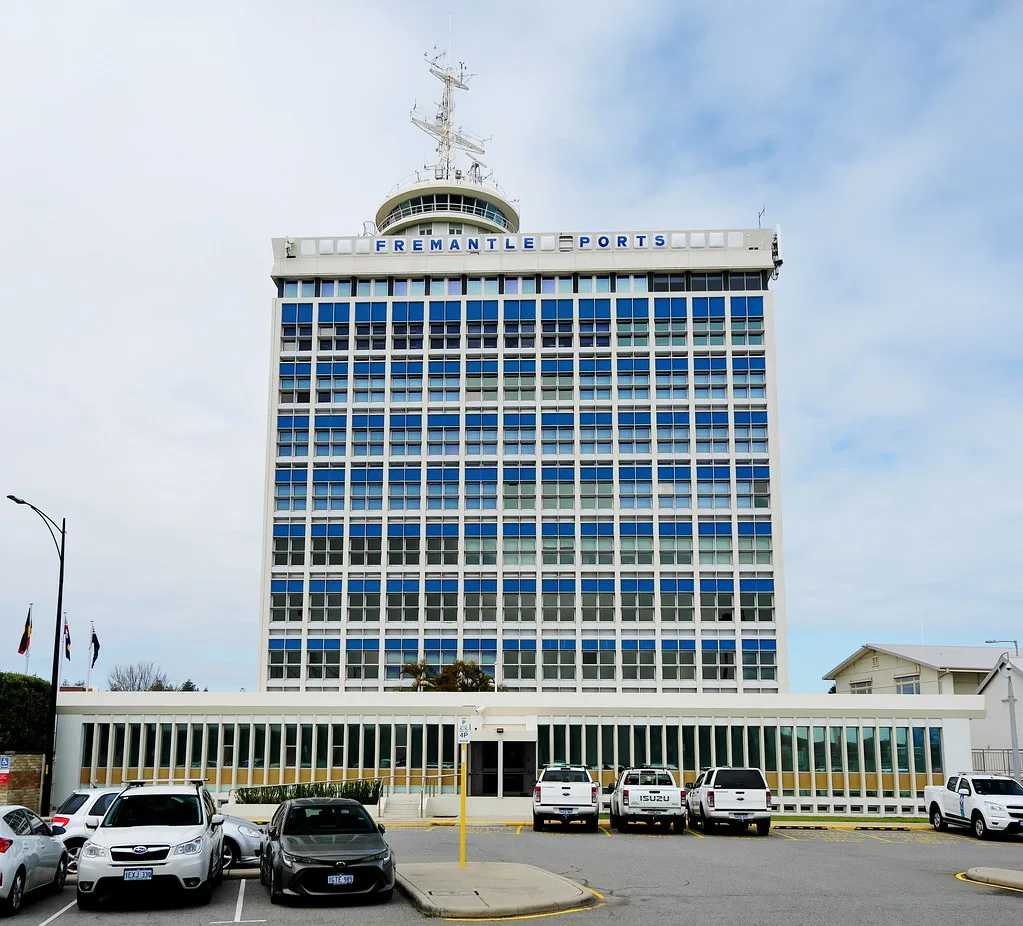
Fremantle's Victoria Quay cruise terminal sits directly in the heart of the city — a rare arrangement that means you step off your ship and straight into a walkable heritage town. The heritage-listed terminal building dates to 1962 and once processed hundreds of thousands of post-war migrants arriving from Europe. Today it handles cruise passengers with a small but functional facility offering tourist information, currency exchange, and taxi ranks just outside the doors.
Most ships dock alongside Victoria Quay itself, though some larger vessels may berth at the outer harbor. In either case, the walk into Fremantle's center takes no more than ten to fifteen minutes on flat, paved paths. There is no need for shuttles or taxis unless you plan to head directly to Perth or Rottnest Island. Wheelchair users and those with mobility aids will find the terminal area and main streets accessible, with curb cuts and level footpaths throughout the central district.
Getting Around
- Walking (free): Fremantle is compact and flat, making walking the ideal way to explore. The prison, markets, Cappuccino Strip, Fishing Boat Harbour, Round House, and Maritime Museum all sit within a 15-minute walk of the cruise terminal. Heritage trails with wayfinding signs guide you through the streetscape. Footpaths are generally smooth limestone or paved, though some side streets have uneven surfaces.
- Free CAT Bus (free): Fremantle operates a free Central Area Transit bus that loops through the main attractions. The Blue CAT runs every 10 minutes on weekdays, every 15 minutes on weekends. It connects the terminal area to South Terrace, the markets, and Fremantle station. The buses are wheelchair accessible with low-floor boarding ramps.
- Train to Perth ($5 AUD): Fremantle station is a 10-minute walk from the terminal. The Fremantle Line runs to Perth city every 15 minutes during peak hours, taking about 30 minutes. A standard adult fare costs around $5 AUD using a SmartRider card. Perth station connects to Kings Park, Elizabeth Quay, and the Perth Cultural Centre.
- Ferry to Rottnest Island ($60-80 AUD return): Rottnest Express and Sealink operate ferries from Fremantle's B Shed terminal, a short walk from Victoria Quay. The crossing takes 25 minutes. Return tickets cost $60-80 AUD for adults. Book ahead in peak season — ferries fill quickly. Bike hire on the island costs $30 AUD for the day.
- Taxis and rideshare ($15-40 AUD): Taxis queue at the terminal exit. Expect $15-20 AUD to Perth Airport, $35-40 AUD to Perth CBD. Uber and Didi operate throughout the metro area.
- Accessibility: Fremantle's central streets are largely flat with good footpath surfaces. The free CAT bus has wheelchair ramps. Fremantle Prison offers adapted tours for visitors with mobility limitations — contact them ahead to arrange access. The train to Perth has step-free boarding at most stations. Rottnest Island is more challenging, with gravel paths and limited accessible transport beyond the settlement area.
Fremantle Area Map
Interactive map showing Victoria Quay cruise terminal, Fremantle Prison, markets, Round House, and surrounding attractions. Click markers for details.
Top Excursions & Things to Do
Booking guidance: Fremantle Prison Tunnels Tour and Rottnest Island ferries should be booked ahead in peak season (Oct-Mar). Ship excursion packages typically include prison tours and Perth city visits. If you prefer to explore independently, Fremantle's walkability makes DIY simple — though the Tunnels Tour has limited capacity, so pre-booking is strongly recommended. A guaranteed return to the ship is easy to manage here since the terminal is in town.
Fremantle Prison Tours ($22-65 AUD)
The UNESCO World Heritage convict prison offers several tour options. The standard Doing Time tour ($22 AUD adults, $13 AUD children) walks through cell blocks, the gallows yard, and exercise areas. The Torchlight Tour ($28 AUD) runs Friday and Wednesday evenings and reveals the prison by flickering lamplight — deeply atmospheric. The famous Tunnels Tour ($65 AUD) takes you twenty meters underground by boat through convict-carved passages. Wheelchair users can access the main prison grounds and cell blocks via ramps, though the tunnels and some stairway areas are not accessible. Allow two to three hours for a thorough visit.
Fremantle Markets (free entry)
Open Friday 9am-8pm, Saturday 9am-6pm, Sunday 10am-5pm only. Over 150 stallholders fill this Victorian hall with fresh produce, artisan crafts, street food ($8-15 AUD per dish), and live music. Free to browse. Budget $20-40 AUD if you want to eat and shop. Closed Monday through Thursday. The building itself is worth seeing even if you buy nothing.
Rottnest Island Day Trip ($60-80 AUD ferry return)
The 25-minute ferry ride to Rotto delivers pristine beaches, excellent snorkeling, and the famous quokkas. Book ahead through Rottnest Express or Sealink. Bike hire on the island costs $30 AUD. A guided bus tour runs $40 AUD for those who prefer not to cycle. Allow a minimum of four to five hours including ferry travel. Visitors with mobility needs should note that terrain beyond the settlement is largely unsealed paths and sandy tracks.
WA Maritime Museum ($15 AUD)
Located at the harbor, the museum covers Western Australia's maritime history from Dutch shipwrecks to the 1983 America's Cup. The reconstructed Batavia wreck is the centerpiece. The museum is fully accessible with elevator access to all floors. Allow 1.5 hours. Concession entry $10 AUD, children under 15 free.
Perth Day Trip ($5-10 AUD train fare)
Take the 30-minute train to Perth for Kings Park botanical gardens (free), Elizabeth Quay waterfront dining, and the Perth Cultural Centre. A return SmartRider fare costs approximately $5-10 AUD. Kings Park is wheelchair accessible with paved paths throughout the main botanical gardens. Combine with Swan Valley wine tastings ($15-25 AUD per cellar door) if your port time allows a full day.
Depth Soundings
Practical details and honest assessments for planning your Fremantle port day.
- Market day timing: If your ship arrives on a Monday through Thursday, the Fremantle Markets will be closed. This is a common disappointment — check your port day against the Friday-Sunday schedule before setting expectations.
- The Fremantle Doctor: The afternoon sea breeze arrives like clockwork between noon and 3pm during summer months. It drops temperatures significantly and can make open-air dining surprisingly cool. Bring a light jacket or cardigan even on hot days.
- Tunnels Tour capacity: Only eight people per boat, with limited sessions daily. This tour sells out days or weeks ahead in summer. Book the moment your itinerary is confirmed. Missing this tour would be a real loss — it is the most memorable experience at the prison.
- Rottnest reality check: The island trip requires at least four to five hours including ferry time. If your port call is under eight hours, attempting Rottnest means sacrificing all of Fremantle proper. Weigh your priorities carefully — Freo alone delivers a rich day.
- Sun protection: Western Australia's UV index regularly exceeds 11 in summer. Sunburn happens in under 15 minutes without protection. Wear high-SPF sunscreen, reapply after the Tunnels Tour, and carry a hat.
- Cash vs. cards: Australia is largely cashless. Tap-and-go payments work everywhere in Fremantle, from market stalls to bus fares. You do not need to exchange currency in advance.
Photo Gallery
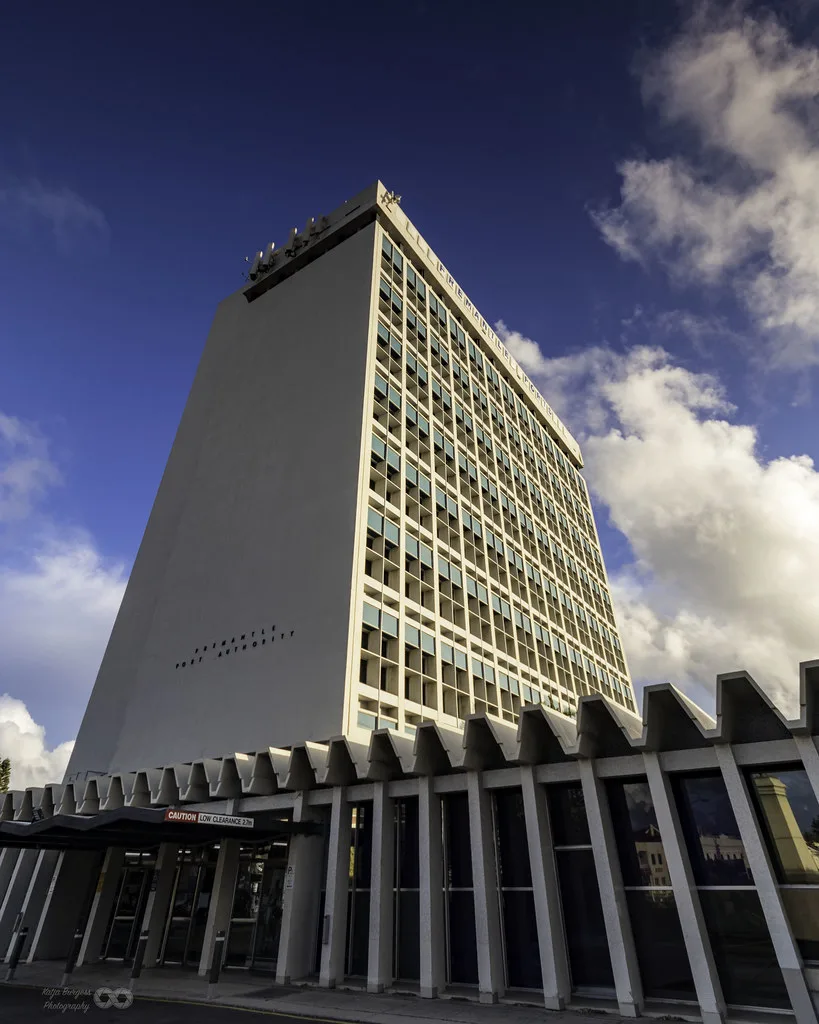
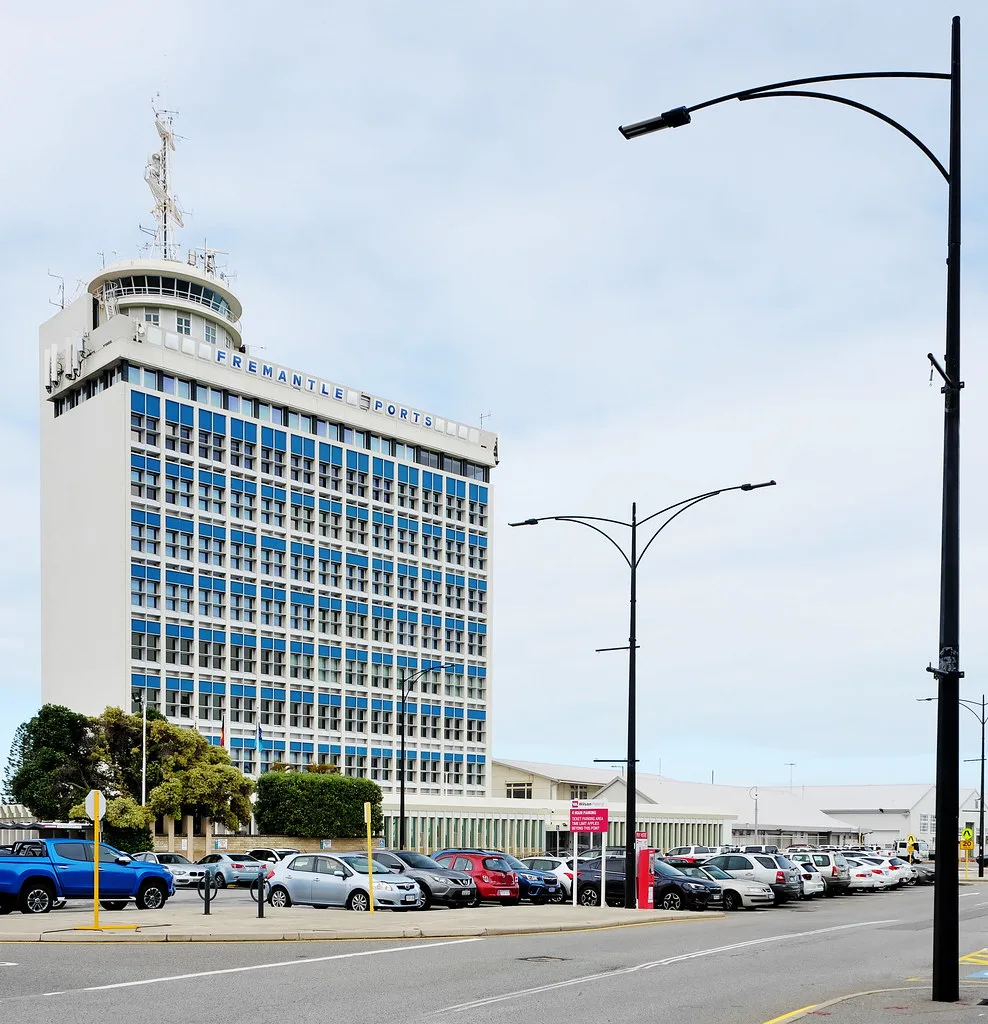
Image Credits
All images on this page are sourced from free image platforms. Hero and streetscape images via Wikimedia Commons. Harbor and food images from Unsplash. Prison and panorama images from Pixabay. Market and beach images from Pexels. Round House and museum images from Flickr. All images used under their respective free licenses. If you are the photographer and wish to be credited differently, please contact us.
Frequently Asked Questions
Is the cruise terminal walkable to Fremantle's attractions?
Yes. Victoria Quay terminal sits in the center of town. The prison, markets, Maritime Museum, Cappuccino Strip, and Fishing Boat Harbour are all within a 15-minute walk on flat, paved paths. No shuttle or taxi is needed for Fremantle itself.
Should I visit Perth or stay in Fremantle?
If your port time is eight hours or less, Fremantle alone fills the day richly. With a full day, you can add a Perth trip via the 30-minute train. Many cruisers find Fremantle's heritage character more memorable than Perth's modern cityscape.
Are the Fremantle Markets open every day?
No. The markets open Friday 9am-8pm, Saturday 9am-6pm, and Sunday 10am-5pm only. They are closed Monday through Thursday. Check your port day carefully before planning around them.
Can I visit Rottnest Island on a port day?
Yes, but budget at least four to five hours for the ferry crossing and island time. Book ahead in peak season. If your port call is under eight hours, you may need to choose between Rottnest and exploring Fremantle properly.
What currency does Fremantle use?
Australian dollars (AUD). Tap-and-go card payments work virtually everywhere, including market stalls and public transport. You do not need to carry cash or exchange currency in advance.
Is Fremantle accessible for visitors with mobility challenges?
The central streets are flat with curb cuts. The free CAT bus has wheelchair ramps. Fremantle Prison offers adapted ground-level tours. The train to Perth has step-free boarding. Rottnest Island is more difficult, with unsealed paths beyond the main settlement.
Fremantle: Australia's Best-Preserved Victorian Port
Last reviewed: February 2026
Author's Note: I've sailed this port myself, and these notes reflect my own experience combined with careful research. Details are updated regularly, but always verify prices and hours before your visit.