
Photo: Wikimedia Commons (CC BY-SA)
My Logbook: Ramen Steam, Shrine Bells, and the Soul of Kyushu
I stepped off the ship at Hakata Port on a cool October morning, and the first thing I noticed was the smell — warm pork broth drifting from somewhere beyond the terminal building, rich and savory and utterly irresistible. My feet had barely touched Japanese soil, yet Fukuoka was already pulling me forward by the nose. I had read about this city's legendary ramen culture, but nothing prepared me for how deeply food pervades everything here, how the scent of tonkotsu broth seems woven into the very air of the Hakata district.
My first stop was a tiny ramen shop near Hakata Station, one of those places with only eight stools and a ticket machine at the door. I fed my coins into the machine, selected the basic tonkotsu bowl for about $6, and waited. When it arrived, I watched the chef slide the bowl across the counter with quiet precision, the broth a gorgeous opaque white, steam rising in lazy curls. I tasted it and my eyes went wide — creamy, deeply savory, with a richness that coated my tongue like velvet. The noodles were thin and firm, exactly the way I had ordered them (kata, the locals call it). But the real revelation came when I finished those noodles and still had broth remaining. The man beside me leaned over and said softly, "Kaedama." I called it out to the chef, who brought a fresh bundle of noodles for my remaining broth — all for about $1 more. It felt like discovering a secret handshake.
Fukuoka is a city of two names, and understanding that duality helped me understand everything else about the place. The castle town was called Fukuoka; the merchant harbor was Hakata. They merged in 1889, yet the old distinction survives in the train station (Hakata Station), the port (Hakata Port), the ramen (Hakata ramen), even the local dialect. It is as though the city could not quite decide which identity to claim, so it held both close. This double-naming reflects something deeper: Fukuoka has always been a threshold place, close enough to mainland Asia that Korean merchants and Chinese traders made it their first Japanese landfall for centuries.
I walked from the ramen shop to Kushida Shrine, and the shift from bustling commerce to sacred quiet happened in the space of two blocks. Founded over a millennium ago, this shrine sits at the heart of old Hakata, and I could feel its importance in the way locals moved through the grounds — not as tourists but as people returning to a place they knew intimately. An elderly woman clapped twice before the altar, bowed, and whispered a quiet prayer before continuing on her way, weaving worship into daily errands as naturally as we might grab coffee. Inside the exhibit hall, I saw the enormous decorated floats used in the Yamakasa festival each July, and I tried to imagine the thunder of men in loincloths racing through dawn streets carrying these multi-ton structures. The faith and energy required felt almost overwhelming.
However, it was Ohori Park that surprised me most deeply. I had expected a pleasant stroll, nothing more. Instead I found a vast lake ringed by walking paths, an island connected by graceful bridges, and a Japanese garden so meticulously composed that every stone and every pruned branch seemed to hold its breath. I sat on a bench near the water and watched an old man feeding pigeons with the patience of someone who had been doing this every morning for decades. Joggers circled the lake. Children chased each other across the grass. The sound of the city faded to a gentle hum beneath birdsong. It was ordinary and beautiful, and I realized I had been moving too fast all morning, trying to consume Fukuoka rather than simply being in it.
Canal City Hakata pulled me back into modern Japan with cheerful force. This massive shopping and entertainment complex has a canal running through its center, with fountain shows erupting on schedule and an architecture so colorful it borders on playful. I browsed the shops, watched a fountain performance set to music, and bought a small ceramic cup as a souvenir for about $15. Yet even here, amid the commercial energy, I noticed something distinctly Fukuokan — the food court had an entire floor dedicated to ramen, with shops representing different regional styles from across Japan, each competing fiercely for your loyalty. In Fukuoka, ramen is not merely food; it is identity, heritage, and endless friendly argument about whose broth is best.
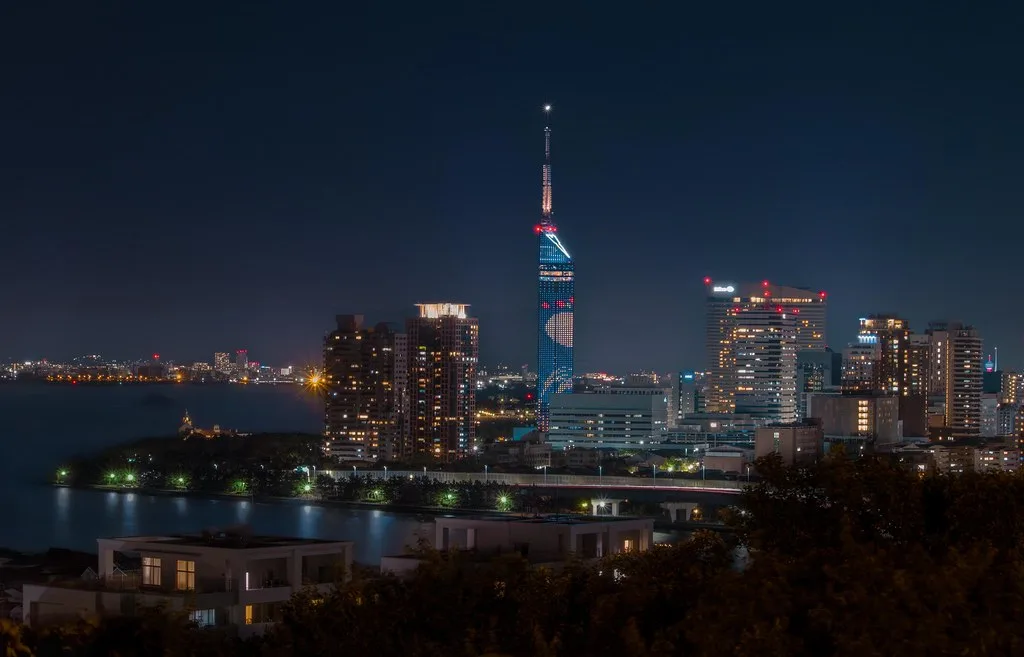
As the afternoon deepened, I took a taxi (about $8 from the Tenjin area) to Fukuoka Tower for the panoramic views. Standing 234 meters above the city, I could see Hakata Bay stretching toward the horizon, the port where our ship waited, and the urban sprawl of a city that somehow felt more intimate than its 1.6 million population suggested. Though the tower itself is modern and sleek, the view told the whole story of Fukuoka — port, shrines, parks, neon, all layered together.
Looking back at my day in Fukuoka, I realized the city taught me something I had not expected to learn. I came seeking the famous ramen and the ancient shrines, and I found them — abundantly, generously. But what Fukuoka actually gave me was a lesson in porousness, in how a place becomes great not by closing itself off but by absorbing every influence that arrives at its harbor and transforming it into something distinctly its own. The Chinese brought Zen Buddhism and tea; the Koreans brought ceramics and trade; the Mongols brought invasion fleets that the divine winds scattered. Fukuoka took it all in and became, quietly, one of the most layered and genuine cities I have ever visited. Sometimes you travel to see something new, and sometimes — if you are fortunate — you travel and discover that the world is more generous and interconnected than you ever imagined.
Weather & Best Time to Visit
The Cruise Port
Hakata Port is a major cruise terminal located remarkably close to the city center. Ships dock at either the International Terminal (Hakata Port International Terminal) or Central Wharf — both offer convenient access to downtown attractions. The port area is well organized with clear signage in English and Japanese.
- Distance to City: 2-4 km to downtown Tenjin/Hakata areas; subway and taxis readily available from both terminals. A taxi to Hakata Station costs about $8-10.
- Tender: No — ships dock directly at pier with easy walk-off access
- Currency: Japanese Yen; credit cards increasingly accepted but cash still strongly preferred, especially at yatai, temples, and smaller establishments. ATMs at convenience stores (7-Eleven, FamilyMart).
- Language: Japanese; limited English but excellent signage, helpful locals, and translation apps make navigation manageable
- Transportation: Excellent subway system (fare about $2-3 per ride); IC cards (Suica, PASMO) work here for seamless travel
- Wheelchair and mobility access: Hakata Port terminals are accessible and the subway system has elevators at most stations. Downtown sidewalks are generally smooth and navigable.
Getting Around
Fukuoka has one of Japan's most efficient and affordable public transit systems, making independent exploration straightforward even for first-time visitors. The subway connects the port area to Hakata Station and Tenjin shopping district in minutes, and taxis are plentiful and reasonably priced by Japanese standards.
- Subway (fare $2-3 per ride): The Kuko Line runs from the port area through Hakata Station to Tenjin and beyond. Trains arrive every 5-8 minutes. Purchase an IC card (Suica or PASMO) at any station for tap-and-go convenience across all transit. The subway is wheelchair accessible with elevators at nearly every station.
- Taxis ($8-15 to most destinations): Clean, safe, and metered — no negotiation needed. Doors open automatically (do not grab the handle). Tipping is not expected. A ride from the port to Hakata Station costs roughly $8-10; to Ohori Park about $12; to Fukuoka Tower about $15.
- Walking: Downtown Fukuoka is remarkably walkable. The Hakata-Tenjin corridor covers most major attractions within a 30-minute stroll, with well-marked sidewalks and pedestrian crossings. The port area connects to Hakata Station via a pleasant 25-minute waterfront walk.
- Buses ($2-3 per ride): Nishitetsu bus network covers areas the subway does not reach. English announcements and digital displays make them accessible for visitors. The Fukuoka Open Top Bus offers sightseeing tours for about $15 per person.
- Day Trips: Dazaifu Tenmangu Shrine is about 40 minutes from Hakata Station via the Nishitetsu Tenjin-Omuta Line (fare about $4 each way). Easy to do independently — no need to book ahead.
Fukuoka Area Map
Interactive map showing Hakata Port terminals, temples, shrines, yatai districts, and key attractions. Click any marker for details and directions.
Top Excursions & Activities
Booking guidance: Ship excursion options offer guaranteed return to the vessel but cost more. Independent exploration is easy here thanks to excellent transit and English signage. For Dazaifu and other day trips, you can confidently go independent — trains run frequently and are reliable. Book ahead for guided cultural experiences during peak season.
Hakata Ramen Experience
Fukuoka is the birthplace of Hakata-style tonkotsu ramen, and eating it here feels different from anywhere else. The broth is a rich, milky emulsion achieved by boiling pork bones for hours until the marrow and collagen dissolve into a creamy consistency. Thin, firm noodles have just enough bite to stand up to the robust broth. Order your noodle firmness (kata for very firm, barikata for extremely firm), then call "kaedama" when you finish your noodles but still have broth remaining — they will bring extra noodles for about $1. A bowl costs $6-8 at most shops. Visit Ippudo, Ichiran (single-booth privacy concept, cost about $8), or the smaller neighborhood shops where locals line up.
Yatai Street Food Stalls
Fukuoka is one of the last cities in Japan where yatai culture genuinely thrives. These open-air food stalls line Nakasu Island and the Tenjin district after dark, each seating only seven or eight people at an L-shaped counter. The chefs grill yakitori over charcoal ($2-4 per skewer), ladle bowls of ramen ($7-9), and pour sake and highballs ($4-6). Peak hours are 8-10pm. Come with cash and an empty stomach. Average spending is $12-20 per person.
Dazaifu Tenmangu Shrine (40 min from port, fare about $4)
Spectacular Shinto shrine dedicated to the deity of learning, about 40 minutes from Hakata Station by Nishitetsu train. Beautiful architecture, plum groves, arched bridges. Free admission. Nearby Komyozenji temple has exquisite zen gardens. Easy to visit independently — no ship excursion needed. Student prayer plaques flutter in the breeze, each inscribed with dreams of exam success.
Kushida Shrine (free admission)
Hakata's most beloved shrine, founded over a millennium ago. Year-round exhibits display the magnificent Yamakasa festival floats. The main hall has weathered beauty, wood darkened by centuries of devotion. Easy walk from Hakata Station.
Shofukuji Temple (free admission)
Japan's first Zen temple, founded 1195 by Eisai who also introduced tea to Japan. Active monastery with zen gardens, historic gates. Limited public access but the grounds are peaceful. Walking distance from Hakata Station. A contemplative contrast to the bustling port area.
Canal City Hakata
Massive shopping and entertainment complex with canal running through center. Fountain shows, restaurants, stores. An entire floor is dedicated to ramen shops representing different regional styles — cost about $8-10 per bowl. Good for souvenirs, people-watching, and escaping weather.
Fukuoka Tower (admission about $8)
Standing 234 meters tall, this is the tallest seaside tower in Japan. Panoramic views of Hakata Bay, the port, and the city sprawl. About $15 by taxi from Tenjin. Worth visiting for the perspective it gives on how port, shrines, parks, and modern city layer together.
Ohori Park and Japanese Garden (park free; garden about $2)
Vast lakeside park in the city center with walking paths, island bridges, and a meticulously composed Japanese garden. A peaceful retreat from sightseeing. Joggers, families, and elderly residents share the space in gentle rhythm. About $12 by taxi from the port or a short subway ride.
Food & Dining
- Hakata Tonkotsu Ramen ($6-8): Rich, milky pork bone broth; thin, firm noodles; customize firmness. Order kaedama (extra noodles, about $1) to extend the experience. The birthplace style that launched a national obsession.
- Mentaiko: Spicy marinated pollock roe — Fukuoka specialty served over rice or in onigiri ($3-5)
- Motsunabe ($12-18): Hot pot with beef or pork offal, vegetables, garlic, chili — winter comfort food
- Mizutaki ($15-25): Chicken hot pot with clear, delicate broth and seasonal vegetables
- Yatai Yakitori ($2-4 per skewer): Grilled chicken skewers at open-air street stalls; smoky, salty, charred perfection paired with cold beer ($4-5)
- Yatai Oden ($5-8): Simmered ingredients (daikon, eggs, fish cakes, tofu) in light dashi broth
- Japanese Whisky and Sake ($5-10): Fukuoka has excellent local sake breweries; whisky highballs are yatai favorites
Important Notices
- Cash is King: Despite Japan's modernization, cash remains strongly preferred at yatai, temples, smaller shops. ATMs at 7-Eleven and FamilyMart accept international cards.
- Shoes Off: Remove shoes before entering temples, shrines' inner areas, and some restaurants. Wear clean socks.
- Typhoon Season: June through November brings typhoon risk; ships may reroute. Travel insurance recommended for cruises during peak months (August-October).
- Accessibility: Fukuoka's subway system and major attractions are wheelchair accessible. Yatai stalls have limited mobility access due to their small size and high stools.
Depth Soundings: Final Thoughts
These notes are soundings in another's wake — helpful for planning, and marked for revision once I have logged my own steps ashore on a return visit.
Fukuoka earns its place as one of Japan's most rewarding cruise ports. The combination of authentic ramen culture, centuries-old shrines, peaceful parks, and the irreplaceable yatai experience creates a port day that satisfies every appetite — cultural, spiritual, and culinary. The city's proximity to mainland Asia gave it centuries of cosmopolitan influence, yet it remains distinctly and warmly Japanese in character.
What matters most about Fukuoka is how it balances the ancient and the modern without sacrificing either. You can walk from a thousand-year-old shrine to a futuristic shopping complex in ten minutes, eat ramen prepared with centuries-old techniques, then watch a choreographed fountain show. The city does not force you to choose between heritage and modernity — it insists, gently, that both belong to the same story. For cruise passengers with limited time, the compactness of downtown Fukuoka means you can experience an extraordinary amount in a single port day without feeling rushed. The subway makes independent exploration easy, the food is world-class and affordable, and the people are genuinely welcoming to visitors who show respect for local customs.
Practical Information
- Country: Japan (Kyushu island)
- Language: Japanese (English signage widespread)
- Currency: Japanese Yen (JPY) — cash strongly preferred
- Time Zone: JST (UTC+9) year-round
- Emergency: 110 (police) / 119 (fire/ambulance)
- Tipping: Not practiced in Japan; can be considered rude
- Water: Tap water is safe to drink throughout Japan
- Dress Code: Modest clothing appreciated at shrines and temples
- WiFi: Free WiFi at stations, convenience stores, and many attractions
Photo Gallery
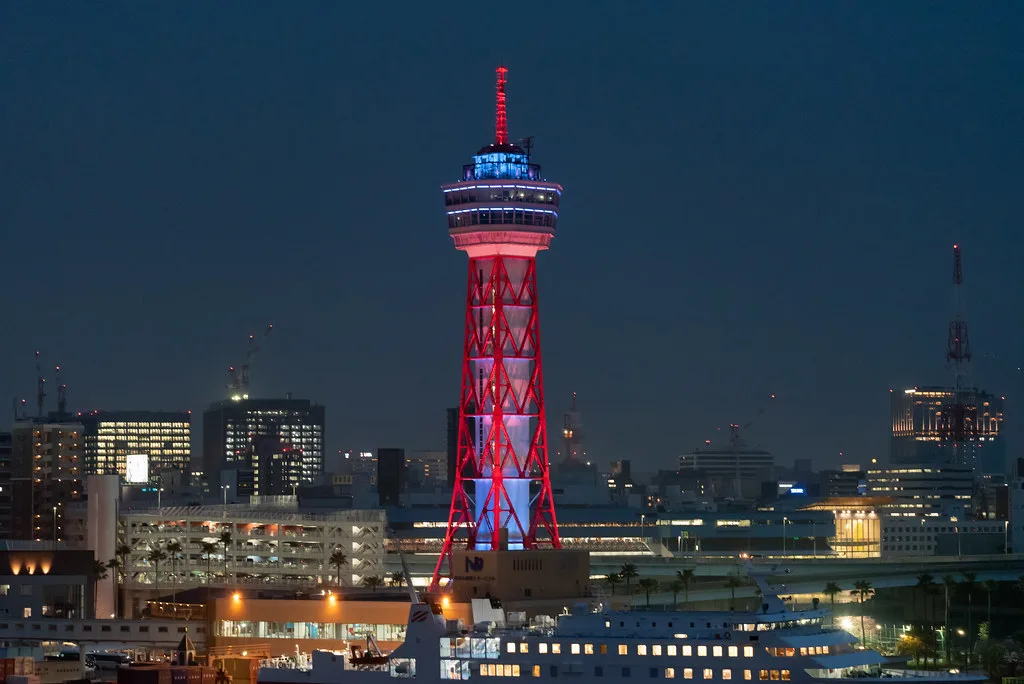

Image Credits
- Hero and most photographs: Wikimedia Commons (CC BY-SA)
- Ramen imagery: Wikimedia Commons (CC BY-SA)
- Shrine and temple imagery: Wikimedia Commons (CC BY-SA)
Frequently Asked Questions
Q: Where do cruise ships dock in Fukuoka?
A: Hakata Port, a major cruise terminal located just 2-4 km from downtown. Ships dock at either the International Terminal or Central Wharf, both with excellent subway and taxi connections. A taxi to Hakata Station costs about $8-10.
Q: What is Fukuoka famous for?
A: Hakata-style tonkotsu ramen (the birthplace of the creamy pork bone broth style, cost about $6-8 per bowl), thriving yatai street food culture, Kushida Shrine's Yamakasa festival, Shofukuji (Japan's first Zen temple), and centuries of maritime history with China and Korea.
Q: Do I need to speak Japanese?
A: Not essential. Signs include English, people are genuinely helpful, and tourist areas accommodate foreigners well. Basic phrases are appreciated, and translation apps work reliably. The subway has English announcements.
Q: Can I use credit cards?
A: Increasingly common at major establishments, but cash is still strongly preferred at yatai, temples, smaller shops. ATMs at convenience stores (7-Eleven, FamilyMart) accept international cards. Bring enough yen for a full day of exploring.
Q: Is Fukuoka worth visiting vs. other Japanese ports?
A: Absolutely. It is less touristy than Tokyo or Kyoto but offers equally rich experiences — authentic food culture, significant religious history, accessible attractions, and that rare quality of feeling like you are experiencing real Japanese life rather than a curated display.
Q: What time do the yatai food stalls open?
A: Yatai start appearing around dusk and peak between 8-10pm. Found along Nakasu Island and in the Tenjin district. Bring cash, dress for outdoor dining, and embrace the communal atmosphere. Budget about $12-20 per person.
Q: What is the best time of year to visit?
A: March through May for spring and plum blossoms, October through November for autumn colors. Avoid July through September due to extreme heat and typhoon risk. Yatai culture thrives year-round.
Q: When is typhoon and storm season in Fukuoka?
A: Fukuoka sits at ~33°N on Kyushu's north coast — within the Northwest Pacific typhoon basin. Typhoon season runs roughly Jun-Oct with peak activity Aug-Sep. Kyushu takes some of the season's heaviest hits because the southern islands are typhoons' first landfall point in Japan. Cruise itineraries pivot away from Fukuoka during named typhoon landfalls. Direct hits on the Hakata area are less common than on the southern Kyushu coast, but heavy rain bands regularly affect the city. The live weather widget in the seasonal panel above is the primary source for current tropical-system status on a specific sailing date.
Q: What should I pack for Fukuoka?
A: Light layers for spring and autumn (the recommended visit months), sunscreen, and comfortable walking shoes for temple grounds and the Hakata historic district. The Packing Tips section in the seasonal panel above gives the basics. If you call in summer, lightweight breathable clothing and a small towel are essential — Hakata humidity is real. A compact umbrella year-round for the typhoon-band rain that arrives without warning.
Q: Will rain ruin my Fukuoka port day?
A: Hakata rain typically arrives as fast bursts rather than all-day soakings, especially outside the typhoon season. Most major attractions are indoor or covered: the Fukuoka City Museum, Hakata Machiya Folk Museum, Canal City Hakata (a fully covered shopping/entertainment complex), Tenjin underground shopping arcade (Tenjin Chikagai), and the Fukuoka Asian Art Museum. The yatai street stalls are exposed but most have rain covers; the indoor Hakata Ramen Stadium at Canal City is the all-weather alternative for ramen. The live weather widget in the seasonal panel above is the primary source for short-term forecasts on a specific sailing date.
Last reviewed: February 2026