


Photo: Wikimedia Commons (CC BY-SA)
My Logbook: Where Memory Becomes Hope
I stepped off the shuttle at Ujina Wharf into a soft gray morning, the kind where low clouds press close to the rooftops and the air carries the faint smell of salt and river water. My wife walked beside me in silence. We had talked about this day for months, planned our route, read the guidebooks, but now that we were here — now that Hiroshima was no longer a name on a map but a city of living streets and nodding trees — neither of us could find anything to say. The streetcar hummed along its track past neat storefronts and bicycle racks and schoolchildren in uniform. I watched them laughing, jostling each other, utterly ordinary, and felt something shift inside my chest. This city had been erased. And here it was, breathing.
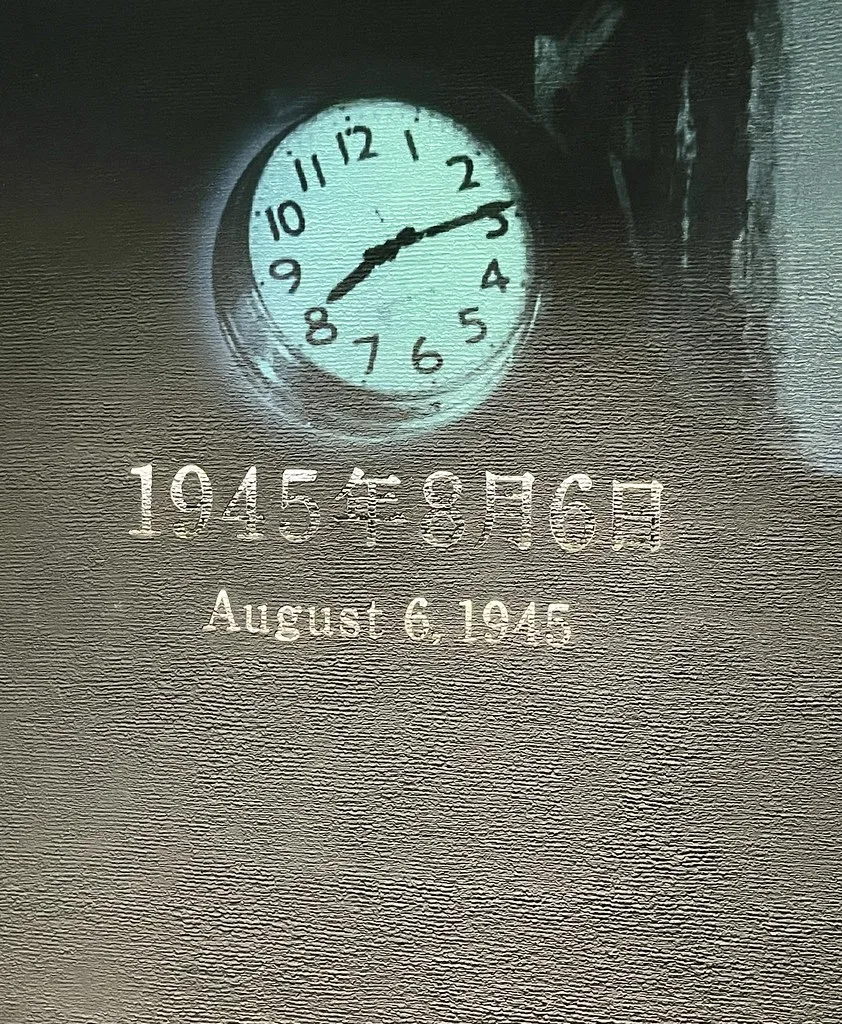
I arrived at the Peace Memorial Museum when the doors opened at 8:30 AM. My hands were cold even though the morning was mild. Inside, the galleries unfold in quiet sequence: photographs of Hiroshima before the bomb, a thriving city of bridges and wooden homes; then the flash, the silence, the aftermath. I saw a child's melted tricycle, lunch boxes fused shut by heat, watches stopped forever at 8:15. A schoolgirl's tattered uniform behind glass. Shadows of people burned into granite steps where they had been standing when the light came. The museum does not raise its voice. It does not need to. It simply shows you what happened, and the restraint is what breaks you open. I stood before a display of paper cranes — thousands of them folded by Sadako Sasaki as she lay dying of leukemia, a girl who believed that folding a thousand cranes would grant her wish to live — and my eyes filled with tears. I could not speak. My wife reached for my hand and held it, and we stood there together in that quiet room and let the weight of it settle into us.
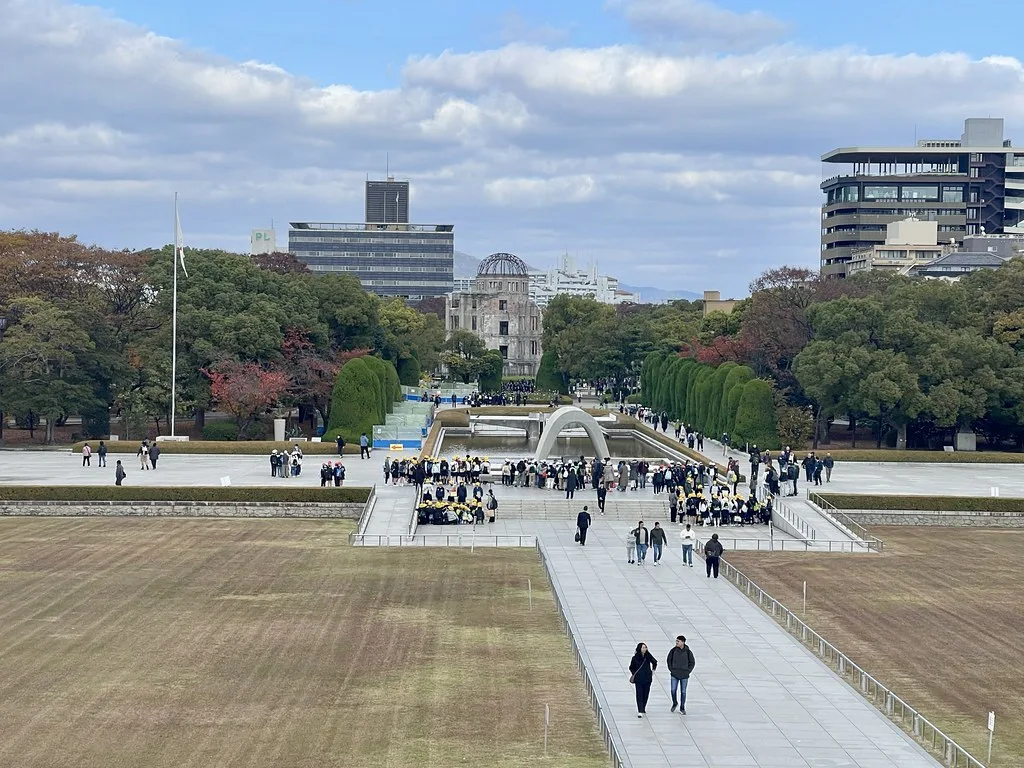
Outside, the morning light caught the arch of the Memorial Cenotaph. Through that arch, perfectly aligned, you can see the Flame of Peace burning in its stone vessel, and beyond that the skeletal silhouette of the Atomic Bomb Dome. The flame was lit in 1964 and will burn, they say, until every nuclear weapon on earth is destroyed. I watched an elderly woman approach carrying a bundle wrapped in cloth. She knelt, carefully unwrapped it, and laid down strand after strand of folded origami cranes — bright paper birds cascading across the stone. She bowed twice, deeply, and walked away without a word. Something broke open inside me. I whispered a quiet prayer there, standing on ground where seventy thousand souls had vanished in a single flash of light, and I felt my heart swell with a grief I had not expected and a hope I could not explain. Hiroshima chose forgiveness over bitterness. It chose to rebuild rather than rage. That takes a kind of courage I can barely comprehend.
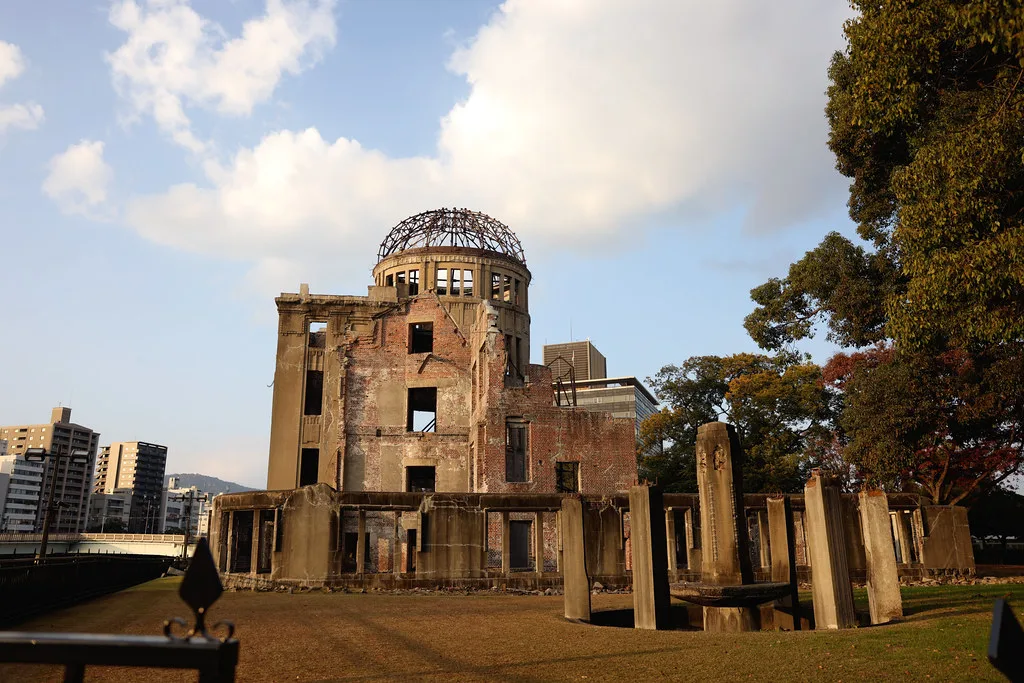
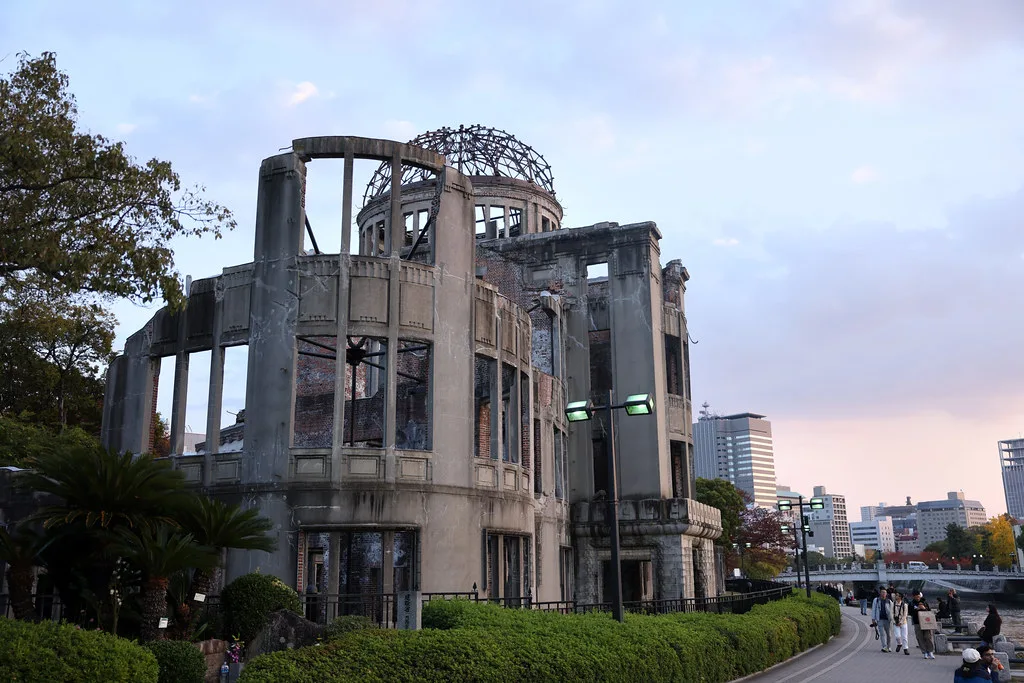
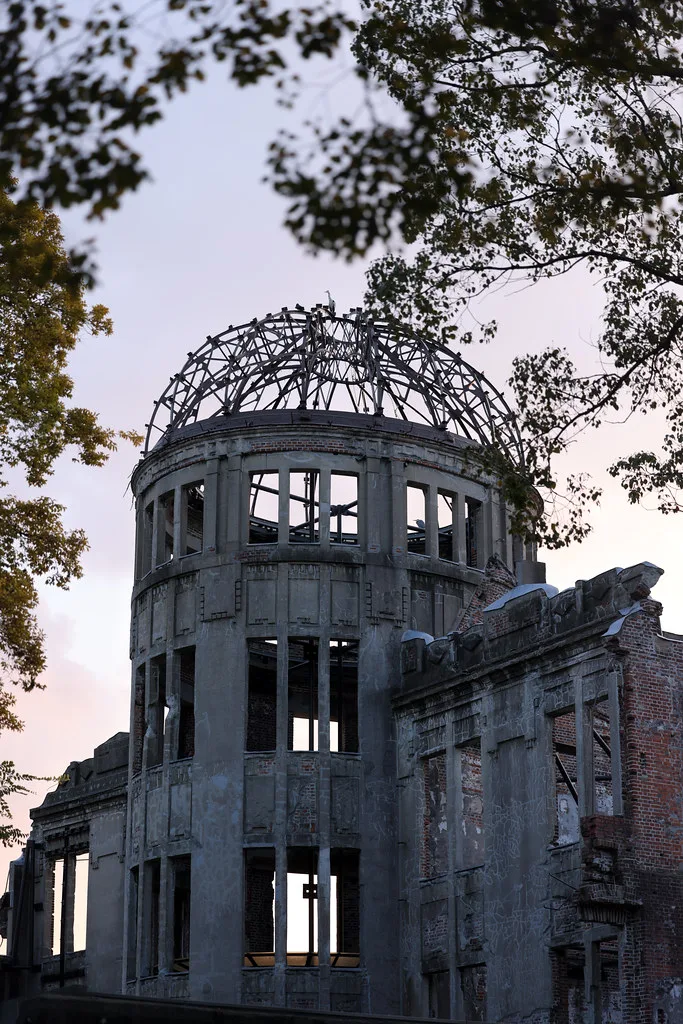
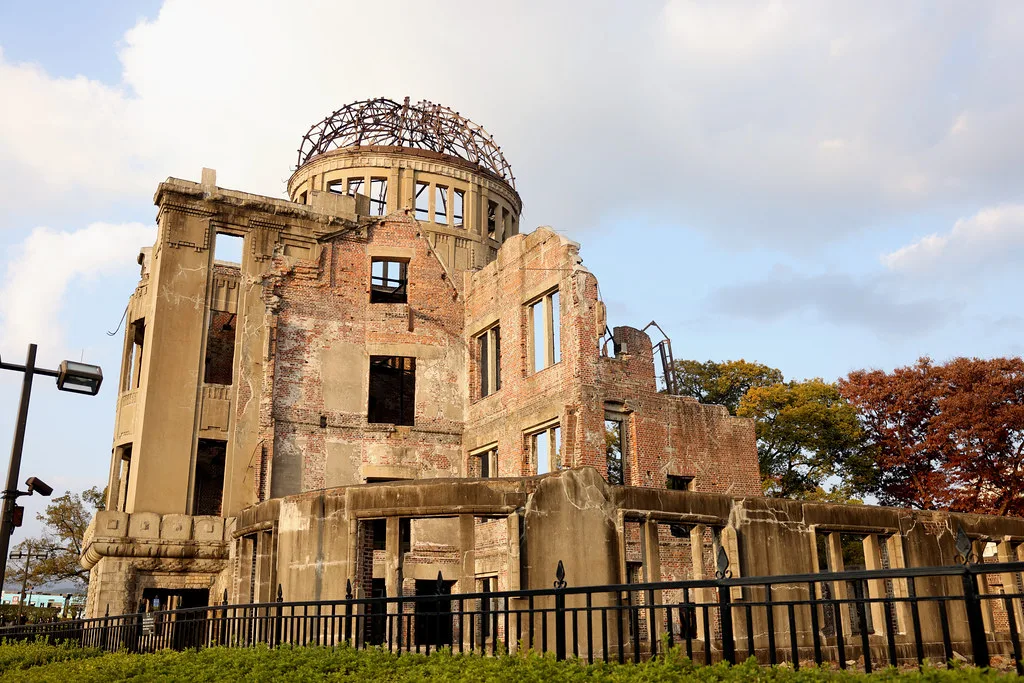
However, what astonished me most was the contrast between the weight of that memorial and the living city surrounding it. Children flew kites in Peace Memorial Park. Couples strolled beneath trees that had been planted as gifts from nations around the world. The Atomic Bomb Dome stood exactly where it fell — iron ribs exposed to the sky, preserved not as ruin but as witness — yet around it, Hiroshima had grown green and vibrant. Life insisted on itself here, and that insistence felt almost sacred. I noticed the sound of the river moving beneath the bridges, the warmth of sun breaking through the clouds, the rough texture of the stone memorial beneath my fingertips. Everything felt more vivid after walking through the museum, as though my senses had been scraped raw and the world was pouring in.
We boarded the ferry to Miyajima after lunch, and the change in atmosphere was immediate. Where Hiroshima confronts you with what humanity can destroy, Miyajima shows you what we have built to honor mystery and reverence. The Itsukushima Shrine has stood here since the 6th century, though its current form dates to the 12th century. At high tide the vermilion torii gate appears to float on the water, glowing crimson against the blue of the Seto Inland Sea. I tasted the warm sweetness of a freshly made momiji manju — a maple-leaf cake filled with red bean paste — and watched the deer roam freely across the island, gentle and curious. Despite the emotional exhaustion of the morning, Miyajima felt like a balm. Moss grew thick on stone lanterns along the hiking trails. The scent of cedar drifted down from Mount Misen. The island felt ancient, timeless, as though it existed slightly outside the ordinary flow of the world.
Still, it was Hiroshima that stayed with me. Standing at the railing of the ferry on the return trip, watching the torii gate shrink behind us, I realized something. I had come expecting sorrow, expecting to be crushed by the weight of August 6, 1945. And yet what I found was not despair but defiance — the quiet, stubborn defiance of a city that chose peace over vengeance, beauty over ash, life over death. I learned that resilience is not merely about enduring what has been done to you. It is about choosing, again and again, to build something worthy from the ruins. Looking back, I think Hiroshima taught me more about hope than any place I have ever visited. The lesson: that the deepest strength is not the strength to survive, but the strength to forgive, to rebuild, and to insist — with every planted tree, every folded crane, every child's laughter in the park — that the future can be better than the past.
Weather & Best Time to Visit
The Cruise Port
What you need to know before you dock.
- Terminal: Most ships dock at Ujina Foreign Trade Wharf (280m berth, 3km from city center); larger ships use Itsukaichi Wharf (430m berth)
- Distance to City Center: Ujina Wharf to Peace Memorial Park ~3 km (shuttle bus or taxi 10-15 min); Itsukaichi Wharf farther (shuttle provided)
- Tender: No — ships dock at the pier
- Currency: Japanese Yen (JPY); credit cards accepted widely but cash preferred at smaller shops
- Language: Japanese; English signage at tourist sites; basic English at major attractions
- Driving: Left side; international license required; not recommended for cruise day (excellent public transport)
- Best Season: Spring (March-May) for cherry blossoms; autumn (October-November) for fall foliage; avoid late July-August (extreme heat and humidity)
Getting Around
Hiroshima has an excellent and affordable public transport system. The streetcar network is the backbone of city transit and a delight to ride — some of the vintage trams have been in service since before the war. Here are the main ways to get around on your port day.
- Shuttle Bus: Most cruise lines offer shuttle service from Ujina Wharf to Peace Memorial Park area. Confirm with your ship's shore excursion desk. This is often the easiest option for the first leg of your day, and the fare is typically included with your port fees or costs around $10-15 per person round-trip.
- Taxis: Available at port. Ujina to Peace Park costs approximately $10-15. Drivers rarely speak English — have your destination written in Japanese or show a map on your phone. Taxis are metered and honest but expensive for longer distances.
- Streetcar (Tram): Hiroshima's streetcar network is efficient and charming. Route 2 or 6 from Hiroshima Station to Genbaku Dome-mae (Atomic Dome stop). Flat fare of $1.50 per ride. Pay when exiting. Buy a one-day pass for $3.50 if you plan multiple trips. Wheelchair accessible on newer trams.
- Ferry to Miyajima: World Heritage Sea Route from Peace Park to Miyajima (45 min, approximately $28 round-trip). Alternative: train to Miyajimaguchi Station (27 min) then 10-min ferry ($2.50 round-trip). The sea route is more scenic but the train route costs less.
- Walking: Peace Park to Hiroshima Castle is roughly a 15-minute walk along pleasant riverside paths. Main visitor sites are clustered and walkable, though comfortable shoes are a must. Mobility-limited travelers will find most downtown sidewalks smooth and level.
Hiroshima Area Map
Interactive map showing cruise terminal, Peace Memorial Park, Atomic Bomb Dome, Miyajima ferry routes, and Hiroshima Castle. Click any marker for details and directions.
Excursions & Activities
How I'd spend my time ashore — whether you book a ship excursion or go independent.
Hiroshima is one of the easiest ports to explore independently. The streetcar system is reliable, English signage is clear at all major sites, and the main attractions are clustered within a manageable area. That said, if time is limited or you want guaranteed return to the ship, a ship excursion combining Peace Park and Miyajima is an excellent choice. For independent travelers, book ahead for the World Heritage Sea Route ferry to Miyajima during peak season — it does sell out.
Peace Memorial Park & Museum
Built to commemorate the victims of August 6, 1945 and promote world peace, this UNESCO World Heritage site sits at the epicenter of the atomic bombing. The Atomic Bomb Dome (Genbaku Dome) remains as it was found, skeletal and silent. The Peace Memorial Museum (opens 8:30 AM) chronicles events before, during, and after with unflinching honesty and profound dignity. The park also holds the Memorial Cenotaph, the Children's Peace Monument honoring Sadako Sasaki, and gardens planted with trees gifted from around the world. Allow 2-3 hours minimum. Museum admission $1.50. Main areas wheelchair accessible with paved paths.
Miyajima Island (Itsukushima Shrine)
Miyajima offers Japan's most iconic view: the vermilion torii gate rising from the Seto Inland Sea. The Itsukushima Shrine, a UNESCO World Heritage Site, is built on platforms extending over the water. At high tide the entire complex appears to float. Timing matters: at high tide the gate floats against the water; at low tide you can walk beneath it. Both views are stunning. Deer roam freely across the island. Reach Miyajima via the World Heritage Sea Route ferry from Peace Park (about 45 minutes, $28 round-trip) or take the train to Miyajimaguchi then a short local ferry (10 minutes, $2.50 round-trip). Shrine admission $2. Mobility note: ferry terminal offers free wheelchair loans; shrine boardwalks are flat but narrow.
Hiroshima Castle
Reconstructed 1950s concrete replica of the 1599 original (destroyed in bombing). Five-story main keep houses exhibits with samurai armor and feudal displays. Pleasant moat and grounds. Not essential if time is limited, but offers a different perspective compared to Peace Park. 15-minute walk from Peace Park. Admission $2.50. Allow 1 hour.
Shukkeien Garden
Japanese landscape garden (1620) with miniature valleys, mountains, and forests surrounding a central pond. Destroyed in 1945, painstakingly reconstructed. Tranquil counterpoint to the intensity of Peace Park. Tea house serves matcha for $4. 15 minutes from Peace Park by streetcar. Admission $1.80. Allow 1 hour. Peaceful restorative experience.
Okonomimura (Okonomiyaki Village)
Four-story building packed with 24 okonomiyaki restaurants. Watch chefs build layered Hiroshima-style okonomiyaki on griddles (cabbage, noodles, pork, egg, toppings). Casual, delicious, authentic. Downtown location. Budget $7-10 per person. Pure Hiroshima experience and easy for independent travelers to find.
Depth Soundings: Final Thoughts
- Arrive at Peace Memorial Museum when it opens (8:30 AM) for a quieter, more contemplative experience before tour groups arrive. The early morning light at the Cenotaph is worth the effort.
- Check Miyajima tide times before visiting — the torii gate appears to float at high tide, and is accessible on foot at low tide. Both views are beautiful but very different. Tide tables are posted at ferry terminals and online.
- You CAN do Peace Park and Miyajima in one full day if you start early. Peace Park 8:30 AM to noon, ferry to Miyajima for the afternoon. The World Heritage Sea Route connects both UNESCO sites directly.
- Download the Google Translate app with the Japanese offline language pack — the real-time feature reads signs and menus through your phone screen.
- Wheelchair users: Peace Park main areas are accessible with paved paths (some gravel paths are more challenging). Miyajima ferry terminal offers free wheelchair loans. Itsukushima Shrine boardwalks are flat but narrow. Newer streetcars have low-floor boarding for mobility-limited passengers.
- Respect the solemnity of Peace Park — this is hallowed ground. Speak quietly, silence your phone, and dress modestly. Many visitors are survivors, descendants, or mourners.
- Cash is essential in Japan — many restaurants, temples, and shops do not accept cards. ATMs at 7-Eleven convenience stores accept foreign cards and are found throughout the city.
- Miyajima deer are wild animals, not pets. They are usually gentle but can be aggressive if they smell food. Keep snacks in sealed bags and do not feed them.
Photo Gallery
Frequently Asked Questions
Q: Where do cruise ships dock?
A: Most ships dock at Ujina Foreign Trade Wharf (3 km from Peace Park). Larger ships use Itsukaichi Wharf. Shuttles or taxis connect to city center (10-15 min). Cost is about $10-15 by taxi.
Q: Can I visit Peace Park and Miyajima in one day?
A: Yes, if you start early. Peace Park from 8:30 AM to noon, then World Heritage Sea Route ferry to Miyajima (45 min) for the afternoon. Full-day ship excursions often combine both sites.
Q: Is the Peace Memorial Museum emotionally difficult?
A: Yes. It is unflinching but presented with dignity and respect. Allow yourself to feel what you feel. Benches and rest areas are available throughout. The experience is powerful, important, and ultimately hopeful.
Q: When is the best time to see the floating torii gate?
A: Check tide tables (posted at ferry terminals and available online). High tide means the gate appears to float. Low tide means you can walk beneath it. Both views are stunning. High tide is more photogenic; low tide is more interactive.
Q: What currency should I bring?
A: Japanese Yen (JPY). Credit cards are accepted at major sites but cash is preferred at smaller establishments. ATMs at 7-Eleven accept foreign cards. Bring cash for streetcars, small restaurants, and temples.
Q: Do I need to speak Japanese?
A: Major sites have English signage and some English-speaking staff. Google Translate is invaluable for menus and signs. Learn basic phrases (thank you is arigatou gozaimasu). Hiroshima is accustomed to international visitors.
Q: What's the best time of year to visit Hiroshima?
A: Spring (March-May) for cherry blossoms and autumn (October-November) for foliage are peak seasons. Avoid late July through August due to extreme heat and humidity. The cruise season generally offers the most reliable weather.
Q: Will rain ruin my port day?
A: Brief showers are common but rarely last long enough to ruin a day. The Peace Memorial Museum is entirely indoors, and Miyajima's shrine has covered walkways. Carry a compact umbrella and have a flexible plan.
Last reviewed: February 2026