


My Logbook: A Hong Kong Day
The gangway at Kai Tak Cruise Terminal led onto a humid Tuesday morning, shirt already clinging to skin, and the sheer vertical wall of Kowloon's towers rose like the spine of some ancient creature waking from the harbor floor. The air tasted of diesel and salt and something sweeter — roasted chestnuts from a vendor's cart parked near the terminal exit. One last look at the ship from the railing: it was dwarfed now against the skyline that had seemed so impossibly large the night before when we sailed through Victoria Harbour with the Symphony of Lights painting every glass facade in blues and golds.

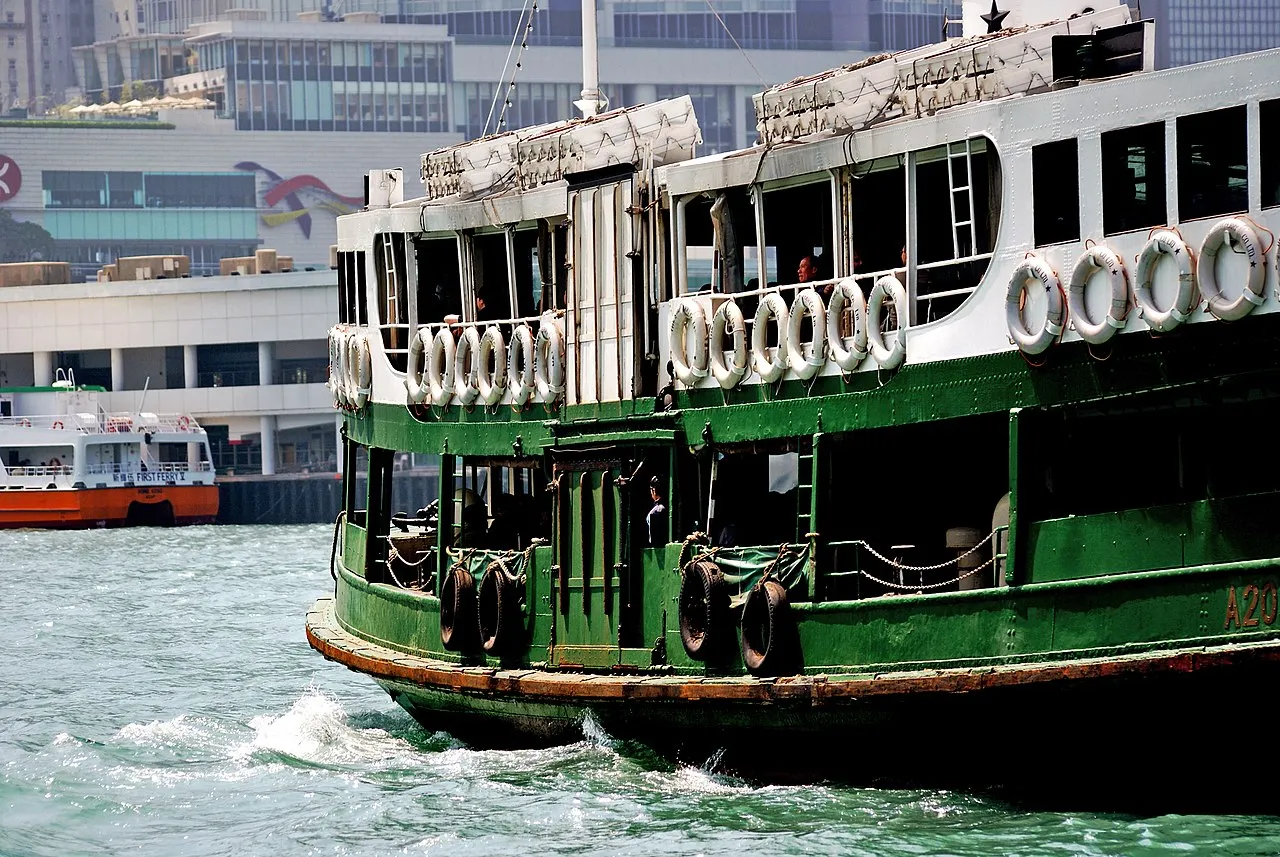
First destination: the Star Ferry, practically jogging to the Tsim Sha Tsui pier. For HK$4 — less than fifty American cents — the vessel's green-and-white hull carried the name "Meridian Star" in faded gold lettering. The ferry has been running since 1888, and leaning against the worn wooden rail with the warm breeze pushing across the harbor, the skyline of Hong Kong Island sharpened into focus. The low thrum of the engine underfoot, the slap of waves against the hull, the quiet conversations of commuters who ride this route every single day without ever losing their sense of wonder — or maybe they have, which only deepened the gratitude of experiencing it with fresh eyes. The crossing took barely ten minutes, yet something about that short journey across the water felt like traveling between worlds.
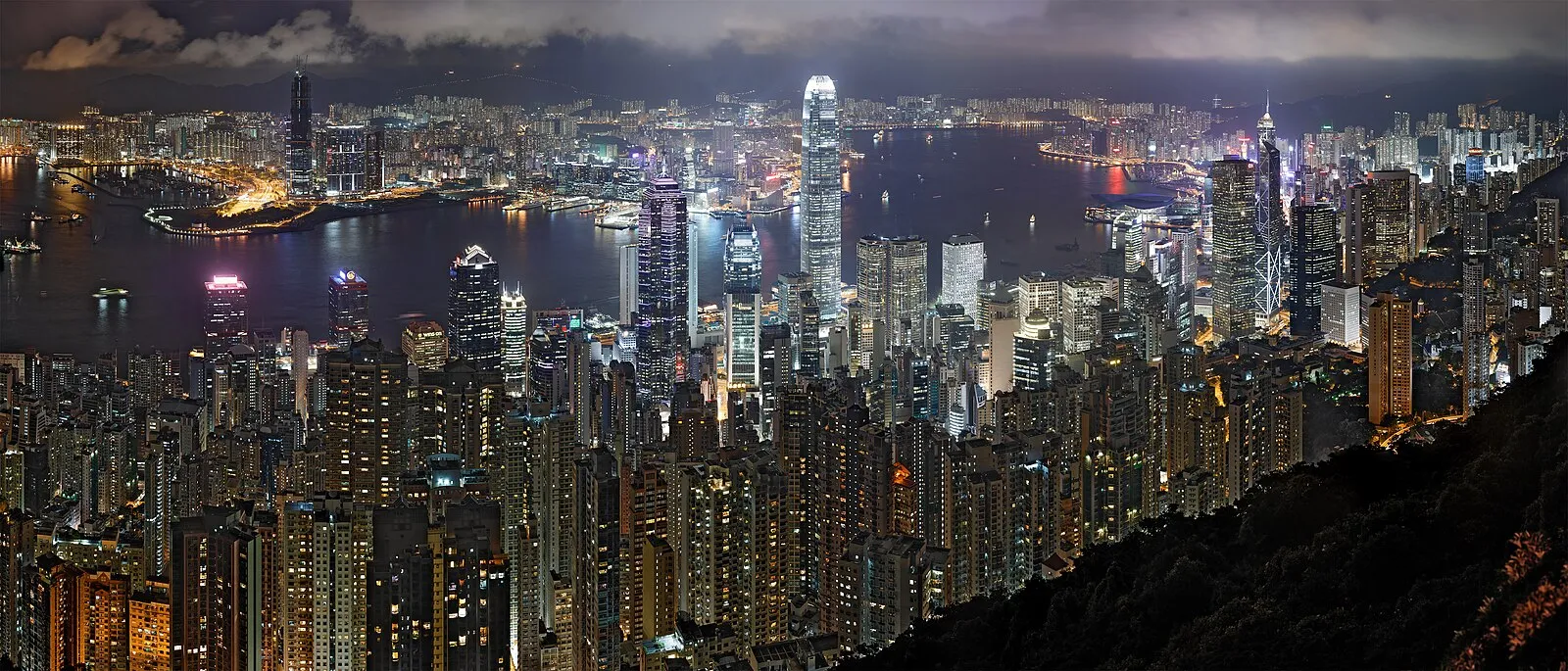
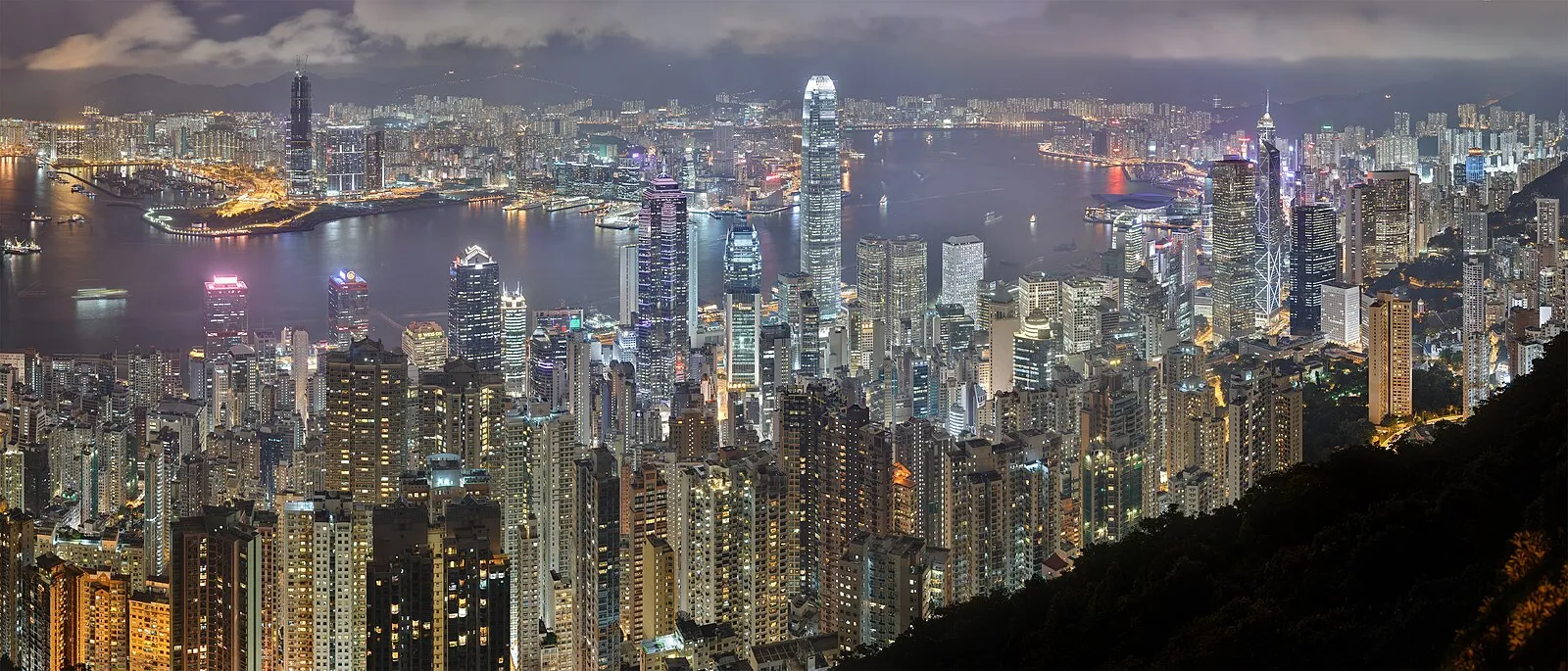
From Central Pier the walk led to the Peak Tram station. Victoria Peak had been calling since those first photographs of that impossible skyline viewed from above. The tram itself is a marvel — a funicular railway dating to 1888 that climbs 396 meters at angles so steep every passenger instinctively grips the seat ahead. Fellow travelers laughed at the collective flinch, and laughter spread. At the summit, though, all laughter stopped. The viewing platform revealed the entire city sprawling below — the harbor, the towers, the islands beyond — and for a long moment words failed. The wind was cool at that height, drying the sweat as the gaze fell on a metropolis where seven million souls lived in a space barely larger than a modest American county. Something swelled that can only be described as awe — not at what humans had built, however impressive, but at the beauty of the harbor and the green mountains behind Kowloon that reminded any visitor this place existed long before any tower rose from its shores. A quiet prayer of thanks for the gift of standing here, in this moment, watching the sunlight shift across the water far below.

The descent came by bus — a double-decker that wound through hairpin turns with terrifying confidence — leading to a Tim Ho Wan outpost in Central for dim sum. The baked barbecue pork buns arrived first, their tops cracked and golden, and the first bite released a sweetness that forced closed eyes. Honey, pork fat, and the slightly yeasty warmth of the bun itself. The waiter smiled at the visible delight. Around every table, families shared bamboo steamers of har gow and siu mai, and the truth became clear: dim sum is not merely a meal here but a form of communion — people gathered around small dishes, passing food, pouring tea for one another. The cost was astonishingly modest: the entire feast came to about HK$85, roughly $11.
After lunch I caught the MTR to Tung Chung, then boarded the Ngong Ping 360 cable car for the 25-minute ride to Lantau Island. The crystal-floor cabin swayed gently above green valleys and reservoirs, and although the height was dizzying, the silence was what struck me most — a profound quiet after the roar of the city. The Big Buddha appeared gradually through the haze, growing larger with each passing minute until I stood at his base and climbed the 268 steps to his feet. The bronze was warm under my palm when I touched it. Up there, with incense drifting from Po Lin Monastery below and monks chanting somewhere I couldn't see, I felt the contrast between Hong Kong's relentless commercial energy and this pocket of stillness. It was as though the island held both truths at once — the hustle and the hush — and refused to choose between them.

Evening pulled me back to Kowloon for Temple Street. The neon came alive as the sun dropped — green, pink, amber — and the narrow lanes filled with the sound of vendors calling prices, the sizzle of clay-pot rice on portable stoves, and the low drone of a Cantonese opera singer performing on a makeshift wooden stage. I spotted fortune tellers hunched over small tables with laminated charts and jade pendants glinting under bare bulbs. My nose caught the sharp funk of stinky tofu — a smell that repels and attracts in equal measure — and I followed it to a stall where I watched a grandmother ladling cubes of fermented bean curd into chili oil with the practiced calm of someone who has done this ten thousand times. I bought a portion for HK$15 (~$2) and ate it standing, burning my tongue, savoring every bite despite the sting.
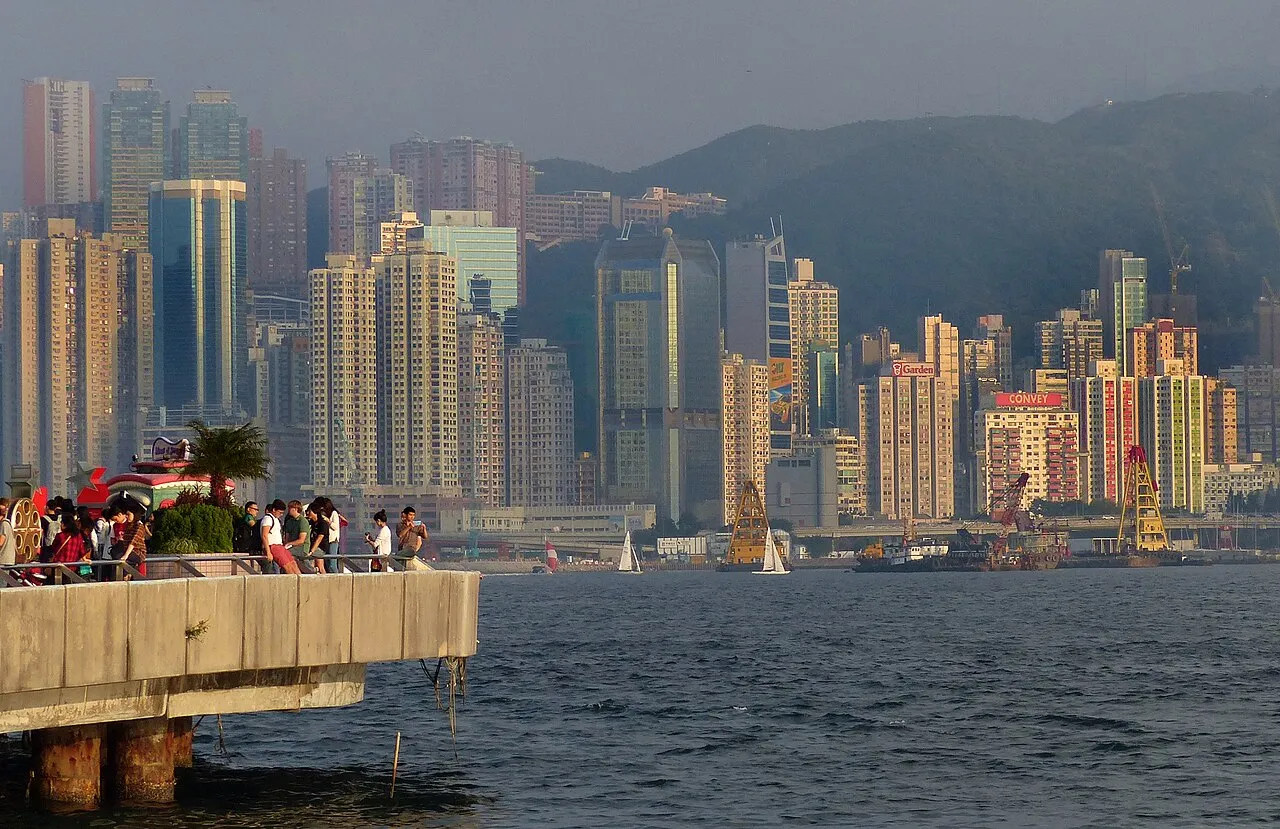
I ended my evening on the Avenue of Stars along the Tsim Sha Tsui waterfront. The Kowloon night views from here are legendary, and I understood why as I watched the Symphony of Lights begin its nightly performance across the harbor — lasers leaping between towers, searchlights sweeping the clouds, and the entire Hong Kong Island skyline pulsing with coordinated light. Tears came without warning. Not from sadness, but from the overwhelming beauty of it, and from the knowledge that my time here was measured in hours, not days. I stood there with my hands resting on the waterfront railing, cool metal under my fingers, and I let the city wash over me — its noise, its light, its relentless energy.
Looking back, I realized what Hong Kong taught me. It taught me that a city can be ancient and ultramodern at the same time, that a $0.50 ferry ride can be worth more than any expensive excursion, and that beauty hides in the chaos if you slow down long enough to notice. Despite the crowds, despite the humidity, despite the overwhelming scale of everything, I discovered that Hong Kong's greatest gift is not its skyline or its food — although both are extraordinary — but its ability to make you feel fully, electrically alive. I learned that the best travel moments are not the ones I plan but the ones that find me — a grandmother's smile over stinky tofu, the silence at the top of a bronze Buddha, the salt wind on a ferry crossing that costs less than a cup of coffee. Sometimes you travel halfway around the world only to find that the thing you were searching for was simply the willingness to be present, to notice, and to give thanks for the gift of being exactly where you are.
Weather & Best Time to Visit
The Cruise Port

Hong Kong offers two main cruise terminals. The Kai Tak Cruise Terminal sits on the former Kai Tak Airport runway in Kowloon and opened in 2013. The terminal features a rooftop garden with sweeping views of Victoria Harbour. Wheelchair accessible ramps and elevators serve all levels. A free shuttle bus runs to Kowloon Bay MTR station, about ten minutes away, though taxis cost roughly HK$60-80 (~$8-$10) to Tsim Sha Tsui. The older Ocean Terminal in Tsim Sha Tsui places you directly inside Harbour City shopping complex, steps from the Star Ferry pier. Both terminals provide currency exchange, luggage storage, and tourist information desks. Mobility-friendly pathways connect all terminal areas to public transit, and the terminal staff are accustomed to helping passengers with walking difficulty navigate to accessible transportation. Tender service is not required — both terminals offer direct alongside docking for large vessels.
Getting Around

The MTR subway system is Hong Kong's backbone for getting around. It is clean, efficient, air-conditioned, and covers nearly every destination a cruise visitor would want to reach. Single-journey tickets cost HK$5-26 (~$0.65-$3.35) depending on distance, but the Octopus Card — a rechargeable smart card costing HK$150 (~$19, with HK$50 deposit) — saves money on every tap and works on buses, ferries, and trams as well. The MTR runs from roughly 6:00 AM to midnight. All MTR stations are wheelchair accessible with elevators and tactile floor guides.
The Star Ferry between Tsim Sha Tsui and Central is both a transit option and an experience. Fares start at HK$4 (~$0.50) for lower deck and HK$5 (~$0.65) for upper deck, with departures every 6-12 minutes throughout the day. Hong Kong's double-decker trams run exclusively on Hong Kong Island along a single east-west corridor from Kennedy Town to Shau Kei Wan, and the fare is a flat HK$3 (~$0.40) — among the cheapest rides in any world city. Taxis are metered and widely available, with fares starting at HK$27 (~$3.50). Red taxis cover urban areas; green taxis serve the New Territories; blue taxis operate on Lantau Island. Uber and other ride-hailing apps work here, though drivers occasionally have limited English. For Victoria Peak, the Peak Tram funicular costs HK$62 (~$8) for a return ticket; book ahead online to skip queues that can stretch to ninety minutes on weekends.
Port Map
Explore Hong Kong's cruise terminals, Victoria Peak, and dim sum spots. Click pins for details and directions.
Top Excursions & Attractions

Victoria Peak & the Peak Tram: The number-one attraction in Hong Kong, and for good reason. The Peak Tram funicular railway carries you 396 meters up the mountainside at steep angles to the summit viewing platform. On clear days the panorama stretches across the harbor to Kowloon and the mountains beyond. The Sky Terrace 428 observation deck costs HK$75 (~$10), though the free public viewing areas are nearly as spectacular. Book ahead to avoid long wait times — weekend queues can exceed an hour. This is a moderate walking excursion with steps at the summit, but elevators serve the main platforms for those with mobility needs. You can take a ship excursion here, or go independent — the Peak Tram lower station is easily reached from Central MTR in ten minutes on foot.
Star Ferry & Victoria Harbour: Riding the Star Ferry is a must. Operating since 1888 between Tsim Sha Tsui and Central, the crossing takes about ten minutes and costs under $1. No ship excursion needed — simply walk to the pier and board. The ferry offers a striking harbor panorama and is fully accessible for wheelchair users via ramp boarding.
Big Buddha & Ngong Ping 360: The Tian Tan Buddha on Lantau Island is one of the largest seated outdoor bronze Buddhas in the world. Reaching it involves the Ngong Ping 360 cable car — a 25-minute gondola ride above lush green hills and South China Sea coastline. The cable car costs HK$235 (~$30) round trip for standard cabin or HK$315 (~$40) for crystal cabin with glass floor. At the village below the Buddha, free admission gets you to the base; climbing the 268 steps to the statue is strenuous but rewarding. There is no guaranteed return time for this excursion, so plan three to four hours minimum and book ahead for the cable car to avoid afternoon sell-outs. Alternatively, many cruise lines offer a ship excursion package that bundles transportation and priority boarding.

Temple Street Evening Stalls: Kowloon's famous evening destination comes alive after sunset with hundreds of vendor stalls, fortune tellers, and food carts. You can go entirely independent — take the MTR to Jordan or Yau Ma Tei station and walk two minutes. Expect to spend HK$50-200 ($6-$25) on street food and souvenirs. The lanes are narrow and crowded, which makes wheelchair access challenging in the busiest areas, though the surrounding streets are flat and wide.
Avenue of Stars & Harbour Light Show: The waterfront promenade along Tsim Sha Tsui offers an evening stroll past statues of Hong Kong film legends and a nightly Symphony of Lights laser show beginning at 8:00 PM. Admission is free. The promenade is flat, paved, and wheelchair accessible along its entire length. This is an easy independent excursion that pairs well with dinner in Tsim Sha Tsui, where restaurants range from HK$40 (~$5) noodle shops to fine dining.
Dim Sum Culture: Tim Ho Wan — the Bib Gourmand chain famous for serving remarkably affordable dim sum — has locations near most MTR stations. A full meal costs HK$50-100 (~$7-$13) per person. No reservation needed for most branches, though peak lunch hours see 20-30 minute waits. For those seeking an independent food experience, this is one of Hong Kong's greatest pleasures and requires no ship excursion to enjoy.
Depth Soundings Ashore

Hong Kong is a city of contrasts — a place where ancient temple incense drifts between glass towers, where a $0.50 ferry ride delivers more wonder than a $500 shore excursion, and where the noise and energy can be overwhelming yet somehow restorative. However, not everything is smooth. The humidity from May through September is punishing, and summer typhoon warnings can cancel outdoor plans entirely. Despite the city's excellent public transit, the distances between major attractions — particularly the Big Buddha on Lantau — mean you cannot see everything in a single port day. Yet what you do see will stay with you. Budget at least HK$300-500 (~$40-$65) for a comfortable day including transit, food, and one paid attraction. The city's walkability varies dramatically by neighborhood — Central and Tsim Sha Tsui are flat and accessible, while the hills above Central require strong legs or a willingness to rely on the Mid-Levels escalator system. Although the crowds can be intense, especially on weekends, the energy of Hong Kong is its greatest charm. This is a city that rewards curiosity, feeds you extraordinarily well for very little money, and leaves you already planning your return before you have even reached the ship.
Photo Gallery


Frequently Asked Questions
Where do cruise ships dock in Hong Kong?
Ships dock at either Kai Tak Cruise Terminal in Kowloon (opened 2013, built on the old airport runway) or Ocean Terminal in Tsim Sha Tsui. Kai Tak offers a free shuttle to Kowloon Bay MTR. Ocean Terminal puts you steps from the Star Ferry and Harbour City. Both are wheelchair accessible with elevator access to all levels. Taxi fare from Kai Tak to Tsim Sha Tsui runs about HK$60-80 (~$8-$10).
Is the Star Ferry worth riding?
Absolutely — the Star Ferry has operated since 1888 and remains one of the world's great travel experiences. The fare starts at HK$4 (~$0.50) for the lower deck. The 10-minute crossing provides spectacular views of both the Hong Kong Island and Kowloon skylines. Departures run every 6-12 minutes. Accessible boarding is available for wheelchair users.
How do I get to Victoria Peak?
Take the Peak Tram from the lower terminus in Central (near the MTR station). Return tickets cost HK$62 (~$8). Book online ahead to skip queues that can reach 60-90 minutes on busy days. At the top, the free public viewing areas offer nearly the same panorama as the paid Sky Terrace 428 (HK$75 / ~$10). Bus 15 from Central also reaches the Peak and is a less crowded alternative.
What should I budget for a day in Hong Kong?
A comfortable day costs HK$300-500 (~$40-$65). This covers transit (Octopus Card HK$100 / ~$13 loaded value), dim sum lunch (HK$50-100 / ~$7-$13), street food dinner (HK$30-80 / ~$4-$10), the Peak Tram (HK$62 / ~$8), and miscellaneous expenses. The Star Ferry, trams, and Avenue of Stars are nearly free, making it possible to have an extraordinary day for under $30 if you eat modestly.
Is Hong Kong accessible for visitors with mobility needs?
The MTR system has elevators at all stations and tactile floor guides. The Star Ferry offers accessible boarding ramps. Kai Tak and Ocean Terminal both have wheelchair accessible pathways throughout. Victoria Peak can be reached by the Peak Tram (accessible carriage available) or by taxi directly to the summit. Temple Street's narrow lanes are challenging for wheelchair users, but the surrounding Kowloon streets are flat and navigable. The Avenue of Stars waterfront promenade is fully paved and accessible.
When is the best time to visit Hong Kong?
The seasonal panel above lists Peak Season as "Oct, Nov, Dec, Jan, Feb, Mar" and aligns all listed activity categories (Beach, Snorkeling, Hiking, City Walking) with those same months. Transitional Season is "Apr, Sep" and Low Season is "May, Jun, Jul, Aug." The avoidance note flags "Jul, Aug, Sep" for "(monsoon/typhoon season)." The body text on this page notes that "the humidity from May through September is punishing, and summer typhoon warnings can cancel outdoor plans entirely." Use the live weather widget for current short-term conditions.
When is typhoon and storm season in Hong Kong?
The Weather Hazards panel above labels Hong Kong a "Monsoon/Typhoon Season" zone with "Season: Jun – Nov" and "Peak risk: Aug, Sep, Oct." The hazard-note on that panel reads: "Ships may reroute during typhoons; check weather forecasts." The avoidance note in the Best Time block flags "Jul, Aug, Sep" for "(monsoon/typhoon season)," and the body text observes that "summer typhoon warnings can cancel outdoor plans entirely." For the current tropical-system outlook on a specific sailing date, the live weather widget in that seasonal panel is the primary source.
What should I pack for Hong Kong's weather?
The Packing Tips section in the seasonal panel above lists: "Sunscreen and sunglasses — essential year-round"; "Light layers for variable temperatures"; "Comfortable walking shoes for exploring"; and "Rain jacket or compact umbrella." The body text notes that "the hills above Central require strong legs or a willingness to rely on the Mid-Levels escalator system," which is consistent with that "Comfortable walking shoes" guidance, and that "the humidity from May through September is punishing" — keep that in mind for summer sailings. Specific Hong Kong temperature ranges are not detailed on this page — the glance Temperature entry reads "Varies by season — check forecast."
Will rain ruin my Hong Kong port day?
The seasonal panel does not give Hong Kong-specific rainfall data — the Rain entry reads "Seasonal variation — check forecast." The Best Time block lists "Oct, Nov, Dec, Jan, Feb, Mar" as Peak Season and aligns the listed outdoor activities with those months, while the avoidance note flags "Jul, Aug, Sep" for "(monsoon/typhoon season)." The body text observes that "the humidity from May through September is punishing, and summer typhoon warnings can cancel outdoor plans entirely." The live weather widget in the seasonal panel is the source for short-term forecasts on a specific sailing date.
Last reviewed: February 2026
Quick Answer: Hong Kong scores a perfect 5.0 with the jaw-dropping night harbour entrance after Sydney. The Star Ferry fare starts at HK$4 (~$0.50). Victoria Peak tram tickets cost around HK$62 (~$8). Tim Ho Wan dim sum averages HK$20-50 per dish (~$3-$7). The Ngong Ping 360 cable car runs about HK$235 (~$30) round trip. Hong Kong is wheelchair accessible via the MTR elevator network and the Star Ferry's accessible boarding ramps.
Image Credits
- hk-star-ferry.webp: Wikimedia Commons (CC BY-SA)
- hk-victoria-peak.webp: Wikimedia Commons (CC BY-SA)
- hk-big-buddha.webp: Wikimedia Commons (CC BY-SA)
- hk-dim-sum.webp: Wikimedia Commons (CC BY-SA)
- hk-temple-street.webp: Wikimedia Commons (CC BY-SA)
- hk-harbor.webp: Wikimedia Commons (CC BY-SA)
- hk-skyline.webp: Wikimedia Commons (CC BY-SA)
- hk-tram.webp: Wikimedia Commons (CC BY-SA)
- hk-garden.webp: Wikimedia Commons (CC BY-SA)
- hk-avenue-stars.webp: Wikimedia Commons (CC BY-SA)
- hk-kowloon.webp: Wikimedia Commons (CC BY-SA)
Images sourced from Wikimedia Commons under Creative Commons licenses.