


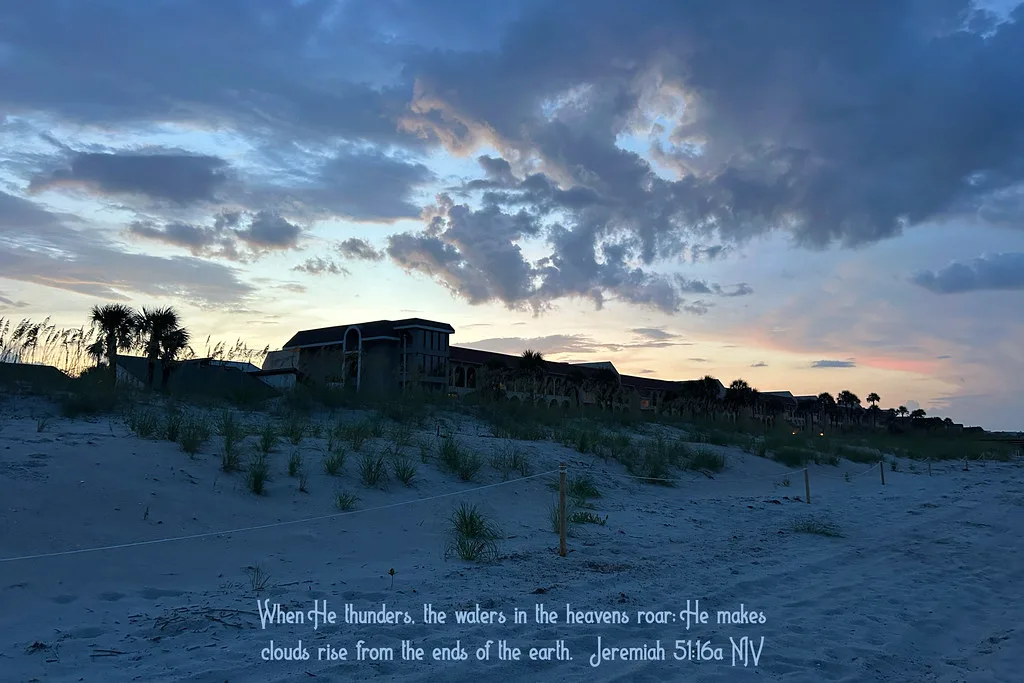
Photo: Wikimedia Commons
My Logbook: Where the River Meets the Sea
I arrived in Jacksonville on a Thursday afternoon, a full day before my Bahamas sailing, and the first thing I noticed was the light. It poured through the live oaks along Riverside Avenue in long golden shafts, and I pulled over just to sit in my rental car and watch it move across the Spanish moss. I had driven down from Savannah that morning, three hours of flat coastal highway, and my shoulders were tight from the road. But the light loosened something. I rolled the windows down and smelled salt air and warm asphalt and the faint green scent of the St. Johns River, and I felt the knot in my chest begin to untie itself.
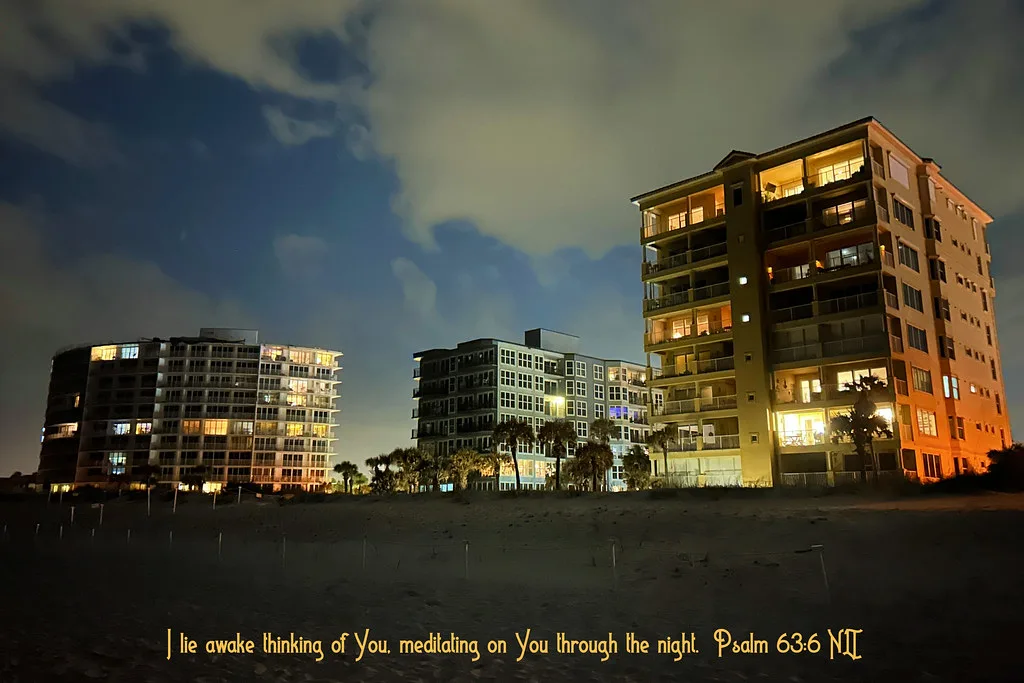
My hotel was a modest place near the beach, and I dropped my bags and headed straight for Jacksonville Beach. The pier stretched out over the Atlantic, weathered and sturdy, and I walked its full length while the afternoon sun pressed against my back. Fishermen lined the rails with their buckets and coolers, and a young woman with sunburned shoulders was reeling in something silver and thrashing. I leaned on the railing and watched the waves roll in, green and white and endlessly patient. A pelican dove headfirst into the surf and came up with a fish in its pouch, and I laughed out loud at the sheer grace of it. The beach was wide and uncrowded — nothing like the tourist-packed strands further south — and I pulled off my shoes and walked barefoot in the wet sand until my calves ached.
That evening I drove to the San Marco district for dinner. The neighborhood surprised me. I had expected generic strip malls, but instead I found tree-lined streets with independent bookshops, locally owned restaurants, and a vintage movie theater with a neon marquee glowing red against the darkening sky. I ate at a small Italian place on San Marco Boulevard — handmade pasta with a glass of Chianti for about $22 — and the waiter told me the building had been a pharmacy in the 1920s. The tin ceiling was original. I ran my fingers along the pressed metal pattern while I waited for my check and thought about how many hands had touched this same surface across a hundred years.

The next morning, before embarkation, I drove to the Cummer Museum of Art and Gardens. I had almost skipped it — the ship was calling and my luggage was already in the trunk — but something told me to stop. The museum sits on the bank of the St. Johns River, and the formal gardens behind it step down to the water in terraces of clipped boxwood and Italian sculpture. I stood at the lowest terrace with my coffee and watched a great blue heron wade through the shallows, slow and deliberate as a monk in prayer. Inside, the museum held a collection that caught me off guard — European masters alongside American Impressionists, and a room of Meissen porcelain that gleamed under soft gallery lights. I lingered longer than I should have, but I could not pull myself away from a small painting by Winslow Homer: a boy standing in a salt marsh, the light on his face exactly the same gold I had seen under the live oaks the day before.
However, it was the drive to the cruise terminal that stayed with me longest. The route took me along Heckscher Drive through the Timucuan Ecological and Historical Preserve, and the road threaded between salt marshes and tidal creeks where egrets stood like white sentinels in the cordgrass. I slowed down and opened my windows again. The smell was primal — salt and mud and the green tang of marsh grass baking in the sun. I thought about the Timucuan people who had lived here for thousands of years, fishing these same waters, watching these same birds, and I felt a wave of gratitude that nearly overwhelmed me. My eyes blurred for a moment, and I had to pull onto the shoulder and sit quietly until the feeling passed. There is something about standing where others have stood for millennia — something about the continuity of human presence on a particular stretch of shore — that can break you open if you let it. I let it.

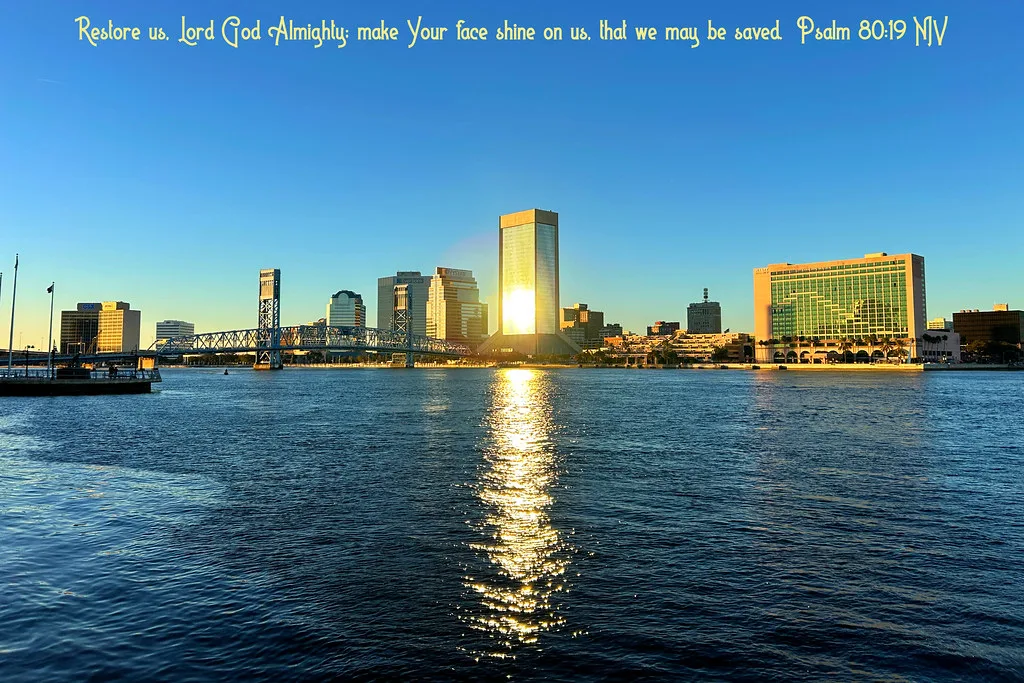
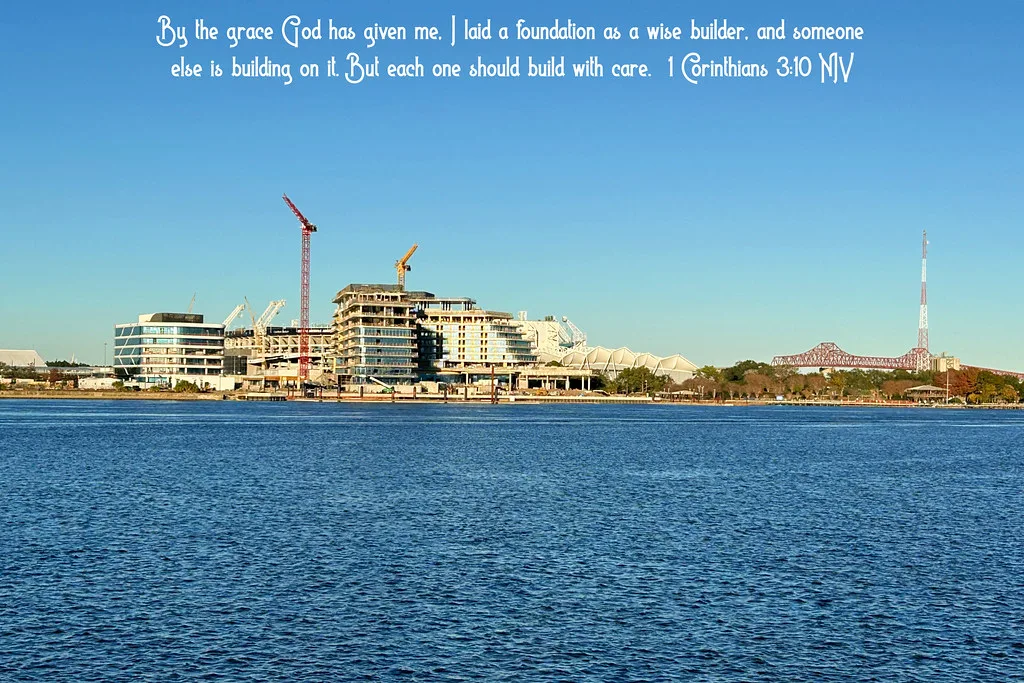
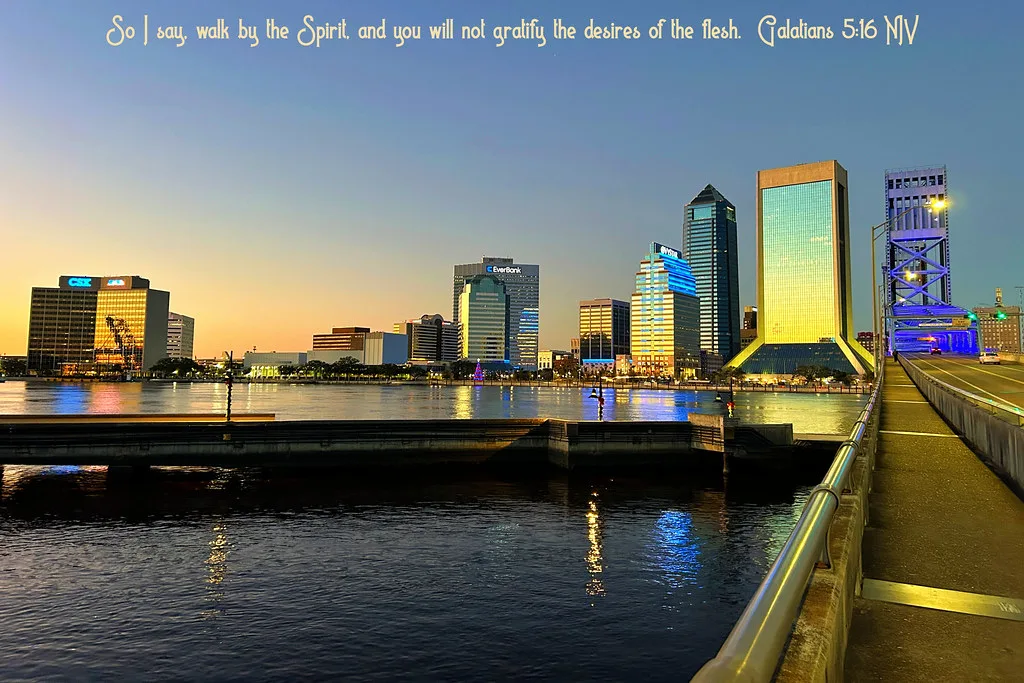
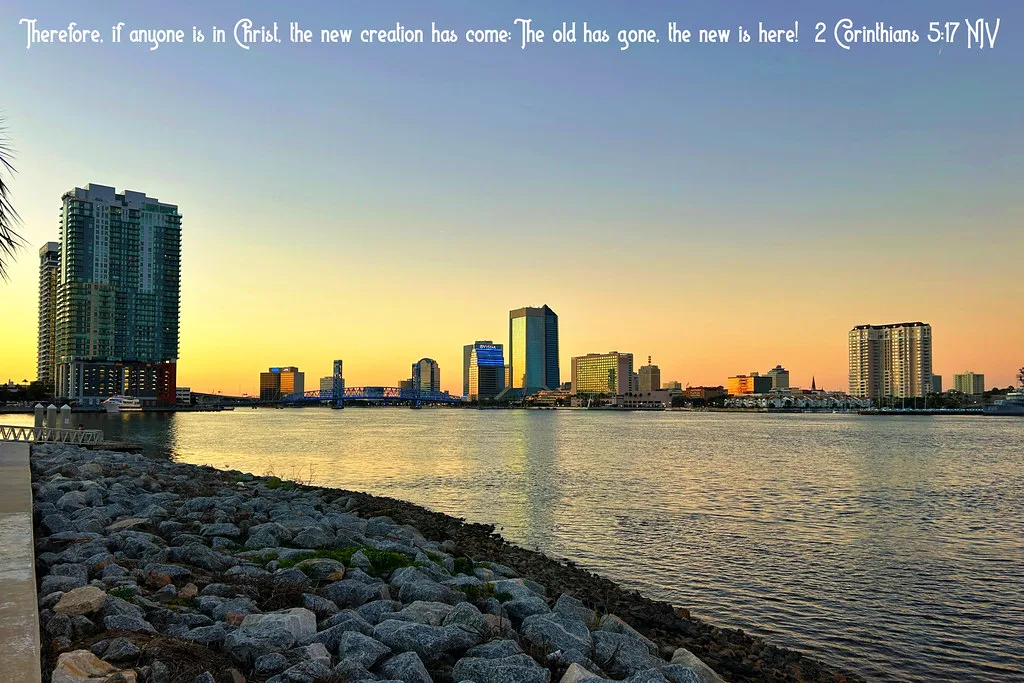
The JAXPORT terminal was quiet and manageable — no crowds, no chaos, just a calm procession of passengers with rolling suitcases and sunhats. I parked in the on-site lot for $17 a day, walked across to the terminal, and was aboard within forty minutes. As the ship pulled away from the dock and turned east toward the Atlantic, I stood at the stern rail and watched the St. Johns River widen behind us. The Main Street Bridge caught the last of the afternoon light, and the downtown skyline shrank slowly against the flat Florida horizon. I could still smell the salt marsh on my skin.
Jacksonville taught me something I had not expected. I had come for convenience — a closer port, cheaper parking, an easy drive from the Southeast — but the city gave me more than logistics. It gave me the quiet grace of a heron in the shallows, the warmth of a San Marco side street at dusk, and the humbling weight of standing on ground that has welcomed travelers for five thousand years. I learned that the value of a place is not always measured in its attractions or its fame, but sometimes in its willingness to reveal itself slowly, without fanfare, to anyone patient enough to look. I carry that lesson forward, and I am grateful for it.
Weather & Best Time to Visit
The Cruise Port
Ships dock at the JAXPORT Cruise Terminal at 9810 August Drive in the Dames Point area, about 20 miles from Jacksonville International Airport (JAX). The terminal is a single-berth facility used primarily by Carnival Cruise Line for Bahamas sailings. It is a compact, manageable building with covered check-in areas, air conditioning, and basic restroom facilities. There are no shops or restaurants inside the terminal or within walking distance — the surrounding area is industrial. On-site parking is available directly adjacent to the terminal for approximately $15-17 per day, with both cash and credit card accepted. The lot is flat and paved, making it wheelchair accessible and manageable for passengers with mobility needs. Taxis and rideshare services (Uber and Lyft) can drop off and pick up at the terminal entrance. From JAX Airport, expect a 30-40 minute ride costing $30-45 by rideshare or $45-55 by taxi. The port's smaller size means shorter embarkation lines and a calmer boarding experience compared to larger Florida cruise ports.
Getting Around
Jacksonville covers more than 875 square miles, making it the largest city by area in the contiguous United States. This sprawl means that a car or rideshare is practically essential for getting between attractions. Uber and Lyft operate throughout the metro area and are the simplest option for cruise passengers who arrive without their own vehicle. A ride from the cruise terminal to downtown costs roughly $15-20; to the beach communities, expect $30-45.
The Jacksonville Transportation Authority (JTA) runs bus service across the metro area with a $1.75 fare. Downtown, the Skyway monorail is free and connects key points along both banks of the St. Johns River — a pleasant ride but limited in range. The St. Johns River Ferry connects Mayport Village to Fort George Island, providing a scenic shortcut to the Talbot Islands state parks for about $7 per vehicle round trip. On weekends, the Beaches Town Center Trolley provides free rides connecting Jacksonville Beach, Neptune Beach, and Atlantic Beach along the coastal strip.
Walking is practical within specific neighborhoods — San Marco, Riverside, and the beach communities all have walkable commercial cores — but the distances between these areas require motorized transport. Sidewalks in downtown and the Riverwalk are generally smooth and wheelchair accessible, though some older neighborhoods have uneven surfaces. Budget extra time for travel between spread-out attractions, and plan your route before heading out.
Excursions & Activities
The Atlantic Shore & Pier
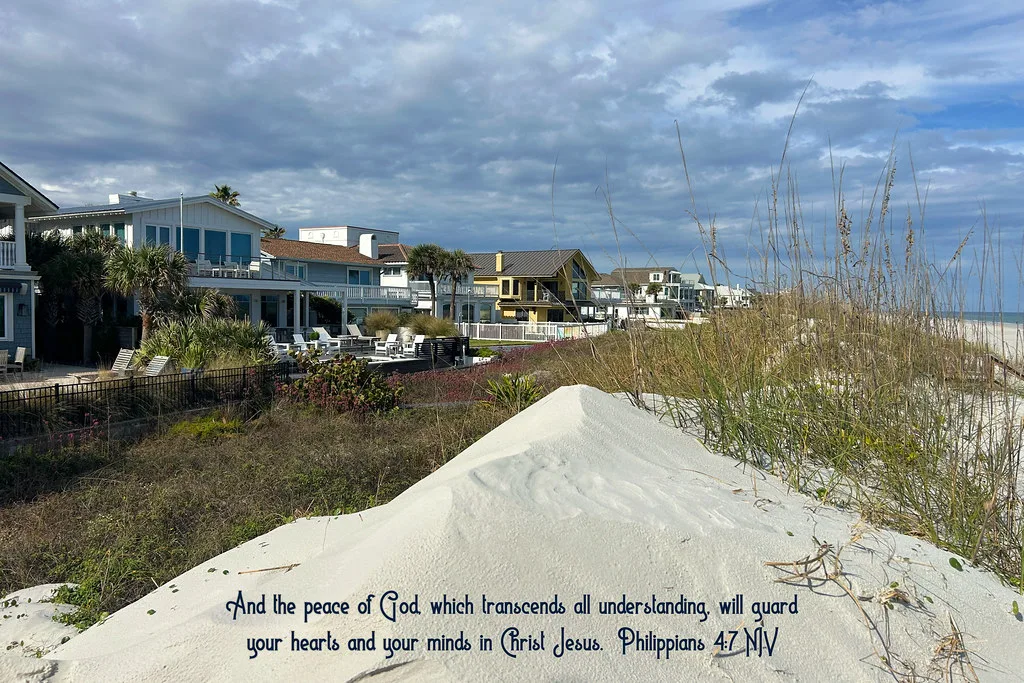
Jacksonville Beach is the most developed of the three beach communities, with a fishing pier ($3 entry), a boardwalk, and a string of casual restaurants along First Street. Neptune Beach and Atlantic Beach sit immediately to the north — quieter, more residential, with independent coffee shops and surf rentals. The beaches are wide and uncrowded by Florida standards, with free public access. You can visit independently by rideshare ($30-45 from the cruise terminal) or book a ship excursion that combines beach time with a city overview for approximately $60-80. Low-energy activity; the boardwalk and beach paths are flat and accessible for wheelchairs and strollers.
Cummer Museum of Art & Gardens
The Cummer Museum sits on the bank of the St. Johns River in the Riverside neighborhood and houses a notable collection of European, American, and Asian art, with formal gardens stepping down to the water. Admission is $10 for adults. Allow 1.5-2 hours. The museum grounds are partially accessible, with ramps to the main galleries and garden terraces, though some garden paths involve steps. Visit independently by taxi ($15-20 from port) — no need to book ahead. The museum is closed on Mondays.
Historic San Marco District
San Marco is a walkable neighborhood south of downtown with boutique shopping, local restaurants, and the Sun-Ray Cinema, a restored 1920s movie theater. San Marco Square is the commercial heart, anchored by a small fountain and ringed by independent shops. Budget 1-2 hours for browsing and a meal. Moderate-energy activity with flat, accessible sidewalks throughout the square. Easily reached independently by rideshare ($12-15 from port). Lunch at a San Marco restaurant typically runs $15-25 per person.
St. Augustine Day Trip
America's oldest city sits 40 minutes south of Jacksonville and makes a memorable full-day excursion. The Castillo de San Marcos ($15 entry), Flagler College's Spanish Renaissance architecture, and the cobblestone streets of St. George Street are the highlights. A ship excursion to St. Augustine costs $90-130 and guarantees your return to the vessel — this is one trip where booking the ship excursion or arranging a private driver ($100-120 round trip) is wise, because the distance leaves limited margin for delays if you go independently. Allow 6-8 hours for a satisfying visit. Moderate energy; some cobblestone streets may challenge wheelchair users.
Fort Caroline National Memorial
The site of the 1564 French Huguenot settlement is a national memorial with walking trails, river overlooks, and a small museum. Free admission. Allow 1-1.5 hours. The memorial is only 15 minutes from the cruise terminal, making it feasible even on embarkation day. Trails are mostly flat and packed earth — manageable for most mobility levels but not fully paved. Visit independently; no need to book ahead. NPS Fort Caroline
Talbot Islands & Boneyard Beach
Big Talbot Island State Park features the striking Boneyard Beach, where sun-bleached driftwood trees create a hauntingly beautiful landscape along the Atlantic shore. Little Talbot Island next door has miles of undeveloped beach. State park entry is $5 per vehicle. Allow 2-3 hours. The drive from the cruise terminal takes about 30 minutes via the St. Johns River Ferry ($7 per vehicle). Moderate energy; the walk to Boneyard Beach involves sandy trails not suitable for wheelchairs. Best visited independently with a rental car or private driver.
Depth Soundings
Jacksonville operates on the US Dollar. Credit cards are accepted nearly everywhere, and ATMs are plentiful at banks and convenience stores. Tipping follows standard US customs: 18-20% at sit-down restaurants, $1-2 per drink at bars, and 15-20% for taxi and rideshare drivers.
The subtropical climate means summers are hot and humid, with temperatures regularly reaching 33 degrees C (91 F) and afternoon thunderstorms arriving almost daily between June and September. Winters are mild, with daytime highs around 15-18 C (59-65 F), though cold fronts can push overnight lows to 7 C (45 F). Hurricane season runs from June through November, with the highest risk in August through October.
Mayport shrimp are a local specialty — look for "Mayport shrimp" on restaurant menus for the freshest possible catch, pulled from waters just offshore. Beach driving is permitted on some Duval County beaches with a $25 annual permit, a distinctive Florida tradition. The cruise terminal sits in a somewhat isolated, industrial area, so plan to base yourself at the beaches or downtown for any pre-cruise exploration. Cell service is reliable throughout the metro area.
Photo Gallery

Frequently Asked Questions
What cruise lines sail from Jacksonville?
Carnival Cruise Line offers sailings from Jacksonville (JAXPORT) to the Bahamas and Eastern Caribbean destinations. The port serves as a homeport for embarkation.
How far is the cruise port from Jacksonville Airport?
Jacksonville International Airport (JAX) is approximately 20 miles from the JAXPORT cruise terminal, about 30-40 minutes by car depending on traffic. Rideshare costs $30-45; taxis run $45-55.
Is there parking at the Jacksonville cruise terminal?
Yes, JAXPORT offers on-site parking adjacent to the cruise terminal for approximately $15-17 per day. The lot accepts cash and credit cards and is within easy walking distance of the terminal.
What beaches are near the Jacksonville cruise port?
Jacksonville Beach, Neptune Beach, and Atlantic Beach are all about 20-25 minutes from the cruise terminal by car. These beach communities have restaurants, shops, and free public beach access.
Can I visit St. Augustine from Jacksonville before my cruise?
Yes, St. Augustine is about 40 minutes south by car. If you arrive the day before your cruise, it makes a memorable day trip. On embarkation day, only attempt it if you have 6+ hours before boarding.
What is the weather like in Jacksonville for cruise season?
Jacksonville has a humid subtropical climate with temperatures ranging from 7-33 C (45-91 F). Cruise season typically falls in the cooler, drier months. Hurricane season runs June through November.
Jacksonville: Florida's First Coast Gateway
Last reviewed: February 2026