
Photo: Wikimedia Commons
My Logbook: The Love-Hate Harbor That Keeps Winning Me Back
The sail-in to Nassau always gives me butterflies — our ship glides past Atlantis's pink towers like we're entering a giant playground while steel drums echo from the pier. By 8 a.m. the sun is already glittering off those ridiculous turquoise waters, and I'm on the first water taxi to Paradise Island before the crowds wake up. I've been to Nassau more times than I can count, yet somehow each visit reveals something I missed before. That's the magic of this port — it rewards repeat visitors while still dazzling first-timers.
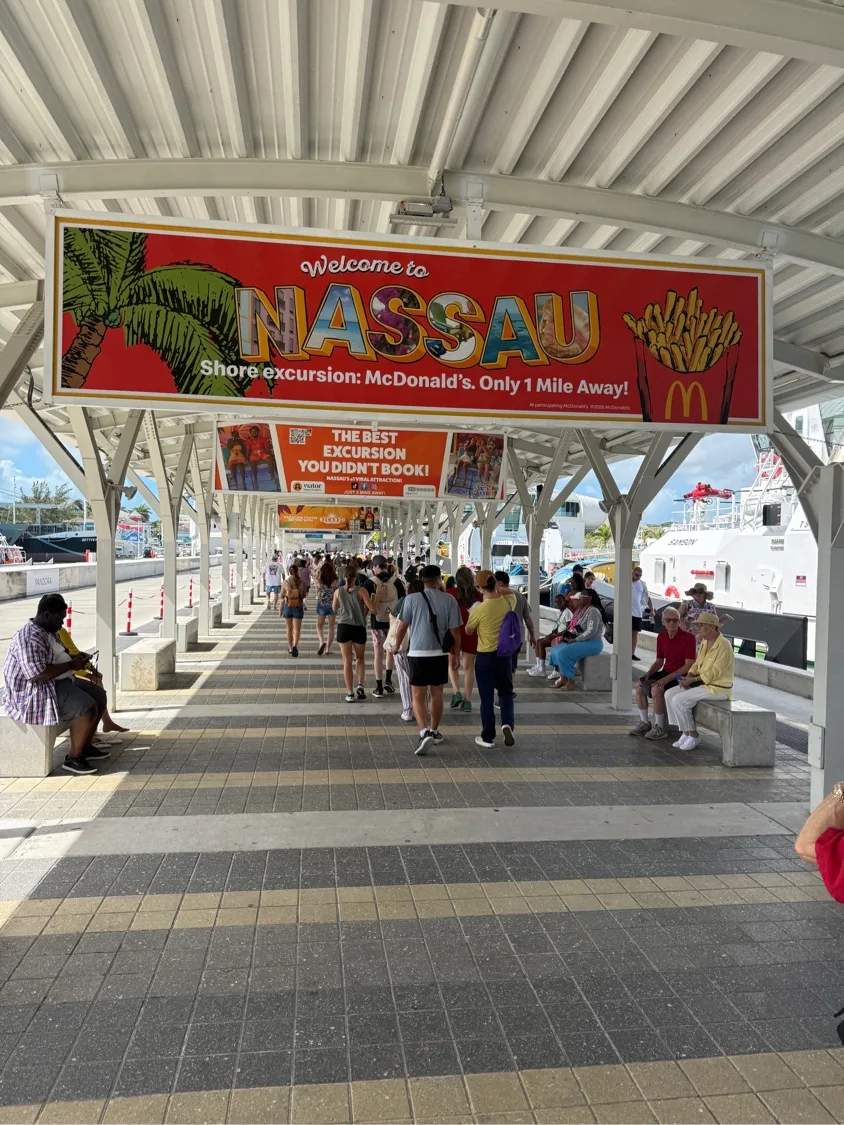
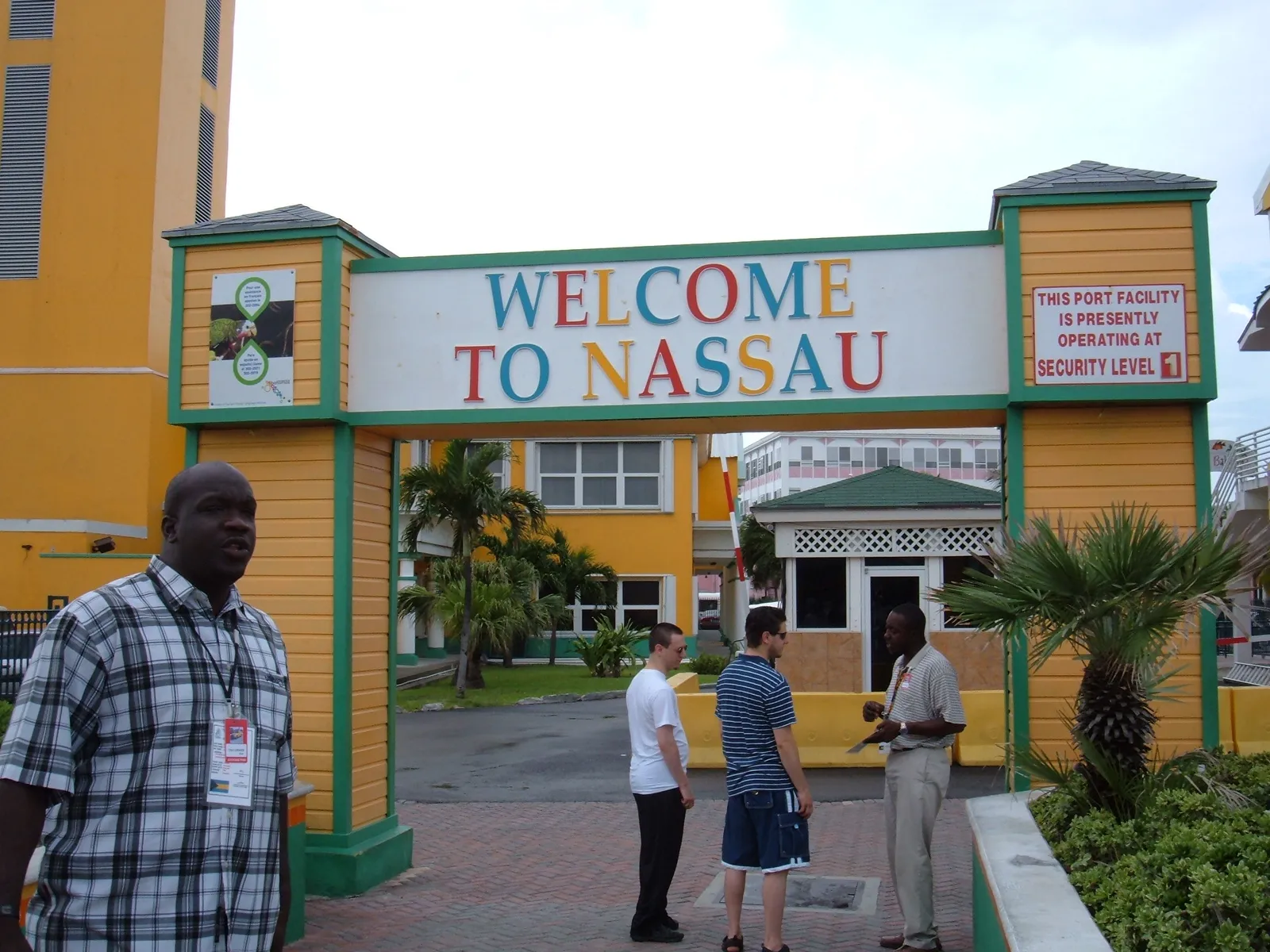
The first thing you actually see walking off the ship is a billboard that reads "Welcome to Nassau — Shore excursion: McDonald's. Only 1 Mile Away!" hung over the Prince George Wharf arrival corridor, with a Viator banner next to it advertising "THE BEST EXCURSION YOU DIDN'T BOOK." It's a perfect three-second snapshot of what Nassau wrestles with as a cruise port: the corporate veneer competing for your wallet before your feet have left the pier. The honest move is to keep walking. The real Bahamas is closer than the marketing suggests — through the welcome arch, past the taxi touts and the Viator queue, into a downtown that still belongs to the people who live here.
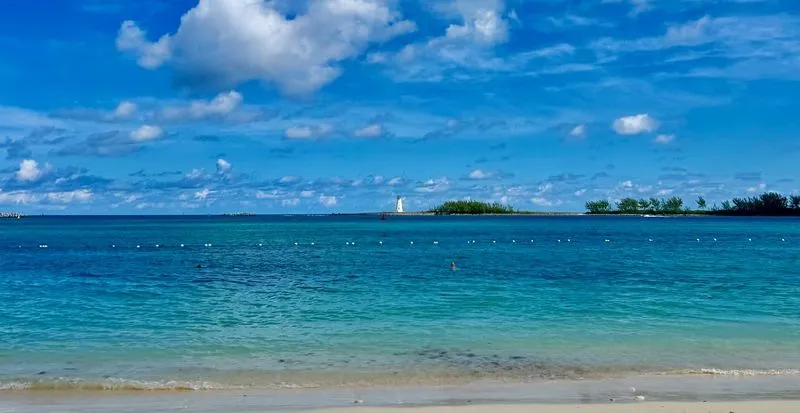
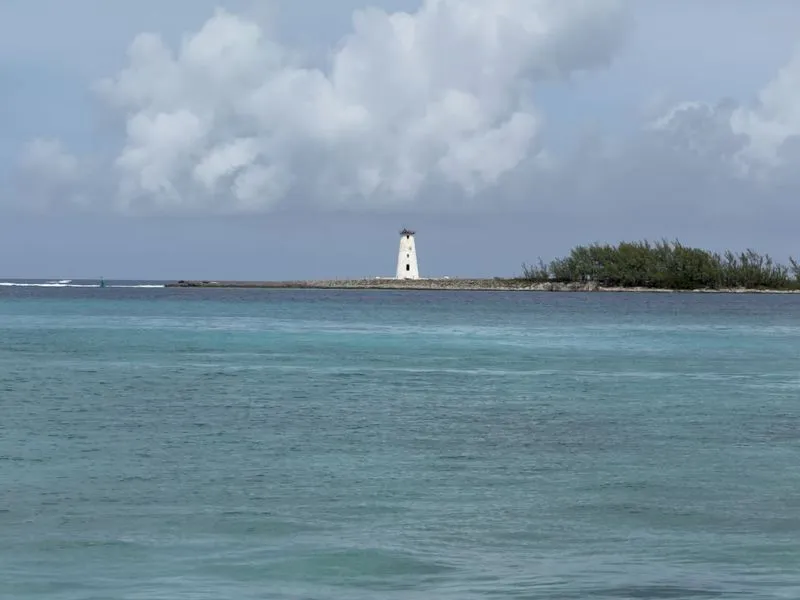
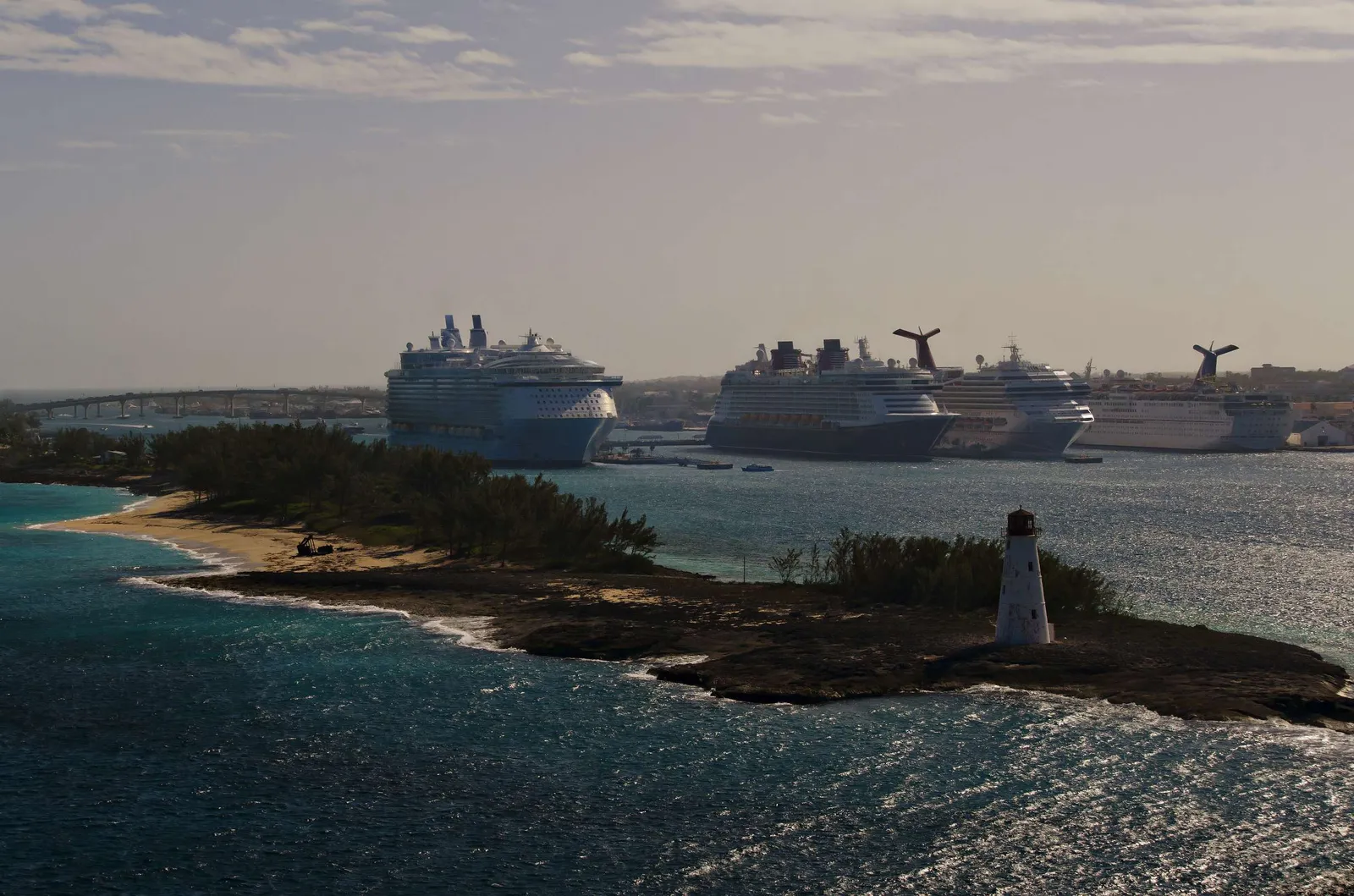
That lighthouse you see as you sail in? It's been guiding ships into Nassau Harbor since 1817. There's something magical about watching it grow larger as your ship approaches — a silent sentinel that's witnessed over two centuries of travelers arriving to these shores. I always stand on deck during the sail-in, coffee in hand, watching the harbor open up like a storybook. The contrast between the pink Atlantis towers and the colonial pastels of downtown never gets old.
My perfect Nassau day begins straight at Atlantis Aquaventure — I buy the day pass online the night before (typically $140-180 depending on season), and it's totally worth it for the Leap of Faith slide that shoots you through a shark tank. The anticipation builds as you climb that Mayan temple, looking down at the translucent tube that plunges through the shark lagoon. I won't lie — I held my breath the first time. But the three seconds of adrenaline followed by floating through a corridor of circling sharks is unlike anything else I've experienced. After three hours of adrenaline, I sneak out the side gate to Cabbage Beach for free loungers and that powdery sand everyone dreams about.
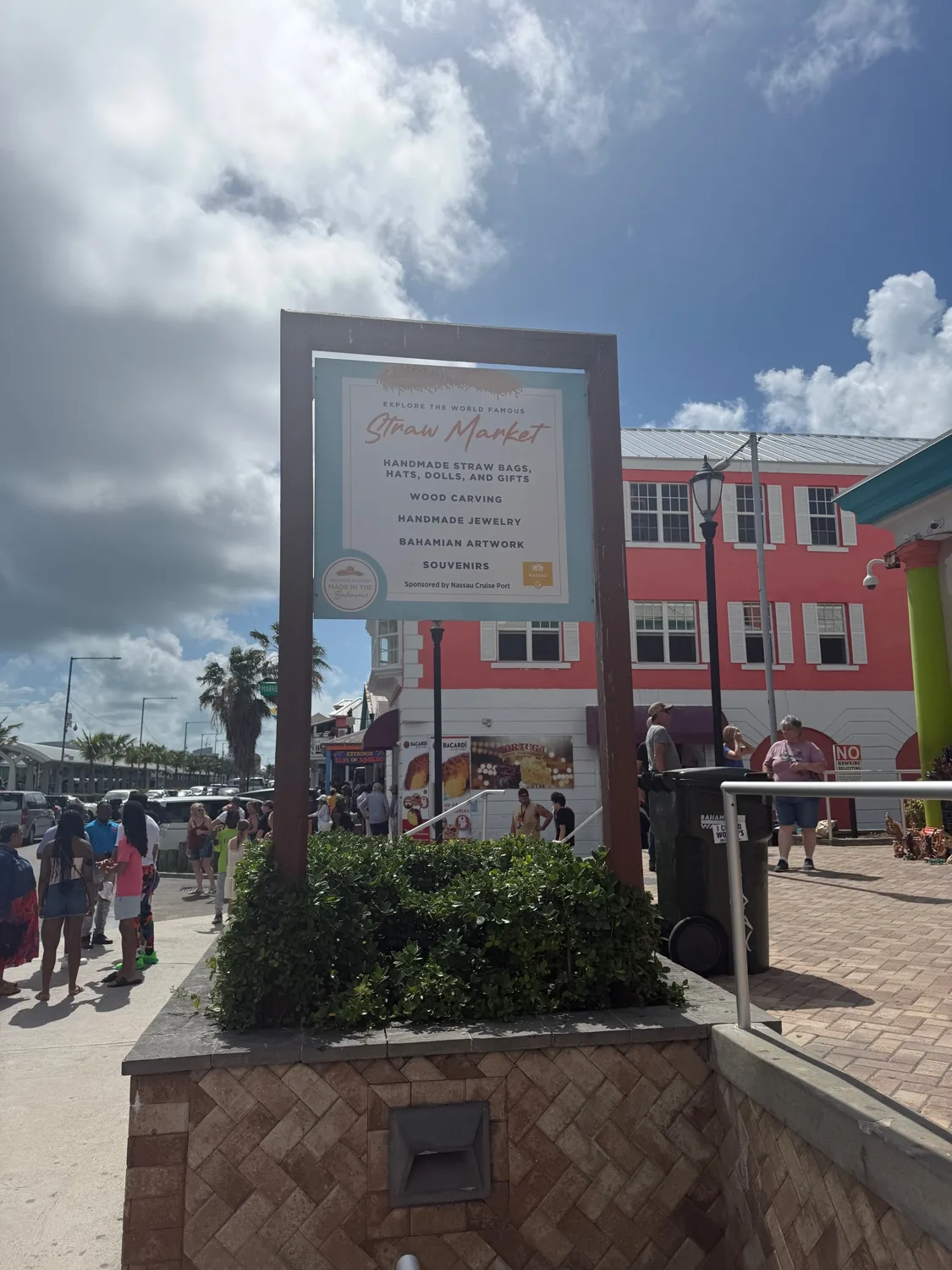
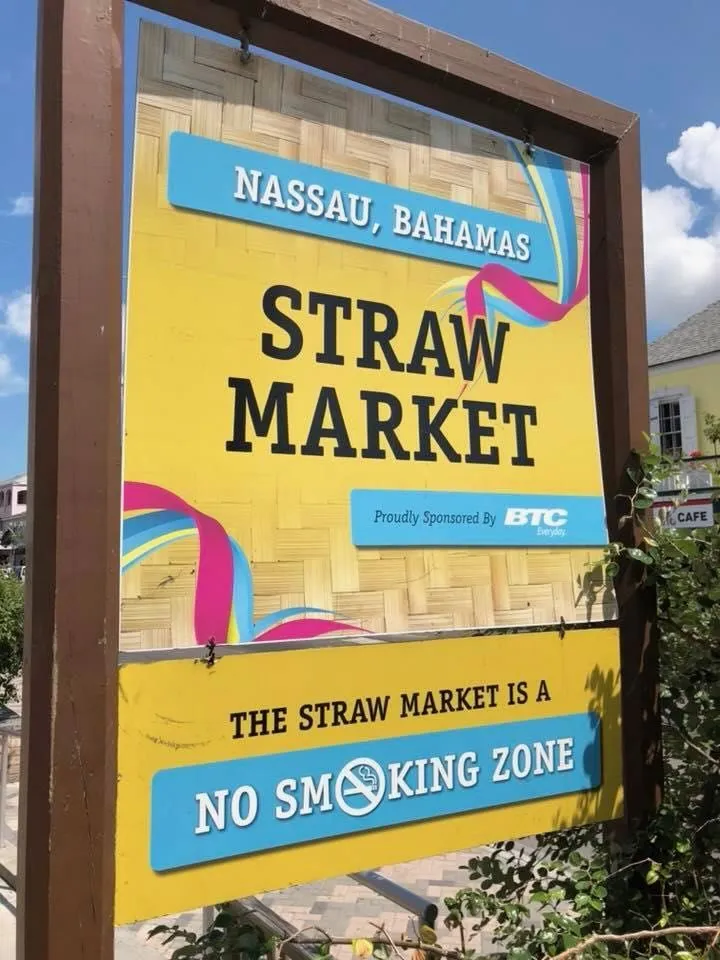
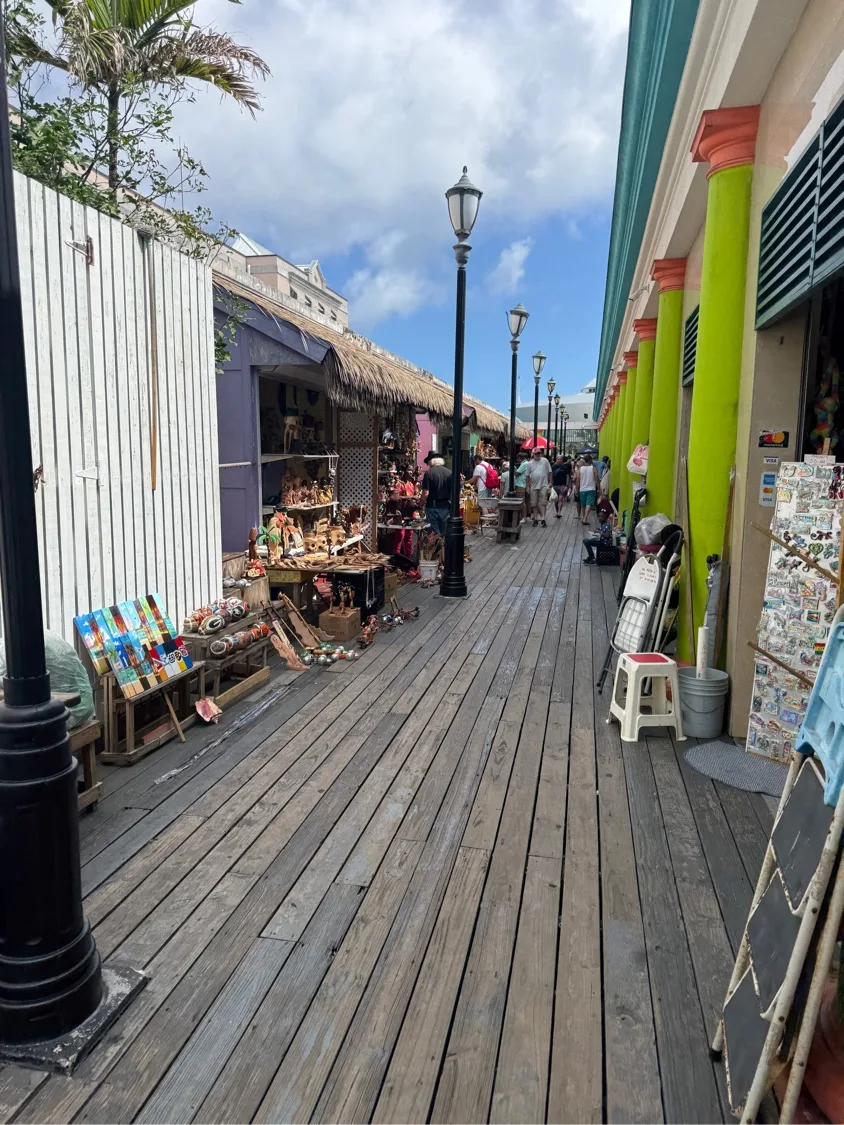
But Nassau offers so much more than Atlantis. On my third visit, I finally explored downtown properly and discovered a city with layers. The famous Straw Market is a Nassau institution stretching back to the 1940s. The entrance sign — sponsored by Nassau Cruise Port — sets out exactly what's inside: handmade straw bags, hats and dolls, wood carving, handmade jewelry, Bahamian artwork, and souvenirs, all under a "Made in the Bahamas" stamp. Walk through and the market is a wooden-board promenade lined with thatched-roof stalls, lampposts between them, the colors of the neighboring buildings — flamingo pink, mint green, pale blue — bleeding through the gaps. I spent an hour bargaining for a handwoven bag (start at half the asking price, meet in the middle with a smile), and walked away with both a treasure and a story. The tradition of straw weaving runs deep here — generations of Bahamian artisans have passed down these techniques, turning palmetto leaves into beautiful baskets, hats, and bags.
For lunch, I always face the same dilemma: cracked conch at The Swimming Pig in downtown Nassau with their legendary rosemary fries, or the authentic experience at Potter's Cay under the bridge — locals making conch salad right in front of you. Both are excellent, but Potter's Cay wins for atmosphere. The smell of fresh conch and lime fills the air as a Bahamian vendor transforms a raw conch into ceviche in under two minutes while chatting about which ship you're on. The taste is briny and bright, with just enough Scotch bonnet heat — that's the real Nassau. The price is right too: $12-15 for a generous portion that puts the ship buffet to shame.
Afternoon brings a quick walk to the Queen's Staircase and Fort Fincastle — 66 steps carved from solid limestone by enslaved people between 1793 and 1794, later named in honor of Queen Victoria. Walking up those steps, running my hand along the cool limestone walls, I always think about the hands that carved this path from living rock. It's a peaceful oasis now, wrapped in tropical greenery, but it carries weight. The steps are accessible for most visitors, though wheelchair users should note the uneven surfaces at the top. From Fort Fincastle, the view across Nassau is worth every step climbed.
Nassau's history reads like a novel you can't put down. When Columbus first claimed these islands for Spain in 1492, the Spanish took one look around, found no gold, and essentially ghosted the place. By 1670 the British had established Charles Town, rechristened Nassau in 1695 after William III of the House of Orange-Nassau. But the wildest chapter came between 1706 and 1718 when Nassau transformed into the Pirate Republic — a lawless haven where legendary names like Blackbeard, Charles Vane, and Calico Jack Rackham used the harbor as their base. Walking along Bay Street today, I sometimes imagine those weathered ships at anchor, black flags snapping in the Caribbean breeze.
Then there's rum cake tasting at Tortuga (free samples that somehow always lead to purchases), and I'm back on board by 4 p.m. with sunburned shoulders and the biggest grin. If you're visiting around Boxing Day or New Year's Day, the Junkanoo festival transforms Bay Street into a riot of color, music, and movement that starts in the predawn hours. Even if you miss the main festivals, the Educulture Junkanoo Museum on West Street displays the massive costumes year-round — thirty minutes there changed how I see Nassau forever.
I keep coming back to Nassau because it offers whatever you're seeking. Want adrenaline? Atlantis delivers. Want relaxation? Cabbage Beach is paradise. Want culture? The Queen's Staircase and Pompey Museum tell stories that matter. Want food? Potter's Cay serves unforgettable conch salad. My only advice: don't try to do everything in one visit. Pick two or three experiences and savor them. Nassau will still be here next cruise, waiting to show you something new.
Looking back, what Nassau has taught me across multiple visits is that first impressions can be deceiving. I learned that the crowded, touristy veneer hides genuine depth—pirates' history, enslaved people's endurance, local artisans' craft, and water so clear it seems like a dream. The lesson is to look past the obvious: past the Straw Market vendors to the generations of weavers behind them, past the water slides to the wild stingrays in the shallows, past the cruise ships to the island that existed long before them and will endure long after. Nassau rewards those who look twice.
Weather & Best Time to Visit
The Cruise Port
Ships dock at Prince George Wharf, featuring six berth spaces positioned right next to Rawson Square in the heart of downtown Nassau — you literally walk straight into the action. Festival Place Welcome Center greets you with charming Bahamian village-inspired architecture and hosts live musical performances on Tuesdays, Fridays, and Saturdays. The terminal offers accessible ramps for wheelchair users and those with mobility challenges, plus restrooms, tourist information, and taxi coordination.
The port area is wheelchair accessible with paved pathways to Bay Street and the Straw Market. Currency is both Bahamian dollars (BSD) and US dollars — they're equal in value and accepted interchangeably everywhere. ATMs are available at the terminal and throughout downtown. WiFi is available at the Welcome Center, though speeds vary with passenger volume. Most shops close on Sundays, so plan shopping excursions for other days of the week.
Getting Around
- Taxis ($9-15 to most destinations): Nassau taxis operate on fixed government-posted fares displayed at the cruise terminal — agree on the price before departing and plan to tip around 15%. A taxi ride to Paradise Island costs approximately $9 per person plus an extra $2 for the bridge toll. Fares to Cabbage Beach run $12-15 per person. Taxis are plentiful at the port; no advance booking needed.
- Water Taxis ($8 round-trip): The Paradise Island water taxi offers excellent value, departing every 30 minutes from 9am to 6pm from the dock near the British Colonial Hilton. This is my preferred way to reach Atlantis — scenic, affordable, and drops you right at the resort entrance. All-day passes available for $12.
- Walking (downtown is 12 blocks long): The beautiful historic downtown is perfectly walkable — it's only about 12 blocks long and 6 blocks wide. Junkanoo Beach is a 15-minute walk west along the waterfront, great for a beach day without transportation costs. Sidewalks are generally wheelchair accessible in the main tourist areas.
- Scooter Rentals ($25-35/day): Available from vendors near the port for more adventurous exploration. Valid driver's license required. Nassau follows British-style left-side driving, which takes some adjustment for American visitors.
- Jitney Buses ($1.25 fixed fare): Local buses run along Bay Street and to Paradise Island. Inexpensive but schedules are unpredictable. Best for flexible travelers not worried about timing.
Nassau Area Map
Interactive map showing cruise terminal, Atlantis, beaches, and attractions mentioned in this guide. Click any marker for details.
Beaches & Beach Clubs
Nassau offers beaches for every preference — from free public options within walking distance to resort experiences that rival anywhere in the Caribbean:
- Junkanoo Beach (free, 15-min walk): The people's beach — free, convenient, and wonderfully local. You'll share the sand with Bahamian families on weekends. Water is that impossible turquoise that looks Photoshopped but isn't. You can see your ship from the beach. Chair rentals available for $10-15.
- Cabbage Beach, Paradise Island ($15-20 to reach): Stunning Caribbean experience with powdery white sand and water in seventeen shades of blue. Surf can get surprisingly rough, so check flags. Access through Atlantis (day pass) or walk around the resort via the public access path. Some vendors rent chairs for $20.
- Royal Beach Club Paradise Island ($129+ day pass): Royal Caribbean's newest destination opened in 2025 — 13 acres of all-inclusive beach experience including Thrill Waterpark, Oasis Lagoon pool complex, Barefoot Beach restaurant, and pristine white-sand beach. Overwater cabanas available for premium upgrade ($300+). Shuttle from port included. Book ahead as capacity is limited.
- Blue Lagoon Island ($100-150 with tour): Accessible only by boat tour, this private island offers dolphin encounters, sea lion experiences, and secluded beach time. Book ahead through ship or independent operator for guaranteed return time.
Top Excursions & Things to Do
Booking guidance: Ship excursions offer guaranteed return to the vessel but cost more. Independent bookings are typically 30-40% cheaper but carry risk if transportation delays occur. For distant attractions like swimming with pigs in Exuma, book ahead through ship or reputable independent operator. Beach days and downtown can be done independently without advance booking.
DIY vs. Ship Excursion: Paradise Island / Atlantis
DIY Water Taxi + Day Pass ($150-190)
- Water taxi from pier: $8-12 round-trip
- Aquaventure day pass: $140-180 online
- Book ahead for best price
- Free Cabbage Beach as alternative
Ship Atlantis Package ($180-250/person)
- Transport + day pass bundled
- Reserved entry, skip some lines
- Lunch credit sometimes included
- Guaranteed return to ship
Atlantis Aquaventure
The Caribbean's largest water park featuring the famous Leap of Faith slide through a shark tank, lazy rivers, rapids, pools, and beach access. Day passes run $140-180 depending on season — book online the night before for best availability and to skip lines. Worth every penny for water park enthusiasts. Allow 4-6 hours to experience everything.
Swimming with Pigs at Exuma
The famous Exuma pigs live about 50 miles from Nassau — this is a full-day excursion ($250-400) requiring flight or fast boat. Book ahead through ship excursion for guaranteed return, or through reputable independent operators like Harbour Safaris. Extremely popular; sells out weeks in advance during peak season.
Historic Nassau Walking Tour
Parliament Square, Queen's Staircase, Fort Charlotte, Fort Fincastle — all walkable from port. Fort Charlotte ($10 entry) features an impressive moat and underground dungeons, never having fired a shot in battle despite 200+ years of guard duty. The Queen's Staircase is free and deeply moving. Allow 2-3 hours for a thorough historic tour.
Pompey Museum of Slavery & Emancipation
Tucked into the historic Vendue House (once a slave auction site), this small museum ($5 entry) tells stories most cruise passengers never hear. Named after an enslaved man who led an 1830s rebellion. Sobering, necessary, and gives context to everything else you'll see in Nassau. Allow 45 minutes.
Blue Lagoon Island
Private island accessible only by boat tour (30 minutes from port), offering dolphin encounters ($200+), sea lion experiences ($175+), stingray interactions, and secluded beach time. Packages include lunch and use of beach facilities. Book ahead through ship excursion for guaranteed return, especially during peak season when these sell out weeks in advance. The dolphin programs are particularly popular with families — kids as young as 3 can participate in shallow water encounters.
Junkanoo Museum & Cultural Experiences
The Educulture Junkanoo Museum on West Street showcases the massive costumes and tells the story of Nassau's most beloved festival. Even thirty minutes here will change how you see Nassau. For the full cultural immersion, time your visit for Boxing Day or New Year's Day when Junkanoo transforms Bay Street into a riot of color and music. The museum can be visited independently without advance booking; it's a short taxi ride from the port.
Snorkeling & Diving
Nassau's underwater world features healthy coral reefs and numerous wrecks accessible for divers of all experience levels. Popular sites include the James Bond wreck from Thunderball and Stuart Cove's famous shark dive. Half-day snorkeling trips run $50-80 and can be booked at the port or through ship excursions. Serious divers should book ahead with Stuart Cove's or Bahama Divers for guaranteed spots on specialty dives.
Where to Eat & Drink
Nassau's food scene centers on fresh seafood, especially conch prepared every way imaginable. Here are my favorites:
- Potter's Cay (under the Paradise Island bridge): Locals making conch salad right in front of you — $12-15 for a generous portion. This is the authentic experience every foodie should have. Open daily; busiest around lunch.
- The Swimming Pig (downtown, $$): Upscale Bahamian with legendary rosemary fries. Their cracked conch is perfectly crispy. Reservations recommended for lunch during cruise ship days.
- Fish Fry at Arawak Cay: Collection of local restaurants and bars just past Junkanoo Beach. Oh Andros Restaurant serves excellent grouper and peas n' rice. Casual atmosphere, authentic flavors, fair prices ($15-25 per person).
- Tortuga Rum Cake Factory: Free samples that somehow always lead to purchases. The chocolate rum cake is worth the calories. Located on Bay Street near the Straw Market.
Worth ordering: conch fritters (crispy, golden, addictive), grouper fingers, johnnycake (slightly sweet Bahamian bread), sky juice (gin and coconut water — dangerously refreshing).
Local Notices & Current Conditions
- Hair Braiding Ambassadors: The energetic local hospitality and "hair-braiding ambassadors" are Nassau's way of giving you an instant Bahamian welcome party. A cheerful "no thank you, maybe later" keeps the vibe friendly while you pursue your beach day.
- Sunday Closures: Most downtown shops close on Sundays. Plan shopping for other days. Beaches and restaurants remain open.
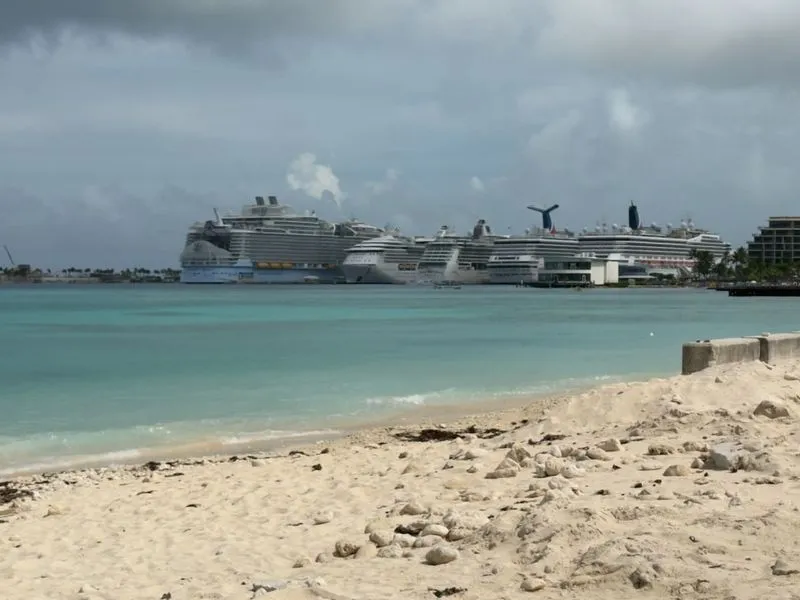
- Cruise Ship Days: Nassau can host 6+ ships simultaneously. Expect crowds at Atlantis, the Straw Market, and Junkanoo Beach from 10am-3pm. Early morning or late afternoon offers a quieter experience.
- Rainy Season: June through November brings occasional afternoon showers. They're usually brief but intense. Bring a light rain jacket or embrace getting wet.
Depth Soundings Ashore
I have visited Nassau in 2017, 2019, and 2022 — these recommendations reflect firsthand experience across multiple cruise visits.
Nassau is generally safe for tourists in the main areas — Bay Street, Paradise Island, and the beach zones are well-patrolled and popular with cruise passengers. Stay in tourist areas during daylight and you'll be fine. The Over-the-Hill district is authentic but not recommended for casual wandering. Use common sense with valuables; don't flash expensive jewelry or leave bags unattended on the beach.
The Bahamian dollar equals the US dollar in value, and both currencies are accepted interchangeably throughout Nassau — your American cash works perfectly here. Credit cards are widely accepted at shops and restaurants, though smaller vendors and Potter's Cay prefer cash. ATMs are available at the cruise terminal and throughout downtown. Tipping follows American norms: 15-20% at restaurants, $1-2 per drink at bars.
English is the primary language, making communication easy for American and British cruisers. The Bahamian accent adds charming inflections but is completely understandable. Locals are generally friendly and helpful, especially if you're polite and patient. "Good morning" goes a long way in Bahamian culture — don't skip the greeting.
Practical Information
- Currency: Bahamian Dollar (BSD) = US Dollar. Both accepted everywhere.
- Language: English
- Time Zone: Eastern Standard Time (same as New York, Miami)
- Weather: Year-round warm (75-90°F). Hurricane season June-November with occasional afternoon showers.
- WiFi: Available at cruise terminal and most cafes/restaurants. Cell coverage is excellent for US carriers.
- Accessibility: Port and downtown are wheelchair accessible with ramps and paved paths. Beaches have some sand wheelchair access. Atlantis offers accessible facilities throughout the resort.
Photo Gallery
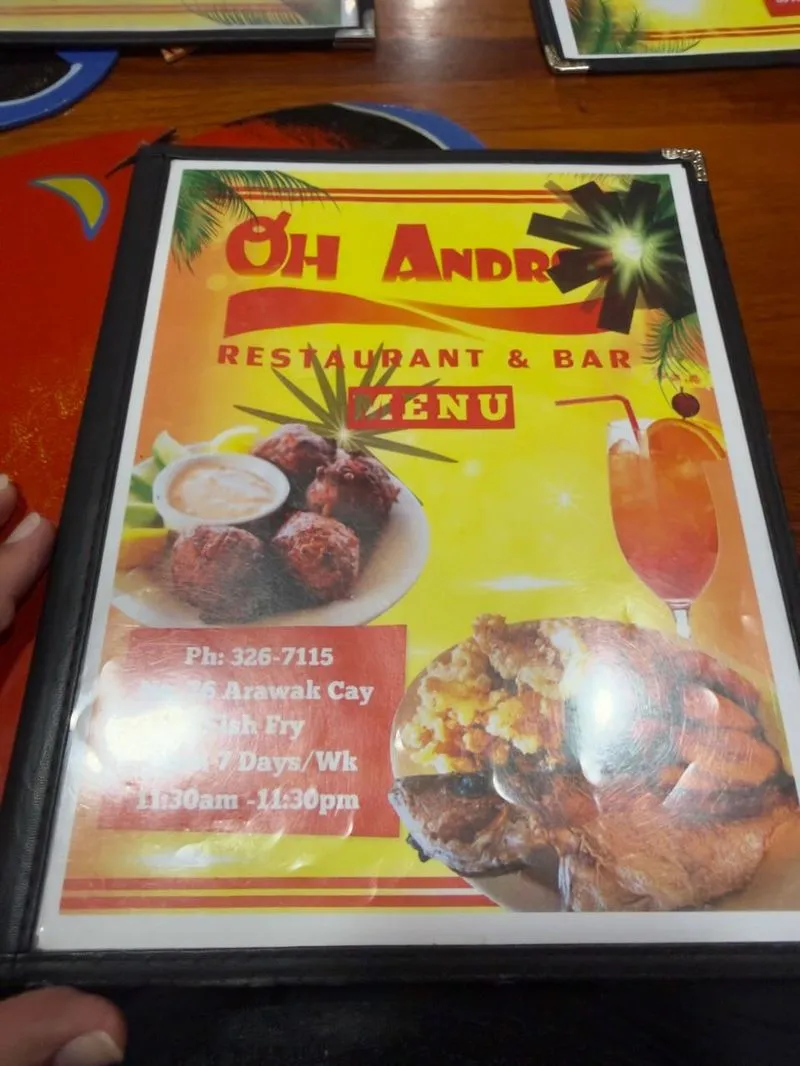
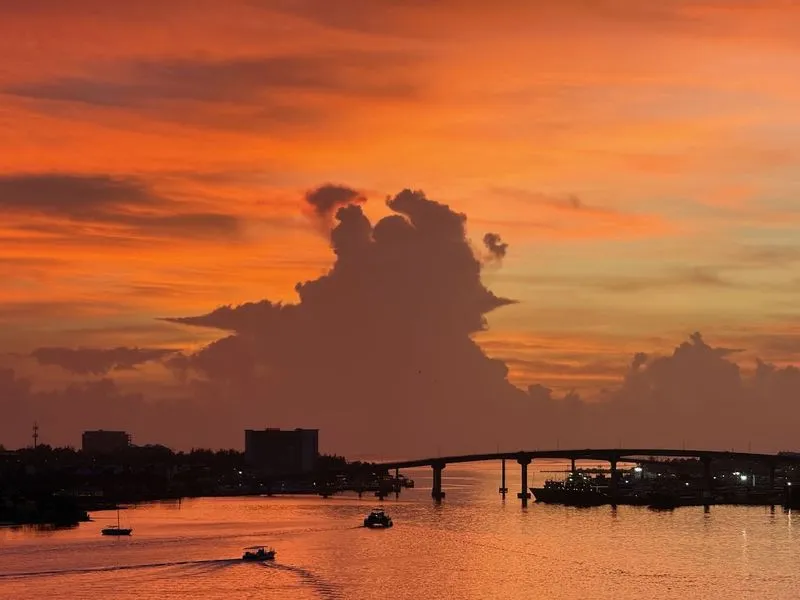
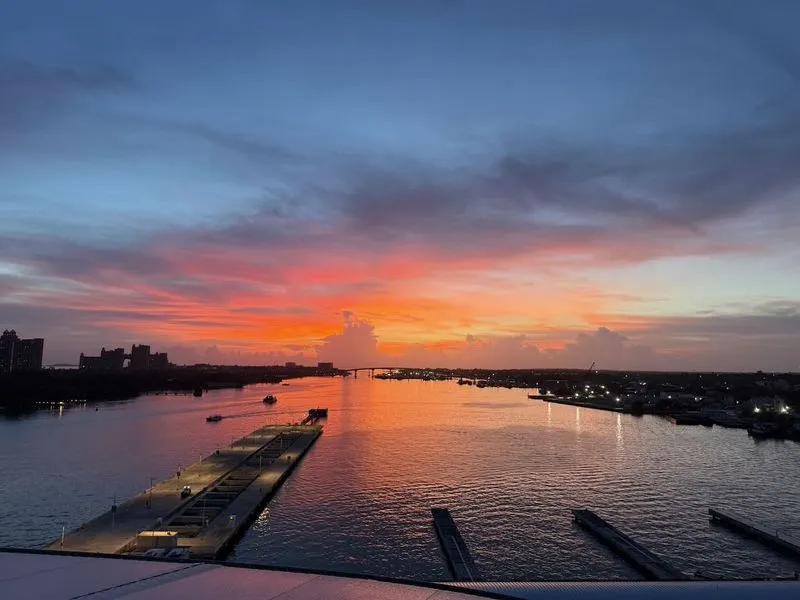
Image Credits
- nassau-fom-1.webp through nassau-fom-11.webp: Flickers of Majesty
- cruise-ships-harbor.webp: Flickers of Majesty
All images used with permission. Photo credits link to original sources.
Frequently Asked Questions
Q: Is Nassau safe to walk around?
A: Yes — stay in the main tourist areas like Bay Street, Paradise Island, and the beach zones during daylight and you should have no issues. The port area is well-patrolled and sees thousands of cruise passengers daily. Use normal urban awareness and you'll have no problems.
Q: Can I do Atlantis without staying at the resort?
A: Absolutely — buy the Aquaventure day pass online the night before to skip lines and guarantee availability. Day passes include all water slides, lazy rivers, pools, and beach access. Prices vary by season from $140-180 for adults. The Marine Habitat aquarium is included with the day pass.
Q: Which beach should I choose — Junkanoo or Cabbage Beach?
A: Junkanoo is free and closer (15 minute walk from port), easy for a quick beach visit. Cabbage Beach on Paradise Island is prettier with powdery sand and less crowded, but requires water taxi ($8 round-trip) or taxi ($12-15). For a half-day beach visit, Cabbage Beach is worth the extra effort. For a quick dip before shopping, Junkanoo works great.
Q: Where's the best conch in Nassau?
A: Potter's Cay under the Paradise Island bridge — locals making conch salad fresh in front of you. It's surprisingly affordable ($12-15) and absolutely extraordinary. Get there before noon for the freshest catch. Bring cash.
Q: Is the Straw Market worth visiting?
A: Yes! Even if you don't buy anything, the atmosphere is pure Nassau. Great for souvenirs, straw bags, and handmade crafts. Remember that bargaining is expected and part of the fun — start at about half the asking price and negotiate with a smile.
Q: What's the best time of year to visit Nassau?
A: Peak cruise season offers the most reliable weather and best conditions for sightseeing. Check the seasonal panel above for specific month recommendations based on your planned activities.
Q: Does Nassau have extreme weather to worry about?
A: Like most Caribbean destinations, weather conditions vary by season. Check the Weather Hazards section above for specific concerns and the months recommended to visit. Cruise lines monitor conditions and will adjust itineraries if needed for passenger safety.
Q: What should I pack for Nassau's weather?
A: Essentials include sunscreen, comfortable walking shoes, and layers for variable conditions. Check the Packing Tips section in the seasonal panel above for destination-specific recommendations.
Q: Will rain ruin my port day?
A: Brief showers are common in Nassau but rarely last long enough to significantly impact your day. Have a backup plan for indoor attractions, and remember that many activities continue in light rain. Check the weather forecast before your visit.
Q: Does Nassau have a hurricane or storm season?
A: Hurricane season in the Bahamas runs from June through November, with August through October being peak months. Check the weather hazards section above for specific storm season concerns and timing. Cruise lines closely monitor weather conditions and will adjust itineraries if needed for passenger safety. Travel insurance is recommended for cruises during peak storm season months.
Last reviewed: February 2026
Atlantis day passes are $140-180 per person and lines can be brutal on 5-ship days. Junkanoo Beach is a 15-minute walk from the pier, completely free, and has $5 Kalik beers. For families, the water taxi to Paradise Island ($8-12 round-trip) beats paying $9 taxi plus $2 bridge toll.