

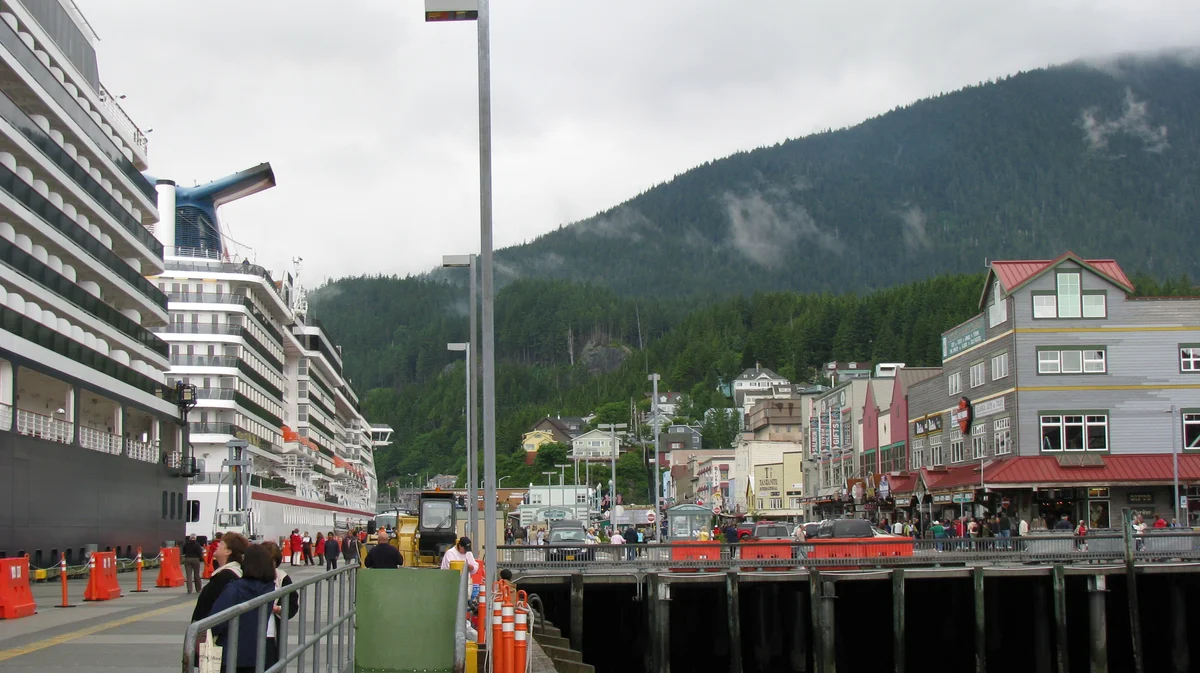
Photo: Barek / Wikimedia Commons (Public Domain)
Ketchikan, Alaska
Region: Alaska | Season: May – September | Tender: No (direct dock)
 V1.Beta
Photo: Barek / Wikimedia Commons (Public Domain)
Region: Alaska | Season: May – September | Tender: No (direct dock)
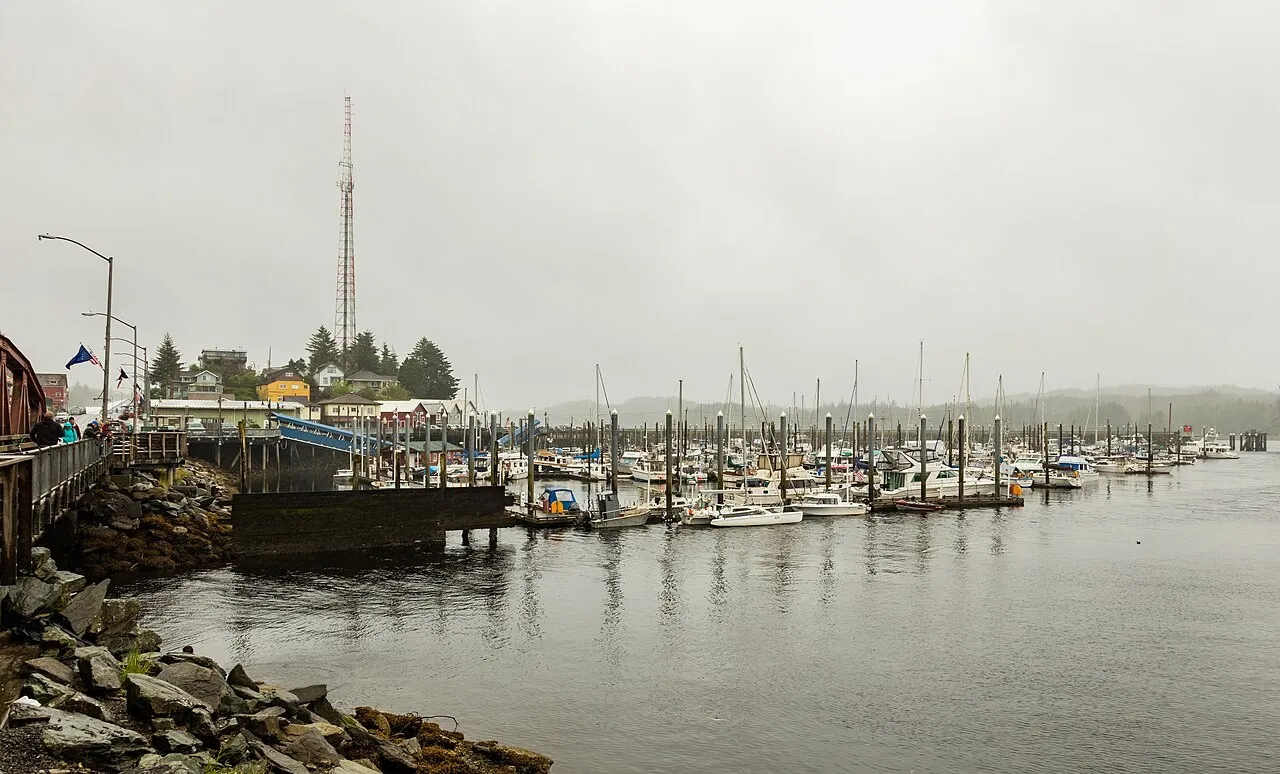
We sailed in through thick morning mist and suddenly houses on stilts appeared like something from a fairy tale. The smell hit first — low tide, smoked salmon, and wet cedar. Ketchikan gets 162 inches of rain a year and wears it proudly; everything is green, mossy, dripping. This is Alaska's "First City," so named because it's the first major Alaskan port that northbound cruise ships encounter after leaving Seattle or Vancouver, and it sets the tone for everything that follows. You step off the ship and immediately feel you've entered a different world — one where totem poles stand sentinel in misty rainforests, where salmon fight upstream through the heart of downtown, and where the boundary between wilderness and civilization feels beautifully blurred.
Ketchikan sits as Alaska's most southerly town, perched on Revillagigedo Island in the Inside Passage where the Tlingit people established fishing camps thousands of years ago. They came every summer to harvest the salmon runs in Ketchikan Creek, and that heritage lives on — nearly one in five residents today claims Tlingit, Haida, or Tsimshian descent. The town holds one of the largest collections of standing totem poles in Alaska, perhaps in the world, and walking among them is like stepping into a forest cathedral of stories carved in cedar. These aren't museum pieces behind glass; they stand in clearings and along forest trails, weathering and aging as they were meant to, telling stories of Raven and Eagle clans that stretch back millennia.
We started at Saxman Totem Park, where more than twenty poles carved in the 1940s stand in a clearing — a deliberate effort by master carvers to preserve Tlingit culture when old village sites were being abandoned. The carving shed was active, cedar chips flying, an elder working on a new Raven pole while apprentices watched and learned. The smell of fresh-cut cedar filled the air, and the carver explained how each figure on the pole represents a story, a family crest, or a lesson passed down through generations. Then we visited the Totem Heritage Center downtown, which protects genuine 19th-century poles rescued from abandoned Native villages — not replicas, but weathered originals over 160 years old. At Totem Bight State Park we walked the forest trail past towering poles, some 50 feet tall, carved from single cedar logs, their colors faded to that perfect red-black-teal that only decades of rain can paint. The clan house smelled of cedar smoke and salt; the ranger sang a Tlingit song inside and the acoustics raised every hair on my arms. I felt tears welling unexpectedly — the sound carried centuries of history and survival.
The absolute highlight was the Misty Fjords floatplane. I'd booked ahead knowing this was a weather-dependent excursion, and we got lucky with a window of visibility. The takeoff from the harbor was exhilarating — floatplanes accelerate across the water and lift off in a spray of white, then suddenly you're climbing over the most dramatic landscape imaginable. We flew low over endless forest and waterfalls before landing on a mountain lake so remote the silence rang in my ears. The pilot cut the engine and we just drifted between 3,000-foot granite walls while a lone harbor seal watched us. I saw mountain goats like white specks on cliffs and a black bear fishing far below. The scale of Misty Fjords is almost incomprehensible from the air — sheer granite walls rising straight from the water, waterfalls tumbling hundreds of feet, and nothing but wilderness in every direction.
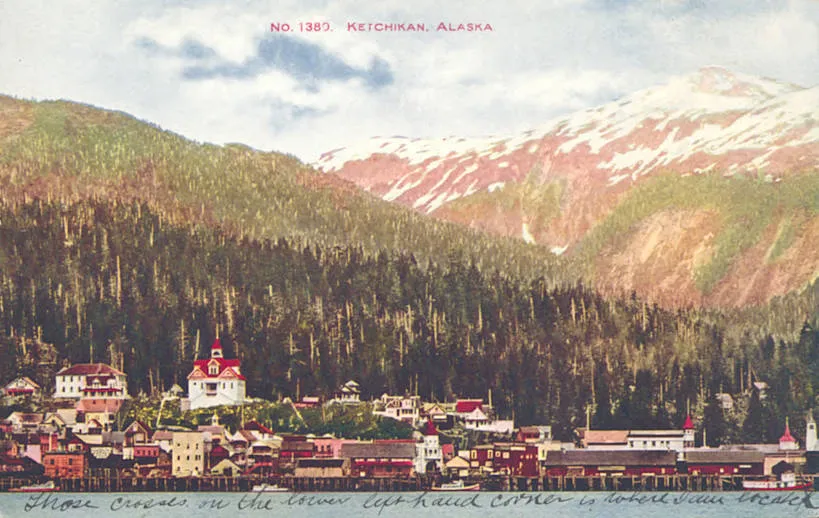
Back in town we wandered Creek Street, and it delivered everything I'd hoped for: a crooked wooden boardwalk on stilts over Ketchikan Creek, painted houses in crimson and jade and gold clinging to the hillside like they might slide into the water at any moment. In the 1920s this was the red-light district — bars and brothels servicing fishermen and loggers who flooded into town during salmon season — and Dolly's House Museum tells that story without flinching. At the boardwalk's entrance stands the Chief Johnson Totem Pole, a 55-foot cedar monument honoring the Tlingit leader who helped his people navigate changing times. We stood there in late July watching hundreds of salmon fight upstream to spawn in the same creek where their ancestors have returned for millennia — Ketchikan calls itself the "Salmon Capital of the World" and it's no idle boast.
We had the best king salmon of the trip at Alaska Fish House — grilled simply with lemon and eaten on the dock while sea lions barked for scraps beneath us, water lapping under the boardwalks at high tide. The fish was so fresh it practically melted, and the setting couldn't be more authentically Alaskan. Downtown Ketchikan is compact and walkable, filled with galleries selling Native art, jewelry shops with hand-carved silver, and the famous Red Dog Saloon with its sawdust floors and mounted animal heads.
The pros: most colorful, character-filled town in Alaska with remarkable totems and the most accessible Native cultural experiences. Creek Street is genuinely charming, not touristy-charming. The Misty Fjords floatplane landing is transformational. Everything is walkable from the ship.
The cons: it rains constantly (but honestly, that's part of the charm — the rain makes everything so green and dramatic), and it gets very crowded when multiple ships are in port. Book your flightseeing early and have a backup plan for weather cancellations.
Ketchikan isn't the biggest Alaska port or the most famous, but it might be the most authentic. The totem poles, the rainforest, the salmon, the colorful boardwalks on stilts — this is the Alaska you came to see, and it delivers from the moment you step off the gangway.
Last reviewed: February 2026
Ketchikan welcomes more than one million cruise passengers annually, making it one of Alaska's busiest cruise destinations. The city operates four panamax-sized berths along the downtown waterfront, numbered south to north, allowing large ships to dock directly without tendering. On extremely busy days when five or more ships arrive, some vessels anchor in the harbor and tender passengers ashore — but this is rare, and most passengers walk off the gangway directly into downtown Ketchikan within steps.
The cruise berths sit along the waterfront just south of the famous Creek Street boardwalk. Berths 1 and 2 are closest to downtown, while Berths 3 and 4 require a slightly longer walk (still under 10 minutes). A free downtown shuttle runs every 15 minutes during cruise ship hours, connecting all berths to the main shopping and attraction areas. The visitor center is located opposite Berths 2 and 3 and offers free walking maps, restroom facilities, and helpful staff who can answer questions about everything from totem parks to floatplane departures.
Ward Cove Terminal: Some cruise lines — particularly Norwegian and a growing number of larger vessels — now dock at Ward Cove, a newer terminal facility approximately 6 miles (about 20 minutes) north of downtown Ketchikan. Ward Cove offers a modern terminal building, but you'll need a shuttle to reach Creek Street and the downtown core. Free shuttle service is typically provided by the cruise line or port authority, running every 15-20 minutes. If your ship docks at Ward Cove, plan an extra 30-40 minutes round-trip for transit when scheduling your day.
Port facilities are excellent for a town of Ketchikan's size. You'll find ATMs, WiFi hotspots, and accessible pathways throughout the downtown core. The Cape Fox Lodge funicular offers free rides if you dine at the restaurant — even without eating, the views from the lodge are spectacular. Wheelchair users and those with mobility challenges will find the main downtown areas and Creek Street boardwalk accessible, though some of the historic boardwalk sections can be uneven.
Ketchikan is one of Alaska's most walkable cruise ports — you step off the ship and find yourself in the heart of downtown. Most attractions, restaurants, and shops are within a 10-15 minute walk of any cruise berth, and the compact waterfront layout makes navigation intuitive even without a map.
Four panamax cruise ship berths line the downtown waterfront, numbered south to north. Ships dock directly at the pier in most cases — no tender required. A free downtown shuttle runs every 15 minutes connecting all berths during ship hours.
The visitor center right at the pier has free maps and friendly locals ready to point you in the right direction. For Misty Fjords flightseeing, book at least 60 days in advance — these tours sell out, and weather cancellations mean operators overbook knowing some flights won't depart.
Interactive map showing cruise berths, Creek Street, totem parks, dining, and floatplane departure points. Click any marker for details.
Note: Saxman Village is 2 miles south of downtown. Totem Bight State Park is 10 miles north. Misty Fjords location is approximate — accessed by floatplane from downtown harbor.
Ketchikan offers exceptional shore excursions ranging from extraordinary floatplane adventures to budget-friendly walking tours. The key to booking Ketchikan excursions is planning early for weather-dependent activities — Misty Fjords flightseeing books months in advance, and weather cancellations are common, so book ahead and have a rain-or-shine backup plan.
The signature Ketchikan experience is a floatplane tour over Misty Fjords National Monument. These 2-2.5 hour excursions fly over glacial valleys, thousand-foot waterfalls, and sheer granite cliffs before landing on a remote alpine lake where the pilot cuts the engine and you drift in complete silence. Tours cost $250-350 per person and book through operators like Taquan Air, Southeast Aviation, and Island Wings. Reserve at least 60 days ahead for peak summer dates. Weather cancellations happen frequently — if your flight is cancelled, most operators offer ship excursion refunds or reschedule for return visits.
Saxman Village ($35-50) offers the most immersive totem experience with active carving demonstrations, cultural programs, and over 20 standing poles. Totem Bight State Park ($15-25 for transport, free admission) provides an atmospheric rainforest setting with towering poles and a traditional clan house. The Totem Heritage Center downtown is walkable and houses genuine 19th-century poles. Consider booking through independent operators rather than the ship — you'll often save 20-30% while supporting local businesses.
This is Ketchikan's most popular family-friendly excursion — log rolling, axe throwing, tree climbing, and competitive lumberjack events in covered bleachers steps from the cruise pier. Shows run multiple times daily ($45-55 adults) and operate rain or shine. No advance booking required for walk-ups, but ship excursion guarantees your seat during busy multi-ship days.
Bear viewing at Neets Bay ($350-450) via floatplane offers excellent brown bear sightings during salmon runs from late July through September. The Bering Sea Crab Fisherman's Tour ($180-220) provides hands-on crabbing experience aboard an authentic fishing vessel. Rainforest canopy zipline tours ($150-180) combine adventure with ecosystem education. Kayaking tours ($120-180) paddle the protected waters around Ketchikan for wildlife viewing and rainforest scenery.
Reserve Misty Fjords flightseeing 60-90 days before your cruise — these popular excursions sell out quickly, and you should book ahead to secure your spot. Weather cancellations are common, so have a backup plan like the Lumberjack Show or totem tours that operate rain or shine. Compare ship excursion prices with independent operators; you'll often save 20-30% booking direct. The trade-off: ship excursions guarantee return even if tours run late, while independent tours don't. For budget travelers, Creek Street exploration, the Totem Heritage Center, and salmon watching at the fish ladder are free or low-cost alternatives.
Ketchikan averages 150 inches of rain per year — it is the rainiest city in Alaska. Bring a real rain jacket, not a poncho. Creek Street is charming but very short — you can see it in 20 minutes. The Great Alaskan Lumberjack Show is surprisingly entertaining and fills an hour well. Misty Fjords is spectacular but cancels often due to weather; have a backup plan.
Practical tips before you step off the ship.
"It rains 300 days a year" — Ketchikan is Alaska's Rain Capital, averaging 162 inches annually. Pack a light waterproof jacket and quick-dry layers regardless of the forecast. The rain keeps everything vibrantly green and feeds the dramatic waterfalls you came to see. Pro tip: Book weather-dependent excursions (Misty Fjords flightseeing) with flexible cancellation policies, and have a rain-or-shine backup ready.
Important: Book Misty Fjords flightseeing early — weather cancellations mean operators overbook, and walk-up availability is rare during peak season.
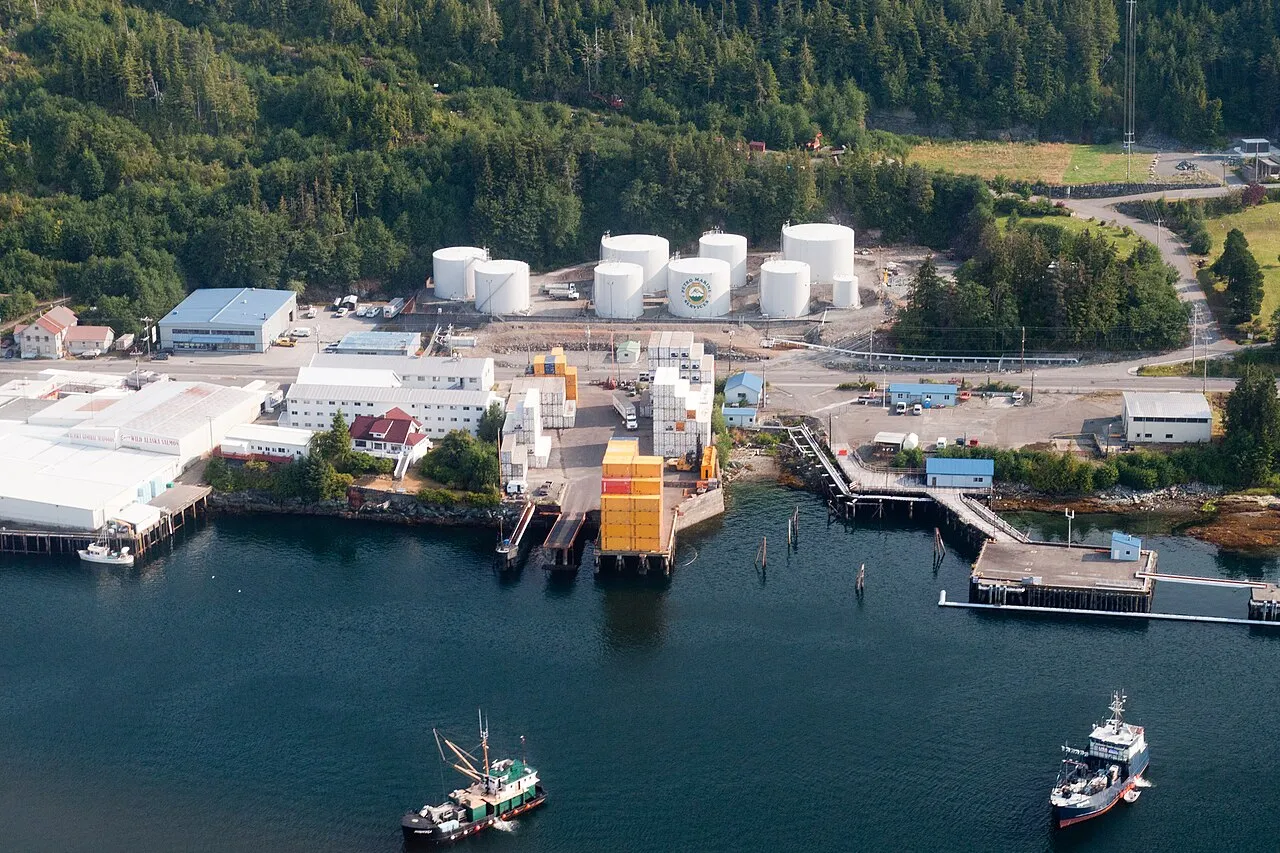
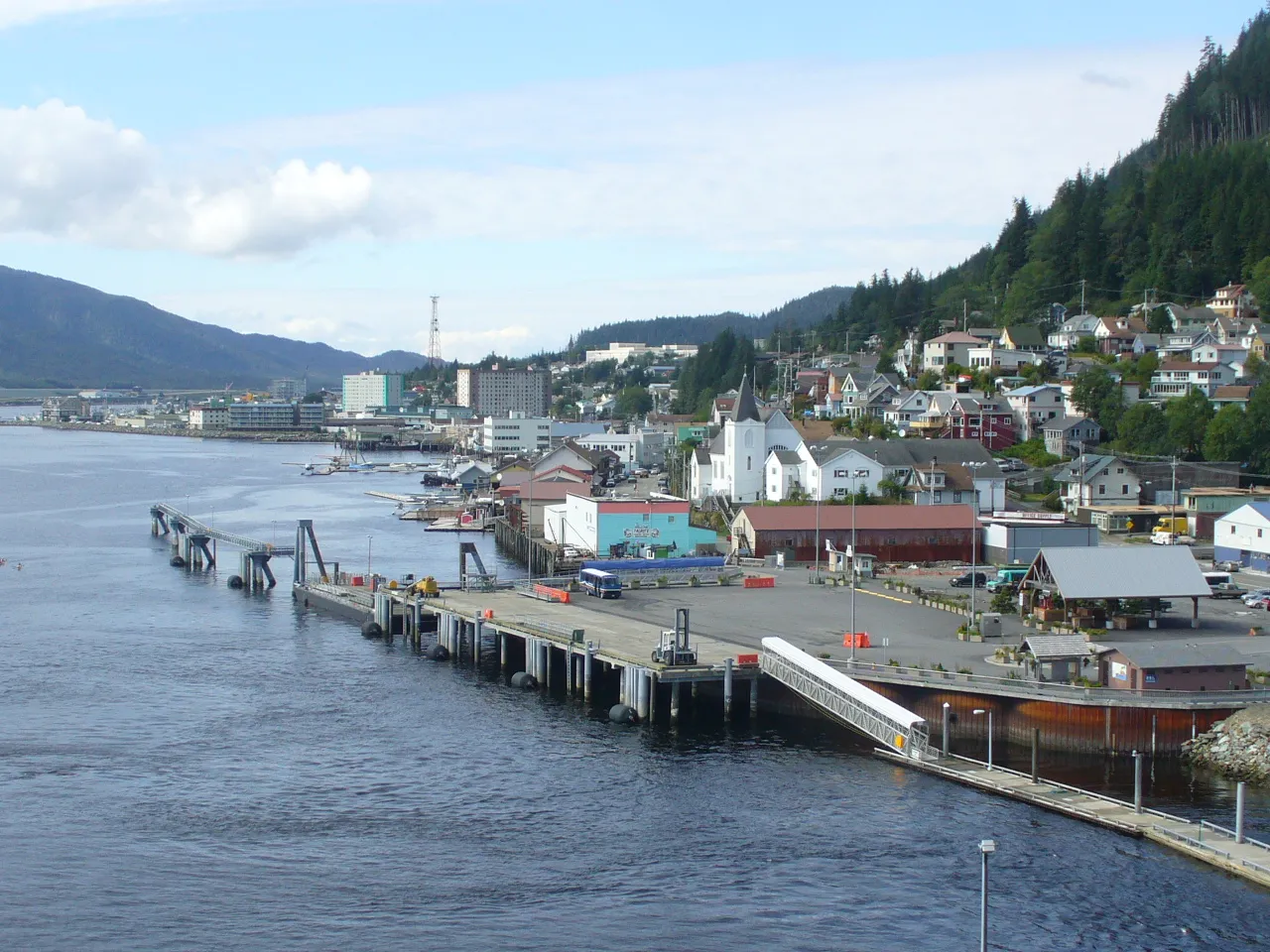
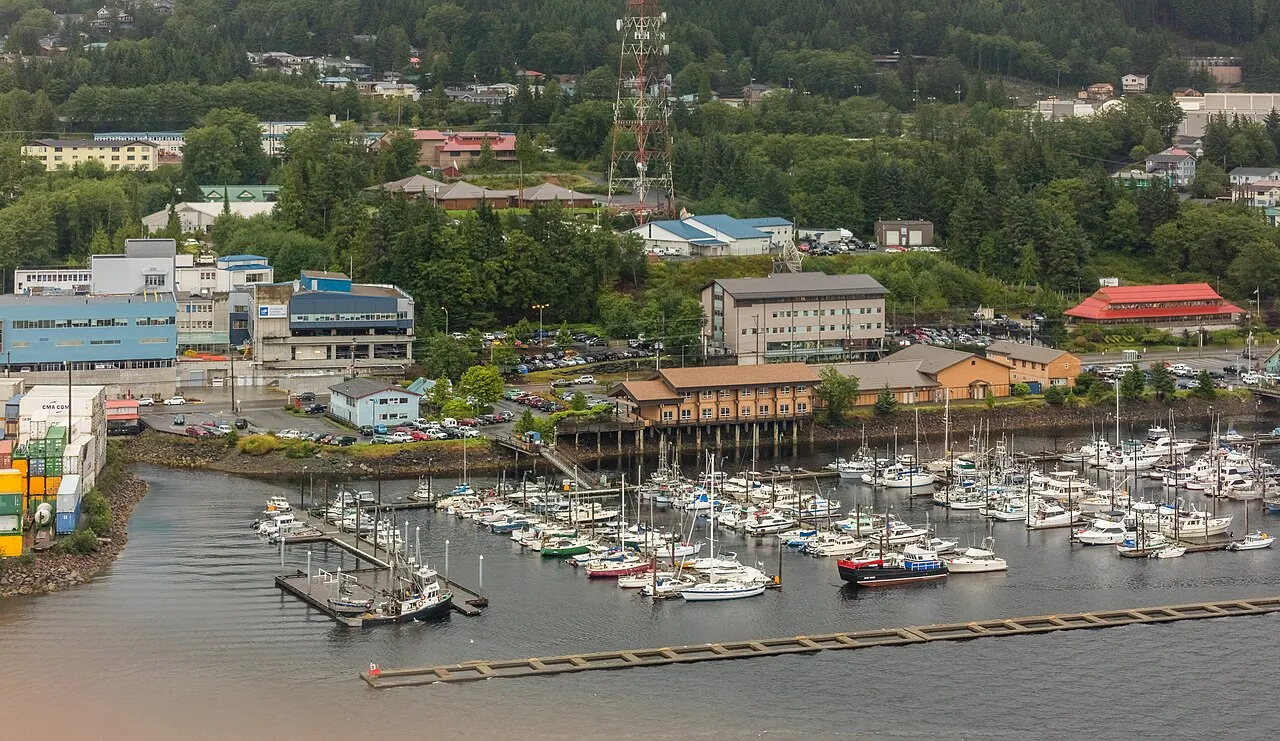

Images sourced from WikiMedia Commons under Creative Commons licenses.
Absolutely — Ketchikan offers the most "Alaskan" feeling of any port. Walk off the ship into a world of totem poles, boardwalks on stilts, and the best collection of Indigenous art anywhere in North America. Creek Street is genuinely charming, the Native cultural experiences are exceptional, and Misty Fjords flightseeing is an unforgettable adventure. It's the most walkable port in Alaska and delivers authentic experiences from the moment you step off the gangway.
Misty Fjords by floatplane is the signature experience — landing on a remote alpine lake surrounded by granite cliffs is transformational. For families or first-timers, the Great Alaskan Lumberjack Show offers fun entertainment steps from the pier. For cultural depth, Saxman Village's totem tour with active carving demonstrations offers excellent value and insight into Tlingit heritage.
Yes — Ketchikan is one of Alaska's most walkable ports. You step directly off the ship into downtown. Creek Street is 10 minutes walk, the Heritage Center is 15 minutes, and the Lumberjack Show is at the harbor. The entire downtown waterfront is flat and accessible. Free shuttles also run every 15 minutes between cruise berths and main attractions.
Ketchikan averages 162 inches of rain annually — earning its nickname "Rain Capital of Alaska." Pack waterproof layers regardless of what the forecast says. The upside: rain creates the lush temperate rainforest that makes Ketchikan magical, feeds the dramatic waterfalls, and keeps everything vibrantly green. Most attractions operate rain or shine, and the misty atmosphere adds to the mystique.
Weather cancellations are common — that's the reality of flightseeing in a temperate rainforest. If your flight is cancelled, most operators offer refunds for ship excursions or credits for future visits. Always have a backup plan: the Lumberjack Show, totem park tours, and rainforest zipline adventures all operate rain or shine. Some visitors book two Misty Fjords attempts across different Alaska ports for better odds.
Peak cruise season offers the most reliable weather and best conditions for sightseeing. Check the weather guide above for specific month recommendations based on your planned activities.
Like most destinations, weather conditions vary by season. Check the weather hazards section above for specific concerns and the best months to visit. Cruise lines monitor conditions and will adjust itineraries if needed for passenger safety.
Essentials include sunscreen, comfortable walking shoes, and layers for variable conditions. Check the packing tips section in our weather guide for destination-specific recommendations.
Brief showers are common in many destinations but rarely last long enough to significantly impact your day. Have a backup plan for indoor attractions, and remember that many activities continue in light rain. Check the weather forecast before your visit.
Weather patterns vary by region and season. Check the weather hazards section above for specific storm season concerns and timing. Cruise lines closely monitor weather conditions and will adjust itineraries if needed for passenger safety. Travel insurance is recommended for cruises during peak storm season months.