
Photo: Wikimedia Commons
My Logbook: Where Three Civilizations Cook Side by Side
I heard Port Klang before I saw it. Standing on the upper deck as our ship eased alongside the concrete quay, the distant rumble of container cranes and the sharp clang of metal on metal told me this was a working port, not a postcard. The air hit me the moment I stepped off the gangway — thick, warm, heavy with moisture. My glasses fogged instantly. A port official in a pressed shirt waved me toward a line of waiting buses, but I had already arranged a private car, and my driver Aziz was holding a sign with my name spelled almost correctly near the terminal gate.
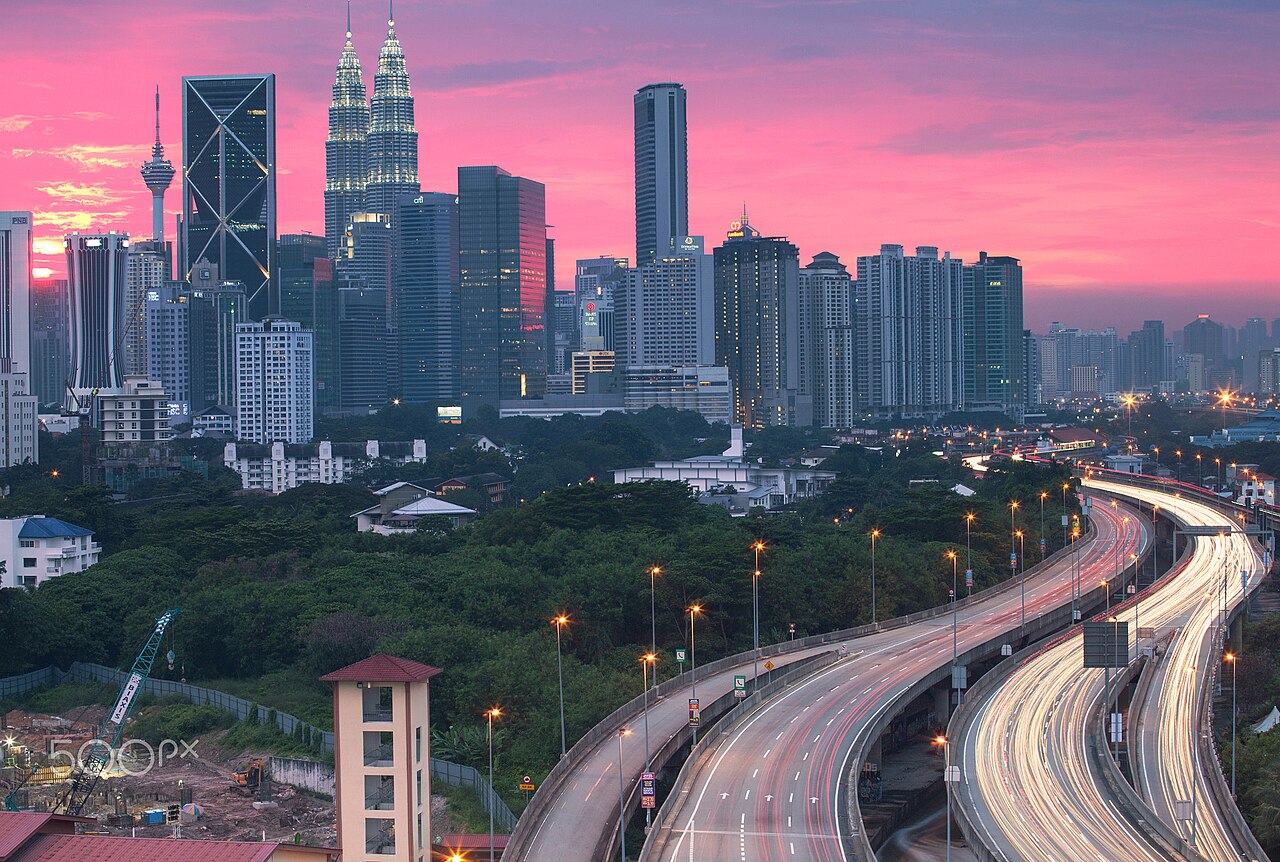
The drive from Port Klang to Kuala Lumpur took just over an hour through flat green countryside that gradually yielded to highway overpasses and glass towers. Aziz spoke quietly about his family — three daughters, all studying engineering — and pointed out the palm oil plantations that still press up against the suburbs. "Malaysia is modern," he said, "but the jungle is always close." I liked that. I liked that he did not try to sell me anything, just shared his country with gentle pride.
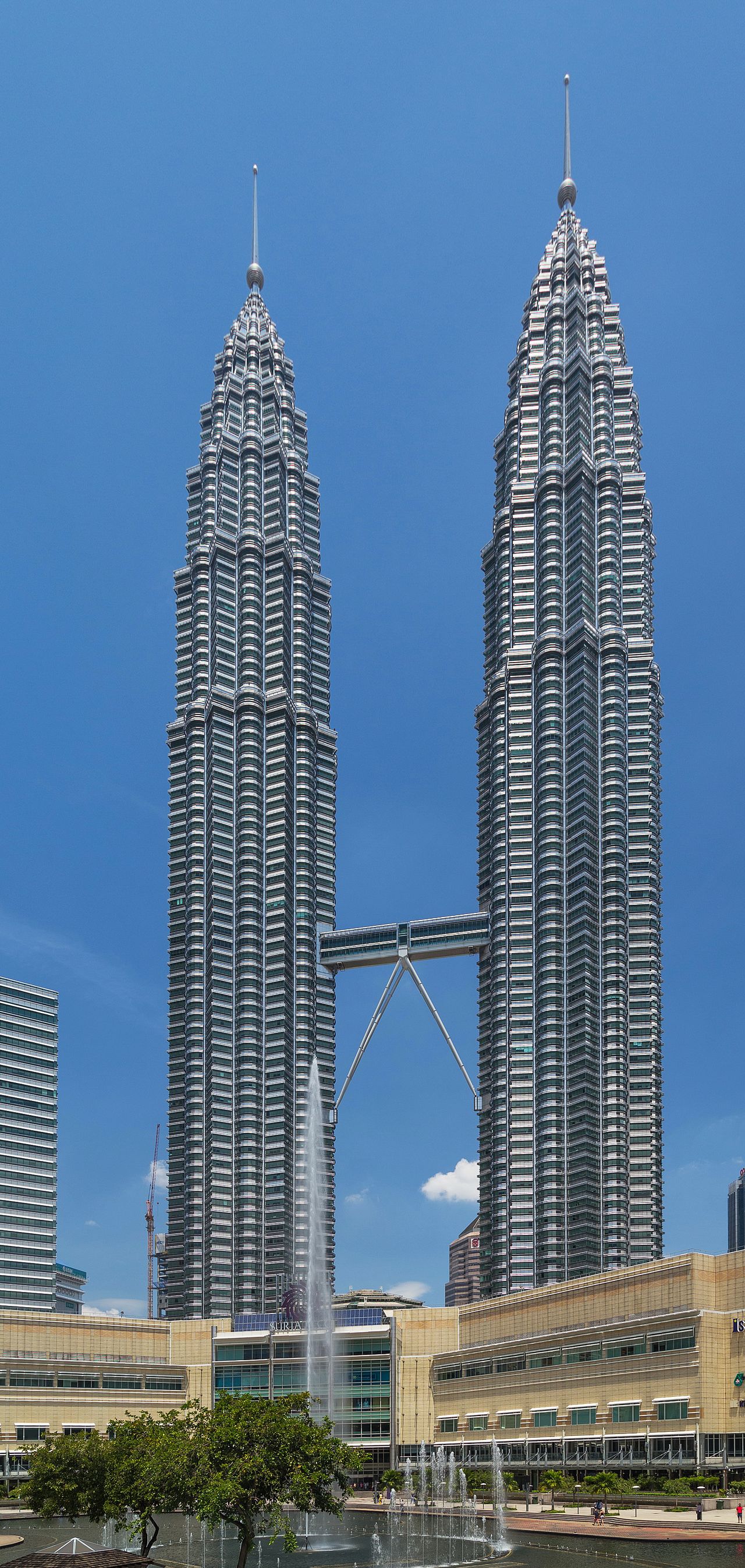
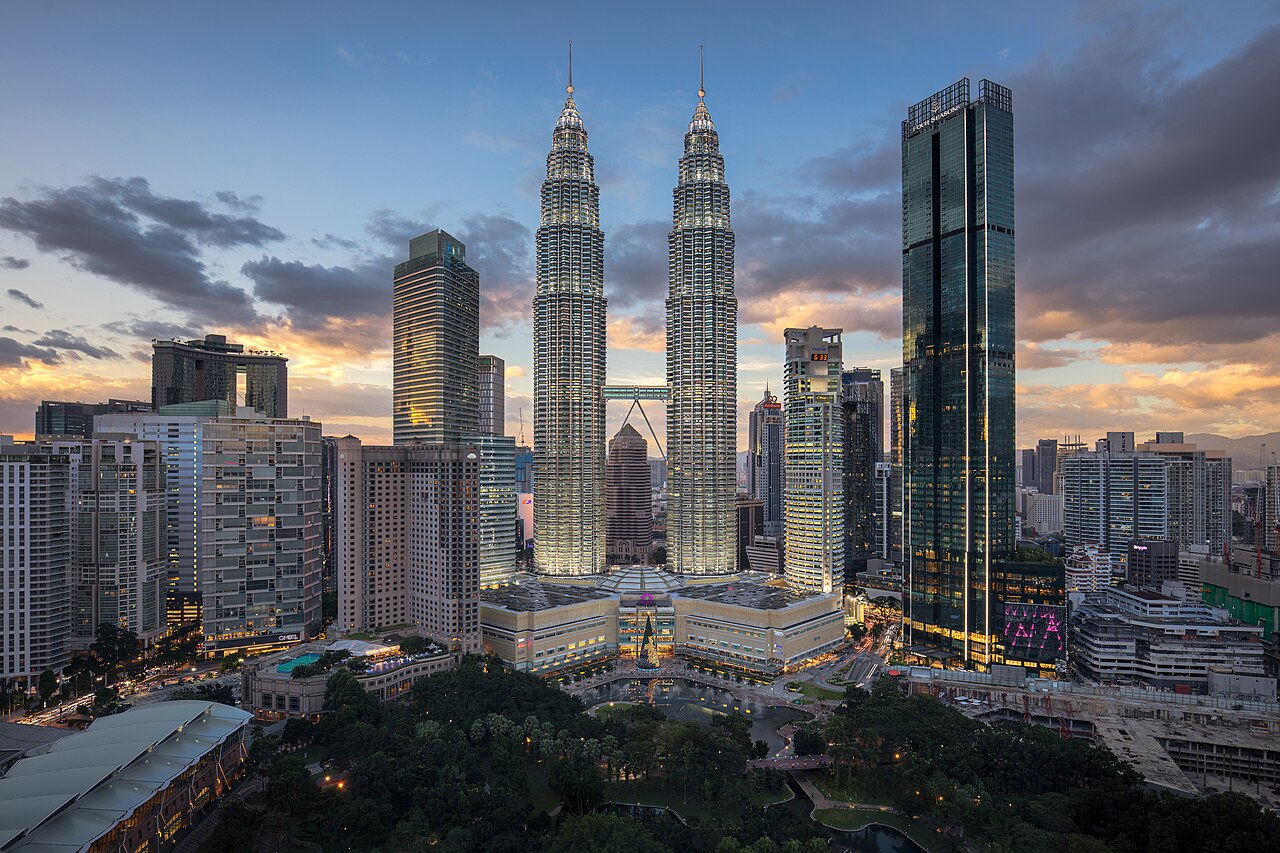
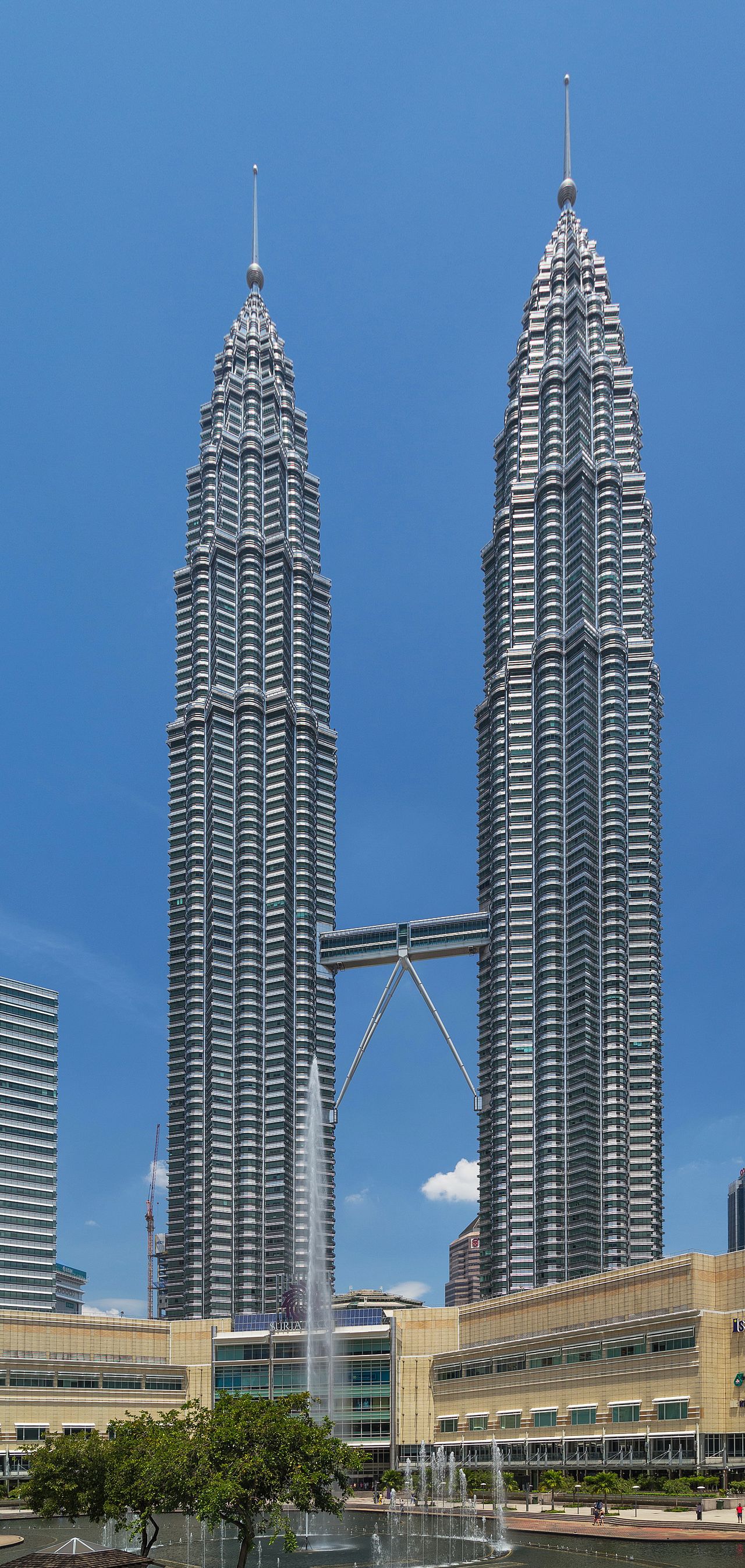
The Petronas Twin Towers appeared through the windshield like a slow reveal in a film — first one silver spire, then the other, then the skybridge connecting them at the forty-first floor. I had seen photographs a hundred times, but photographs cannot convey the sheer vertical ambition of these buildings. They do not just rise; they insist. I walked through KLCC Park beneath them, past a fountain that danced on programmed cues, and looked straight up until my neck ached. The towers are clad in stainless steel and glass panels arranged in Islamic geometric patterns, and in the morning sun they threw prisms across the park like quiet blessings.
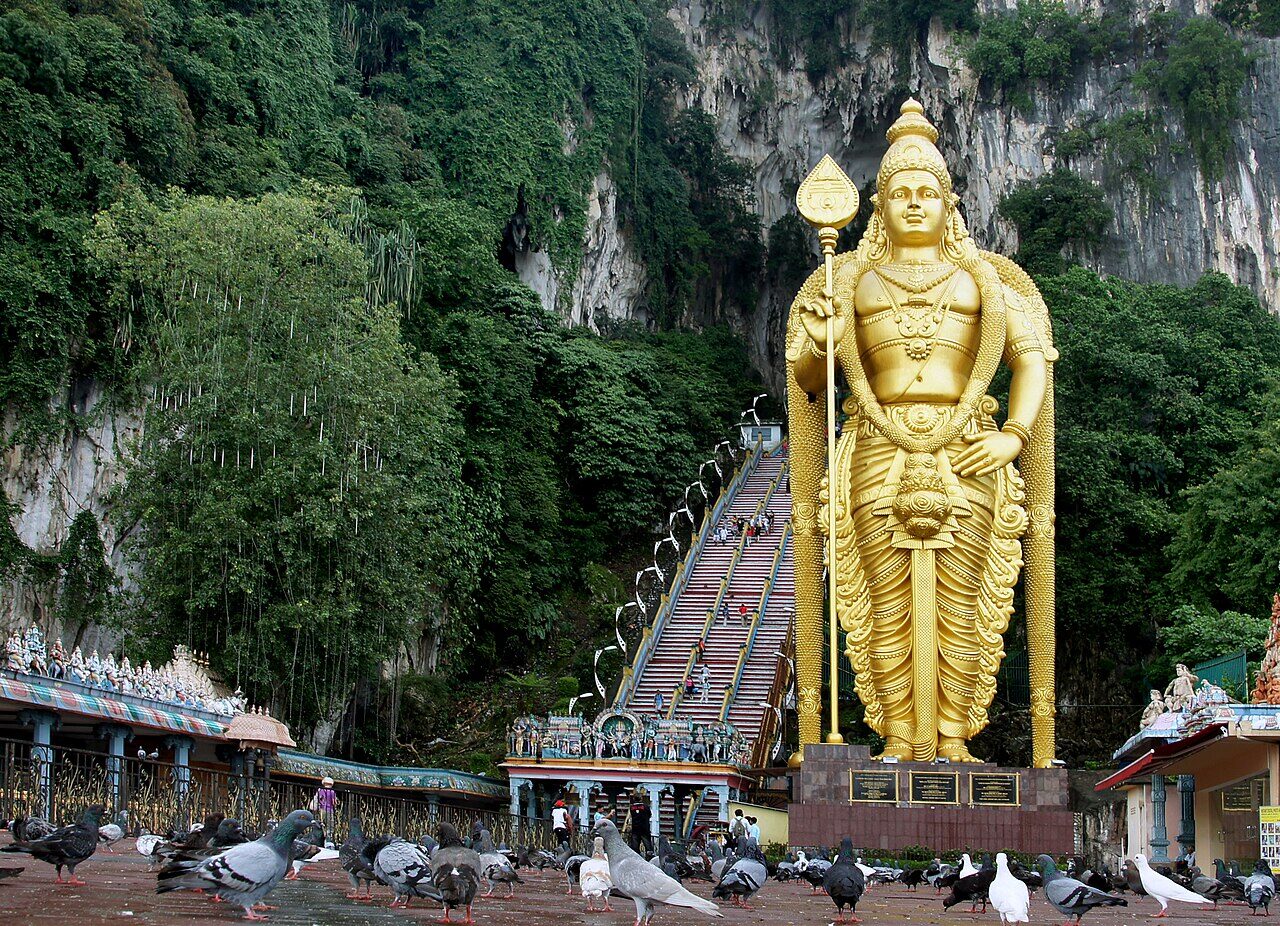
Aziz drove me next to Batu Caves, about thirty minutes north of the city. The golden statue of Lord Murugan stands forty-three metres tall at the base of the staircase, and even from the car park I felt the scale of the place pressing against my chest. I climbed the 272 rainbow-painted steps slowly, watching macaques steal water bottles from tourists who had not heeded the warnings. The heat was brutal — sweat ran freely down my back, my shirt was soaked by step one hundred — but when I reached the main cave and stepped inside, the temperature dropped and the light changed. Sunlight poured through a gap in the limestone ceiling, falling in a wide column onto the shrine below, and I stood there catching my breath while worshippers laid flowers at the altar. I felt my eyes fill with tears. I am not Hindu, but there was something in that place — the patience of stone, the devotion of centuries, the simple fact that people have climbed these steps to pray long before cruise ships existed — that broke through whatever wall I carry between my daily life and the sacred. I whispered a quiet prayer of my own, standing in someone else's holy place, and felt no contradiction. Sometimes the ground you stand on belongs to everyone.
Back in the city, Aziz dropped me at Central Market — an art deco building from 1888 that has been converted into a crafts hall. Inside, vendors sell hand-painted batik, pewterware, woven baskets, and wooden carvings from every Malaysian state. I bought a small pewter trinket box for my daughter for about $8 and a set of batik coasters for my sister. The vendors were patient, not aggressive, and I lingered over a display of traditional kites — wau bulan, crescent-shaped and brilliantly painted — wishing I had room in my luggage for one.
However, it was the street food that anchored my whole day. Aziz insisted we stop at a hawker stall near Jalan Alor for a late lunch, and I found myself sitting on a plastic stool watching a man toss char kway teow in a wok so blackened by years of service it had become geological. The noodles arrived in under three minutes, glistening with dark soy sauce, studded with plump prawns and cockles, and costing barely $3. I ate nasi lemak from a banana-leaf wrapper — coconut rice with sambal, anchovies, a boiled egg, and peanuts — for about $2 at a neighbouring stall. A Tamil woman pulled teh tarik — tea with condensed milk, thrown between two cups in a long arc — and I watched, mesmerised, as the amber stream never broke. The taste was sweet and smoky and unlike anything I have had elsewhere.
I visited KL Tower in the late afternoon, though I almost did not make it. Aziz navigated through traffic that had thickened into a near standstill — this is the reality of KL that no brochure mentions — and we arrived with less than two hours before I needed to start back. The observation deck sits at 276 metres and offers a view that puts the whole city in perspective: the Petronas Towers to the east, the green lung of the Lake Gardens to the south, and the limestone karst hills of the Batu region rising beyond the northern suburbs. Despite the haze that tropical humidity drapes over everything, I could see the contour of the land itself, and I understood for the first time why Kuala Lumpur means "muddy confluence" — two rivers meet here, and around that meeting the city grew.
The drive back to Port Klang was tense. Traffic crawled, and I watched the minutes tick down on my phone. Aziz, sensing my anxiety, took a back road through a kampung — a traditional village — where wooden houses on stilts sat beneath coconut palms and children played barefoot in the red-earth yards. It was a glimpse of old Malaysia, still alive at the edges of the highway, and it calmed me. We made it back to the ship with forty minutes to spare. I tipped Aziz more than he expected, because he had given me more than a ride — he had given me his country for a day.
What Kuala Lumpur taught me is that a city can hold contradictions without breaking. It is modern and traditional, Islamic and Hindu and Chinese and Indian, steel-tower ambitious and plastic-stool humble. The food alone is worth the journey from Port Klang, and the people — gentle, proud, quietly generous — are the real treasure. I carry the taste of that teh tarik and the silence of that cave with me still, and I learned that sometimes the most sacred moments arrive not when you seek them but when you stop planning and simply stand still.
Weather & Best Time to Visit
The Cruise Port
Ships dock at Boustead Cruise Centre in Port Klang, Malaysia's largest commercial port located about 45 kilometres southwest of Kuala Lumpur. The terminal building is functional and air-conditioned, with basic amenities including currency exchange counters, a small duty-free shop, tourist information desks, and restroom facilities. Security screening is straightforward. Taxis and pre-arranged transfers queue outside the terminal gate. The port area itself is industrial with little of interest to visitors, so plan to head into KL or explore the historic town of Klang nearby.
Wheelchair users will find the terminal building accessible with ramps at ground level, though surfaces outside the terminal can be uneven. Ships dock directly at the pier — no tendering required — which makes embarkation and disembarkation straightforward for passengers with limited mobility. Port security requires your ship card for re-entry. The terminal has basic Wi-Fi, though it can be slow during peak disembarkation times.
Getting Around
The 45-kilometre journey from Port Klang to Kuala Lumpur city centre takes 45 to 90 minutes depending on traffic, which can be severe during morning rush (7-9 a.m.) and evening rush (5-8 p.m.). Ship excursions cost $100-150 per person for a full-day KL tour and guarantee your return to the vessel on time. Private transfers arranged through Klook or Viator run $60-100 round trip for a car seating four passengers. Grab, Malaysia's dominant ride-hailing app, costs $25-40 each way but finding a return car from KL can be uncertain, so confirm the return leg before committing.
The KTM Komuter train offers a budget alternative at roughly $3 per ride, though you will need a taxi to the Port Klang KTM station first, and the train journey takes over an hour with no guarantee of punctuality. Within KL itself, the LRT, MRT, and monorail systems are modern, affordable, and wheelchair accessible at most stations, making it easy to move between attractions independently. Taxis within KL are metered; insist the driver uses the meter or agree on a fare before boarding. Walking between central KL attractions is feasible but exhausting in the tropical heat — air-conditioned malls and the KLCC pedestrian walkway network provide welcome relief. For passengers with mobility challenges, a private car with driver is the most practical option, as it eliminates stairs, crowded trains, and uncertain waits.
Excursions & Activities
Petronas Twin Towers & KLCC Park
The iconic 88-storey towers remain among the world's tallest twin structures. The Skybridge at level 41 and Observation Deck at level 86 offer stunning city views. Tickets cost approximately $25 per adult and sell out quickly — book ahead online through the official website. KLCC Park below the towers is free, with fountains, a children's playground, and a jogging trail. Allow 2-3 hours including travel time. Moderate energy level. You can visit independently by Grab or taxi, or through a ship excursion that typically combines the towers with other highlights for $100-150.
Batu Caves
This Hindu temple complex is carved into limestone hills about 30 minutes north of KL centre. The 272 rainbow-painted steps lead to a massive cave housing shrines and altars. Entry is free, though the cave temple area asks for a modest donation. The golden Lord Murugan statue at the base stands 43 metres tall. This is a high-energy visit — the steps are steep and there is no lift alternative. Dress modestly, covering shoulders and knees. Macaques roam the steps and will grab food and shiny objects. A ship excursion to Batu Caves plus city highlights runs $80-120. Independently, take Grab ($15-20 from KL centre) or the KTM train to Batu Caves station.
Central Market & Chinatown
The 1888 art deco building houses dozens of craft vendors selling batik, pewter, woven goods, and souvenirs from across Malaysia. A low-energy, wheelchair accessible visit on the ground floor. Nearby Petaling Street in Chinatown offers bustling market stalls and hawker food. Budget 1-2 hours. No need to book ahead — simply take a taxi from wherever you are in KL. Craft prices range from $3 for small souvenirs to $30-50 for quality batik pieces.
KL Tower (Menara Kuala Lumpur)
At 421 metres, this telecommunications tower offers panoramic views from its observation deck at 276 metres. Entry costs approximately $12 for adults. The Sky Deck open-air platform costs $22. Allow 1-2 hours. Accessible by taxi; the base is on Bukit Nanas (Pineapple Hill) surrounded by a small forest reserve. Moderate energy level. Visit independently — no need to book ahead for the standard observation deck.
Full-Day City Tour (Ship Excursion)
Most cruise lines offer full-day KL tours that combine Petronas Towers (exterior), Batu Caves, Merdeka Square, and a brief market stop. These typically cost $100-150 per person and last 8-9 hours including transit. The key advantage is guaranteed return to the ship, which matters greatly given unpredictable KL traffic. For first-time visitors who want to see the highlights without the stress of navigating independently, the ship excursion is a sensible choice despite the higher price.
Depth Soundings
Malaysia uses the Malaysian Ringgit (MYR). As of early 2026, $1 USD buys approximately 4.4-4.6 MYR. ATMs are plentiful in KL and accept international cards; withdrawal fees run 6-10 MYR per transaction. Credit cards are accepted at malls, larger restaurants, and hotels, but hawker stalls, market vendors, and taxis require cash. Carry small denominations — getting change for a 100 MYR note at a street stall can be difficult.
Tipping is not customary in Malaysia but is appreciated at upscale restaurants. A 10% service charge is often included. Taxis and Grab drivers do not expect tips but appreciate rounding up. Malaysia is a predominantly Muslim country — dress modestly when visiting mosques, remove shoes before entering any house of worship, and avoid touching anyone's head. English is widely spoken throughout Kuala Lumpur, and signs are typically bilingual. The tropical heat demands constant hydration; carry water at all times and plan indoor breaks in air-conditioned spaces. Violent crime against tourists is rare, but petty theft and bag snatching can occur in crowded areas — keep valuables secure and use registered taxis or Grab rather than unmarked vehicles.
Photo Gallery
Frequently Asked Questions
How far is Kuala Lumpur from Port Klang?
KL city centre is approximately 45 km (28 miles) from Port Klang. The drive takes 45-90 minutes depending on traffic. Ship excursions and private transfers are the most reliable options for the journey.
Can I visit the Petronas Towers on a cruise day?
Yes, but book Skybridge tickets in advance online at approximately $25 per adult. Allow 2-3 hours for the visit plus travel time from Port Klang. Many ship excursions include a photo stop at the towers.
Is Batu Caves worth visiting from Port Klang?
Absolutely. Batu Caves is about one hour from Port Klang and features a 43-metre golden statue of Lord Murugan and 272 steps to Hindu shrines inside limestone caves. Dress modestly and bring water.
What Malaysian dishes should I try?
Nasi lemak (coconut rice with sambal), char kway teow (fried noodles), roti canai (flatbread with curry), and laksa (spicy noodle soup). Hawker stall meals cost $2-5 and offer the most authentic flavours.
Is English widely spoken in Malaysia?
Yes, English is widely spoken throughout KL as a legacy of British colonial history. Signs are bilingual. You should have no communication difficulties in tourist areas, transport hubs, and malls.
Do I need local currency in Kuala Lumpur?
Yes, for hawker stalls, market shopping, taxis, and small vendors. ATMs outside the port accept international cards. Credit cards work at malls and larger restaurants but not at street food vendors.
Kuala Lumpur (Port Klang) — Port Guide
Last reviewed: February 2026