
Photo: Wikimedia Commons (CC BY-SA)
Weather & Best Time to Visit
The Cruise Port
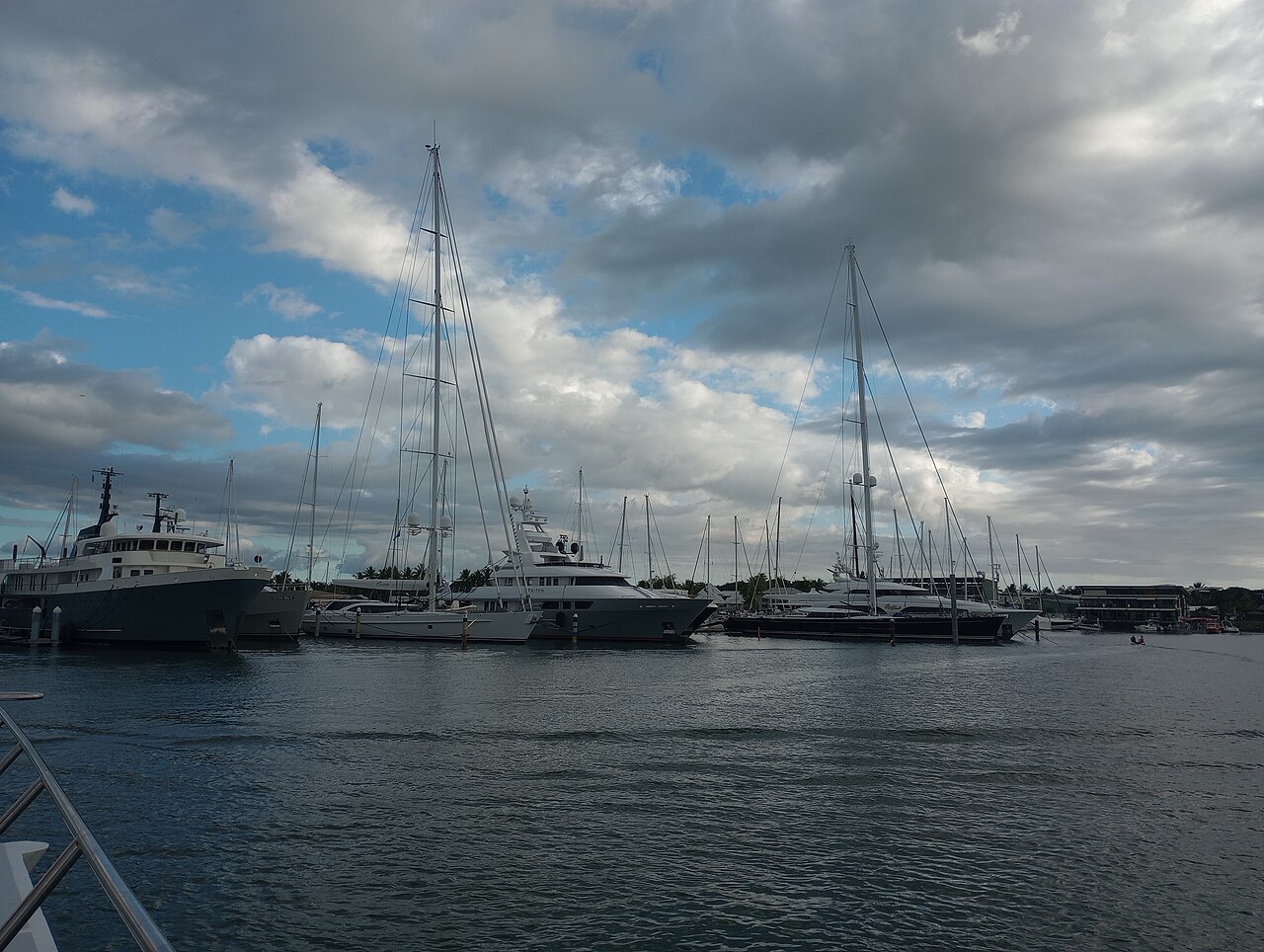
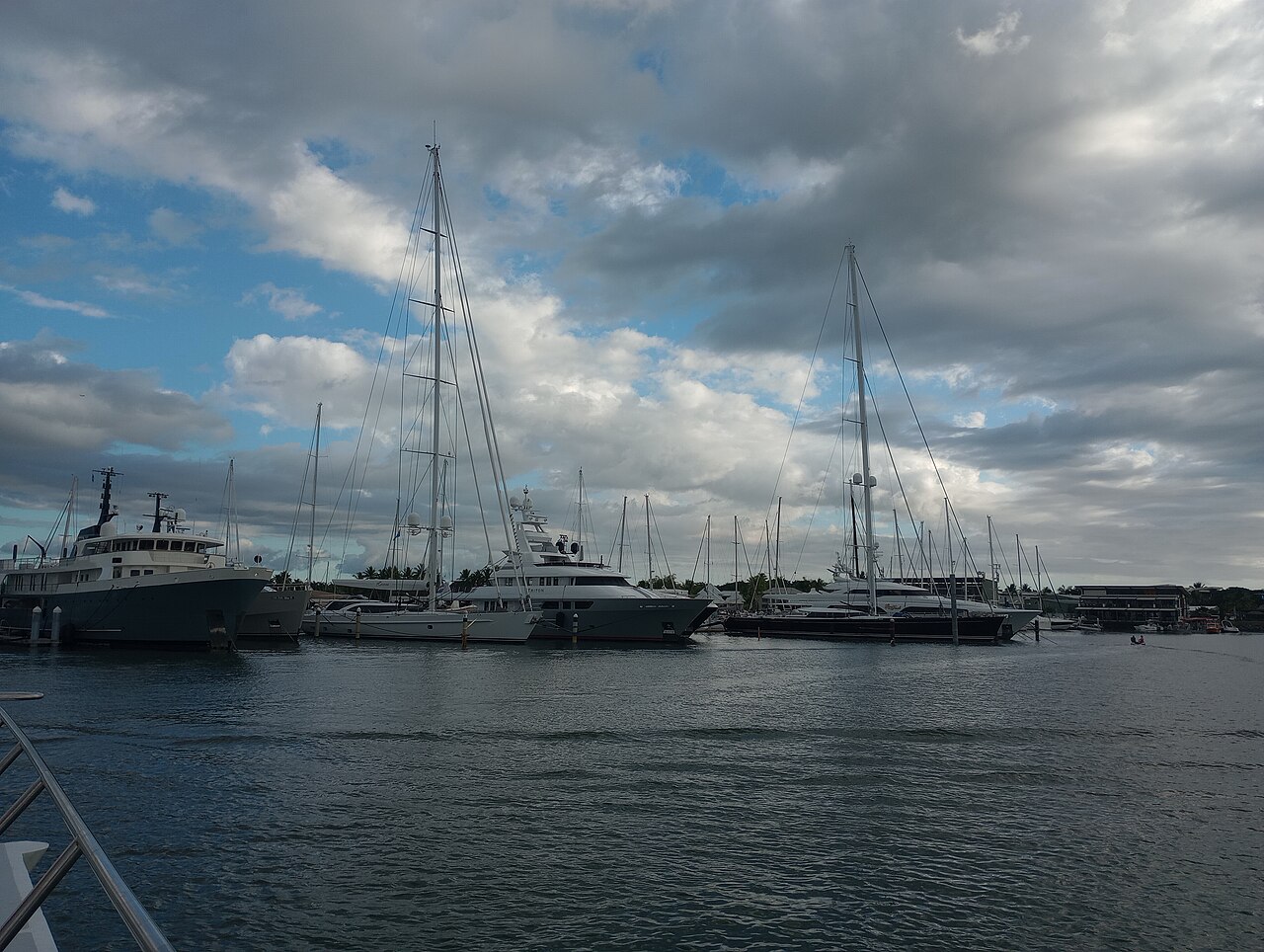
Ships dock at Queens Wharf in central Lautoka, a straightforward berth that puts you within a ten-minute walk of downtown. The terminal is modest—welcome desks, a few vendors selling sarongs and carved tikis—but efficient. Step off the gangway and you're immediately in the city's embrace. Queens Wharf handles one ship at a time, and on busy days a second ship may anchor and tender passengers ashore, though this is rare.
The wharf area offers basic facilities: a covered waiting area, currency exchange kiosk, and a handful of vendors selling handicrafts and sarongs. Restrooms are available but basic. Taxi drivers line up along the exit road, and a small tourism desk can help arrange half-day tours. There's no dedicated cruise terminal building—Lautoka is a working commercial port first, and the cruise infrastructure reflects that honest simplicity.
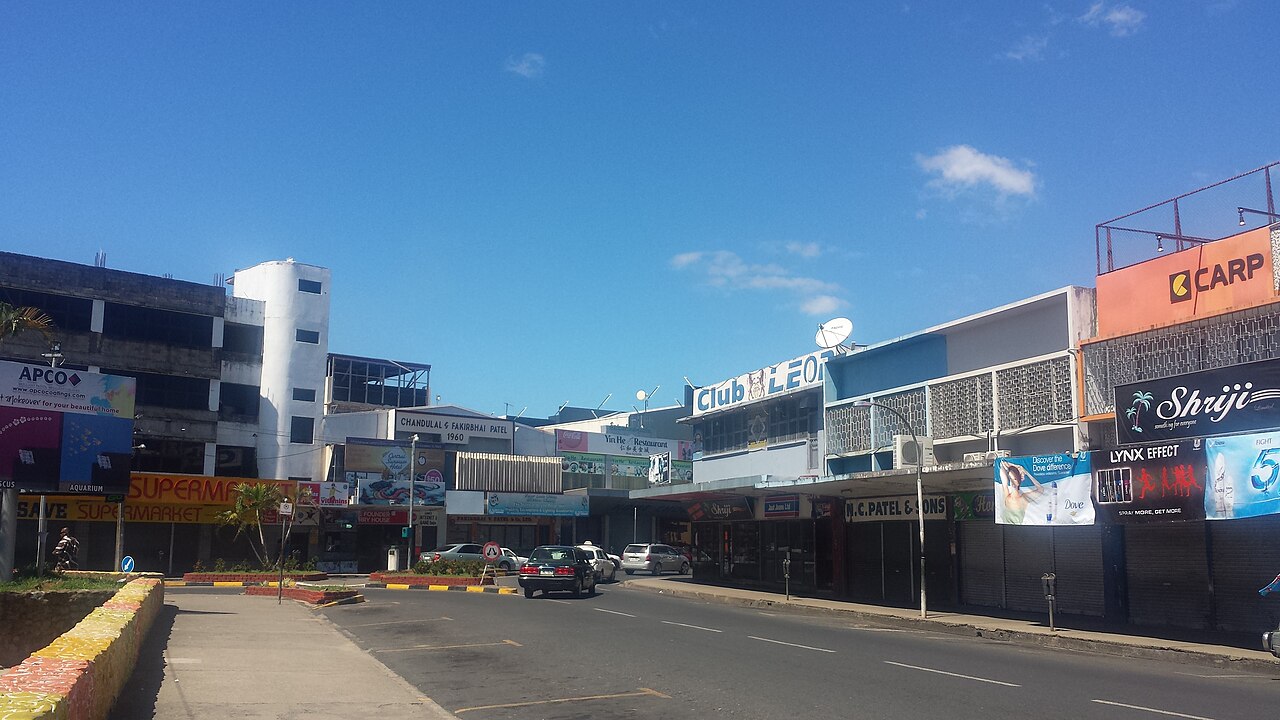
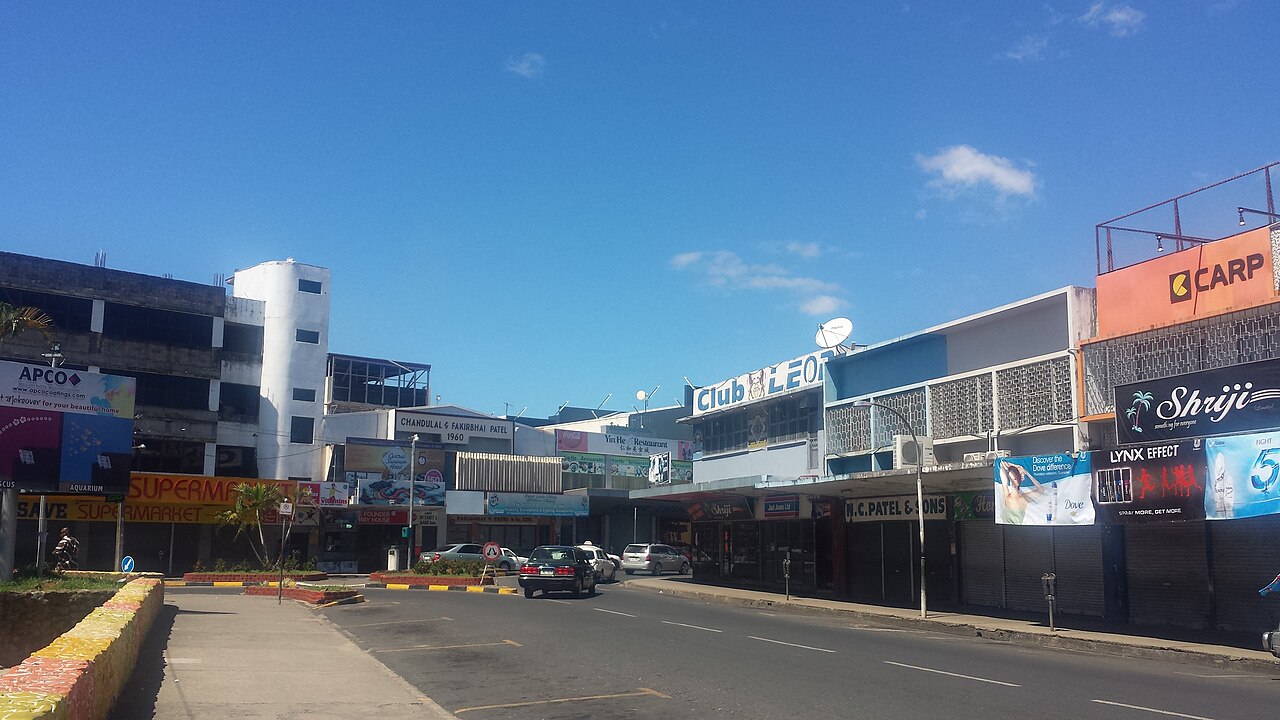
Don't expect manicured resort perfection. Lautoka is real: dusty streets, the occasional pothole, paint peeling on colonial-era buildings. But everywhere you look, someone's smiling. The "Bula!" greeting isn't tourism theater here—it's genuine, reflexive, as natural as breathing. The city spreads along the coast in a simple grid. Vitogo Parade runs along the waterfront, the main commercial artery lined with shops, banks, and cafes. Naviti Street leads inland toward the market and residential neighborhoods. You can walk most of downtown in an hour, though you'll want longer to linger.
Wheelchair users will find Queens Wharf relatively accessible with level gangway access for most ships. The terminal area is flat, and the walk into town follows paved roads. However, city sidewalks can be uneven, and the market has narrow aisles and crowded passages. Contact your cruise line in advance for adapted shore excursion options.
Getting Around
- Walking: The city center is compact and walkable. From Queens Wharf to the market is fifteen minutes on foot, mostly flat. Heat and humidity are your main challenges—bring water, hat, and sunscreen.
- Taxis (FJD $5-15): Abundant and affordable. Official taxis wait at the cruise terminal; agree on price before departure or insist on the meter. A ride anywhere within city limits shouldn't exceed FJD $10-15. Drivers serve as impromptu tour guides.
- Local Buses (FJD $1-3): Colorful, crowded, and wonderfully cheap. Buses run frequent routes throughout Lautoka and to Nadi. Fares are minimal but services can be slow and confusing for first-timers.
- Shore Excursions (FJD $100-250): Ship excursions and independent operators offer half-day and full-day trips to Koroyanitu Heritage Park, island day trips, and village visits. Book independently for 15-25% savings.
- Rental Cars (FJD $80-120/day): Available from agencies in Lautoka and Nadi. Drive on the left; roads are generally good near the coast, rougher inland.
- Accessibility: Queens Wharf is relatively accessible with level gangway access for most ships. The city center sidewalks are mostly flat but can be uneven. Wheelchair users will find the market challenging due to crowds and narrow aisles. The Sri Krishna temple has steps at entry. Beach access at Saweni is limited. Contact your cruise line for adapted shore excursion options.
Lautoka Area Map
Interactive map showing cruise terminal and Lautoka attractions. Click any marker for details.
Top Excursions & Things to Do
Booking guidance: Lautoka rewards independent exploration over organized excursions. The market and temple are easily walkable from the port. For island day trips to Yasawas or Mamanucas, book through Port Denarau operators for 20-30% savings over ship excursions. Koroyanitu Heritage Park tours can be arranged at the port terminal. Ship excursions offer guaranteed return to the vessel but cost significantly more; independent exploration here is low-risk since the port is in the city center.
Lautoka Market (free to FJD $30)
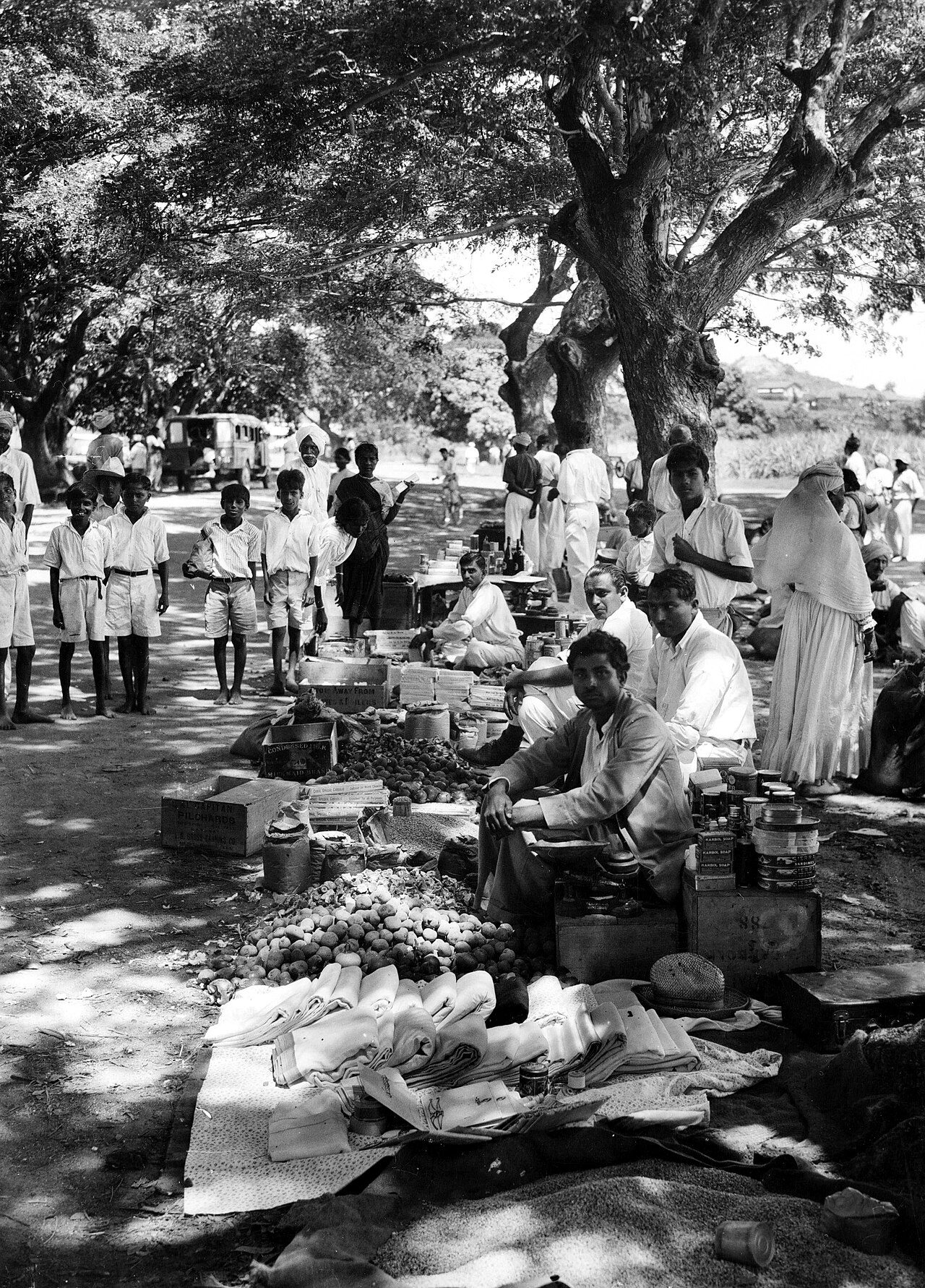
Go early—by 7 AM the market is already a symphony of commerce and community. Farmers from the interior arrive with trucks loaded with produce: cassava roots thick as your arm, bundles of duruka (Fiji asparagus), taro leaves still beaded with morning dew. The fish section glistens with the ocean's harvest, snapper and trevally arranged on beds of ice.
But it's the spice stalls that mesmerize me. Women sit behind mountains of turmeric, chili powder, and curry blends, scooping aromatic powders into newspaper cones. The kava vendors preside over their domain with ceremonial gravity—this isn't just root powder, it's social currency, the centerpiece of every Fijian gathering.
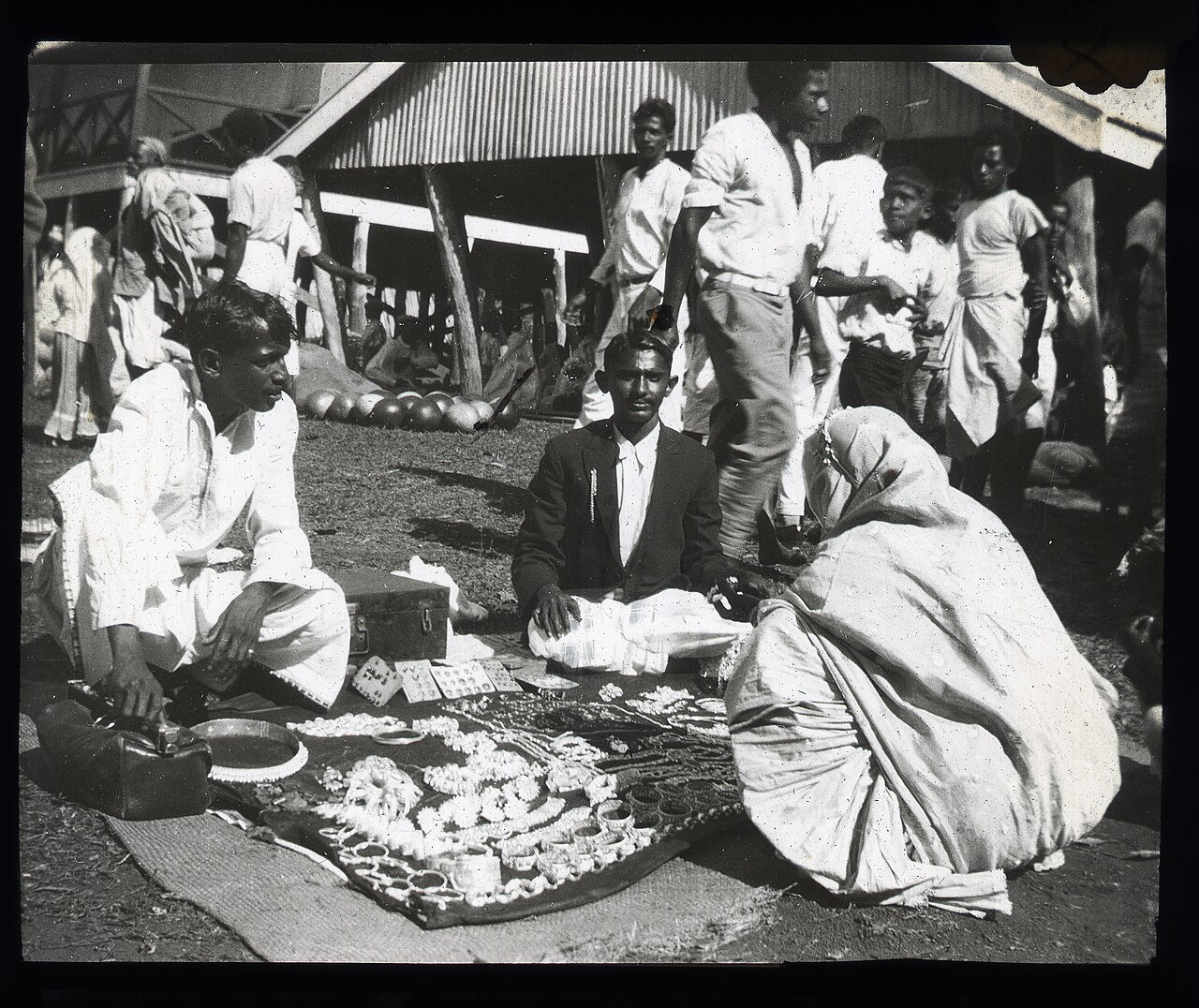
Wander to the handicraft section where woodcarvers offer bowls hewn from vesi timber, and weavers sell mats woven from pandanus leaves. These aren't airport souvenirs; these are functional objects still used in Fijian homes. The artisan who sold me a tanoa (kava bowl) spent twenty minutes explaining the traditional designs, each carved line telling a story about ocean voyages and ancestral spirits.
Sri Krishna Kaliya Temple
The temple complex explodes with color against Lautoka's more muted palette—walls painted in brilliant blues and oranges, statues of Krishna, Ganesh, and Hanuman adorned with garlands of marigolds. It's one of Fiji's most significant Hindu temples, and the Indo-Fijian community has worshipped here for over a century.
I visited during a weekday afternoon and found the grounds peaceful, a handful of devotees making offerings. A priest invited me to observe the aarti ceremony, the evening prayer ritual. As bells rang and incense smoke curled toward the painted ceiling, I was struck by how thoroughly this Indian religious tradition has woven itself into the Pacific tapestry.
Remove your shoes before entering, dress modestly, and bring a respectful curiosity. The temple welcomes visitors, but this is an active place of worship—not a museum. Photography is allowed but ask permission first, and always decline if photographing people at prayer.
Koroyanitu National Heritage Park (FJD $40-80 with guide)
An hour's drive inland, the landscape transforms. Sugar cane fields give way to rainforest, the air cooling as you climb into the highlands. Koroyanitu—pronounced ko-roy-ah-NEE-too—is Fiji's natural heart, a realm of waterfalls, ancient trees, and trails that wind through mist-shrouded valleys.
The Navai Village trail is my recommendation for cruise passengers with limited time. It's a moderate two-hour loop that passes through traditional Fijian villages where life moves at subsistence pace: families tending taro patches, children swimming in mountain streams, elders weaving mats under thatched shelters.
The forest itself is cathedral-like. Buttressed dakua trees tower overhead, their canopies home to Fiji's endemic birds—I spotted a crimson shining parrot, its plumage like a flame against green shadows. The waterfall at trail's end tumbles into a pool so clear you can count the stones on the bottom. Several in our group swam; I sat on a boulder and simply listened to water singing over rock, a sound unchanged since the first Fijians arrived by outrigger canoe a thousand years ago.
The Sugar Mill Tour (FJD $20-30)
The Fiji Sugar Corporation mill isn't traditionally pretty, but it's undeniably fascinating. Tours run during crushing season (July to December) when the mill operates around the clock. The scale is staggering—acres of machinery processing thousands of tons of cane, the whole operation perfumed with that distinctive molasses sweetness.
What resonates isn't just the industrial process but the human story. Sugar built modern Fiji, for better and worse. It brought the indentured laborers from India whose descendants now comprise nearly 40% of the population. It created wealth and exploitation in equal measure. Understanding Lautoka requires understanding sugar—the crop is woven into every aspect of the city's identity.
Our guide, a third-generation mill worker, spoke with pride about the engineering but also candidly about the industry's uncertain future. Global sugar prices, climate change, younger generations seeking different livelihoods—the challenges are real. Yet for now, the smokestacks still pour white steam into blue sky, and the mill's whistle still marks the rhythms of the working day.
Saweni Beach (free; taxi FJD $10)
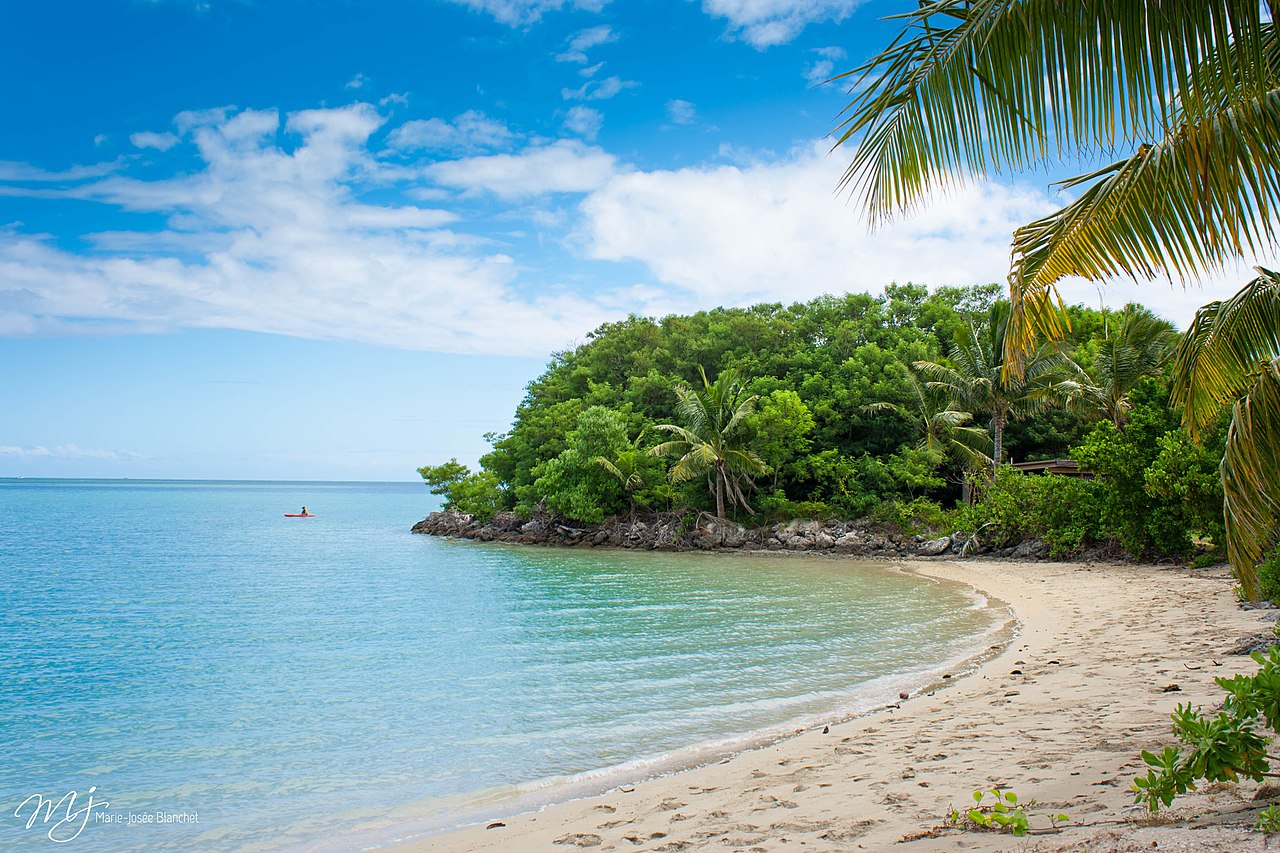
Just north of the city, Saweni Beach offers what tourists often miss: a Fijian beach experience untouched by resort development. The sand is dark volcanic gray rather than postcard white, and the facilities are basic—a few beach shacks selling grilled fish and cold Fiji Bitter beer.
But the water is pristine turquoise, the snorkeling surprisingly good along the reef just offshore, and the vibe is wonderfully unpretentious. Fijian families picnic under coconut palms, kids splash in the shallows, young men play rugby on the sand. I spent an afternoon here between more structured tours and it became the highlight—unplanned, unpackaged, utterly authentic.
A local elder named Jone (pronounced JOE-nay) befriended me, sharing his lunch of kokoda (Fijian ceviche) and stories about growing up fishing these waters. "The tourists, they go to Denarau, to the Yasawas," he said, gesturing to the islands on the horizon. "Beautiful there, sure. But here? This is Fiji how we live it." He was right. Sometimes the real treasure isn't the destination in the brochure—it's the beach where locals bring their kids on Sunday.
Gateway to the Yasawas (FJD $150-300 day trip)
While Lautoka itself merits exploration, its role as gateway to the Yasawa and Mamanuca Islands gives it strategic importance for travelers seeking that quintessential South Pacific fantasy. The high-speed catamarans depart from Port Denarau, a short taxi ride south of the city.
I've made the journey twice—once to Naviti Island in the Yasawas, once to Matamanoa in the Mamanucas. Both trips delivered: crystalline waters, coral gardens teeming with tropical fish, beaches where your footprints are the first of the day. The boat ride itself is scenic, threading through channels between islands, the Coral Coast of Viti Levu receding to starboard.
Day trips are possible but rushed. If your cruise itinerary allows, consider booking a night or two at one of the island resorts. Even budget-friendly options offer accommodations in traditional bures (thatched bungalows) right on the beach. Waking to sunrise over the Pacific, swimming before breakfast, falling asleep to the sound of waves—it's the experience many imagine when they book a South Pacific voyage.
Local Food & Drink
Kokoda: Fiji's answer to ceviche—fresh mahi-mahi or Spanish mackerel "cooked" in lime juice, mixed with coconut cream, tomatoes, onions, and chilies. Every cook has their own recipe, but the best versions I've tasted came from market vendors and beach shacks, served in half a coconut shell.
Lovo: Traditional earth oven cooking. Meat, fish, and root vegetables are wrapped in banana leaves and slow-cooked over hot stones buried in a pit. The result is succulent, smoky, and profoundly satisfying. Some tours include lovo demonstrations and meals; it's worth seeking out.
Indo-Fijian Curries: The Indo-Fijian community's culinary contribution is magnificent. Small restaurants around the market serve thali plates—arrays of curries, chutneys, rice, and roti. The flavors are bold, the portions generous, the prices laughable. One of my best meals in Lautoka cost FJD $12 and included four different curries, dahl, rice, and fresh roti still warm from the griddle.
Duruka: Fiji asparagus, found in the market during season (June to September). It's actually the unopened flower of a type of sugarcane. Locals prepare it in curries or stir-fries; the flavor is delicate, slightly sweet, completely unique.
Kava: Not food but central to Fijian culture. This mildly sedative drink made from ground yaqona root is consumed ceremonially and socially. The taste is earthy, slightly bitter, mouth-numbing. Participate if invited—it's a mark of respect—but don't expect to enjoy the flavor. The ritual and camaraderie are the point, not the beverage itself.
Fresh Fruit: The market overflows with tropical abundance. Mangoes, papaya, pineapple, rambutans, and fruits whose names I never learned. Buy a bag and eat as you explore—natural, delicious, cheaper than bottled water.
Where to Eat: For local flavor, the market food stalls can't be beaten. For sit-down meals, Vitogo Parade has several restaurants serving Fijian, Indo-Fijian, and Chinese cuisine. The Bounty Restaurant near the wharf offers decent international fare with harbor views. But honestly, some of my best meals came from roadside stands and the recommendations of locals.
Depth Soundings Ashore
Lautoka rewards the patient visitor more than the hurried one. My honest advice: skip the ship-organized island day trip on your first visit. The Yasawas and Mamanucas are spectacular, but you'll spend most of your port time on a boat rather than absorbing the place you actually docked at. Lautoka itself has enough character for a full day, and the island excursions are better done independently on a longer stay.
Market Timing: Get to Lautoka Market by 7 AM when the farmers arrive and the selection is at its peak. By early afternoon, vendors are packing up and the energy has dissipated. Go early, go hungry, and bring cash in small denominations—FJD $1 and $2 coins for fruit and snacks, FJD $5 and $10 notes for meals and handicrafts. Light haggling is acceptable at craft stalls, but keep it friendly. These are small-scale vendors, not corporate retailers. Pay fairly and cheerfully.
Cultural Sensitivity: Fiji is relatively conservative. Cover shoulders and knees when visiting temples or villages. Remove hats and shoes when entering homes or sacred spaces. Beachwear is for the beach only. Always ask before photographing people, especially at temples or in villages. Many Fijians will happily pose, but some prefer privacy. Respect refusals graciously. And return every "Bula!" with enthusiasm—the warmth of Fijian culture is reciprocal. The more genuine interest you show, the more doors open.
Practical Essentials: Drink bottled water; tap water is generally safe for locals but can upset visitors' stomachs. The South Pacific sun is fierce near the equator—sunscreen, hat, and sunglasses are non-negotiable. Keep sufficient cash for markets, taxis, and small vendors, as many establishments don't accept cards. And if your port call falls on a Sunday, plan accordingly: Fiji is deeply Christian, most businesses close, and the pace drops to near-stillness.
The Real Story: Lautoka doesn't try to seduce you the way purpose-built resort destinations do. It won't serve you a cocktail on a manicured beach or guide you through a curated "authentic village experience." What it offers instead is something rarer—the chance to step into a working Pacific city where the rhythms of sugar harvests, temple bells, and market haggling have continued uninterrupted for generations. Come with open eyes, a respectful spirit, and a willingness to wander without a plan. That's when this port reveals itself.
Photo Gallery
Frequently Asked Questions
How far is Lautoka from the Yasawa Islands?
Lautoka serves as the main departure point for the Yasawa Islands. The journey by high-speed catamaran takes 1-4 hours depending on which island resort you're visiting, with the closest Mamanuca Islands reachable in under an hour. Boats depart from Port Denarau, about 20 minutes south of Lautoka by taxi.
What is Lautoka known for?
Lautoka is known as Fiji's "Sugar City" due to the massive Fiji Sugar Corporation mill that dominates the skyline. It's also recognized as the gateway to the Yasawa and Mamanuca Islands and for its vibrant multicultural blend of Fijian and Indo-Fijian communities. The city offers authentic Fijian culture away from resort areas.
Where do cruise ships dock in Lautoka?
Cruise ships dock at Queens Wharf in central Lautoka, within easy walking distance of the city center, the municipal vendors' hall, and the main commercial district along Vitogo Parade. The terminal has basic facilities including welcome desks, craft sellers, and tourist information.
What currency is used in Lautoka?
The Fiji Dollar (FJD) is the official currency. US dollars and Australian dollars are sometimes accepted at tourist establishments, but you'll get better value exchanging to Fiji Dollars. ATMs are widely available in Lautoka, and most accept international cards.
Is Lautoka safe for tourists?
Yes, Lautoka is generally safe for tourists. Violent crime is rare, though petty theft can occur. Use common sense: don't flash expensive jewelry or electronics, keep valuables secure, avoid isolated areas after dark. The Fijian people are famously welcoming and protective of visitors.
What's the weather like in Lautoka?
Lautoka has a tropical climate with warm temperatures year-round (75-88°F / 24-31°C). The dry season (May to October) is most pleasant with lower humidity and minimal rainfall. The wet season (November to April) brings higher humidity, afternoon showers, and cyclone risk. Even wet season mornings are often beautiful.
Can I visit the Yasawas as a day trip from a cruise?
It's technically possible but challenging. The boat journey to even the nearest islands takes time, and you'd have limited hours before needing to return to your ship. If your cruise calls at Lautoka early with a late departure, some operators offer day trips. Otherwise, consider enjoying Lautoka itself or the nearby Saweni shoreline rather than rushing to distant islands.
When is the best time to visit Lautoka?
The glance Temperature reads "73–88°F (23–31°C) year-round" and Rain reads "Wet season Nov–Apr; drier May–Oct." The Wind entry adds "Trade winds cool; calm in wet season."
When is cyclone and storm season in Lautoka?
The hazard-note on this page reads: "Fiji lies within the South Pacific cyclone belt. Cruise lines monitor storms closely and will modify itineraries for safety. Travel insurance strongly recommended for cruises during cyclone season." The catches list flags "Jan, Feb, Mar (cyclone season peak)."
What should I pack for Lautoka's weather?
The glance Temperature reads "73–88°F (23–31°C) year-round" and Humidity "High, 75–85% average." The Packing Tips section lists "Sunscreen and sunglasses — essential year-round"; "Light layers for variable temperatures"; "Comfortable walking shoes for exploring"; "Rain jacket or compact umbrella."
Will rain ruin my Lautoka port day?
The glance Rain entry reads "Wet season Nov–Apr; drier May–Oct." For short-term forecasts on a specific sailing date, the live weather widget in the seasonal panel above is the primary source.
Last reviewed: February 2026
Captain's Logbook
There's something about approaching Lautoka at dawn that catches you off guard. The scent arrives first—sweet molasses from the sugar mill mixing with salt air and frangipani blossoms—then the skyline emerges through the morning haze: industrial smokestacks standing beside swaying coconut palms, a peculiar marriage of commerce and tropical dreams.
I've sailed into countless ports across the Pacific, but Lautoka holds a particular place in my memory. It's not trying to be a postcard. It's a working city, Fiji's second-largest, where the rhythms of industry pulse alongside the slower beat of island life. The locals call it the Sugar City, and indeed the massive Fiji Sugar Corporation mill dominates the waterfront like a cathedral to cane. But that's only half the story.
What drew me back—three times now—is that Lautoka serves as the threshold between two worlds. Behind you lies the authentic, gritty reality of Fijian life: markets bursting with cassava and taro, Hindu temples painted in impossible colors, Indo-Fijian merchants whose families have traded here for generations. Before you stretch the waters leading to the Yasawas and Mamanucas, those island chains that haunt travel magazines and honeymoon dreams.
The Moment That Stays With Me:
An elderly Indo-Fijian woman at Lautoka Market, her weathered hands arranging pyramids of golden mangoes with the precision of a jeweler. She caught me admiring her work and smiled, saying simply, "Each one perfect, brother. God is in the details." Then she offered me a slice, the juice running down my chin as morning sun filtered through the market's tin roof. The sound of temple bells drifted from the Sri Krishna Kaliya Temple nearby, mingling with the calls of vendors and the laughter of children. My eyes filled with unexpected tears at her simple generosity — a stranger offering the best of her harvest to a passing foreigner. My heart swelled with gratitude for this moment of connection across cultures, across continents, across the divide between tourist and local. In that moment—the sweetness on my tongue, her satisfied nod, the bustle of a hundred conversations in Hindi, Fijian, and English swirling around us—I understood why this city endures. It honors both the harvest and the harvester, the product and the process, the destination and the journey.
I left the market slowly, still tasting mango, still turning her words over. The streets beyond the market held a different register—quieter, more residential. Colonial-era shop-houses lined Naviti Street, their paint fading in the salt air, first-floor businesses open to the sidewalk while families lived upstairs. An Indo-Fijian tailor sat cross-legged on a platform, feeding fabric through a Singer sewing machine that looked older than the building. He nodded without breaking rhythm. Across the lane, a Fijian woman sold bundles of dried kava root from a blanket spread on the ground, her toddler asleep against her hip.
What struck me was the unhurried coexistence. Hindu shrines and Methodist churches stood within a block of each other. The call to prayer from a small mosque near the waterfront mixed with a radio playing Fijian gospel music from a barbershop doorway. Nobody seemed to notice the layering, or maybe they had long since stopped noticing—it was simply the sound of home. I ducked into a Chinese-Fijian café and ordered fried rice with roti on the side, a combination that exists nowhere else on earth, for FJD $8. The woman behind the counter spoke three languages to three different customers without pausing.
The afternoon heat sent me wandering through the colonial-era streets, past weathered shopfronts where Indian merchants displayed bolts of sari fabric and Fijian craftsmen carved ceremonial tanoa bowls. Near the wharf, I found a shaded bench and sat for a while, watching longshoremen unload cargo from a rusted freighter. Two boys, maybe ten years old, fished with hand lines off the end of the pier, their bare feet dangling above the water. One caught something small and silver, held it up for me to see, then tossed it back. "Too small, uncle!" he shouted, grinning.
A taxi ride to Port Denarau costs around FJD $25, where boats depart for the islands. But I lingered in Lautoka instead, sampling curried roti at a family-run cafe (FJD $5) and watching the sugar mill's smokestacks paint the sunset sky. The light shifted from white to gold to amber, and the mill's steam plumes turned pink against the darkening hills. A few passengers from the ship hurried past, laden with shopping bags, headed back before the gangway closed. I followed slowly, reluctant to leave this place that had asked nothing of me but attention.
Looking back, Lautoka taught me that the most meaningful port experiences aren't always found in the places designed for tourists. Sometimes they're in the weathered hands of a market vendor, in the sound of temple bells at dusk, in a shared slice of mango that costs nothing but offers everything. This is a port that asks you to slow down, to listen, to taste, to simply be present in a place where authenticity hasn't been polished away.
Key Facts
- Country
- Fiji
- Region
- Viti Levu, Western Division
- Currency
- Fiji Dollar (FJD)
- Language
- English, Fijian, Hindi