


My Visit to Suva
I stepped off the gangway at Kings Wharf into a wall of warm, heavy air that smelled of rain-soaked earth and frangipani blossoms. My shirt clung to my back within thirty seconds. Suva does not apologize for its humidity, and I loved it immediately. The wharf sat right in the heart of downtown, no shuttle bus needed, no long walk through an industrial zone. I simply crossed the street and the capital of Fiji opened before me like a story waiting to be read.
The first sound I heard was laughter — a group of schoolchildren in neat uniforms crossing the road, their voices bright against the rumble of diesel buses. My eyes adjusted to the cityscape: colonial-era buildings with peeling paint beside modern glass storefronts, palm trees leaning over corrugated rooftops, Hindu temples standing a block from Methodist churches. Suva is not the Fiji of resort brochures. There are no overwater bungalows here, no pristine white-sand stretches vanishing into turquoise infinity. But this city has something those resort islands cannot offer — a heartbeat, complex and real, where indigenous Fijian, Indo-Fijian, Chinese, and European threads weave together into a fabric that is uniquely Pacific.
I walked to the Suva Municipal Market first, drawn by the noise and the scent of ginger and turmeric drifting through the open doors. Inside, the air was thick with the aroma of ripe papaya, fresh taro leaves, and bundled kava roots stacked like firewood. Vendors called out greetings in Fijian and Hindi. I watched a woman sort reef fish on ice, her hands quick and sure, while her neighbor arranged pyramids of cassava and breadfruit with the care of an artist. The taste of a ripe mango I bought for $2 FJD — sweet, fibrous, warm from the sun — was the finest thing I ate that day. This is the largest covered produce space in the South Pacific, and the energy inside it is overwhelming in the best possible way.
From the stalls I walked uphill toward the Government Buildings, their white colonial facades gleaming against a sky that threatened rain but never quite delivered. The architecture here tells a story of British rule — grand in scale, yet softened by the creeping tropical vines and the mangoes ripening on trees that nobody planted. Albert Park stretched green and quiet beside the parliament grounds, and I sat on a bench for a while, watching mynah birds hop across the grass, feeling the breeze cool my face. However, it was the Fiji Museum in Thurston Gardens that stopped me in my tracks.
The museum is small but dense with 3,700 years of Pacific history. I saw oceanic voyaging canoes that once carried families across thousands of miles of open water, war clubs carved with intricate totems, pottery shards from the Lapita people who first settled these islands. The rudder from HMS Bounty sits behind glass, and yes — the notorious cannibal forks are here, bone implements that the museum presents without sensationalism, with scholarly care and cultural respect. Yet what moved me most was a simple wooden tanoa bowl, polished by generations of hands, used for kava ceremonies that have connected Fijian communities for centuries. I stared at it for a long time, thinking about continuity, about the things we pass down. The cost was only $10 FJD and I spent two full hours inside.
Later that afternoon I took a taxi to Colo-i-Suva Forest Park, about twenty minutes from downtown. The fare was $30 FJD round trip. The driver, a man named Ravi, told me about his family — his grandfather came from India three generations ago, and now his daughter studies marine biology at the University of the South Pacific. "We are all Fijian," he said quietly, and I believed him. The forest park was another world entirely: dense tropical canopy, the sound of water rushing over moss-covered rocks, the cool shock of a natural swimming pool fed by a waterfall. I heard birdsong — honeyeaters and fantails — and felt the rough bark of a mahogany tree beneath my palm. Despite the humidity, the forest was cooler, almost gentle.
The moment that changed everything came in a village cultural center on my way back to the ship. I was invited to join a kava ceremony — the bilo, a polished coconut shell, was filled from a communal tanoa bowl and placed in my hands. "Bula," I said, clapping once before drinking. The earthy, slightly numbing liquid tasted like rain-soaked soil and something older than memory. I clapped three times after finishing. The circle of Fijian men nodded and smiled. An elder reached over and touched my shoulder gently. For a quiet moment nobody spoke. Something shifted inside me — I wasn't a tourist anymore. I was simply welcomed. My eyes welled with tears I did not expect. In that circle of strangers I finally understood what Fijian hospitality truly means: it is not performance, it is grace freely given.
Walking back to Kings Wharf as the afternoon light turned golden, I passed a small Hindu temple where incense smoke curled through an open doorway. A Methodist choir rehearsed somewhere nearby, their harmonies floating through the humid air. Although Suva lacks the postcard beauty of the outer islands, it offers something more enduring — a living lesson in how different peoples can share one home. The cost of my entire day — museum entry, taxi, kava ceremony, lunch at a roti shop for $8 FJD, mangoes and coconut water — came to less than $65 FJD total. The value of what I received cannot be measured in any currency.
Looking back, I realized that Suva taught me something I had been slow to learn. We travel for beauty, for novelty, for escape — but sometimes the most important gift a place can offer is honesty. Suva does not pretend to be paradise. It is humid, imperfect, and real. And in that honesty I discovered a warmth that no resort could manufacture. What matters is not the polish of a destination, but the generosity of the people who call it home. I am grateful for every moment I spent in this city, and I carry the taste of kava and the sound of that choir with me still.
Weather & Best Time to Visit
Featured Images
The Cruise Port
What you need to know before you dock.
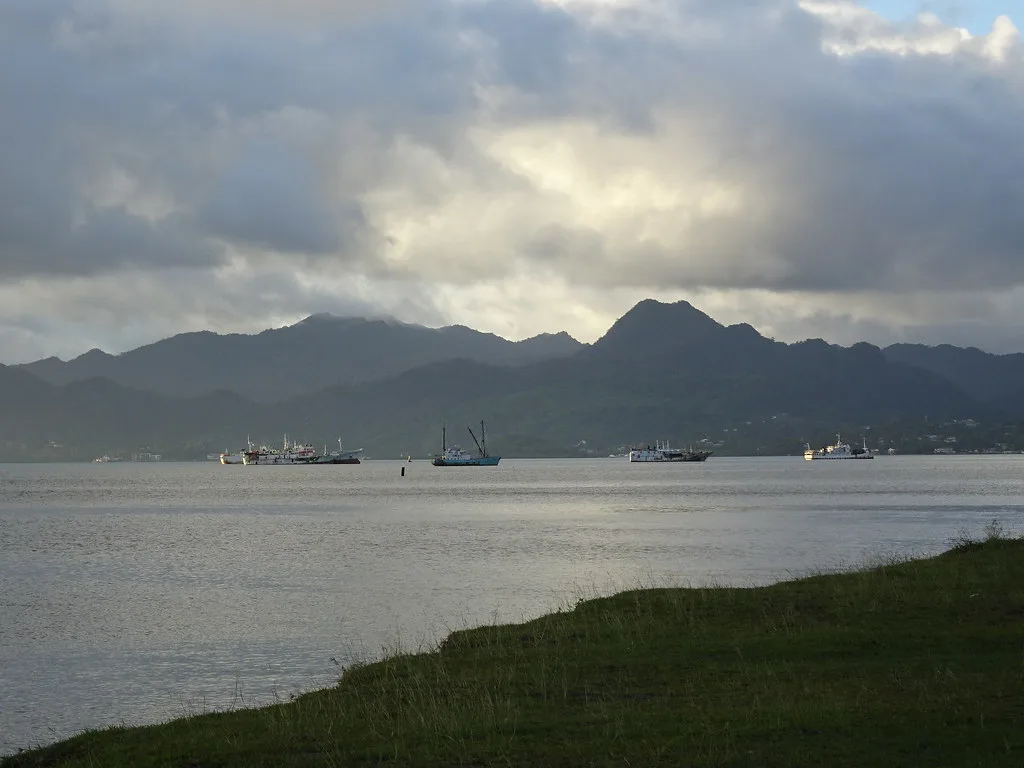
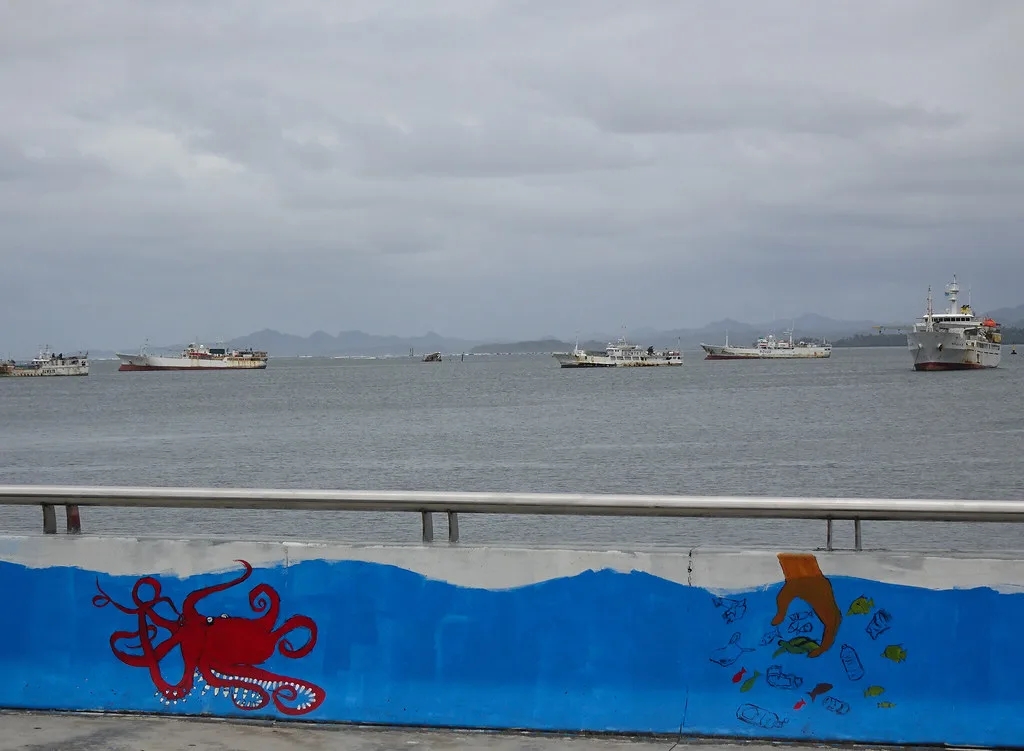
Kings Wharf is one of the most conveniently located cruise terminals in the South Pacific. Ships dock directly in the heart of downtown Suva, which means you can step off the gangway and immediately begin exploring the capital on foot. There is no need for shuttle buses or taxis to reach the city center. The wharf area has basic facilities and security, and the port is wheelchair accessible along the main thoroughfare. Mobility-limited passengers will find the flat terrain around the wharf and downtown area manageable, though some side streets have uneven surfaces. Currency exchange and ATMs are available within a five-minute walk.
- Terminal: Kings Wharf — downtown Suva, highly walkable location
- Distance to City Center: Already downtown; stalls and shops within a 5-10 minute walk
- Tender: No — ships dock at pier
- Currency: Fiji Dollar (FJD); ATMs downtown; credit cards widely accepted; USD/AUD/NZD exchanged at banks
- Language: English (official), Fijian, Hindi; English universally spoken
- Driving: Left side; organized tours recommended for rainforest parks
- Best Season: May through October (dry season); November through April wet season with tropical showers
- Atmosphere: Humid, tropical, urban; expect rain showers year-round
Getting Around
Suva is one of the easiest South Pacific ports for independent exploration on foot. The downtown core — stretching from Kings Wharf to Thurston Gardens — is flat, compact, and walkable within fifteen to twenty minutes. Most major sights, including the Municipal Produce Hall, Government Buildings, and the Fiji Museum, sit within this walkable zone. Sidewalks are generally in good condition along the main streets, though wheelchair users should note that some side streets have uneven paving or lack curb cuts. The main Victoria Parade boulevard is the most accessible route for those with mobility concerns.
For destinations beyond walking distance, taxis are plentiful and affordable. A ride from Kings Wharf to Colo-i-Suva Forest Park costs approximately $15 FJD one way (about $30 FJD round trip if you negotiate a wait). Always confirm the fare before departure or ensure the meter is running. Licensed taxis are safe and reliable — look for the yellow registration plates. Local buses operate throughout the city at very low cost (under $2 FJD per ride), but routes can be confusing for first-time visitors. For Colo-i-Suva, village visits, or the University of the South Pacific campus, taxis or organized tours provide the most practical transport. Car rental is available but generally unnecessary for a port day given the walkable downtown and cheap taxi fares.
Suva Area Map
Interactive map showing Kings Wharf cruise terminal, Suva Municipal Produce Hall, Fiji Museum, Thurston Gardens, Government Buildings, and Colo-i-Suva Forest Park. Click any marker for details.
Beaches
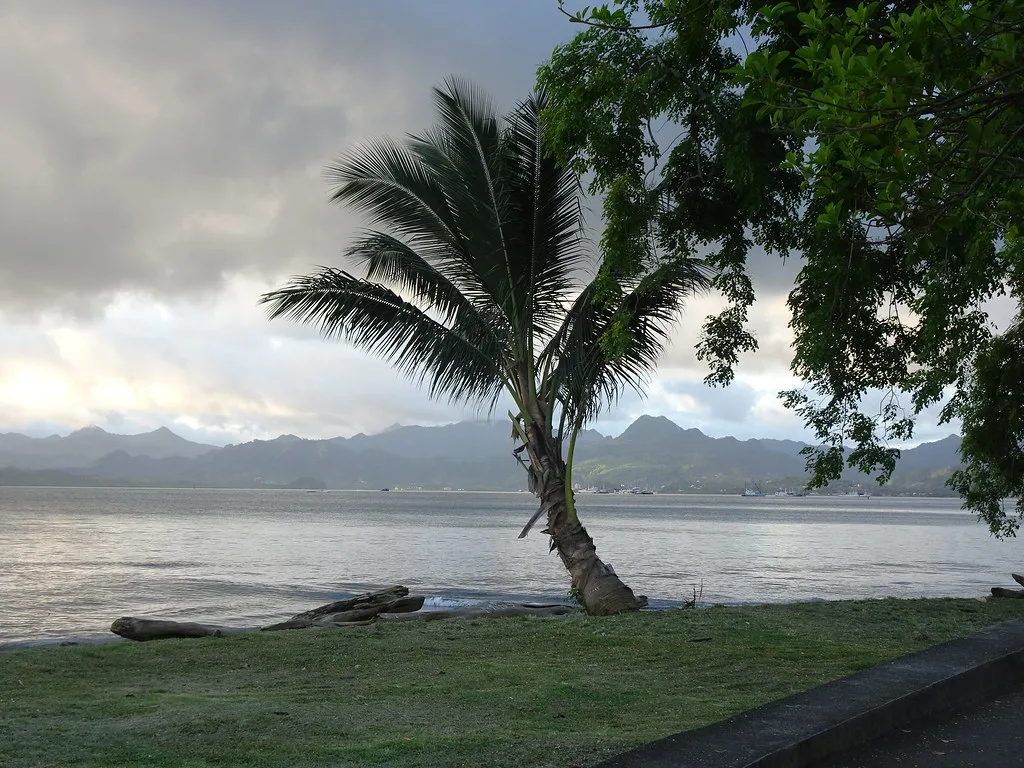
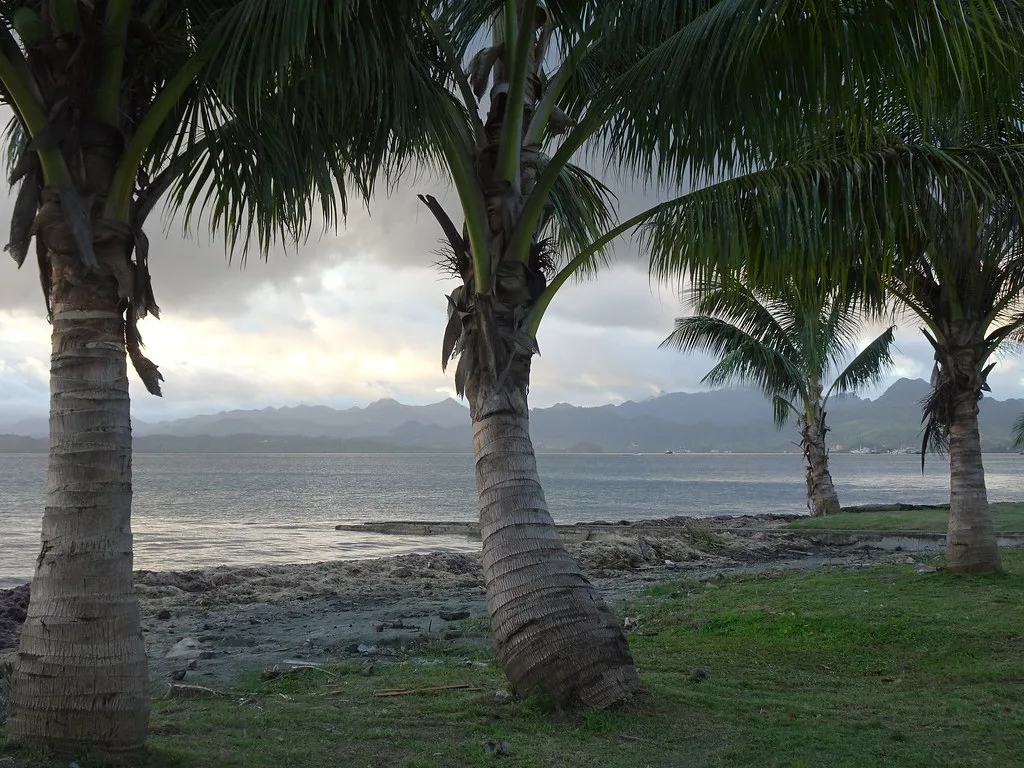
Suva is not a beach destination. The capital sits on the wet, southeastern coast of Viti Levu, and the nearby shoreline consists largely of mudflats and mangroves rather than resort-quality sand. However, the natural swimming pools at Colo-i-Suva Forest Park offer a refreshing alternative — cool, clear freshwater surrounded by rainforest, fed by small waterfalls. For genuine beach experiences, the Mamanuca and Yasawa Island groups on the western side of Fiji are where you will find the white sand and turquoise water of the postcards, but these are not accessible on a single port day from Suva. Enjoy Suva for what it does best: culture, history, and the energy of a real Pacific capital.
Excursions & Activities
How to spend your time — both ship excursion options and independent choices.
Fiji Museum at Thurston Gardens
Pacific history spanning 3,700 years — voyaging canoes, weapons, pottery, HMS Bounty artifacts, cannibal forks, and colonial-era exhibits. Beautiful botanical gardens surround the museum. A 15-minute walk from port. Entry fee approximately $10 FJD. Allow 1.5 to 2 hours. Air-conditioned galleries make this an excellent independent option accessible to all mobility levels. If you prefer a ship excursion, many lines include the museum as part of a guided city tour with guaranteed return to the ship.
Suva Municipal Produce Hall
The largest covered produce space in the South Pacific. Fresh tropical produce including taro, cassava, papaya, and breadfruit. Bundled kava roots, reef fish, handicrafts, spices, and local street food. An overwhelming sensory experience. Five-minute walk from port. Free entry. Go early for the busiest atmosphere. Cash only — bring small Fiji Dollar bills. Allow 1 to 2 hours. This is best done independently; no ship excursion needed. The flat interior is wheelchair accessible.
Colonial Architecture Walk
Government Buildings (1939), Grand Pacific Hotel (1914, restored 2014), Parliament House, Albert Park. British colonial legacy visible in white-painted facades and tropical gardens. Self-guided walk from port. Free. Allow 1 hour. Combine with downtown exploration. Low walking difficulty — flat terrain along Victoria Parade. An independent stroll at your own pace is recommended.
Colo-i-Suva Forest Park
Lush rainforest reserve 11 km from downtown — waterfalls, natural swimming holes, walking trails through tropical forest, birdwatching (honeyeaters, fantails, parrots). Taxi required, approximately $30 FJD round-trip. Trails range from 3 to 5 km. Bring swimsuit and water shoes. Allow 2 to 3 hours. Moderate walking required on uneven terrain. You can book ahead through a local operator or simply hire a taxi independently. This is a popular ship excursion destination with guaranteed return transport, though going independent saves roughly $40 FJD compared to the ship price.
Kava Ceremony Experience
A deeply meaningful Fijian welcome ritual — drink yaqona (kava) from a bilo (coconut shell), learn ceremonial etiquette (clapping, phrases), experience communal hospitality. Offered at cultural centers and village tours. You can book ahead through ship excursion packages or arrange independently through local cultural operators. Cost approximately $25 to $50 FJD per person. Authentic cultural immersion. Kava is mildly sedative and earthy-tasting. Accessible for most mobility levels as ceremonies are seated.
University of the South Pacific Campus
Regional university serving 12 Pacific island nations. Beautiful campus with Oceania Centre for Arts, Culture and Pacific Studies showcasing contemporary Pacific art. Ten-minute taxi ride from port, approximately $8 FJD. Free to walk grounds. Cultural exhibits sometimes open to public. An independent visit is easy and rewarding. Academic heart of the region.
History & Heritage
Suva became Fiji's capital in 1882, replacing Levuka on the island of Ovalau. The British colonial administration chose this site for its deep-water harbor and ample flat land. The city grew rapidly during the late 19th and early 20th centuries, attracting Indian indentured laborers brought to work the sugarcane fields, Chinese merchants, and European settlers. This confluence of cultures shaped Suva into the multi-ethnic capital it remains today. The Government Buildings, completed in 1939, stand as the most prominent architectural reminder of the colonial era. Fiji gained independence in 1970, and Suva has served as the seat of government through coups, constitutional changes, and the ongoing work of building a modern Pacific nation. The Fiji Museum preserves 3,700 years of indigenous history alongside these more recent chapters.
Cultural Experiences
Suva's cultural richness stems from its multi-ethnic population. Indigenous Fijian customs — especially the kava ceremony and meke dance performances — are the most visible expressions of Pacific heritage. Hindu temples dot the cityscape, and the Sri Siva Subramaniya Swami Temple is one of the most ornate in the Pacific. Christian churches of various denominations hold services with extraordinary choral singing. The Fiji Arts Council and the Oceania Centre at the University of the South Pacific showcase contemporary Pacific art, music, and literature. Visitors who engage with these layers discover a city that is far more culturally complex than any single narrative can capture.
Local Goods & Souvenirs
The best place to find local souvenirs is the handicraft section of the Municipal Produce Hall, where vendors sell carved wooden tanoa bowls, woven mats, tapa cloth, shell jewelry, and sulu (sarong) fabric. Prices are reasonable — carved items start around $15 FJD, and tapa cloth pieces range from $20 to $80 FJD depending on size. Downtown Suva also has several duty-free shops along Thomson Street and Victoria Parade selling electronics, perfume, and clothing at competitive prices. The MHCC shopping center and Tappoo City offer air-conditioned retail if you need a break from the heat. For authentic local purchases, stick to the produce hall vendors and the small craft stalls near the wharf.
Local Food & Drink
- Kokoda: Fijian ceviche — raw fish marinated in lime juice and coconut cream with onions, tomatoes, chilies; fresh, tangy, coconut-rich. Approximately $12 FJD at local restaurants.
- Lovo: Earth oven feast — meat, fish, taro, cassava wrapped in banana leaves and slow-cooked underground; offered at cultural tours
- Rourou: Taro leaves cooked in coconut cream — rich, earthy, comfort food
- Palusami: Taro leaves with coconut cream and onions, sometimes with corned beef, baked in banana leaves — Pacific soul food
- Indo-Fijian Cuisine: Roti, curry, dhal — Indo-Fijian families brought rich culinary heritage; excellent curries widely available. A full roti wrap lunch costs about $5 FJD.
- Cassava Chips: Fried root vegetable chips — crunchy, starchy, addictive snack
- Kava (Yaqona): The national drink from pounded roots mixed with water — mildly sedative, earthy taste, numbing effect; ceremonial and social
- Fiji Bitter: Local lager — crisp, refreshing in tropical heat. About $5 FJD per bottle.
- Fresh Coconut: Vendors sell young coconuts (bu) for drinking — hydrating, slightly sweet. Around $2 FJD each.
Depth Soundings Ashore
- Embrace "Fiji time" — pace is slower, service relaxed; rushing is counterproductive; go with the flow
- Greet everyone with "Bula!" (hello) — Fijians are famously friendly; reciprocate warmth
- The Municipal Produce Hall is best visited in the morning when produce is freshest and vendors most active; afternoons are quieter
- Bring small bills in Fiji Dollars for produce hall purchases and taxis — vendors cannot always make change for large notes
- Dress modestly when visiting villages or cultural sites — shoulders and knees covered; respect local customs
- Remove shoes before entering Fijian homes or temples — this is standard etiquette throughout the islands
- Kava ceremonies require participation etiquette — clap once before drinking, say "Bula," clap three times after; guides will instruct
- Rain is likely even in the dry season — bring a light rain jacket or compact umbrella
- Photography is courteous at public spaces, but always ask permission before photographing people at close range
- Sunscreen and insect repellent are essential for Colo-i-Suva Forest Park outings
- The Fiji Museum is small but rich in content — budget time to read the exhibits carefully; well worth the $10 FJD entry fee
- Currency exchange is available at banks downtown; ATMs are reliable; credit cards are accepted at most established shops and restaurants
Photo Gallery
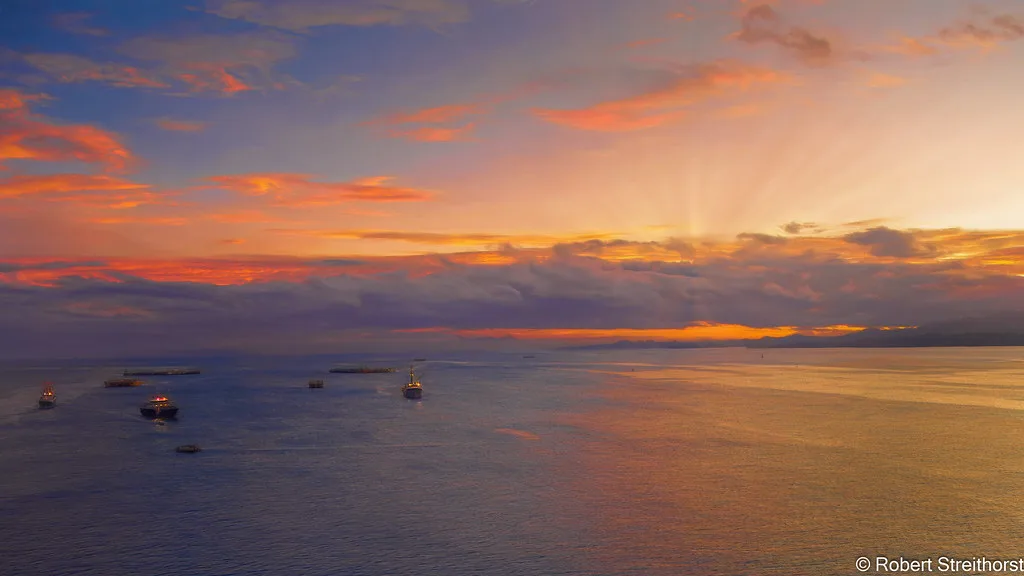
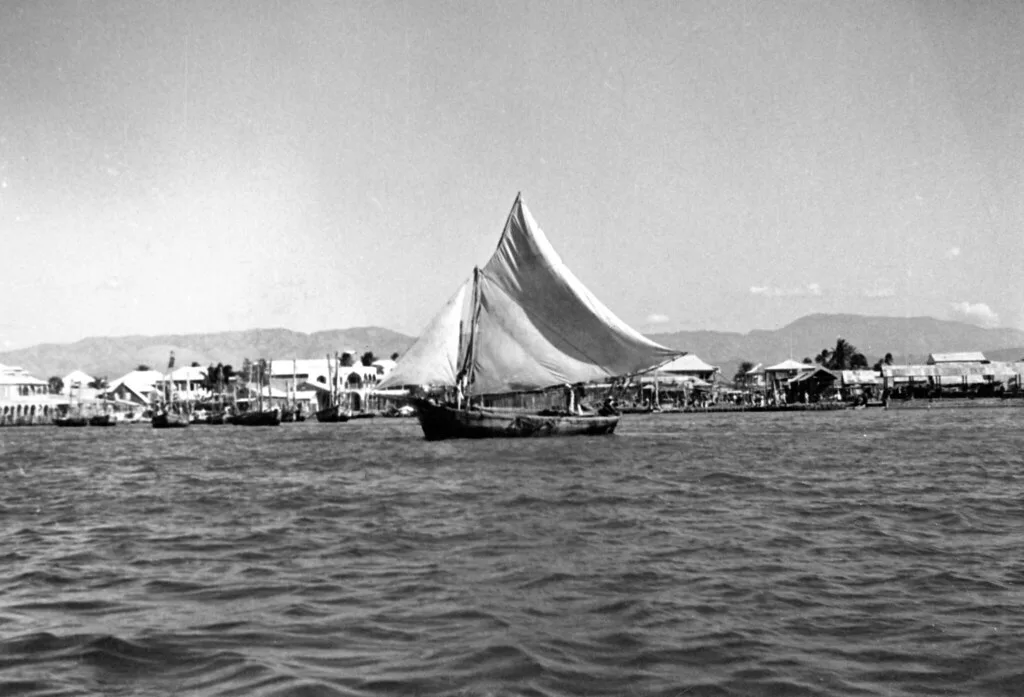
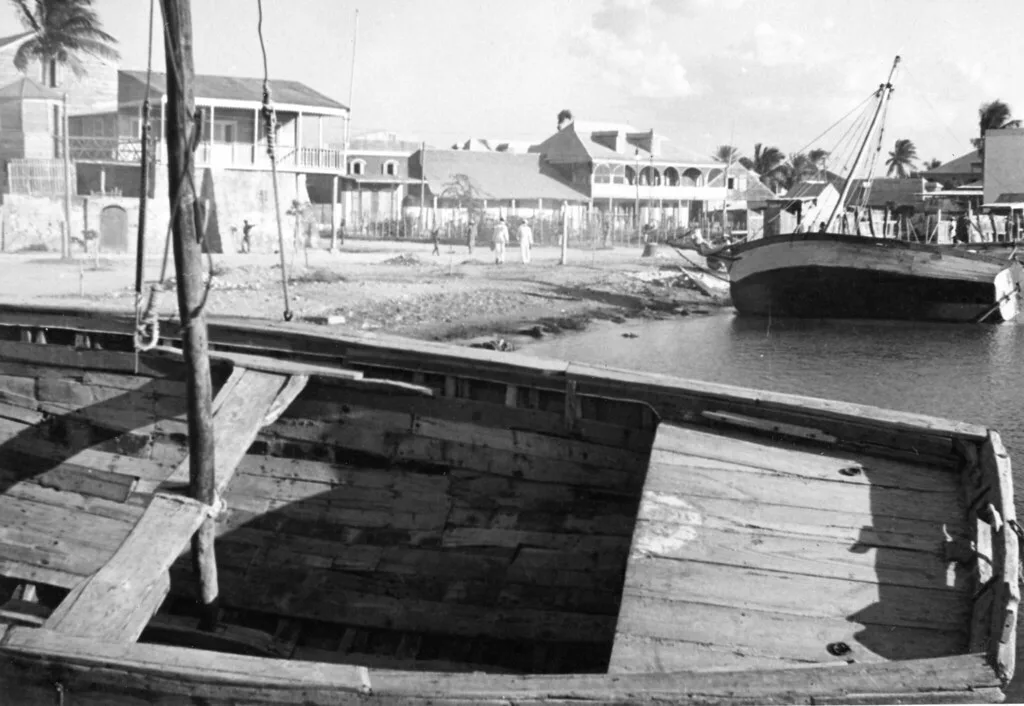
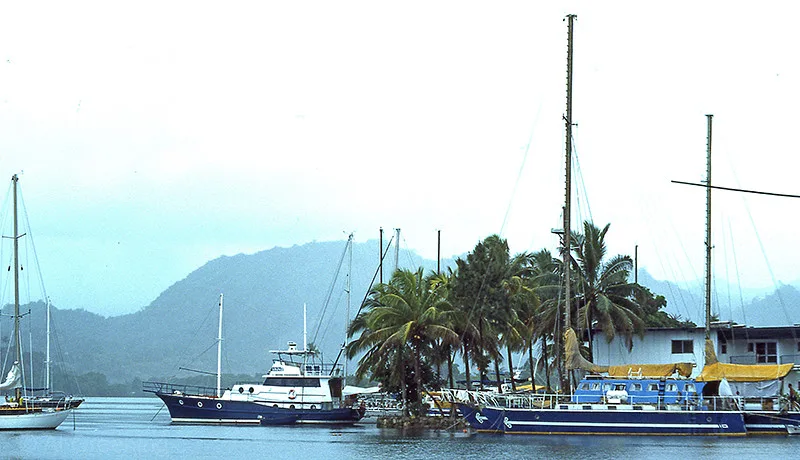
Frequently Asked Questions
Q: Where do cruise ships dock in Suva?
Ships dock at Kings Wharf in downtown Suva, within easy walking distance of the city center. The location is exceptionally convenient — you can walk to the Municipal Produce Hall, Government Buildings, Thurston Gardens, and Fiji Museum within fifteen to twenty minutes on foot. No shuttle or taxi needed for downtown sights. The pier is accessible for wheelchair users along the main path.
Q: Is Suva good for beaches?
No. Suva is not a beach destination. The capital sits on the wet southeastern coast, and nearby shoreline is mostly mudflats. For resort-style white sand, visit the Mamanuca or Yasawa Islands on Fiji's western side. Suva offers culture, history, a world-class produce hall, and rainforest — not beach lounging.
Q: What is kava, and should I try it?
Kava (yaqona) is a drink made from ground roots mixed with water. It is mildly sedative, numbs the mouth slightly, and tastes earthy. It is culturally significant throughout Fiji and safe to try. The effects are mild and temporary. The ceremonial experience of sharing kava in a group is valuable and memorable.
Q: How long should I spend at the Fiji Museum?
Allow 1.5 to 2 hours to see exhibits properly. The museum is small but densely packed with fascinating artifacts and history spanning 3,700 years. Thurston Gardens surrounding it add another 30 minutes of pleasant strolling. Entry fee is approximately $10 FJD.
Q: Is Suva safe for cruise visitors?
Yes, generally safe during the day in tourist areas. Stick to downtown, the produce hall, and established visitor sites. Avoid walking alone at night in unfamiliar areas. Use licensed taxis with yellow plates. Standard travel precautions apply — keep valuables secure and stay aware of your surroundings.
Q: What currency do I need?
The Fiji Dollar (FJD) is the official currency. ATMs are plentiful downtown and accept international cards. Some tourist shops accept USD, but you will get better value using Fiji Dollars. Credit cards are accepted at most established restaurants and shops. Bring small FJD bills for produce hall and taxi fares.
Q: What's the best time of year to visit Suva on a cruise?
Typical temperature range is 67-86°F year-round tropical; rain/humidity pattern: Wet year-round; wetter Nov-Apr; humidity High year-round; very wet; wind Trade winds; sheltered harbor. Peak cruise months: May, Jun, Jul, Aug, Sep, Oct Transitional: Apr, Nov Low season: Dec, Jan, Feb, Mar Months often better avoided if you can choose: Jan, Feb, Mar Align your itinerary with the activities you care about most.
Q: Does Suva have a hurricane or storm season?
Suva sits in a hurricane/tropical storm risk region. Season: Nov – Apr (South Pacific cyclone season). Peak risk months: Jan, Feb, Mar. Cruise lines monitor conditions and may adjust itineraries; travel insurance is wise in peak storm months.
Q: What should I pack for Suva's weather?
For Suva, prioritize layers for 67-86°F year-round tropical conditions and be ready for Wet year-round; wetter Nov-Apr. Seasonal packing nudges: Rain gear essential — Suva is very wet; Light breathable clothing; Comfortable walking shoes; Modest clothing for cultural sites; Umbrella. Waterproof outer shell, comfortable walking shoes, sun protection, and a small dry-bag for tender reboarding are usually wise.
Q: Will rain ruin my Suva port day?
Brief rain is common enough around Suva that a flexible port-day plan beats canceling everything. Local gotchas: Suva is the wettest capital in the South Pacific; The municipal market is vibrant and authentic; Fiji Museum has excellent Pacific cultural exhibits. Have one indoor or covered option, keep electronics dry, and remember many outdoor sights stay worthwhile in a light shower.
Suva: The Soul of the South Pacific
Image Credits
- Hero and harbor images: Wikimedia Commons (CC BY-SA)
- Nature and forest images: Pixabay (Pixabay License)
- Cultural and city images: Unsplash (Unsplash License)
Key Facts
- Country
- Fiji
- Region
- South Pacific
- Currency
- Fiji Dollar (FJD); ATMs downtown; credit cards widely accepted; USD/AUD/NZD exchanged at banks
- Language
- English (official), Fijian, Hindi; English universally spoken