


Lyttelton: Where Pilgrims, Polar Heroes, and Resilience Meet the Sea
My Visit to Lyttelton
I stood at the rail as our ship eased into Lyttelton Harbor on a bright December morning, and the first thing that struck me was the stillness. Not total silence — the harbor cranes groaned softly, and somewhere a gull cried against the wind — but a hush I had not expected from a working port. The volcanic crater rim of the Port Hills rose around us like cupped hands, green and golden in the summer light, and beyond them I could see the Canterbury Plains stretching flat toward the distant white line of the Southern Alps. My wife came up beside me and we watched together as the harbor town revealed itself: a scattering of painted wooden buildings along the waterfront, a church spire catching the sun, fishing boats rocking at their moorings. "It looks like the world forgot about it," she said softly. But she was wrong. The world had not forgotten Lyttelton — the world had tried to shake it apart, and this small town had refused to let go.

We walked down the gangway and into the morning air. The scent of salt and cut grass and something floral drifted around us — later I learned it was kowhai blossom, the golden native flower that drapes across fences throughout the harbor town in spring and early summer. The cruise berth, opened in 2020, was clean and modern, but what drew my eye was the hillside beyond it: old stone walls patched with fresh timber, gaps where buildings had once stood, and bright new structures rising among the survivors. This was a town that had been through the February 2011 earthquake — the same one that killed 185 people in Christchurch — and every street told a story of loss and rebuilding. I felt it in my chest before I understood it with my mind.
We caught the shuttle through the Lyttelton Tunnel to Christchurch, a 15-minute ride that cost about NZ$10 per person. The tunnel is a curious experience — drilled through volcanic rock beneath the Port Hills, connecting the harbor to the city like an umbilical cord. When we emerged on the other side, the Canterbury Plains opened before us, flat and enormous under a sky so wide it made me dizzy. Christchurch sprawled in the middle distance, and even from the bus window I could see the cranes still working on the rebuild, more than a decade after the quake.
Our first stop was the Canterbury Museum, which sits beside the Botanic Gardens at the edge of Hagley Park. Admission was free, and I had come specifically for the Antarctic gallery. I was not disappointed. The room was cool and dim, filled with the actual sledges, journals, clothing, and equipment used by Scott and Shackleton on their expeditions — expeditions that had provisioned and departed from Lyttelton, from the very harbor where our ship now sat. I stood before a glass case containing Robert Falcon Scott's farewell letters, written in the tent where he and his companions froze to death in March 1912 after reaching the South Pole only to discover that Amundsen had beaten them by five weeks. The letters were small, the handwriting steady despite everything. "We took risks, we knew we took them," he had written. "Things have come out against us, and therefore we have no cause for complaint."
I stood there for a long time. My wife had moved on to another exhibit, but I couldn't leave. Something shifted inside me reading those words — a recognition that courage is not the absence of fear but the willingness to press forward despite knowing the cost. These men had walked through Lyttelton's streets, breathed its salt air, looked up at the same Port Hills I had admired that morning. They had stood where I had stood, and then they had sailed south into the ice and never come home. I whispered a quiet prayer of gratitude for my own small life — for the warmth of the sun outside, for my wife waiting in the next room, for the gift of standing in a museum instead of a frozen tent. The silence in that gallery carried the weight of everything those men had endured, and I felt my breath catch in a way that surprised me.
After the museum we walked into the Botanic Gardens, and the contrast was almost too much. From that still, solemn gallery into twenty-one hectares of blazing color: heritage roses in full December bloom, massive trees planted by Victorian settlers, conservatories filled with orchids and tropical ferns. We spent two hours there, though it felt like twenty minutes. I sat on a bench beside the Avon River and watched a family punt past in a flat-bottomed boat, the pole man in his straw hat narrating the history of every bridge they passed beneath. The sound of the water, the warmth of the sun on my shoulders, the distant laughter of children — I felt something ease inside me that I had not realized was tight. Sometimes you do not know how much you needed beauty until it finds you.
We took a taxi to the Christchurch Gondola — about NZ$25 from the gardens — and rode the cable car to the summit of the Port Hills. The fare was NZ$39 per adult, and the views were worth every dollar. At the top, the entire Canterbury landscape unfolded: Lyttelton Harbor on one side, a volcanic crater filled with blue water; Christchurch and the plains on the other, stretching to mountains that seemed to go on forever. The wind was cold and fierce up there, the kind that makes you lean into it and laugh. I could see our ship far below in the harbor, small as a toy. However grand the views from the ship's deck had seemed that morning, they were nothing compared to this — the full sweep of the landscape, from ocean to Alps, laid out before us like a gift.
Back in Lyttelton that afternoon, we explored the harbor town on foot. London Street, the main thoroughfare, had been devastated by the earthquake but was now lined with rebuilt cafes, galleries, and craft shops. We ducked into a small cafe for a flat white — the cost was about NZ$6, and the quality rivaled any specialty coffee shop I have visited anywhere in the world. The barista told us about the Farmers Market that runs every Saturday morning on London Street. "It saved us," she said simply. "After the quake, the market was the first thing we brought back. People needed a reason to come together." I tasted the lemon cake she recommended — tart and sweet on my tongue, dusted with powdered sugar that caught the afternoon light — and I thought about what it means to rebuild not just buildings but community.
Looking back, I realize what Lyttelton taught me. It is not the size of a place that determines its significance — this small harbor town sent expeditions to the ends of the earth and rebuilt itself from rubble with bare hands and stubborn hope. What I learned standing in that Antarctic gallery, and again sitting in that rebuilt cafe on London Street, is that courage and resilience are not grand abstractions. They are personal. They are the woman who reopened her market stall two weeks after the earthquake. They are Scott writing farewell letters in a frozen tent, thinking of his wife and son. They are the quiet decision to begin again when everything you have built has fallen. I sailed from Lyttelton that evening feeling something I can only describe as humbled — by the beauty of the gardens, by the scale of the mountains, by the determined grace of a town that refused to be broken. My wife reached for my hand as the harbor shrank behind us, and I held it tightly, grateful for everything we had been given that day.
Featured Images
The Cruise Port
What you need to know before you dock.
- Terminal: Purpose-built Cruise Berth (opened 2020) with modern facilities including shuttle services, tourist information, and accessible pathways. The terminal is wheelchair accessible with ramps and level boarding areas for guests with mobility needs. Large ships dock directly at the berth with no tender required.
- Distance to Christchurch: 12 km (7.5 miles) / 15-20 min through the Lyttelton Road Tunnel. Shuttle fare is about NZ$10 per person each way; taxis cost approximately NZ$35-40.
- Tender: No — ships dock directly at the berth
- Currency: New Zealand Dollar (NZD); credit cards widely accepted everywhere
- Language: English (with distinctive Kiwi accent and vocabulary)
- Driving: Left side (as in UK and Australia)
- Best Season: November-March (summer); clear skies ideal for Southern Alps views
- Time Zone: New Zealand Standard Time (NZST), UTC+12
Getting Around
Transportation tips for cruise visitors.
- Walking: Lyttelton village is compact and easily walkable from the cruise berth. London Street, the main thoroughfare with cafes, galleries, and shops, is a flat 5-minute walk from the terminal. The waterfront promenade is accessible for wheelchair users with smooth paving. However, streets climbing into the hills above town are steep — stick to the harbor level if mobility is a concern.
- Shuttle Bus: Regular shuttle services run from the cruise berth through the Lyttelton Tunnel to Christchurch city center. The fare is typically NZ$10 per person each way, and the journey takes about 15-20 minutes. This is the most practical and cost-effective way to reach Christchurch attractions including the Botanic Gardens, Canterbury Museum, and Cardboard Cathedral.
- Taxis: Available at the cruise terminal. Metered and reliable. A one-way taxi to Christchurch city center costs approximately NZ$35-40. Taxis to the Gondola base station cost about NZ$25. For day trips to Akaroa on Banks Peninsula, expect to pay NZ$200-250 return — consider sharing with other passengers to reduce the cost.
- Christchurch Gondola: Cable car from Heathcote Valley to the summit of the Port Hills. Fare is NZ$39 per adult return. Spectacular 360-degree views of Lyttelton Harbor, Christchurch, Canterbury Plains, and the Southern Alps. About 10-15 minutes by taxi from the cruise berth to the base station.
- City Buses: Christchurch public buses are efficient and affordable at NZ$2-4 per ride. The Purple Line connects key central attractions. Pay with a Metrocard or contactless payment. Useful for reaching the International Antarctic Centre near the airport.
- Organized Tours: Both ship excursions and independent operators offer half-day and full-day tours. Popular options include Christchurch city highlights (NZ$50-80), Akaroa day trips (NZ$120-180), and TranzAlpine Railway experiences. Book ahead during peak season for the most popular routes.
Lyttelton & Christchurch Area Map
Interactive map showing cruise terminal, Christchurch attractions, Port Hills viewpoints, and key historical sites. Click any marker for details and directions.
Excursions & Activities
How to spend your time ashore. For popular excursions like Akaroa day trips and the Gondola, book ahead during peak season to secure your spot. Many visitors choose to explore independent of the ship excursion options for flexibility and cost savings, though a ship excursion offers guaranteed return to the vessel before departure.
Canterbury Museum & Antarctic Heritage
World-class Antarctic collection documenting Scott's and Shackleton's expeditions that provisioned and departed from Lyttelton. Original artifacts include sledges, journals, personal clothing, and expedition equipment. The gallery also covers modern Antarctic research operations from nearby Scott Base. Free admission. Adjacent to the Botanic Gardens in Hagley Park for an easy combined visit. Allow 2-3 hours for both attractions. The museum is fully accessible with wheelchair-friendly ground-floor galleries and level entrances.
Christchurch Botanic Gardens
Stunning 21-hectare gardens in Hagley Park featuring heritage rose gardens, native plant collections, conservatories with orchids and tropical ferns, and the meandering Avon River. Punting on the Avon costs about NZ$30 per adult for a 30-minute guided ride. Free garden entry year-round. Allow 2-3 hours minimum for a proper visit. Accessible pathways throughout make this comfortable for all visitors. One of the finest botanical collections in the Southern Hemisphere.
Christchurch Gondola & Port Hills
Cable car from Heathcote Valley to the summit of the Port Hills for breathtaking 360-degree views of the harbor, city, Canterbury Plains, and Southern Alps. Cost is NZ$39 per adult return. At the summit you will find walking trails of varying difficulty, the Time Tunnel historical exhibit, and a restaurant with panoramic views. On clear days, the vistas extend from the Pacific Ocean to mountains over 150 km away. Allow 2-3 hours including transport from the port. Taxi fare to the base station is about NZ$25.
Akaroa & Banks Peninsula Day Trip
The French colonial village of Akaroa sits 90 minutes from Lyttelton on the volcanic Banks Peninsula. Swim with Hector's dolphins — the world's smallest and rarest marine dolphin — for about NZ$170 per person. Explore the village with its French street names and colonial architecture, sample local cheese and lavender products at artisan shops. Book ahead for dolphin encounters as they fill quickly in peak season. This is a full-day excursion best suited to longer port calls of 8+ hours. Independent tour operators charge about NZ$120-180 per person including transport.
Transitional Cathedral (Cardboard Cathedral)
Innovative temporary cathedral designed by Japanese architect Shigeru Ban using cardboard tubes after the 2011 earthquake destroyed the original ChristChurch Cathedral. An architectural marvel and powerful symbol of the city's resilience and renewal. Free entry. Located in the city center, walkable from Cathedral Square. Allow 30-45 minutes to appreciate the design and read about the recovery story.
International Antarctic Centre
Interactive museum near Christchurch Airport featuring an Antarctic storm simulation chamber where temperatures drop to -18C with wind chill, a little blue penguin encounter, Hagglund all-terrain vehicle ride, and exhibits about modern Antarctic research operations run from Christchurch. Cost is about NZ$59 per adult. Family-friendly with activities for all ages. About 20 minutes from the cruise berth by taxi at a fare of approximately NZ$45 each way. Allow 2-3 hours for a full visit.
Lyttelton Village & Farmers Market
The artistic harbor town of Lyttelton is walkable from the cruise berth and rewards unhurried exploration. London Street is lined with rebuilt cafes, galleries, and independent craft shops. If your port day falls on a Saturday, the Lyttelton Farmers Market (London Street, 10am-1pm) offers outstanding local produce, artisan foods, excellent flat white coffee at about NZ$5-6 per cup, and live music. The market became a powerful symbol of community resilience after the earthquake and remains the social heart of the harbor town.
Depth Soundings Ashore
Lessons learned the hard way.
- Tunnel Timing: The shuttle through the Lyttelton Tunnel to Christchurch takes 15-20 minutes each way at a cost of about NZ$10 per person. Plan your return carefully — allow at least 45 minutes before all-aboard to account for traffic and queues. Missing the ship from here would mean an expensive taxi chase.
- Four Seasons in One Day: Canterbury weather is notoriously changeable. Bright sunshine can give way to cold wind and rain within the hour. Bring layers and a light jacket even on warm summer days. The Port Hills summit is always cooler and windier than the harbor level below.
- Gondola Strategy: Take a taxi to the Gondola base station (about NZ$25 fare) rather than trying to walk — the road is steep and has no pedestrian path. At the summit, the Time Tunnel exhibit provides good historical context, and the views are extraordinary on clear days. Total cost is about NZ$65 per person including taxi and gondola fare.
- Akaroa Requires Planning: The drive to Akaroa is 90 minutes each way along winding volcanic peninsula roads. Only attempt this excursion on port days with 8+ hours ashore. Dolphin swim tours (about NZ$170 per person) must be booked well in advance during peak season.
- Earthquake Heritage: Christchurch is still rebuilding more than a decade after 2011. Some areas remain fenced off or under construction. The gap sites and cranes are part of the story, not a disappointment — the Cardboard Cathedral and innovative container architecture are worth visiting precisely because they embody the city's refusal to be defeated.
- UV Warning: New Zealand has some of the highest UV levels in the world due to the thin ozone layer overhead. Sunburn can happen in as little as 10 minutes during summer. Apply SPF 50+ sunscreen even on overcast days — the UV penetrates cloud cover here.
Photo Collection
Photo Gallery
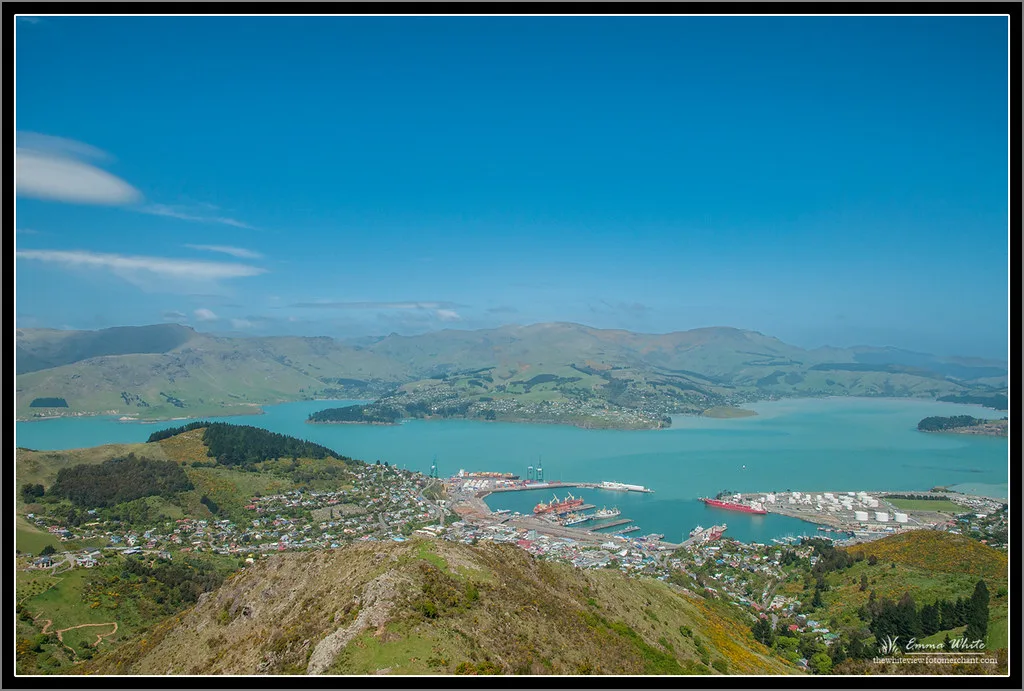
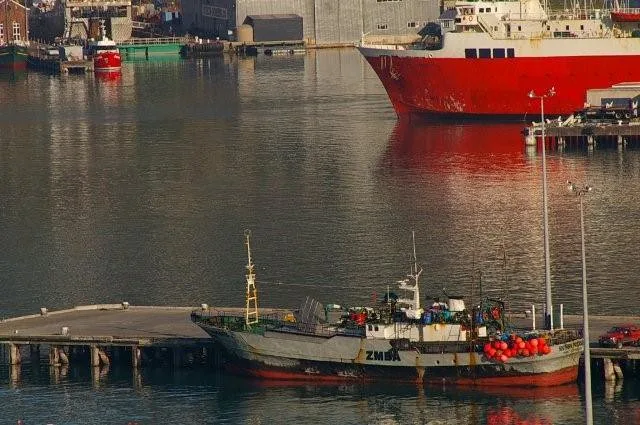

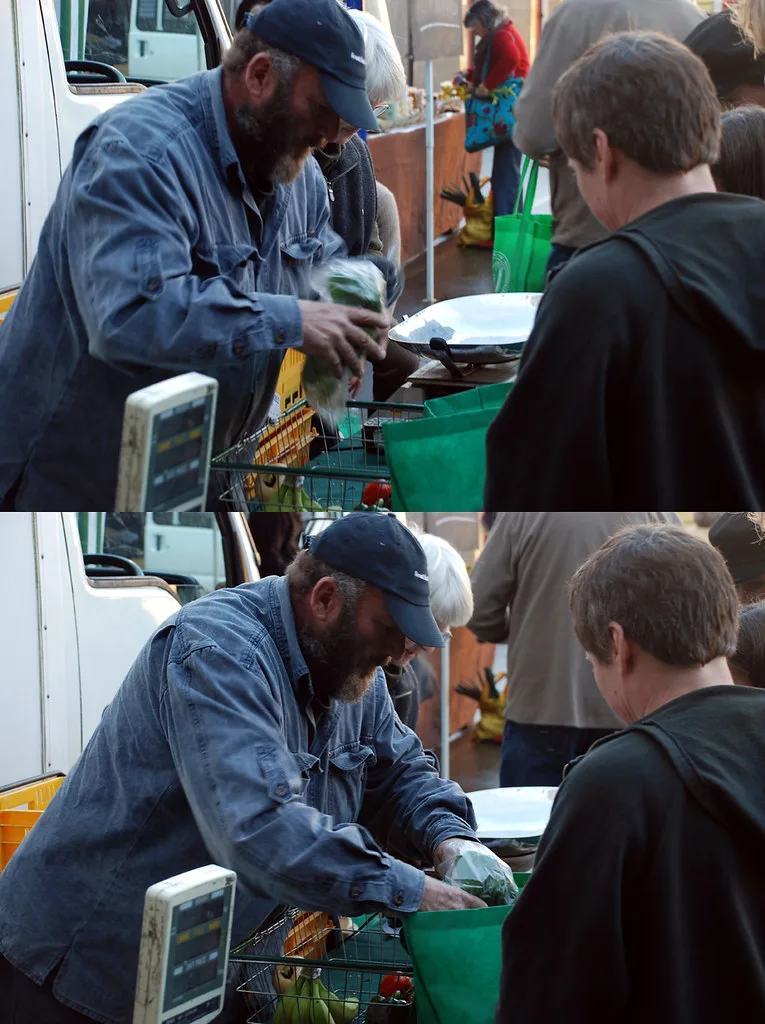
Image Credits
- Hero image: Wikimedia Commons (CC BY-SA)
- Harbor, museum, gardens, village, gondola, cathedral, Banks Peninsula: Wikimedia Commons (CC BY-SA)
Frequently Asked Questions
Q: Where do cruise ships dock in Lyttelton?
A: Ships dock at the purpose-built Cruise Berth opened in 2020, which can accommodate large modern cruise vessels. The terminal offers shuttle services to Christchurch city center, about 15-20 minutes away through the Lyttelton Road Tunnel. The berth area is accessible for wheelchair users with level pathways from the terminal into the village.
Q: How far is Christchurch from Lyttelton port?
A: Christchurch city center is approximately 12 kilometers (7.5 miles) from Lyttelton, about 15-20 minutes by shuttle or taxi through the Lyttelton Road Tunnel. Shuttle fare is about NZ$10 per person; taxis cost approximately NZ$35-40 one way.
Q: Can I explore Lyttelton on foot?
A: Yes. The harbor town is compact and walkable, with cafes, shops, galleries, and the waterfront all within easy walking distance of the cruise terminal. London Street runs parallel to the waterfront and can be explored comfortably in an hour or two.
Q: What are the top attractions in Christchurch?
A: Top attractions include the Canterbury Museum with its world-class Antarctic exhibits (free admission), the Botanic Gardens (21 hectares, free entry), the Cardboard Cathedral (free), punting on the Avon River (about NZ$30 per adult), and the Christchurch Gondola for panoramic Port Hills views (NZ$39 return).
Q: Is Lyttelton suitable for visitors with limited mobility?
A: The cruise berth and Lyttelton waterfront area are accessible with smooth, level pathways. The shuttle to Christchurch is practical for avoiding steep walks. Canterbury Museum and the Botanic Gardens have accessible ground-floor galleries and pathways. The Gondola can accommodate wheelchair users with advance notice. However, Lyttelton's hill streets above the harbor are steep and less suitable for those with mobility challenges.
Q: What should I pack for a port day in Lyttelton?
A: Layers are essential — Canterbury weather is highly variable and can change within the hour. Sunscreen (SPF 50+) is critical as New Zealand has intense UV levels due to the thin ozone layer. Comfortable walking shoes, a light rain jacket, and a camera are recommended. In summer (December-February), temperatures range from 15-25C but can feel cooler in the wind at altitude.
Q: Can I visit Akaroa as a day trip from the port?
A: Yes, but only if your port day allows 8+ hours ashore. Akaroa is 90 minutes each way from Lyttelton along winding volcanic peninsula roads. Dolphin swim tours (about NZ$170 per person) and village exploration require at least 3-4 hours in Akaroa itself. Book ahead and plan carefully to ensure you return to the ship well before departure.
Q: When is the best time to visit Lyttelton and Christchurch?
A: The seasonal panel above marks Oct-Mar as the active activity window (Hiking, City Walking, Wildlife all aligned). November-February is the warmest, with December-January being peak Southern-Hemisphere summer. The Low Crowds months May-Jul fall in Canterbury winter — cooler, drier than expected, with fresh snow on the Port Hills and Southern Alps visible from town. The live weather widget in the seasonal panel above is the primary source for short-term conditions on a specific sailing date.
Q: When is hurricane and storm season in Lyttelton?
A: Lyttelton sits at ~43°S on NZ's South Island east coast — outside the South Pacific cyclone basin (Lyttelton is well south of the cyclone tracks that affect tauranga or bay-of-islands). The relevant heavy-weather pattern is winter cold fronts off the Southern Ocean (Jun-Aug) bringing strong southerlies and rain, plus the year-round nor'wester (a warm dry wind that can hit gale force over the Canterbury Plains). The Banks Peninsula's volcanic harbor offers good shelter for the cruise berth, but tender ports along the same coast can be exposed. The live weather widget in the seasonal panel above is the primary source for current conditions on a specific sailing date.
Q: Will rain ruin my Lyttelton port day?
A: Canterbury weather is famously variable — the page's own packing FAQ above warns it "can change within the hour." Light rain rarely shuts down the day. The Canterbury Museum, Christchurch Botanic Gardens glasshouses, the Cardboard Cathedral, Quake City, and the Christchurch Art Gallery are all substantially indoor refuges 15-20 minutes away through the Lyttelton Road Tunnel. The Lyttelton waterfront and London Street cafés stay open in any weather. Akaroa day trips are more weather-sensitive — the winding peninsula road becomes uncomfortable in heavy rain. The live weather widget in the seasonal panel above is the primary source for short-term forecasts on a specific sailing date.
Author's Note: Until I have sailed this port myself, these notes are soundings in another's wake — helpful for planning, and marked for revision once I've logged my own steps ashore.
Key Facts
- Country
- New Zealand
- Region
- Antarctic
- Currency
- New Zealand Dollar (NZD); credit cards widely accepted everywhere
- Language
- English (with distinctive Kiwi accent and vocabulary)