


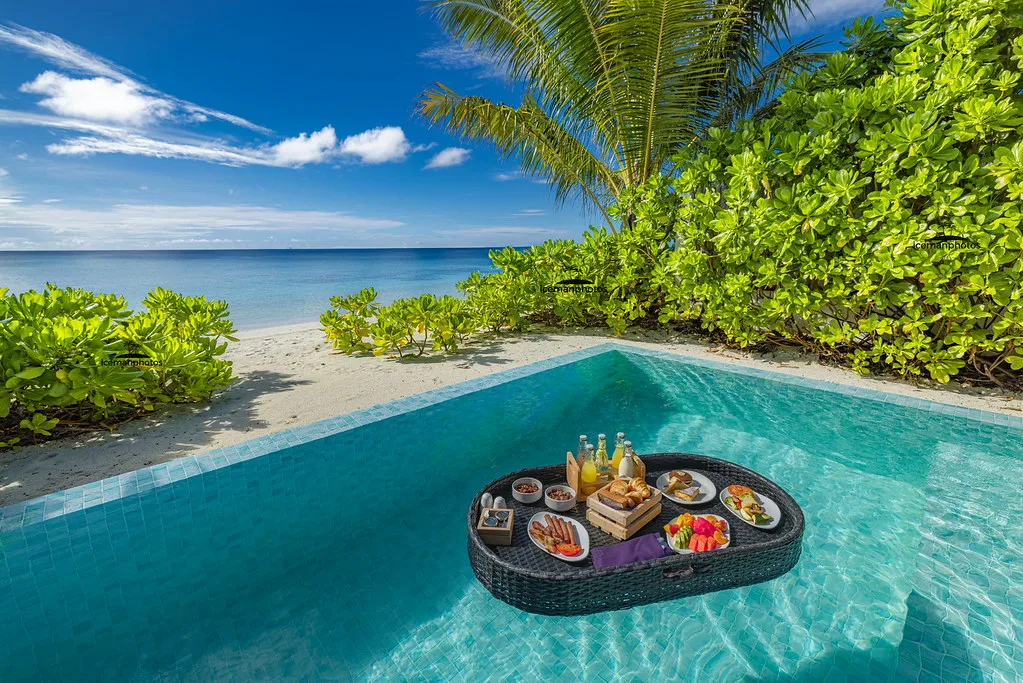
My Visit to the Maldives
I watched the horizon for an hour before I finally saw it. Our ship had been cutting through open Indian Ocean since dawn, nothing but deep blue in every direction, when something shifted ahead — a thin green line, barely above the waterline, as though the sea itself was breathing. That was my first glimpse of the Maldives, and I felt my breath caught in wonder. Twelve hundred coral islands scattered across twenty-six atolls, and from our deck they looked impossibly fragile, like sand castles the next wave might erase.
We tendered ashore into Male, and the contrast hit me immediately. I had expected white sand and silence, but Male is one of the most densely populated cities on Earth — 200,000 people packed onto an island barely two kilometers long. Buildings in yellows, pinks, and blues rise shoulder-to-shoulder along narrow streets. Motorbikes weave past fruit stalls. Mosques call prayers five times daily. The air smelled of salt, diesel, and frying fish. However, even in the noise, I noticed something warm — people smiled at me. A shopkeeper waved me into his store just to show me how he carved a wooden dhoni boat. A taxi driver laughed when I butchered the Dhivehi word for "thank you." Despite the chaos, Male felt welcoming in a way I had not expected.
I walked to the Hukuru Miskiy — the Old Friday Mosque, built in 1658 from carved coral stone. My fingers traced the intricate Arabic calligraphy cut into the walls. The stone felt cool and rough even though the equatorial sun was fierce above. Centuries of salt air and monsoons have weathered these carvings, yet the detail remains astonishing. I stood in the quiet courtyard and listened to the wind rustle through the banyan trees that shade the ancient cemetery beside it, and I thought about the faith of people who built something this beautiful from the reef beneath their feet.
But the moment that changed me happened later that day. We had booked a snorkeling excursion to South Ari Atoll — a two-hour speedboat ride across water so blue it looked unreal. Our guide whispered that whale sharks had been spotted that morning. My heart leapt. I slipped into the warm ocean — the water was 85 degrees, warm as a bath, and I could see clearly for over a hundred feet in every direction. Then I saw it: a shadow moving beneath me, twenty feet of gentle, spotted enormity gliding with the unhurried grace of something ancient.
I floated beside the whale shark for what felt like an eternity but was probably only three minutes. The ocean was silent except for my own breathing. I watched this creature — an animal that has been perfecting its design for sixty million years — filter plankton with its vast mouth, utterly indifferent to my presence. Something shifted inside me. My eyes watered behind my mask. I finally understood that the Maldives is not about the islands, not about the resorts or the white sand. It is about what lives between them — the quiet, ancient, magnificent life beneath the surface. I whispered a prayer of gratitude right there in the water, thankful for the gift of sharing space with something so much older and wiser than myself.Back in Male that evening, I visited the fish vendors along the waterfront. The morning catch was long gone, but I watched fishermen preparing their nets for the next day, the harbour tinged gold by the setting sun. I tasted garudhiya — a clear tuna broth served with rice, lime, and chili — at a tiny cafe where the owner insisted I try his mother's recipe. The flavor was clean, salty, honest — like the ocean distilled into a bowl. I savored every drop while the call to prayer echoed across the rooftops.
I also spent a quiet morning at Hulhumale Artificial Beach — a man-made island connected to Male by bridge. The sand was white, the water calm, and I had the beach nearly to myself. I sat under a palm tree, felt the warm breeze on my skin, heard the gentle lapping of waves, and watched a family teaching their toddler to splash in the shallows. It was simple, peaceful, and restorative. Although the Maldives is famous for luxury resorts costing $500 or more per night, this public beach cost me nothing, yet it gave me just as much joy.
The National Museum in Sultan Park offered an air-conditioned refuge during the hottest part of the afternoon. Entry was about $7, and I spent an hour studying pre-Islamic coral stone sculptures, royal lacquerware, and maritime artifacts that told the story of an island nation shaped entirely by the sea. I gazed at a six-hundred-year-old wooden throne and marveled at how these islands, barely rising above the waves, have sheltered civilizations for millennia.
Looking back, what the Maldives taught me was humility. I came expecting paradise — blue water, white sand, the postcard version. I found all of that, yet what stays with me is not the beauty but the fragility. These islands rise only a few feet above the ocean. The coral that built the mosques also built the reefs that protect the shores. The whale sharks that enchanted me depend on ecosystems that are under threat. What matters is not simply seeing a place this beautiful, but understanding the stewardship it demands — the responsibility we carry once we have witnessed something worth saving. I learned that gratitude is not just a feeling; it is a call to care for what we have been given.
Featured Images
The Cruise Port
What you need to know before you dock.
- Terminal: Male Port is the main cruise gateway to the Maldives. Most ships anchor offshore and passengers tender ashore to a landing area within easy walking distance of downtown Male. The tender ride typically costs nothing and takes about ten minutes.
- Distance to City Center: Downtown Male is a short walk from the tender landing. All main attractions are accessible on foot within a compact, flat island that takes only twenty minutes to cross.
- Tender: Yes — most cruise ships tender to Male. The ride is brief and scenic. Wheelchair accessible tenders are typically available; confirm with your cruise line in advance.
- Currency: Maldivian Rufiyaa (MVR); US Dollar widely accepted at most shops and tours. ATMs available in Male. Typical taxi fare is $2-3 across the city.
- Language: Dhivehi (English widely spoken in tourist areas and Male)
- Driving: Left side (British style); limited need for vehicles in compact Male
- Mobility: Male is mostly flat, making it accessible for visitors with mobility concerns, though sidewalks can be narrow and uneven in some areas
- Best Season: November to April (dry season) — calmest seas, best diving visibility at a cost of $80-150 per dive, ideal conditions for water activities
Getting Around
Male is one of the smallest and most compact capital cities in the world. Most visitors can walk the entire island in twenty to thirty minutes, making it exceptionally manageable for a port day. The tender landing is centrally located and you will find virtually every attraction within a ten-minute walk.
- Walking: By far the best way to see Male. The city is flat with no hills to climb. Sidewalks are adequate though occasionally narrow. Wear comfortable shoes and carry water — the equatorial sun is strong. Most cruise port attractions are within a ten-minute walk from the landing. Walking difficulty is low for most visitors.
- Taxis: Available but often unnecessary given how small Male is. Metered fare is typically 30-50 MVR, which works out to about $2-3 for a cross-city ride. Taxis are useful if you want to reach the bridge to Hulhumale (about a 15-minute ride, fare around $5). Wheelchair accessible vehicles can be arranged with advance notice.
- Public Ferry: Connects Male to Hulhumale and Villingili islands. The fare is about 5 MVR (roughly $0.30), making it one of the cheapest scenic rides anywhere. Ferries run frequently and are reliable. A lovely way to see the harbour from the water.
- Motorbike Taxis: Popular with locals, less common for tourists. Negotiate the fare before you climb on. Not recommended for those with mobility limitations or heavy bags.
- Speedboat/Seaplane: Required to reach resort islands or distant atolls for diving excursions. Speedboat transfers cost $100-300 per person depending on distance. Seaplanes cost $300-600 round trip. Book through your ship excursion desk or local tour operators well in advance, as seats fill quickly during peak season.
Maldives (Male) Area Map
Interactive map showing cruise tender landing, Hukuru Miskiy mosque, fish vendors, National Museum, and Hulhumale Beach. Click any marker for details and directions.
Beaches
The Maldives is synonymous with pristine sand and turquoise water, though cruise visitors based in Male have limited beach options compared to resort guests. Here are the best accessible choices for a port day.
Hulhumale Beach
The best public beach option near Male. This man-made island is connected by a bridge (15-minute taxi ride, about $5). White sand, calm swimming water, cafes, and watersports rentals. Free admission. Relatively uncrowded on weekdays. Sunset views are spectacular. Moderate walking from the bridge to the beach area.
Artificial Beach (Male)
A small reclaimed beach area on the eastern edge of Male island. Popular with locals for evening walks and swimming. Free. Limited facilities but convenient if you prefer not to leave Male. The water is calm and suitable for a quick dip.
Excursions & Activities
How I'd spend my time. Ship excursion packages typically offer guaranteed return to the vessel, which is valuable here since Male uses tenders. For independent exploration of the city you need no guide, but for any trip beyond Male island, book ahead through either the ship or a reputable local operator.
Hukuru Miskiy (Old Friday Mosque)
Built in 1658, this is the oldest mosque in the Maldives and an architectural marvel. Ornate coral stone walls carved with Arabic calligraphy and intricate decorations. The blue-and-white minaret rises beside it. Located in Male's historic center. Non-Muslims cannot enter but the exterior and grounds are stunning. Allow 30-45 minutes. Respectful dress essential — shoulders and knees covered. Free to visit the grounds. Low walking difficulty.
Whale Shark Snorkeling (South Ari Atoll)
The signature Maldives experience. South Ari Atoll is a designated whale shark sanctuary with year-round sightings. Ship excursion packages cost $150-250 per person and include speedboat transfer, snorkel gear, and a marine guide. Independent operators charge $100-180 but require you to arrange your own return — risky if you are on a tight tender schedule. I strongly recommend the ship excursion for guaranteed return to the vessel. Book ahead as spots fill quickly. The whale sharks are gentle filter feeders posing no threat despite reaching lengths over forty feet. Water temperature averages 85 degrees Fahrenheit. Moderate activity — you must be comfortable swimming in open water.
Male Fish Vendors and Waterfront
The beating heart of Maldivian daily life. Fishermen bring in the morning catch before sunrise — massive tuna, colorful reef fish, octopus still moving. Vendors auction and butcher on the spot. Authentically local, zero tourist polish. Early morning (6-9 AM) offers peak activity. Free. The adjacent produce stalls sell tropical fruits. Bring your camera. Allow about 1 hour. Low walking difficulty.
Chaandanee Magu Local Craft Stalls
Covered stalls selling handmade souvenirs, local crafts, lacquerware, woven mats, and Maldivian textiles. Negotiate prices gently — starting offers are typically 30-40% above final price. Great for authentic gifts beyond resort shops. Near the fish vendors in central Male. Free to browse. Allow 45 minutes to 1 hour. Practice respectful bargaining.
National Museum of Maldives
Housed in Sultan Park, the museum displays Maldivian history — ancient coral stone sculptures, royal artifacts, pre-Islamic relics, maritime heritage. Small but culturally rich. Entry fee is about 100 MVR ($7). Air-conditioned refuge from midday heat. Allow 1-1.5 hours. Closed Fridays. Wheelchair accessible ground floor.
Hulhumale Beach Day
Man-made island connected by bridge, featuring white sand beach and calm swimming. Rare public beach accessible from Male (15 minutes by taxi at about $5). Families, cafes, watersports. Less crowded than resort islands. Free admission. Half-day relaxation spot. Sunset views spectacular. This can be done independent of the ship excursion desk — just arrange your own taxi and keep track of tender times.
Diving Excursions
The Maldives offers world-class diving with visibility up to 131 feet and water averaging 85.5 degrees Fahrenheit. You may encounter whale sharks, manta rays, sea turtles, dolphins, reef sharks, and moray eels. Most dives are drift dives from boats, with currents ranging from mild to strong. Half-day dive excursions cost $80-150 per person. Full-day packages with two dives cost $150-250. Book ahead as dive boats have limited capacity. Ship excursion dive packages offer guaranteed return and typically include equipment rental. Independent dive operators are cheaper but require you to manage your own schedule and tender timing.
Local Food & Drink
- Fresh Grilled Fish ($3-8): Tuna, mahi-mahi, snapper — caught that morning, grilled with minimal seasoning. The ocean distilled onto a plate.
- Mas Huni ($2-4): The staple Maldivian breakfast — shredded smoked tuna, grated coconut, onion, chili, lime. Served with roshi (flatbread). Savory, satisfying, authentic.
- Garudhiya ($2-5): Clear fish soup (usually tuna) with rice, lime, chili, onions. Comfort food, simple and perfect. Often served with roshi.
- Bis Keemiya ($1-2): Maldivian samosa — fried pastry filled with spiced fish, egg, cabbage. Sold by street food vendors for a few rufiyaa each.
- Tropical Fruits ($1-3): Papaya, pineapple, mango, passion fruit, watermelon — fresh and sweet. Available from vendors near the waterfront.
- Raa (Toddy): Palm sap drink (non-alcoholic version). Sweet, refreshing, and a genuine cultural experience.
- Note: The Maldives is a Muslim nation — alcohol is not available in Male. It is available only on resort islands. Respect local customs regarding dress and behavior.
Depth Soundings Ashore
- Bring reef-safe sunscreen — the Maldives' coral ecosystems are fragile and protected. Chemical sunscreens harm marine life. Budget about $15 for a good reef-safe option.
- Dress modestly in Male (shoulders and knees covered). This is a Muslim nation. Resort islands have different dress codes, but respect local culture in the capital.
- US Dollars widely accepted at most venues and tours, but local vendors and smaller stalls prefer Maldivian Rufiyaa. ATMs are available throughout Male.
- Diving and snorkeling tours fill up quickly — arrange well in advance, especially whale shark excursions to South Ari Atoll. Same-day booking is rarely possible during peak season.
- November to April offers the best diving conditions (calm seas, peak visibility). The rainy season from May through October brings rougher seas and reduced underwater visibility.
- Water temperature averages 85 degrees Fahrenheit year-round — comfortable for extended snorkeling even without a wetsuit. A light rashguard prevents sunburn.
- The fish vendors along the waterfront are best visited early morning (6-9 AM) when fishing boats return with the fresh catch. By late morning, activity winds down considerably.
- Bring cash for small vendors and street food. Credit cards are accepted at larger establishments, the museum, and organized tour operators.
- Respect prayer times — mosques call five times daily. Some shops close briefly during prayers, so plan your shopping accordingly.
- Photography is welcomed in most places but ask permission before photographing people, especially women. Some mosques restrict photography of their interiors.
Practical Information
- Time Zone: MVT (UTC+5)
- Electricity: 230V, UK-style three-pin plugs (Type G). Bring an adapter.
- Water: Drink bottled water only. Tap water is desalinated but not recommended for visitors.
- Emergency: Police 119, Ambulance 102
- Internet: WiFi available at most cafes and restaurants in Male. Coverage is good. Consider a local SIM card ($5-10) for data if exploring beyond Male.
Photo Gallery
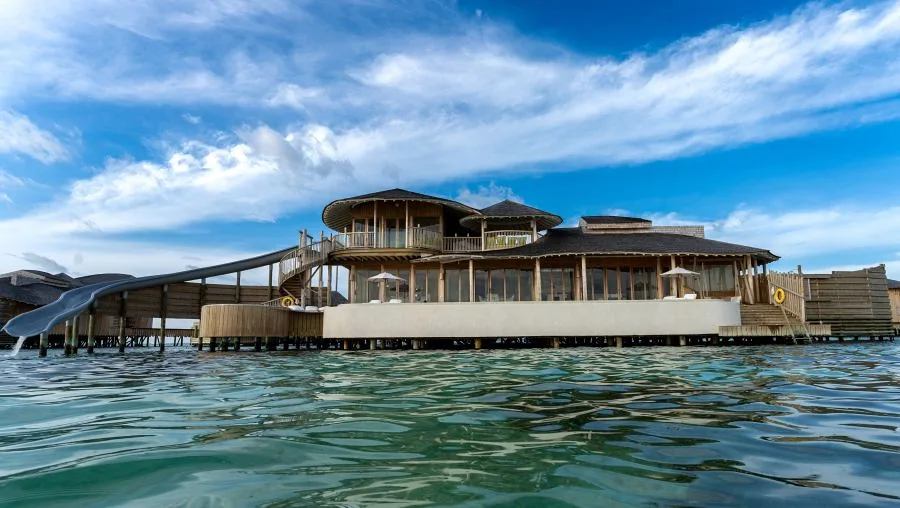
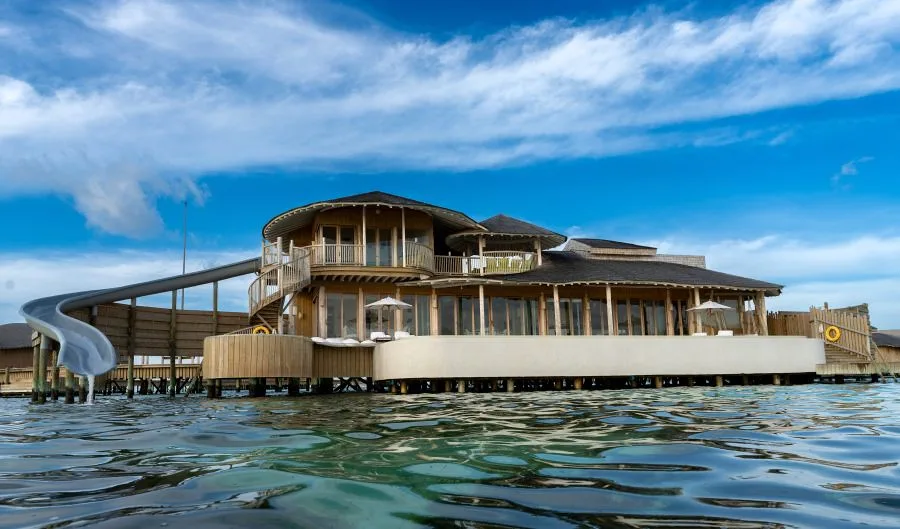
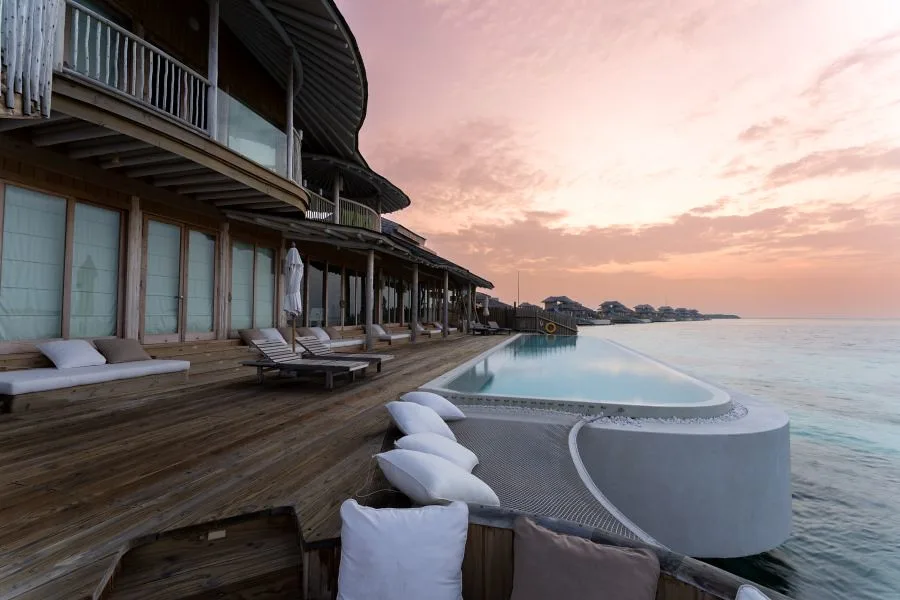
Image Credits
All photographs used on this page are sourced from Unsplash under the Unsplash License, or are original works by In the Wake contributors. Individual photo credits appear in each image caption throughout the page.
Weather & Best Time to Visit
Frequently Asked Questions
Q: What's the best time of year to visit Maldives on a cruise?
Typical range 77-88°F year-round tropical; rain: Wet season May-Nov; dry Dec-Apr. Peak cruise months: Dec, Jan, Feb, Mar, Apr. Avoid months: Jun, Jul.
Q: Is there a severe weather or storm season that affects Maldives?
Maldives is not marked as a warm-water hurricane zone in our seasonal guide. Local concern: seasonal weather swings.
Q: What should I pack for Maldives's weather?
For Maldives, pack for 77-88°F year-round tropical. Reef-safe sunscreen essential; Light beach clothing; Snorkel gear (or rent); Waterproof phone case
Q: Will rain ruin my Maldives port day?
Brief rain is common enough around Maldives that a flexible plan beats canceling. The Maldives is barely above sea level — rising tides are a reality; Southwest monsoon brings reduced visibility for diving
Q: Where do cruise ships dock in the Maldives?
Most cruise ships anchor offshore and passengers tender to the Male landing area. The tender ride is brief and scenic. Downtown Male is within easy walking distance of the landing. All major attractions are accessible on foot. Wheelchair accessible tenders are typically available — confirm with your cruise line.
Q: Can I see whale sharks?
Yes! The Maldives offers year-round whale shark encounters, especially in South Ari Atoll. Book an organized diving or snorkeling tour. These gentle giants pose no threat and swimming beside them is unforgettable. Ship excursion packages cost $150-250 and offer guaranteed return. Independent operators charge $100-180 but require you to manage your own schedule.
Q: Is Male worth exploring?
Absolutely. Male is one of the world's most densely populated cities, packed onto a tiny island. The Hukuru Miskiy mosque (1658), fish vendors, local craft stalls, and National Museum offer authentic Maldivian life beyond the resort islands. The city is compact and walkable — you can see the highlights in half a day.
Q: What about dress codes?
The Maldives is a Muslim nation. In Male, dress modestly — shoulders and knees covered. Resort islands have relaxed dress codes. Respect local customs and prayer times. This is part of being a thoughtful visitor.