


My Manila Day – A First-Person Account
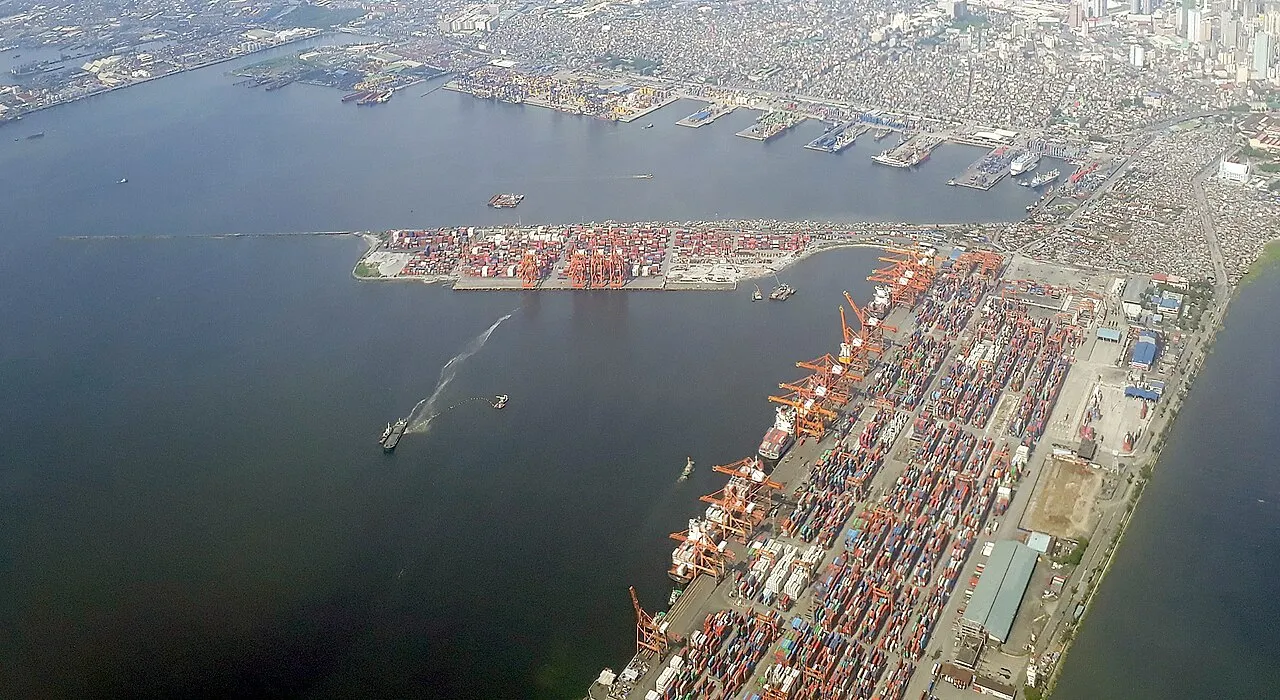
I stepped off the gangway at Manila South Harbor into a wall of tropical heat so thick I could taste the salt and diesel on my tongue. The morning sun was already fierce, but I felt a surge of anticipation as I climbed into a Grab car and told the driver, "Intramuros, please." He grinned and said, "You will love my city." The ride took only fifteen minutes, but it was a world away from the ship — we wove past jeepneys painted in every color imaginable, their chrome horses gleaming, music blasting from tinny speakers, passengers hanging from the open backs with the casual ease of people who have done this a thousand times. I watched it all through the window, my heart already racing.
The gates of Intramuros rose before me like a portal to another century. I walked through the massive stone archway and felt the centuries settle around me like a heavy, sacred cloak. The cobblestones beneath my feet were uneven and sun-warmed, worn smooth by four hundred years of footsteps. I could hear the clip-clop of a kalesa horse somewhere ahead, and the distant sound of church bells echoing off the old walls. The air smelled of frangipani and old stone, and I breathed it in deeply, grateful for this moment of stillness in such a vast and churning city.

I began at Fort Santiago, the stone fortress where the national hero Jose Rizal spent his final hours before execution. I stood in his cell, reading the plaques on the wall, and felt a lump forming in my throat. The room was small and dim, the stone cold to my touch even in the tropical heat. Bronze footprints set into the ground trace Rizal's final walk to his execution — I followed them slowly, step by step, and my eyes filled with tears at the weight of what this man gave for his country. However ordinary the day had begun, it was no longer ordinary now. Something shifted inside me at that fortress, and I whispered a quiet prayer for the courage to live with even a fraction of that conviction.
San Agustin Church was just a short walk away, and although I had seen photos, nothing prepared me for the reality. The oldest stone church in the Philippines, built in 1607, is a UNESCO World Heritage Site — and it earns that title with every inch of its baroque magnificence. I gazed up at the ceiling frescoes, so intricate and luminous that they seemed to glow from within. The wooden pews were dark with age, the air thick with incense and quiet reverence. I sat there for twenty minutes, just listening to the silence, feeling the cool stone beneath my hands, and watching the light shift through stained glass windows that have survived earthquakes, wars, and typhoons. Yet despite all that destruction, this place endures. My heart swelled with something I can only call awe.

After Intramuros, I took a kalesa ride through the walled city — the horse trotting steadily over cobblestones while my driver pointed out hidden courtyards and bullet-scarred walls from the Battle of Manila. Then I walked to Rizal Park, the vast green expanse where Rizal was executed and where his monument now stands tall against the sky. Families were picnicking on the grass, children were chasing each other around fountains, and an old man sat on a bench playing a guitar. I could smell grilled corn from a vendor's cart. The contrast between the solemnity of what happened here and the joyful life happening now was striking — but that, I realized, is Manila. It holds grief and celebration in the same breath.
By mid-afternoon I had made my way to Binondo, the world's oldest Chinatown. The narrow streets were loud with vendors calling out prices, the sizzle of woks, the roar of motorbikes threading through pedestrians. I tasted lumpia fresh from the fryer — crispy, savory, and so hot it nearly burned my fingers. I ate halo-halo from a tiny stall, the shaved ice sweet and cool against the afternoon heat. I heard Hokkien mixed with Tagalog, smelled roasting pork and sesame oil, and felt the press of humanity on every side. Still, even in the chaos, people smiled at me. A grandmother selling rice cakes waved me over and insisted I try one for free. The flavor was coconut and kindness, and I will not forget it.
As the afternoon faded, I made my way back toward Manila Bay for the sunset. I found a spot along the seawall and watched the sky turn from gold to amber to a deep, burning crimson. The silhouettes of fishing boats drifted across the water. Though I was surrounded by hundreds of other people, the moment felt intensely private. I thought about Rizal walking to his death in these same streets, about the centuries of faith and struggle that built this city, about the grandmother who gave me a rice cake. Sometimes you travel to see monuments and churches, but what you actually find is people — their resilience, their warmth, their stubborn insistence on joy even in the face of hardship.
Looking back, I realized that Manila gave me a gift I was not expecting. I came for the walled city and the churches, but what I found was a lesson in courage and tenderness. This is a city that has been conquered, bombed, flooded, and rebuilt — again and again — and yet it still smiles at strangers and offers them rice cakes. I learned that resilience is not about hardness; it is about the soft, persistent choice to keep going, keep building, keep welcoming. I left Manila with more than memories. I left with something closer to understanding.
Weather & Best Time to Visit
The Cruise Port
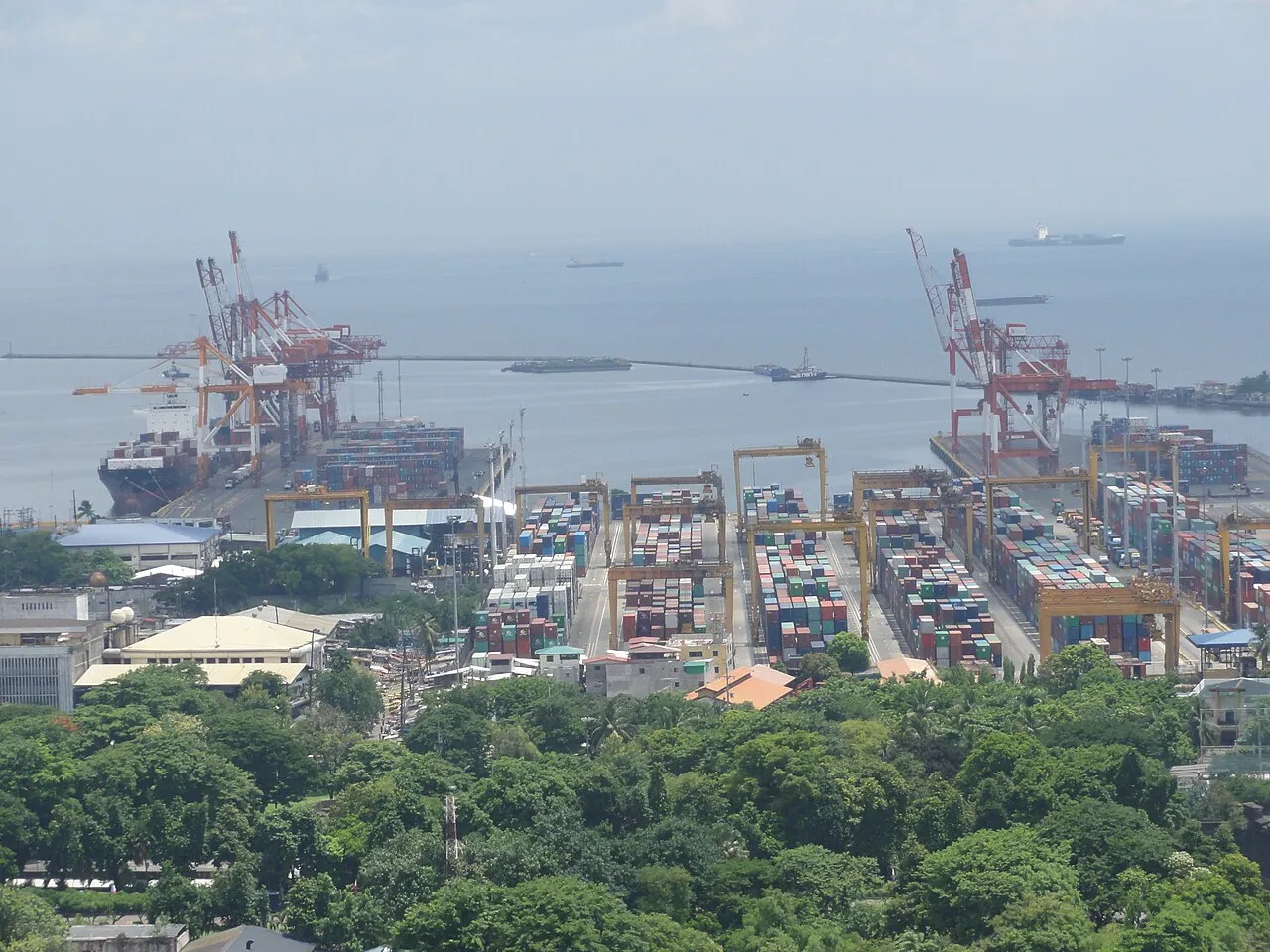
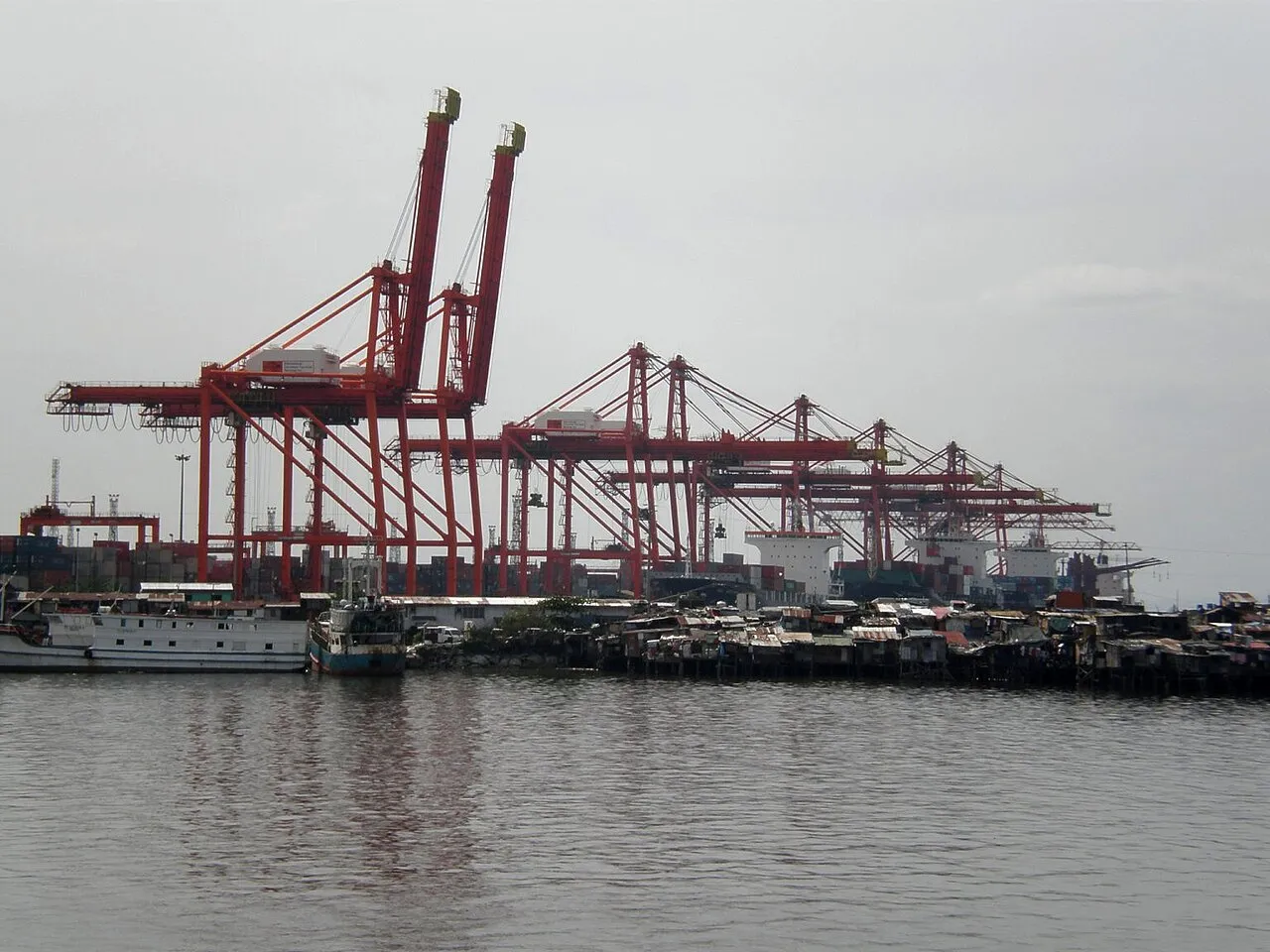
Cruise Terminal: Ships dock at either Manila South Harbor (also called Port of Manila) or the newer Eva Macapagal Boulevard Terminal. Both are within 15-20 minutes of Intramuros by taxi or Grab. The Eva Macapagal terminal is more modern with air-conditioned waiting areas, basic shops, and accessible restrooms. Manila South Harbor is older but functional, with porters available to assist with luggage. Both terminals have wheelchair accessible ramps and are mobility-friendly along the main walkways.
Currency: Philippine Peso (PHP). ATMs are widely available. Credit cards accepted in malls and tourist areas, but bring cash for street vendors and small eateries. Exchange rates at the port are poor — use ATMs or exchange in the city for better value.
Language: Tagalog/Filipino and English. English is widely spoken, especially in tourist areas and by younger generations. You will have no trouble communicating at restaurants, shops, and with taxi drivers.
Tipping: Not required but appreciated. 10% in restaurants if no service charge is included. Round up taxi fares or tip porters 20-50 pesos.
Getting Around
Taxi and Grab: The easiest and safest option for cruise passengers. Taxis are cheap — a fare from the port to Intramuros runs about 150-200 pesos ($3-4 USD). However, always insist on using the meter or agree on a fare beforehand to avoid overcharging. Grab (Southeast Asia's ride-hailing app, similar to Uber) is more transparent and reliable, and you can see the fare estimate before booking. Download the app before your trip and load it with a local SIM or use ship WiFi. For longer trips to Makati or BGC, expect to pay around 300-500 pesos ($6-10 USD).
Jeepneys: These iconic, wildly decorated elongated jeeps are Manila's most distinctive form of transport. Fares start at just 13 pesos ($0.25 USD), but routes can be confusing for first-timers. Ask locals for help — Filipinos are incredibly friendly and will often go out of their way to help you find the right jeepney. Still, for cruise passengers on a tight schedule, taxis or Grab are the more practical choice.
Kalesa: Horse-drawn carriages operate within Intramuros and provide a charming, old-world way to tour the walled city. Agree on a price before you set off — the typical cost is 500-800 pesos ($10-16 USD) for an hour-long tour. Though some visitors skip these in favor of walking, the kalesa drivers double as knowledgeable guides who know every hidden courtyard and bullet-scarred wall.
Walking: Intramuros and Rizal Park are best explored on foot. The walled city is compact and mostly flat, making it accessible for moderate walking levels. Wear comfortable shoes and bring water — it is hot and humid year-round. Sidewalks in central Manila can be uneven, so watch your step.
LRT/MRT: Manila's light rail system connects major areas but stations are often crowded. Unless you are comfortable navigating dense crowds, stick to Grab or taxis for your port day.
Port Map
Explore Manila's cruise terminals, Intramuros landmarks, museums, and local eateries. Click markers for details and directions.
Top Excursions and Attractions
1. Walk the Walls of Intramuros
The massive stone fortifications encircle the historic core of Manila. Walk sections of the walls for panoramic views of Manila Bay and the city skyline. Fort Santiago, within Intramuros, is the most important site — the stone fortress where Jose Rizal was imprisoned before his execution. His cell, now a museum, is deeply moving. Admission to Fort Santiago costs 75 pesos ($1.50 USD) for adults. You can explore independently at your own pace, or book ahead with a local guide for deeper historical context. Most ship excursion packages include Intramuros as a centerpiece, but going independent gives you more time to linger.

2. San Agustin Church and Museum
The oldest stone church in the Philippines (1607) is a baroque masterpiece and UNESCO World Heritage Site. The ceiling frescoes, carved wooden doors, and trompe-l'oeil murals are breathtaking. The adjacent museum houses priceless religious artifacts and vestments. Admission to the museum is 200 pesos ($4 USD). The church itself is free to enter. This is a low-walking, moderate-energy stop that rewards those who sit quietly and absorb the atmosphere. A ship excursion will typically rush you through; if possible, go independent to spend more time here.
3. Rizal Park (Luneta)
This expansive green park honors the national hero Jose Rizal. His monument stands tall at one end, and the park is a lovely place to stroll, people-watch, and soak in the local atmosphere. Sunsets over Manila Bay from here are spectacular. The park is free and easily accessible. Adjacent to the park, the National Museum Complex offers world-class galleries — all with free admission. The cost of reaching the park from the port is just a short taxi ride at around 150 pesos ($3 USD).
4. Binondo Chinatown Food Walk
The world's oldest Chinatown is a feast for the senses. Narrow streets are packed with vendors, bakeries, and hole-in-the-wall eateries serving dim sum, lumpia, and noodle soups. A guided food walk with a local costs around 1,500-2,500 pesos ($30-50 USD) per person, and is well worth the price for the insider knowledge. You can also explore on your own — just follow your nose. Book ahead if you want a guided experience, as popular tours fill up quickly. This is a guaranteed return-friendly excursion because Binondo is only 10 minutes from the port by taxi.
5. National Museum Complex
Three world-class museums in one complex: the National Museum of Fine Arts (Juan Luna's "Spoliarium" is worth the trip alone), the National Museum of Anthropology, and the National Museum of Natural History. All three are free, making this one of the best value stops in all of Asia. Plan at least two hours if you want to see the highlights.
6. Manila Bay Sunset
The sunsets over Manila Bay are legendary. Find a spot along the seawall near Rizal Park or the Mall of Asia area and watch the sky transform. This is a free experience that requires no planning — just good timing. If you are on a ship excursion, make sure your tour schedule allows you to catch the sunset before heading back to port.
History and Heritage
Manila's history stretches back centuries before the Spanish arrived in 1571. The settlement of Maynila was a thriving Muslim principality when Miguel Lopez de Legazpi claimed it for Spain. The Spanish built Intramuros — the walled city — as their colonial capital, and for three centuries it served as the center of Spanish power in Asia. The Galleon Trade connected Manila to Acapulco, making it one of the world's earliest global trade hubs.
The Philippines declared independence in 1898, but the Spanish-American War brought American colonization. World War II devastated Manila — the Battle of Manila in 1945 reduced Intramuros to rubble and killed over 100,000 civilians. The city was rebuilt, and today the reconstructed walls and churches stand as monuments to resilience and faith.
Local Food and Dining
Adobo: The national dish — chicken or pork marinated in vinegar, soy sauce, garlic, and spices, then braised until tender. Savory, tangy, and utterly addictive. A plate at a local carinderia costs just 80-120 pesos ($1.50-2.50 USD).
Sinigang: A sour tamarind-based soup with pork, shrimp, or fish and vegetables. Comfort food at its finest.
Lumpia: Filipino spring rolls — crispy, filled with vegetables or meat, served with a sweet-sour dipping sauce.
Halo-Halo: A dessert of shaved ice, evaporated milk, sweet beans, fruits, ube (purple yam), and leche flan. Messy, colorful, and refreshing — typically 60-100 pesos ($1-2 USD).
Where to Eat: Try a local carinderia (small, family-run eatery) for authentic home-cooked Filipino food. Barbara's Heritage Restaurant in Intramuros serves classic dishes in a historic setting with dinner and cultural show packages starting at 1,800 pesos ($36 USD).
Depth Soundings Ashore
Manila will challenge you. The traffic is dense, the heat is relentless, and the poverty visible in some neighborhoods can be confronting for visitors accustomed to sanitized tourist zones. The noise level in some areas — honking jeepneys, street vendors calling, construction — can feel overwhelming at first. But beneath the chaos lies a city of extraordinary depth. The faith that sustains Manila's people is visible everywhere — in the churches packed on Sunday mornings, in the small shrines tucked into shop corners, in the way strangers greet each other with warmth and grace.
Give yourself permission to slow down. Sit in a church pew. Eat at a carinderia where you cannot read the menu. Follow the bronze footprints of Rizal and let the story sink in. Manila does not hand you its beauty on a polished platter — it asks you to work for it, to look past the noise and find the soul. Those who do are richly rewarded. The real Manila is not in the guidebooks; it is in the eyes of the grandmother who gives you a rice cake, the driver who tells you about his family, the child who waves at you from a jeepney window. Planning your visit with an open heart is worth more than any itinerary.
Photo Gallery


Frequently Asked Questions
How do I get from the cruise terminal to Intramuros?
The Manila South Harbor terminal is about 15 minutes from Intramuros by taxi or Grab. Taxis cost around 150-200 pesos ($3-4 USD), but always insist on the meter or agree on a price beforehand. Grab is more reliable and transparent. The Eva Macapagal terminal is slightly closer. Both routes are straightforward — your driver will know the way.
Is Manila safe for cruise passengers?
Intramuros, Rizal Park, and the main tourist areas are generally safe during the day. Stay alert in crowded areas, keep valuables secure, and use registered taxis or Grab. Avoid wandering into unfamiliar neighborhoods after dark. The port terminals have security checkpoints and are well-monitored. Overall, millions of tourists visit Manila each year without incident.
What is the best way to experience Manila in one day?
Focus on Intramuros in the morning: walk the walls, visit Fort Santiago and San Agustin Church, then head to Rizal Park. If time allows, spend an hour at the National Museum Complex (free admission). In the afternoon, explore Binondo for street food, then catch the sunset at Manila Bay. A kalesa tour of Intramuros is a wonderful way to see the highlights if walking is difficult.
What should I pack for a day in Manila?
Bring sunscreen, a hat, comfortable walking shoes, a refillable water bottle, and a light scarf or shawl for visiting churches (shoulders and knees should be covered). A small umbrella is wise during rainy season. Bring a camera to capture the stunning architecture and vibrant street scenes. Keep valuables in a crossbody bag close to your body.
Do I need cash in Manila?
Yes, cash is essential. Many small vendors, street food stalls, jeepneys, and carinderias only accept Philippine pesos. ATMs are widely available in malls and near tourist areas. Bring small bills — breaking large notes can be difficult at small shops.
Manila Cruise Port Guide
Where Colonial Grandeur Meets the Vibrant Heart of Asia
Last reviewed: February 2026
Quick Answer: Manila's heart is Intramuros, the 16th-century walled city with Fort Santiago, San Agustin Church (UNESCO), and cobblestone streets steeped in centuries of faith. Walk the walls, ride a colorful jeepney, explore the National Museum (free!), and taste the warmth of Filipino hospitality. Ships dock at Manila South Harbor or Eva Macapagal Terminal, both a short taxi ride from the historic center. The port area is wheelchair accessible and mobility-friendly along major routes.
Image Credits
- manila-intramuros.webp: Wikimedia Commons (CC BY-SA)
- manila-san-agustin.webp: Wikimedia Commons (CC BY-SA)
- manila-rizal.webp: Wikimedia Commons (CC BY-SA)
- manila-harbor.webp: Wikimedia Commons (CC BY-SA)
- manila-church.webp: Wikimedia Commons (CC BY-SA)
- manila-sunset.webp: Wikimedia Commons (CC BY-SA)
- manila-jeepney.webp: Wikimedia Commons (CC BY-SA)
- manila-street-food.webp: Wikimedia Commons (CC BY-SA)
- manila-skyline.webp: Wikimedia Commons (CC BY-SA)
All images sourced from Wikimedia Commons under Creative Commons licenses.
Depth Soundings
Money: The local currency is Philippine Peso (PHP). ATMs are widely available. Credit cards accepted in malls and tourist areas, but bring cash for street vendors and small eateries. Exchange rates at the port are poor — use ATMs or exchange in the city for better value. ATMs are generally available near the port area, though fees vary. Credit cards are widely accepted at tourist-oriented establishments, but carry some local cash for markets, street food, and smaller vendors. Your ship's exchange rate is typically unfavorable — withdraw from a bank ATM instead. Budget $30–$80 per person for a comfortable day including lunch, transport, and a few entry fees.
Timing: Start early if your ship arrives at dawn — the first hours offer pleasant conditions and smaller crowds. Allow at least 30 minutes buffer before all-aboard time. Set a phone alarm as backup. Most port visits allow 8–10 hours on shore, which is enough to see the highlights without rushing if you prioritize well.
Safety: Standard port-town awareness applies — keep valuables close and stick to well-traveled areas during daylight. Your ship's ID card is your most important item — losing it creates a genuine headache at the gangway. Use Grab (the local rideshare app) rather than flagging down unmarked taxis, and stay in Intramuros, BGC, and Makati — these well-policed areas are the safest for cruise visitors.
Communication: Wi-Fi is often available at cafés and restaurants near the port. Consider downloading offline maps before disembarking — cellular data roaming charges can be substantial and surprising. Google Maps offline mode or Maps.me work well for navigation without data.
Food & Water: Tap water safety varies by destination — ask locally or buy bottled water to be safe. The best food often comes from busy local restaurants rather than tourist-facing spots near the port. Lunch at a popular local place typically costs $8–$20 per person. Street food can be excellent value if you choose busy stalls with high turnover.
Key Facts
- Country
- Philippines
- Region
- Southeast Asia
- Currency
- Philippine Peso (PHP). ATMs are widely available. Credit cards accepted in malls and tourist areas, but bring cash for street vendors and small eateries. Exchange rates at the port are poor — use ATMs or exchange in the city for better value
- Language
- Tagalog/Filipino and English. English is widely spoken, especially in tourist areas and by younger generations. You will have no trouble communicating at restaurants, shops, and with taxi drivers
Frequently Asked Questions
Q: What is the best time to visit Manila?
A: Cruise season runs December through April — dry season with year-round tropical temperatures (72-93°F). August, September, and October are the months to avoid (peak typhoon risk).
Q: Is Manila suitable for passengers with mobility challenges?
A: Accessibility varies by area. The port vicinity and main commercial streets are generally manageable, but older historic districts may feature cobblestones, stairs, and uneven surfaces. Consider booking an accessible ship excursion if you have concerns. The ship's shore excursion desk can advise on specific accessibility options for this port.
Q: Do I need to exchange currency before arriving?
A: The local currency is Philippine Peso (PHP). ATMs are widely available. Credit cards accepted in malls and tourist areas, but bring cash for street vendors and small eateries. Exchange rates at the port are poor — use ATMs or exchange in the city for better value.
Q: Can I explore independently or should I book a ship excursion?
A: Both options work well. Ship excursions guarantee return to the vessel and handle logistics, making them ideal for first-time visitors. Independent exploration costs less and allows more flexibility — just keep track of time and allow a 30-minute buffer before all-aboard. Many passengers combine approaches: an organized morning tour followed by free afternoon exploration.
Q: What should I pack for Manila's weather?
A: Light breathable clothing. Rain gear essential June through November. Comfortable walking shoes. Sunscreen and hat. Light layers for aggressive AC indoors.
Q: Does Manila have a typhoon or storm season?
A: Yes — Western Pacific typhoon season runs May through November, with peak risk in August, September, and October. Typhoons frequently hit Luzon July through November — ships may skip the port. Wet season flooding paralyzes the city regularly.
Q: Will rain ruin my port day in Manila?
A: Wet season runs June through November (typhoon season); dry December through May. Cruise season concentrates in the drier December–April window.