
Photo: Wikimedia Commons
My Logbook: Where Caribbean Dreams Begin
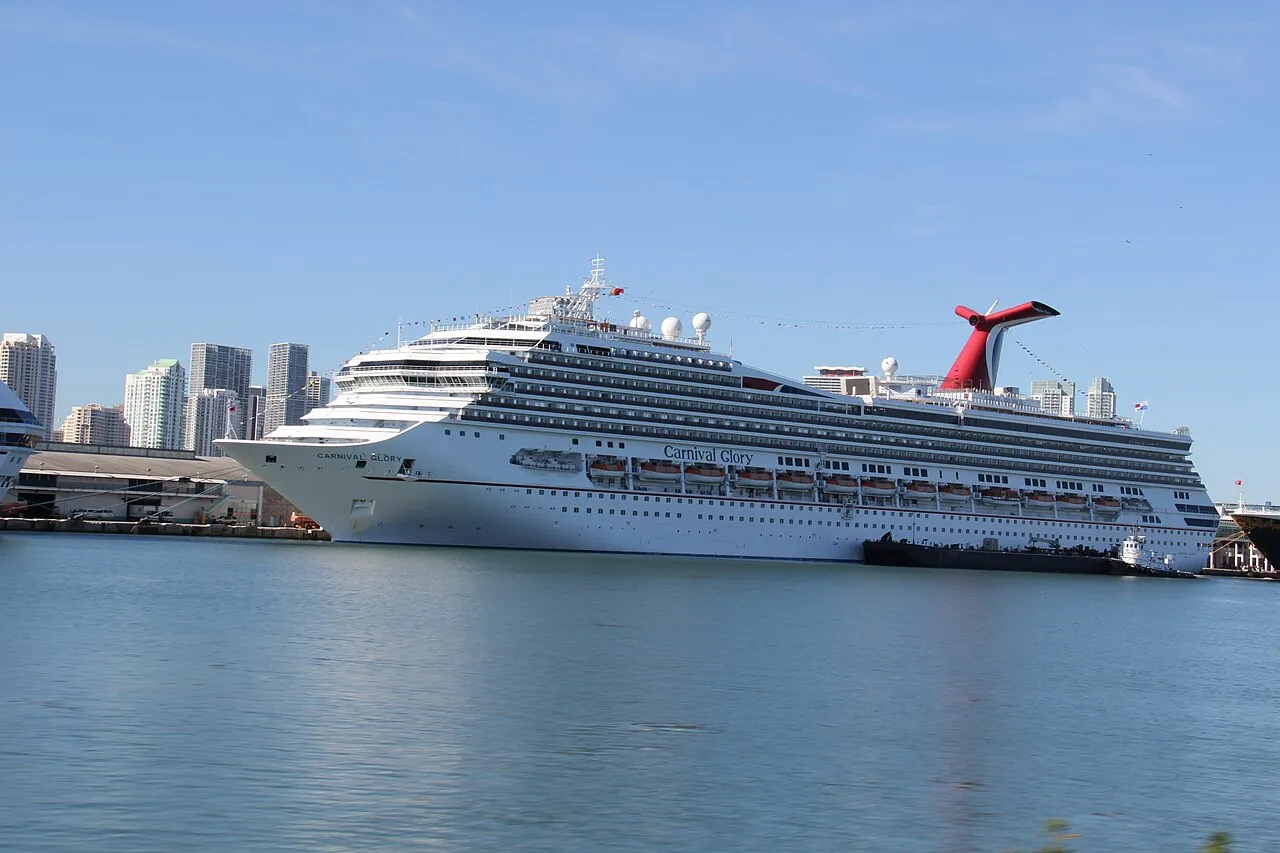
I've sailed from Miami seven times now, yet each embarkation still reminds me why PortMiami earned its title as the Cruise Capital of the World. That moment when you see the Miami skyline fade as your ship glides through the turquoise waters of Biscayne Bay — it never gets old. This isn't just a port; it's where the modern cruise industry was born, and with over 8 million passengers passing through annually, it's the gateway to Caribbean adventures for cruisers worldwide.
PortMiami sits on Dodge Island in Biscayne Bay, connected to downtown Miami by the Port of Miami Tunnel that opened in 2014 (a game-changer that eliminated the old surface street chaos). The port operates 10 cruise terminals along the island's waterfront, each serving specific cruise lines. Royal Caribbean dominates Terminal A — the largest cruise terminal in North America — while Norwegian uses the Pearl, Carnival spreads across several terminals, and luxury lines like Oceania and Regent occupy the smaller berths. I've walked through most of them, and Terminal A feels like a proper airport terminal: massive, modern, and surprisingly efficient for the thousands of passengers flowing through.
My strategy for Miami embarkation has evolved over those seven sailings. The first time, I arrived at 11am sharp when boarding opened and waited in a 90-minute security line. Never again. Now, though, I drop luggage with the porters curbside (tip $2-3 per bag), park the car, and walk in around 12:30pm when the initial rush has cleared. The porters are magic — you hand over your bags and they appear in your cabin later that afternoon. So much better than hauling suitcases through parking garages in the Florida heat.
If you're flying in for your cruise, I strongly recommend arriving a day early. Miami traffic is legendarily unpredictable — I once sat on I-95 for two hours because of an accident, watching my boarding window evaporate. Cruise lines don't wait, and the stress of racing to the port isn't worth it. An extra night in Miami means exploring South Beach or savoring Cuban coffee in Little Havana without watching the clock. Most hotels near the airport or port offer "Park and Cruise" packages that include parking for your entire voyage, often making the math work out better than official port parking.
The pre-cruise day is actually one of my favorite parts of sailing from Miami. South Beach is 15 minutes away, and walking Ocean Drive among those iconic Art Deco buildings never fails to lift my spirits. The pastel colors, the 1930s-40s architecture, the sidewalk cafes spilling onto the promenade — it feels like stepping into a movie set. I grab a café Cubano from any ventanita (walk-up window) and stroll the beach, letting the anticipation of tomorrow's departure build. Lincoln Road Mall offers pedestrian-only shopping and people-watching if you want to explore further from the water.
Little Havana deserves its own pilgrimage if you have time. Calle Ocho (SW 8th Street) is the heart of Miami's Cuban community, and walking it feels like stepping into another country. Domino Park buzzes with old-timers playing cutthroat games under the shade trees. The ventanitas serve café Cubano — strong, sweet espresso that'll wire you for hours — while hand-rolled cigars fill the air with that unmistakable aroma. Versailles Restaurant (the one on 8th Street, not the French palace) serves authentic Cuban sandwiches that ruin you for all other versions. I always set aside half a day for Little Havana when I'm sailing from Miami.
For nature lovers, the Everglades are 45 minutes west and offer something completely different: old Florida, raw and wild. Airboat tours through the sawgrass marshes guarantee alligator sightings, and the anhinga birds drying their wings in the sun make for stunning photographs. Shark Valley's 15-mile loop trail (by bike or tram) penetrates deep into the preserve. However, it's a dramatic contrast to the glitz of South Beach, and both experiences are authentically Miami.
The city has grown on me over those seven sailings. What started as just a departure point has become a destination in itself. The mix of Latin culture, Art Deco history, raw nature, and that unmistakable Florida sunshine creates something unique. I now arrive two days early when schedules allow, turning embarkation into a proper vacation prologue. Miami has earned that from me — and I suspect it will earn it from you too.
Looking back at all my Miami sailings, I realize this city taught me something about thresholds. Every cruise begins with a crossing—from land to sea, from routine to adventure. Miami makes that threshold feel sacred, turning embarkation day into a celebration rather than just logistics. The lesson is that beginnings matter, and how you start shapes everything that follows.
Weather & Best Time to Visit
The Cruise Port
PortMiami operates 10 cruise terminals along Dodge Island, handling 8+ million passengers annually — the busiest cruise port on Earth. The Port of Miami Tunnel (opened 2014) connects directly to I-395, bypassing downtown traffic. Each terminal serves specific cruise lines: Royal Caribbean at Terminal A (North America's largest cruise terminal), Norwegian at the Pearl, Carnival across several terminals, and luxury lines at smaller berths.
The terminal facilities are modern and wheelchair accessible throughout, with escalators, elevators, and smooth pathways. Embarkation typically runs 11am-4pm, with peak crowds 12:30pm-2pm. Security screening includes luggage X-ray and metal detectors — have documents ready (passport, boarding pass, health forms if required). Drop luggage curbside with porters ($2-3/bag tip) before parking; bags will appear in your cabin. Currency is US dollars, and the port offers ATMs, restrooms, and information desks in each terminal.
Getting Around
- From Miami Airport (MIA) to Port: 20-30 minutes depending on traffic. Uber/Lyft run $25-35. Taxis are metered (roughly same cost). Cruise line transfers available but expensive ($15-25/person each way). Consider arriving a day early to avoid stress.
- By Car to Port: From I-95, take I-395 East (MacArthur Causeway) directly to Dodge Island. Follow signs for your specific terminal — they're well-marked. The Port of Miami Tunnel provides a second route from I-395, reducing downtown traffic.
- Port Parking ($22-25/day): Reserve online at miamidade.gov/portmiami for guaranteed spots. Credit cards only. Covered and uncovered available. Drop luggage curbside first, then park — much easier than hauling bags through garages.
- Off-Site Parking ($10-15/day): Companies like Park 'N Cruise offer shuttle service. Book in advance, check reviews, verify shuttle frequency. Save money but add time.
- Hotel Park & Cruise Packages: Many Miami hotels offer packages with parking included for your cruise duration. Often the best value if arriving a day early — hotel, parking, and sometimes breakfast for one price.
- Getting to South Beach: 15-20 minutes by Uber/Lyft ($15-25). Miami Beach Trolley is free but slow and doesn't run frequently. Taxis available but less convenient than rideshare apps. Consider renting a car if exploring multiple areas.
Miami Area Map
Interactive map showing PortMiami, South Beach, Little Havana, and pre-cruise destinations. Click any marker for details.
Beaches & Beach Clubs
Miami's beaches are legendary, offering everything from Art Deco people-watching to quieter stretches of sand:
- South Beach (Ocean Drive): The iconic Miami beach experience — Art Deco lifeguard stands, white sand, turquoise water, and endless people-watching. Ocean Drive's sidewalk cafes line the shore. Free public access, chair rentals available ($20-40). Best for atmosphere and photography.
- Mid-Beach (Collins Ave, 23rd-63rd): Quieter than South Beach with the same gorgeous water. Fewer tourists, more locals. Hotel beach clubs offer day passes with chairs, umbrellas, and food service.
- Key Biscayne (Crandon Park): 20 minutes from port via Rickenbacker Causeway. Family-friendly beach with calm water, rental cabanas, and nature trails. Parking $8. More relaxed than South Beach.
- Virginia Key Beach: Historic beach near Key Biscayne with a more local feel. Great for kayaking and paddleboarding. Less crowded than mainland beaches.
Pre-Cruise Activities & Things to Do
Booking guidance: Most Miami activities don't require advance booking except Everglades tours during peak season. Book ahead for popular restaurants. Ship excursion pre-cruise packages are available but independent exploration is easy and often more rewarding.
South Beach & Art Deco District
Walk Ocean Drive among iconic pastel Art Deco buildings from the 1930s-40s. Sidewalk cafes, palm trees, white sand beaches, and that unmistakable Miami vibe. Lincoln Road is the pedestrian shopping mall with restaurants and people-watching. Visit the Art Deco Museum on Ocean Drive for architectural history. Best experienced on foot — allow 3-4 hours for a proper exploration. No advance booking needed; just show up and wander.
Little Havana
Calle Ocho (SW 8th Street) is the heart of Miami's Cuban community. Watch domino games in Domino Park, grab café Cubano from any ventanita (walk-up window), and try authentic Cuban sandwiches at Versailles Restaurant. Hand-rolled cigars, Latin music, vibrant murals. Half-day is ideal for exploring. Independent visit recommended — no tour needed, just walk and explore at your own pace.
Everglades National Park
45 minutes west of Miami. Airboat tours through sawgrass marshes guarantee alligator sightings. Shark Valley offers a 15-mile loop trail (bike rental or tram tour). This is old Florida — raw, wild, unchanged. Half-day tours run $50-80 per person. Book ahead through operators like Everglades Safari Park or Gator Park, especially during winter high season, to guarantee your spot and guaranteed return time if coordinating with embarkation.
Wynwood Walls
Street art district turned cultural phenomenon. Massive murals by international artists cover entire buildings. Free to walk the outdoor galleries during daylight hours. Hip restaurants, breweries, and galleries throughout the neighborhood. Best for photography and contemporary art lovers. Allow 2-3 hours. No advance booking needed; walkable from parking areas.
Bayside Marketplace
Waterfront shopping and dining complex with views of Biscayne Bay and the Miami skyline. Chain restaurants, souvenir shops, and live music. Boat tours of Star Island and celebrity homes depart from here ($30-40). Convenient if staying near the port and want easy entertainment. No advance booking needed for shopping; boat tours can be purchased on-site.
Vizcaya Museum & Gardens
Stunning Italian Renaissance-style villa built in 1916, now a museum with 10 acres of formal gardens overlooking Biscayne Bay. Fascinating mix of European antiques and tropical setting. Allow 2-3 hours for a complete visit. Entry $25. Good option for history and architecture enthusiasts who want something beyond beaches and entertainment.
Where to Eat & Drink
Miami's food scene reflects its multicultural identity — Cuban, Caribbean, Latin American, and seafood dominate:
- Versailles (Little Havana, $): The iconic Cuban restaurant on Calle Ocho. Cuban sandwiches, ropa vieja, café Cubano at the ventanita window. Packed with locals and tourists alike. My go-to for pre-cruise dinner.
- Joe's Stone Crab (South Beach, $$): Miami institution since 1913. Famous stone crabs (October-May season). No reservations for dinner; expect lines. Lunch is slightly easier. Worth the splurge for a special occasion.
- La Carreta (multiple locations, $): Reliable, affordable Cuban food 24/7. Good option near the airport for early arrivals or late-night cravings.
- Wynwood Kitchen & Bar (Wynwood, $): Latin-inspired menu in the heart of the arts district. Great for lunch after exploring the murals.
- Any Ventanita (Little Havana, $): Walk-up windows serving café Cubano, pastelitos, and croquetas. Authentic, cheap, ideal for fueling exploration.
Budget tip: Cuban food offers incredible value. A Cuban sandwich and café con leche at La Carreta costs under $15 and will fill you for hours.
Local Notices & Current Conditions
- Traffic Warning: Miami traffic is legendarily unpredictable. I-95 accidents can add hours to your journey. Always build in buffer time, especially if flying in on embarkation day.
- Hurricane Season: June through November. Cruise lines monitor storms and may adjust itineraries. Check your sailing closer to departure.
- Parking Reservations: Official PortMiami parking can fill up during peak season. Reserve online in advance at miamidade.gov/portmiami.
- Embarkation Timing: Don't arrive before your designated boarding time — you'll just wait in your car. Check your cruise documents for your specific window.
Depth Soundings Ashore
Practical tips before you step off the ship.
Miami is a major US city with all the conveniences you'd expect. Currency is US dollars, and credit cards are accepted everywhere. The weather is hot and humid year-round, with summer temperatures regularly hitting 90°F+ and afternoon thunderstorms. Sunscreen is essential even for a pre-cruise beach day. Dress is casual but South Beach clubs enforce dress codes at night.
Safety is reasonable in tourist areas like South Beach, Wynwood, and Little Havana during daytime. Standard urban awareness applies — don't leave valuables visible in parked cars, stay in well-lit areas at night. The port area itself is very secure with police presence throughout. Wheelchair accessibility is excellent at the port terminals, South Beach boardwalk, and major attractions.
Cell service is excellent throughout Miami. Free WiFi is available at most cafes and hotels. Uber and Lyft operate throughout the city and are generally the easiest way to get around if you don't have a car. Tipping follows standard US norms: 18-20% at restaurants, $2-3 per bag for porters, $1-2 per drink at bars.
Practical Information
- Currency: US Dollar (USD)
- Language: English and Spanish widely spoken
- Time Zone: Eastern Time (EST/EDT)
- Weather: Hot and humid year-round. Summer 85-95°F with afternoon storms. Winter 65-80°F and drier.
- Port Type: Embarkation/departure port with 10 terminals on Dodge Island
- Accessibility: All terminals are wheelchair accessible with elevators, ramps, and assistance available. Notify cruise line in advance for special needs.
Photo Gallery
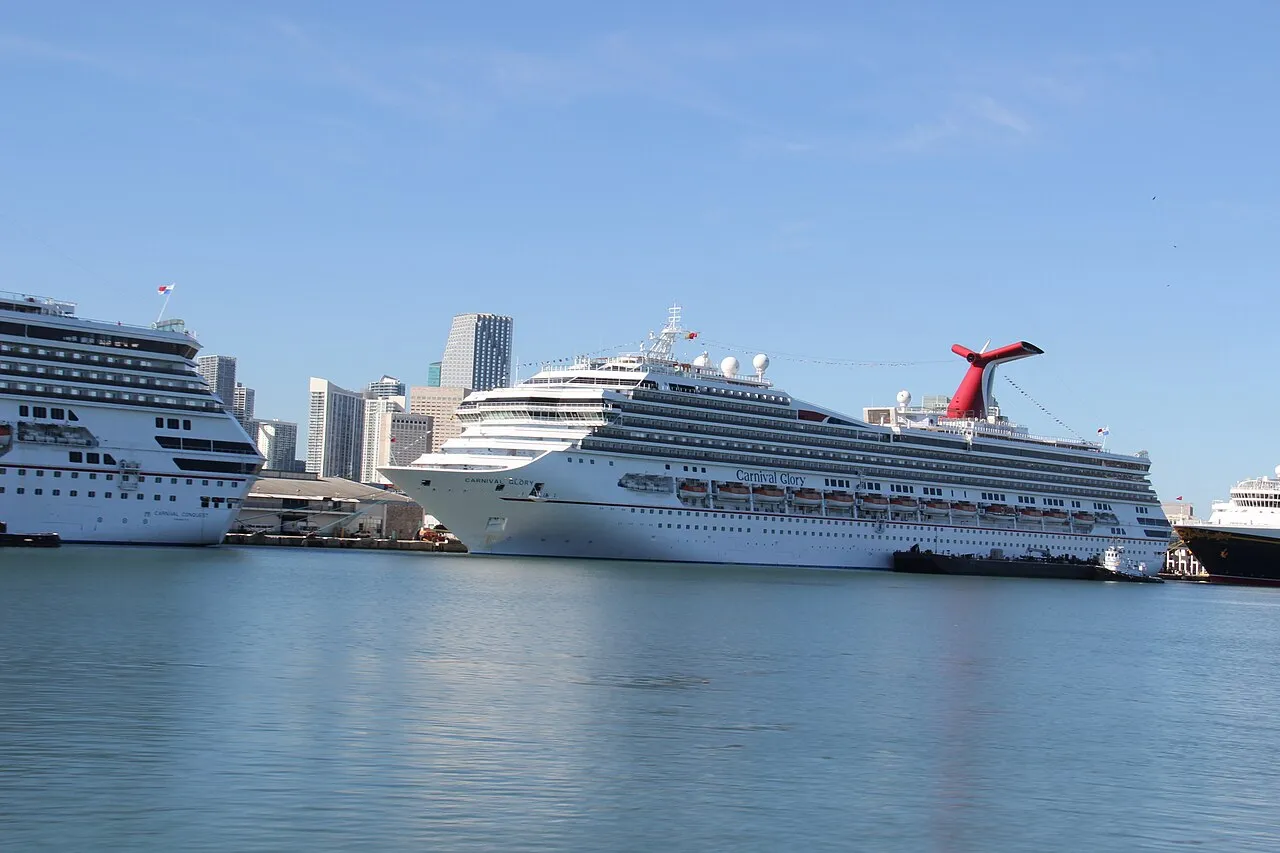
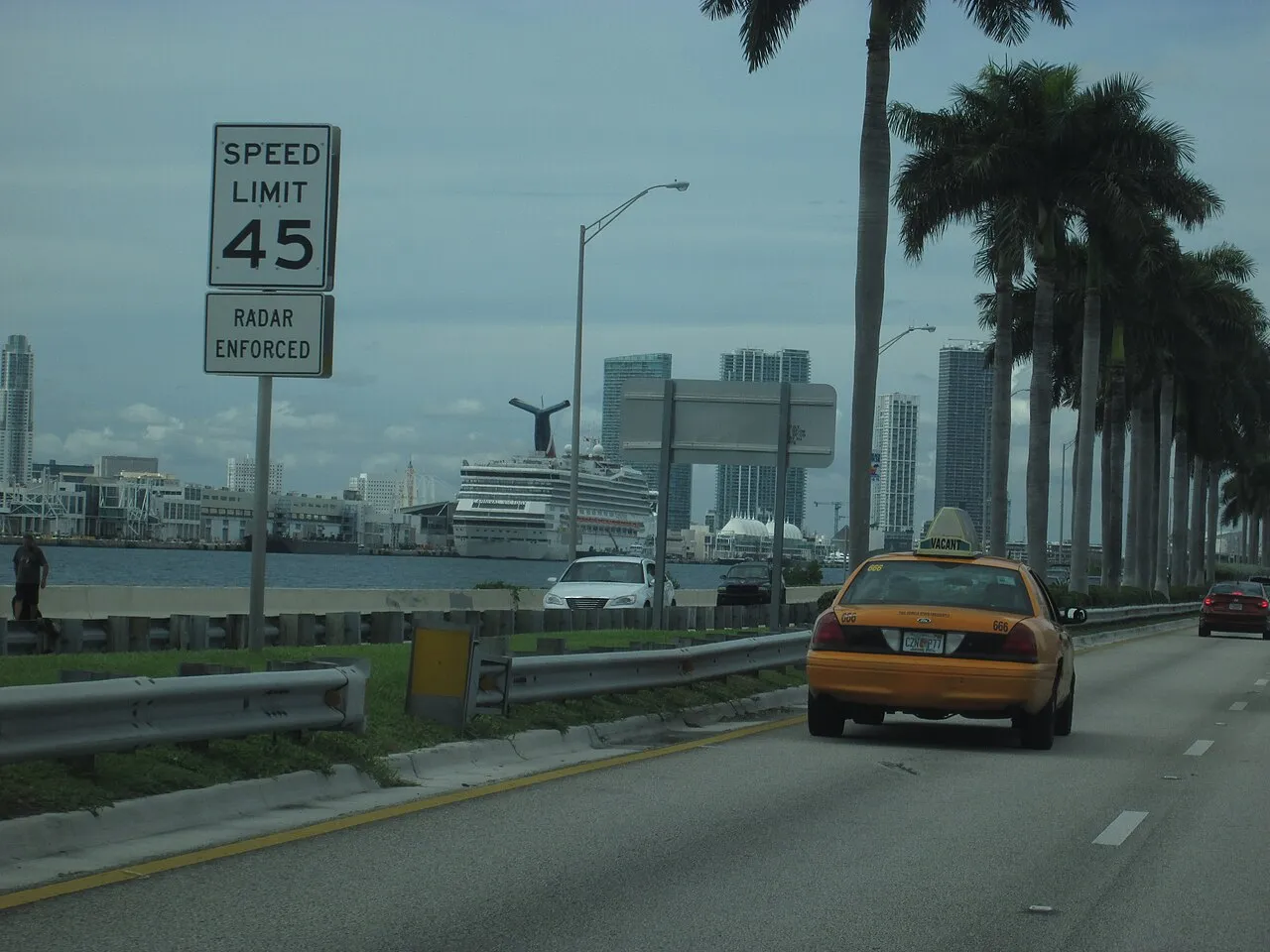
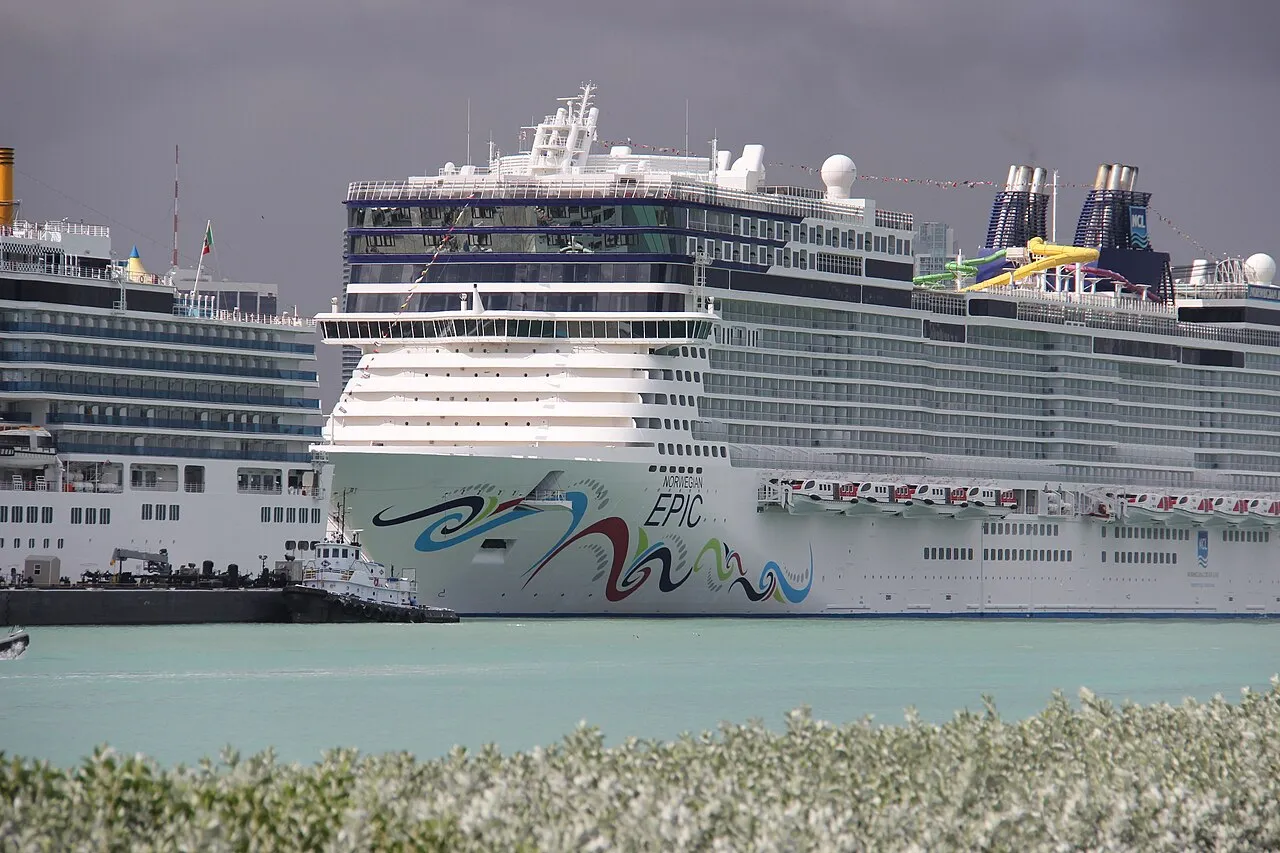
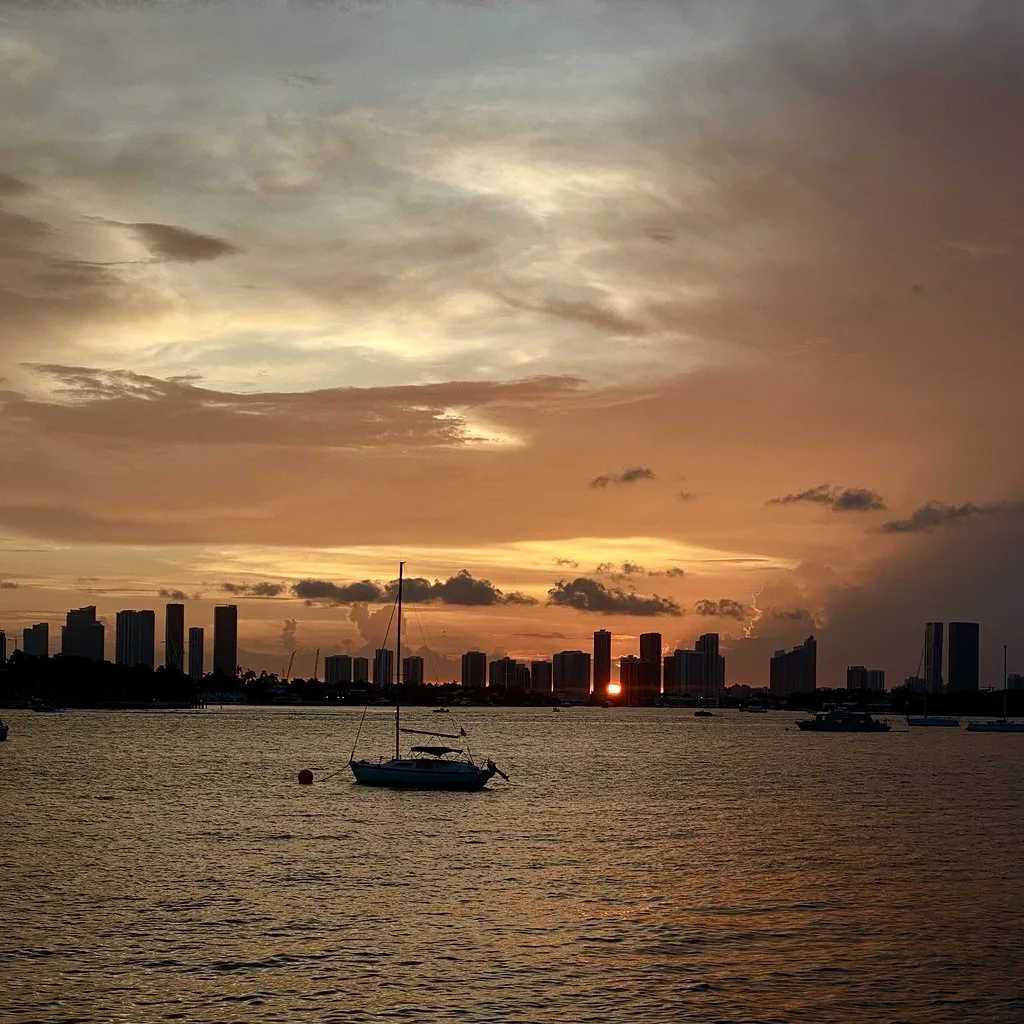
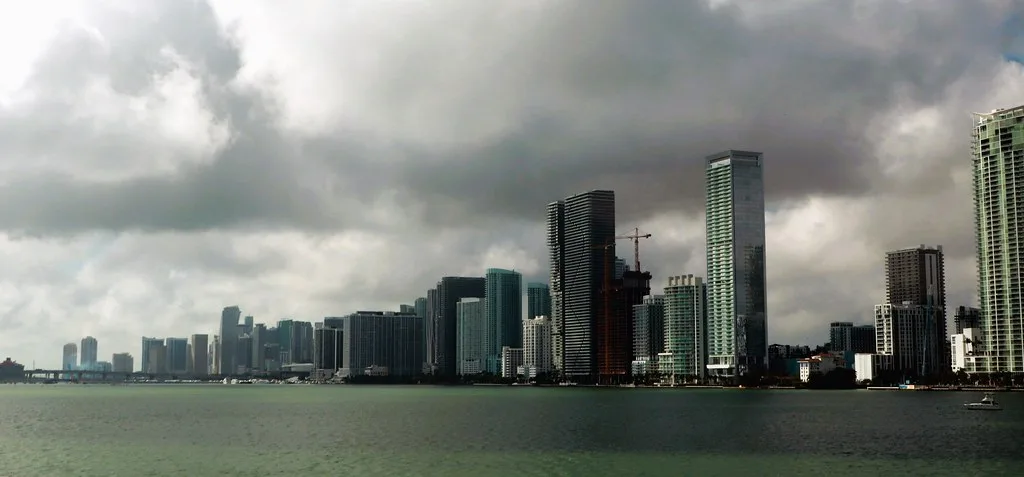
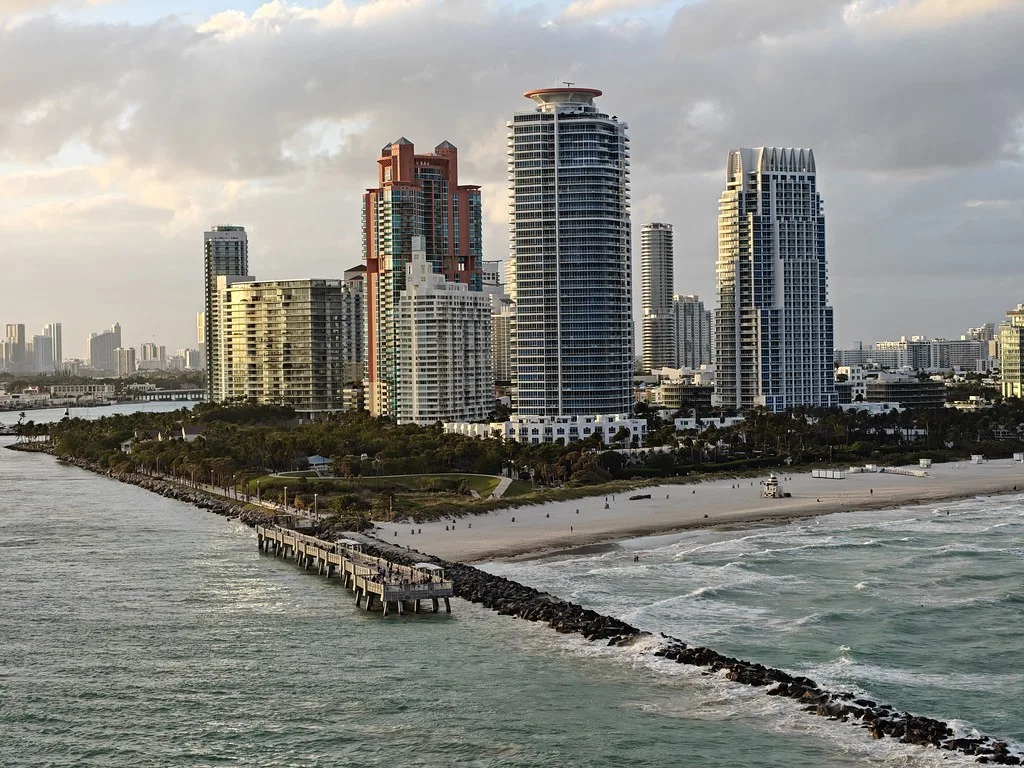
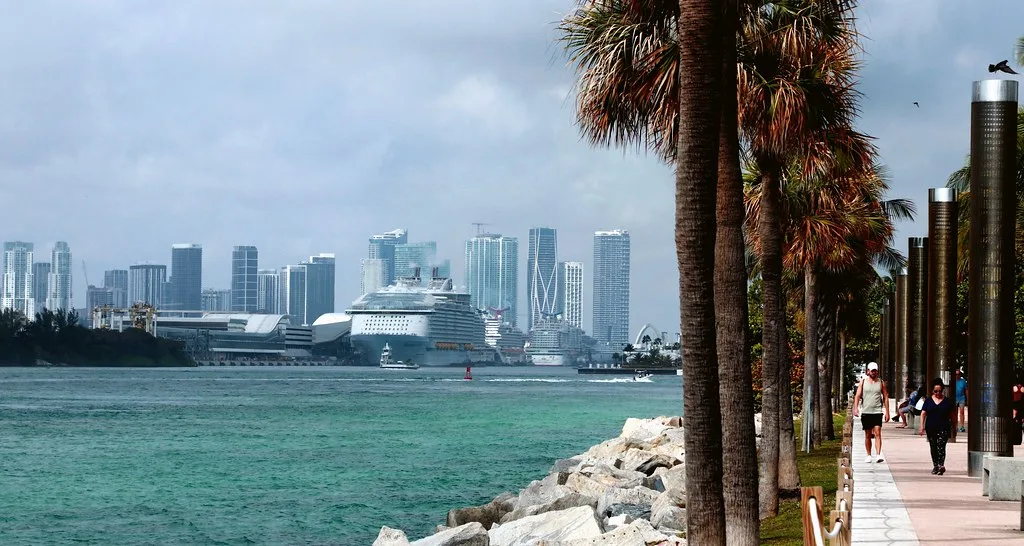
Image Credits
- miami-skyline.webp: Flickers of Majesty
- south-beach-art-deco.webp: Flickers of Majesty
- little-havana-calle-ocho.webp: Flickers of Majesty
- portmiami-terminals.webp: Flickers of Majesty
All images used with permission. Photo credits link to original sources.
Frequently Asked Questions
Q: Where should I park at PortMiami?
A: Official PortMiami parking runs $22-25/day — reserve online in advance at miamidade.gov/portmiami for guaranteed spots. Off-site parking companies offer $10-15/day with shuttle service, but check reviews and verify shuttle frequency. Many hotels offer Park & Cruise packages that include parking for your cruise duration, often the best value if arriving a day early.
Q: Should I arrive a day early in Miami?
A: Highly recommended, especially if flying in. Miami traffic is notoriously unpredictable, and cruise lines won't wait for delayed passengers. An extra day lets you explore South Beach, enjoy Little Havana, or simply relax without embarkation stress. Many hotels offer Park & Cruise packages that make the extra night affordable.
Q: How early should I arrive for embarkation?
A: Embarkation typically opens at 11am and closes at 4pm (check your specific cruise line). The sweet spot is 12pm-2pm for moderate crowds. Don't arrive before your designated boarding time — you'll just wait in your car. Security screening and check-in usually take 30-45 minutes during peak times.
Q: What should I do the day before my cruise?
A: South Beach and the Art Deco District are 15 minutes away — walk Ocean Drive, enjoy the beach, grab café Cubano. Little Havana offers authentic Cuban culture and food. Wynwood Walls has world-class street art. Everglades National Park is 45 minutes west for airboat tours. All are excellent pre-cruise options.
Q: Is Miami safe for tourists?
A: Yes, tourist areas like South Beach, Wynwood, and Little Havana are generally safe during daytime. Standard urban awareness applies — don't leave valuables visible in parked cars, stay in well-lit areas at night. The port area is very secure with significant police presence.
Last reviewed: February 2026