


Photo: Wikimedia Commons (CC BY-SA)
Captain's Logbook
Osaka
The train from the Osaka International Cruise Terminal in Nankō carried me through the industrial waterfront, then into the heart of a city that pulses with an energy entirely its own. By the time I emerged at Namba Station, I understood why Osaka has been called "Japan's Kitchen" for centuries. The air itself seemed flavored – takoyaki sizzling on iron griddles, sweet-savory okonomiyaki sauce caramelizing on hot plates, the yeasty warmth of steamed buns. Five-story neon signs beckoned from every direction, and I realized I'd stepped into a place where eating isn't merely sustenance. It's devotion.
The Japanese have a word for Osaka's culinary philosophy: kuidaore – to eat yourself into ruin, to spend so lavishly on food that you risk financial disaster. The phrase was born here, in this merchant city where the pursuit of flavor has always trumped the pursuit of appearances. Where Tokyo wraps itself in formality and Kyoto preserves ancient rituals with museum-like reverence, Osaka laughs louder, speaks more frankly, and feeds you brilliantly without pretense. The locals are warmer, earthier, quicker to smile. They invented instant ramen, popularized baseball, and gave the world the takoyaki octopus ball in the 1930s. This is a city that doesn't stand on ceremony – it just knows what matters.
I wandered south to Shinsekai — literally "New World" — a neighborhood built in 1912 as an homage to Paris and New York, now gloriously faded into something far more interesting than either. The Tsutenkaku Tower, a miniature Eiffel modeled after the original, rises above a district of narrow alleys crowded with kushikatsu restaurants and pachinko parlors. Older men gathered around shogi boards on the sidewalk, cigarette smoke curling in the afternoon light. A woman selling sweet potatoes from a cart called out prices in the broad, musical Osaka dialect that sounds nothing like the clipped precision of Tokyo Japanese. I ordered kushikatsu — deep-fried skewers of pork, shrimp, lotus root, and quail egg — at a standing counter where the single cardinal rule was posted on every wall: no double-dipping in the communal sauce. The batter was impossibly light, the sauce tangy and complex, and I understood why Osakans are fiercely protective of this dish.
The next morning I walked through Kuromon Market before the cruise crowds arrived. The covered arcade stretches three city blocks, and every stall seemed to compete for my senses at once. Fishmongers sliced sashimi from whole tuna with knives longer than my forearm. A vendor grilled scallops on the half shell, their edges curling and caramelizing while butter pooled in the center. The smell of roasting eel drifted from somewhere I could not see, mixing with the green bitterness of fresh matcha being whisked at a tea stand. I bought a skewer of grilled Wagyu beef that cost more than my lunch budget and ate it standing in the aisle, the fat melting across my tongue in waves of umami that made me close my eyes. An elderly woman at a pickle stall offered me a sample of her homemade nukazuke — fermented in rice bran, tangy and earthy and unlike anything I had tasted before. She smiled when I bought a bag, wrapping it carefully in newspaper as though it were something precious. It was.
Standing on the observation deck of Osaka Castle later that afternoon, watching the city sprawl toward distant mountains under a sky streaked with clouds, I felt the strange compression of time that only certain places can produce. Below me, groups of schoolchildren in crisp uniforms filed through the castle grounds in long, orderly lines, their laughter drifting up in fragments. Joggers circled the moat. A bride posed for photographs beneath a maple tree burning autumn red. This castle had been destroyed and rebuilt so many times that its persistence felt like a statement about Osaka itself — a city that refuses to be anything other than exactly what it is: loud, generous, flavor-obsessed, and alive. I left knowing I would carry the taste of this city long after the ship sailed — not just the takoyaki and the Wagyu, but the warmth of strangers who turned daily work into something beautiful.
Weather & Best Time to Visit
The Cruise Port
Most cruise ships dock at Tempozan Passenger Terminal on the waterfront in Osaka Bay, right next to the Kaiyukan Aquarium and the Tempozan Harbour Village shopping complex. The terminal is modern and well-equipped with tourist information, currency exchange, and lockers. Osakako subway station is a 3-minute walk from the terminal — this single connection puts all of Osaka within easy reach.
The Japanese yen (JPY) is the local currency. ATMs that accept international cards are available at the terminal, in convenience stores (7-Eleven, FamilyMart, Lawson), and at post offices. Credit cards are increasingly accepted but many smaller restaurants and street food vendors remain cash-only — withdraw ¥10,000-15,000 ($70-100 USD) at a convenience store ATM for a comfortable day.
Getting Around
Subway: Osaka Metro is fast, clean, and well-signed in English. From Osakako station (3 minutes from the terminal), rides cost ¥230-380 ($1.50-2.50 USD) depending on distance. A one-day pass costs ¥820 ($5.50 USD) and covers unlimited rides — good value if you plan 3+ trips. Namba and Shinsaibashi are about 15 minutes away.
JR Loop Line: The JR Osaka Loop Line connects major stations including Osaka Station (Umeda), Tennoji, and transfers to Kyoto. A Suica or ICOCA contactless card (¥2,000 deposit, refundable) works on all trains and subway lines and saves time at ticket machines.
Taxi: Taxis are metered, clean, and honest — base fare is ¥680 ($4.50 USD). Doors open automatically. A ride from the port to Namba costs about ¥2,000-3,000 ($13-20 USD). Drivers rarely speak English but will follow a map on your phone.
On foot: Osaka's major entertainment districts — Dotonbori, Shinsekai, Namba — are walkable once you arrive by subway. The streets are flat, clean, and very safe at all hours.
Mobility note: Japanese trains and subway stations are exceptionally accessible, with lifts, tactile paving, and staff assistance available at every station. Most major attractions have wheelchair access. The port terminal itself is fully accessible with level boarding.
Top Excursions & Attractions
Osaka is easy and safe to explore independently — the subway puts everything within reach. Ship excursions guarantee return to the vessel and handle logistics for day trips to Kyoto or Nara. Book ahead for Universal Studios Japan and Kyoto temple tours.
Osaka Castle
The city's most iconic landmark sits within a vast park of cherry trees and moats. The reconstructed castle tower houses a museum (¥600 / $4 USD admission) with exhibits tracing the rise and fall of Toyotomi Hideyoshi. The observation deck on the 8th floor offers panoramic views across the city. From the port, take the subway to Osakajo-Koen station (25 minutes, ¥280). Allow 2-3 hours for the castle and surrounding park. The grounds are free and beautiful for walking. The main tower has a lift for wheelchair access.
Dotonbori & Namba
Osaka's electric heart — a canal-side street blazing with neon signs, giant mechanical crabs, and the iconic Glico Running Man billboard. This is where you eat: takoyaki (octopus balls, ¥500-800 / $3-5 USD for 8 pieces), okonomiyaki (savoury pancakes, ¥800-1,200 / $5-8 USD), and kushikatsu (deep-fried skewers, ¥100-200 each). Independent visitors should simply walk and graze — no booking needed. Subway to Namba station from the port takes 15 minutes (¥230).
Shinsekai & Tsutenkaku Tower
This retro entertainment district channels 1950s Osaka — colourful signs, pachinko parlours, and the best kushikatsu restaurants in the city. Tsutenkaku Tower (¥700 / $5 USD) offers views and kitsch charm. The area is a 5-minute walk from Dobutsuenmae station. Genuine, gritty, and endlessly photogenic — a real slice of old Osaka.
Kyoto Day Trip
Japan's ancient capital is 30 minutes from Osaka by JR Special Rapid train (¥560 / $4 USD one way from Osaka Station). Ship excursions to Kyoto typically cost $150-250 USD and cover Kinkaku-ji (Golden Pavilion), Fushimi Inari Shrine, and a tea ceremony. Independent visitors can reach Kyoto cheaply but should book ahead for popular temples during cherry blossom season (late March to mid-April) and autumn foliage (mid-November). The guaranteed return of a ship excursion is worth considering given the distance.
Kaiyukan Aquarium
Right next to the cruise terminal — a 3-minute walk makes this the most convenient excursion in Osaka. One of the world's largest aquariums features whale sharks, manta rays, and a spectacular Pacific Ocean tank. Admission is ¥2,700 ($18 USD) for adults. No booking needed on most days. Fully wheelchair accessible with lifts throughout.
Depth Soundings
Money: The local currency is Japanese Yen (cash preferred). ATMs are generally available near the port area, though fees vary. Credit cards are widely accepted at tourist-oriented establishments, but carry some local cash for markets, street food, and smaller vendors. Your ship's exchange rate is typically unfavorable — withdraw from a bank ATM instead. Budget $30–$80 per person for a comfortable day including lunch, transport, and a few entry fees.
Timing: Start early if your ship arrives at dawn — the first hours offer pleasant conditions and smaller crowds. Allow at least 30 minutes buffer before all-aboard time. Set a phone alarm as backup. Most port visits allow 8–10 hours on shore, which is enough to see the highlights without rushing if you prioritize well.
Safety: Standard port-town awareness applies — keep valuables close and stick to well-traveled areas during daylight. Your ship's ID card is your most important item — losing it creates a genuine headache at the gangway. Japan is exceptionally safe, but convenience store ATMs (7-Eleven, Lawson) are more reliable than bank ATMs for foreign cards — try to withdraw yen before heading into smaller shops and street food stalls.
Communication: Wi-Fi is often available at cafés and restaurants near the port. Consider downloading offline maps before disembarking — cellular data roaming charges can be substantial and surprising. Google Maps offline mode or Maps.me work well for navigation without data.
Food & Water: Tap water safety varies by destination — ask locally or buy bottled water to be safe. The best food often comes from busy local restaurants rather than tourist-facing spots near the port. Lunch at a popular local place typically costs $8–$20 per person. Street food can be excellent value if you choose busy stalls with high turnover.
Photo Gallery
Frequently Asked Questions
Q: What's the best time of year to visit Osaka?
A: Cruise season runs March through May and October through November — four-season climate (34-88°F). July and August are the months to avoid: summer is stifling hot and humid. Autumn foliage peaks late November.
Q: Does Osaka have a typhoon or storm season?
A: Yes — Western Pacific typhoon season runs May through November, with peak risk in August, September, and October. Typhoons can disrupt port calls in September. The rainy season (June–July) brings persistent drizzle.
Q: What should I pack for Osaka's weather?
A: Layers for spring/fall. Rain gear for Jun-Jul. Light breathable clothing for summer. Comfortable walking shoes. Light jacket for winter visits.
Q: Will rain ruin my port day?
A: Rainy season runs June–July; typhoons August–October. Cruise season concentrates in the drier March–May and October–November windows.
Q: Is Osaka suitable for passengers with mobility challenges?
A: Accessibility varies by area. The port vicinity and main commercial streets are generally manageable, but older historic districts may feature cobblestones, stairs, and uneven surfaces. Consider booking an accessible ship excursion if you have concerns. The ship's shore excursion desk can advise on specific accessibility options for this port.
Q: Do I need to exchange currency before arriving?
A: The local currency is Japanese Yen (cash preferred). Most tourist-facing businesses accept major credit cards. ATMs near the port offer competitive exchange rates. Carry some local cash for small purchases, markets, and tips. Avoid exchanging money on the ship — the rates are typically unfavorable compared to local bank ATMs.
Q: Can I explore independently or should I book a ship excursion?
A: Both options work well. Ship excursions guarantee return to the vessel and handle logistics, making them ideal for first-time visitors. Independent exploration costs less and allows more flexibility — just keep track of time and allow a 30-minute buffer before all-aboard. Many passengers combine approaches: an organized morning tour followed by free afternoon exploration.
Last reviewed: February 2026
Osaka: Japan's Kitchen Where Food Is Religion
Osaka Castle: Rising Again and Again
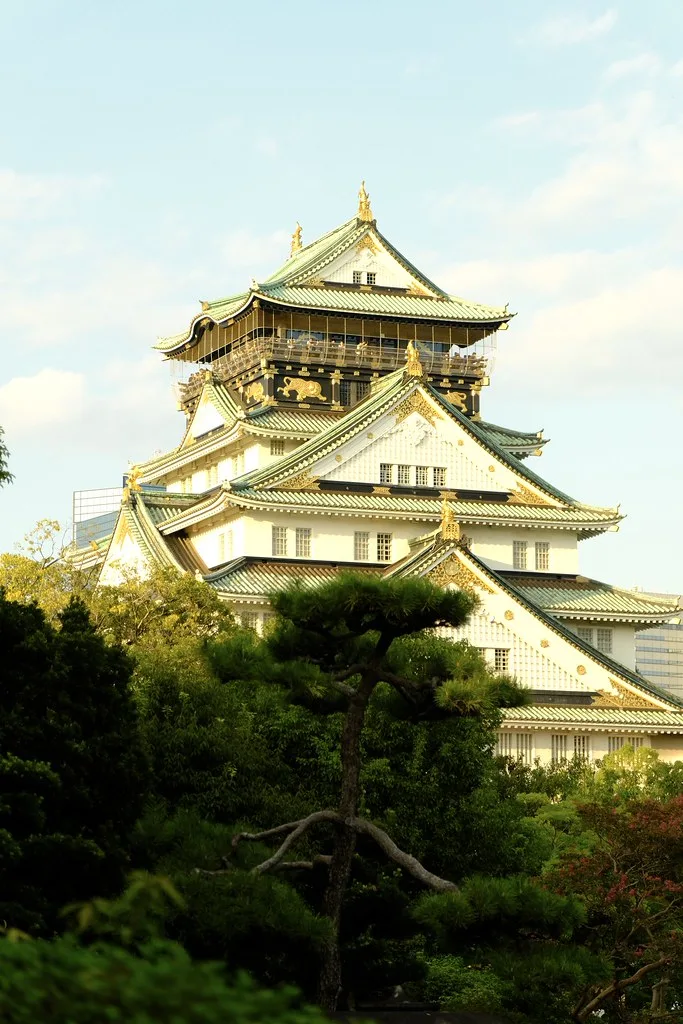
I approached Osaka Castle through Nishinomaru Garden on a morning when autumn light turned the moat water to burnished bronze. The castle rose before me in tiers of white walls and green copper roofs, crowned by golden tiger-fish ornaments that caught the sun. I knew the history – knew this wasn't the original structure – but standing there, craning my neck toward the eight-story donjon, I felt the weight of what this place represents. Osaka Castle is a monument to resilience, to the Japanese impulse to rebuild what's been lost, to honor the past while moving forward.
The first castle was built here in 1583 by Toyotomi Hideyoshi, the peasant-turned-samurai-turned-unifier who rose to rule all of Japan. He chose this site deliberately, building atop the ruins of the Ishiyama Hongan Temple – a Buddhist fortress that had been razed after a decade-long siege. Hideyoshi's castle became one of Japan's largest and most magnificent, a symbol of his power and ambition. But power is fleeting. The castle was destroyed in 1615 during the Siege of Osaka, rebuilt by the Tokugawa shogunate, burned again in 1665, reconstructed, damaged by lightning, and finally destroyed in 1868 during the Meiji Restoration.
What stands today is the 1931 reconstruction – eight stories of ferro-concrete disguised in the traditional style. Some purists dismiss it as modern, but I think they miss the point. This castle has been destroyed and restored so many times that its essence isn't in the materials. It's in the refusal to let it disappear. Today the interior functions as a museum, tracing Osaka's history through the samurai eras, displaying armor and weapons and screens painted with gold leaf. The top floor offers panoramic views of modern Osaka spreading to the horizon.
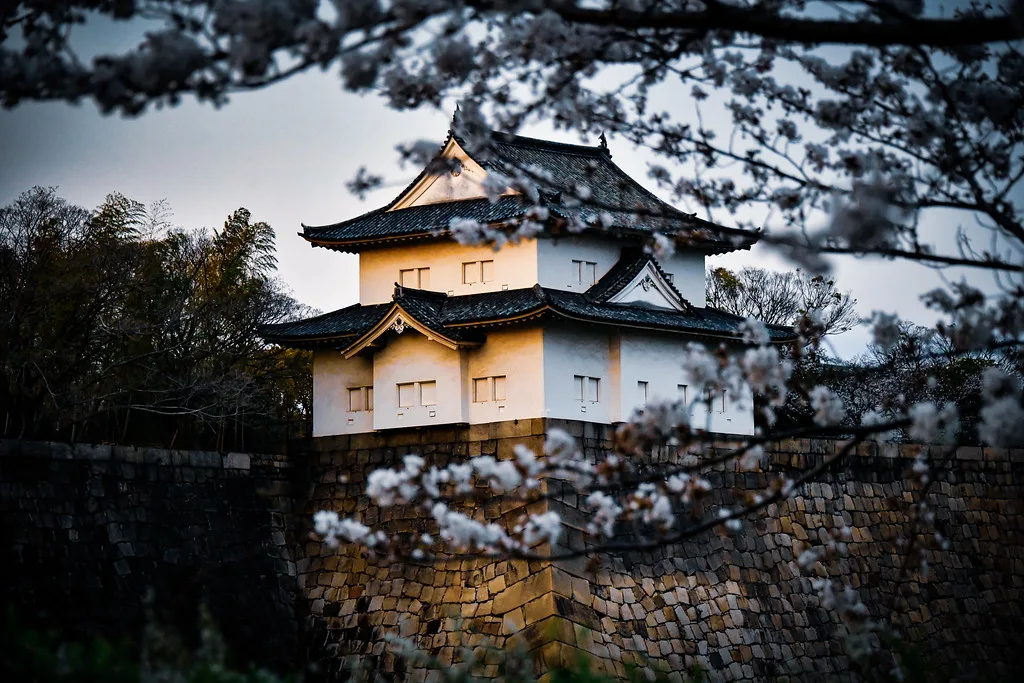
But I spent most of my time in the grounds themselves – walking the massive stone walls that date to the 1620s, crossing bridges over moats where carp glide in lazy circles, standing beneath cherry trees that would be clouds of pink in spring. The park draws thousands during sakura season, but even in autumn, with the ginkgo trees turning impossible shades of yellow, it felt sacred. Budget at least two hours here, more if you time it for cherry blossoms or fall foliage.
Reaching the castle from the cruise terminal takes about 45 minutes by train and subway. It's worth every minute.
Gateway to Kansai's Treasures: Kyoto, Nara, and Himeji
One of Osaka's greatest gifts to cruise travelers is geography. The city sits at the heart of the Kansai region, connected by train to some of Japan's most profound historical sites. From the cruise terminal, you're within reach of ancient capitals, sacred deer parks, and castles that have stood for centuries. The question isn't whether to venture beyond Osaka, but which direction to choose.
Kyoto lies just 30 minutes away by train – close enough for a port day, yet worlds apart in atmosphere. Japan's imperial capital for more than a thousand years, Kyoto preserves 2,000 temples and shrines in a city that treats history as living tradition. I've walked through the ten thousand vermillion torii gates at Fushimi Inari Shrine, climbing the mountain as the tunnels of gates grew narrower and the crowds thinned. I've stood before Kinkaku-ji, the Golden Pavilion, watching sunlight turn its gold-leaf facade to flame. I've wandered the bamboo groves of Arashiyama, where the stalks creak and sway overhead like a living cathedral.
For a single port day in Kyoto, resist the urge to see everything. Choose two or three sites and give them the time they deserve. Fushimi Inari can consume an entire morning if you hike the full circuit. Kinkaku-ji is spectacular but often crowded – arrive early or late. The Gion district comes alive at dusk, when you might glimpse a geisha hurrying to an appointment, her white makeup ghostly in the fading light. JR trains from Osaka Station reach Kyoto in 30 minutes; avoid taxis at Kyoto Station during peak hours and rely on the excellent bus and subway network instead.
Nara offers a different sort of magic, equally close at about 45 minutes by train. Japan's capital before Kyoto, Nara is famous for two things: sacred deer and an immense bronze Buddha. In Nara Park, more than a thousand semi-wild deer roam freely, bowing to tourists who offer them special crackers. It's charming and slightly surreal – these animals are considered messengers of the gods. Todai-ji Temple houses the Daibutsu, a 15-meter bronze Buddha that ranks among Japan's most impressive religious statues. The temple building itself is staggering – one of the world's largest wooden structures.
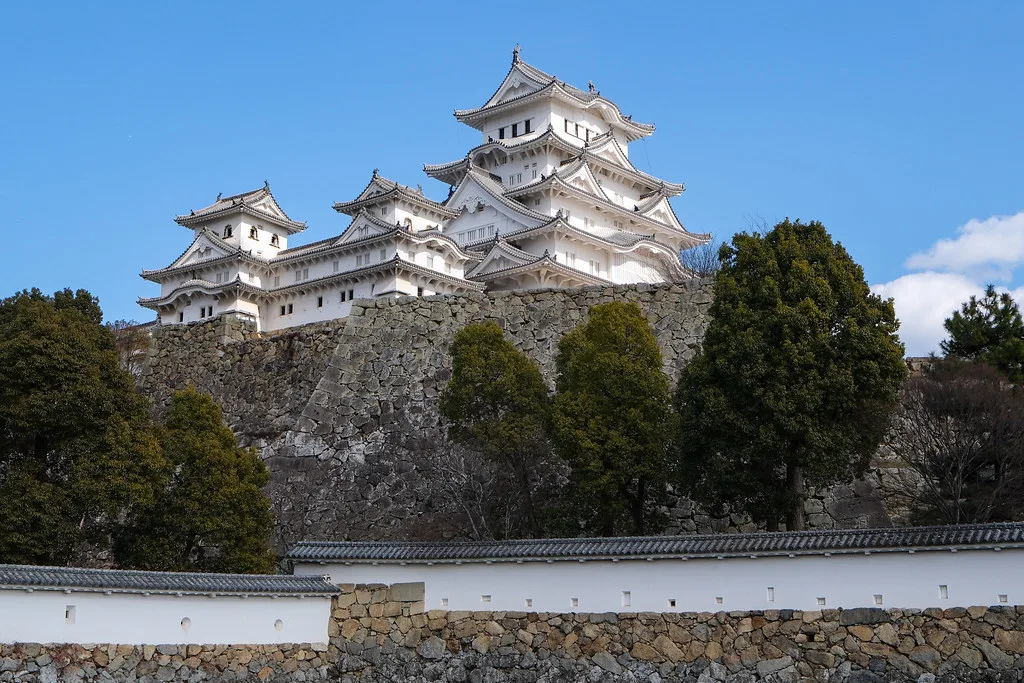
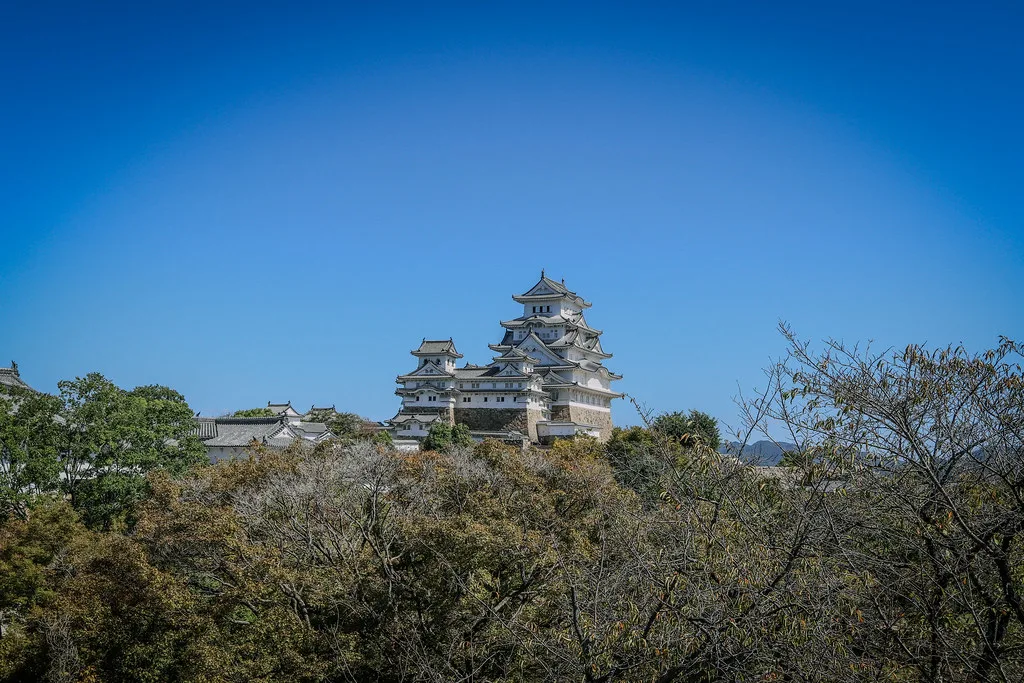
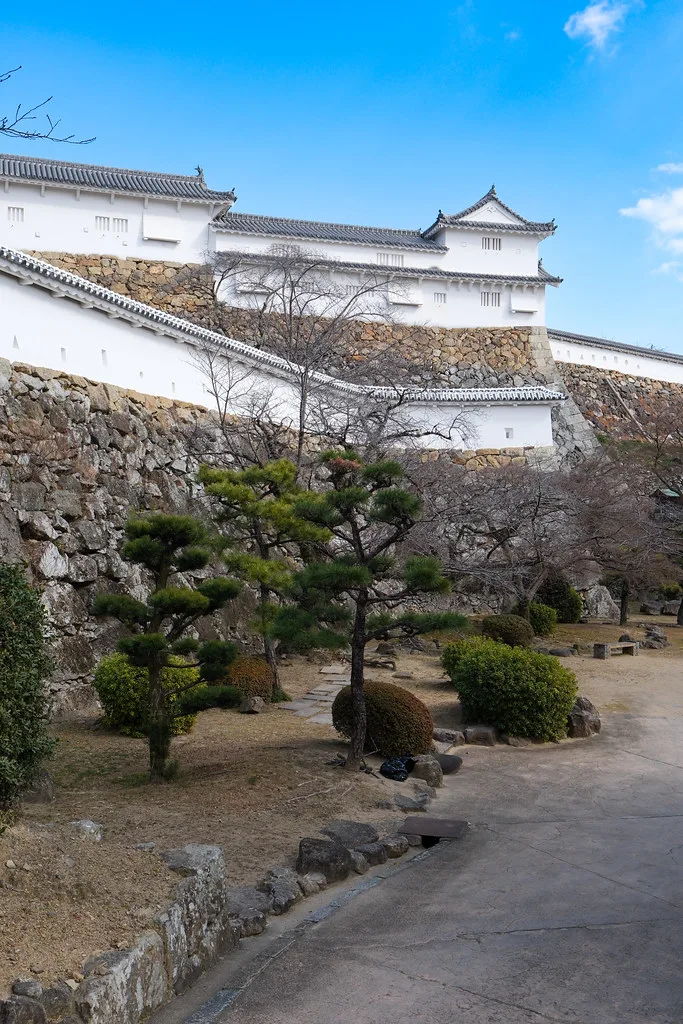
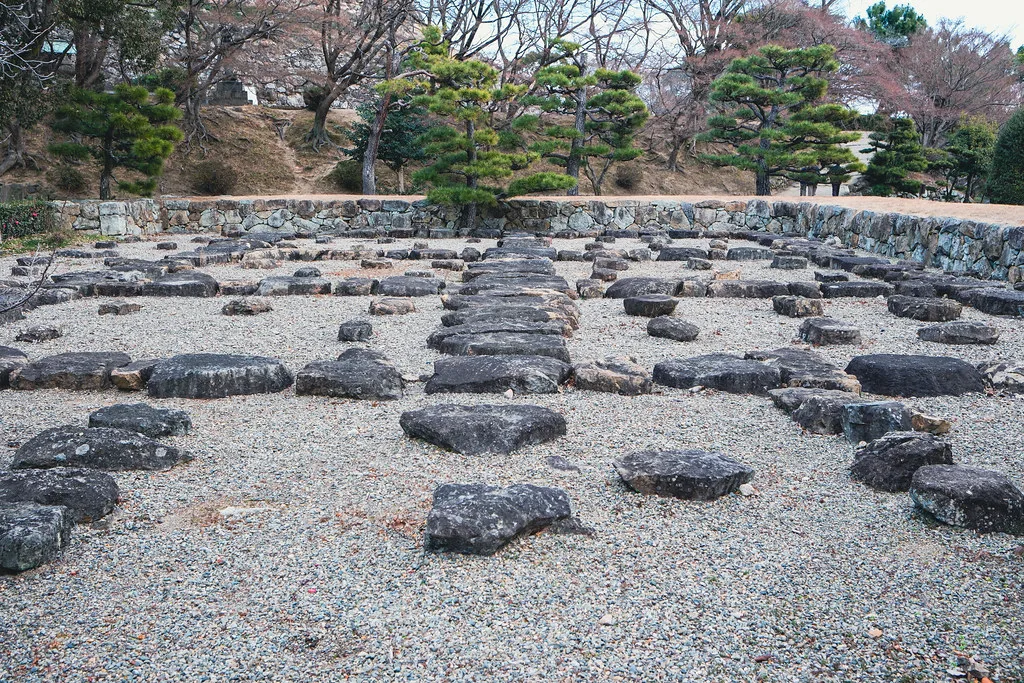
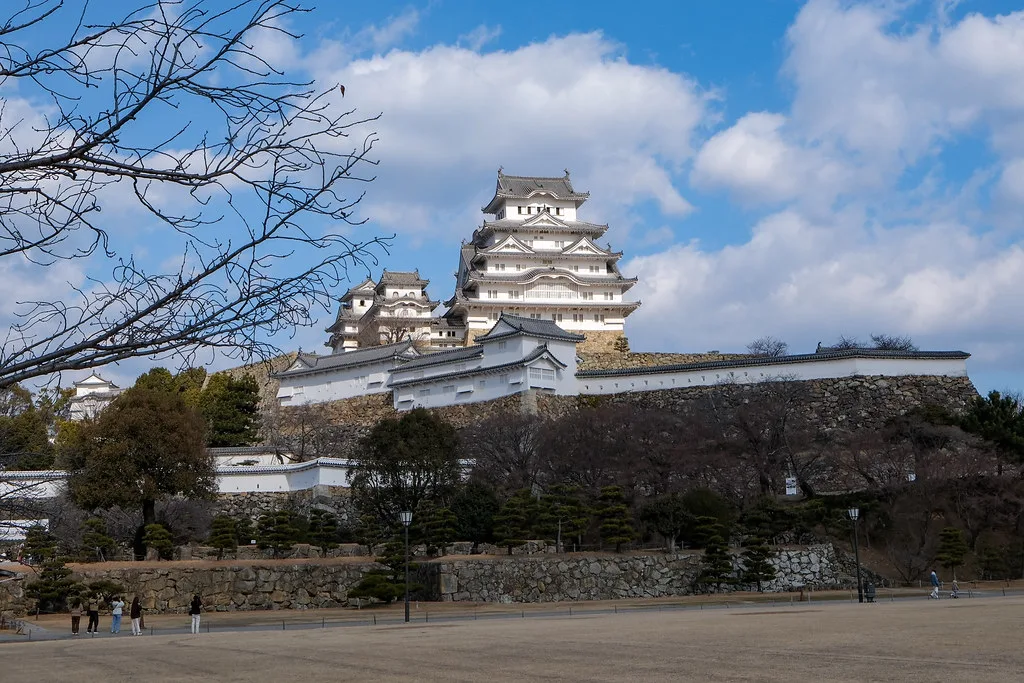
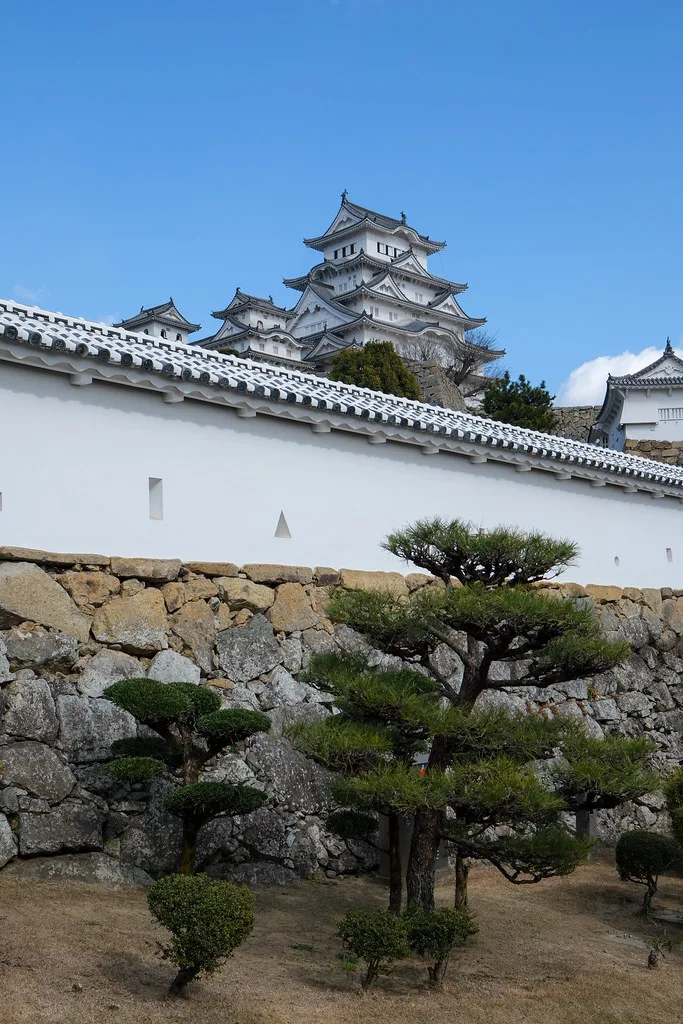
Himeji Castle stands about an hour west of Osaka by train, and it's worth the journey. Unlike Osaka Castle, Himeji has never been destroyed by war or fire. What you see is the 1609 original – a masterpiece of defensive architecture that earned the nickname "White Heron Castle" for its elegant white walls. It's considered Japan's most spectacular surviving castle, a UNESCO World Heritage site, and a rare chance to walk through an authentic feudal fortress. If you have time for only one castle in Japan, make it Himeji.
Each of these destinations deserves more time than a single port day allows. But even a few hours in these places – walking through torii gates, feeding sacred deer, or standing beneath castle eaves that have sheltered centuries of rain – offers something precious. You carry those moments with you.
Port Map
Tap markers to explore Osaka's highlights
Frequently Asked Questions
Where do cruise ships dock in Osaka?
Most international cruise ships dock at the Osaka International Cruise Terminal in the Nankō area, located in Osaka Bay. Some ships also use the Tempozan Cruise Terminal adjacent to Osaka Aquarium Kaiyukan. Both terminals connect to Osaka's train network – reaching central Osaka (Namba or Osaka Station) typically takes 30-45 minutes by train. Some ships use Sakai-Senboku Port further south, which requires shuttle buses to reach train stations.
Can I visit Kyoto, Nara, or Himeji on a port day?
Absolutely. Osaka's central location makes it an ideal gateway to the Kansai region's treasures. Kyoto is 30 minutes away by train, Nara about 45 minutes, and Himeji roughly one hour. For a single port day, choose one destination and see it properly, or split your time between Osaka and one nearby city. Trying to see multiple cities in one day will leave you exhausted and rushed. My recommendation: spend the morning in Osaka (Dotonbori and breakfast), then dedicate the afternoon to either Kyoto or Nara.
Is English spoken in Osaka?
Tourist areas have English signage, and many restaurants offer picture menus or plastic food displays that make ordering easy. English fluency is more limited than in Tokyo, but Osaka's warmth and humor bridge language gaps beautifully. Download Google Translate, learn a few basic phrases (arigatou gozaimasu, sumimasen, oishii), and don't be shy about gestures and pointing. Osaka locals are famously friendly and will go out of their way to help you.
What food must I try in Osaka?
Takoyaki is non-negotiable – these ball-shaped octopus pancakes were invented here in the 1930s and remain Osaka's signature street food. Look for the crispy-outside, creamy-inside texture. Also try okonomiyaki (savory cabbage pancake with various toppings), kushikatsu (deep-fried skewers – never double-dip in the communal sauce!), and ramen. Dotonbori offers all of these within a few blocks. Follow the queues – if locals are waiting, the food is exceptional. Don't fill up at one place; embrace the kuidaore philosophy and keep tasting.
What's the best way to spend a port day in Osaka?
Start early at Osaka Castle (arrive when it opens to beat crowds), then head to Dotonbori for late morning and lunch – eat your way through the street food scene. If you have afternoon time, either continue exploring Osaka's neighborhoods (Shinsekai for retro vibes, Kuromon Market for more food) or take the train to Kyoto for a few hours among temples and shrines. Return to the ship with time to spare – Japanese trains are punctual, but don't cut it too close. The memories and food coma are worth careful planning.