

Photo: Wikimedia Commons (CC BY-SA)
My Logbook: Silence Between the Sounds
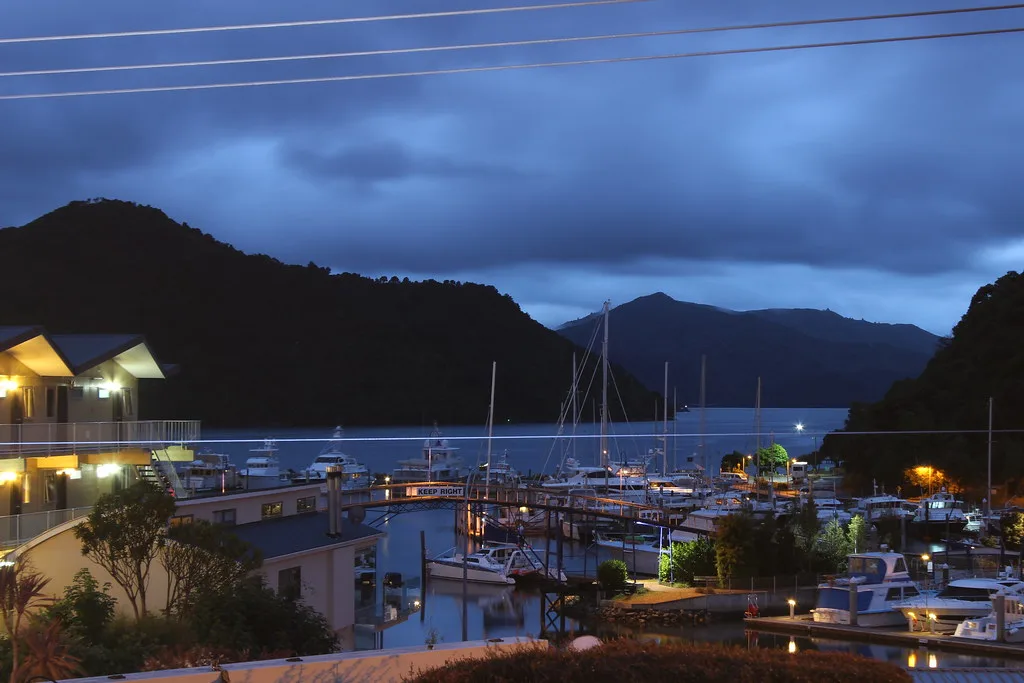
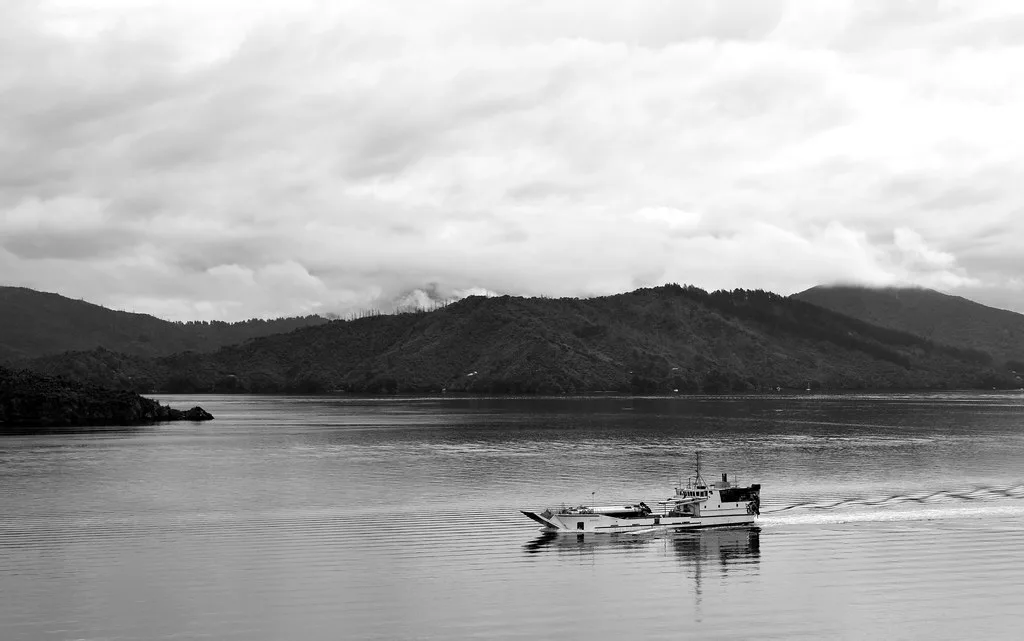
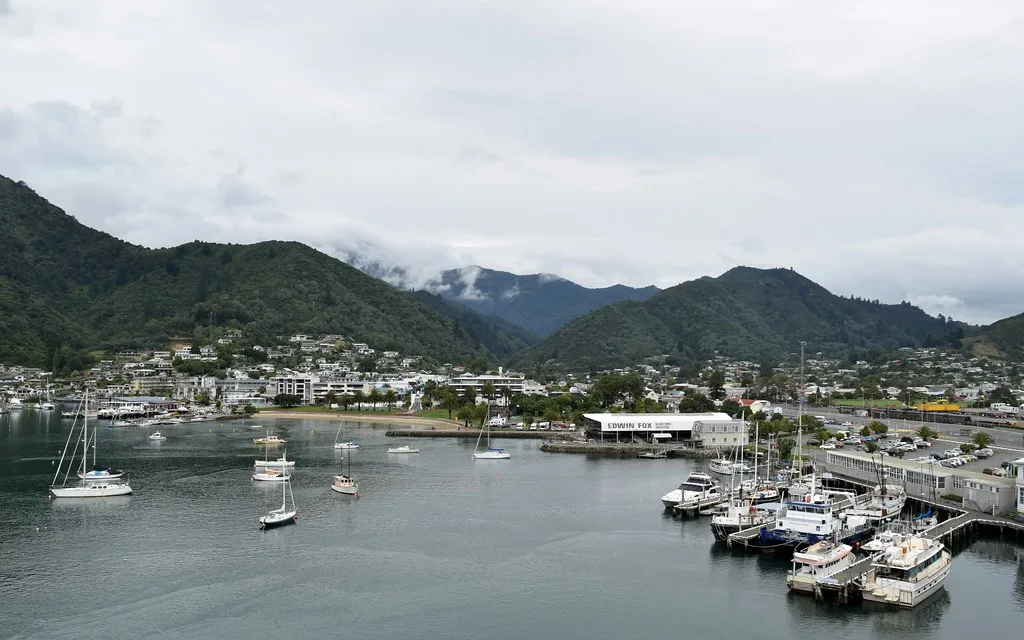
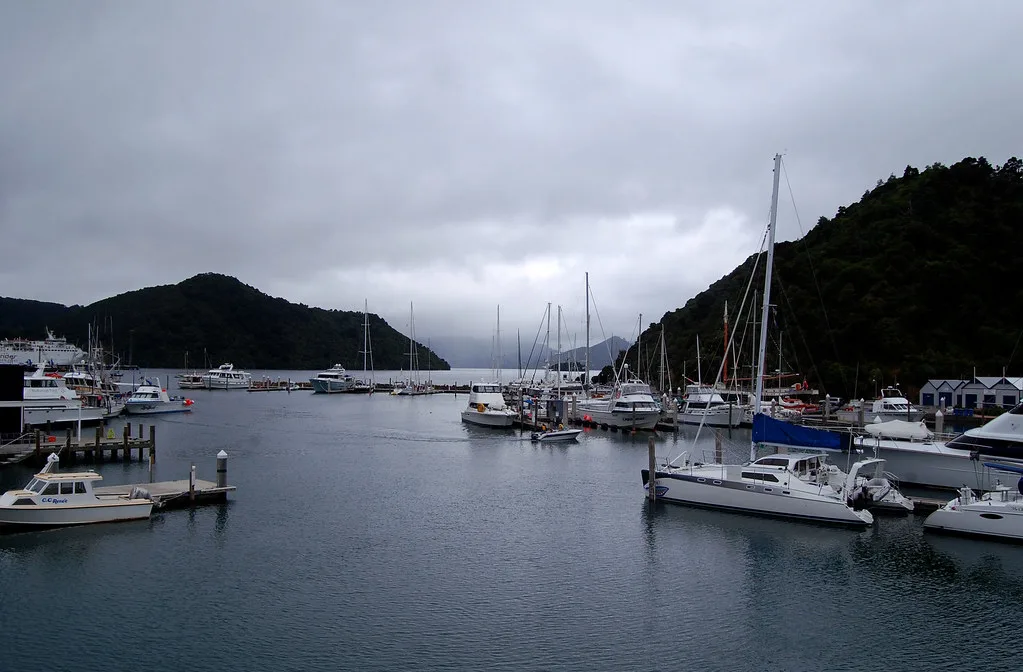
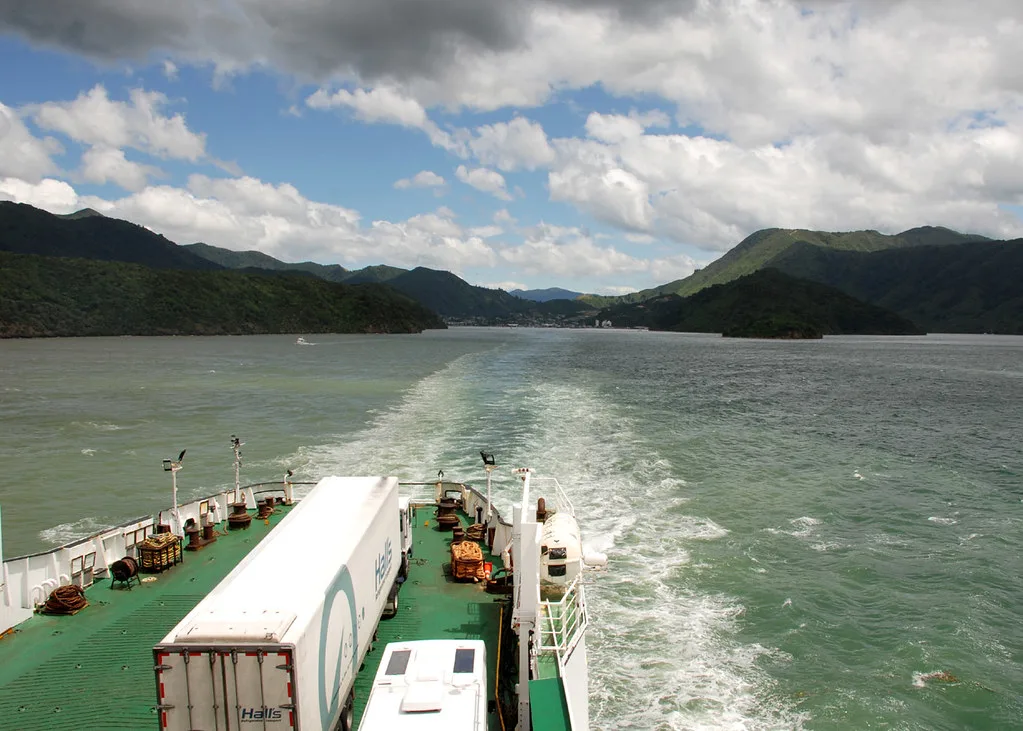
The ferry horns echo across Queen Charlotte Sound at dawn, a maritime rhythm Picton has known since the 1960s when it became the South Island terminus for the Interislander ferry linking these two halves of New Zealand. Standing at the town wharf where our ship berthed, I watched the morning crossing slide past — commuters heading to Wellington, cars lined up on the vehicle deck, all of them oblivious to the spectacle they inhabited. Picton exists in that rare space where working harbor meets pristine wilderness, where the routines of daily passage brush against some of the most stunning coastal scenery in the South Pacific.

.jpg)
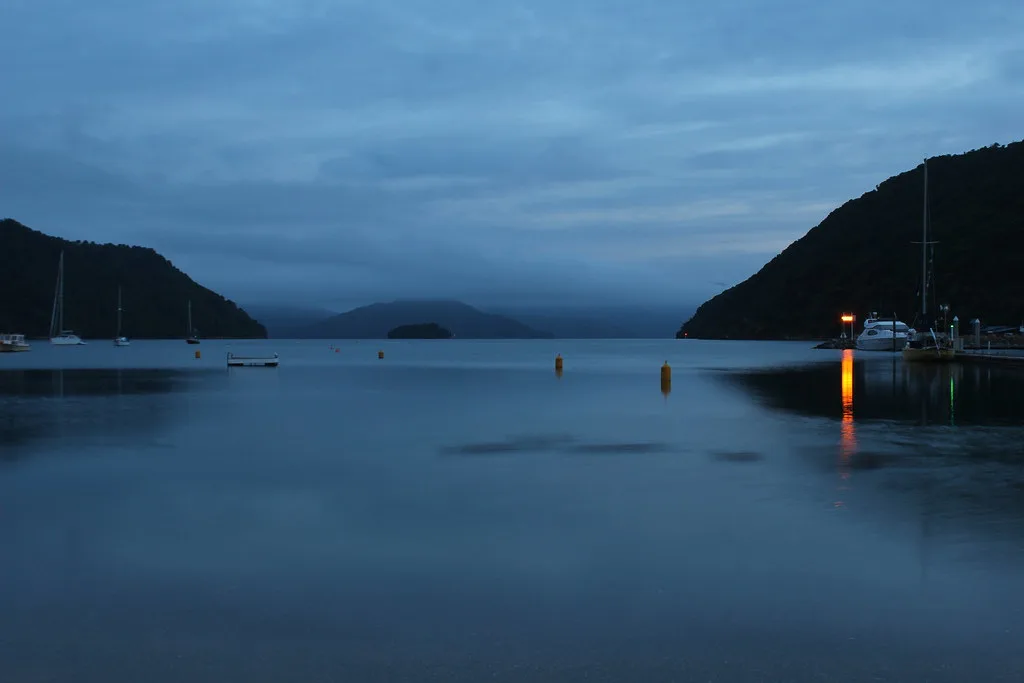
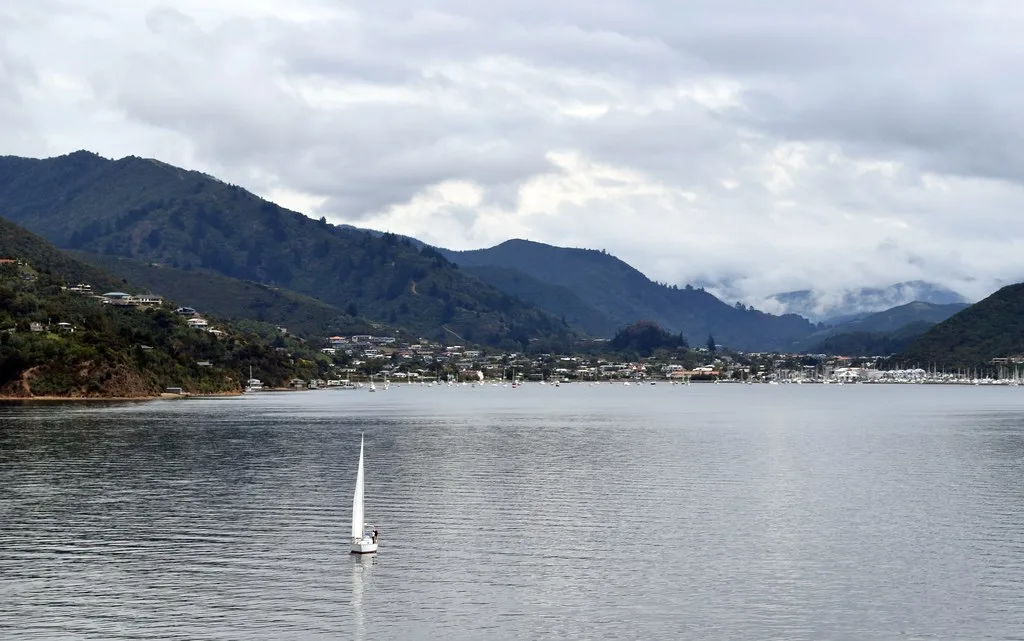
This compact town of 4,000 souls sits at the head of Queen Charlotte Sound in New Zealand's Marlborough region, cradled between water and forested hills, the deep natural harbor providing shelter for vessels large and small. What surrounds it defies easy description. The Marlborough Sounds — Queen Charlotte, Pelorus, and Kenepuru — form a vast network of drowned river valleys, ancient waterways flooded by the sea after the last ice age. Imagine 1,500 kilometers of coastline folded into fjord-like inlets, turquoise channels weaving between forested peninsulas, bays within bays within bays. The sea crept into the mountains here, and the result is a labyrinth of water and green that kayakers, boaters, fishermen, and eco-tourists spend lifetimes exploring.
I took a water taxi out at first light, slipping through glassy water where the only sounds were the boat's wake and the call of native birds in the canopy. The cool morning air smelled of salt and wet bush — that earthy, green scent unique to New Zealand's native forest. The bush tumbles right to the water's edge — silver ferns, rimu, beech forest untouched for centuries. We landed at Ship Cove, the small bay where Captain James Cook anchored five times between 1770 and 1777. Standing on that same shore, I tried to imagine what Cook saw: uncharted waters, a coastline so convoluted it would take decades to map properly, and a natural harbor deep enough for sailing ships to tuck themselves safe from the open strait.
Walking a section of the Queen Charlotte Track in absolute solitude, something shifted inside me. This 70-kilometer trail winds from Ship Cove to Anakiwa, tracing ridgelines and coastal slopes through native bush. I hiked for three hours through forest alive with bellbirds and fantails, the track rising and falling to reveal new vistas of the Sound — water the color of jade, uninhabited islands, bays accessible only by boat. At one point I stopped on a ridge overlooking the entire Sound, and the silence was so complete I could hear my own heartbeat. My eyes filled with tears — not from exhaustion, but from the overwhelming beauty and the quiet grace of being utterly alone in a place this ancient. I whispered a prayer of gratitude that I would never be able to articulate properly. No roads. No power lines. Just water, forest, sky, and the rhythm of my own footsteps on ancient earth. For the first time in years, my mind was completely still.
Back in town, I wandered the waterfront and found the Edwin Fox Maritime Museum, where the ninth-oldest surviving ship in the world rests in dry dock. Built in 1853, this teak-hulled East Indiaman carried troops to the Crimean War, convicts to Australia, and hopeful immigrants to New Zealand before arriving in Picton in 1897. Walking through its skeletal hull, I felt the rough, weathered teak beneath my fingers and traced the passage of thousands who crossed oceans in wooden vessels no larger than a modern ferry, their entire worlds contained in holds now open to the sky.
For something lighter, the EcoWorld Aquarium and Wildlife Rehabilitation Centre sits just minutes from the wharf, offering a window into the region's marine life and conservation efforts. I watched staff care for injured seabirds and learned about the delicate ecosystems of the Sounds — a reminder that this beauty requires stewardship.
But Picton's most celebrated treasure lies thirty minutes south, where the Wairau Valley spreads beneath the ranges near Blenheim. This is the heart of Marlborough wine country, New Zealand's most famous wine-producing region and the vineyards that put this nation on the world's wine map. The story began modestly in the 1970s when a few pioneers planted Sauvignon Blanc in the stony, sun-soaked soils. The cool maritime climate, long sunny days, and dramatic diurnal temperature shifts created something remarkable: wines with explosive aromatics, intense fruit character, and crisp acidity unlike anything coming from Europe or California.
By the 1980s, however, production had expanded rapidly. Cloudy Bay's first vintage in 1985 became a global sensation. Suddenly the world knew Marlborough Sauvignon Blanc, and the region's reputation was sealed. I spent an afternoon visiting cellar doors — Cloudy Bay, Brancott Estate, Villa Maria — tasting wines that sang of passionfruit, gooseberry, and fresh-cut grass, each sip a liquid expression of this particular place. The tasting room staff spoke with quiet pride about the land, the vines, the meticulous work that goes into each bottle. I tasted seven wines before lunch and understood completely why this region's Sauvignon Blanc is considered the world's benchmark.
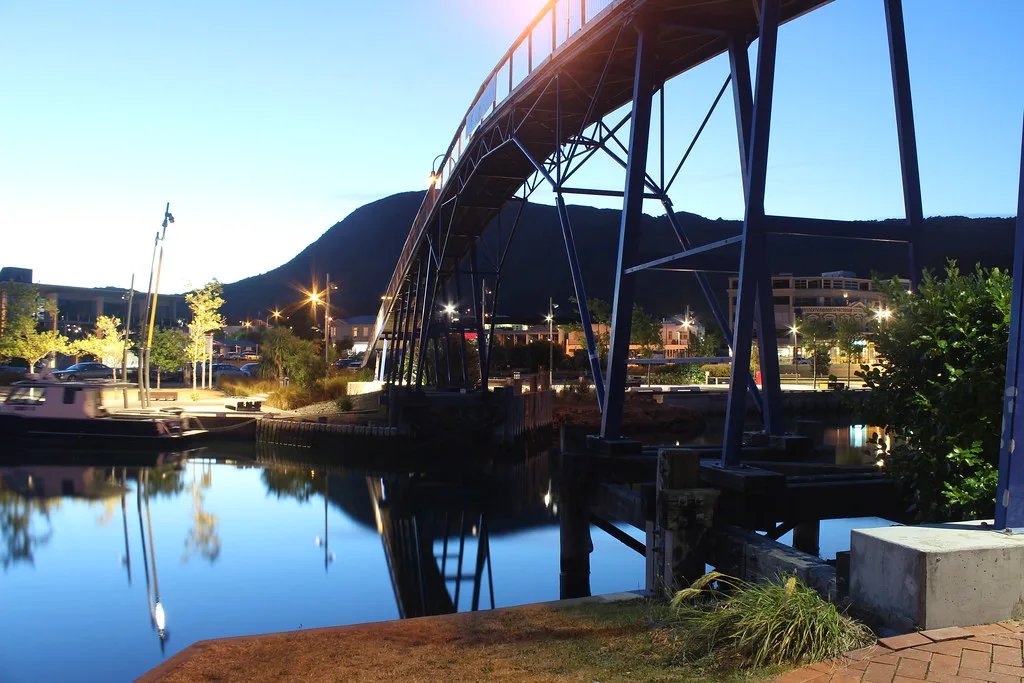
Picton itself maintains a charming small-town atmosphere despite the daily ferry traffic and cruise ship visits. Yet the town never feels overwhelmed — it absorbs visitors gracefully, the pace unhurried even on busy days. Cafes line the waterfront. Galleries display local art. This is a town that knows what it has — wilderness on every side, world-class wine country down the road, and the kind of natural beauty that doesn't need embellishment.
Looking back, I realized that Picton taught me something I'd been too busy to learn on busier port days: sometimes the most valuable gift a place can offer is silence. Not the absence of sound, but the presence of stillness — the kind that lets you hear what matters. In a world of crowded ports and frantic itineraries, Picton reminded me that the best discoveries happen when you stop trying so hard to find them.
Weather & Best Time to Visit
The Cruise Port
Picton operates a single cruise berth at the Town Wharf, and it is one of the most convenient port setups in New Zealand. Ships dock directly at the wharf — no tender required — and you walk off the gangway into the heart of town. Cafes, shops, and the waterfront promenade are within 200 meters of the berth. The i-SITE Visitor Information Centre is a two-minute walk and offers free maps, excursion bookings, and local advice.

.jpg)
The port area is wheelchair accessible with flat pathways along the waterfront, though some uphill streets require moderate mobility. Currency is the New Zealand Dollar (NZD). English is spoken universally, with Maori (te reo Maori) as the second official language. Driving is on the left side. The sheltered harbor means calmer conditions than open-water ports like Wellington, but bring layers for boat trips on the Sounds where wind chill can surprise even on sunny days. On busy cruise days, the wharf area can get crowded when the Interislander ferry arrives simultaneously, so plan your departure from town accordingly.
Getting Around
- Walking (free): Picton is extremely walkable. The entire town center, waterfront, Edwin Fox Museum, EcoWorld Aquarium, and most cafes and shops are within a 10-minute walk of the cruise wharf. The flat waterfront path extends to Bob's Bay beach (20 min) and connects to the Tirohanga Track lookout (45 min). Wheelchair users will find the waterfront path accessible, though hillside streets are steeper.
- Taxis (NZ$15-40): Available at the wharf for destinations beyond walking distance. Fare to Blenheim and Marlborough wine region runs approximately NZ$60-80 one way, or NZ$35-50 per person for shared rides. Always confirm the fare before departure as meters are not commonly used for longer trips.
- Water Taxis (NZ$45-90): Essential for accessing the Queen Charlotte Track, Ship Cove, and remote bays in the Sounds. Operators like Cougar Line and Beachcomber Cruises depart from the Town Wharf. Book ahead during cruise season — services fill quickly on ship days. Confirm pickup times carefully to ensure you return before all-aboard.
- Rental Cars (NZ$60-90/day): Available from agencies near the ferry terminal for independent exploration of the Marlborough wine region, Havelock, or the scenic drive to Nelson. Useful for families wanting flexibility, though parking in central Picton is limited on busy days.
- Organized Tours (NZ$80-200): Wine tours, Sound cruises, and Queen Charlotte Track shuttles all depart from the wharf area. Most operators offer cruise-ship-timed departures with guaranteed return before sailing. Book well in advance during peak season (November-March).
Picton Area Map
Interactive map showing cruise terminal, walking tracks, water taxi operators, and local attractions. Click any marker for details and directions.
Top Excursions & Things to Do
Booking guidance: Ship excursion options guarantee your return to the vessel but cost more. Independent bookings are cheaper and more flexible but carry the risk of missing all-aboard if transportation delays occur. For water taxi trips and wine tours, book ahead through the ship or a reputable independent operator to secure your spot.
Queen Charlotte Sound Cruise
Join the mail boat run that has been servicing isolated settlements since 1926. Three-hour cruise through stunning Sounds scenery, delivering mail and supplies to waterfront homes accessible only by boat. The ship excursion version costs NZ$120-150; independent booking through Beachcomber Cruises runs NZ$95-110 with guaranteed return to the wharf by 4:30 PM. Departs 1:30 PM most days — book ahead as spaces fill fast on cruise ship days.
Queen Charlotte Track Hiking
Water taxi drops you at sections of this 70-kilometer walking and mountain biking track that runs from historic Ship Cove — where Captain Cook anchored five times — all the way to Anakiwa. The track offers native bush, stunning coastal views, and ridge-top panoramas. Even two hours of walking delivers spectacular scenery and profound solitude. Water taxi fare runs NZ$45-75 per person depending on the section. For the ambitious, it is a multi-day journey with lodges (NZ$45-180/night) and campsites (NZ$15/night) along the route. Arrange pickup time carefully with your water taxi operator and allow buffer for your return. This is moderate to strenuous walking — bring sturdy shoes and water.
Marlborough Wine Country
Thirty minutes south to the Wairau Valley near Blenheim — the heart of New Zealand's most famous wine-producing region. Marlborough's Sauvignon Blanc put Kiwi wine on the world map. Cloudy Bay, Brancott Estate, and Villa Maria offer tastings (NZ$10-20 per tasting flight, often redeemable with purchase) showcasing the benchmark style. Organized wine tours cost NZ$120-200 per person including transport, multiple cellar doors, and lunch among the vines. Ship excursion wine tours run NZ$180-250 with guaranteed return. Book ahead — wine tours fill fast on cruise days. Independent visitors can hire a taxi (NZ$60-80 each way) or rent a car.
Edwin Fox Maritime Museum
Walk through the world's ninth-oldest surviving ship, built in 1853. This teak-hulled vessel carried troops to the Crimean War, convicts to Australia, and immigrants to New Zealand. Ten-minute walk from cruise terminal. NZ$15 admission. Wheelchair accessible ground floor.
EcoWorld Aquarium and Wildlife Rehabilitation
Family-friendly attraction showcasing Marlborough Sounds marine life and native species. Watch rehabilitation efforts for injured seabirds and learn about local conservation. Touch pools, seahorses, and educational talks. Short walk from the wharf. NZ$20 adults, NZ$10 children. Low-walking option suitable for all mobility levels.
Kayak the Sounds
Guided kayak tours explore sheltered bays and hidden coves. Half-day trips (3-4 hours) suit cruise schedules and cost NZ$95-130 per person. No experience needed. See native birds, seals, and the Sounds from water level. Book well in advance — this is a popular independent excursion that fills quickly.
Waterfront Walk to Bob's Bay
Flat, easy path along the harbor connects town with beaches and lookout points. Walk to Bob's Bay (20 min) for swimming, or continue to Tirohanga Track (45 min total) for elevated Sound views. Free and lovely. Suitable for low-walking visitors along the flat waterfront section.
Food & Dining
- Greenshell Mussels (NZ$18-28): New Zealand's iconic green-lipped mussels, farmed in the Sounds and incredibly fresh. Try them steamed, in chowder, or with a Marlborough Sauvignon Blanc at any waterfront restaurant.
- Marlborough Sauvignon Blanc (NZ$10-15/glass): The region's calling card — crisp, aromatic, world-renowned. Available everywhere in town.
- King Salmon (NZ$22-35): Also farmed in the Sounds; look for it smoked, grilled, or as sashimi at waterfront eateries.
- Fish and Chips (NZ$12-18): Waterfront takeaway shops serve fresh blue cod — a New Zealand specialty worth seeking out.
- Scallops (NZ$20-30): Local scallops when in season (winter and spring) are sweet and tender.
- Craft Beer (NZ$10-14/pint): Small local breweries punch above their weight; try Moa or Hop Federation.
Important Notices
- Ferry Traffic: The Interislander and Bluebridge ferries operate daily between Picton and Wellington. Their arrival and departure can temporarily crowd the wharf area. Plan your return accordingly.
- Weather Changes: Conditions in the Marlborough Sounds can shift rapidly. Bring layers even on warm days, especially for boat trips.
- Sandflies: Common in bush areas near water. Insect repellent is essential for hiking and beach visits.
Depth Soundings: Final Thoughts
These notes are soundings in another's wake — gathered from travelers I trust, charts I've studied, and the most reliable accounts I can find. When I finally drop anchor here myself, I'll return to correct my course.
Picton earns its place as one of New Zealand's most rewarding cruise stops. The combination of world-class hiking, pristine waterways, authentic maritime heritage, and renowned Marlborough wine country creates a port that satisfies whether you want adventure or relaxation, culture or nature, a quiet walk or a full day of exploration.
The Sounds are why I keep thinking about this place. That impossible labyrinth of turquoise channels and forested peninsulas, the silence that settles over you on the Queen Charlotte Track, the feeling of floating through ancient waterways where the only company is birdsong and the gentle wash of the tide — it stays with you long after the ship has sailed. The Edwin Fox offers a window into the courage of those who crossed oceans in wooden hulls, and the Marlborough vineyards offer liquid proof that this landscape produces something extraordinary.
For first-timers, I'd suggest the Queen Charlotte Sound mail boat cruise for a gentle introduction, or a water taxi to Ship Cove for a taste of the Track. For repeat visitors, the Marlborough wine region offers depth, the kayak tours offer intimacy with the Sounds, and the simple waterfront walk to Bob's Bay offers the kind of New Zealand serenity that cruise ports rarely provide. Picton has more to give than a single port day allows.
Image Credits
- Hero image: Wikimedia Commons (CC BY-SA)
- Queen Charlotte Sound and Track: Wikimedia Commons (CC BY-SA)
- Marlborough wine, Ship Cove, and gallery images: Wikimedia Commons (CC BY-SA)
Photo Gallery
Last reviewed: February 2026
Frequently Asked Questions
Q: Where do cruise ships dock in Picton?
A: Ships dock directly at Picton Town Wharf, right in the heart of town. You walk off the gangway into the town center within two minutes. No tender is required.
Q: Can I visit Marlborough wineries on a port day?
A: Absolutely. The wine region near Blenheim is 30 minutes away by taxi or organized tour. Tasting fees run NZ$10-20 per flight, often redeemable with bottle purchase. Book organized tours ahead to guarantee your spot and ensure a guaranteed return to the ship before sailing.
Q: Is the Queen Charlotte Track accessible on a cruise stop?
A: Yes, via water taxi to trail sections. The 70-kilometer track runs from Ship Cove to Anakiwa and is a multi-day journey for hikers, but you can tackle scenic sections in 2-3 hours with arranged water taxi pickup. Book your water taxi in advance and confirm pickup times carefully to match your ship's schedule. The track involves moderate to strenuous walking on uneven terrain.
Q: What is special about the Edwin Fox ship?
A: It is the world's ninth-oldest surviving ship and the only remaining East Indiaman. Built in 1853, it served as a troop ship in the Crimean War, transported convicts to Australia, and brought immigrants to New Zealand. Admission is NZ$15.
Q: Do I need to book Queen Charlotte Sound cruises in advance?
A: Highly recommended, especially during cruise ship days. The scenic mail boat run and kayak tours fill up quickly. Book online before your ship arrives to secure your spot and confirm timing against your ship's schedule.
Q: What is the best time of year to visit Picton?
A: The New Zealand cruise season runs from November to March (Southern Hemisphere summer). December through February offers the warmest weather (20-25 degrees Celsius) and longest daylight. March and April bring stunning autumn colors and fewer crowds. Check the weather section above for specific month recommendations.
Q: Is Picton accessible for wheelchair users?
A: The waterfront area and main town streets are generally wheelchair accessible with flat paths. The Edwin Fox Museum has an accessible ground floor. However, the Queen Charlotte Track and hillside walks are not wheelchair friendly. Water taxis can accommodate mobility needs with advance notice — contact operators directly when booking.
Q: What should I pack for Picton's weather?
A: Essentials include sunscreen, comfortable walking shoes with good grip, and layers for variable conditions. A light rain jacket is wise even in summer. If planning boat trips on the Sounds, bring a windproof layer as it can be significantly cooler on the water.