
Captain's Logbook
From the Logbook
You smell Rotorua before you see it — the distinctive sulphur scent of a planet still cooling, still alive beneath the surface. What might be off-putting at first becomes a reminder that you're walking on an active volcanic landscape where the earth breathes out steam and bubbles with mineral-laden water.
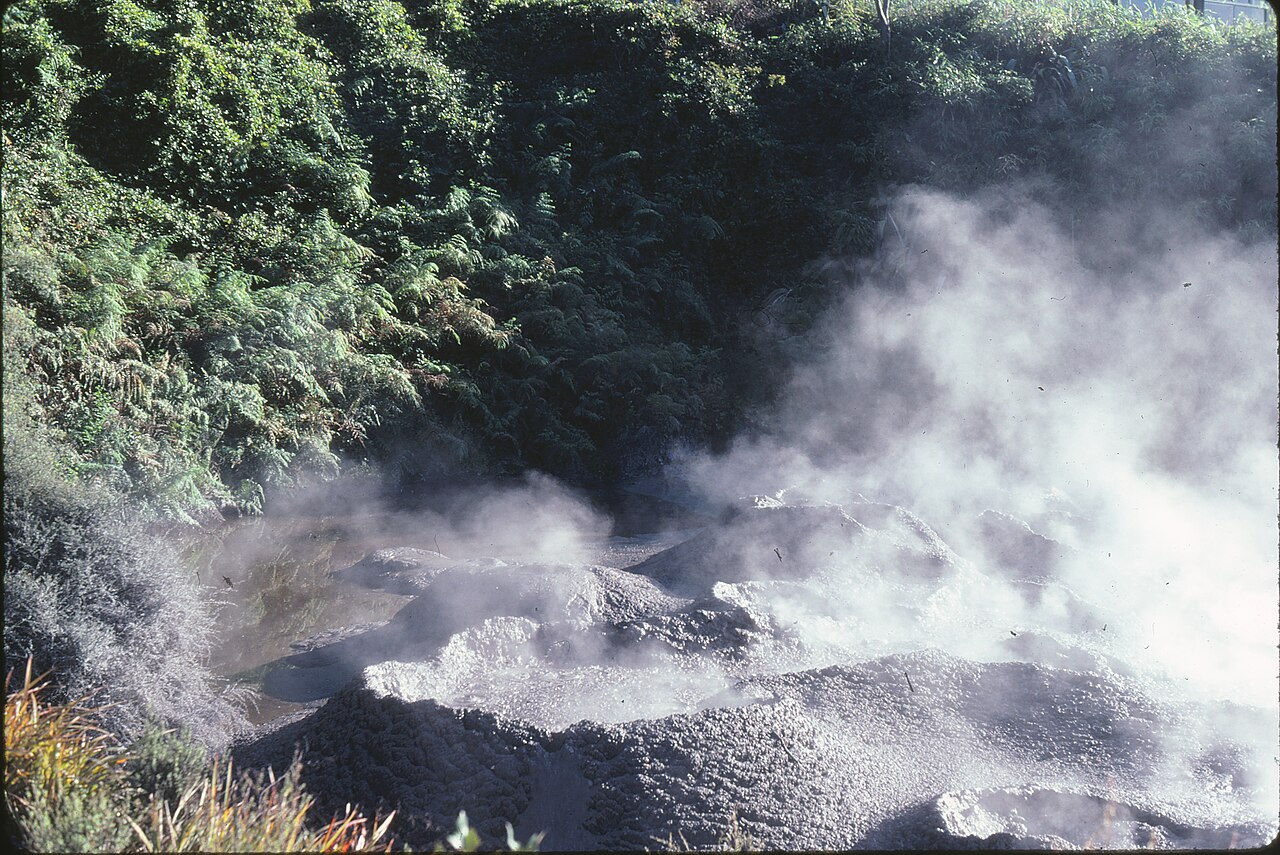
I remember stepping off the bus and feeling the warmth rise through my shoes from ground that was genuinely hot to the touch. Steam drifted across the boardwalk paths in slow white curtains, and I kept pausing to watch the boiling mud pools throw up fat grey bubbles that popped with a sound like distant applause. The Champagne Pool at Wai-O-Tapu stopped me completely — I stood at the railing for a long time, staring at the orange mineral rim against water that shifted from deep green to vivid gold depending on how the light caught it. My camera could not capture what my eyes were seeing. The colours felt impossible, as though someone had poured paint into a volcanic crater and the earth had decided to keep it. I breathed in the sharp sulphur air and felt my chest expand with something that was not quite joy and not quite awe but lived somewhere between the two. In that moment, everything I thought I knew about what the earth looks like rearranged itself, and I understood why people travel halfway around the world to stand at the edge of a hot pool and stare. My breath caught as a geyser erupted without warning across the valley, and for the first time in years I felt the earth as something truly alive beneath me.
Later, walking through the Whakarewarewa redwood forest, I found myself alone on a trail carpeted with soft bark. The trees rose overhead like the columns of a cathedral no human hand had built, and the silence was so complete I could hear my own heartbeat. I sat on a fallen trunk and closed my eyes, letting the stillness settle around me. A tui sang somewhere above, its song liquid and strange, and I thought about how far I had come from home to sit in a forest that smelled of warm earth and old wood. Something loosened in my chest — a tension I had not known I was carrying — and the forest absorbed it quietly, the way old trees absorb everything.
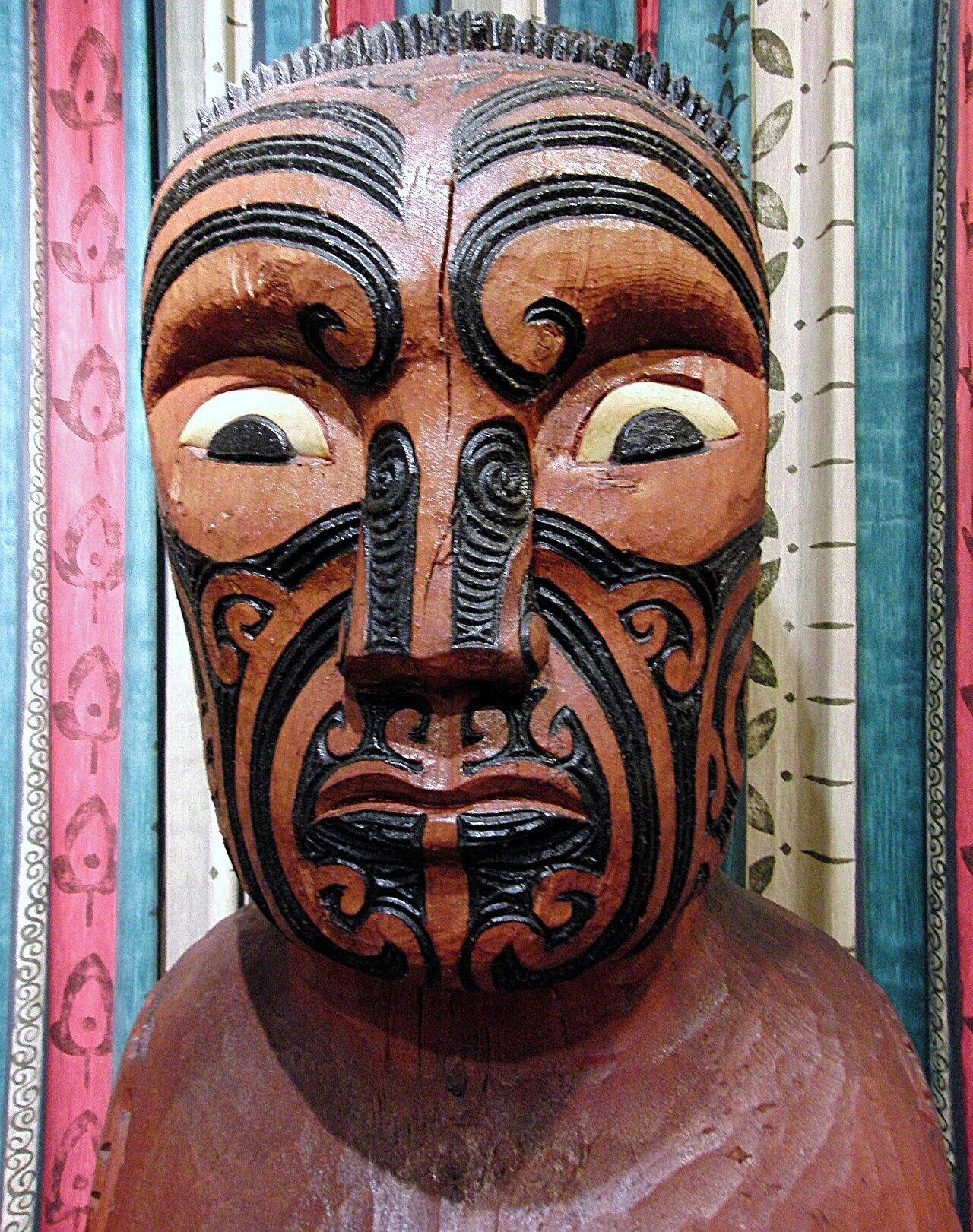
In the meeting house at Te Puia, a young Maori warrior performed the wero — the challenge to visitors. His eyes bulged, tongue extended, voice thundering through the carved wooden walls. Behind the fierce display was profound welcome: the warrior placed a token before me, and when I picked it up, I was accepted. We were no longer strangers. The hongi that followed — pressing foreheads and noses to share breath — felt like the most ancient form of greeting, soul meeting soul. My eyes welled up as I stepped back; something shifted in how I understood welcome, and I whispered a quiet thank you that I hoped carried across the language between us.
Looking back on Rotorua, I realize it was the port that changed how I think about the planet itself. Other ports offer history built by human hands — cathedrals, castles, harbour walls. Rotorua offers something older and less negotiable: evidence that the earth is not finished, that it still creates and destroys with a patience measured in geological epochs. The boiling mud, the erupting geysers, the steam that drifts across ancient forests — these are not tourist attractions. They are the earth's ongoing autobiography, written in sulphur and heat and mineral colour. And the Maori people who have lived alongside these forces for centuries understand something that most of us forget: the land is not a backdrop to human life but a living participant in it. I left Rotorua smelling of sulphur and feeling more connected to the ground beneath my feet than I had felt in years. That connection has not faded.
The Cruise Port
Rotorua is accessed via Tauranga, New Zealand's largest export port, located approximately one hour's drive inland through the lush Bay of Plenty farmland. Ships dock at the Port of Tauranga on the Tauranga Harbour waterfront, where a modern cruise terminal building provides basic amenities including restrooms, a tourism information desk, and free Wi-Fi. The terminal is flat and wheelchair accessible, and taxis queue at the exit during ship arrivals. ATMs are available within walking distance on Devonport Road in central Tauranga. The New Zealand dollar (NZD) is the local currency, and most businesses accept major credit cards, though carry some cash for smaller purchases at markets or roadside stalls.
Because Rotorua sits inland, the port itself at Tauranga serves primarily as a transit point. Most passengers board pre-booked excursion coaches directly at the terminal for the scenic one-hour drive to Rotorua's geothermal and cultural attractions. On busy days with multiple ships in port, the terminal area can feel congested, so heading out promptly gives you a head start. If you are not travelling to Rotorua, the nearby beach town of Mount Maunganui is a fifteen-minute taxi ride from the port and offers excellent swimming, a volcanic cone hike, and waterfront cafes. Tauranga's own town centre is walkable from the terminal in about ten minutes and has shops, restaurants, and a pleasant harbourside promenade.
Weather & Best Time to Visit
Getting Around
The most common way to reach Rotorua from Tauranga port is by organised tour bus, either through a ship-sponsored excursion or an independent local operator. Ship excursion coaches depart directly from the cruise terminal and handle all logistics for the one-hour drive each way. Independent tour operators such as Bay Explorer and Thermal Shuttle run scheduled services from Tauranga to Rotorua's main attractions, with round-trip fares typically around $50-70 NZD per person. These services often include commentary on the Bay of Plenty scenery during the drive and guaranteed port-return timing.
Taxis from the cruise terminal to Rotorua cost approximately $120-150 NZD each way, making them practical only if you split the fare with a group. Rental cars are available from Avis, Hertz, and Budget in central Tauranga, starting at roughly $65-90 NZD per day, and offer the most flexibility for visiting multiple sites at your own pace. Driving from Tauranga to Rotorua is straightforward on State Highway 36 or 33, with clear signage and well-maintained roads. Keep in mind that New Zealand drives on the left. Within Rotorua itself, attractions are spread out across several kilometres, so having your own vehicle or a full-day tour is essential. Walking between geothermal parks is not practical. If you rent a car, allow extra buffer time for the return drive to ensure you are back well before all-aboard.
Port Map
Excursions & Activities
Booking guidance: Ship excursion options provide guaranteed return to the vessel and are strongly recommended for the Rotorua day trip, given the one-hour drive each way. For those who prefer to explore independently, book ahead during peak cruise season (November through March) to secure your preferred tour times and entry slots. Whether you choose a ship excursion or go independent, always confirm all-aboard time before departing and allow a 30-minute buffer for the return journey from Rotorua.
Te Puia Geothermal Valley
The premier Rotorua attraction combines world-class geothermal features with living Maori culture. Admission is approximately $70 NZD per adult. Pohutu Geyser erupts up to 30 metres high, multiple times daily, surrounded by bubbling mud pools, silica terraces, and steaming vents that create an otherworldly landscape. The New Zealand Maori Arts and Crafts Institute on site trains traditional carvers and weavers, and visitors can watch artisans at work. Ship excursions that include Te Puia typically run $130-180 NZD. Allow 2-3 hours on site. The boardwalk paths are mostly flat and accessible, though some areas involve gentle slopes. Te Puia is the best single-attraction choice for cruise visitors who want both geothermal and cultural experiences in one stop.
Wai-O-Tapu Thermal Wonderland
"Sacred Waters" — a geothermal park with the most vivid and colourful thermal features in the region. Admission is approximately $33 NZD per adult, making it the best value among Rotorua's geothermal parks. The Champagne Pool's orange mineral rim, Artist's Palette's multi-coloured silica flats, and Devil's Bath's vivid chartreuse green make this a photographer's paradise. Lady Knox Geyser is induced to erupt at 10:15 AM daily — arrive early to secure a good viewing spot. The walking loop takes 1-2 hours at a comfortable pace. Located about 30 minutes south of Rotorua town centre. Ship excursions including Wai-O-Tapu cost $110-160 NZD. Mostly boardwalk paths; moderate accessibility.
Maori Cultural Performance
Rotorua is the heartland of the Te Arawa Maori people, and cultural performances here are not tourist theatre — they are living traditions shared with genuine warmth and pride. A standalone cultural performance costs approximately $50 NZD per person and typically includes a powhiri (welcome ceremony), a powerful haka (warrior dance), waiata (traditional songs), and demonstrations of wood carving and weaving. Te Puia offers combined geothermal and cultural packages. Whakarewarewa Living Village is an actual Maori community living on geothermal land, where residents guide visitors through their daily life and traditions. The hongi — pressing foreheads and noses together to share breath — is a profoundly moving experience for most visitors. Book cultural experiences in advance, as group sizes are often limited.
Redwoods Treewalk
A suspended walkway through towering California redwood trees in the Whakarewarewa Forest. Admission is approximately $35 NZD per adult for the daytime walk, which consists of 28 suspension bridges strung between 117-year-old redwood trees at heights up to 12 metres. The nighttime Redwoods Nightlights version adds lantern installations and costs $39 NZD. Allow 45-60 minutes. The treewalk is located about 5 minutes from central Rotorua. Moderate accessibility — the bridges sway gently and have handrails, but may not suit those with severe fear of heights. A peaceful contrast to the dramatic geothermal parks.
Hell's Gate Geothermal Park & Mud Bath Spa
The most active geothermal reserve in Rotorua, featuring steaming cliffs, violent mud pools, and the Southern Hemisphere's largest hot waterfall. Hell's Gate is named for its dramatic, almost primordial landscape — less polished than Te Puia but rawer and more intense. The combined park entry and mud bath spa experience costs approximately $89 NZD per adult. The mud bath itself involves coating yourself in warm volcanic mud, soaking in a sulphur spa pool, and emerging with skin that feels genuinely renewed. Park entry alone is approximately $35 NZD. Allow 2-3 hours for the full experience including the spa. Located about 15 minutes from central Rotorua. Book ahead for mud bath time slots, especially during peak season.
Adventure Activities
Rotorua is also an adventure hub for those who prefer adrenaline. The Skyline Gondola and Luge ($55 NZD for gondola plus 3 luge rides) takes you up Mt Ngongotaha for panoramic views before racing down on wheeled luges. Zorbing ($49 NZD) — rolling downhill inside a giant inflatable ball — was invented here. Mountain biking trails in the Whakarewarewa Forest are world-class and free to ride if you bring your own bike, or approximately $60-80 NZD for a half-day rental with trail access.
Shore Excursion Destination: Rotorua is accessed via excursion from Tauranga cruise port (approximately 1 hour by coach).
Depth Soundings
Money: The local currency is NZD. ATMs are generally available near the port area, though fees vary. Credit cards are widely accepted at tourist-oriented establishments, but carry some local cash for markets, street food, and smaller vendors. Your ship's exchange rate is typically unfavorable — withdraw from a bank ATM instead. Budget $30–$80 per person for a comfortable day including lunch, transport, and a few entry fees.
Timing: Start early if your ship arrives at dawn — the first hours offer pleasant conditions and smaller crowds. Allow at least 30 minutes buffer before all-aboard time. Set a phone alarm as backup. Most port visits allow 8–10 hours on shore, which is enough to see the highlights without rushing if you prioritize well.
Safety: Standard port-town awareness applies — keep valuables close and stick to well-traveled areas during daylight. Your ship's ID card is your most important item — losing it creates a genuine headache at the gangway.
Communication: Wi-Fi is often available at cafés and restaurants near the port. Consider downloading offline maps before disembarking — cellular data roaming charges can be substantial and surprising. Google Maps offline mode or Maps.me work well for navigation without data.
Food & Water: Tap water safety varies by destination — ask locally or buy bottled water to be safe. The best food often comes from busy local restaurants rather than tourist-facing spots near the port. Lunch at a popular local place typically costs $8–$20 per person. Street food can be excellent value if you choose busy stalls with high turnover.
Practical Information
Time Required
Minimum 5-6 hours from Tauranga. Full-day tours (7-8 hours) are sufficient to avoid rushing. Choose geothermal OR culture emphasis—trying both in half a day disappoints.
What to Bring
- Camera with good capacity—you'll take hundreds of photos.
- Comfortable walking shoes for boardwalk paths.
- Layers—geothermal areas are warm, but Rotorua is often cooler than coast.
- Open mind for cultural experiences.
The Smell
Yes, it smells like sulphur (rotten eggs). You'll get used to it within an hour. It's the smell of an active planet.
Photo Gallery

FAQs
Is the smell really that bad?
It's noticeable but not unbearable. Most people adjust within 30 minutes. The geothermal wonders are worth temporary nasal adjustment.
Which geothermal park is best?
Te Puia for combined culture and geothermal. Wai-O-Tapu for most colorful pools. Hell's Gate for most dramatic activity. You generally have time for only one on a cruise call.
Is the Maori cultural experience authentic?
Yes. Te Arawa people share their traditions genuinely. It's not a theme park—it's living culture. The haka and hongi are genuinely moving for most visitors.
Q: What is the best time to visit Rotorua?
A: Cruise season runs November through March — Southern Hemisphere summer with geothermal wonderland conditions (33-75°F). There are no months to avoid for weather.
Q: Is Rotorua suitable for passengers with mobility challenges?
A: Accessibility varies by area. The port vicinity and main commercial streets are generally manageable, but older historic districts may feature cobblestones, stairs, and uneven surfaces. Consider booking an accessible ship excursion if you have concerns. The ship's shore excursion desk can advise on specific accessibility options for this port.
Q: Do I need to exchange currency before arriving?
A: The local currency is NZD. Most tourist-facing businesses accept major credit cards. ATMs near the port offer competitive exchange rates. Carry some local cash for small purchases, markets, and tips. Avoid exchanging money on the ship — the rates are typically unfavorable compared to local bank ATMs.
Q: Can I explore independently or should I book a ship excursion?
A: Both options work well. Ship excursions guarantee return to the vessel and handle logistics, making them ideal for first-time visitors. Independent exploration costs less and allows more flexibility — just keep track of time and allow a 30-minute buffer before all-aboard. Many passengers combine approaches: an organized morning tour followed by free afternoon exploration.
Q: Does Rotorua have a hurricane or storm season?
A: Rotorua is not in a hurricane zone. Winds are light; the location is sheltered inland. The sulfur smell is inescapable — you get used to it quickly.
Q: What should I pack for Rotorua's weather?
A: Layers for inland temperatures. Waterproof jacket. Comfortable walking shoes. Clothes you don't mind getting sulfur smell on. Sunscreen.
Q: Will rain ruin my port day in Rotorua?
A: Rain is distributed year-round. Cruise season concentrates in the Southern Hemisphere summer (November through March).
Author's Note: Rotorua excursions are long but rewarding. The combination of geology and culture is unique in the world. Don't skip it for Tauranga beach time.