
Photo: Wikimedia Commons
My Logbook: 500 Years of Wonder at the Gangway
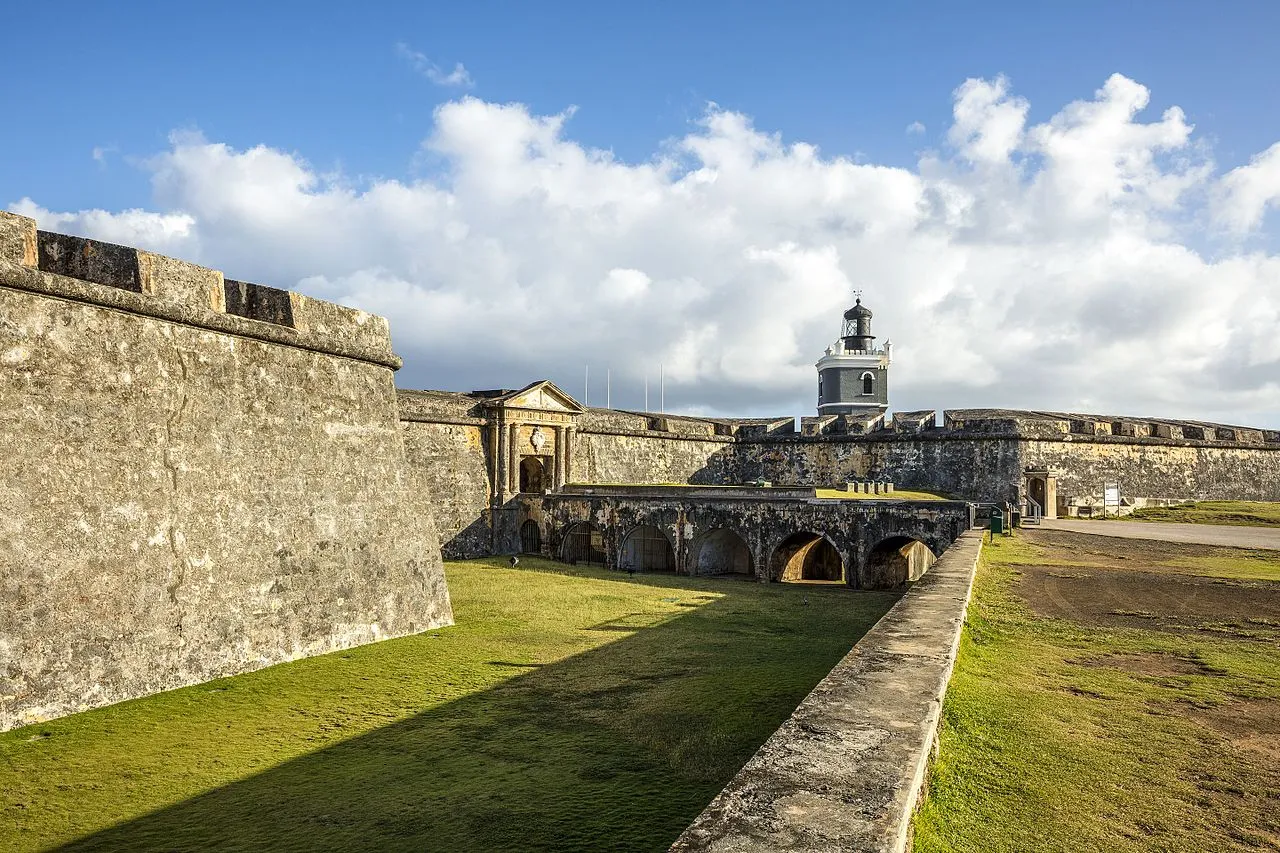
Sailing past El Morro fortress at sunrise with waves crashing against those centuries-old walls is one of cruising's most breathtaking arrivals. The six-level citadel rises 140 feet above the Atlantic, its weathered stone proof of the Spanish Empire's determination to protect their New World gateway. San Juan is the only port where I can step off the gangway and be standing in a 500-year-old UNESCO World Heritage city within five minutes — no taxis, no transfers, just centuries of wonder at my fingertips. Yet even after a dozen visits, I still pause at the pier to take in that view of the old city rising above the harbor walls.
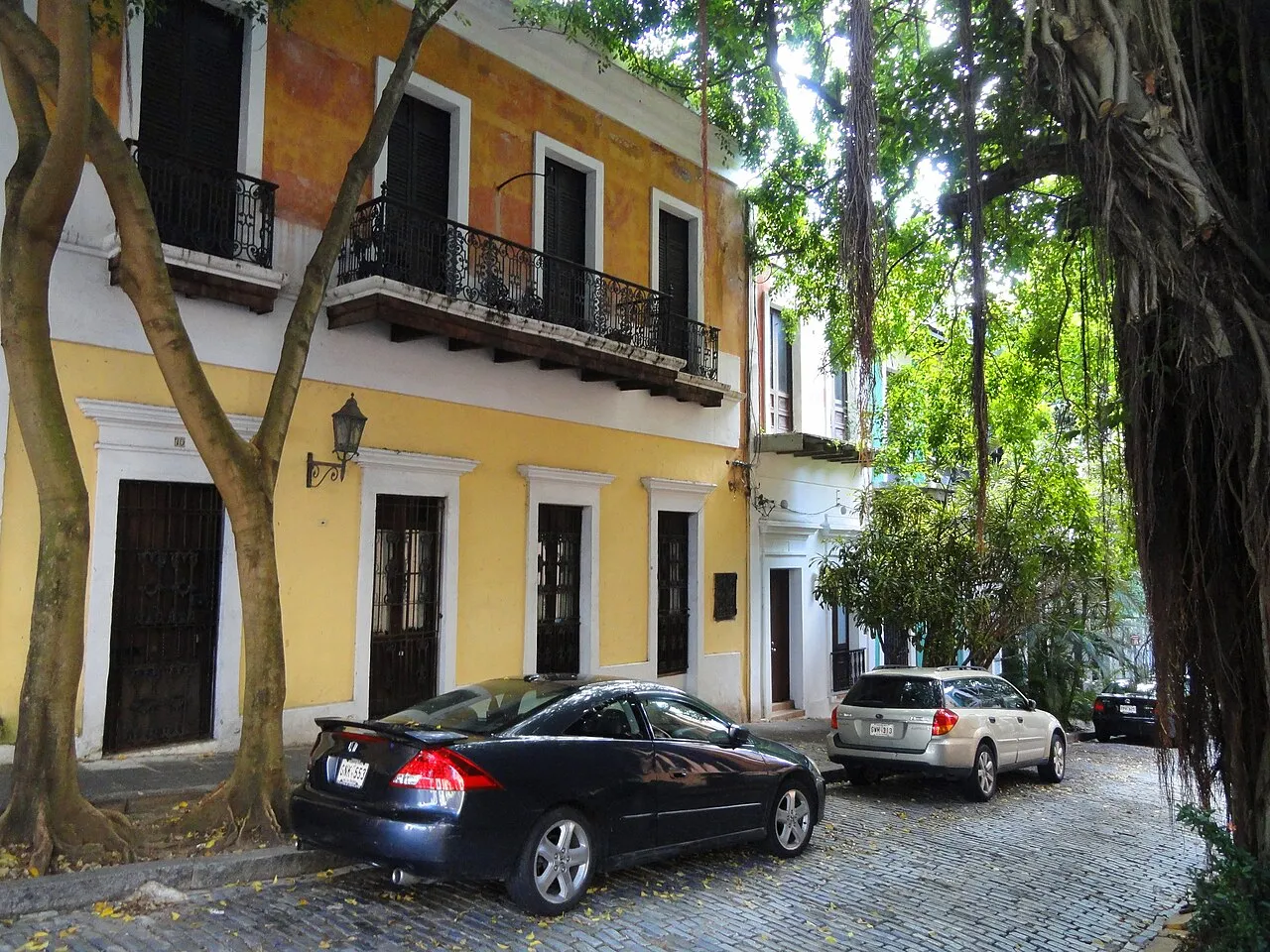
Founded in 1521, San Juan stands among the oldest European settlements in the Americas. Walk these streets and you're tracing layers of time — indigenous Taíno pathways overlaid with Spanish colonial planning, African influences woven into the cultural fabric, Caribbean rhythms mixed with American practicality. In 1983, UNESCO recognized this extraordinary convergence by designating "La Fortaleza and San Juan National Site" as a World Heritage Site, acknowledging what every visitor instinctively feels: this place preserves something irreplaceable, a living chronicle of empires, cultures, and centuries woven into every stone.
My perfect San Juan day starts at 8 a.m., stepping off the ship at Pier 3 or 4 right into the heart of Old San Juan. First stop: a café con leche and fresh mallorca (sweet bread dusted with powdered sugar) at Café Mallorca on San Francisco Street. Properly caffeinated, I wind through the narrow streets toward El Morro, those distinctive blue cobblestones (actually adoquines, blocks cast from iron furnace slag brought as ship ballast from Spain) gleaming after the morning rain.
The walk to El Morro passes La Fortaleza, the oldest executive mansion in continuous use in the Western Hemisphere. Puerto Rico's governors have occupied this fortress-residence since 1540, an unbroken chain of administration spanning nearly five centuries. Beyond it, candy-colored colonial buildings with intricate iron balconies line the streets, and tiny plazas shelter old men playing dominoes and stray cats napping in the sun. Every street corner reveals another chapter of this remarkable fusion of worlds.
El Morro itself takes about two hours to explore properly — six levels of ramps, dungeons, lookout towers, and the lighthouse that still guides ships into the harbor. The $10 entrance fee is worth every penny (and includes Castillo San Cristóbal, which I hit in the afternoon). Bring water; those stone walls radiate heat. The engineering is brilliant — walls reach 18 feet thick in places, angled to deflect cannon fire. Interior ramps (not stairs) allowed defenders to move artillery between levels. The lighthouse, still operational today, has guided vessels since 1846.
Lunch is non-negotiable: mofongo. This Puerto Rican masterpiece — mashed fried green plantains with garlic, pork cracklings, and your choice of filling — is my religion. El Jibarito on Sol Street does the authentic version your abuela would approve of; for elevated interpretations, Marmalade or Santaella in nearby SoFo are destination-worthy. Get the mofongo relleno de camarones al ajillo (stuffed with garlic shrimp) and thank me later.
Afternoon: Castillo San Cristóbal, the massive fortress that protected San Juan from land attack. Though less famous than El Morro, it's actually larger, with a fascinating tunnel system and the spot where the first shot of the Spanish-American War was fired. The views of the modern city from the ramparts provide interesting contrast to El Morro's ocean views. Construction began in 1634, ultimately creating the largest fortification the Spanish ever built in the New World — 27 acres with five independent units connected by tunnels and moats. However, most cruise visitors skip San Cristóbal entirely — their loss, and more room for those who venture here.
Before heading back to the ship, two essential stops: Barrachina, which claims to have invented the piña colada in 1963 (they'll make you one to prove it), and the Paseo de la Princesa for sunset. This tree-lined promenade along the city walls comes alive at dusk with artisan vendors, food stalls, and impromptu salsa dancers. Grab a piragua (shaved ice) from a street vendor and wander until the ship's horn calls you back. If you have a late departure, take a taxi to Condado Beach — San Juan's Waikiki, with turquoise water, beachside bars, and excellent people-watching.
Looking back at my San Juan visits, I realize this island taught me something about identity. Puerto Rico is American but also distinctly its own — the Spanish architecture, the music, the food, the rhythm of daily life. The lesson isn't about belonging to one thing or another. It's about how places carry multiple truths at once, and how that complexity makes them richer.
Weather & Best Time to Visit
The Cruise Port
San Juan welcomes roughly two million cruise passengers annually through its port infrastructure. The majority of cruise ships dock at the Old San Juan Piers (Piers 3, 4, and sometimes Pier 6), which sit directly adjacent to the colonial district. When I say "walk off the ship to attractions," I mean it literally — you'll disembark, clear the terminal building, and find yourself on streets that have existed since the 1500s.
Some larger vessels or those arriving when the Old San Juan piers are at capacity will dock at Pan American Pier, situated closer to the Puerto Rico Convention Center. This terminal lies a couple miles from the core, making walking impractical. Taxis congregate right at the terminal exit, and the ride to Old San Juan runs about 10 minutes depending on traffic. Uber and Lyft also operate throughout San Juan, often at competitive rates.
The port's efficiency is remarkable given its volume. San Juan ranks among the Western Hemisphere's most active cruise harbors, serving as both a turnaround port (where cruises begin and end) and a port of call. The infrastructure operates with practiced precision, from pier workers to taxi coordination.
Getting Around
- Walking from Old San Juan Piers: Step right off the ship into the colonial district. El Morro is 15-20 minutes on foot through scenic cobblestone streets. San Cristóbal is 10-15 minutes in the opposite direction. Most attractions are walkable.
- From Pan American Pier: Taxi to Old San Juan runs $10-15 and takes about 10 minutes. Uber/Lyft typically cost slightly less. Walking from this pier is not recommended — industrial areas and highway overpasses.
- Free Trolley: A free trolley runs loops through Old San Juan if your feet need a break from the cobblestones. The hills are real! Routes connect major attractions and the cruise piers.
- Taxis: Metered taxis congregate at cruise terminals and major plazas. Condado Beach is about $15-20 from Old San Juan. Bacardi distillery runs $20-25 each way.
- Uber/Lyft: Both operate throughout San Juan at competitive rates. Often faster than hailing street taxis, especially for beach trips to Condado or Isla Verde.
- Ferry to Bacardi: The Cataño ferry departs from Pier 2 (near cruise terminals) for just $0.50. From Cataño, a free Bacardi shuttle runs to the distillery. Round-trip takes about 3 hours including tour.
- Rental Cars: Available at the airport but unnecessary for most cruise visitors exploring Old San Juan. Useful only if visiting El Yunque rainforest or Bioluminescent Bay on overnight stays.
Note: Those blue cobblestones look beautiful but can be slippery when wet and uneven. Wear comfortable, sturdy walking shoes — save the sandals for the beach. The hills throughout Old San Juan add to the workout. Wheelchair users should note that the free trolley is accessible and provides an alternative to navigating uneven cobblestones.
San Juan Area Map
Interactive map showing cruise terminals, El Morro, San Cristóbal, and major Old San Juan attractions. Click any marker for details.
Sandy Shores
While Old San Juan is the main draw, San Juan offers excellent beaches within easy reach:
- Condado Beach (15 min taxi): San Juan's Waikiki — high-rise hotels, turquoise water, beach bars, and excellent people-watching. The Condado strip offers restaurants, shops, and entertainment. Calm waters great for swimming.
- Isla Verde (20 min taxi): Wider beach with softer sand, near the airport. More resort-focused with water sports rentals. The stretch near the Ritz-Carlton is particularly beautiful. Good snorkeling near the rocks.
- Ocean Park (15 min taxi): Local favorite between Condado and Isla Verde. Less crowded, more bohemian vibe. Kite-surfing popular here due to steady winds. Several excellent beachfront restaurants.
- Escambrón Beach (10 min taxi): Small protected cove near Old San Juan, good for families. Calm waters, lifeguards on duty. Adjacent to Luis Muñoz Marín Park with picnic areas and shade trees.
Note: Most beaches are free with public access. Lounge chair and umbrella rentals typically $10-15 at hotel beaches. Condado and Isla Verde have the most facilities; Ocean Park is more laid-back.
Pre-Cruise Activities and Things to Do
Booking guidance: Old San Juan is best explored independently — ship excursions are unnecessary when attractions are steps from the pier. Book ahead for El Yunque rainforest tours if your ship offers late departure. The Bacardi distillery tour is free with tastings included.
DIY vs. Ship Excursion: Old San Juan Exploration
DIY Walking (~$10/person)
- Walk from pier — no transport needed
- El Morro + San Cristóbal = $10 entry (both)
- Explore at your own pace all day
- Free piña coladas at Barrachina (with purchase)
Ship Walking Tour ($45-65/person)
- Guide shares history and hidden gems
- Structured 3-hour itinerary
- Small group with local expert
- Premium for history not in guidebooks
El Morro and San Cristóbal Fortresses
These twin citadels form the centerpiece of the San Juan National Site, earning UNESCO World Heritage recognition in 1983. El Morro began construction in 1539 and required over 200 years to complete — a multi-generational building project that transformed a simple watchtower into the six-level marvel rising 140 feet above the Atlantic. San Cristóbal is actually larger, covering 27 acres with an extensive tunnel system. The $10 admission covers both for the entire day. Allow 2 hours for El Morro, 1.5 hours for San Cristóbal. The kite-flying on El Morro's lawn is a beloved local tradition — join in or just watch. Bring water and sun protection; those stone walls radiate heat. Independent exploration is far superior to ship excursions here.
Old San Juan Walking Tour
The colonial district rewards wanderers. Start at the cruise piers and wind through 500 years of architecture — candy-colored Spanish colonial buildings, La Fortaleza (oldest executive mansion in the Western Hemisphere), Casa Blanca (oldest continuously occupied residence in the Americas, built for Ponce de León's family in 1521), the Cathedral of San Juan Bautista (where Ponce de León's remains rest), and the Raices Fountain honoring Taíno, Spanish, and African roots. The blue cobblestones are actually iron furnace slag brought as ship ballast from Spain. No guide needed — pick up a free map at the pier and wander at your own pace.
Bacardi Distillery Tour
Take the $0.50 Cataño ferry from Pier 2, then the free Bacardi shuttle to Casa Bacardi. The tour covers rum production and the Bacardi family saga, concluding with tastings of their various rums. The entire trip takes about 3 hours round-trip including ferry rides and tour. Free admission, free tastings — hard to beat that value. The gift shop offers exclusive bottles not available elsewhere. Great rainy-day option.
El Yunque Rainforest
The only tropical rainforest in the US National Forest System lies 45 minutes from San Juan. Waterfalls, hiking trails through lush vegetation, and the famous coquí frogs make this a nature lover's paradise. Ship excursions run $80-100 and take 5-6 hours. Independent visits are possible with rental cars, though parking fills early. Reserve permits at recreation.gov for certain trails. Only practical with late ship departures or overnight stays — too far for short port calls.
Condado Beach Day
San Juan's resort beach strip offers a completely different experience from the colonial core. Turquoise water, high-rise hotels, beach bars, and excellent people-watching. Uber to Condado runs $15-20 from the cruise pier. Most hotel beaches allow public access; chair and umbrella rentals typically $15-20. La Concha Renaissance offers good beach facilities for non-guests. Book ahead for lunch at beachfront spots on busy days.
Where to Eat and Drink
Puerto Rico has earned its reputation as a foodie paradise through a distinctive culinary tradition born from the convergence of Spanish, African, and Taíno influences:
- El Jibarito (Sol Street, $-$): The legendary mofongo destination. Authentic preparations your abuela would approve of. Order the mofongo relleno de camarones al ajillo (stuffed with garlic shrimp). Cash only, expect a wait. Worth every minute.
- Barrachina (Fortaleza Street, $): Claims to have invented the piña colada in 1963. Order one in the courtyard and sip where the legend began. Food is touristy but fine; come for the cocktails and atmosphere.
- Marmalade ($$): Puerto Rico's most celebrated fine dining room. Tasting menus showcase local ingredients through a refined lens. Reservations essential. Located in SoFo district, 15 minutes from piers.
- Santaella (SoFo, $$): Chef José Santaella's flagship — elevated Puerto Rican cuisine in a beautiful restored building. The mofongo here is an art form. Reservations strongly recommended.
- Café Mallorca (San Francisco Street, $): Perfect morning stop for café con leche and mallorca (sweet bread with powdered sugar). Old-school counter service, authentic atmosphere. Opens early.
- La Bombonera (San Francisco Street, $-$): A San Juan institution since 1902. Traditional breakfast and pastries in a gorgeous vintage setting. The mallorcas and café con leche are iconic.
Street food tip: Look for alcapurrias (fried fritters with ground beef or crab), piragua (shaved ice with fresh fruit syrups), and food trucks along the Paseo de la Princesa. The piragua vendors push colorful carts through the streets — tamarind and passion fruit flavors are outstanding.
Local Notices and Current Conditions
- US Territory: No passport needed for US citizens. USD accepted everywhere. Cell phones work normally with US carriers. Purchases return home duty-free.
- Language: Spanish is dominant on the streets, but English is widely understood in tourist areas, restaurants, and shops. Basic Spanish courtesies appreciated.
- Weather: Tropical year-round (80-90°F). Brief afternoon showers common — they pass quickly, often ending with rainbows. The rain makes those blue cobblestones shimmer beautifully.
- El Morro/San Cristóbal: $10 admission covers both fortresses all day. Open 9 AM - 6 PM daily. Bring water and sun protection — those stone walls radiate heat.
- Cobblestones: The beautiful adoquines are uneven and slippery when wet. Wear sturdy walking shoes, not sandals or heels. Hills throughout Old San Juan add challenge.
Depth Soundings
Practical tips before you step off the ship.
Puerto Rico's status as a US territory brings profound practical benefits for American visitors. No passport required — just valid ID. US dollars everywhere. Your cell phone works normally with no international charges. All purchases return home duty-free, making this an excellent shopping port for rum, coffee, and local crafts.
The Old San Juan piers offer exceptional walkability — most attractions, restaurants, and shops sit within a 20-minute stroll. The entire colonial district covers just 0.6 square miles. However, those cobblestones and hills extract their toll. Comfortable, broken-in walking shoes are essential. Save the sandals for Condado Beach. If you dock at Pan American Pier, budget $10-15 for taxi fare to Old San Juan.
Carry cash for street vendors, food trucks, and smaller establishments. ATMs dot Old San Juan for USD withdrawals. $40-60 in small bills covers most cash needs. Credit cards work at established restaurants and shops. Tipping follows standard US norms — 15-20% at restaurants.
Practical Information
- Currency: US Dollar (USD) — no exchange needed
- Language: Spanish (English widely understood in tourist areas)
- Time Zone: Atlantic Standard Time (AST) — no daylight saving
- Weather: Tropical — warm year-round (80-90°F). Brief afternoon showers common.
- Port Type: Major Caribbean cruise hub, turnaround and port of call
- Pier Location: Piers 3, 4, 6 in Old San Juan (walk-off); Pan American Pier (taxi needed)
- Accessibility: Old San Juan piers accessible. Cobblestone streets challenging for wheelchairs. Fortresses have ramps but uneven surfaces. Taxi transport available to accessible beaches.
Photo Gallery
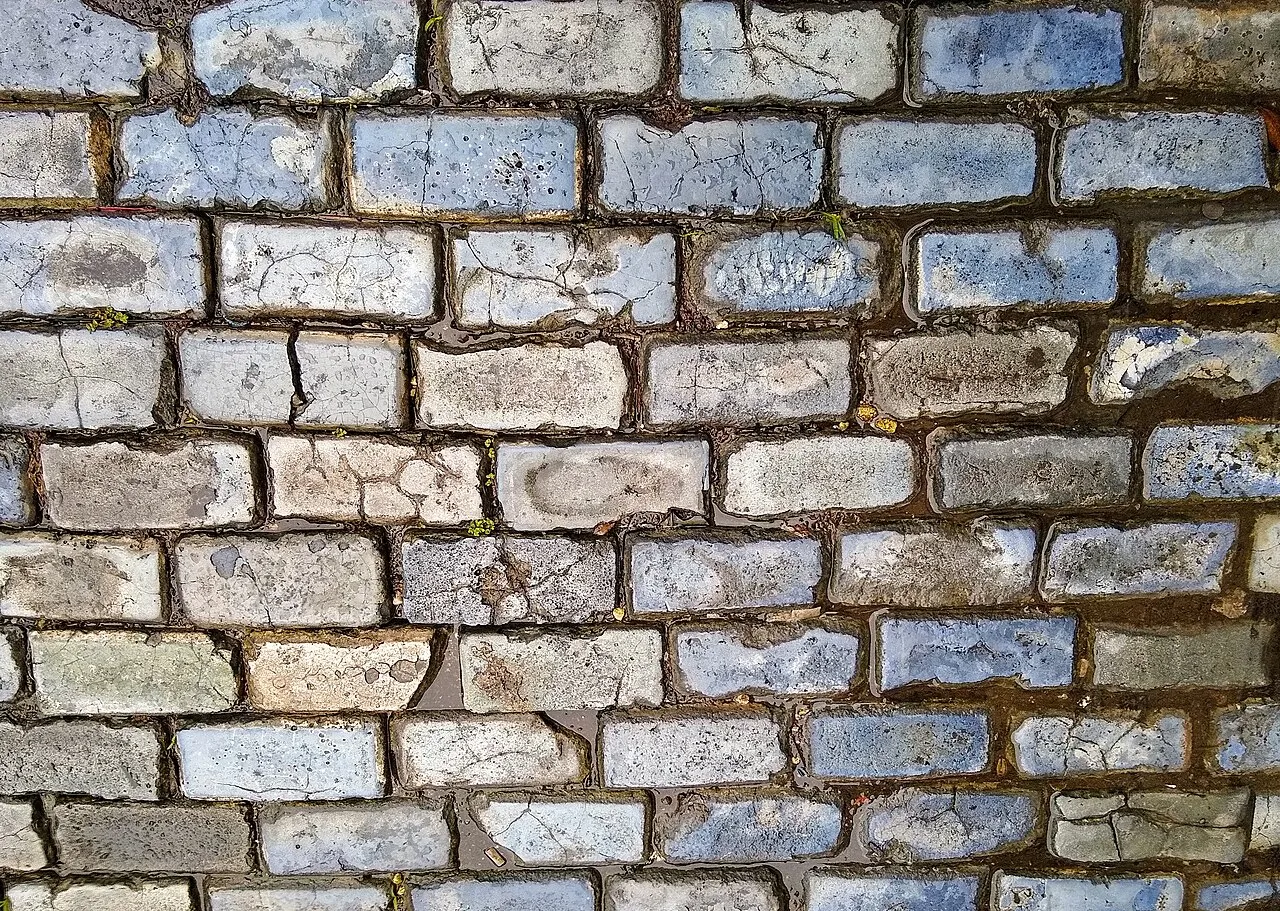
Image Credits
- san-juan-1.webp: Old San Juan buildings, Wikimedia Commons (CC BY-SA)
- san-juan-2.webp: Plaza Colón, Wikimedia Commons (Public domain)
- san-juan-3.webp: Cobblestone streets, Wikimedia Commons (CC BY-SA 4.0)
- san-juan-4.webp: El Morro fortress, Wikimedia Commons (CC BY-SA 4.0)
- paseo-princesa.webp: Paseo de la Princesa, Wikimedia Commons (CC BY-SA 4.0)
All images from Wikimedia Commons, used under Creative Commons licenses.
Frequently Asked Questions
Q: Do I need a passport for San Juan?
A: No — Puerto Rico is a US territory, so American citizens only need a valid ID. USD is accepted everywhere, your cell phone works normally with US carriers, and all purchases return home duty-free. It's America with better food and weather.
Q: Where is the best mofongo in San Juan?
A: El Jibarito on Sol Street is legendary for authentic mofongo. For elevated versions, try Santaella or Marmalade. Get it relleno (stuffed) with camarones al ajillo (garlic shrimp) for the full experience. Cash only at El Jibarito.
Q: How far is El Morro from the cruise port?
A: From the Old San Juan piers (3, 4, or 6), El Morro is a 15-20 minute walk through scenic colonial streets with blue cobblestones. The walk is half the pleasure. A free trolley also connects the piers to the fortress area.
Q: Should I visit El Morro or San Cristóbal?
A: Both! The $10 admission covers both fortresses for the entire day. El Morro has the iconic ocean views, lighthouse, and kite-flying lawn. San Cristóbal is larger with an extensive tunnel system. If forced to choose one, El Morro is the signature San Juan experience.
Q: Will rain ruin my San Juan port day?
A: Take the Bacardi distillery tour — ferry from Pier 2, free shuttle, free tour with tastings. Or explore the many museums, galleries, and shops of Old San Juan. Afternoon showers typically pass within an hour, often ending with rainbows over the blue cobblestones.
Q: What's the best time of year to visit San Juan?
A: Peak cruise season (December through April) offers the most reliable weather and best conditions for sightseeing. Check the seasonal panel above for specific month recommendations based on your planned activities.
Q: Does San Juan have extreme weather to worry about?
A: Hurricane season runs June through November, with peak risk in September and October. Check the weather hazards section above for details. Cruise lines monitor conditions and will adjust itineraries if needed for passenger safety.
Q: What should I pack for San Juan?
A: Sunscreen, comfortable walking shoes (those cobblestones are uneven), and a light rain jacket for afternoon showers. Check the Packing Tips section in the seasonal panel above for more recommendations.
Q: Does San Juan have a hurricane or storm season?
A: Yes — hurricane season runs June 1 through November 30, with September and October carrying the highest risk. Cruise lines closely monitor conditions and will adjust itineraries if needed. Travel insurance is recommended for cruises during peak storm season months.
San Juan is the easiest Caribbean port to explore independently. Everything worth seeing in Old San Juan is within walking distance. Do NOT buy a ship excursion for a "walking tour of Old San Juan" — you're literally already there when you step off the ship.
Last reviewed: February 2026