

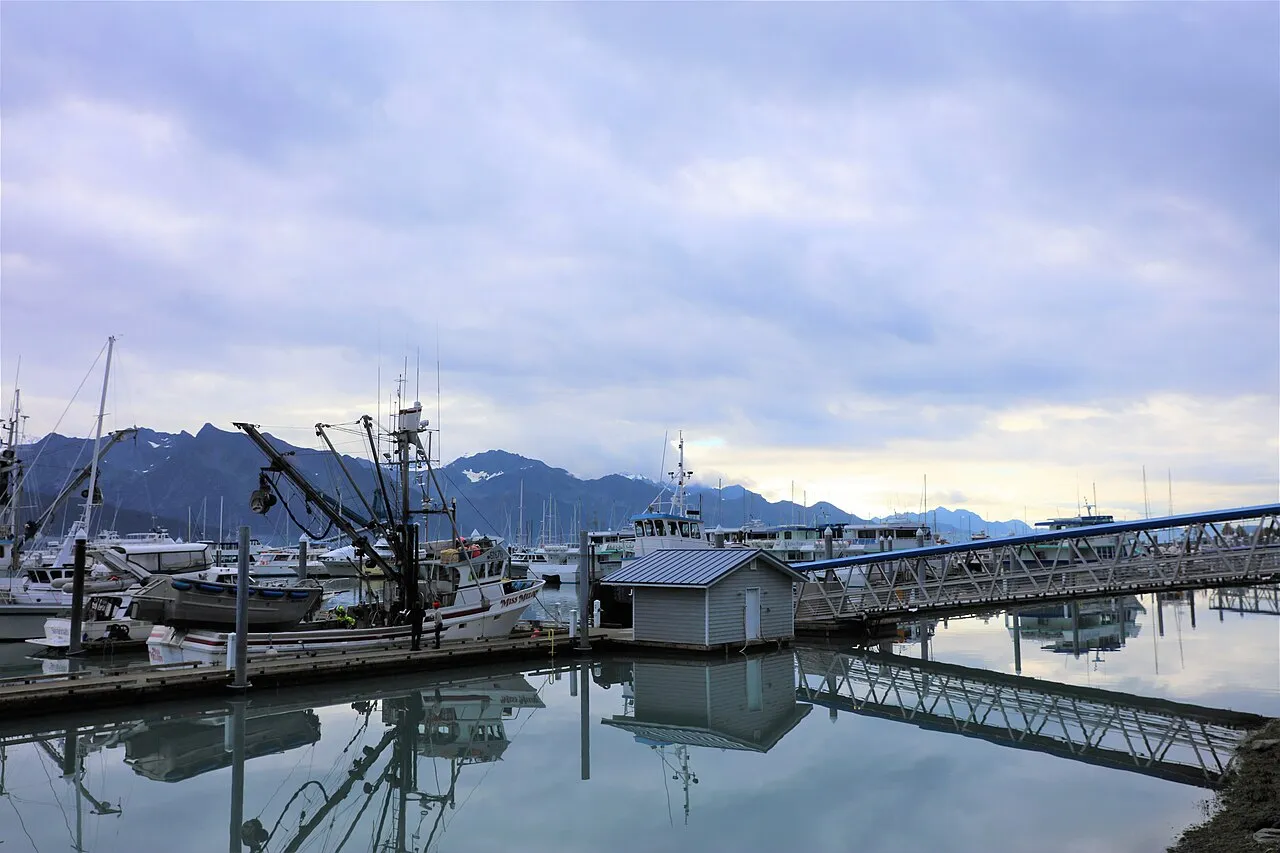
Photo: F. W. Sheelor / Library of Congress Panoramic Photographs (public domain, 1915) · also at Wikimedia Commons
Seward, Alaska
Region: Alaska | Season: May – September | Dock: Seward Cruise Ship Terminal, 1 mile from downtown

Photo: F. W. Sheelor / Library of Congress Panoramic Photographs (public domain, 1915) · also at Wikimedia Commons
Region: Alaska | Season: May – September | Dock: Seward Cruise Ship Terminal, 1 mile from downtown
The ship pulled into Resurrection Bay on a crystalline August morning, snow-capped mountains rising directly from the water on all sides and bald eagles circling lazily overhead. I stood on deck with my coffee watching the approach, and the air smelled of salt water, glacier silt, and the promise of wildlife. Seward is small — maybe 3,000 permanent residents — but it punches far above its weight as a cruise destination. This is the gateway to Kenai Fjords National Park, and I'd been told that the day cruise into the fjords was the single best wildlife experience in Alaska. I was skeptical of that claim. I shouldn't have been.
We had booked the full 8-hour Kenai Fjords cruise with Major Marine Tours ($225 per person), and by 8:30 AM we were motoring out of Resurrection Bay into the Gulf of Alaska. The captain hadn't even finished his safety briefing when someone yelled "Orcas!" A pod of six transient killer whales was hunting Dall's porpoise about 200 yards off our port side. I watched through binoculars as they worked together, the distinctive black dorsal fins cutting through gray water, then erupting in a coordinated attack. The porpoise didn't make it. I understood then why they're called killer whales — it was raw, brutal, magnificent nature happening right beside our boat.
We continued past Chiswell Islands, where Steller sea lions by the hundreds hauled out on rocky ledges, barking and jostling and occasionally launching themselves into the water to fish. Horned puffins nested in the cliff faces, their orange beaks unmistakable even from the boat. I counted at least eight bald eagles on one small islet. The naturalist on board pointed out tufted puffins, common murres, cormorants, and pigeon guillemots — the place was thick with seabirds in a way I'd never experienced before.
Then came the humpbacks. We encountered three separate groups — including a mother and calf — and spent nearly an hour watching them lunge-feed on herring, their massive mouths breaking the surface, baleen filtering tons of water. One whale surfaced so close I could smell its breath (fishy, in case you wondered). The captain cut engines and we drifted in silence except for the blow of whales surfacing around us. However, the highlight was still to come.
Aialik Glacier is a tidewater glacier — meaning it flows directly into the ocean — and it's actively calving. The captain nosed our boat within a quarter mile of the glacier face, a wall of blue and white ice 300 feet tall stretching across the fjord. We sat there for twenty minutes listening to the groans and cracks of ice under pressure, watching house-sized chunks break free and explode into the water. The crew chipped ice off a small berg for "glacier margaritas" — tequila poured over 10,000-year-old ice. We toasted to Kenai Fjords while the glacier continued its ancient work of grinding mountains into the sea.
Back in Seward by late afternoon, I walked to the Alaska SeaLife Center ($27 admission) — Alaska's only public aquarium and marine wildlife rescue facility. I touched sea stars in the tide pool exhibit, watched puffins dive in the aviary, and observed a rescued Steller sea lion doing flips for fish. The center rescues and rehabilitates injured marine mammals; some can be released while others become permanent residents and ambassadors for their species. It's genuinely educational rather than just entertaining.
Dinner was halibut cheeks at Ray's Waterfront ($32) — buttery, sweet, better than lobster — while watching fishing boats return to harbor. I walked the waterfront afterward, reading about how the 1964 Good Friday earthquake nearly destroyed Seward. The 9.2 magnitude quake triggered massive waves and fires that flattened the waterfront, killed 13 people, and collapsed the economy. Although the devastation was nearly total, the town rebuilt itself as the gateway to Kenai Fjords National Park. That resilience is part of what gives Seward its character today.
The pros: outstanding wildlife viewing — legitimately the best single-day wildlife experience I've had anywhere. Charming small-town atmosphere, excellent Alaska SeaLife Center, the famous Alaska Railroad connection to Anchorage. Kenai Fjords delivers on every promise.
The cons: weather can cancel or significantly impact fjord cruises — the Gulf of Alaska is rough, and seas too high mean a shorter trip or no trip at all. Take seasickness medication even if you don't think you need it. The 8-hour cruise is a long day, especially combined with a transfer to Anchorage afterward.
The bottom line: if your Alaska cruise stops in Seward and you only do one excursion the entire trip, make it the Kenai Fjords cruise. Nothing else comes close. Book ahead through your cruise line for guaranteed return to ship, or book independent if you're willing to accept the (small) risk of a delay.
Seward functions primarily as a turnaround port rather than a port of call — most cruises either begin or end here, with passengers transferring to Anchorage via train or bus. However, some itineraries do stop in Seward as a port of call, giving passengers a full day to explore.
The Seward Cruise Ship Terminal is located at the south end of town, about 1 mile from the historic downtown area and Small Boat Harbor where the Kenai Fjords tour boats depart. The terminal sits adjacent to the Alaska Railroad depot, making the train connection convenient for turnaround passengers. The facility includes restrooms, a small visitor center with maps and information, and covered waiting areas.
Free shuttle buses (yellow school buses) run continuously between the cruise terminal and downtown during the cruise season, typically from 8 AM to 6 PM. The shuttle stops at the Small Boat Harbor, downtown shops and restaurants, and the Alaska SeaLife Center. The walk is flat and scenic if you prefer — about 20-25 minutes at a leisurely pace along the waterfront. Wheelchair users will find the route accessible with paved sidewalks and curb cuts throughout downtown.
Seward is compact and walkable, with most attractions accessible on foot from the cruise terminal or downtown. The town stretches about 2 miles along Resurrection Bay, with mountains rising directly behind.
Accessibility Note: Downtown Seward is wheelchair accessible with paved sidewalks and curb cuts. The waterfront path is flat and accessible. The Alaska SeaLife Center is fully accessible. Some tour boats have limited accessibility — contact operators in advance.
Interactive map showing the cruise terminal, Small Boat Harbor, Alaska SeaLife Center, and key attractions.
Note: Exit Glacier is about 12 miles from downtown Seward via Herman Leirer Road.
Seward excursions center on Kenai Fjords National Park — one of Alaska's premier wilderness areas. The park is accessible only by boat or floatplane, making day cruises the primary way to experience it. Book ahead through your cruise line for guaranteed return to ship or with local operators for potentially lower prices.
The signature Seward experience ($175-275, 6-8 hours). Full-day cruises with Major Marine Tours or Kenai Fjords Tours take you deep into Resurrection Bay and the Gulf of Alaska to see tidewater glaciers, whales, puffins, sea lions, and harbor seals. Ship excursion prices run 15-20% higher than booking independent, but include guaranteed return to ship. The shorter 4-hour cruises ($125-175) see less wildlife and don't reach the glaciers — the full day is worth every extra hour. This is the best single-day wildlife experience in Alaska.
Visit Alaska's most accessible glacier ($60-120, 3-4 hours) at Kenai Fjords National Park's only road-accessible area. Guided tours include transportation and ranger-led hikes to the glacier toe. The Harding Icefield Trail (8.2 miles round trip, strenuous) offers views of the massive icefield. For independent travelers, a rental car or taxi ($50-70 one way) reaches the trailhead; entrance is free with America the Beautiful pass or $20/vehicle.
Alaska's only public aquarium and marine wildlife rescue facility ($27 adults, 2-3 hours). Located downtown within walking distance of the cruise terminal. Touch sea stars, watch puffins dive, observe rescued seals and sea lions. Excellent for families or wildlife enthusiasts. Behind-the-scenes tours ($50-75) available with advance booking.
Charter fishing trips ($250-400 per person, 4-8 hours) target king salmon, silver salmon, and halibut in Resurrection Bay. Full-day trips venture further for larger fish. Fish processing and shipping available. Book well ahead — popular charters sell out months in advance.
Guided kayak tours ($85-175, 3-6 hours) explore the calm waters of the bay with chances to see otters, seals, and seabirds up close. No experience necessary for beginner trips. Multi-day expeditions into Kenai Fjords available for experienced paddlers.
The Kenai Fjords cruises are extremely popular — book ahead when your cruise opens reservations. Ship excursion prices include guaranteed return to ship, which matters on an embarkation/disembarkation day. For independent booking, Major Marine Tours and Kenai Fjords Tours offer similar experiences at competitive prices ($175-225 for the full day). Weather cancellations happen — the Gulf of Alaska is unpredictable. If your cruise only calls at Seward, the fjord cruise is the essential experience.
Seward is often an embark/disembark port, not a port call — your time is limited. The Kenai Fjords day cruise is the essential experience and worth every dollar. Dress warmer than you think — it is cold on the water even in July. The Exit Glacier hike is free and spectacular if you have a few extra hours before boarding.
Everything you need to know before stepping ashore.
Seward weather is maritime — cool, often cloudy, with rain possible any day. Summer temperatures average 50-65°F (10-18°C). The fjord cruises encounter colder temperatures, wind, and spray. Dress warmer than you think you need.
Pro Tip: Ray's Waterfront serves some of the best halibut in Alaska — the halibut cheeks are legendary. For a more casual meal, Resurrect Art Coffee House has excellent sandwiches and the best coffee in town.
Last reviewed: February 2026
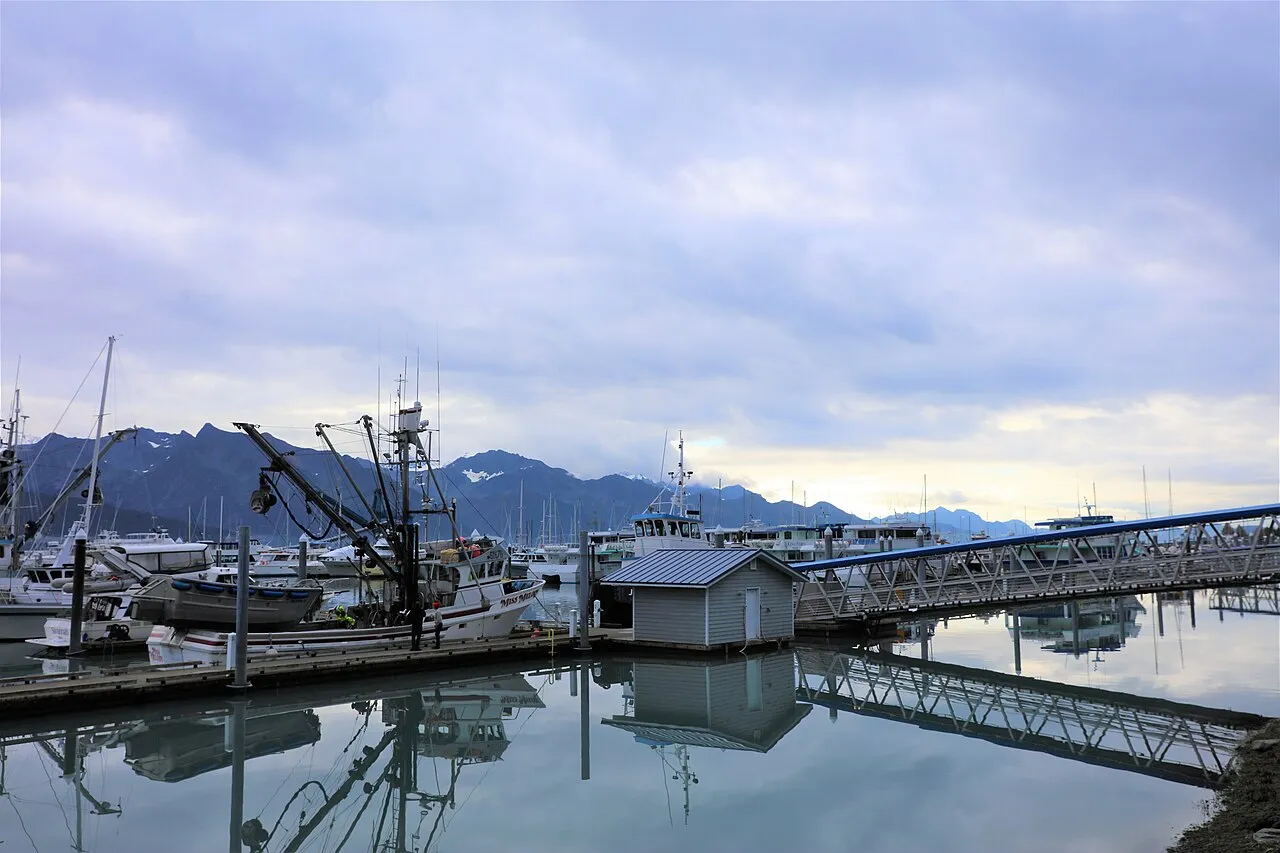
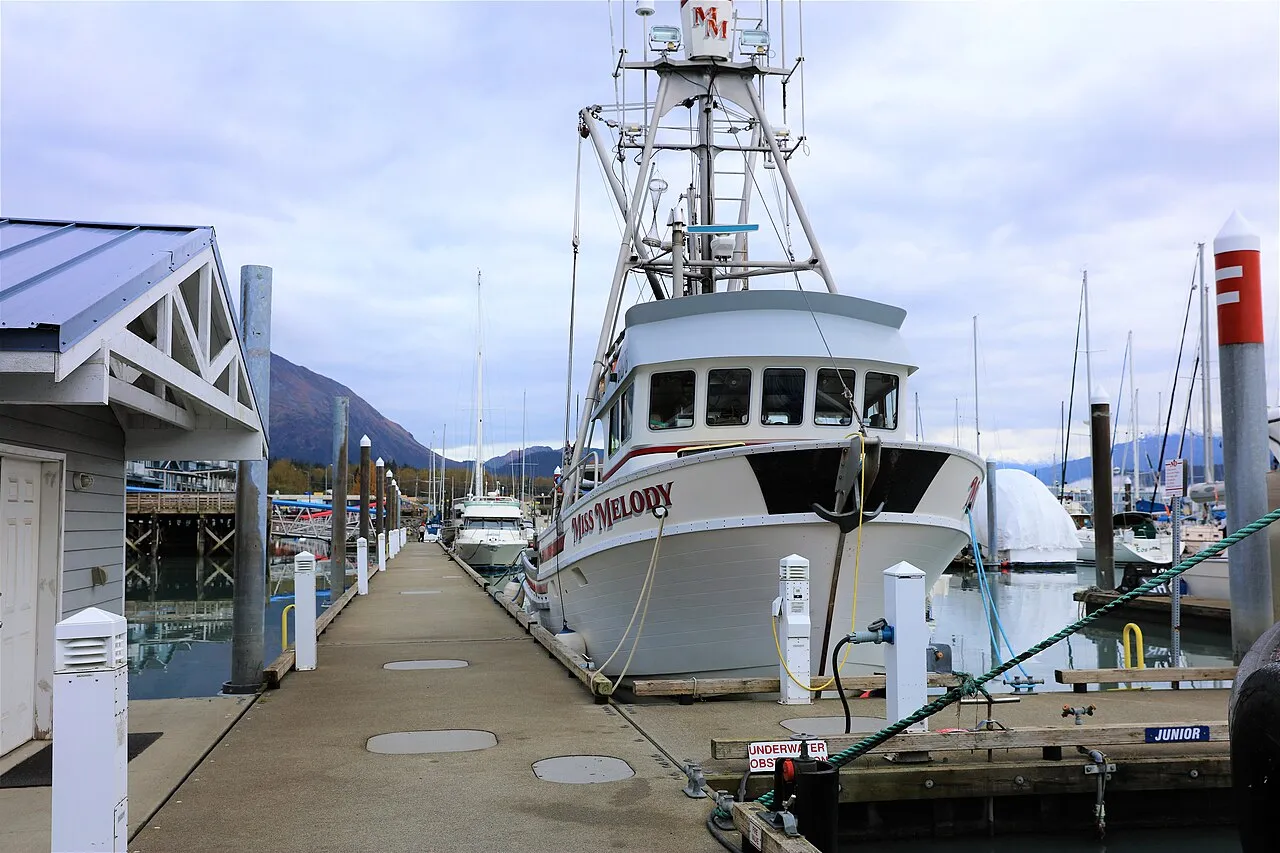
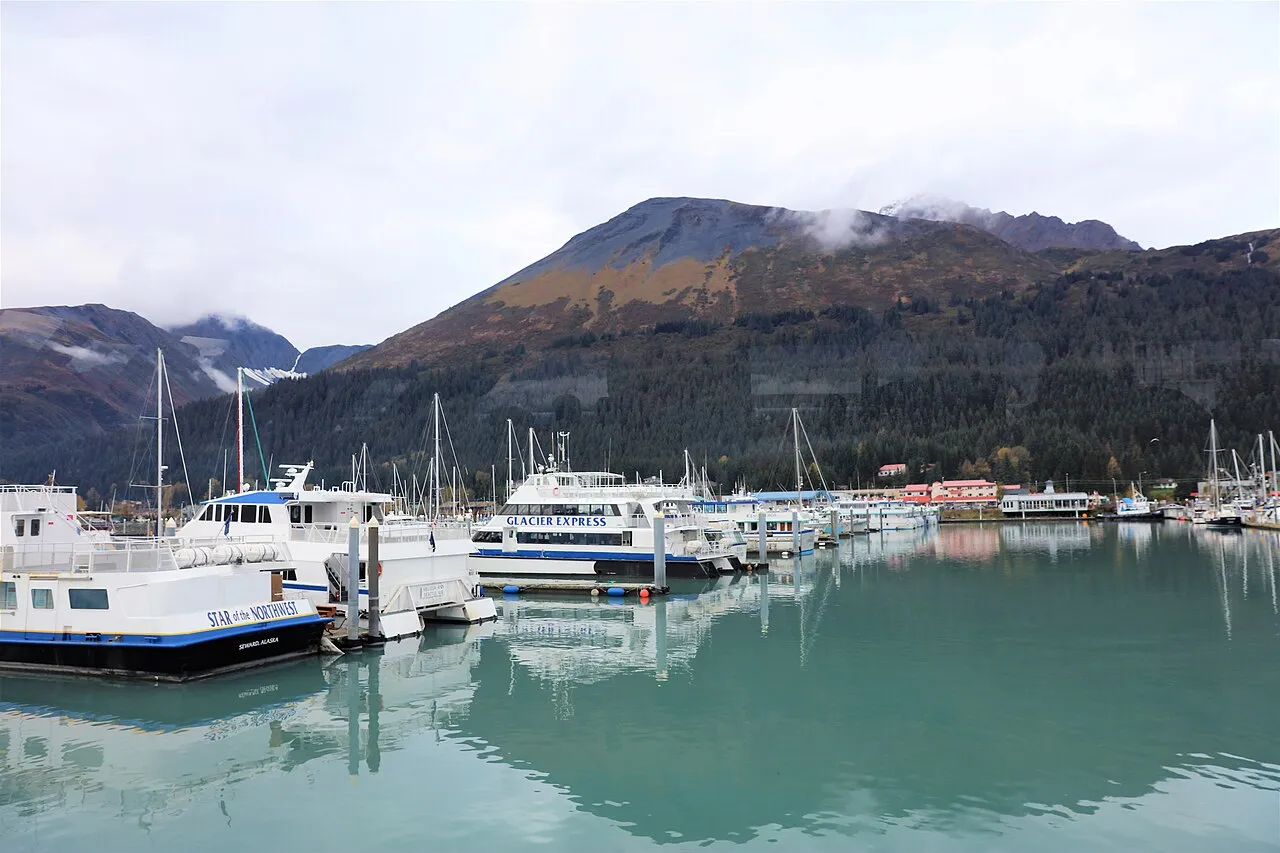
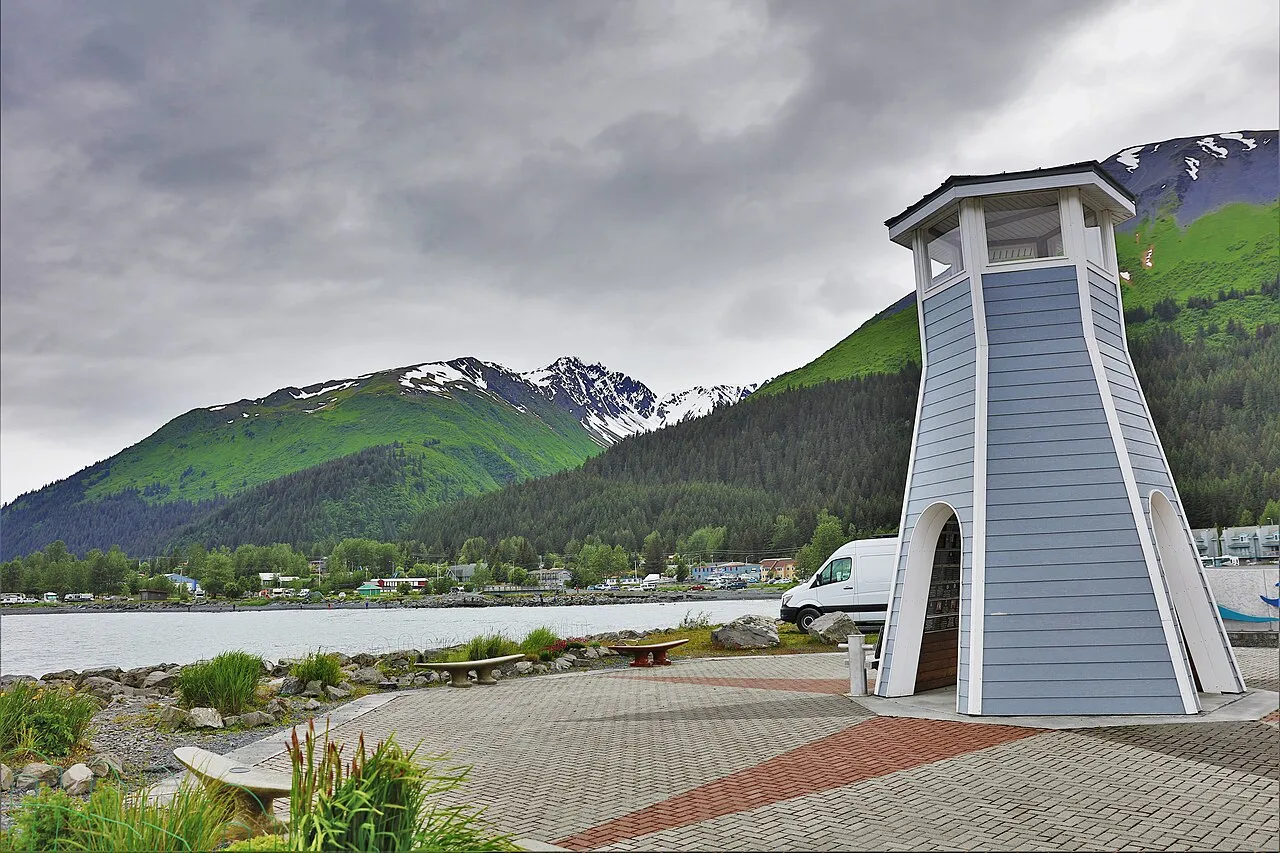
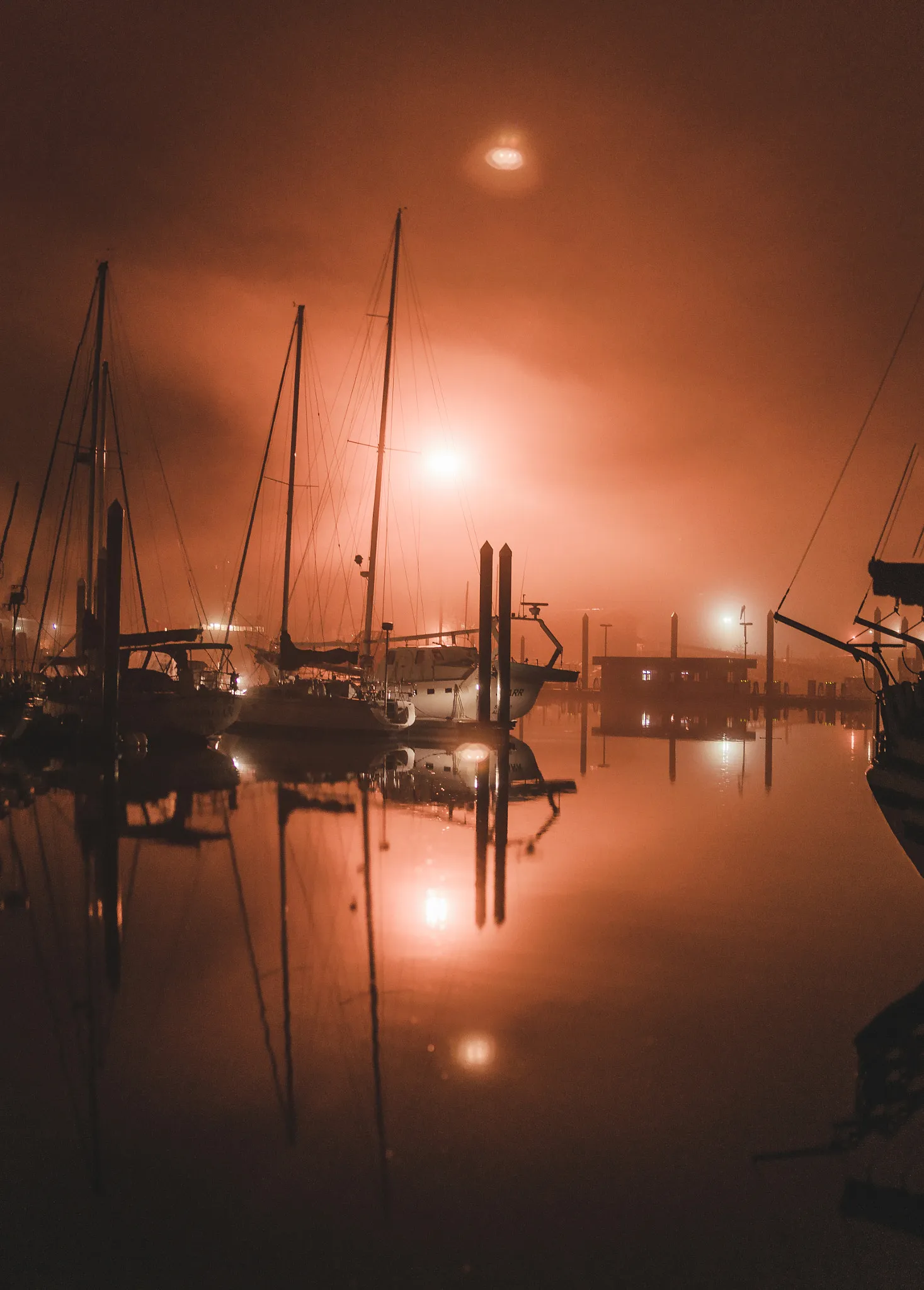
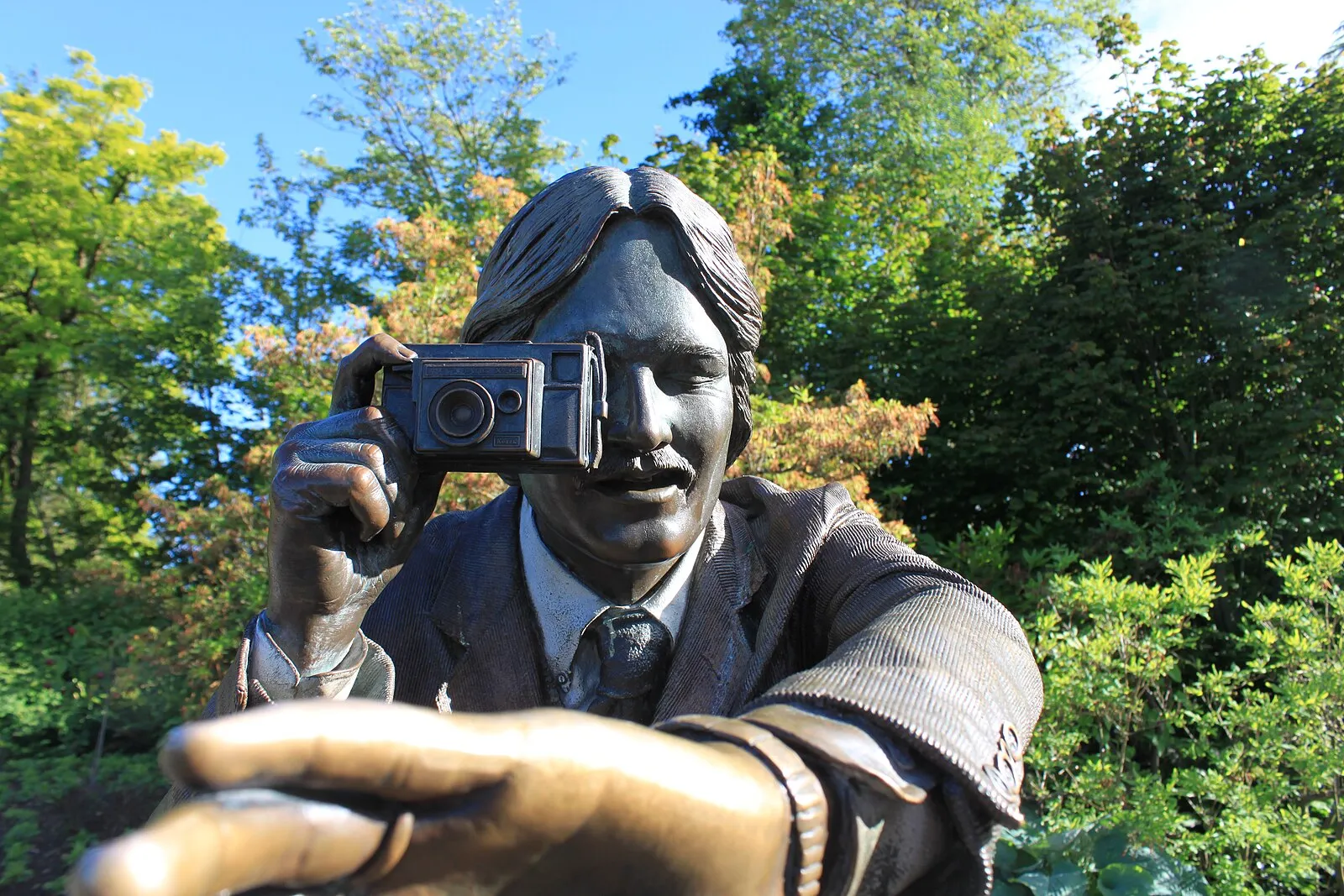
Gallery rebuilt 2026-04-12 with verified public-domain images. Two Carol M. Highsmith photographs from the LoC Carol M. Highsmith Archive (dedicated to the public domain by the photographer per her 1991 LoC agreement), plus five pre-1928 historical photographs from the LoC Prints & Photographs Division. Seven prior generic "Wikimedia Commons" files were removed per admin/CAREFUL.md Image Verification Protocol.
Late June through early August offers the warmest weather — highs in the upper 50s to low 60s°F, long daylight (17–19 hours), and peak whale and puffin activity in Kenai Fjords. May and September are cooler shoulder months with fewer crowds and lower prices.
Pack a waterproof shell with hood, warm fleece mid-layer, hat, gloves for glacier cruises, non-slip waterproof shoes, and binoculars (8x42 or 10x42). Seward averages about 67 inches of rain per year and conditions on Kenai Fjords boats are cold and wet even in summer.
Alaska sits outside the warm-water storm belt — no typhoons or tropical cyclones. The main weather concern is Gulf of Alaska low-pressure systems that can produce rough seas and cancel or shorten Kenai Fjords boat tours, especially in September. Summer cruise days rarely see severe weather.
No. Rain is normal in Seward — locals say there is no bad weather, only bad gear. Kenai Fjords cruises run rain or shine, the Alaska SeaLife Center is indoors, and Exit Glacier trails are hikeable in drizzle. Bring a waterproof shell and embrace the maritime climate.
Yes. Downtown Seward is about 1 mile from the cruise terminal on flat paved sidewalks along the waterfront — roughly a 20-minute walk. Free shuttle buses (yellow school buses) run continuously between the dock, Small Boat Harbor, and downtown during cruise season.
Exit Glacier is 12 miles from downtown Seward via Herman Leirer Road. Guided excursions include transport ($60–120). Independent visitors can take a taxi ($50–70 one way) or rent a car. The drive takes about 20 minutes. Park entrance is $20 per vehicle or free with an America the Beautiful pass.
For most cruisers, yes — it is widely considered the best single-day wildlife experience in Alaska. The full 6–8 hour cruise ($175–275) typically includes orcas, humpback whales, puffins, sea lions, harbor seals, and calving tidewater glaciers. The shorter 4-hour trips miss the glaciers.
Orcas, humpback whales, Dall's porpoises, Steller sea lions, harbor seals, sea otters, bald eagles, horned and tufted puffins, common murres, and pigeon guillemots. On land near Exit Glacier, black bears and mountain goats are sometimes spotted.
Ray's Waterfront is known for halibut cheeks and fresh seafood with harbor views. Resurrect Art Coffee House serves excellent sandwiches and the best coffee in town. The Cookhouse has solid burgers and local beer. Fresh halibut and chips runs about $18–24 at most waterfront spots.
Kenai Fjords full-day cruise $175–275; Exit Glacier guided hike $60–120; Alaska SeaLife Center $27 adults; charter fishing $250–400; kayaking Resurrection Bay $85–175. Ship excursions typically cost 15–20% more than booking direct but include guaranteed return to ship.
Alaska's only public aquarium and marine wildlife rescue facility, located downtown within walking distance of the cruise terminal. Exhibits include puffin aviaries, touch tanks, and rescued Steller sea lions. Admission is $27 for adults. Behind-the-scenes tours are available with advance booking.
Downtown Seward has paved sidewalks and curb cuts throughout. The waterfront path is flat and accessible. The Alaska SeaLife Center is fully accessible. Free shuttle buses between the terminal and downtown have wheelchair lifts. Some tour boats have limited accessibility — contact operators before booking.
The Alaska Railroad scenic train takes about 4 hours with mountain and glacier views ($120–250 depending on class). Park Connection bus service runs about 3 hours ($65–85). Many cruisers take the train one direction for scenery and bus the other for speed. The 125-mile drive through the Kenai Peninsula is also worth the time.