
Photo: Wikimedia Commons
Logbook Entry
Southeast Asia • Cambodia
I wasn't sure what to expect when our ship approached Sihanoukville Autonomous Port, Cambodia's only deep-water harbor. The coastline stretched before us in a hazy arc—beaches, construction cranes, and beyond it all, the promise of islands I'd heard whispered about in travelers' tales. This city, named after King Norodom Sihanouk, has become something of a paradox: a beach resort undergoing dramatic transformation while its outlying islands remain pristine and timeless.
The Gulf of Thailand lapped gently against the hull as we docked, warm and turquoise, inviting. I'd come to understand that Sihanoukville itself is less a destination than a doorway—a threshold to experiences both grounded and transcendent. The mainland beaches offer their own pleasures, certainly, but it's the islands that call to those of us who seek something more elemental.
What struck me most was the contrast. Here was a port city rapidly evolving, its skyline punctuated by construction, its streets bustling with energy and commerce, yet just a speedboat ride away lay some of Southeast Asia's most untouched island beaches. This duality, I've come to believe, is Sihanoukville's unexpected gift.
We found a tuk-tuk driver at the port exit who spoke passable English and had a gentle smile that put us at ease. He drove us through streets still waking up—vendors setting out fruit, children walking to school, the smell of charcoal and frying dough filling the morning air. I noticed the construction sites flanking the road, tall buildings half-finished, cranes idle in the early light. Our driver gestured toward them and said simply, "Everything change." He didn't sound bitter about it, just honest. I appreciated that honesty.
At Serendipity pier, we bought ferry tickets from a small booth and waited with a handful of other travelers for the speedboat. The breeze coming off the Gulf was warm and carried a faint saltiness that I could almost taste. I watched a woman selling grilled corn on the cob from a cart, her practiced movements steady and unhurried. A stray dog slept in the shade of a palm tree, utterly unconcerned with the boats and tourists. These small moments, I've found, reveal a place more honestly than any guidebook ever could.
The Moment That Stays With Me:
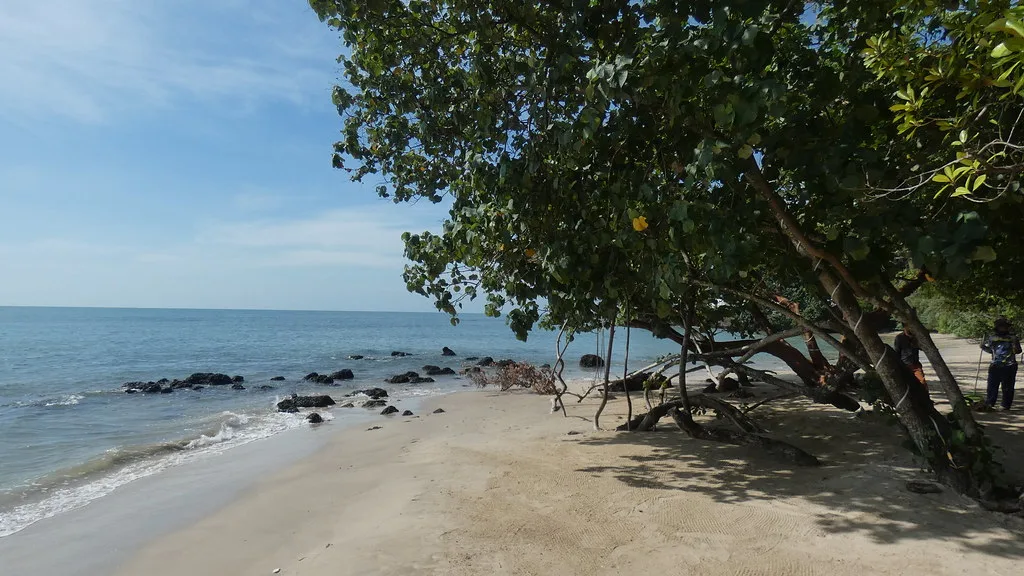
Standing knee-deep in the crystalline water off Koh Rong Samloem, I watched a wooden fishing boat drift past in the late afternoon light. The fisherman raised his hand in greeting, unhurried, as if time itself moved differently here. My heart swelled with an unexpected wave of emotion—tears welled in my eyes at the sheer beauty and simplicity of the moment. I whispered a quiet prayer of gratitude for being granted the privilege of standing in this place. Behind me, the white sand beach was nearly empty, jungle-covered hills rising beyond. In that moment, the construction and development of the mainland felt a world away. Something shifted inside me. This—this pristine quiet, this unspoiled beauty—was why people journeyed to Cambodia's southern coast. Not for what Sihanoukville is becoming, but for what its islands have always been.
I learned something about myself that day. Watching the sun sink behind those island hills, I realized that the places which move us most are rarely the ones we planned for. Looking back, the real gift of Sihanoukville was not any single beach or temple but the reminder that beauty persists even amid change—that stillness can be found even in a world rushing forward. I'm grateful for that lesson, and I carry it with me still.
The aroma of grilled fish drifted from a nearby shack, mingling with the salt breeze. I tasted the sweetness of fresh coconut water, cold and reviving after a warm afternoon. The sound of gentle waves was the only noise for miles. The rough texture of sun-bleached driftwood beneath my fingers reminded me how elemental this place felt. I saw a pair of eagles circling overhead, unhurried against the blazing blue sky. Every sense was alive, awake, present.
Before we left the island, I sat on the pier waiting for the return ferry and fell into conversation with an older Cambodian woman who ran the small provisions shop at the dock. She told me, in careful English, that she had lived on Samloem for over thirty years—through the years when no tourists came at all, when the island was just fishermen and families and silence. She spoke about the sea the way some people speak about a parent: with deep respect, occasional frustration, and abiding love. When I asked if the growing number of visitors worried her, she paused for a long moment of silence before she finally said, "The ocean does not worry. Why should I?" Her hand reached over and squeezed mine briefly, a gesture so natural and unguarded that my breath caught. I sat with that quiet grace for a while after she returned to her shop, watching the light shift across the water and thinking about what it means to live without resistance to change. Sometimes you meet a person for only a few minutes and they leave a mark that lasts for years. I believe she was one of those people for me.
As our ship prepared to depart Sihanoukville, I stood on deck watching the coastline recede into the evening haze. The city's transformation continues—cranes still turning, buildings still rising—but out there in the Gulf, the islands remain. Koh Rong Samloem's pristine beaches, Koh Rong's quiet stretches of sand, the mangrove channels of Ream—these endure. Sihanoukville asks something of its visitors: look beyond the immediate, the obvious, the mainland's rough edges. Seek the islands. Wade into those crystalline waters. Let the quiet seep in. The port city itself may be in flux, caught between fishing village past and uncertain future, but its islands offer something timeless—beauty, peace, and the simple grace of undeveloped coastline. This is Cambodia's beach paradox, and it is worth every moment you can give it.
Weather & Best Time to Visit
The Cruise Port
Ships dock at Sihanoukville Autonomous Port, a substantial facility that handles both commercial and cruise traffic. The terminal itself is functional rather than charming—this is a working port first, tourist gateway second. From here, the main beach areas lie 3-4 kilometers away, an easy taxi or tuk-tuk ride through streets that range from smooth to decidedly rough. The port area has limited shade, so bring a hat and water for the wait if lines form at the exit.
Taxis and tuk-tuks queue at the port entrance, and I found the drivers generally honest and helpful. Negotiate your fare before departing—$5-7 to the main beaches is reasonable. Many drivers speak basic English and are happy to arrange return trips or even full-day tours. The port area is wheelchair accessible at the main terminal building, though surfaces become uneven beyond the immediate terminal. Visitors with mobility concerns should arrange a taxi rather than a tuk-tuk for greater comfort and accessibility.
Currency in Sihanoukville operates on what I call the "dual system." While the official currency is the Cambodian Riel, US Dollars are not just accepted but often preferred. I carried small USD bills—ones, fives, and tens—which proved ideal. Change may come back in a mix of dollars and riel. ATMs near the beaches dispense USD reliably.
Getting Around
Sihanoukville is not a walking city, at least not between major points. Distances are too great and infrastructure too uneven. Tuk-tuks became my primary transport, and I learned to negotiate confidently but fairly. From the port to any beach: $5-7. Around town between beaches: $3-5. A full day with a driver who'll wait for you: $25-35.
For island trips, speedboat ferries depart from the pier near Serendipity Beach. Multiple operators run similar schedules to Koh Rong and Koh Rong Samloem, with boats leaving every hour or two throughout the day. I bought tickets from a small booth at the pier—$20 round-trip to Samloem, $25 to Koh Rong. The boats are fast, reasonably comfortable, and surprisingly punctual.
Some cruise visitors arrange private boat charters for island hopping, which offers more flexibility but costs significantly more—$100-150 for a half-day private boat. If you're traveling with a group, this can be worth the investment for the freedom to explore multiple beaches at your own pace.
Motorcycle rentals are available in town, and I saw several adventurous souls navigating the roads. I'd advise caution—traffic is chaotic, road conditions vary wildly, and Cambodia drives on the right. If you're comfortable on a bike and want to explore beyond the main beaches, it's an option, but know the risks.
Sihanoukville Area Map
Interactive map showing cruise terminal and Sihanoukville attractions. Click any marker for details.
Top Excursions
Whether you book ahead through your ship excursion program or go independent, Sihanoukville offers a rewarding mix of island escapes, nature encounters, and hilltop culture. The ship excursion offerings typically include island day trips and Ream National Park tours with guaranteed return to the ship. Independent exploration is equally viable and often more affordable—just watch your timing carefully so you don't miss the sailing.
Escape to Koh Rong Samloem
If your time in port allows for only one experience, make it Koh Rong Samloem. This island, about 40 minutes by speedboat from Serendipity Beach pier, represents everything beautiful about Cambodia's islands before mass tourism arrives. Saracen Bay's white sand and turquoise water are stunning, yes, but it's the quiet that seeps into your soul. I spent hours simply floating, watching small fish dart beneath me, the jungle-covered hills rising behind the beach. Tour operators at the pier offer round-trip tickets ($20-25) with several departure times. Go early, stay late. If you book ahead, you can secure the first morning departure.
Explore Koh Rong's Beaches
Koh Rong, the larger neighbor island, offers more development and variety than Samloem but remains wonderfully unspoiled by global standards. Long Beach (aptly named at over 7 kilometers) became my favorite—far quieter than the main village area, accessible by foot or boat. The sand is powder-soft, the water shallow and warm. I walked for an hour and encountered perhaps a dozen other souls. Several beachfront bungalows serve cold drinks and fresh seafood at $8-12 per meal. The bioluminescent plankton in the water at night are legendary, though day-trippers like us miss that particular magic.
Take a Boat Through Ream National Park
Ream National Park, about 18 kilometers east of the port, offers a completely different perspective on Cambodia's coastal ecology. I arranged a boat tour through the mangrove channels, where the water turns brackish and the forest presses in from both sides. Our guide pointed out crab-eating macaques in the branches, egrets stalking the shallows, and explained the vital role mangroves play in protecting the coastline. We emerged into a river mouth where local fishing boats worked their nets. The tour took about three hours and cost $30 including transport from the port—money well spent for anyone interested in natural ecosystems.
Visit Wat Leu Temple
For a dose of culture and remarkable views, the hilltop temple complex of Wat Leu rises above the city's northern edge. I hired a tuk-tuk for the winding climb ($8 round-trip with wait time) and found a peaceful Buddhist temple decorated in vibrant colors, with monks going about their daily routines. But it's the panoramic view that justifies the journey—the entire sweep of Sihanoukville's coastline, the Gulf of Thailand spreading to the horizon, the islands visible in the distance. I sat in the shade of the main temple, watching clouds drift over the water, and felt the city's frenetic energy fall away.
Discover Otres Beach's Laid-Back Charm
On the mainland, Otres Beach feels like Sihanoukville's calmer, more thoughtful sibling. Located south of the main tourist beaches, Otres draws those seeking a slower pace. The beach stretches for a couple of kilometers, lined with small guesthouses, beachfront restaurants, and hammocks strung between palms. I found a quiet spot, ordered grilled fish and a cold Angkor beer ($6 total), and watched the afternoon drift by. The water here is swimmable, if less pristine than the islands. This is where I'd come if I wanted to simply be still for a few hours.
Local Food & Drink
Cambodia's coastal cuisine revolves around seafood, and Sihanoukville serves it abundantly. The beach restaurants, particularly along Otres and Ochheuteal, offer grilled fish, prawns, squid, and crab at prices that seem almost apologetic. I paid $6 for a whole grilled fish, perfectly seasoned and served with rice and fresh vegetables.
Kuy teav, Cambodia's beloved rice noodle soup, appears on breakfast menus throughout town. I found a small shop near the central area serving steaming bowls for $2, rich with pork broth and fresh herbs. It's comfort food at its finest, warming and restorative.
For adventurous eaters, lok lak (stir-fried beef served with a lime-pepper dipping sauce) and amok (a coconut curry steamed in banana leaves) represent classic Khmer dishes worth trying. Most beachfront restaurants serve both, with varying degrees of authenticity.
Angkor Beer, Cambodia's national brew, flows freely and cheaply—$1-2 for a large bottle in most establishments. It's light, refreshing, and pairs perfectly with beach afternoons. Fresh coconuts ($1) appear everywhere, the local sellers expertly machete-ing them open with theatrical flair.
On the islands, dining options are simpler but no less enjoyable. Beachfront shacks serve grilled seafood, fried rice, and cold drinks. I had the best grilled prawns of my trip at a nameless restaurant on Saracen Bay—sweet, smoky, served with just lime and salt.
Depth Soundings
The honest story of Sihanoukville is one of paradox. The mainland city is evolving rapidly—sometimes beautifully, sometimes not. Construction reshapes the skyline almost weekly, and the character of certain beach areas has shifted in recent years. However, the islands remain remarkably untouched, and this contrast is itself part of the port's appeal. You must accept both realities to appreciate what Sihanoukville offers.
For cruise visitors, the key insight is this: spend your time on the islands or at Otres Beach rather than in the city center. The journey to Koh Rong Samloem or Koh Rong is absolutely worth the ferry cost and travel time. Ream National Park offers a meaningful alternative for nature lovers who prefer staying on the mainland. Wat Leu provides spiritual grounding and the best views on the coast.
I discovered that Sihanoukville rewards those who look past the surface. The Khmer people remain warm and welcoming despite the pace of change around them. The seafood is excellent and astonishingly affordable. And those islands—those quiet, beautiful, unspoiled islands—are reason enough to plan your visit. Budget around $50-70 per person for a full day including transport, ferry, food, and activities.
Gallery
Frequently Asked Questions
Where do cruise ships dock in Sihanoukville?
Ships dock at Sihanoukville Autonomous Port, Cambodia's only deep-water port. The port is approximately 3-4 km from the main beach areas. Taxis and tuk-tuks are readily available at the terminal, charging around $5-7 for the ride to Ochheuteal or Serendipity beaches.
Which island is best for a day trip from Sihanoukville?
Koh Rong Samloem offers the most pristine, tranquil experience with crystal-clear waters and white sand beaches. It's less developed than Koh Rong and ideal for swimming and snorkeling. The ferry takes about 40 minutes from Serendipity Beach pier and costs around $20-25 round-trip.
What currency should I bring to Sihanoukville?
US Dollars are widely accepted throughout Sihanoukville, often preferred over the Cambodian Riel. Bring small bills ($1, $5, $10) as change can be limited. ATMs dispense USD and are available near the beaches. Change may be given in a mix of dollars and riel.
Is Sihanoukville safe for cruise visitors?
Sihanoukville is generally safe for tourists, though rapid development has brought some growing pains. Stick to main beach areas and established tourist zones during the day. Avoid walking alone at night and keep valuables secure. The island day trips are very safe and peaceful.
How much time do I need for an island visit?
Plan for a minimum of 5-6 hours if visiting Koh Rong or Koh Rong Samloem—about 40 minutes each way by boat, plus 3-4 hours on the island. If your ship docks for 8-10 hours, an island trip is very doable but requires prompt departure from the ship and efficient timing.
Can I visit Angkor Wat from Sihanoukville?
No, Angkor Wat is near Siem Reap in northern Cambodia, approximately 350 km from Sihanoukville—far too distant for a port day visit. Focus your time on the beaches, islands, and coastal attractions that make Sihanoukville unique.
Photo Gallery
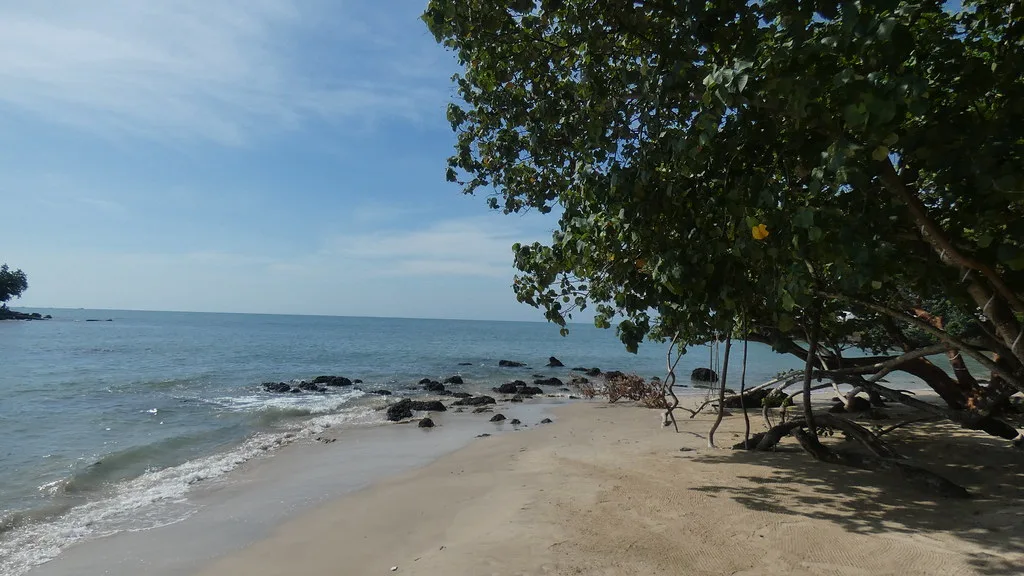
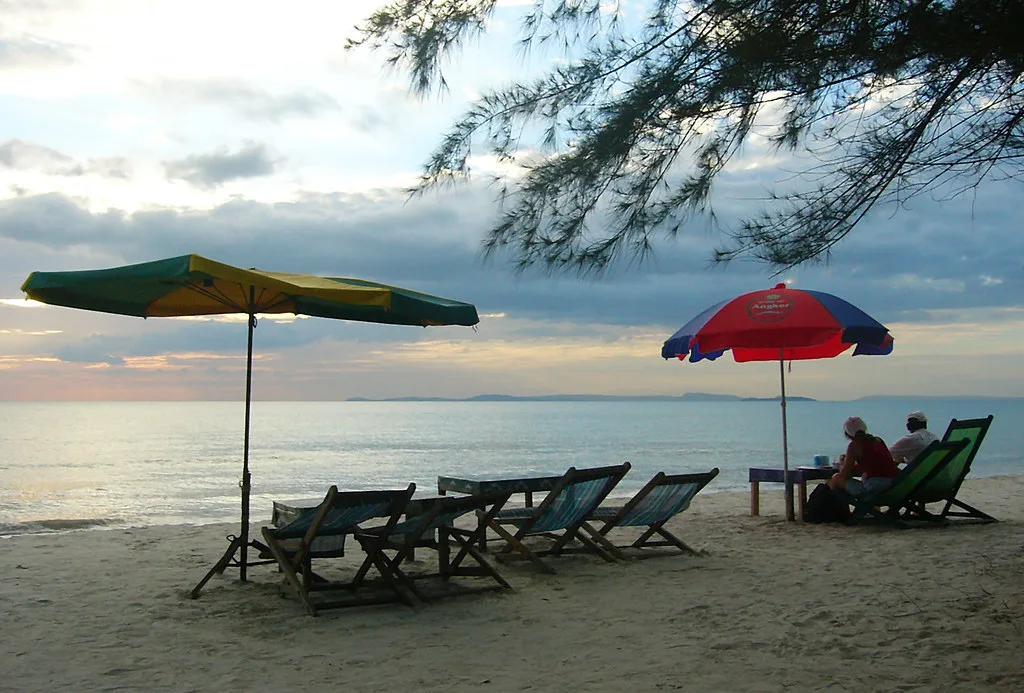
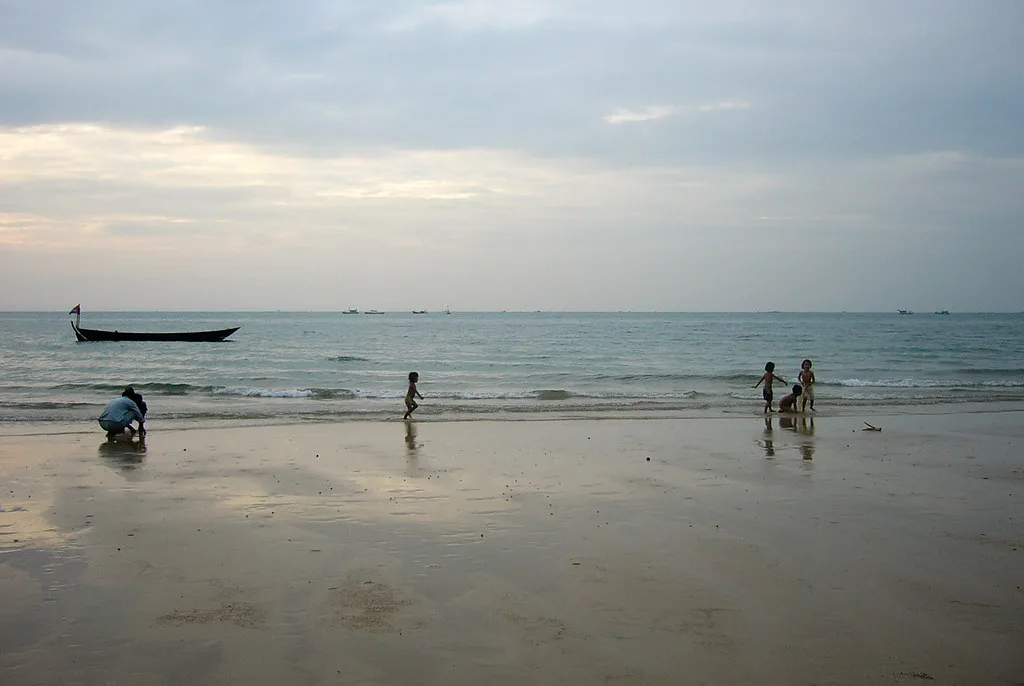
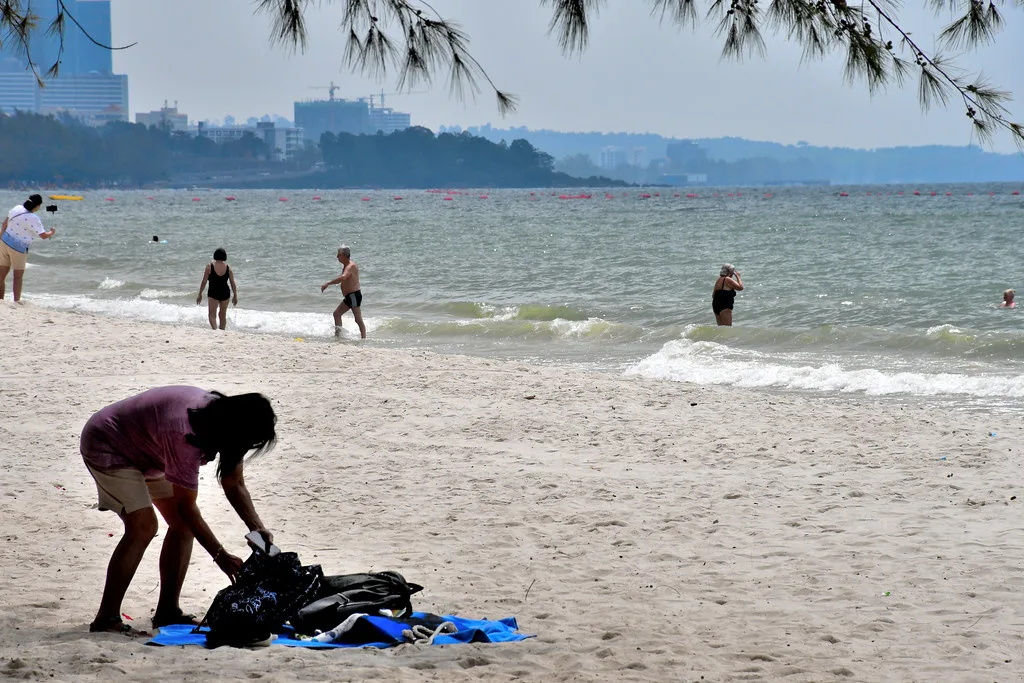
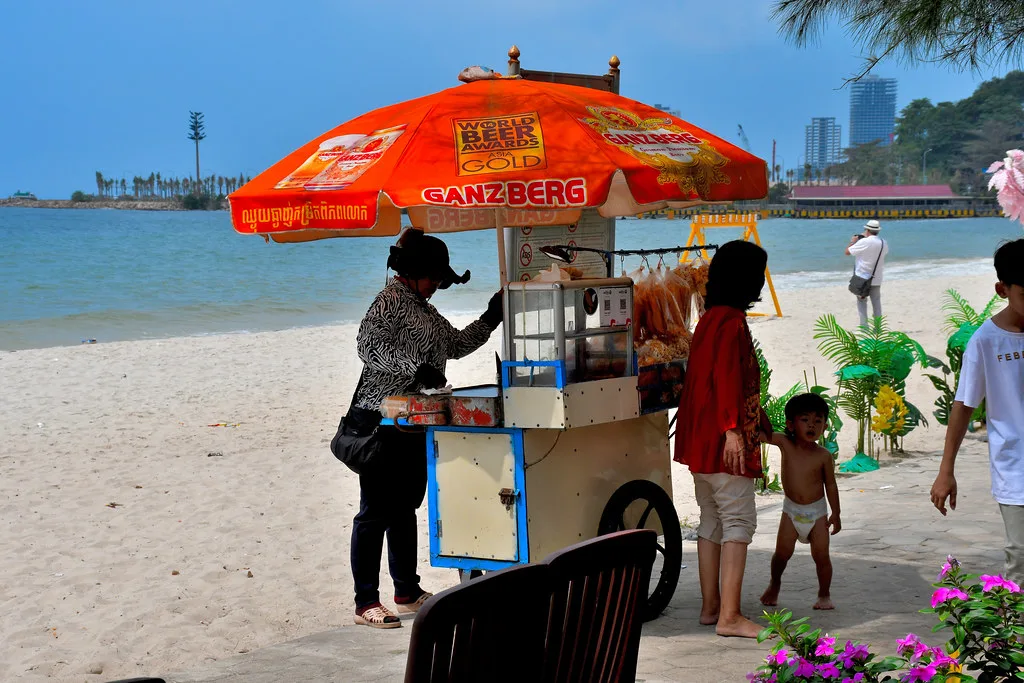
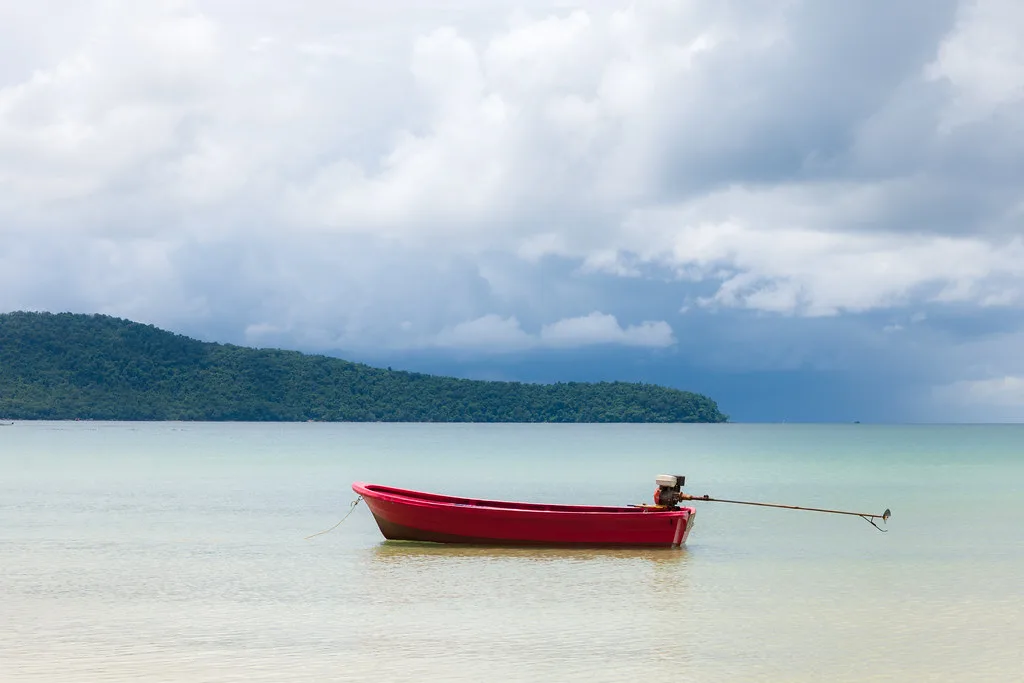
Image Credits
All images sourced from Wikimedia Commons under Creative Commons licenses. Individual credits appear in each image caption throughout this page.
Last reviewed: February 2026