


Last reviewed: February 2026
Captain's Logbook: Two Countries, One Perfect Island Day
I have visited St. Maarten four times — in 2018, 2019, 2022, and again in 2024 — and the approach never fails to captivate me. Our ship threads between green volcanic hills while, on the Dutch side, a 747 descends so low over Maho Beach that I can practically read the tail number. The scent of salt air and jet fuel mingles in the Caribbean breeze, creating an aroma that belongs only to this peculiar place. Passengers line the rails pointing and gasping. It doesn't matter how many times I've sailed here — that first glimpse of a jumbo jet skimming the sand never gets old.
We dock at the Dr. A.C. Wathey Pier in Philipsburg, the Dutch capital. Within two minutes of walking off the gangway, I'm through the modest terminal and onto the boardwalk. The taste of fresh rum cake samples greets me from vendors along Front Street, where jewelry shops, electronics dealers, and souvenir stands compete for attention. Philipsburg stretches along a narrow strip of land between the harbor and Great Bay, and the boardwalk is already buzzing with cruise passengers. It's touristy, sure, but in that cheerful, duty-free kind of way.
My morning ritual is simple: water taxi to the east end of Philipsburg (an all-day pass is just $7 and a steal), then a shared taxi to Maho Beach ($20 per person). This is where Princess Juliana International Airport's runway — originally built by the U.S. Army during World War II for submarine patrol flights — ends literally at the sand. The iconic Sunset Beach Bar anchors the scene, and by 10 a.m., the crowd is already building. Someone checks the flight tracker app. "KLM 747 in twenty minutes!" The anticipation builds until that massive aircraft appears over the water, engines roaring, gear down, descending to barely 100 feet overhead — close enough that you instinctively duck. The jet blast from takeoffs is even more intense — signs warn of injuries, and they mean it. I've seen tourists blown across the sand like tumbleweeds.
But St. Maarten isn't just about planes. By noon, I'm in a taxi ($25) crossing the invisible border to the French side — Saint Martin (yes, the spelling changes). The vibe shifts immediately. Suddenly it's rosé with lunch ($15-25), pain au chocolat from proper patisseries ($5), and elegant beach clubs. I rent a lounger at Kakao Beach Club ($30 for the day), order grilled lobster ($45) and a carafe of chilled rosé, and spend hours floating in that impossible turquoise water. The taste of fresh Caribbean lobster, sweet and briny with garlic butter, is extraordinary. The French waitstaff bring Ti' punch (rum, lime, cane sugar) and I lose all track of time.
Late afternoon, I catch a taxi to Marigot, the French capital. The market is winding down but the waterfront is coming alive with the fragrance of fresh bread from the boulangeries and the rich aroma of espresso from sidewalk cafes. I browse duty-free boutiques (French perfumes and liquors are notably cheaper here), grab an espresso ($4), and watch the fishing boats return. It's all very Mediterranean-on-the-Caribbean.
Back on the Dutch side by sunset, I stop at the Guavaberry Emporium on Front Street. Guavaberry is the island's signature liqueur — the taste is tangy, slightly spicy, nothing like regular guava. I buy a couple bottles for gifts ($25 each) and one for me. The walk back to the ship as the sun sets behind the hills, with planes still landing in the golden light, is one of my favorite port-day endings anywhere.
Looking back on my visits to St. Maarten, I realize this island taught me something profound about human possibility. Two nations, although divided by language and history, chose cooperation over conflict. The Treaty of Concordia, signed in 1648, has held for nearly four centuries without military enforcement — just mutual respect and practical wisdom. In a world that often emphasizes differences, St. Maarten quietly demonstrates that sharing is possible when people decide to make it work. Every time I cross that invisible border, moving seamlessly between Dutch guilders and French euros, between Gouda and brie, between stroopwafels and croissants, I'm reminded that boundaries can be bridges rather than barriers.
Weather & Best Time to Visit
The Cruise Port
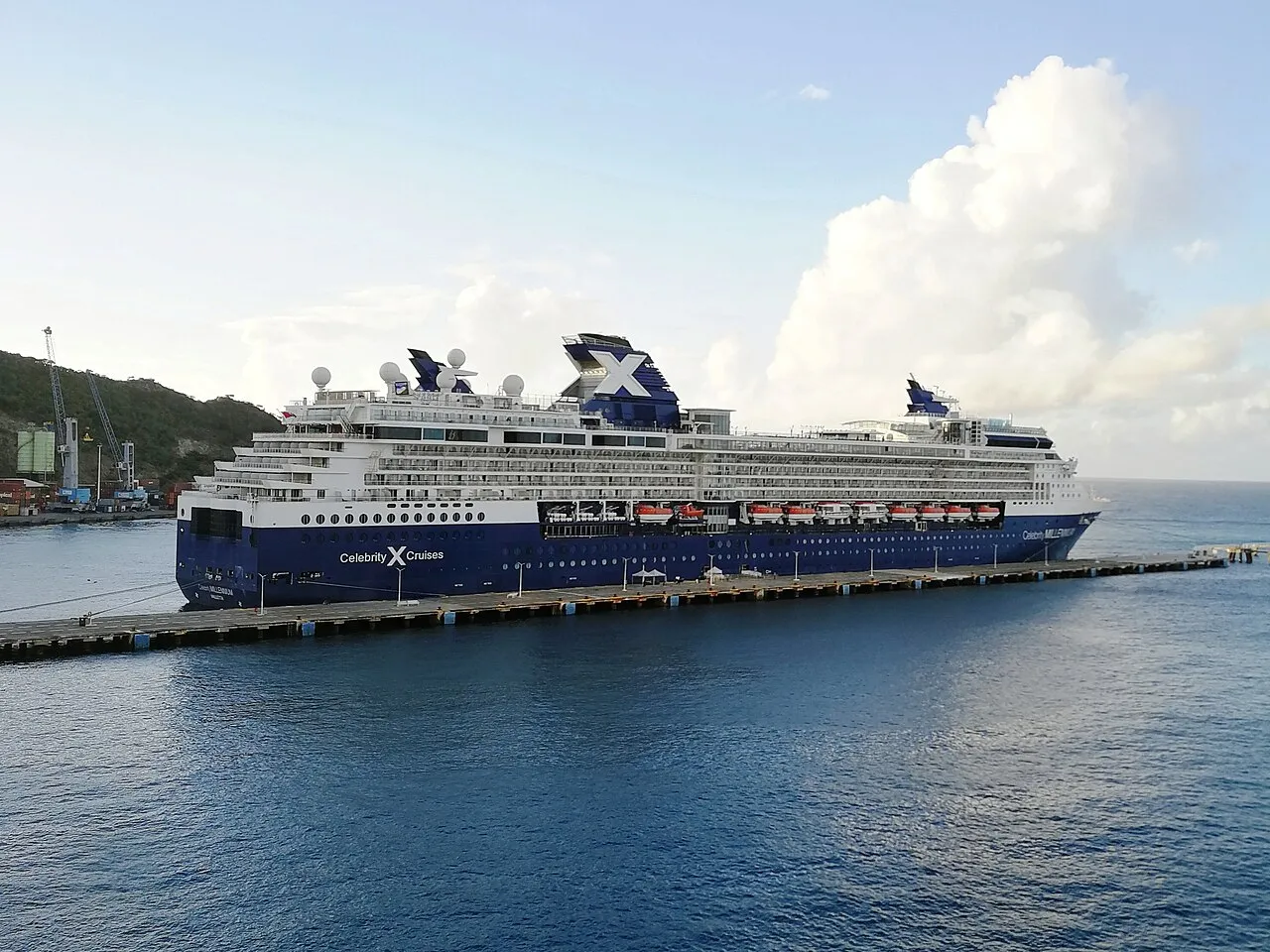
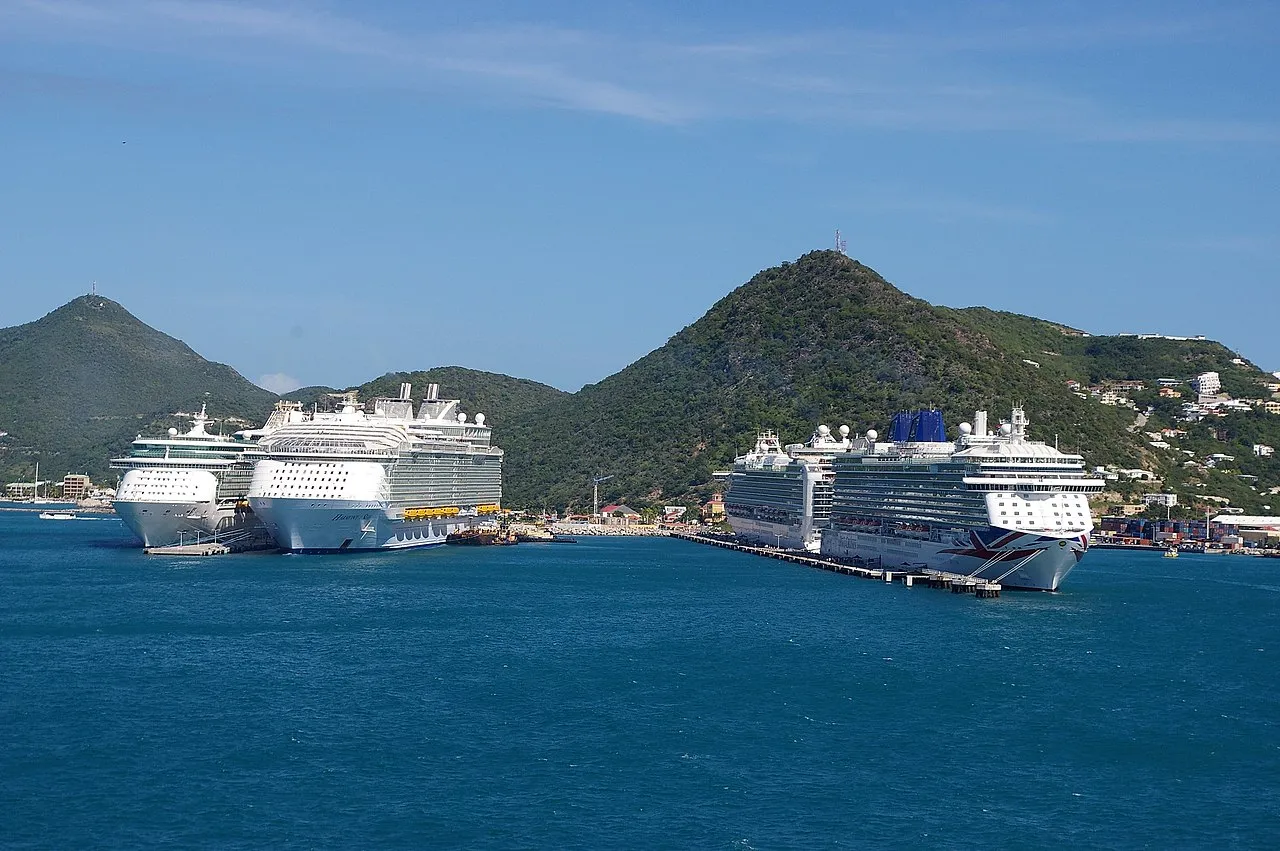
Ships berth at the Dr. A.C. Wathey Cruise Terminal in Philipsburg's Great Bay on the Dutch side of the island. The terminal (population approximately 1,900 in immediate Philipsburg, 40,000 island-wide) sits directly on the waterfront, with downtown Philipsburg spreading out before you within a two-minute walk. The facility offers basic amenities including tourist information, a small duty-free shopping area, currency exchange (though US dollars work everywhere), and taxi coordination. Wheelchair users will find the terminal and boardwalk accessible with gentle grades. The waterfront promenade connects directly to Great Bay Beach and Front Street shopping. Taxi stands are immediately outside, and water taxis run along the bay. This is a well-organized port where you can easily explore independently or join organized tours.
Getting Around
- Walking: Downtown Philipsburg is compact and easily explored on foot. The walk from the cruise terminal to Front Street takes 10-15 minutes along a flat, accessible boardwalk. Great for shopping, beach access, and casual exploring.
- Water Taxis: Small boats operate regular service along Great Bay, connecting the cruise pier with various beach and town locations. $5 one-way, $7 round-trip. Children ride free with paying adults. Quick and scenic with harbor views.
- Shared Taxis: Vans wait outside the terminal with fixed rates. $3 per person to downtown Philipsburg, $20 per person to Maho Beach (15-20 minutes), $25 to Orient Beach on the French side. Depart when full.
- Public Buses: Route 2 runs from Emmaplein (near the cruise terminal) to Maho Beach for just $2 per person. Service can be irregular, 30+ minute ride. Budget-friendly but less predictable than taxis.
- Private Taxis: Available for custom itineraries and island loop tours. Negotiate fares in advance — expect $150-200 for a full island tour for up to 4 passengers.
For most cruise visitors, a combination of walking downtown and shared taxis to Maho Beach or the French side offers the best value. Book ahead through your ship's shore excursion desk for guaranteed transportation if visiting multiple destinations.
St. Maarten Area Map
Interactive map showing cruise terminal, Maho Beach, Orient Beach, and attractions on both Dutch and French sides. Click any marker for details.
Excursions & Things to Do
Booking tip: Reserve ship excursions for guaranteed return to the pier. Independent travelers should book ahead for Orient Beach clubs during peak season.
DIY vs. Ship Excursion: Maho Beach
DIY Taxi ($20 shared each way)
- Grab a spot at Sunset Bar for free
- Stay for as many landings as you want
- Grab lunch at Sunset Bar ($15-25)
- Total: ~$55/person for a full experience
Ship Beach Tour ($65-90/person)
- Usually combines Maho + Orient Beach
- Transport and guide included
- Fixed schedule, less time at each beach
- Good if you want to see both sides
Maho Beach Plane Spotting
The iconic "Airplane Beach" where jumbo jets descend barely 100 feet overhead on final approach to Princess Juliana Airport. Watch landings from the sand or Sunset Beach Bar, which posts daily flight schedules. Low to moderate energy. $20 per person shared taxi from port (15-20 minutes), or $2 by public bus. Free beach access. Stay behind the fence during takeoffs — jet blast has caused injuries. The thrill of 747s thundering overhead is unforgettable.
Orient Beach (French Side)
One of the Caribbean's finest beaches on the French side. Powder-soft sand, turquoise water, and European-style beach clubs serving grilled lobster and rosé wine. Rent loungers at Kakao Beach Club ($30) or Kontiki for a full-service day. $25 per person shared taxi from port (20-25 minutes). Low energy. Some sections are clothing-optional, though main club areas are family-friendly. Book ahead through ship excursions for round-trip transportation.
Philipsburg Shopping & Great Bay Beach
Duty-free shopping along Front Street — jewelry, electronics, French perfumes, and liquor at significant savings. No sales tax, no paperwork required. Great Bay Beach runs the length of town for easy beach breaks between shopping. Low energy. Free to explore on foot from the cruise terminal (10-15 minute walk). Wheelchair accessible throughout the boardwalk area.
Marigot French Market
The French capital's waterfront market features fresh produce, spices, handmade crafts, and authentic French boulangeries. Browse duty-free shops for French perfumes and wines at Paris prices. Climb to Fort Louis ruins for panoramic views. Moderate energy. $25-30 per person shared taxi from port. a good fit for those seeking European atmosphere in the Caribbean.
Grand Case Culinary Experience
The "Food Capital of the Caribbean" — a small French village packed with extraordinary restaurants from casual beachside lolos to white-tablecloth French-Caribbean fusion. Reservations recommended for dinner at top restaurants. 30-minute taxi from port. Moderate to high energy for exploring. Best visited as an afternoon excursion or full-day trip combining lunch and beach time.
Island Loop Tour
Circle the entire island to experience both Dutch and French sides in one comprehensive tour. Typical itineraries include Marigot market, Orient Bay beach time, and Maho Beach plane spotting. 4-5 hours. Ship excursions run $60-80 per person with guaranteed return; private taxi tours cost $150-200 for up to 4 passengers. Book ahead for the best value and flexibility.
Depth Soundings Ashore
Practical tips before you step off the ship.
- Currency: US dollars accepted universally across the entire island. Dutch side officially uses Netherlands Antillean Guilder (ANG), French side uses Euro (EUR), but American currency works at every establishment. Credit cards are widely accepted. Both sides and USD function interchangeably for all practical purposes.
- Duty-Free Paradise: The entire island operates as a duty-free zone. No import taxes, no sales tax, no VAT, no paperwork required. Purchase liquor, jewelry, electronics, watches, perfumes, and tobacco products at significant savings. Simply buy and carry back to your ship. US customs limits still apply when returning home.
- Best Weather: December through April offers the driest, most comfortable conditions. Temperatures hover in the low 80s Fahrenheit with lower humidity and steady trade winds. This peak season brings the most cruise ships and highest prices but delivers nearly guaranteed sunshine.
- Hurricane Season: September and October represent peak hurricane months for the Caribbean. St. Maarten sits directly in the traditional storm path. Major hurricanes have struck the island in recent years, causing significant damage. Most cruise lines avoid scheduling stops during these months, but early and late season sailings (June-August, November) still carry some storm risk.
- Language: English is spoken widely on both Dutch and French sides. You'll encounter Dutch, French, and Spanish Creole among locals, but virtually all tourist-facing businesses operate comfortably in English. Basic French phrases earn smiles on the northern side but aren't necessary.
- Maho Beach Safety: Jet blast from departing aircraft poses genuine danger. The force can knock adults off their feet and has caused documented injuries requiring hospitalization. Warning signs are not exaggerations. Stay well back from the fence during takeoffs, never hold onto the barrier, and supervise children closely.
- Orient Beach: The southern end of Orient Beach maintains a clothing-optional policy. The main beach club areas farther north (Kakao Beach, Kontiki Beach Club) are family-friendly and require swimwear. Beach signs clearly mark the boundaries between sections.
- Port Day Timing: Cruise ships typically arrive early morning (7-8 AM) and depart late evening (6-8 PM), providing ten to twelve hours ashore. This gives ample time to visit both Dutch and French sides, experience Maho Beach, swim at Orient Bay, and shop in Philipsburg all in a single port day.
- Water Safety: Caribbean waters around St. Maarten stay calm and warm year-round. Great Bay Beach in Philipsburg offers gentle conditions well suited for swimming. Orient Bay can develop moderate surf. All major beaches have designated swimming areas. Jellyfish occasionally appear but aren't a common problem.
- Sun Protection: Tropical sun intensity near the equator burns exposed skin quickly. High SPF sunscreen, hats, and sunglasses are essential. Reapply sunscreen after swimming. Beach clubs rent umbrellas and shade loungers. Midday sun (11 AM - 2 PM) hits hardest.
St. Maarten Photo Gallery


Frequently Asked Questions
Q: What's the best time of year to visit St. Maarten?
A: The page's "Best Weather" section reads: "December through April offers the driest, most comfortable conditions. Temperatures hover in the low 80s Fahrenheit with lower humidity and steady trade winds." The seasonal panel above aligns: Peak Season "Dec, Jan, Feb, Mar, Apr," Low Season "Jul, Aug, Sep, Oct," with avoidance flagged for "Sep, Oct" ("hurricane risk").
Q: Can I visit both French and Dutch sides in one day?
A: Easily! The island is only 37 square miles, and the two sides are 20-30 minutes apart by taxi. There's no border checkpoint between them — just a modest monument marking the divide. Many visitors do both sides comfortably in a single port day.
Q: Where is the best place for plane spotting at Maho Beach?
A: Sunset Beach Bar at the end of the runway is the iconic spot. Planes come in so low you can feel the jet blast. Sign the surfboard fence while you're there, and check the posted flight schedule for arrival times of larger aircraft.
Q: What currency should I bring?
A: US dollars are accepted everywhere on both Dutch and French sides. Credit cards work at most establishments. While the Dutch side officially uses Netherlands Antillean guilders and the French side uses euros, American currency works universally for tourists.
Q: Is Maho Beach safe during plane landings?
A: Watching landings is thrilling and relatively safe if you stay back from the fence. However, the jet blast from departing aircraft is genuinely dangerous — it has caused injuries requiring hospitalization. Stay well behind the fence during takeoffs and never hold onto it.
Q: When is hurricane season in St. Maarten?
A: The page's "Hurricane Season" section reads: "September and October represent peak hurricane months for the Caribbean. St. Maarten sits directly in the traditional storm path. Major hurricanes have struck the island in recent years, causing significant damage. Most cruise lines avoid scheduling stops during these months, but early and late season sailings (June-August, November) still carry some storm risk." The hazard-note adds: "Ships may reroute during active storms; travel insurance recommended."
Q: Will rain ruin my St. Maarten port day?
A: The page's "Best Weather" section identifies "December through April" as "the driest" window. The seasonal panel's Rain entry reads "Seasonal variation — check forecast," and the avoidance note flags "Sep, Oct" for "hurricane risk." The live weather widget in the seasonal panel is the source for short-term forecasts on a specific sailing date.
One Island, Two Nations: Understanding the Split
St. Maarten holds a unique distinction — it's the smallest inhabited island on Earth shared between two sovereign nations. Just 37 square miles of volcanic rock and white sand (the French side claims 53 square kilometers while the Dutch control 34 square kilometers), yet somehow this tiny speck in the Caribbean manages to accommodate 47 different nationalities, over 400 restaurants, and two completely separate governments existing in remarkable harmony. The southern portion, Sint Maarten, belongs to the Kingdom of the Netherlands with its capital in Philipsburg where cruise ships dock. The northern section, Saint Martin, is an overseas collectivity of France with Marigot serving as its administrative center.
Long before European flags flew over these hills, Amerindian peoples called this island home. Christopher Columbus first sighted the island on November 11, 1493, during his second voyage to the New World, though he never actually landed here. The Spanish claimed it initially but showed little interest in developing the territory. Spanish, Dutch, and French forces all laid claim over the following centuries, fighting periodic skirmishes until 1648 when weary Dutch and French colonists — exhausted from conflict and recognizing the futility of continued warfare over such a small piece of land — sat down and negotiated the Treaty of Concordia, agreeing to simply divide the territory between them peacefully. Legend says they started back-to-back and walked the perimeter in opposite directions, meeting on the far side to mark the boundary — though the actual negotiations were likely more bureaucratic than romantic. That agreement, signed in 1648 after the Spanish abandoned the island, has held for nearly four centuries with only minor border adjustments, making it one of the oldest continually honored treaties in the Western Hemisphere.
What makes this split truly remarkable for visitors is how seamlessly you can cross between nations. There are no immigration checkpoints, no passport controls, and no customs inspections. You'll know you've crossed from Dutch to French territory only by subtle changes: road signs switch from kilometers to miles and back, architecture shifts from colorful Caribbean to white-washed Mediterranean, and restaurant menus trade English for French. A small roadside monument marks the official boundary, but most travelers drive right past it without stopping.
The Dutch side operates with the Netherlands Antillean Guilder as official tender, though American dollars are universally preferred and accepted. Philipsburg serves as the commercial hub with its famous Front Street shopping district, cruise terminal facilities, and Great Bay Beach running parallel to the town. Meanwhile, the French side uses the Euro and maintains a distinctly European character with boulangeries, wine shops, and a more relaxed Mediterranean pace of life. Despite these differences, both sides welcome the same currency in practice — US dollars work everywhere, making navigation between territories effortless.
Maho Beach (the plane-spotting beach) is genuinely thrilling, but the $20 shared taxi each way adds up for a family. Consider spending the morning at Great Bay Beach (15-min walk, free) and saving Maho for the afternoon when the big planes land.