


Taipei (Keelung): Where Night Markets Meet Mountain Temples

Photo: Wikimedia Commons (CC BY-SA)
My Logbook: Rain, Lanterns, and a Quiet Prayer in Jiufen
I stepped off the ship in Keelung under a sky the color of slate, and within seconds a warm drizzle began to fall. They call this the "rainy port" for good reason, and I quickly realized my umbrella was still hanging on the hook inside my stateroom. But the Taiwanese woman at the information booth near the terminal saw me hesitate and pressed a plastic poncho into my hands before I could even ask. "Welcome to Taiwan," she said, smiling so broadly that I felt embarrassed by my own hesitation. That small act of generosity — offered without question to a complete stranger — set the tone for everything that followed.
I walked from the terminal toward Keelung's famous Miaokou area in about ten minutes, passing under dripping awnings and alongside vendors already firing up their grills despite the early hour. The smell hit me first — a rich swirl of sizzling pork, sesame oil, and something sweet and caramelized that I couldn't identify but desperately wanted to taste. I followed my nose to a stall selling what the locals call "nutritional sandwich," a confusing name for a peanut-and-pork pastry that tasted like nothing I had ever encountered before. It was warm and savory and slightly sweet all at once, and I stood there in the rain eating it with both hands, not caring that my poncho was doing a terrible job.
From Keelung I caught the train to Taipei Main Station — a 45-minute ride that cost me less than $2 — and emerged into a city that felt like the future and the past had reached an agreement to coexist peacefully. The MRT system is spotless and efficient and cheap, and I rode it to Longshan Temple, which has stood since 1738 and still draws devoted worshippers every single day. I watched an elderly woman light incense sticks with hands so steady and practiced that each motion seemed like its own quiet prayer, and the smoke curled upward through the ornate wooden carvings into a sky that was finally beginning to clear. The sound of wooden blocks being cast for divination — that sharp clack against stone — echoed through the courtyard. I felt something shift inside me, though I couldn't have named it at the time.
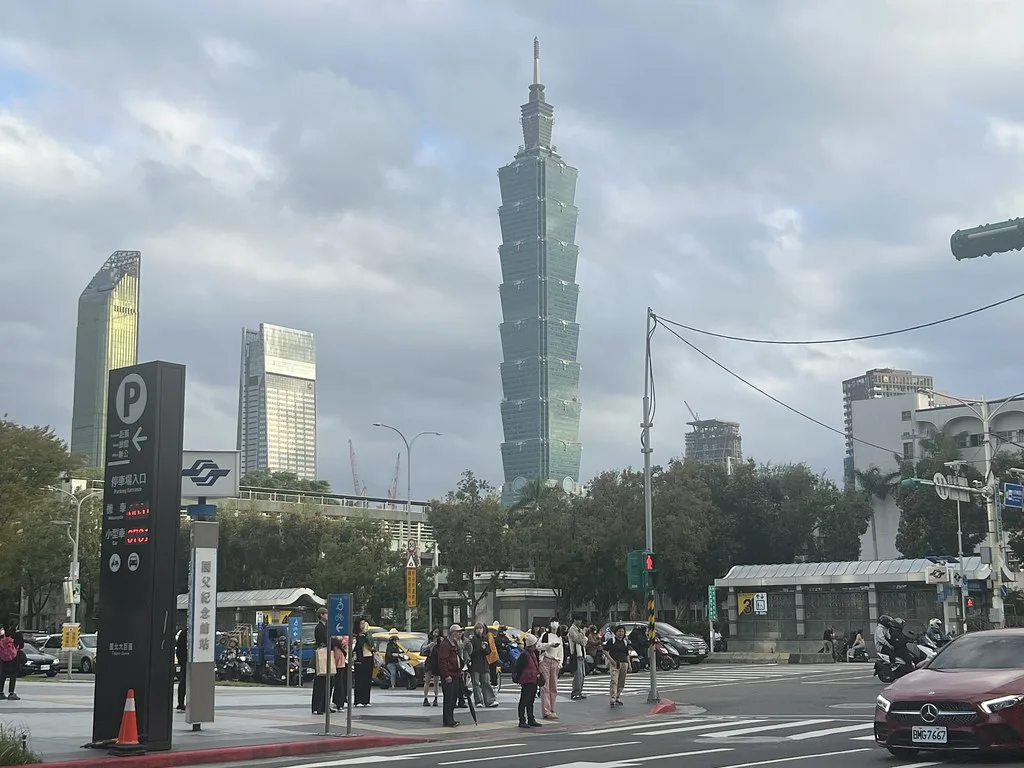
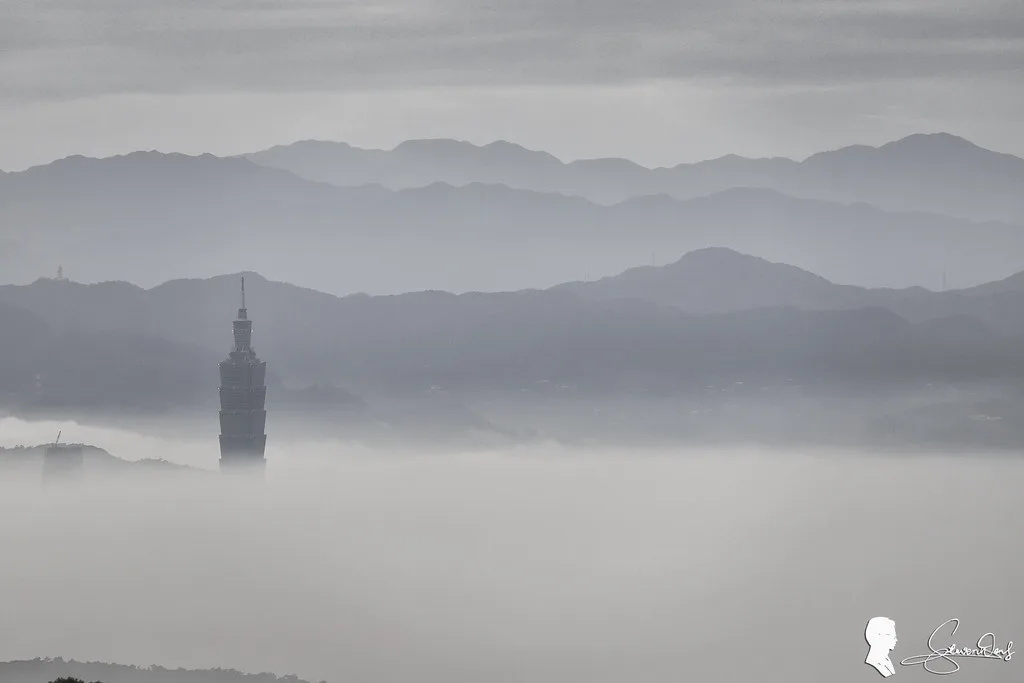
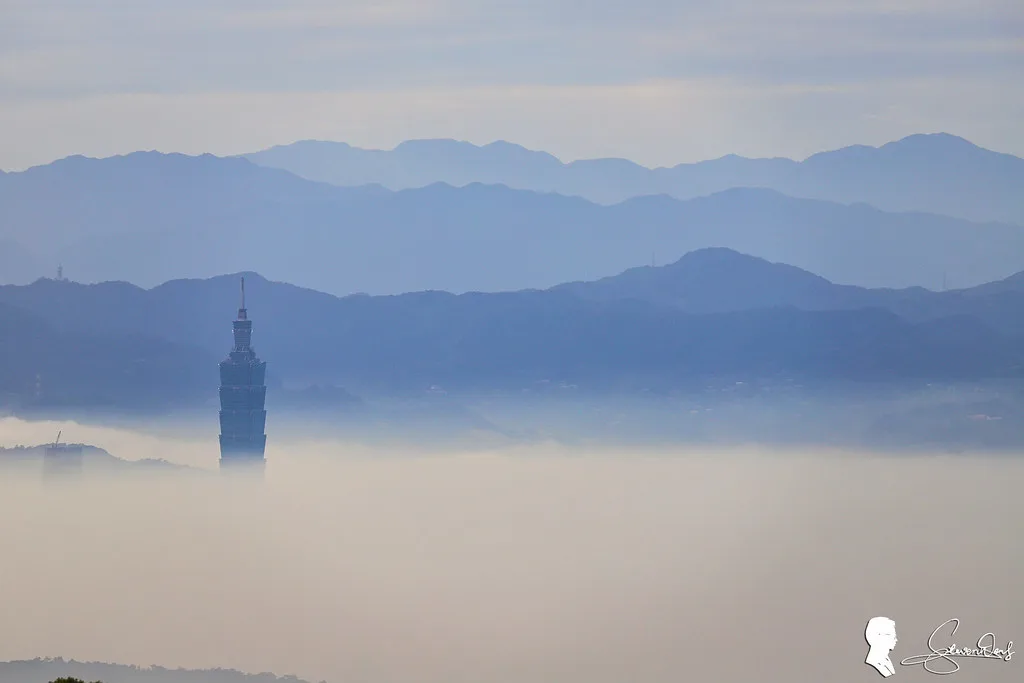
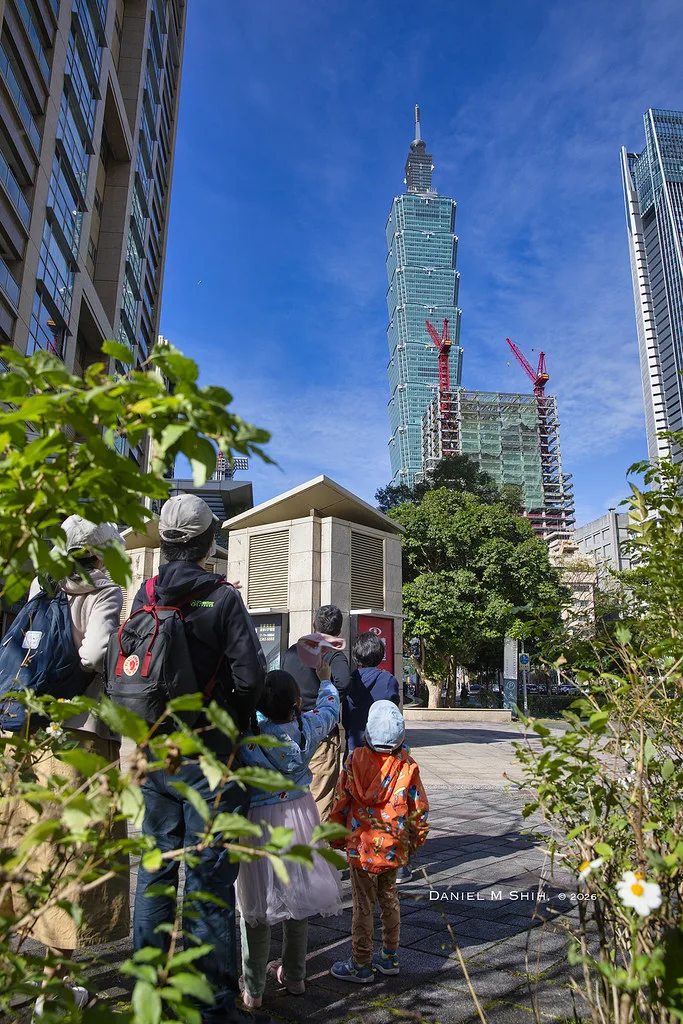
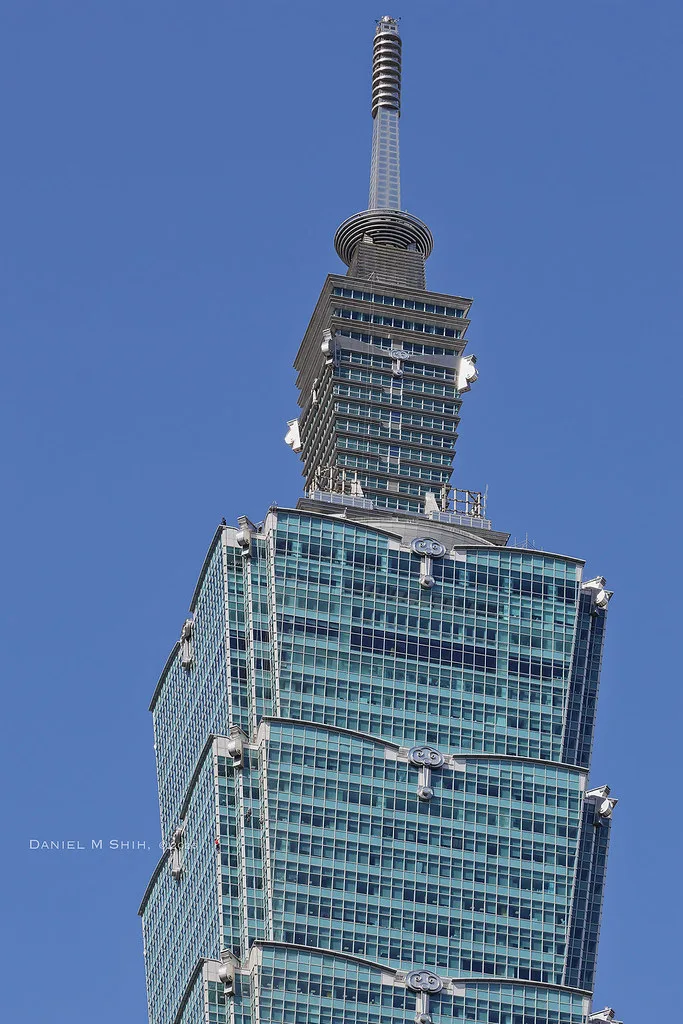
After the temple I took the MRT to Taipei 101. The tower costs NT$600 ($19) to visit the 89th-floor observatory, and on a clear day the views stretch to the mountains that ring the basin like cupped hands. But what moved me most was looking down — seeing the city spread below me in all its contradictions, the ancient temples nestled between glass towers, the green parks interrupting the concrete grid, the humanity of it all visible from a height that should have made it feel small but somehow made it feel precious. I pressed my forehead against the cool glass and just watched for a while.
The afternoon belonged to Jiufen, the mountain village thirty minutes from Keelung by bus. My taxi driver dropped me at the top of the old street, and I descended through narrow stone staircases draped with red lanterns that glowed even in daylight. The teahouses clung to the mountainside like barnacles, and I ducked into A-Mei Tea House — the one they say inspired the spirit-town in Spirited Away — and ordered oolong tea that arrived in a clay pot so small it fit in my palm. The aroma alone was worth the climb: earthy, floral, with something like roasted grain underneath. I tasted stone and clouds and patience in that cup, and I understood why the Taiwanese treat tea as ceremony rather than beverage.
Back in Taipei that evening I allowed myself one final stop at Shilin, where the sensory assault of a full-scale Taiwanese night scene nearly overwhelmed me. Oyster omelets sizzling on flat griddles, stinky tofu that smelled alarming but tasted sublime, beef noodle soup so rich and dark that I dreamed about it for weeks afterward. The vendors insisted I try samples with a warmth that needed no translation. I heard laughter and the clatter of chopsticks and pop music competing from neighboring stalls and felt, despite the noise and the crowds, a deep and unexpected peace.
On my way back to the ship I passed the Chiang Kai-shek Memorial Hall — that grand blue-and-white monument standing sentinel over a vast, quiet square — and thought about how this island has always been a crossroads, a place where histories collide and somehow, miraculously, create something tender. I realized that Taiwan had given me exactly what I needed but did not know I was looking for: not spectacle, not adventure, but kindness. Looking back, I learned that the most profound gifts of travel come not from famous landmarks or perfect itineraries but from the strangers who see you standing in the rain and, without a word, hand you what you need.
Weather & Best Time to Visit
The Cruise Port
Ships dock at Keelung Port, about 30 km northeast of Taipei. The cruise terminal is modern and well-organized, with a small duty-free shop, tourist information desk, and taxi stand directly outside. Keelung handles most cruise traffic for the Taipei region, and the port is dock-side — no tendering. The terminal sits within walking distance (10-15 minutes) of Keelung's famous Miaokou Night Market area, which fires up its stalls even during daytime hours.
Getting to Taipei from Keelung requires a short train ride (45 minutes, NT$64/$2) from Keelung Station, a 10-minute walk or NT$100 taxi ride from the cruise terminal. Shuttle buses run by cruise lines typically cost $15-20 round trip. The terminal has basic wheelchair access, though Keelung's hilly streets and the older parts of Taipei can pose mobility challenges. Taipei's MRT metro system is fully accessible with elevators at every station.
Getting Around
- Train to Taipei (NT$64/$2, 45 min): The fastest independent option. Trains from Keelung Station run every 15-20 minutes to Taipei Main Station. From there, the entire MRT network opens up. Keelung Station is a 10-minute walk from the cruise terminal, or a quick NT$100 ($3) taxi.
- Taipei MRT (NT$20-65 per ride, ~$0.60-2): Spotless, efficient, and cheap. The metro covers all major attractions — Taipei 101, Longshan Temple, Chiang Kai-shek Memorial Hall, Shilin. Get an EasyCard (NT$100 deposit, rechargeable) at any station for seamless transfers between trains, buses, and convenience stores.
- Taxi (NT$70 flag-fall + NT$5 per 250m): Abundant in Taipei. A cross-city ride rarely exceeds NT$300 ($10). Yellow cabs are metered and honest. Few drivers speak English — have destinations written in Chinese characters on your phone.
- Bus to Jiufen (NT$15/$0.50 from Keelung, 30 min): Bus 788 runs directly from Keelung to the mountain village of Jiufen. Standing room only on busy days. The return trip can be combined with a stop at Shifen for sky lanterns.
- Uber (NT$150-400 to most destinations): Available throughout Taipei and Keelung. Slightly cheaper than taxis and easier with the language barrier since destinations are set in-app.
- Ship Excursion (typically $80-150): Ship excursion packages usually cover Taipei highlights with guaranteed return to the pier. Worthwhile if you want structure, but independent travel in Taiwan is exceptionally easy and safe.
Top Excursions & Things to Do
Jiufen Old Street (half-day from Keelung): The mountainside village of red lanterns, narrow stone steps, and teahouses that inspired the setting of Spirited Away. Bus 788 from Keelung (30 min, NT$15). Wander the covered alley, try taro balls and herbal mochi, and duck into A-Mei Tea House for oolong with a view. Come early or late to avoid midday crowds. Can be combined with Shifen (sky lanterns, waterfall) for a full day.
Taipei 101 Observatory (half-day in Taipei): Entry NT$600 ($19). The 89th-floor observation deck offers 360-degree views of Taipei basin. The massive wind-damper ball (the building's structural counterweight) is visible from the indoor viewing level. The basement food court is excellent. MRT to Taipei 101/World Trade Center station.
Longshan Temple (1-2 hours): Free entry. Taipei's most important temple, built in 1738, is a living place of worship, not a museum. Watch devotees cast moon blocks for divination and light incense. The ornate wood carvings and dragon columns are extraordinary. Longshan Temple MRT station is directly adjacent. Book ahead for a guided temple tour (~NT$500/$16) to understand the rituals and symbolism.
National Palace Museum (half-day): Entry NT$350 ($11). Houses one of the world's greatest collections of Chinese imperial art — 700,000 pieces spanning 8,000 years. The jade cabbage and meat-shaped stone are the icons, but the calligraphy and ceramics collections are equally extraordinary. MRT to Shilin, then bus. Audio guide recommended (NT$150/$5).
Shilin Night Market (evening): Taiwan's most famous night market is a sensory explosion — oyster omelets, stinky tofu, pepper buns, bubble tea, and hundreds more stalls. Open from late afternoon until midnight. MRT to Jiantan station. Budget NT$200-500 ($7-16) for a full dinner of street food. The underground food court is where locals eat; the above-ground stalls cater more to tourists.
Keelung Miaokou Night Market (walkable from port): If you don't want to go to Taipei, Keelung's own night market is a 10-minute walk from the ship and rivals Shilin for food quality. The nutritional sandwich (peanut-pork pastry), crab soup, and grilled squid are local favorites. Less touristy, more authentic.
Accessibility note: Taipei's MRT is fully wheelchair accessible with elevators at every station. Jiufen's steep stone stairs are not accessible. Taipei 101 and the National Palace Museum are fully accessible. Keelung's hilly old streets pose challenges for mobility devices. Ship excursion packages with guaranteed return are practical for those who prefer not to navigate the train independently.
Depth Soundings Ashore
Practical tips before you step off the ship.
Currency: New Taiwan Dollar (TWD/NT$). ATMs widely available at convenience stores (7-Eleven, FamilyMart) and MRT stations. Credit cards accepted at larger shops and restaurants; cash preferred at night markets and small eateries. Rough conversion: 31 NT$ ≈ $1 USD.
Language: Mandarin Chinese. English signage in the MRT and at major attractions. Most younger Taiwanese speak some English, but don't count on it at markets or in Keelung. Google Translate with the camera feature handles Chinese characters well.
Tipping: Not customary in Taiwan. Prices are final. This is a relief after countries where tipping math is constant.
Safety: Taiwan is one of the safest destinations in Asia. Petty crime is rare. Lost items are often returned. The MRT is safe at all hours. Typhoon season (Jun-Nov) can affect itineraries — check forecasts.
Connectivity: Free WiFi at MRT stations, convenience stores, and most cafés (look for "iTaiwan" network). Taiwan uses Type A/B power outlets (same as USA/Canada). Voltage is 110V. SIM cards available at the airport and convenience stores from NT$300 ($10) for tourist plans.
Accessibility: Taipei's public transit is excellent for wheelchair users — all MRT stations have elevators and tactile guidance. Buses increasingly have low-floor access. Old neighborhoods (Keelung, Jiufen) are not accessible. Newer attractions and malls are fully compliant.
Photo Gallery
Frequently Asked Questions
Q: Is Taipei the actual port?
A: No — ships dock at Keelung, 30 km northeast. A 45-minute train ride (NT$64/$2) or cruise shuttle gets you to Taipei.
Q: Can I do Taipei and Jiufen in one day?
A: Tight but possible. Start with Jiufen in the morning (bus from Keelung, 30 min), then train to Taipei for afternoon/evening. Or skip one — each deserves half a day.
Q: Do I need cash?
A: Yes, especially for night markets and Keelung street food. ATMs at every 7-Eleven and MRT station. Larger restaurants and shops take cards.
Q: Is it safe to travel independently?
A: Extremely. Taiwan is one of Asia's safest destinations. The MRT is clean and well-signed in English. Lost items are routinely returned. Even solo travelers report feeling very comfortable.
Q: What about the language barrier?
A: English signage in the MRT and at major attractions. Google Translate handles menus. Younger Taiwanese often speak some English. Pointing at food at night markets works perfectly.
Q: What's the one thing I shouldn't miss?
A: The night markets — Shilin in Taipei or Miaokou in Keelung. The food is extraordinary and costs almost nothing. Budget NT$200-500 ($7-16) for a full feast of oyster omelets, pepper buns, and bubble tea.
Q: When is the best time to visit Taipei?
A: The seasonal panel above lists Peak Season as the cooler Oct-Mar window (Temple Visits, Hiking, and City Walking activities all aligned with the same months). Taiwan's summer (Jun-Sep) is hot, very humid, and overlaps the typhoon season — the avoidance period most cruisers target. The MRT and shopping arcades are fully air-conditioned indoor refuges if you do call in summer. The live weather widget in the seasonal panel above is the primary source for short-term conditions on a specific sailing date.
Q: When is typhoon and storm season in Taipei?
A: Taiwan sits in the Northwest Pacific typhoon basin (the world's most active). Typhoon season runs roughly Jun-Nov with peak activity Aug-Sep; landfalls are common and cruise itineraries can pivot away from Keelung during named systems. Direct strikes on the Taipei basin are infrequent (the central mountains shield the city) but rain bands from passing typhoons regularly bring heavy rainfall, flight disruptions, and rougher seas off Keelung's exposed northern coast. The live weather widget in the seasonal panel above is the primary source for current tropical-system status on a specific sailing date.
Q: What should I pack for Taipei?
A: Comfortable walking shoes for the MRT and Jiufen's steep stone steps, an umbrella or rain jacket year-round (Taipei is one of Asia's rainier capitals), and an extra layer for the air-conditioned MRT cars even in summer. Sunscreen and a hat for outdoor temples and observation decks. Quick-drying clothing helps if a typhoon-band rain rolls through during your port day.
Q: Will rain ruin my Taipei port day?
A: Taipei sees rain on roughly half of all annual days, so a backup plan matters. The MRT keeps you dry between attractions, the National Palace Museum is a full-day indoor experience, Taipei 101's observatory and basement food court are weather-proof, and Shilin Night Market's underground food court runs regardless of weather. Longshan Temple's open-air courtyard is exposed but the surrounding shops and restaurants offer cover. The live weather widget in the seasonal panel above is the primary source for short-term forecasts on a specific sailing date.
Last reviewed: February 2026