


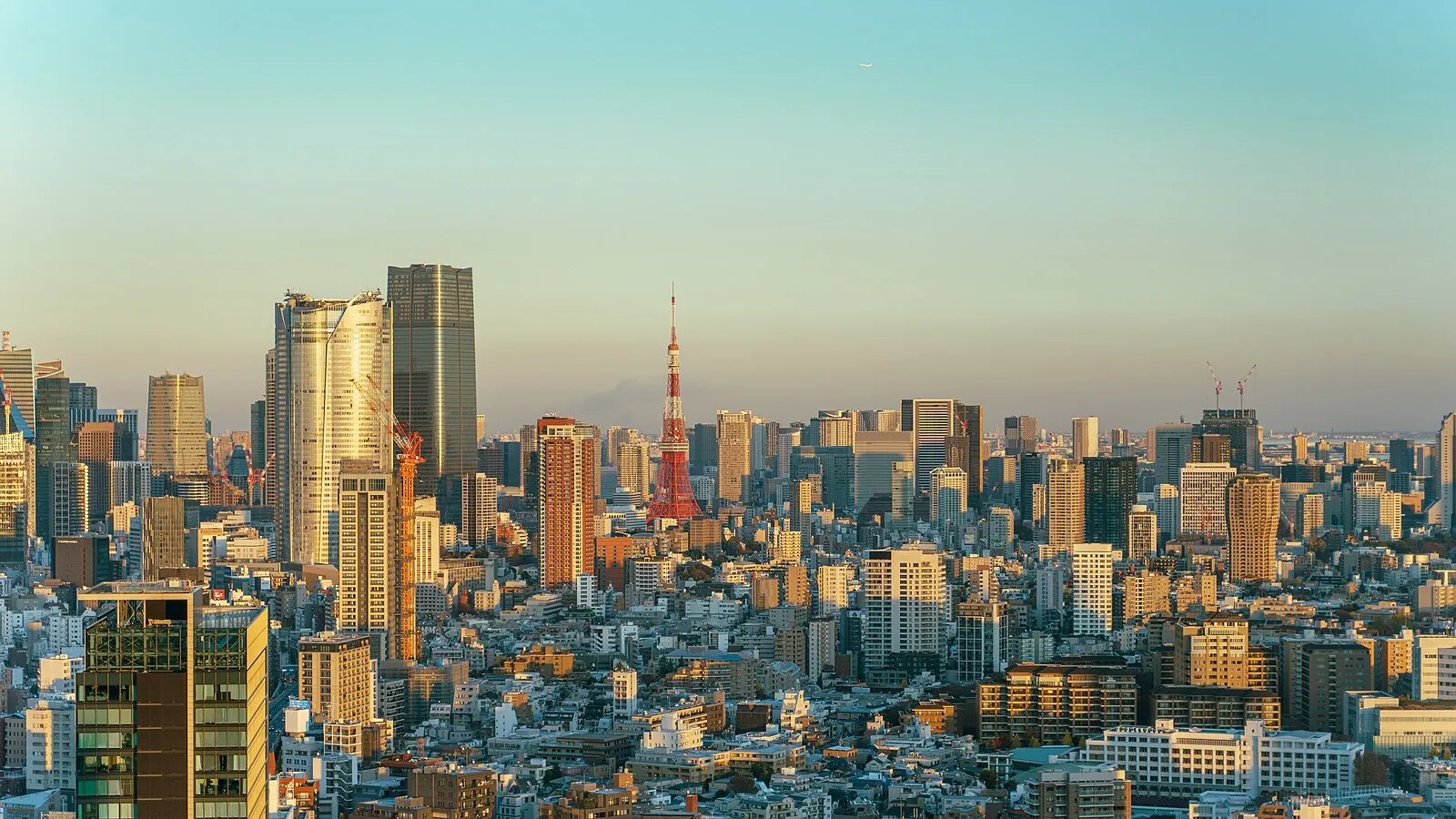
Photo: Wikimedia Commons (CC BY-SA)
Last reviewed: February 2026
My Tokyo Logbook: Neon Dreams and Ancient Prayers
I stepped off the gangway at Yokohama's Osanbashi Pier on a cool April morning, my shoes meeting the polished timber deck that has welcomed travelers since 1894. The air smelled of salt and something faintly sweet — cherry blossoms, I realized, their pink petals drifting across the waterfront like confetti from a celebration I had arrived just in time to witness. Mount Fuji floated above the haze sixty miles to the west, its snow-capped cone glowing pale gold in the early light, and I stood there clutching my rail pass and feeling the nervous electricity that only Japan can generate — the sense that everything I was about to experience would be unlike anything I had ever known.
My first stop was Senso-ji temple in Asakusa, Tokyo's oldest Buddhist temple, founded in 628 AD. I walked beneath the enormous Thunder Gate lantern — its red paper surface taller than me — and followed the Nakamise-dori approach toward the main hall, where incense smoke curled upward from a massive bronze burner. I watched an elderly woman cup the smoke toward her face with both hands, eyes closed, and I did the same, the warm fragrance of sandalwood filling my lungs. Inside the hall I whispered a quiet prayer, though I am not Buddhist, because the stillness of that space demanded reverence. The wooden beams above me had witnessed nearly fourteen centuries of pilgrims, and I felt small in the best possible way — reminded that my life is a brief chapter in a very long story.
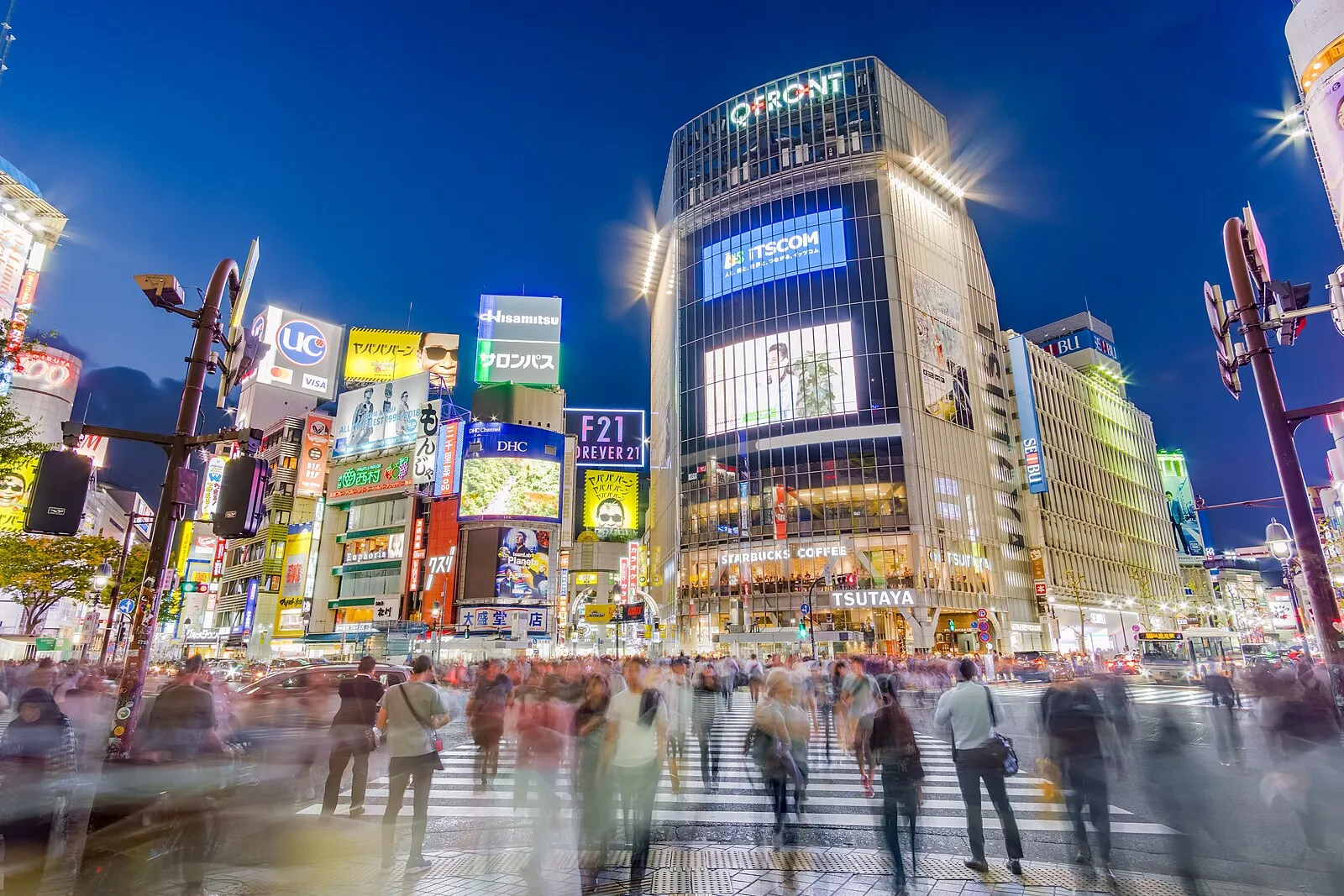
From Asakusa I took the Ginza line to Shibuya, and stepping out of the station into that famous crossing was like being dropped into the center of a heartbeat. The light turned, and I was swept forward with perhaps two thousand other pedestrians, all of us weaving through each other with impossible precision while ten-story LED screens blazed advertisements in colors so vivid they seemed to hum. I heard the crosswalk chime, the shuffle of countless shoes on asphalt, fragments of conversation in four languages, and underneath it all, the low rumble of a city that never stops moving. Yet nobody bumped me. Nobody shouted. The chaos was choreographed, and I found myself grinning like a child because I had never experienced anything so beautifully overwhelming.
But the moment my heart swelled beyond what I expected came later that afternoon at Meiji Shrine. I had walked from Harajuku — just ten minutes from the cosplay teenagers and crepe shops — into a towering forest of camphor trees that blocked out every sound of the city. The gravel path crunched beneath my feet. Birds sang above me. I passed through the massive torii gate, and then I saw them: a young couple in full wedding attire, the bride in a white silk kimono with a traditional hood, the groom in dark formal hakama, walking slowly across the courtyard with their families trailing behind. A Shinto priest led them toward the inner shrine. Nobody spoke. The only sound was the soft crunch of gravel and the distant call of a crow. My eyes filled with tears — not from sadness, but from the unexpected grace of witnessing something so intimate and sacred in a city of fourteen million people. Tokyo had given me neon and noise and thrilling crowds, yet here, hidden in the forest, it offered me silence and ceremony and a reminder that the most important moments in life happen quietly.
I realized then that Tokyo is not one city but many, layered on top of each other. The ramen shop I found in a basement near Shinjuku Station served me the richest tonkotsu broth I have ever tasted — the pork flavor was so deep it felt like the cook had been simmering that pot for days, and the noodles were firm and springy against my teeth. The cost was just 950 yen, about $7. Ten minutes later I was in Akihabara, surrounded by eight-story electronics shops blaring anime theme songs, their facades covered in colorful character murals from floor to roof. I bought a small figurine for my daughter, negotiating with hand gestures and a translation app, and the shopkeeper bowed and wrapped it with such care you would think I had purchased a precious artifact.
The Tsukiji outer fish area was my breakfast destination the next morning. I arrived at seven and found the narrow lanes already alive with vendors slicing sashimi so fresh it glistened, the cold aroma of the sea mixing with the warm smell of grilled scallops on sticks. I ate a ten-piece sushi set for 2,800 yen ($19) that was, without exaggeration, the finest sushi of my life — each piece a single perfect bite of fish and seasoned rice that dissolved on my tongue. The wasabi was freshly grated, not the reconstituted paste I had grown accustomed to back home, and its heat bloomed gently rather than burning.
On my way back to the ship I caught a glimpse of a bullet train sliding into Tokyo Station at 200 miles per hour, so smooth and silent it seemed to float rather than roll. I watched it from the platform with something close to awe. Japan builds things that work — perfectly, quietly, without fuss — and yet it preserves the old with equal devotion. That tension between innovation and reverence is what makes Tokyo feel utterly singular.
Looking back, I learned that the real gift of Tokyo is not any single attraction but the contrasts themselves. The silence of Meiji Shrine against the roar of Shibuya. The ancient incense of Senso-ji against the electric glow of Akihabara. The humble ramen counter against the soaring skyline. However different these experiences seem on the surface, they share a common thread: the Japanese commitment to doing every single thing — whether sacred or mundane — with extraordinary care. I left Yokohama that evening watching the lights of the city shrink behind our ship, and I understood why so many travelers call Tokyo the greatest city they have ever visited. It had given me wonder, stillness, flavor, noise, beauty, and — in that quiet moment at Meiji Shrine — something that felt very much like healing.
The Cruise Port
Most cruise ships dock at Yokohama's Osanbashi Pier, one of Asia's most beautiful cruise terminals. The pier has been in operation since 1894 and features a stunning wave-shaped rooftop garden. The terminal is wheelchair accessible with elevators and ramps throughout, and the ground floor has a tourist information desk, currency exchange, and free WiFi. Yokohama Chinatown — Japan's largest with over 500 restaurants — is a 10-minute walk from the pier. The Minato Mirai waterfront district with its iconic Ferris wheel and Landmark Tower is 15 minutes on foot. Yokohama Station, with connections to all of Tokyo via JR and private rail lines, is 20 minutes by taxi ($10-15) or a pleasant 30-minute walk along the waterfront. Some smaller vessels use the Tokyo International Cruise Terminal in Odaiba, which offers direct subway access to central Tokyo.
Getting Around
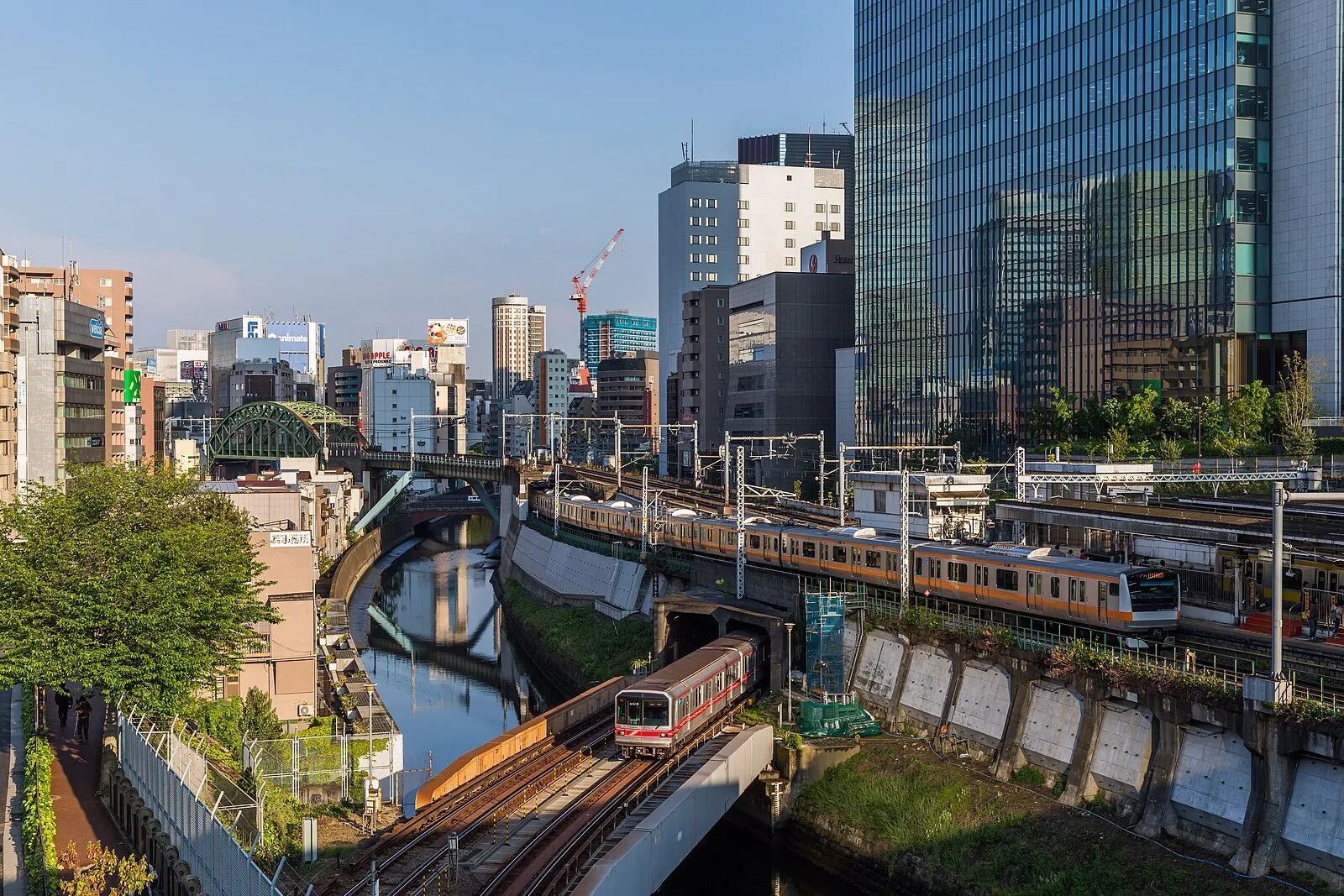
Tokyo's rail network is the most efficient public transportation system on earth, and it is the best way to explore the city on a cruise port day. From Yokohama Station, the JR Tokaido line reaches Tokyo Station in about 30 minutes ($5 fare). The JR Yamanote loop line then connects all major neighborhoods — Shibuya, Shinjuku, Harajuku, Akihabara, and Ueno — in a continuous circle. Buy a Suica or Pasmo IC card at any station for 500 yen ($3.50) deposit; these rechargeable cards work on all trains, subways, and buses, and you simply tap in and tap out. This is far easier than buying individual tickets for each journey.
For passengers with mobility concerns, Tokyo's major stations have elevators and accessible pathways, though some older subway stations require advance planning. Station staff are extraordinarily helpful — look for the assistance button on platforms. Taxis are plentiful, clean, and metered, with a starting fare of about 500 yen ($3.50), though city traffic can make them slower than trains during peak hours. Ride-sharing apps work in Tokyo but are less common than in Western cities. For groups of four, taxis become cost-competitive with rail for shorter journeys. Walking is excellent in individual neighborhoods — Asakusa, Harajuku, and Shibuya are all highly walkable once you arrive by train. English signage is standard on all major rail lines, and announcements are made in both Japanese and English.
Port Map
Explore Tokyo and Yokohama's cruise terminals, temples, neighborhoods, and attractions. Click markers for details and directions.
Top Excursions and Things to Do
Booking guidance: Ship excursion options offer guaranteed return to the vessel but cost more. Independent bookings are cheaper but carry risk of missing all-aboard if transportation delays occur. For distant attractions like Mount Fuji, book ahead through ship or reputable operator. City-based sights can be visited independently with confidence using the rail system.
Senso-ji Temple, Asakusa
Tokyo's oldest Buddhist temple (628 AD) is an essential stop. Walk through the iconic Thunder Gate, browse the Nakamise-dori approach lined with food and souvenir stalls, and breathe in the incense at the main hall. Free entry. Budget $5-10 for snacks along the approach. Accessible via the Ginza subway line to Asakusa Station. Low-walking difficulty; the temple grounds are mostly flat. Allow 1.5-2 hours.
Shibuya Crossing and Hachiko
The world's busiest pedestrian crossing is mesmerizing to experience. Cross with the crowd, then head to the Starbucks on the second floor of the Tsutaya building for an aerial view. Visit the bronze statue of Hachiko, Japan's most loyal dog, outside Shibuya Station. Free. Moderate walking. The area around Shibuya is hilly, so those with walking difficulty should plan accordingly.
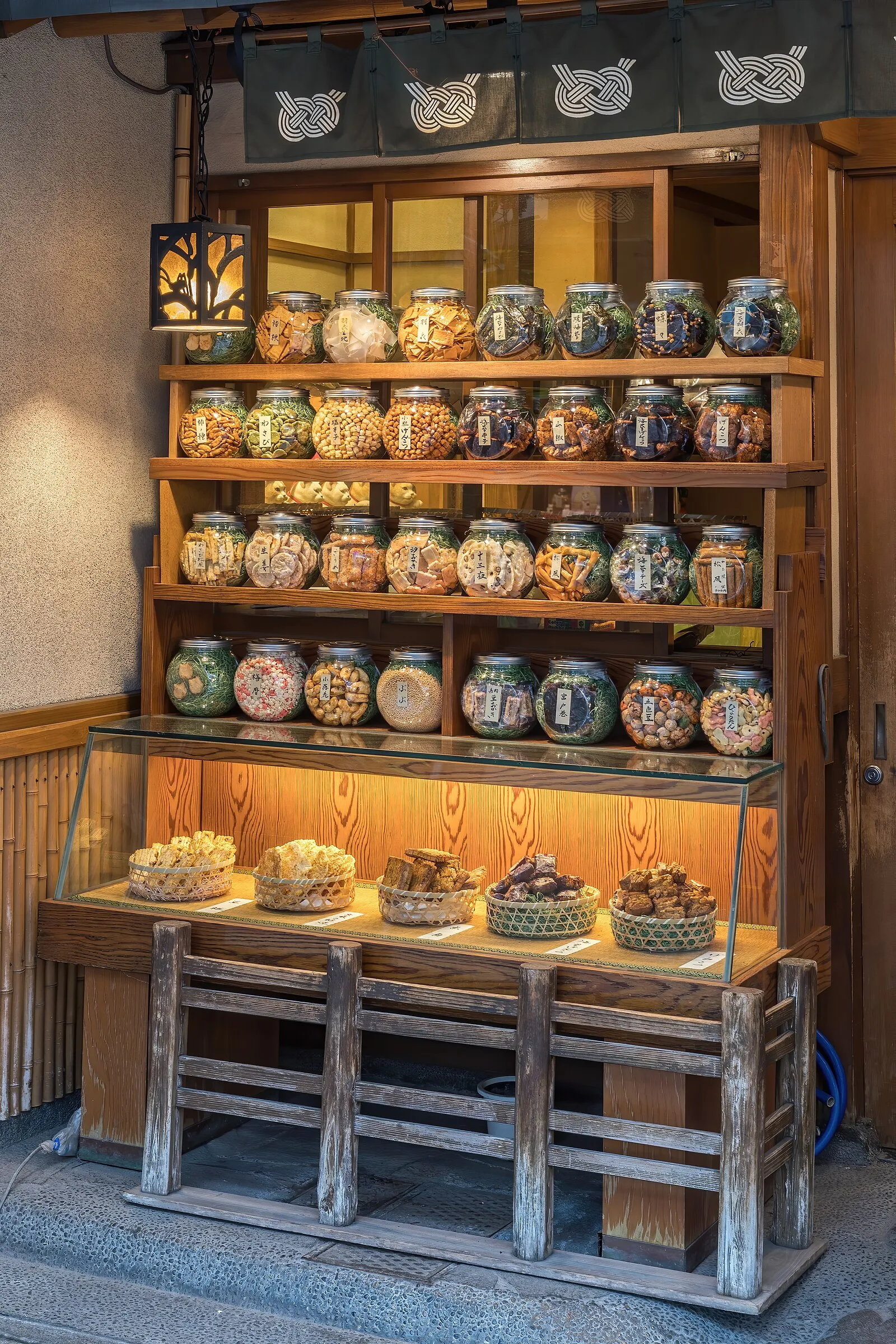
Tsukiji Outer Fish Area
The wholesale auction relocated to Toyosu in 2018, but the outer area remains a vibrant food destination. Sample the freshest sushi in the world — a ten-piece set costs 2,000-3,500 yen ($14-24). Grilled scallops on sticks ($3-5), tamagoyaki egg rolls ($2), and matcha desserts abound. Arrive early (before 9 AM) for the best selection. Low-walking; the narrow lanes are flat. Allow 1-2 hours.
Meiji Shrine, Harajuku
A serene Shinto shrine dedicated to Emperor Meiji, set within 170 acres of forested parkland in the heart of Tokyo. The contrast with bustling Harajuku — just steps away — is stunning. Free entry. If you are fortunate, you may witness a Shinto wedding procession. Low to moderate walking on gravel paths. Allow 1-1.5 hours.
Harajuku and Takeshita Street
Japan's youth fashion capital, where cosplay, crepe shops (300-600 yen / $2-4), and avant-garde boutiques line the colorful Takeshita-dori. Fun for all ages, especially those who enjoy people-watching. Free to explore; budget $10-20 for shopping and snacks. Moderate walking. Allow 1-2 hours.
Akihabara Electric Town
Eight-story electronics shops, anime goods, manga cafes, and retro gaming arcades fill this sensory-overload district. Figurines and souvenirs range from $5 to $500. Even non-fans enjoy the sheer spectacle. Accessible and relatively flat. Allow 1-2 hours.
Mount Fuji Day Trip
Full-day excursions to Fuji's 5th Station take you halfway up Japan's most sacred mountain ($80-150 for ship excursion; $50-90 independent bus tour). The views on clear days are breathtaking. Chureito Pagoda (398 steps) offers the iconic Fuji-framed photo. High-energy; strenuous for the pagoda climb. Book ahead — this is a full 8-10 hour commitment and guaranteed return via ship excursion is strongly recommended for this distant attraction.
Depth Soundings: Final Thoughts
Until I have sailed this port myself, these notes are soundings in another's wake — gathered from travelers I trust, charts I've studied, and the most reliable accounts I can find. When I finally drop anchor here, I'll return and correct my course.
Tokyo and Yokohama together form one of the world's great cruise port experiences. The combination of ancient reverence at Senso-ji and Meiji Shrine, futuristic energy at Shibuya and Akihabara, and culinary brilliance at Tsukiji creates a port day that is genuinely unlike any other. However, the city's sheer size can overwhelm first-time visitors — my strong advice is to pick two or three neighborhoods rather than trying to see everything. The rail system makes this easy; the temptation to overplan is the real enemy.
For travelers with mobility needs, Tokyo is increasingly accessible, with elevators at most major stations and ramps at many attractions. Yet older subway stations still present challenges, so research your specific route in advance. Budget at least 5,000-8,000 yen ($35-55) for a comfortable day including rail fare, food, and entrance fees. The value here is remarkable — an outstanding sushi breakfast costs what a mediocre airport sandwich costs back home. Tokyo rewards the curious, the patient, and the willing. Bring good walking shoes, a sense of wonder, and an empty stomach.
Photo Gallery

Image Credits
- Hero and skyline: Wikimedia Commons contributors / CC BY-SA
- Senso-ji, Meiji Shrine, Shibuya: Wikimedia Commons contributors / CC BY-SA
- Tsukiji, Harajuku, Akihabara: Wikimedia Commons contributors / CC BY-SA
- Garden, ramen, Tokyo Tower: Wikimedia Commons contributors / CC BY-SA
Weather & Best Time to Visit
Frequently Asked Questions
Q: What's the best time of year to visit Tokyo on a cruise?
Typical range 36-86°F four distinct seasons; rain: Rainy season (tsuyu) mid-Jun to mid-Jul; typhoons Aug-Oct. Peak cruise months: Mar, Apr, May, Oct, Nov. Avoid months: Jul, Aug.
Q: Does Tokyo have a hurricane or storm season?
Tokyo is in a cyclone/hurricane risk region. Season: May – Nov (Western Pacific typhoon season). Peak: Aug, Sep, Oct.
Q: What should I pack for Tokyo's weather?
For Tokyo, pack for 36-86°F four distinct seasons. Layers for spring and fall; Light rain jacket year-round; Breathable clothing for summer; Light jacket for winter
Q: Will rain ruin my Tokyo port day?
Brief rain is common enough around Tokyo that a flexible plan beats canceling. Cherry blossom timing varies year to year — don't count on exact dates; Tsuyu (rainy season) in June brings weeks of gray drizzle
Q: Where do cruise ships dock in Tokyo?
Most ships dock at Yokohama's Osanbashi Pier, about 30 minutes by train from central Tokyo. The pier has been welcoming vessels since 1894. Some smaller ships use the Tokyo International Cruise Terminal in Odaiba, which offers direct subway access. Both terminals have tourist information, currency exchange, and accessible facilities for passengers with wheelchair or mobility needs.
Q: How do I get from Yokohama to Tokyo?
The JR Tokaido line runs from Yokohama Station to Tokyo Station in about 30 minutes (fare approximately $5). Trains depart every few minutes and are spotlessly clean. Buy a Suica or Pasmo IC card for easy tap-and-go payment across all rail and subway systems. Station signage and announcements are in both Japanese and English.
Q: Is one day enough to see Tokyo?
You can experience the highlights, but Tokyo deserves far more time. Focus on 2-3 neighborhoods — such as Asakusa plus Shibuya plus Harajuku — rather than attempting to cover the entire city. The rail system makes neighborhood-hopping efficient, but allow travel time between stops.
Q: What should I budget for a day in Tokyo?
A comfortable day costs 5,000-8,000 yen ($35-55) including rail fare, food, and small purchases. Sushi breakfast at Tsukiji runs $14-24. Rail fare between neighborhoods averages $2-4 per trip. Temple visits are mostly free. The cost of living for tourists is lower than many Western cities despite Tokyo's reputation.
Q: Can I see Mount Fuji from the port?
On clear days, yes. Mount Fuji is visible from Yokohama's Osanbashi Pier, about 60 miles to the west. Early morning before clouds gather offers the best visibility. Spring and autumn provide the clearest views; summer haze often obscures the mountain.
Q: Is Tokyo accessible for passengers with mobility challenges?
Tokyo is improving rapidly. Major JR stations have elevators and accessible pathways. The Osanbashi Pier terminal is fully wheelchair accessible. However, some older subway stations lack elevators, and temple grounds often have uneven surfaces. Research your specific route in advance, and don't hesitate to ask station staff for help — they are remarkably accommodating.