

Captain's Logbook
From the Logbook
The steel pan was invented here, forged from oil drums when colonizers banned drums—trying to silence the rhythm that wouldn't be silenced. Standing in a panyard watching a band rehearse for Panorama, I understood that Trinidad's contribution to world culture isn't just Carnival. It's the idea that oppression can be transformed into art, that you can beat metal into music, and that celebration is itself a form of resistance.
I stepped off the ship into Port of Spain and felt the city's energy before my feet hit solid ground. The air was thick with humidity and the scent of frying dough — somewhere nearby, a doubles vendor was already at work. Following the scent past the terminal gates led to a cart on the corner where a woman was ladling curried chickpeas onto bara with the practiced ease of someone who had done this ten thousand times. "Slight pepper or plenty pepper?" she asked. Slight still made the eyes water. The tamarind chutney was sweet and tangy, the bara soft and warm, and standing there on the sidewalk eating breakfast by hand while the morning traffic of Port of Spain swirled past felt like the truest possible introduction. That first doubles was a revelation — nothing in the reading had prepared for the complexity of flavors layered into something so simple.
The walk toward Queen's Park Savannah passed through streets alive in a way I hadn't experienced elsewhere in the Caribbean. This wasn't a port that existed for cruise passengers — it was a real, working capital city that happened to have a cruise terminal. Vendors sold coconut water from carts. Office workers hurried past in sharp clothes. Music drifted from open windows — soca one moment, chutney the next, then something unplaceable that turned out to be parang. A school appeared where children in uniform were singing in the yard, their voices lifting over the concrete walls like something from a dream.
At Queen's Park Savannah, I walked the perimeter path beneath enormous samaan trees. The Magnificent Seven colonial mansions stood along the western edge, each one more elaborate than the last, their fretwork and turrets catching the morning light. A group practiced tai chi on the grass while a Copper-rumped Hummingbird hovered at a hibiscus flower just an arm's length away. The tiny bird's gorget flashed copper and gold as it darted from bloom to bloom, utterly indifferent to the human staring in amazement. Five minutes passed before it vanished into the canopy.
In Caroni Swamp at dusk, the boat drifted silently through mangrove channels while the guide whispered to watch the trees. Then they came — scarlet ibises by the hundred, flames against the green, settling into their roosts like the forest catching fire. A Magnificent Frigatebird soared high above them, its forked tail cutting the orange sky like a black kite. When I finally looked up, the sky had turned pink and gold, and I realized breath had been held for five minutes. My chest ached with something between gratitude and grief, because this exact moment would never come again. The colors would shift, the birds would scatter, and tomorrow's sunset would be entirely its own.
The next morning, we hired a driver to take us over the Northern Range to Maracas Bay. The road climbed through rainforest so dense the canopy formed a tunnel, and at the lookout point both the Caribbean and the forested mountains dropped away in every direction. Maracas Bay itself lived up to every expectation — a long crescent of golden sand backed by palms, with waves strong enough to body-surf but gentle enough for comfort. Shark and bake from Richard's arrived crisp and tender, loaded with pepper sauce and garlic sauce and shredded lettuce. The sound of the surf mixed with soca playing from a nearby speaker, and sitting on the sand, warmth soaked through to the bone.
What stays from Trinidad is not any single sight but the layering of cultures — Indian temples beside African drumming circles beside Chinese shops beside colonial architecture. Steelpan music drifted from a panyard where teenagers rehearsed with a focus and joy that stopped us at the chain-link fence. The smell of curry and roasting corn and sea salt braided together on every street corner. Roti stuffed with curried goat came from a small shop where the owner said his grandmother's recipe had not changed in sixty years. The bass of a passing sound system vibrated through the ribcage, and two strangers started dancing on the sidewalk as though the music had simply moved through them without asking permission.
I left Trinidad feeling that I had only scratched the surface. This island does not perform for visitors — it simply is what it is, and it invites you to pay attention. The rhythms, the flavors, the warmth of the people, the startling beauty of scarlet wings against green mangroves at dusk — all of it accumulates into something carried forward. The craving for doubles at odd hours, the soca melodies half-remembered, the image of that hummingbird at the hibiscus, perfectly still and impossibly alive — these are what remain. Some ports you visit. Trinidad visits you back.
The Cruise Port
Cruise ships dock at the Port of Spain cruise terminal, located in the harbor area of Trinidad's capital city. The terminal offers basic facilities and is within walking distance of downtown and Queen's Park Savannah, the world's largest roundabout and the city's cultural heart.
Unlike most Caribbean ports, Trinidad is not primarily a tourist destination—it's a working, vibrant nation with its own identity. The oil-rich economy means locals aren't dependent on cruise tourism, which can make for refreshingly authentic interactions. You're a guest, not a customer.
The terminal area has improved in recent years, with covered walkways and basic tourist information services available just past the security gates. Taxis line up outside the port entrance, and it is wise to agree on a fare before departing, as meters are uncommon in Port of Spain.
Getting Around
Trinidad offers several transport options for cruise visitors arriving at the Port of Spain terminal. The most convenient choice for most passengers is hiring a taxi directly from the port. Licensed taxis wait outside the terminal gates, and you should always agree on the fare before setting off, as meters are rarely used. A taxi to Maracas Bay typically costs around 200-250 TTD each way, while shorter trips within Port of Spain run 50-100 TTD depending on distance and negotiation.
For budget-conscious travelers, maxi-taxis are Trinidad's shared minibus system and the backbone of local public transport. These vans follow set routes identified by colored bands: yellow for Port of Spain to western areas, red for eastern routes, green for south, and black for Princes Town. The City Gate terminal in downtown Port of Spain serves as the main hub and is a short walk from the cruise terminal. Fares are extremely affordable at just a few TTD per ride, though routes can be confusing for first-time visitors and service is irregular on weekends.
Route taxis operate similarly to maxi-taxis but use regular cars and follow fixed corridors. They depart when full and charge slightly more than maxi-taxis. The Trinidad Water Taxi service connects Port of Spain to San Fernando along the western coast, offering a scenic and affordable alternative for reaching the southwest. For distant attractions like the Caroni Bird Sanctuary, Pitch Lake, or Asa Wright Nature Centre, booking a private driver or organized tour for the day is the most practical approach. Many local operators offer half-day and full-day packages that cover multiple stops.
Port Map
Weather & Best Time to Visit
Excursions & Top Attractions
Booking guidance: Ship excursion options provide guaranteed return to port and are worth considering for first-time visitors. For those who prefer to explore independently, local operators often offer competitive rates — book ahead during peak season to secure your preferred times. Whether you choose a ship excursion or go independent, confirm departure times and meeting points before heading out.
Maracas Bay Beach
Trinidad's most famous beach lies about 45 minutes north of Port of Spain over the scenic Northern Range. The palm-lined bay features excellent swimming and the legendary "shark and bake" vendors. Richard's is the most famous, but debate rages about which stall is truly best. Get there early — cruise ship crowds arrive by late morning. You can book a Maracas Bay beach excursion through your ship's shore excursion desk or arrange a private taxi for the day, which allows more flexibility with your time on the sand.
Caroni Bird Sanctuary
This mangrove wetland is home to the national bird: the scarlet ibis. Sunset boat tours are magical, as thousands of brilliant red birds return to roost. Tours typically depart around 4pm. Book your Caroni Swamp tour in advance through a local operator or reserve a spot via the ship's excursion program, as boats fill up quickly on cruise ship days. This is one of the most unforgettable wildlife experiences in the entire Caribbean.
Fort George
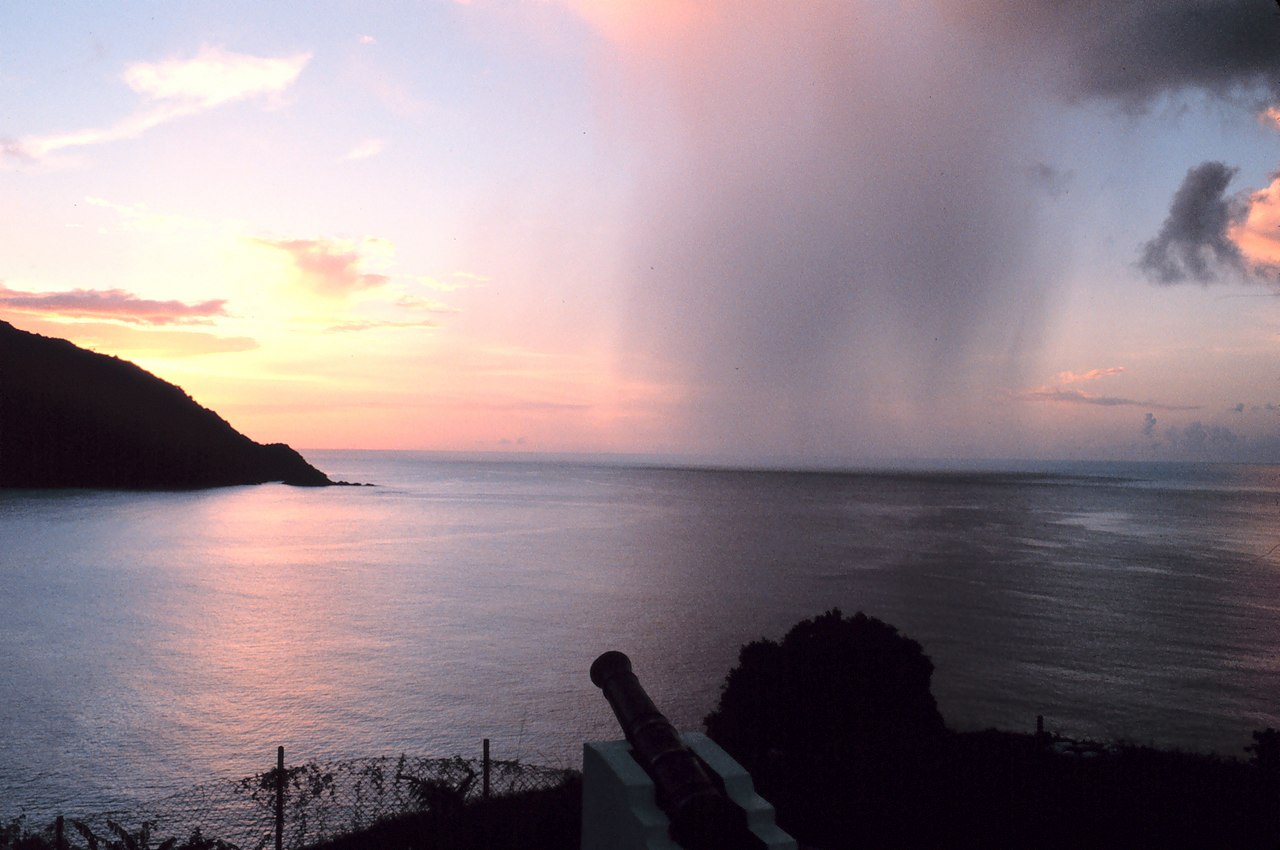
Perched on a hilltop above Port of Spain, Fort George offers panoramic views stretching across the Gulf of Paria to Venezuela on clear days. Built in 1804 by the British, the small fort contains historical artifacts and signal cannons. The drive up takes about 15 minutes from the port, and many taxi drivers include it as a stop on a half-day city tour.
Pitch Lake
Located in La Brea, about 90 minutes south of Port of Spain, the Pitch Lake is the largest natural deposit of asphalt in the world. Guided walks take visitors across the surreal, moonscape-like surface where warm, bubbling pitch pools dot the terrain. This geological curiosity makes for a unique half-day excursion, and booking through a local tour operator or your ship ensures reliable transport to this remote attraction.
Queen's Park Savannah
The world's largest traffic circle (3.7km around) is also Port of Spain's park, jogging track, and social center. The Magnificent Seven — seven ornate colonial mansions on the western edge — showcase varied architectural styles. The National Museum and Royal Botanical Gardens are adjacent. This is an easy walk from the cruise terminal and requires no advance booking.
Asa Wright Nature Centre
World-famous birdwatching destination in the Northern Range rainforest. The verandah feeders attract tanagers, honeycreepers, and dozens of tropical species. Allow half a day for the drive and visit. Reserve your visit in advance, as the centre limits daily visitor numbers. Several local tour operators offer combined Asa Wright and Northern Range packages.
Whether you prefer to book excursions independently or through your cruise line's shore excursion program, advance reservations are recommended for Trinidad's most popular attractions. Ship-sponsored tours guarantee your return to the vessel, while independent booking typically offers lower prices and smaller group sizes.
Year-Round Experiences
Carnival Culture
Trinidad Carnival (February/March, dates vary) is widely considered the mother of all Caribbean carnivals and one of the world's greatest street festivals. Even outside Carnival season, the culture permeates everything.
- Panyard Visits: Steel bands rehearse year-round. Some panyards welcome visitors, especially as Panorama (the national steel pan competition) approaches.
- Calypso & Soca: Live music is everywhere. The Queen's Park Savannah area has venues featuring local artists.
- Mas Camp Tours: Costume-making workshops (mas camps) can be visited to see the artistry behind Carnival costumes.
Trinidadian Cuisine
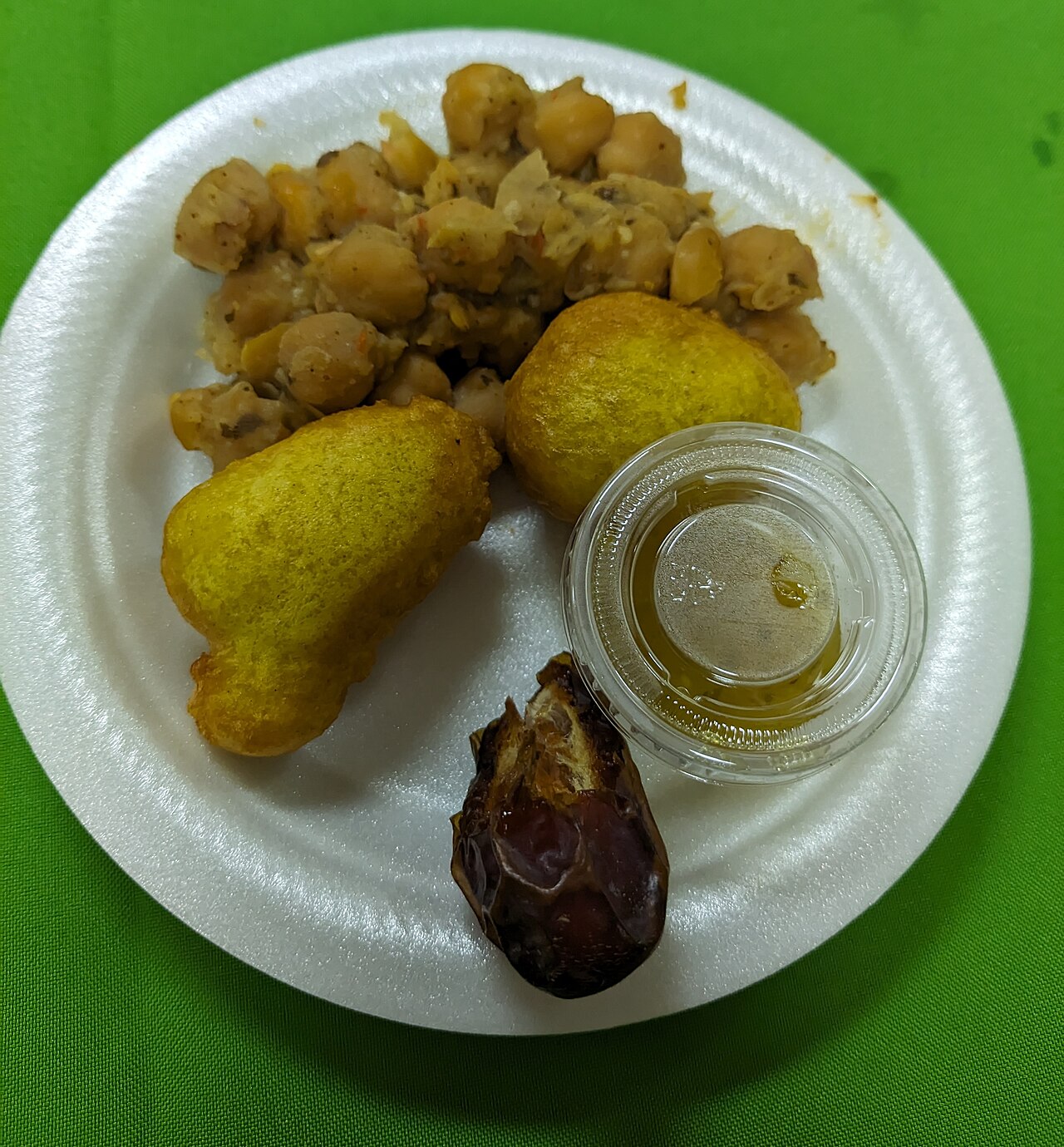
Trinidad's food reflects its African, Indian, Chinese, and European influences. This is arguably the Caribbean's best food destination.
Local Dishes Worth Seeking Out
- Doubles: Two pieces of fried bread (bara) with curried chickpeas. The quintessential street breakfast.
- Shark and Bake: Fried shark in fresh fried bread. Maracas Bay is the classic location.
- Roti: Curry wrapped in dhalpuri or paratha roti. Chicken, goat, shrimp, or vegetable options.
- Pelau: One-pot dish of rice, pigeon peas, and meat with caramelized sugar base.
- Callaloo: Okra and dasheen leaf stew, often with crab.
- Pholourie: Fried split-pea dough balls with mango chutney. Perfect snack.
Drinks
- Carib/Stag: Local beers, perfect in the heat.
- Rum Punch: Trinidad's Angostura produces world-famous rum and bitters.
- Mauby: Traditional bark-based beverage, an acquired taste.
Depth Soundings
Money: The local currency is TTD / USD accepted. ATMs are generally available near the port area, though fees vary. Credit cards are widely accepted at tourist-oriented establishments, but carry some local cash for markets, street food, and smaller vendors. Your ship's exchange rate is typically unfavorable — withdraw from a bank ATM instead. Budget $30–$80 per person for a comfortable day including lunch, transport, and a few entry fees.
Timing: Start early if your ship arrives at dawn — the first hours offer pleasant conditions and smaller crowds. Allow at least 30 minutes buffer before all-aboard time. Set a phone alarm as backup. Most port visits allow 8–10 hours on shore, which is enough to see the highlights without rushing if you prioritize well.
Safety: Standard port-town awareness applies — keep valuables close and stick to well-traveled areas during daylight. Your ship's ID card is your most important item — losing it creates a genuine headache at the gangway.
Communication: Wi-Fi is often available at cafés and restaurants near the port. Consider downloading offline maps before disembarking — cellular data roaming charges can be substantial and surprising. Google Maps offline mode or Maps.me work well for navigation without data.
Food & Water: Tap water safety varies by destination — ask locally or buy bottled water to be safe. The best food often comes from busy local restaurants rather than tourist-facing spots near the port. Lunch at a popular local place typically costs $8–$20 per person. Street food can be excellent value if you choose busy stalls with high turnover.
Practical Information
Money
Trinidad and Tobago Dollar (TTD) is the local currency. Approximately 6.8 TTD = 1 USD (2025). US dollars are accepted at tourist venues but local currency gets better prices. ATMs widely available.
Safety
Port of Spain requires more caution than typical Caribbean ports. Avoid displaying expensive jewelry or electronics. Stay in tourist areas and use official taxis. Laventille, Sea Lots, and Beetham areas should be avoided. The crime rate, while higher than some islands, shouldn't deter visitors who take sensible precautions.
Cultural Tips
- Trinidadians are direct communicators—don't mistake frankness for rudeness.
- "Liming" (hanging out) is a national pastime. Relax into the pace.
- Dress modestly when visiting religious sites (Hindu temples, mosques, churches).
Photo Gallery
Frequently Asked Questions
Where do cruise ships dock in Trinidad?
Cruise ships dock at Port of Spain, Trinidad's capital, at the cruise terminal in the harbor area. The terminal is walking distance to the city center and Queen's Park Savannah.
What is shark and bake?
Shark and bake is Trinidad's iconic beach food: fried shark served in fresh fried bread (bake) with various condiments like tamarind sauce, pepper sauce, and coleslaw. Richard's at Maracas Bay is the most famous vendor.
Can I see scarlet ibis in Trinidad?
Yes, the Caroni Swamp boat tour at sunset is famous for scarlet ibis viewing. Thousands of these bright red birds return to roost in the mangroves each evening. Tours depart around 4pm to catch sunset.
Is Trinidad safe for cruise visitors?
Trinidad requires more caution than typical Caribbean destinations. Stick to tourist areas, use official taxis, and avoid displaying valuables. Most cruise visitors have safe, enjoyable experiences with basic precautions.
Q: What is the best time to visit Trinidad?
A: Cruise season runs December through April — dry season with year-round tropical temperatures (69-89°F). September and October are the months to avoid. Trinidad is south of the main hurricane belt; occasionally brushed.
Q: Is Trinidad suitable for passengers with mobility challenges?
A: Accessibility varies by area. The port vicinity and main commercial streets are generally manageable, but older historic districts may feature cobblestones, stairs, and uneven surfaces. Consider booking an accessible ship excursion if you have concerns. The ship's shore excursion desk can advise on specific accessibility options for this port.
Q: Do I need to exchange currency before arriving?
A: The local currency is TTD / USD accepted. Most tourist-facing businesses accept major credit cards. ATMs near the port offer competitive exchange rates. Carry some local cash for small purchases, markets, and tips. Avoid exchanging money on the ship — the rates are typically unfavorable compared to local bank ATMs.
Q: Can I explore independently or should I book a ship excursion?
A: Both options work well. Ship excursions guarantee return to the vessel and handle logistics, making them well suited to first-time visitors. Independent exploration costs less and allows more flexibility — just keep track of time and allow a 30-minute buffer before all-aboard. Many passengers combine approaches: an organized morning tour followed by free afternoon exploration.
Q: Does Trinidad have a hurricane or storm season?
A: Atlantic hurricane season runs June 1 through November 30, with peak risk in September and October. Trinidad sits south of the main hurricane belt and is occasionally brushed. September and October are the months to avoid.
Q: What should I pack for Trinidad's weather?
A: Walking shoes. Bug repellent for swamp. Light rain jacket. Cash for street food.
Q: Will rain ruin my port day in Trinidad?
A: Dry January through May; very wet June through November. Cruise season concentrates in the drier December–April window.
Author's Note: Port information reflects conditions during our visit. Facilities and safety conditions may change. Verify current details with your cruise line.
Price Note: Prices are 2025 estimates and may vary based on season and currency fluctuations.