


Vanuatu: Where Traditions Live in the Present
My Visit to Port Vila
I stepped off the ship into Port Vila on a warm Wednesday morning in late November, and the first thing that struck me was the scent of frangipani carried on a breeze so warm and soft it felt like the island itself was breathing. The harbour stretched out in a wide, protected curve, green hills rising steeply on all sides, and the town lay scattered along the waterfront in a patchwork of corrugated rooftops and bright paint. My wife stood beside me at the gangway, and we both paused for a moment, taking in the scene. After four days at sea from Auckland, the sudden proximity of land felt almost overwhelming — the colours too vivid, the sounds too present, the air too thick with humidity and life. I reached for her hand, and we walked down together into Vanuatu.
We walked along the waterfront toward the centre of town, past fishing boats pulled up on the shore and vendors selling coconuts split open with machetes. The smell of grilled fish mixed with diesel and salt air. Within five minutes we had reached Mama's Market, a sprawling open-air collection of stalls where women sat cross-legged on woven mats beside pyramids of tropical fruit — papayas the size of footballs, bunches of tiny bananas no longer than my finger, and strange knobbly root vegetables I could not identify. I watched a grandmother weaving a pandanus basket, her fingers moving with a rhythm that suggested she had been doing this since before I was born. She noticed me watching and smiled. "You want to try?" she asked in Bislama, the local pidgin English that blends French and English into something entirely its own. I sat down beside her, and she placed the half-finished basket in my hands. My attempt was clumsy, the leaves slipping through my fingers, but she laughed with such genuine warmth that I laughed too. My wife took a photograph of us sitting together on the mat, and when I look at it now I see two people separated by thousands of miles and entirely different lives, connected by a moment of shared effort and mutual delight.
Our taxi driver, a cheerful man named Thomas who spoke three languages and drove with the relaxed confidence of someone who knew every pothole personally, took us to Ekasup Cultural Village. I confess I was sceptical. I had visited "cultural experiences" before that felt like theme parks with grass skirts. However, Ekasup was different. We were greeted at the entrance by a village elder who explained that what we were about to see was not a performance — it was the way his community still lived. Inside the village clearing, surrounded by towering banyan trees, we watched a young man make fire by rubbing sticks together with a speed and precision that left me speechless. A woman demonstrated traditional cooking methods, wrapping lap lap — the national dish of grated root vegetables and coconut cream — in banana leaves and placing it over hot stones in an earth oven. The smell of the cooking food, earthy and sweet and tinged with smoke, made my mouth water. Yet what moved me most was not the demonstrations but the quiet pride with which they were given. These were not actors. These were people sharing their inheritance with strangers, and they did so with a dignity that humbled me.
That afternoon, Thomas drove us to Mele Cascades, a series of waterfalls hidden in rainforest just fifteen minutes south of Port Vila. The trail climbed steeply through dense vegetation, ferns brushing our arms, the sound of rushing water growing louder with each step. I was sweating heavily — the humidity was relentless — but when we reached the first cascade and I saw the water pouring over mossy rocks into a clear natural pool, I forgot the heat entirely. I waded in fully clothed, the cold water a shock against my overheated skin, and I stood there with my face turned up to the spray, feeling the mist settle on my eyelids and the current tugging gently at my legs. My wife joined me, and for a long time we simply stood in the pool beneath the falls, not speaking, listening to the roar of the water and the calls of unseen birds in the canopy above. It was one of those moments where the world narrows to a single point of clarity and everything else falls away.
The next morning I rose early and took a boat to Hideaway Island, a tiny coral cay twenty minutes offshore, for the experience I had been most curious about: the world's only underwater post office. The cost was about $30 for a day pass including snorkel gear. I bought a waterproof postcard at the resort shop, slipped into the warm water, and snorkelled out over coral gardens alive with parrotfish and butterflyfish in colours so vivid they seemed painted. Then I saw it — a small metal post box fixed to the seabed three metres below the surface, with an actual postal worker in full scuba gear hovering beside it. I took a breath and dived down, the pressure building in my ears, and handed over my postcard. The postal worker stamped it with an official Vanuatu waterproof ink stamp and placed it in the box. Fish drifted past us, utterly indifferent. I surfaced laughing, salt water streaming from my mask, and realised I had just participated in something gloriously absurd and genuinely wonderful. I had addressed the postcard to my mother. She received it three weeks later, slightly wrinkled, officially postmarked from the ocean floor. She called me in tears. "I have never received anything like this," she whispered. Neither had I.
On our final afternoon, Thomas drove us forty-five minutes east to the Blue Lagoon — a natural freshwater pool fed by underground springs. I had seen photographs, but photographs lie by omission. They cannot capture the way the water changes colour as you move through it, shifting from pale turquoise at the shallow edges to a deep, impossible blue at the centre where the springs bubble up from below. They cannot capture the silence of the place, broken only by birdsong and the soft splash of swimmers. I floated on my back in the middle of the lagoon and stared up at the sky through a frame of coconut palms and tropical flowers, and I felt something shift inside me — a stillness, a gratitude so deep it ached. My wife swam over and we floated together, our fingers just touching, and I whispered a quiet prayer of thanks for the gift of this day, this place, this life we share.
Looking back, I realize what Vanuatu taught me. It was not the underwater post office or the waterfalls or the Blue Lagoon, though each was remarkable in its own way. What I learned was something quieter: that the places which stay with you longest are not the ones with the most impressive infrastructure or the most polished tourist experiences, but the ones where people share what they have with open hands and honest hearts. The grandmother at Mama's Market who placed a basket in my clumsy fingers. The elder at Ekasup who shared traditions stretching back three thousand years not because we paid an entry fee, but because passing knowledge forward is sacred work. The postal worker who stamps postcards on the ocean floor with a grin visible even through a scuba mask. Vanuatu is not a wealthy nation by any measure the world typically uses. Yet it felt richer to me than places ten times its size, because what it offered was real — unpolished, unhurried, and given with grace. We sailed from Port Vila that evening as the sun turned the harbour gold, and I watched the green hills grow small against the sky and felt my heart swell with something I can only call gratitude. Some ports you visit. Others visit you. Vanuatu did both.
Featured Images
The Cruise Port
What you need to know before you dock.
- Terminal: Port Vila cruise terminal on Efate island — modern facility with a natural harbour providing calm, protected docking. The terminal area has basic amenities including currency exchange and tourist information. The pier is wheelchair accessible with ramp access from the ship to the terminal building.
- Distance to City Center: Port Vila downtown is walkable from the terminal (5-10 minutes). The waterfront path is flat and paved, making it accessible for guests with mobility needs.
- Tender: No — ships dock directly at the pier
- Currency: Vanuatu Vatu (VUV); Australian Dollar also widely accepted; ATMs available in Port Vila; no tipping culture
- Language: English, French, Bislama (all official); English widely understood in tourist areas
- Driving: Right side; roads variable quality outside town; taxi tours recommended over self-drive
- Best Season: October to March (dry season); April to September cooler but wetter
- Important Note: December 2024 earthquake caused infrastructure damage — verify attraction status before your visit
Getting Around
Transportation tips for cruise visitors.
- Walking: Port Vila downtown is compact and entirely walkable from the cruise terminal in 5-10 minutes. The waterfront promenade is flat and paved, comfortable for wheelchair users and those with limited mobility. Sidewalks are decent in the town centre, though uneven in some older areas. Mama's Market, the Cultural Centre, and waterfront restaurants are all within easy walking distance. Be mindful of the tropical heat — carry water and take breaks in shaded areas.
- Taxis: Available at the cruise terminal; always negotiate the fare before departure as there are no meters. Expect 500-1,000 VUV ($4-8 USD) for trips within Port Vila, and 2,000-4,000 VUV ($17-34) for excursions to Mele Cascades or Hideaway Island. Drivers are generally friendly and many speak good English. Ask your driver to wait if you want a return trip — it is usually cheaper than finding a new taxi at the attraction.
- Organized Tours: Most attractions beyond walking distance (Mele Cascades, Blue Lagoon, Hideaway Island, Ekasup Village) are best reached via organized taxi tour or ship excursion. Book ahead during peak cruise season as independent taxis can be scarce when multiple ships are in port. Many visitors choose to explore independent of the ship excursion options for flexibility and cost savings, though a ship excursion offers guaranteed return to the vessel.
- Car Rental: Available in Port Vila but roads outside town are variable quality with limited signage. Driving is on the right side. For most cruise visitors, taxis represent better value and considerably less stress than navigating unfamiliar roads under time pressure.
- Local Buses: Minibuses (marked with a "B" on the license plate) serve local routes cheaply at 150 VUV per ride, but schedules are infrequent and routes confusing for first-time visitors. Stick with taxis for time-limited port days.
Vanuatu (Port Vila) Area Map
Interactive map showing cruise terminal, Hideaway Island, Mele Cascades, Blue Lagoon, Cultural Centre, and Ekasup Village. Click any marker for details and directions.
Excursions & Activities
How to spend your time ashore. For popular activities like Hideaway Island and Mele Cascades, book ahead during peak season to secure your spot. Many visitors choose to explore independent of the ship excursion options for flexibility and cost savings, though a ship excursion offers guaranteed return to the vessel before departure.
Hideaway Island & Underwater Post Office
The world's only underwater post office, three metres below the surface at Hideaway Island. Snorkel down with a waterproof postcard, get it stamped by a scuba-equipped postal worker, and mail it to anyone in the world. The postcard genuinely arrives postmarked from the ocean floor. Beyond the postal novelty, the coral gardens here offer brilliant snorkeling with parrotfish, butterflyfish, and coral formations. Resort day pass includes beach access, snorkel gear, and facilities. Located 30 minutes from port by taxi plus a short boat transfer. Cost is approximately 3,500 VUV ($30 USD) for a day pass, with waterproof postcards sold on-site. Half-day minimum recommended. Low walking required — ideal for moderate activity levels.
Ekasup Cultural Village
A living demonstration of 3,000 years of Melanesian tradition. Community members share traditional fire-making, pandanus weaving, kastom dance, and daily life practices. This is not a staged tourist show — it is authentic cultural transmission by people who still practise these traditions. Located 15 minutes from port by taxi. Entry approximately 2,000 VUV ($17 USD). Photography is respectful and permitted. Half-day excursion including roundtrip travel. A powerful, humbling connection to genuine Pacific Island culture that justifies the visit to Vanuatu on its own.
Mele Cascades
A series of cascading waterfalls hidden in rainforest just outside Port Vila. The 15-20 minute uphill hike follows a good trail through dense tropical vegetation, rewarded by natural swimming pools and rushing water. Swimming is permitted and encouraged — bring your swimsuit, water shoes, and a towel. Entry approximately 1,200 VUV ($10 USD). Taxi from port takes 10-15 minutes. The trail can be slippery when wet and involves moderate walking on uneven ground. Half-day excursion. Go early to avoid crowds from multiple cruise ships.
Blue Lagoon
A natural freshwater pool fed by underground springs — impossibly clear and brilliant blue, surrounded by tropical vegetation and coconut palms. Rope swings, snorkeling, and swimming in complete tranquility. Located 45 minutes from Port Vila by road. Entry approximately 1,000 VUV ($8-9 USD). Bring snorkel gear or rent on-site, plus swimwear and reef-safe sunscreen. Full-day excursion recommended but half-day possible with early start. The colour is real, not photo editing. Worth every minute of the drive.
Vanuatu Cultural Centre
The premier collection of Pacific artifacts and indigenous heritage materials, housed in Port Vila's national museum. Traditional sculptures, ceremonial objects, and historical photographs documenting ni-Vanuatu culture across centuries. Located in Port Vila, easily walkable from port. Free entry with donations welcome. Air-conditioned — a welcome sanctuary on hot days. Allow 1-2 hours. Provides essential context for understanding everything else you will encounter in Vanuatu.
Mama's Market
The cultural heart of Port Vila — an open-air market selling tropical produce, handwoven pandanus baskets, wood carvings, and fresh fruit. Vendors are friendly with no hard sell, and haggling is not the cultural norm. Try local bananas (dozens of varieties you have never seen), buy handwoven bags directly from the artisans, and observe daily Vanuatu life in its most genuine form. Walking distance from port. Free to browse. Allow 1-2 hours. Go with curiosity rather than a shopping agenda, and you will be rewarded.
Local Food & Drink
- Lap Lap: National dish — grated yam, taro, or banana mixed with coconut cream, wrapped in banana leaves, cooked in an earthen oven. Dense, filling, distinctly Pacific. Try at markets or cultural villages. Cost around 500 VUV ($4).
- Taro Root Pancakes: Savoury pancakes made from grated taro root, sometimes mixed with coconut. Street food staple. Hearty breakfast or snack.
- Vanuatu Coconut Fries: Not potatoes — deep-fried coconut flakes, crispy and sweet. Addictive snack food unique to Vanuatu. Try at markets.
- Fresh Tropical Fruit: Dozens of banana varieties, papaya, passion fruit, pineapple, coconut. Mama's Market offers sampling and purchase at modest prices.
- Island-Caught Seafood: Tuna, mahi-mahi, wahoo grilled simply with lime and local spices. Waterfront restaurants specialise. Budget around 1,500-2,500 VUV ($13-21) per main course.
- Kava: Traditional drink from pepper plant roots with mild relaxing effects. Ceremonial and social beverage central to Melanesian culture. Nakamals (kava gathering places) found throughout Port Vila. Cultural experience worth trying.
Depth Soundings Ashore
Lessons learned and practical wisdom.
- Cash Is Essential: Bring Vanuatu Vatu or Australian Dollars in cash. Credit cards are accepted at resorts and larger restaurants, but many attractions, markets, and taxis are cash-only. ATMs are available in Port Vila town centre. Budget at least $50-80 AUD equivalent in cash for a comfortable day ashore.
- No Tipping Culture: Vanuatu has no tipping culture and haggling is not customary — prices stated are prices expected. This is a refreshing change from destinations where bargaining fatigue sets in by mid-morning.
- Earthquake Awareness: The December 2024 earthquake damaged some infrastructure. Check current status of attractions (especially Blue Lagoon and Mele Cascades trail conditions) before your visit. Local tourism operators maintain updated information.
- Underwater Post Office Postcards: Waterproof postcards at Hideaway Island make unique souvenirs that genuinely arrive postmarked from the ocean floor. Buy several — they cost only about 200 VUV ($2) each and are worth far more in sentiment.
- Dress Modestly in Villages: Outside beach and resort areas, cover shoulders and knees when visiting cultural sites and villages. This simple gesture of respect is noticed and appreciated.
- Sun and Insect Protection: The tropical sun is fierce — apply reef-safe sunscreen generously and reapply after swimming. Insect repellent is essential for rainforest hikes where mosquitoes are persistent. Water shoes are valuable for the Mele Cascades trail and Blue Lagoon's rocky entry points.
- Photography Etiquette: At Ekasup Cultural Village photography is permitted, but always ask permission before photographing individuals elsewhere. Respectful interaction is welcomed and returned with warmth.
- Time Management: With only one port day, prioritise two or three activities rather than trying to see everything. Hideaway Island plus Mele Cascades works well as a full-day combination, or Ekasup Village plus the Blue Lagoon for a culture-and-nature pairing.
Photo Collection
Photo Gallery
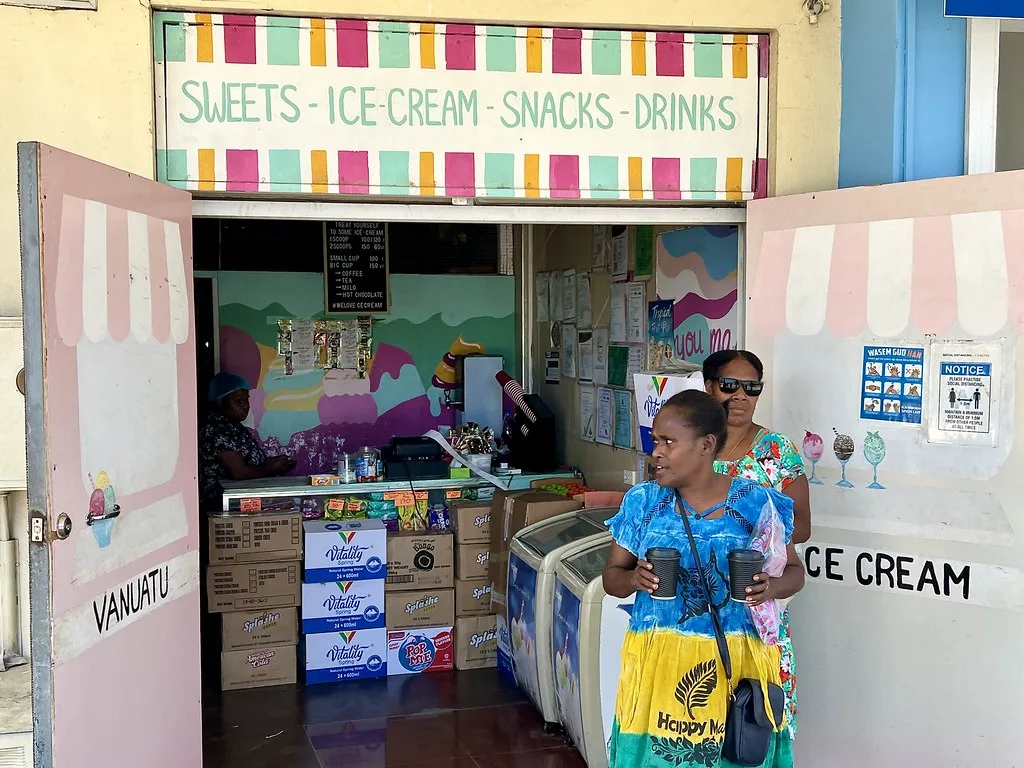
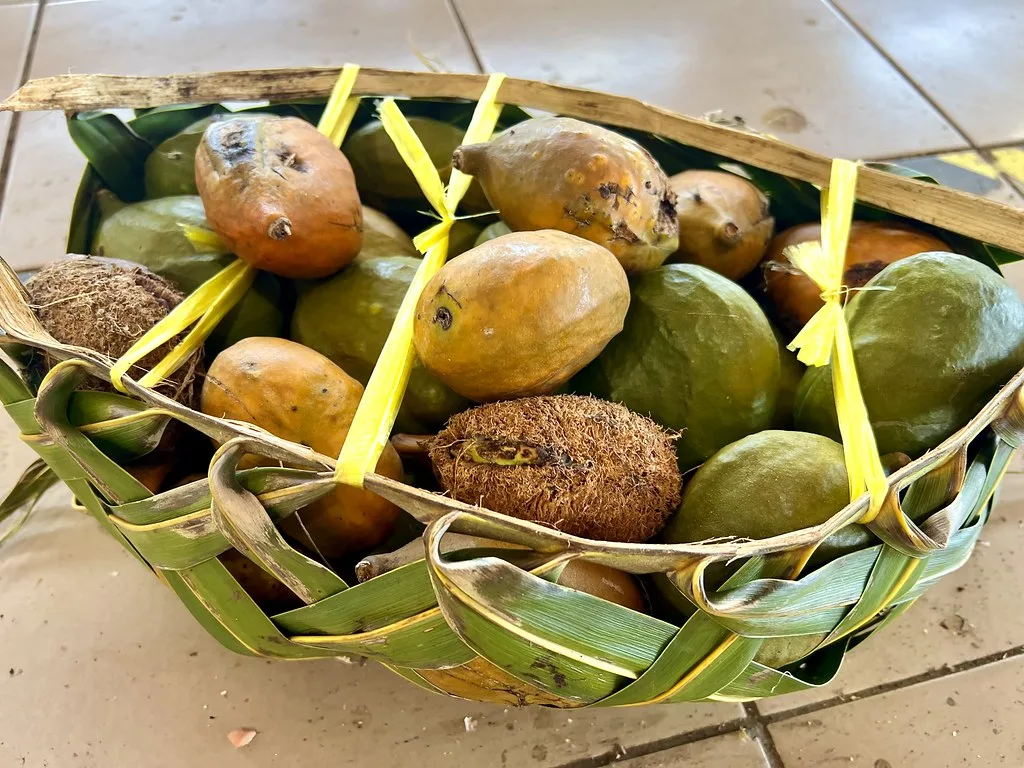
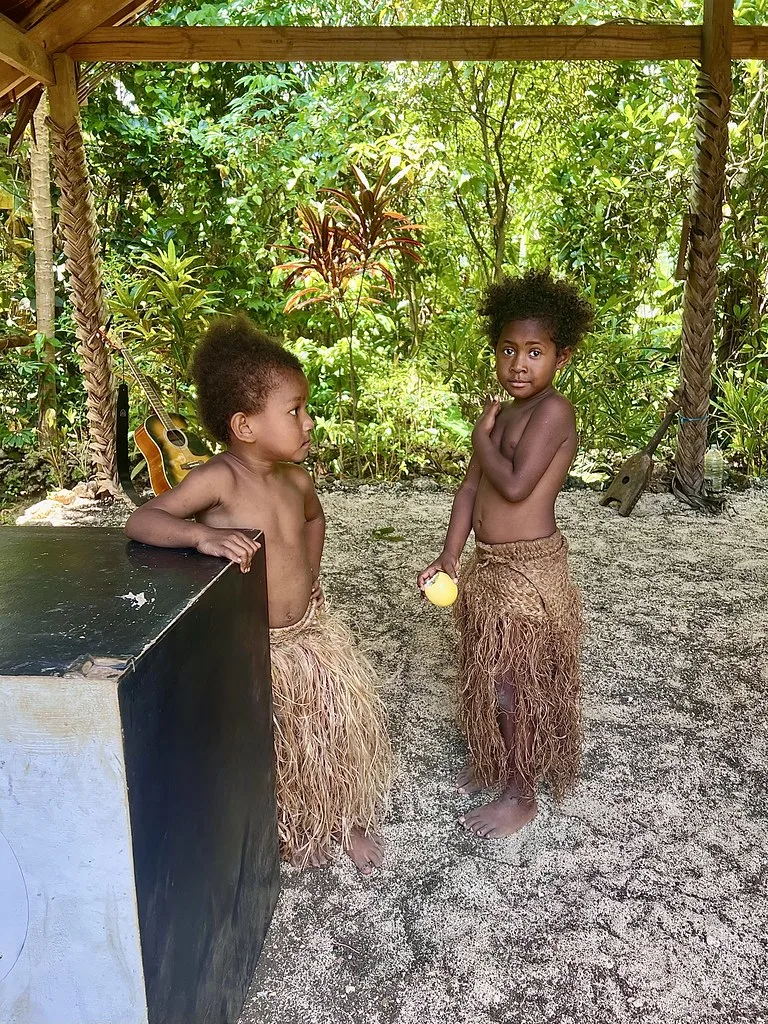
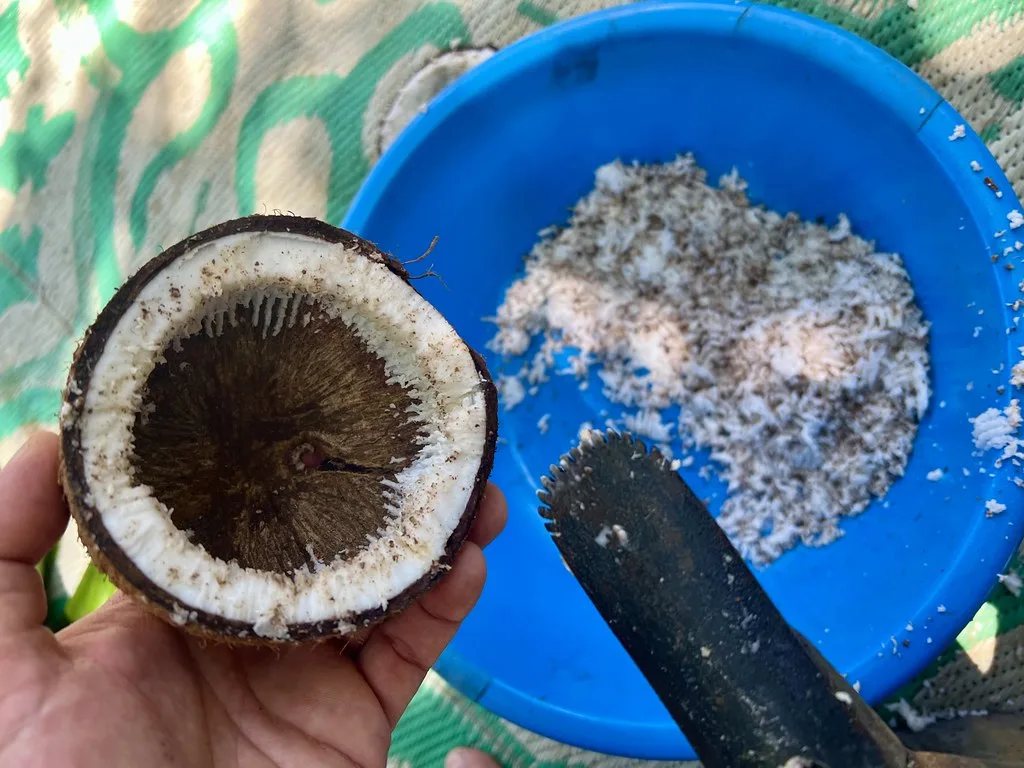
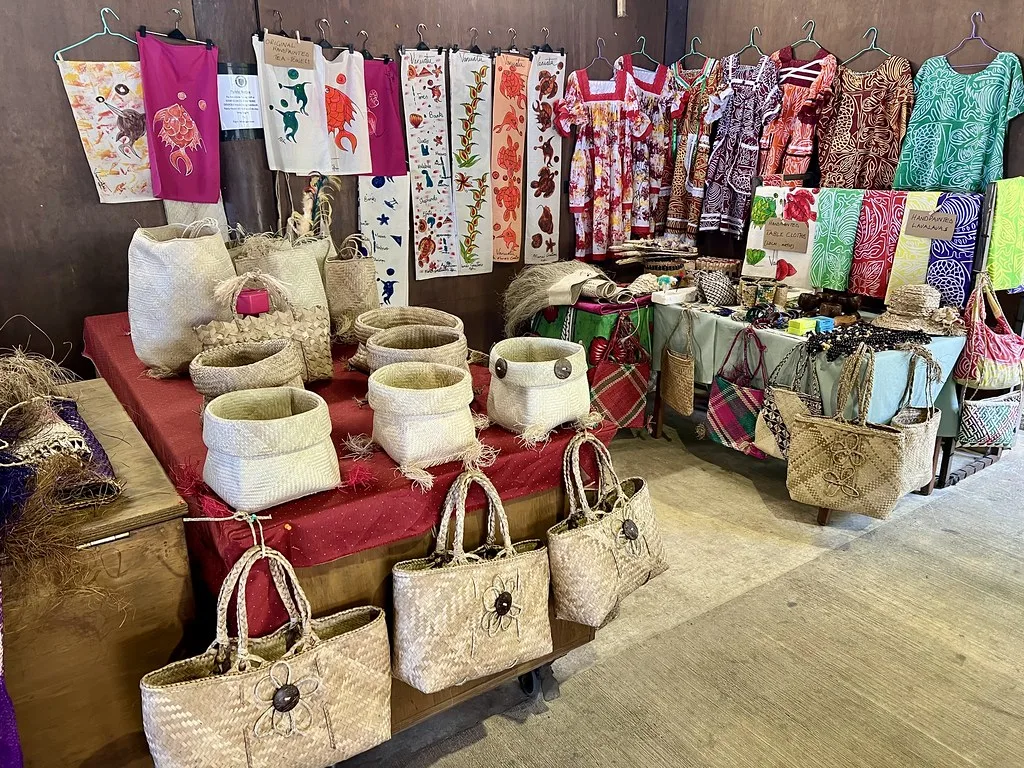
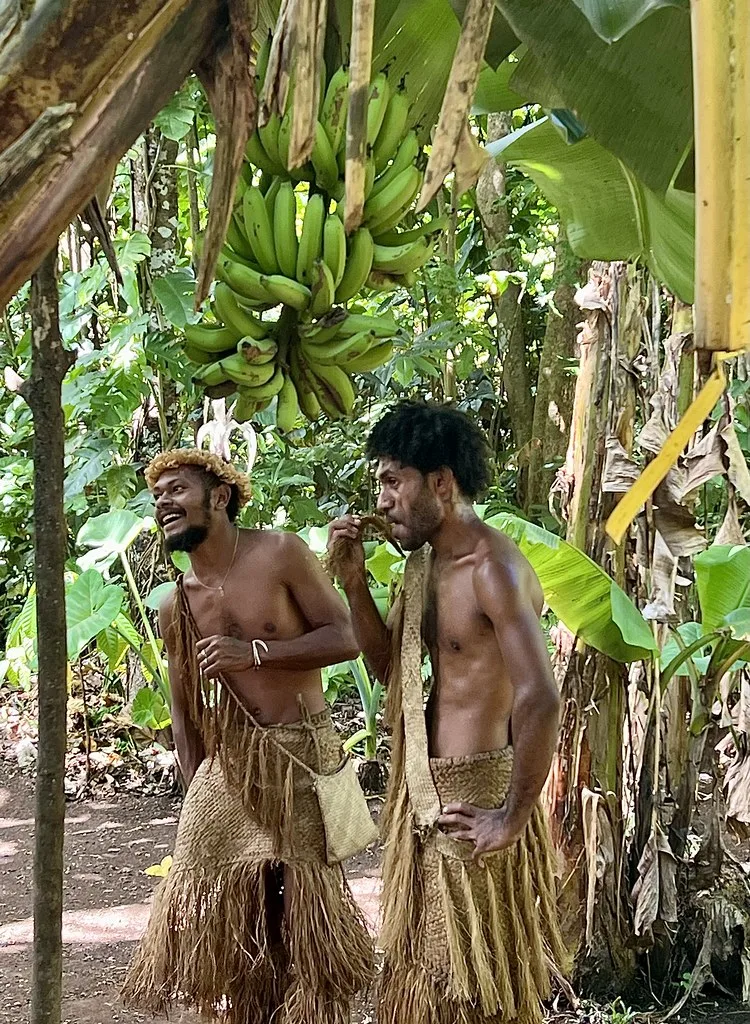
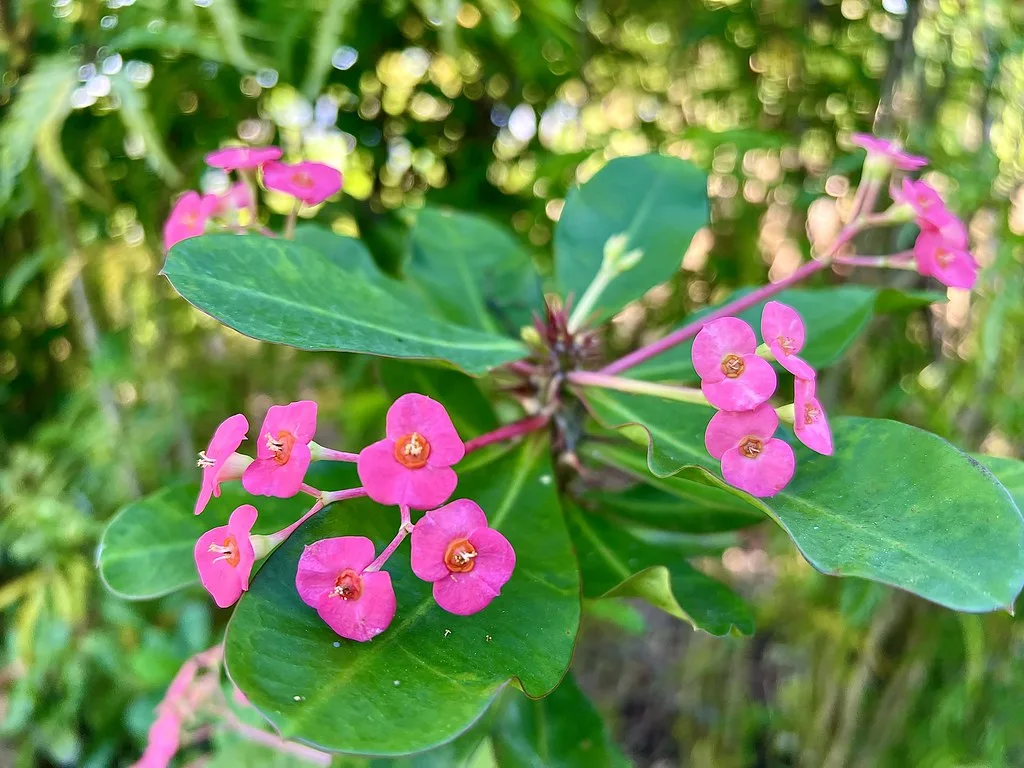
Image Credits
Frequently Asked Questions
Q: Where do cruise ships dock in Vanuatu?
A: Ships dock at Port Vila's cruise terminal on the island of Efate. The terminal is within walking distance of downtown Port Vila (5-10 minutes along a flat, paved waterfront path). The natural harbour setting provides calm, protected waters for docking. The pier area is accessible for wheelchair users with ramp access from ship to terminal.
Q: What is the underwater post office at Hideaway Island?
A: Hideaway Island features the world's only underwater post office, located three metres below the surface. You snorkel down with a waterproof postcard, have it stamped by a scuba-equipped postal worker, and mail it to anyone. The postcard genuinely arrives postmarked from the ocean floor. Day pass costs approximately $30 USD including snorkel gear and beach access.
Q: Should I visit Mele Cascades or the Blue Lagoon?
A: Both if time permits. Mele Cascades is closer (15 minutes by taxi), easier to access, and offers rainforest waterfalls with natural swimming pools — perfect for a half-day. The Blue Lagoon is farther (45 minutes) but stunningly clear with brilliant blue water. Cascades work as a half-day, the Lagoon as a full-day trip.
Q: What currency do I need?
A: Vanuatu Vatu (VUV) is the official currency, but Australian Dollars are widely accepted. ATMs are available in Port Vila. Bring cash — many attractions, markets, and taxis do not accept credit cards.
Q: Is Ekasup Cultural Village worth visiting?
A: Yes. It offers authentic cultural transmission, not a staged tourist show. Community members share traditions practised for 3,000 years including fire-making, weaving, and kastom dance. Half-day including travel. One of the most genuine cultural experiences in the South Pacific.
Q: Is Vanuatu accessible for visitors with limited mobility?
A: Port Vila town centre is flat and walkable with wheelchair-friendly paths along the waterfront. The cruise terminal has ramp access. However, attractions like Mele Cascades involve uneven trails, and the Blue Lagoon has rocky entry points. Hideaway Island requires a short boat transfer. The Cultural Centre in town is the most accessible major attraction.
Q: What should I pack for a port day in Vanuatu?
A: Essentials include reef-safe sunscreen, insect repellent, water shoes (for waterfalls and lagoon), swimsuit, towel, a light cover-up for village visits, cash in Vatu or Australian Dollars, and a waterproof camera or phone case for the underwater post office experience.
Q: What is the best time to visit Vanuatu?
A: The seasonal panel above lists Peak Season as "Oct, Nov, Dec, Jan, Feb, Mar," Transitional Season as "Apr, Sep," and Low Season as "May, Jun, Jul, Aug." The avoidance note flags "Jul, Aug, Sep" for "(monsoon/typhoon season)." Note Vanuatu sits in the Southern Hemisphere — the panel's Northern-Hemisphere month labelling may not reflect local rhythms. Use the live weather widget for current conditions.
Q: What is cyclone and storm season in Vanuatu?
A: The Weather Hazards panel above labels Vanuatu's heavy-weather window as "South Pacific Cyclone Season" with "Season: Nov – Apr" and "Peak risk: Jan, Feb, Mar." The hazard-note explains: "Tropical cyclones occasionally affect the South Pacific during the southern summer. Ships may adjust itineraries during active systems; check the Fiji Meteorological Service / NIWA tropical-cyclone outlook for current status." Vanuatu (~16-20°S) sits within the South Pacific cyclone basin, where the southern-summer months carry the cyclone risk. The live weather widget in the seasonal panel above is the primary source for current conditions on a specific sailing date.
Q: Will rain ruin my Vanuatu port day?
A: The seasonal panel does not give Vanuatu-specific rainfall data — the Rain entry reads "Seasonal variation — check forecast" — and the seasonal-month assignments on this page appear to follow a Northern-Hemisphere template that may not fit Southern-Hemisphere Vanuatu. The live weather widget in the seasonal panel above is the source for short-term forecasts on a specific sailing date.
Author's Note: Until I have sailed this port myself, these notes are soundings in another's wake — helpful for planning, and marked for revision once I've logged my own steps ashore.
Key Facts
- Country
- Vanuatu
- Region
- South Pacific
- Currency
- Vanuatu Vatu (VUV); Australian Dollar also widely accepted; ATMs available in Port Vila; no tipping culture
- Language
- English, French, Bislama (all official); English widely understood in tourist areas