


Photo: Wikimedia Commons
My Logbook: A City That Shouldn't Exist
Venice is impossible. A city built on 118 islands in a lagoon, connected by over 400 bridges, where streets are canals and buses are boats, where foundations rest on wooden pilings driven into mud centuries ago—and somehow it all still works. I first saw Venice from the deck of a cruise ship threading through the Giudecca Canal, the skyline of domes and campaniles rising from the water like a fever dream made stone. St. Mark's Campanile caught the morning sun, Santa Maria della Salute's baroque domes gleamed white against the blue, and gondolas slipped between the waves of our wake. I understood immediately why this city has inspired artists, poets, and travelers for five centuries—and why nothing I'd read or seen in photographs had prepared me for the reality.
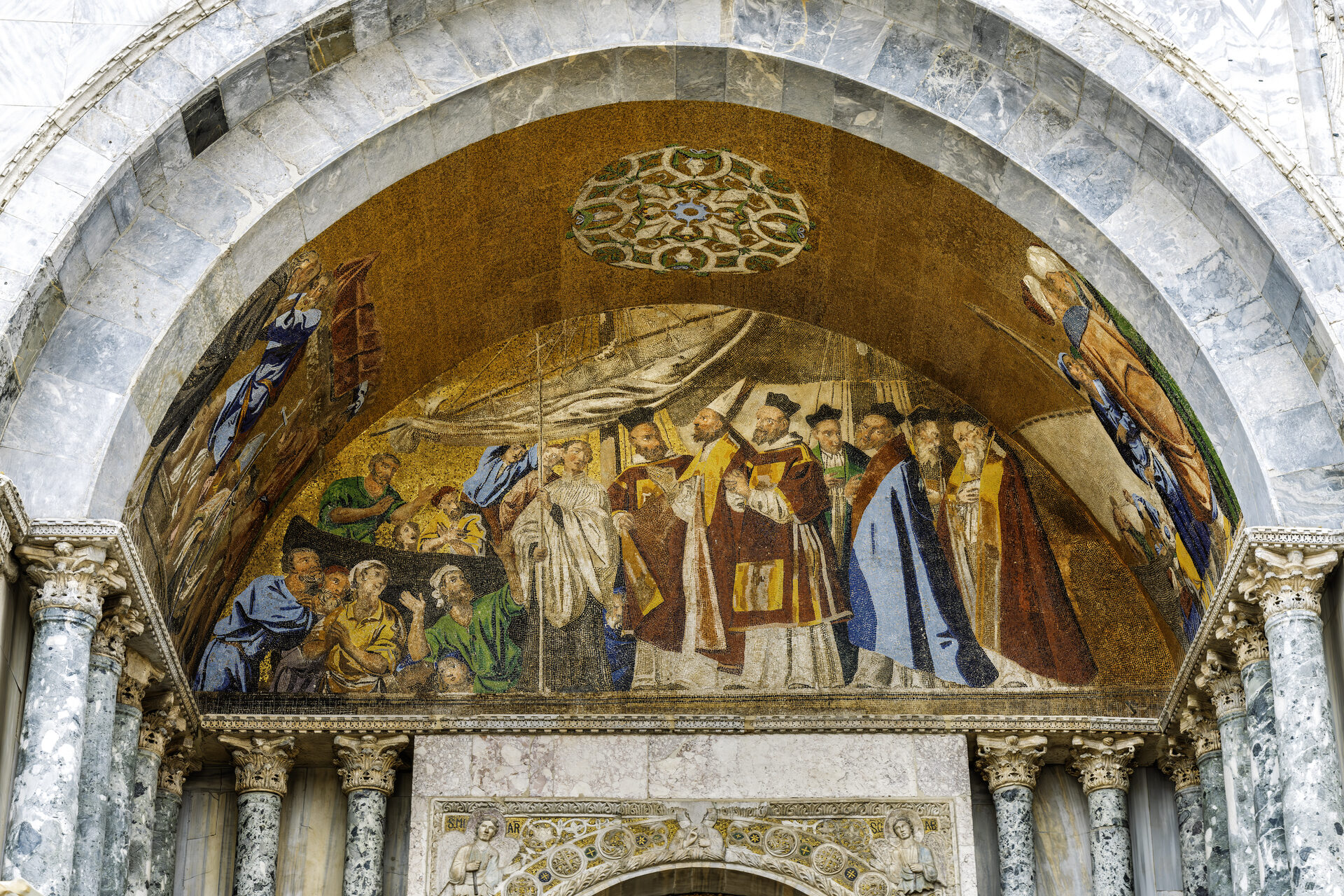
My first morning I made straight for St. Mark's Square, that vast piazza Napoleon called "the drawing room of Europe." Pigeons wheeled overhead, tourists clustered around the Campanile, and the Byzantine domes of St. Mark's Basilica gleamed with golden mosaics visible even from outside. I joined the queue to enter the basilica—free admission, though lines can stretch long—and stepped into a space that felt more Istanbul than Italy, more heaven than earth. Every surface covered with gold-ground mosaics depicting biblical scenes, the dim interior illuminated by candles and the filtered light from alabaster windows. However, the crowds inside pressed close, and the marble floors showed the wear of millions of feet. Venice's beauty comes with Venice's burden: it belongs to the world now, not just to itself.
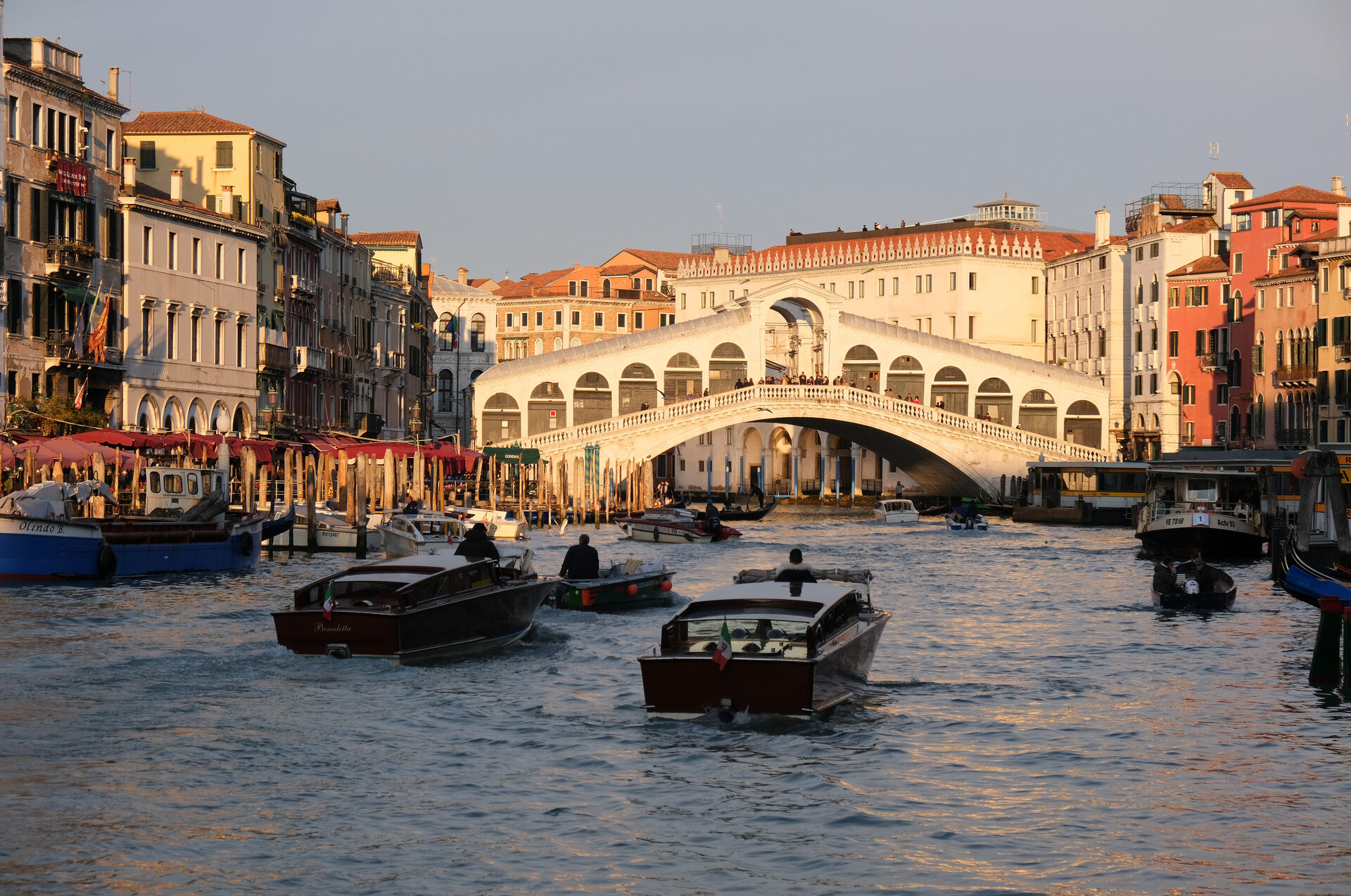
I walked toward the Rialto Bridge, but "walked" understates the experience. In Venice, you don't walk—you navigate. Streets twist, dead-end at canal edges, double back unexpectedly. I got lost within fifteen minutes and discovered this was exactly right. A wrong turn led me to a tiny square where children played soccer against a church wall. Another brought me to a canal where a delivery boat was unloading vegetables to a restaurant. Getting lost in Venice means finding Venice—the real city hiding behind the tourist thoroughfares. The Rialto Bridge itself, when I finally reached it, offered postcard views of the Grand Canal and the merchant city's commercial heart, though the shops lining the bridge sold mostly tourist trinkets rather than the spices and silks that once made Venice rich.
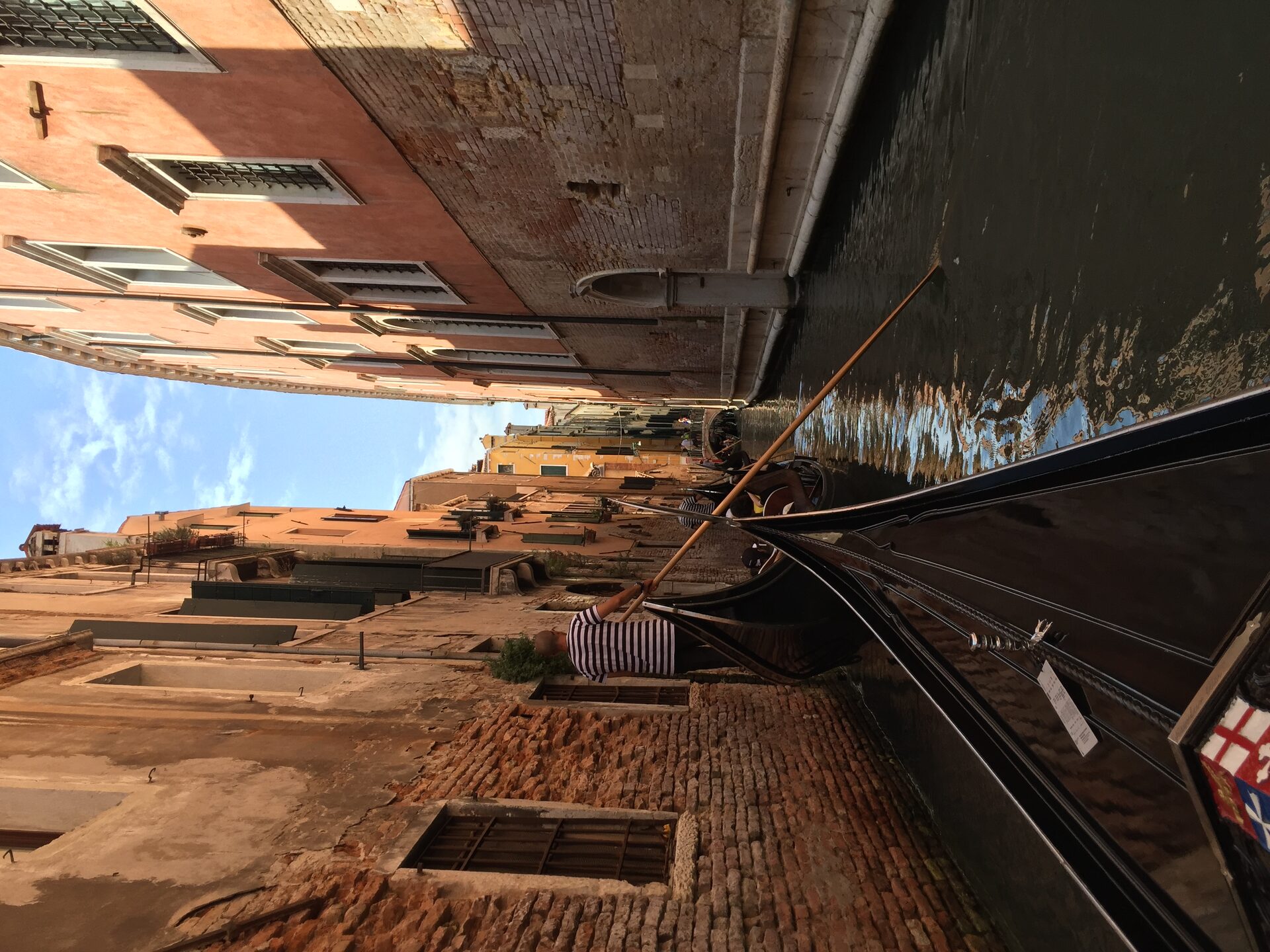
I took a gondola ride—yes, the expensive, touristy, utterly essential gondola ride. The gondolier, Carlo, had been poling tourists through these canals for thirty years, following his father and grandfather. He steered us away from the Grand Canal into narrow waterways barely wider than his boat, past palazzos whose ground floors have flooded so often the doors are sealed, under bridges so low I had to duck. The water slapped against ancient stone, and for a moment the noise of tourists faded and there was only the creak of the oar, the drip of water, the echoes of this impossible city. Though €80 felt steep for forty minutes, I understood immediately why gondolas remain Venice's symbol—they're the only way to truly experience its labyrinthine waterways.
On my second visit I took the vaporetto—Venice's public water buses—to Murano and Burano, the islands in the lagoon. Murano has made glass for a thousand years, the furnaces burning continuously since 1291 when glassmakers were exiled here to protect Venice from fire. I watched a demonstration where molten glass transformed into an intricate horse in minutes, the artisan's movements flowing with casual expertise born of lifelong practice. Burano, farther out, offered a different magic—an island of fishing houses painted in bright primary colors, the reflections doubling the rainbow in the canal water. Although the colors originated as practical markers helping fishermen find their homes in fog, they've become an attraction in themselves, drawing photographers seeking that perfect shot of pink beside orange beside blue.
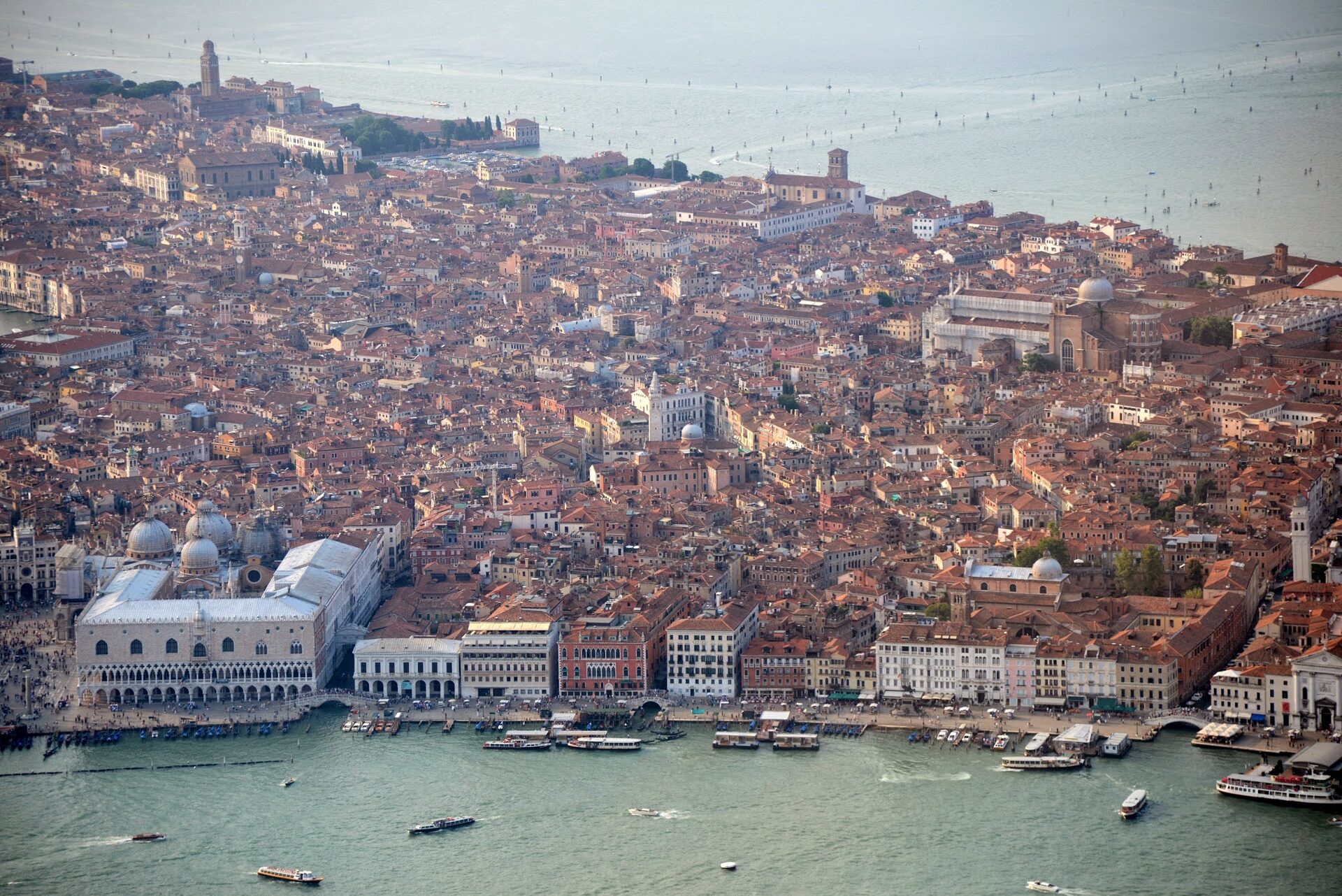
The Doge's Palace consumed another morning—that pink-and-white Gothic fantasy overlooking the lagoon, residence of Venice's elected rulers for centuries. The council chambers with their Tintoretto and Veronese paintings, the armory with weapons that defended the republic, the Bridge of Sighs connecting the palace to the prison where Casanova once escaped. Yet what struck me most was the sheer ambition: this small collection of swampy islands built an empire that dominated Mediterranean trade, conquered Constantinople, and amassed wealth that still glitters in every church and museum. The palace tells that story—beauty as power, art as politics, splendor as statement.
Venice is sinking. Venice is overcrowded. Venice faces existential threats from rising seas and mass tourism. But Venice is also still here—still beautiful, still functioning, still capable of taking your breath away when you round a corner and find a scene unchanged since Canaletto painted it three centuries ago. Despite its problems, Venice delivers experiences no other city can match: the play of light on water, the echo of footsteps through marble passages, the glimpse of a private garden through a palazzo gate, the knowledge that you're walking where Byzantines and Doges and Renaissance masters walked. It's worth the crowds, worth the expense, worth the complications of getting here by cruise ship. Nothing else on earth is Venice.
Weather & Best Time to Visit
The Cruise Port
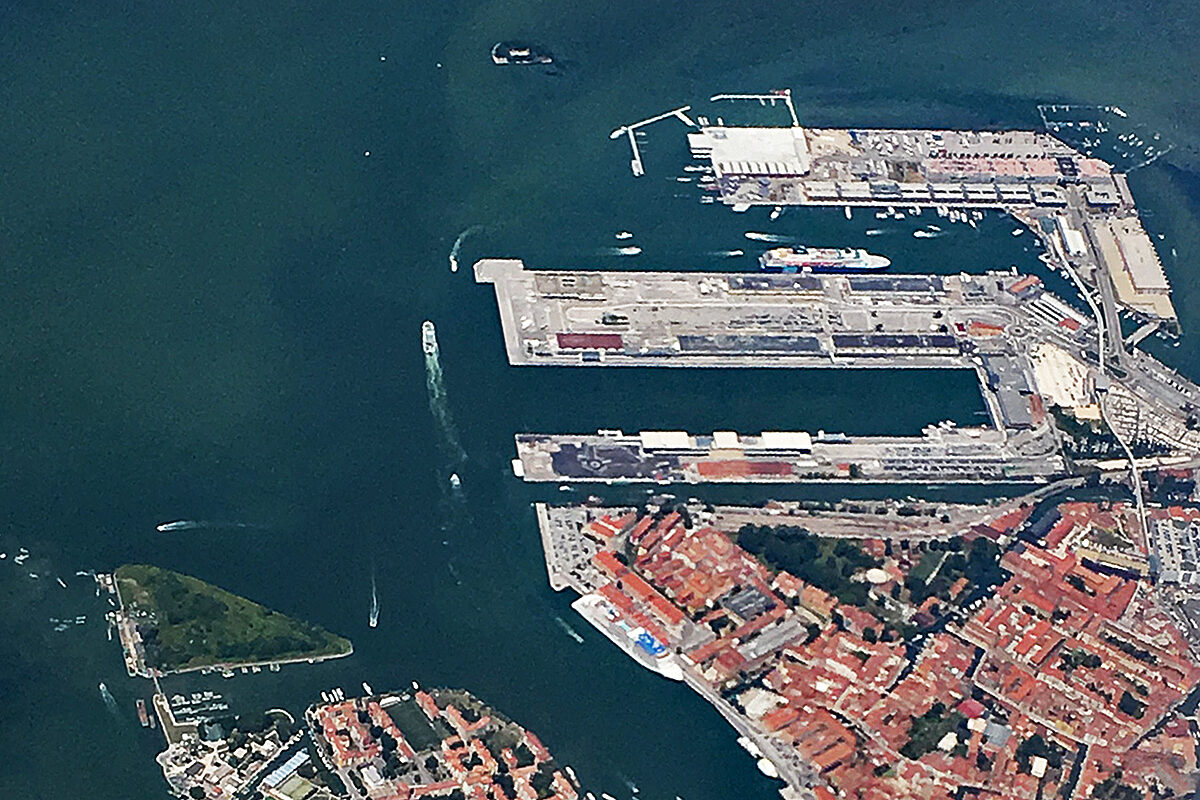
Large cruise ships no longer sail through the Giudecca Canal past St. Mark's Square—that iconic but controversial practice ended in 2021 to protect the fragile lagoon. Ships now dock at Marghera on the mainland, requiring shuttle transfer to Venice proper. The journey takes 20-30 minutes by bus or People Mover, depositing passengers near Piazzale Roma, Venice's mainland gateway. From there, vaporettos connect to all parts of the city. Some smaller ships still use the Cruise Terminal near San Basilio, which offers more direct access but limited capacity.
The changed port situation requires planning. Allow extra time for transfers, and don't expect to step directly from ship to St. Mark's Square. Vaporetto passes (€25-35 for 24-48 hours) are worth the investment for unlimited travel on the water bus network. Venice is entirely walkable once you're on the islands, but water transport connects neighborhoods efficiently and provides classic views of the Grand Canal.
Getting Around
- Walking: The primary way to explore Venice. All of the main island is walkable, though narrow streets, dead ends, and bridges with steps make navigation challenging. Follow the yellow signs pointing to major landmarks (Rialto, San Marco, Ferrovia). Getting lost is inevitable and part of the experience—just budget extra time.
- Vaporetto ($8-35): Venice's public water buses connect major stops along the Grand Canal and to outer islands. Single tickets cost €9.50; 24-hour passes €25, 48-hour €35. Essential for reaching Murano, Burano, and Lido. Lines 1 and 2 traverse the Grand Canal; Line 12 serves Murano and Burano. Validate tickets before boarding.
- Water Taxis ($70-150): Private motorboats offer direct service anywhere in the city. Expensive but efficient for groups or when time is limited. Fixed rates from airport and cruise terminals; negotiate for other journeys. A splurge for special occasions or when vaporetto queues are long.
- Gondolas ($80-100): Purely for the experience—not practical transport. Official rate €80 for 40 minutes (up to 6 passengers), €100 after 7 PM. Prices are fixed by the city; don't pay more. Best experienced in quieter back canals rather than the crowded Grand Canal. A memorable if costly indulgence.
- Accessibility: Venice presents exceptional challenges for wheelchair users and those with mobility limitations. Virtually every route involves bridges with steps, narrow passages, and uneven paving. Vaporettos have accessibility ramps at some stops but not all. The city has worked to improve accessibility but genuine limitations remain. Visitors with mobility concerns should research specific routes and consider whether Venice is feasible given their needs.
Venice Area Map
Interactive map showing the main islands, Grand Canal, St. Mark's Square, Rialto Bridge, and outer islands of Murano and Burano. Note that the cruise terminal at Marghera is on the mainland, requiring transfer to Venice proper.
Top Excursions & Things to Do
Booking guidance: St. Mark's Basilica is free but lines are long—book ahead for skip-the-line tickets online. Doge's Palace requires advance reservations during peak season. Ship excursions offer guided experiences with guaranteed return to port. Independent exploration via vaporetto works well for confident travelers. Gondola rides don't need booking—gondoliers wait at stands throughout the city.
St. Mark's Square & Basilica (free-$15)
ESSENTIAL for any Venice visit. The square (Piazza San Marco) is Venice's civic and spiritual heart, surrounded by the Basilica, Campanile bell tower, and Doge's Palace. The Basilica entrance is free but queues can exceed an hour—skip-the-line tickets worth the €6 investment. Interior mosaics covering 8,000 square meters of gold-ground Byzantine splendor stop you mid-step. The Campanile offers panoramic views (€10, elevator available). Allow 2-3 hours for the complex.
Doge's Palace ($30-40)
ESSENTIAL for history and art lovers. The pink-and-white Gothic palace served as Venice's seat of power for centuries. Tour the lavish council chambers with ceiling paintings by Tintoretto and Veronese, cross the Bridge of Sighs to the prisons, and learn how this maritime republic functioned. Book timed-entry tickets at palazzoducale.visitmuve.it—wait times can be brutal during peak season. Allow 2 hours minimum.
Gondola Ride ($80-100)
Undeniably touristy, undeniably magical. No advance reservation needed—simply approach a gondolier at any stand throughout the city. The official rate is €80 for 40 minutes (up to 6 people), €100 after 7 PM. Prices are fixed—don't pay more. Request the quieter back canals rather than the crowded Grand Canal for the most atmospheric experience. Sharing a gondola with other passengers reduces per-person cost. An iconic Venice experience worth the splurge for most visitors.
Murano & Burano Islands ($20-30)
Vaporetto Line 12 connects these lagoon islands for independent exploration. No advance booking required—simply purchase vaporetto tickets and go. Murano offers glass-making demonstrations (free at showrooms, small fee for artisan workshops) and centuries-old tradition. Burano dazzles with rainbow-painted houses and lace-making heritage. Half a day covers both comfortably. A refreshing escape from Venice's most crowded areas while remaining quintessentially Venetian.
Grand Canal Vaporetto Ride ($10)
The budget alternative to water taxis. Take Line 1 from Piazzale Roma to San Marco—it stops at every station, taking 45 minutes to traverse the full canal past Renaissance palaces, the Rialto Bridge, and Gothic warehouses. Stand at the front or back for best views. A €10 single ticket buys the same views a €100 water taxi provides. Best in morning or late afternoon light.
Get Lost in Cannaregio or Dorsoduro (free)
Venice's quieter neighborhoods offer respite from St. Mark's crowds. Cannaregio, the northern sestiere, features the Jewish Ghetto (the world's first, giving us the word), local cafés, and authentic residential atmosphere. Dorsoduro houses the Accademia gallery and Peggy Guggenheim Collection. Simply wandering reveals hidden squares, neighborhood churches, and the everyday Venice tourists rarely see.
DIY vs. Ship Excursion: St. Mark's & Doge's Palace
DIY Vaporetto + Tickets (€35-50/person)
- Vaporetto day pass €25 — unlimited rides all day
- Doge's Palace skip-the-line ticket €30 online
- St. Mark's Basilica free (reserve timeslot online)
- Explore at your own pace between sites
Ship Excursion (€80-130/person)
- Water taxi from terminal to St. Mark's Square
- Guided tour with expert Venetian commentary
- Skip-the-line access to palace and basilica
- Often includes gondola ride or glass factory visit
Depth Soundings
Practical details and honest assessments for planning your Venice day.
- Transfer reality: From Marghera cruise terminal, the transfer to Venice takes 20-30 minutes. You won't step directly onto St. Mark's Square—budget this transit time. Some cruise lines offer vaporetto passes as part of transfer packages; check before purchasing separately.
- Crowds are relentless: St. Mark's Square, Rialto Bridge, and main thoroughfares are packed during cruise ship hours. Arrive early, stay late, or explore quieter neighborhoods like Cannaregio and Dorsoduro. Venice is more pleasant before 10 AM and after 5 PM.
- Expect to get lost: Venice's streets twist, dead-end, and defy logic. Google Maps works but imperfectly. Following yellow signs to major landmarks helps. Getting lost is part of the experience—some of Venice's best discoveries come from wrong turns.
- Water levels vary: Acqua alta (high water) floods parts of Venice, particularly St. Mark's Square, during fall and winter. Raised walkways appear, but prepare for wet feet. Check forecasts if visiting October-February. Flooding is less common in summer cruise season.
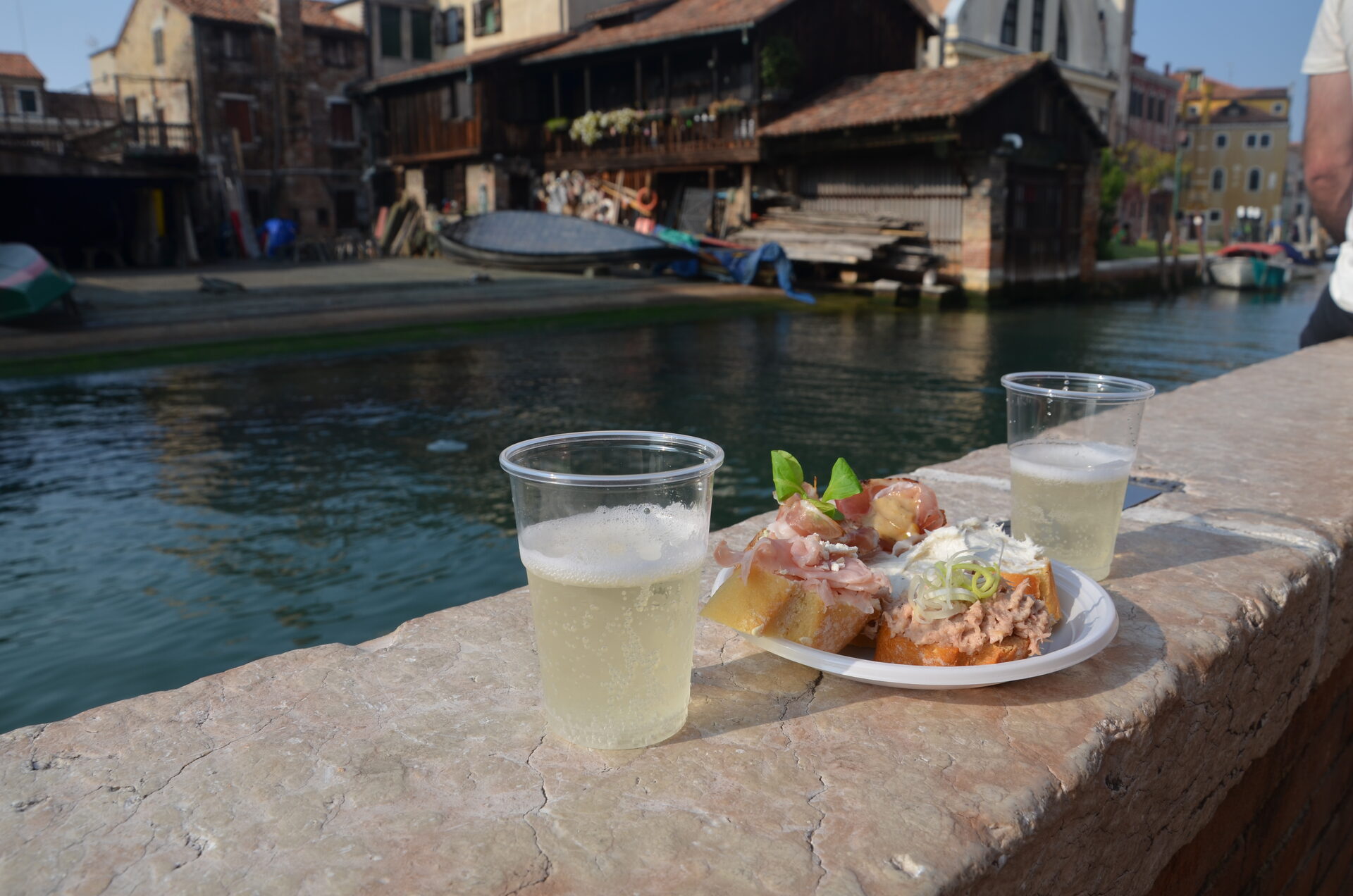
- Eating and drinking: Tourist restaurants near St. Mark's charge premium prices for mediocre food. Better options hide in residential neighborhoods—look for places serving cicchetti (Venetian tapas) at the bar. Bellinis at Harry's Bar are expensive but historically significant. Coffee standing at a bar costs €1-2; sitting down costs €5-10.
- Venice is expensive: Gondola rides, vaporetto tickets, museum entries, and restaurant meals add up quickly. Budget accordingly or focus on free pleasures—walking, getting lost, people-watching in squares. The canals and architecture don't charge admission.
Photo Gallery
Frequently Asked Questions
Can I still sail into Venice on a cruise ship?
Large ships no longer transit the Giudecca Canal past St. Mark's Square. Most dock at Marghera on the mainland, requiring 20-30 minute transfer to Venice. Some smaller ships use the San Basilio terminal closer to the city center. The iconic sailaway past St. Mark's has ended to protect the lagoon.
Is a gondola ride worth €80?
For many visitors, yes—it's an iconic experience unique to Venice. The journey through narrow back canals offers perspectives impossible to get on foot. Share with others to reduce per-person cost (up to 6 passengers). Skip it if budget is tight—the Grand Canal vaporetto ride costs €10 and provides similar views.
How much time do I need in Venice?
A full cruise port day (8-10 hours) allows St. Mark's complex, a Grand Canal vaporetto ride, and general exploration. Add island visits to Murano and Burano only if you skip something else or move quickly. Venice rewards longer visits—two days barely scratches the surface.
Are the outer islands worth visiting?
Murano (glassmaking) and Burano (colorful houses) make excellent half-day trips via vaporetto. They're less crowded than central Venice and offer distinct experiences. However, if time is limited, prioritize St. Mark's and the Grand Canal—the main islands contain Venice's greatest treasures.
Is Venice accessible for wheelchairs?
Venice presents significant accessibility challenges. Nearly every route involves bridges with steps, narrow passages, and uneven paving. Some vaporetto stops have accessibility ramps. The city has improved but genuine limitations remain. Visitors with mobility concerns should research specific routes carefully.
Last reviewed: February 2026
Key Facts
- Country
- Italy
- Region
- Veneto
- Port
- Marghera (mainland) — shuttle transfer to Venice islands
- Currency
- Euro (EUR)
- Language
- Italian
- Climate
- Humid subtropical — warm summers, cool damp winters, acqua alta risk in autumn
Venice charges a day-tripper entry fee (€5) during peak days — check comune.venezia.it before arrival. The Rialto Bridge and St. Mark's Square are packed from 10 AM to 4 PM when cruise ships are in. Get lost in Dorsoduro or Cannaregio for the real Venice. Sit-down coffee at St. Mark's costs €12-15 with the "music surcharge."